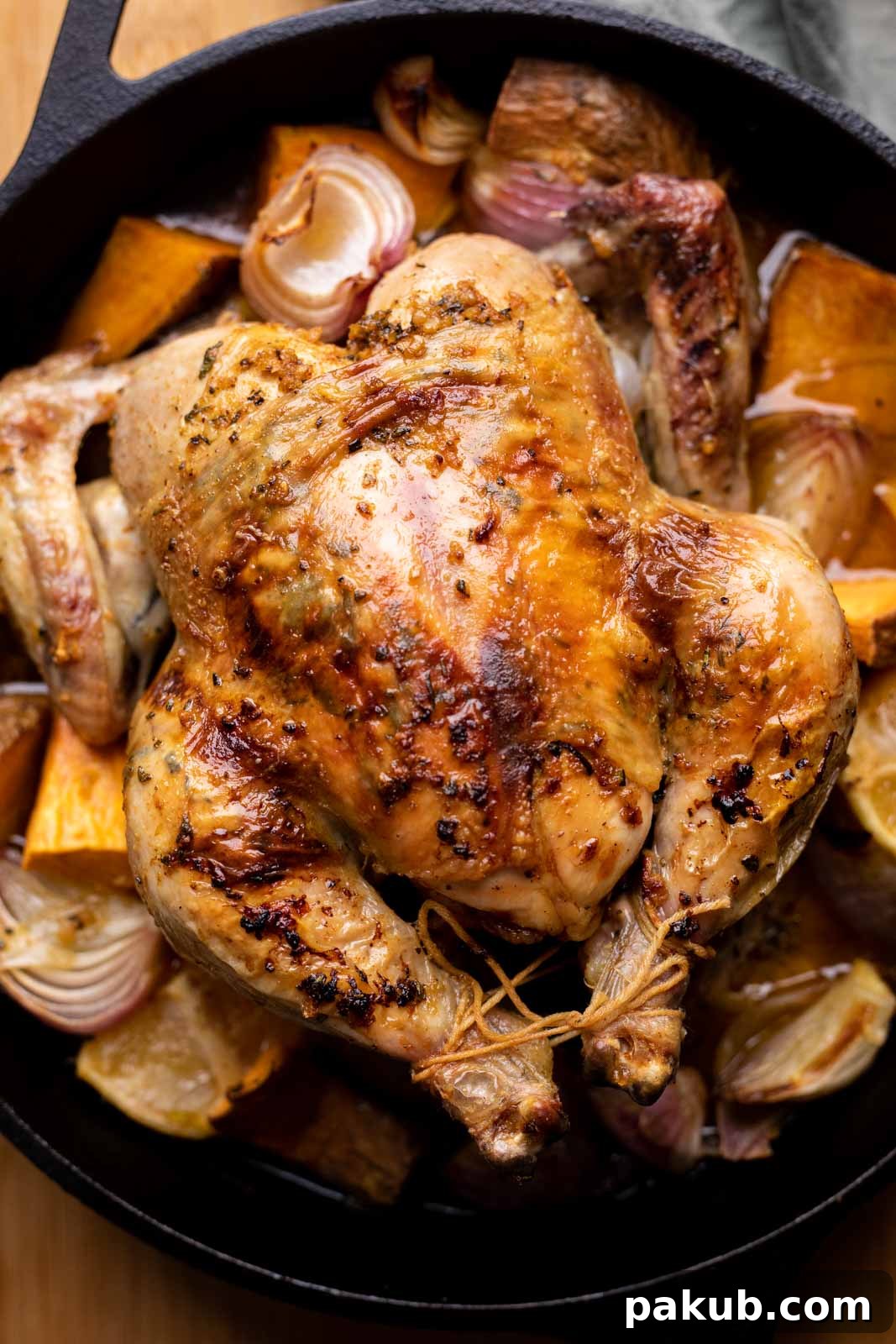
Imagine a roast chicken with perfectly crispy skin, tender, succulent meat, and an abundance of flavor infused with fragrant herbs and garlic. This ultimate guide will walk you through creating a show-stopping whole roasted herb garlic butter chicken, complete with detailed instructions for a delicious pan jus. Get ready to master the art of roast chicken, from prepping and marinating to roasting and carving! This comprehensive recipe is designed to be SEO-friendly, using keywords like “roast chicken,” “crispy skin chicken,” “herb garlic chicken,” and “homemade roast chicken” to help you find the best results.
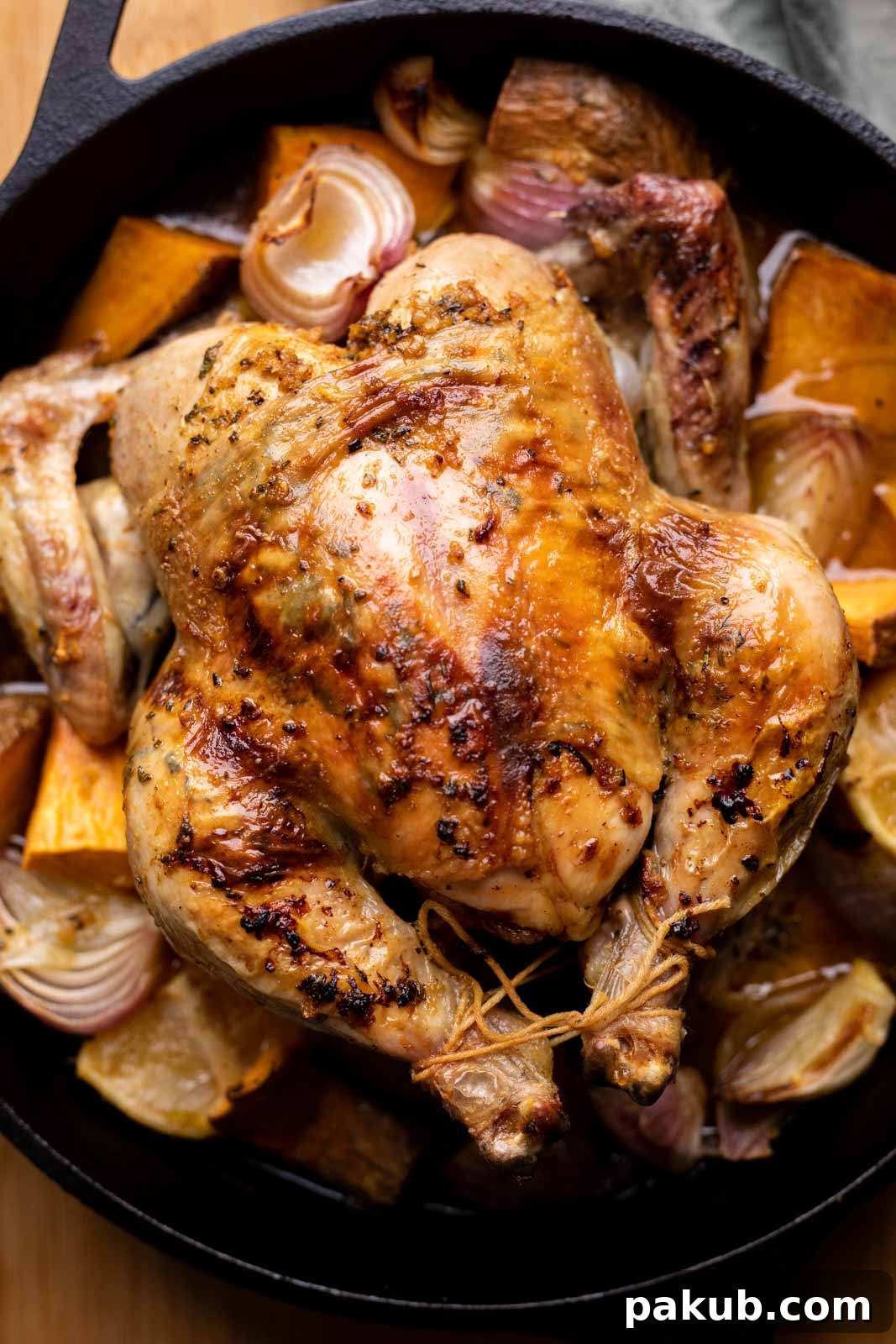
There’s nothing quite like a perfectly roasted chicken to bring warmth and joy to any table, especially during festive seasons like Christmas or for a comforting Sunday dinner. This Herb Garlic Roast Chicken recipe stands out as one of the most requested, offering a truly satisfying experience that pairs beautifully with creamy mashed potatoes and roasted vegetables. What makes this recipe exceptional is its foolproof approach to achieving that elusive balance: a beautifully crisp, golden-brown skin encasing incredibly tender, succulent, and juicy meat. We’ve honed this homemade roast chicken recipe through several trials to ensure every step is clear and simple to follow, guaranteeing a spectacular result every time. Our goal is to make the process of roasting a whole chicken accessible and enjoyable for every home cook. Plus, with our method, nothing goes to waste – even the rich pan juices are transformed into a delectable, flavorful gravy!
The Ultimate Herb Garlic Butter: A Flavor Powerhouse
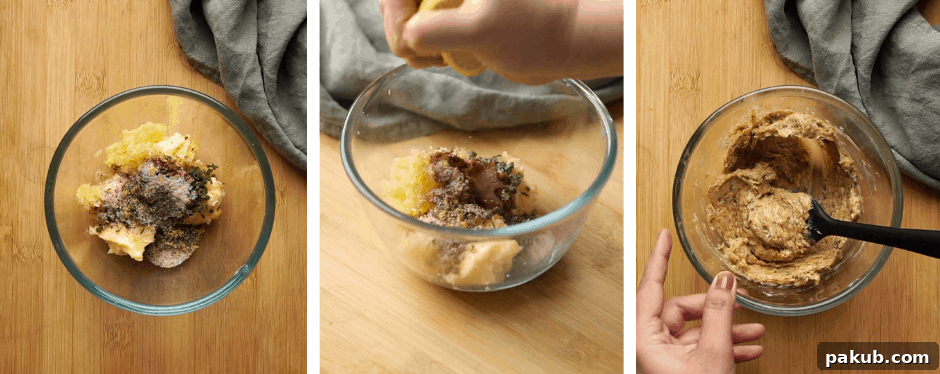
The secret to an intensely flavorful roast chicken begins with a luxurious herb garlic butter. This aromatic blend not only keeps the chicken incredibly moist but also deeply infuses it with taste. Our chosen herbs, thyme and sage, offer a classic, earthy aroma that complements chicken perfectly without being overpowering. While fresh parsley can certainly be added for a vibrant, fresh note, we focus on a harmonious blend that creates a profound savory base. A touch of paprika and freshly ground black pepper adds a subtle warmth and a beautiful hue to the crispy skin, while fresh lemon zest introduces a bright, citrusy zing that cuts through the richness and elevates all the flavors. All these ingredients are meticulously combined with soft butter, creating a simple yet incredibly effective marinade that transforms a humble whole roasted chicken into a gourmet meal.
This potent herb butter isn’t just for rubbing on the outside; its true magic unfolds when spread generously both over and underneath the chicken skin, as well as inside the cavity. This strategic application ensures that every part of the chicken, from the lean breast to the rich thighs, absorbs maximum flavor, making each bite an absolute delight. It’s the foundational step to a truly unforgettable herb garlic chicken, guaranteeing deep flavor from within.
Achieving Unrivaled Crispy Skin: Three Essential Steps
Achieving that coveted crispy skin on your roast chicken is a hallmark of a well-executed dish. It’s not just about aesthetics; crispy chicken skin adds incredible texture and seals in moisture, ensuring a juicy interior. Here are three crucial steps to guarantee a golden, crackling skin every single time, making your whole roasted chicken truly spectacular:
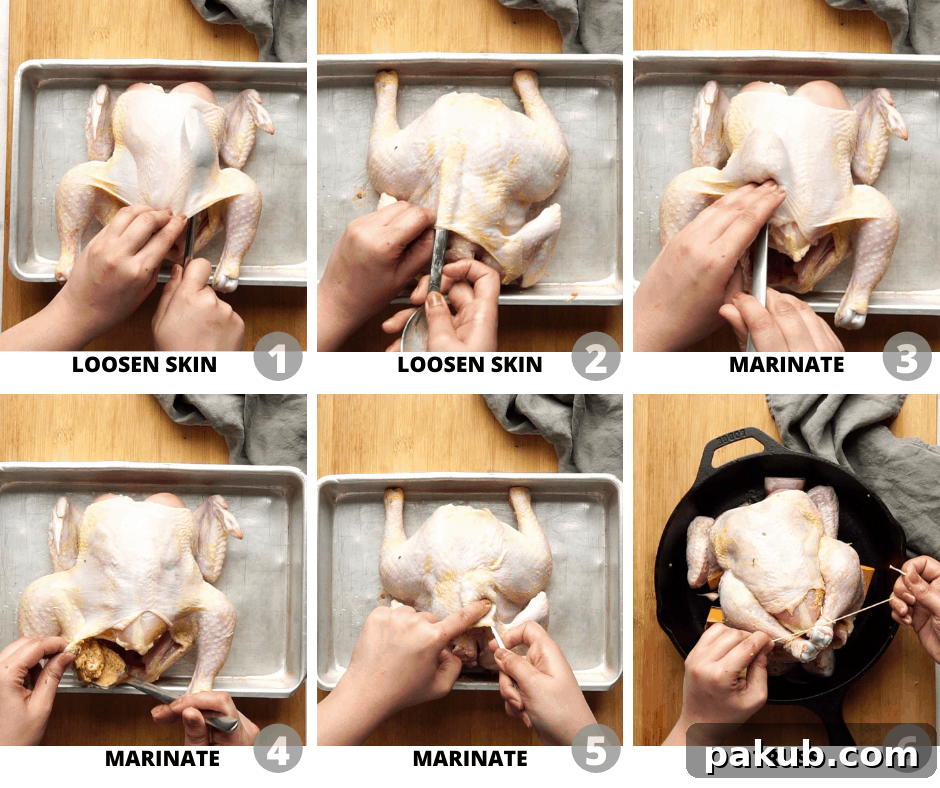
- Loosening the Chicken Skin: The Gateway to Flavor and Crispiness. This step is paramount and should never be skipped. Carefully use the back of a spoon or your fingers to gently separate the skin from the breast meat and thighs. The goal is to create generous pockets where the herb garlic butter can be generously applied. This direct contact allows the meat to soak up all the delicious flavors, resulting in incredibly succulent and well-seasoned chicken. Furthermore, loosening the skin creates a small air gap, allowing heat to circulate more effectively and render the fat, leading to that desirable crispy texture. Be diligent yet gentle to avoid tearing the skin, as it acts as a protective layer and a crucial reservoir for flavor. Skipping this will result in a visually appealing chicken with disappointingly bland meat underneath.
- Masterful Marination for Maximum Flavor Penetration. Once the skin is loosened, you have the perfect canvas for flavor infusion. Spread a generous amount of your freshly prepared herb garlic butter not only over the entire exterior of the chicken but, more importantly, underneath the skin and even inside the cavity. This creates a “double whammy” of flavor, ensuring the marinade permeates every inch of the meat. For the most profound, juicy chicken flavor, we highly recommend marinating the stuffed chicken overnight in the refrigerator. This extended period allows the herbs, garlic, and butter to work their magic, tenderizing the meat and developing complex, deep flavors that simply cannot be rushed.
- The Art of Trussing for Even Cooking and Presentation. Trussing refers to the technique of tying a bird before roasting. While traditional trussing involves complex knots to shape the entire bird, for this roast chicken recipe, a simpler approach focusing on presentation and preventing overcooking is sufficient. By simply tying the legs together with kitchen twine, you create a more compact shape that cooks more evenly and looks incredibly appealing on the platter. Additionally, tucking the wing tips behind the neck or underneath the chicken’s body prevents them from burning, as they are thinner and tend to cook faster than the rest of the bird. This ensures every part of your chicken is perfectly cooked and beautifully presented, contributing to the overall success of your whole roasted chicken.
The Perfect Roast: Guiding You Through Whole Chicken Roasting
With your chicken prepped and marinated, it’s time for the roasting magic to happen. While a cast iron skillet is my preferred choice for its excellent heat retention and ability to go from stovetop to oven, any sturdy roasting pan will yield fantastic results. The key is to create an environment where the whole roasted chicken cooks evenly and its juices contribute to a flavorful base for your pan jus.
Start by arranging a bed of hearty vegetables – like quartered onions, chunks of sweet potatoes, and halved heads of garlic – in the bottom of your roasting pan. These vegetables not only absorb the rich chicken drippings, becoming incredibly tender and delicious side dishes, but they also serve a crucial purpose: elevating the chicken. By placing the chicken, breast-side up, directly on top of the vegetables in the center of the pan, you ensure that the hot air circulates evenly around the bird. This elevation also allows the rendered fat and flavorful meat juices to drip directly onto the vegetables and into the pan, forming the base for an exquisite jus. A light drizzle of olive oil over the chicken skin before roasting will help achieve that coveted golden-brown, crispy finish. To further enrich the pan juices, pour half a cup of chicken stock into the pan alongside a few sprigs of fresh rosemary. As the chicken roasts, these ingredients will meld together, reducing into a profoundly savory liquid that will later become your irresistible chicken gravy.
Expert Tips for a Flawlessly Roasted Chicken
Roasting a whole chicken might seem daunting, but with these expert tips, you’ll achieve perfection every time, ensuring your homemade roast chicken is a resounding success:
- Bring to Room Temperature: Always remove your chicken from the refrigerator at least 60 minutes before roasting. Allowing it to come closer to room temperature ensures more even cooking throughout the bird, preventing the outer layers from drying out while the center cooks through. This step is vital for a truly juicy chicken.
- Preheat Your Oven Thoroughly: A properly preheated oven (set to 200°C / 400°F) is essential for consistent heat distribution. It helps sear the skin quickly, locking in juices and initiating that beautiful browning and crispy skin from the start.
- Initial Roasting Phase: Begin by roasting the chicken at 200°C (400°F) for approximately 25-30 minutes. This initial high heat helps crisp the skin and develop a rich color quickly.
- Calculate Cooking Time Accurately: A general rule of thumb is to allow 25 minutes of cooking time for every 500 grams (approx. 1 pound) of chicken. For instance, a 1 kg (2.2 lb) whole roast chicken will typically take around 50 minutes to cook, plus crucial resting time. Always adjust based on your specific oven and the exact size of your chicken.
- Basting for Moisture and Flavor: After the initial 30 minutes of roasting, it’s time to baste. Use a spoon or a basting bulb to generously coat the chicken with the rendered fat and flavorful juices accumulated at the bottom of the pan. This step moistens the skin, adds layers of flavor, and helps achieve an even golden-brown, crispy crust. Return the chicken to the oven for another 20 minutes after basting.
- Prevent Over-Browning: If you notice the chicken skin browning too quickly during the later stages of cooking, simply place a piece of aluminum foil loosely over the chicken, or position another baking tray on the rack directly above it. This acts as a shield, preventing direct heat exposure and ensuring the skin doesn’t burn before the meat is cooked through.
- Confirm Doneness with Confidence: The most reliable way to know your chicken is perfectly cooked is by using a meat thermometer. Insert it into the thickest part of the thigh, avoiding the bone. The internal temperature should read 75°C (165°F). If you don’t have a thermometer, pierce the thigh meat with a skewer; the juices should run completely clear, without any pink or red hue. This ensures your chicken is both safe and delicious.
- The Importance of Resting: Once removed from the oven, allow the chicken to rest, uncovered, for 10-15 minutes before carving. This crucial step allows the juices to redistribute evenly throughout the meat, ensuring every slice is as tender and juicy as possible. Skipping this will result in dry meat as all the precious juices will escape when you cut into it immediately.
Carving Your Culinary Masterpiece
After a perfect roast and a crucial resting period, it’s time for the satisfying act of carving. A well-cooked chicken should be effortless to carve, yielding tender, juicy pieces for your guests. Here’s how to approach carving your roast chicken with ease:
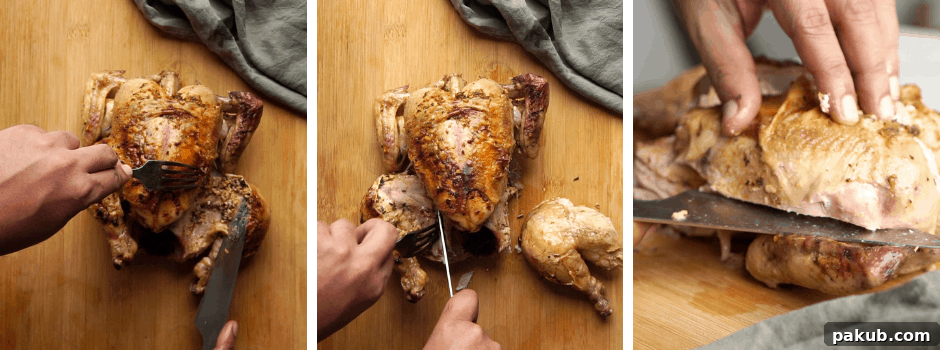
First, carefully remove any kitchen twine used for trussing. Using a sharp meat knife and a carving fork for stability, begin by separating the legs. Cut between the joint where the leg meets the body; if cooked perfectly, it should slice through with minimal resistance. Next, hold the chicken firmly with your fork and, using a horizontal motion, carefully slice off each breast, following the curve of the bone. The wings can then be easily detached from the main carcass. Finally, don’t let any delicious meat go to waste! Shred any remaining meat from the carcass, which can be wonderfully repurposed in sandwiches, salads, or pasta dishes. The leftover carcass itself is a culinary treasure, perfect for making a rich, homemade chicken stock – a true testament to the “nothing goes to waste” philosophy and an excellent way to extract every last bit of flavor from your whole roasted chicken.
Crafting the Rich Jus: A Flavorful Gravy from Pan Drippings
The delicious pan drippings, infused with the essences of roast chicken, herbs, garlic, and roasted vegetables, are far too precious to discard. They are the foundation for an incredible jus, or gravy, that ties the entire meal together. While traditional gravy often starts with a roux of flour and butter, we employ a clever shortcut that saves time without sacrificing flavor or texture, creating a perfect accompaniment to your herb garlic chicken.
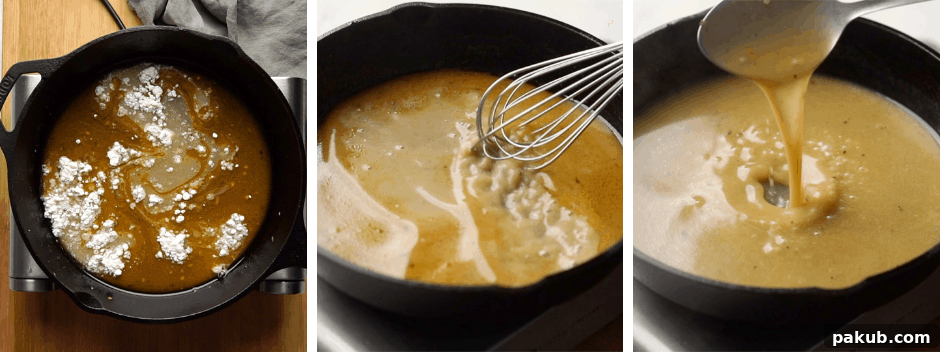
Once the chicken has been removed from the roasting pan and is resting, carefully transfer the roasted vegetables to a serving platter. There will be a wonderful concentration of flavorful liquid and rendered fat left in the pan. Place the roasting pan directly over a low heat on your stovetop. Sprinkle one tablespoon of flour directly into these pan juices and immediately whisk vigorously. This direct whisking method helps to quickly emulsify the flour with the hot drippings, creating a smooth base without lumps. Bring the mixture to a gentle boil, continuing to whisk until the liquid thickens into a rich, golden-brown gravy. If you find the gravy too thick, or desire a larger quantity, gradually whisk in an additional quarter cup of chicken stock until you reach your desired consistency. This simple yet profound sauce encapsulates all the components of your roast, transforming every bite into a symphony of flavors. Serve this exquisite jus elegantly, perhaps in a beautiful gravy boat, and pour it generously over your carved chicken pieces and accompanying vegetables at the table, creating a truly impressive presentation for your guests.
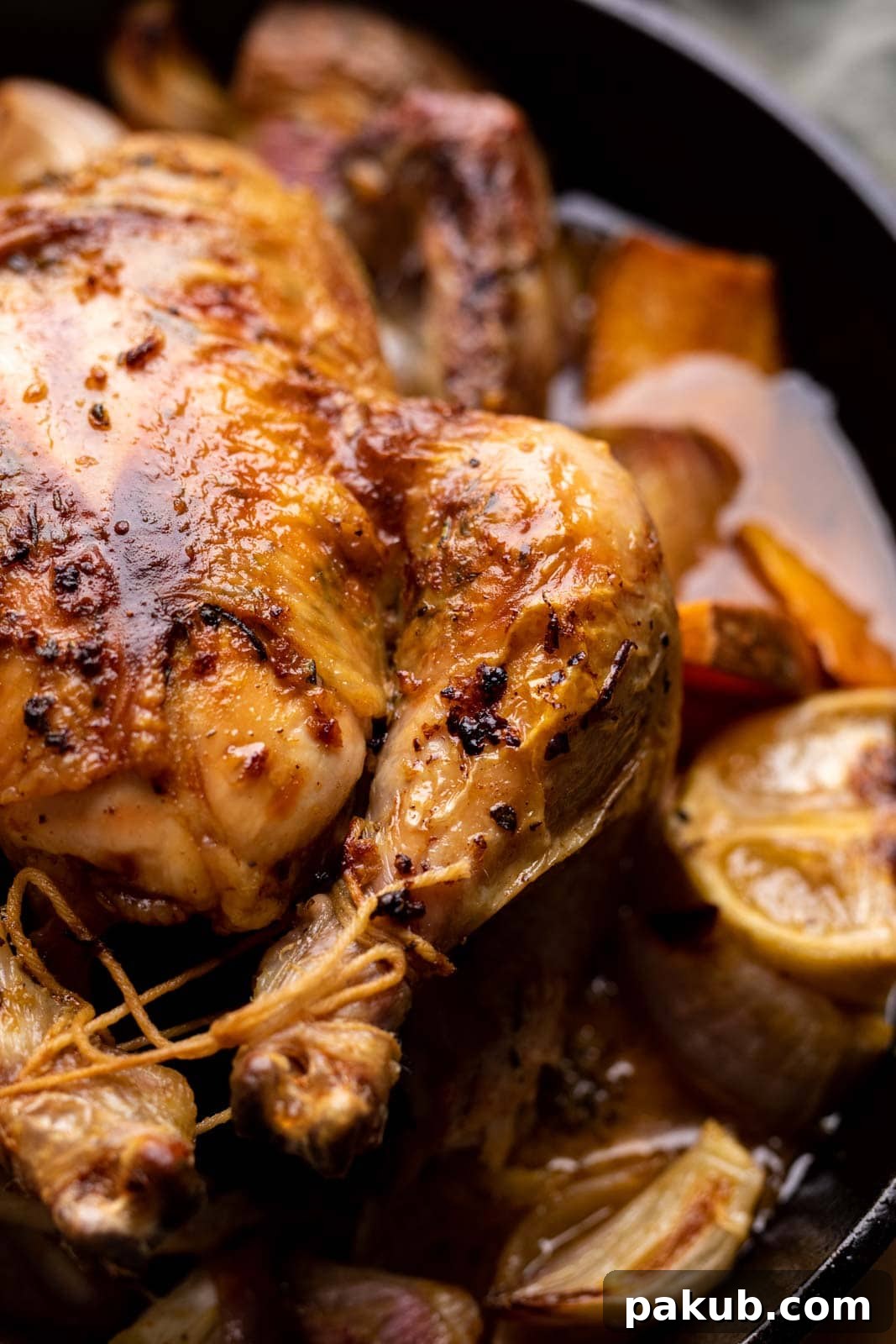
Serve this magnificent Herb Garlic Roast Chicken with a medley of grilled or roasted vegetables, alongside classic Creamy Garlic Mashed Potatoes and a crisp glass of white wine for an unforgettable dining experience. This complete meal is perfect for any special occasion or when you simply crave the ultimate comfort food.
More Irresistible Chicken Recipes:
- Roast Spatchcock Chicken
- Indian Style Masala Roast Chicken
- Honey Balsamic Chicken Thighs
- Creamy Bacon Rosemary Chicken Thighs
- Caramelized Onion Rosemary Chicken Thighs
Visual Guide: Watch the Roast Chicken Recipe Video
Full Recipe: Herb Garlic Roast Chicken
This classic roast chicken recipe, enhanced with a homemade herb garlic marinade, promises tender, juicy meat and irresistibly crispy skin. Follow these detailed steps for a truly perfect homemade roast chicken experience, ideal for family dinners or entertaining.
Prep Time: 2 hours 15 minutes (includes marinating time)
Cook Time: 1 hour
Total Time: 3 hours 15 minutes
Servings: 6 portions
By: Richa
Ingredients
For the Chicken:
- 1 kg (approx. 2.2 lbs) whole chicken, at room temperature (giblets and neck removed from cavity)
- 1 Lemon, halved (for cavity stuffing)
- 1 sprig fresh Rosemary (for cavity stuffing)
- Olive Oil, for brushing
For the Herb Garlic Marinade:
- ½ cup (1 stick) Salted Butter, softened
- 2 tablespoons fresh Garlic, minced
- ½ teaspoon fresh Sage, finely chopped
- ½ teaspoon fresh Rosemary, finely chopped
- ½ teaspoon fresh Thyme, finely chopped
- 1 tablespoon Paprika (for color and mild spice)
- 1 ½ teaspoons Salt (or to taste)
- ½ teaspoon Black Pepper, freshly ground (or to taste)
- Zest of 1 Lemon (for bright citrus notes)
- 1 tablespoon Lemon Juice, fresh (for tang)
For the Roasted Vegetables & Jus Base:
- 3 large Onions, quartered
- 2 large Sweet Potatoes, cut into chunks
- 1 head Garlic, halved horizontally
- ½ cup Chicken Stock, plus ¼ cup extra if needed for gravy
For the Gravy (Jus):
- 1 tablespoon All-purpose Flour (for thickening)
Instructions
- Prepare the Marinade: In a medium mixing bowl, combine the softened salted butter, minced garlic, finely chopped sage, rosemary, thyme, paprika, salt, pepper, lemon zest, and fresh lemon juice. Whisk everything together thoroughly until well combined and smooth.
- Prepare the Chicken Skin: Gently use the back of a spoon or your clean fingers to carefully loosen the skin over the chicken breast and thighs, creating pockets. Be very careful not to tear the skin. Repeat this process on the underside of the chicken as well.
- Apply the Marinade to Chicken: Insert a generous amount of the prepared herb garlic butter underneath the loosened skin, spreading it as evenly as possible. Massage the remaining marinade all over the exterior of the chicken, ensuring to get some inside the cavity as well for maximum flavor.
- Marinate for Flavor: Cover the marinated chicken loosely with plastic wrap or place it in a large zip-top bag. Refrigerate for a minimum of 2-3 hours, or ideally, overnight, to allow the flavors to deeply penetrate the meat.
- Stuff and Truss the Chicken: Just before you are ready to roast, remove the chicken from the refrigerator and let it sit at room temperature for 60 minutes. Stuff the rosemary sprig and the halved lemon into the chicken cavity. Using kitchen string, tie the chicken legs together to help it cook evenly and look presentable. Tuck the wing tips underneath the chicken’s body or behind the neck to prevent them from burning during roasting.
- Set Up the Roasting Pan: Lightly grease a large cast iron skillet or a sturdy roasting pan. Arrange some of the quartered onions, sweet potato chunks, and halved garlic head in the center of the pan to create a bed for the chicken. Place the chicken, breast-side up, directly on top of these vegetables. Distribute the remaining vegetables around the sides of the pan.
- Final Prep Before Roasting: Drizzle the chicken skin and the surrounding vegetables with a little olive oil to help achieve a golden, crispy exterior. Pour ½ cup of chicken stock into the bottom of the pan around the vegetables.
- Roast the Chicken: Preheat your oven to 200°C (400°F). Place the prepared roasting pan with the chicken and vegetables into the preheated oven. Roast for approximately 45-50 minutes.
- Baste During Roasting: Halfway through the cooking time (around the 25-30 minute mark), carefully open the oven and generously baste the chicken with the rendered fat and flavorful juices accumulated at the bottom of the pan. This moistens the skin and enhances its color and crispiness. Return the chicken to the oven to finish cooking.
- Check for Doneness: The chicken is perfectly cooked when the internal temperature, measured with a meat thermometer inserted into the thickest part of the thigh (avoiding the bone), reaches 75°C (165°F). Alternatively, you can pierce the thigh meat with a skewer; the juices should run completely clear, without any pink or red hue.
- Rest the Chicken: Once cooked, carefully remove the chicken from the oven and transfer it to a clean cutting board. Tent it loosely with aluminum foil and allow it to rest for a crucial 10-15 minutes before carving. This resting period allows the juices to redistribute throughout the meat, ensuring every slice is incredibly tender and juicy.
- Carve the Chicken: After resting, remove the twine. Using a sharp carving knife and fork, first cut out the legs at their joints. Then, carefully slice off each breast horizontally, following the breastbone. Detach the wings. Shred any additional meat from the carcass, which can be saved for other meals.
- Make the Gravy (Jus): While the chicken rests, transfer the roasted vegetables from the pan to a serving platter. Place the roasting pan on your stovetop over low heat. Add 1 tablespoon of all-purpose flour directly to the pan juices and whisk vigorously until smooth and no lumps remain. Bring the mixture to a gentle boil, stirring constantly, until the gravy thickens to your desired consistency. If the gravy becomes too thick, whisk in an additional ¼ cup of chicken stock as needed.
- Serve: Serve the carved, juicy roast chicken hot, accompanied by the tender roasted vegetables and generous drizzles of the rich, homemade jus. Enjoy your perfect Herb Garlic Roast Chicken!
Chef’s Notes and Pro Tips
- The chicken used in our tests was approximately 1.2 kgs (about 2.6 lbs), which typically took around 90 minutes to cook at 220°C (425°F). Please remember that cooking times can vary significantly based on your specific oven’s calibration and the exact size of your chicken. Always rely on an accurate meat thermometer for the most reliable results.
- For that truly desirable crispy roast texture and maximum flavor, it is absolutely essential to use a whole chicken with the skin on. The skin renders fat during cooking, contributing significantly to both the rich flavor and the ultimate crispiness of the finished dish.
- The key to deeply flavorful meat lies in proper marination, especially by applying the herb butter not just on top, but importantly, in between the skin and the meat. These created “pockets” effectively hold ample amounts of marinade, ensuring the rich flavors penetrate thoroughly into the meat as it slowly roasts.
- Knowing when your chicken is perfectly cooked: The most reliable indicator is an internal temperature of 75°C (165°F) in the thickest part of the thigh, away from the bone, as accurately measured with a meat thermometer. If you do not own a thermometer, you can pierce the thigh with a skewer; the juices should run completely clear, without any hint of pink or red.
- Tip for achieving crispier vegetables or reducing pan juices: If you prefer your roasted vegetables extra crispy or wish to further evaporate excess pan juices, once the chicken is fully cooked and has been removed to rest, you can place the roasting pan with the vegetables back into the oven on the top rack. Turn on the broiler (grill element) for 3-4 minutes, watching very carefully to prevent burning. This will crisp up the vegetables beautifully and help reduce any remaining liquid.
- Alternative method for juicier thighs and less liquid in the pan: To help lock in juices more effectively and potentially reduce the amount of liquid in the pan during roasting, consider searing the chicken thighs on both sides in a hot pan (a cast iron skillet works exceptionally well for this) for a few minutes before placing the whole bird in the oven for roasting. This initial sear can create a delicious crust and keep the thigh meat extra moist throughout the cooking process.
Nutritional Information (per serving)
- Calories: 494 kcal
- Carbohydrates: 29g
- Protein: 19g
- Fat: 35g
- Saturated Fat: 14g
- Cholesterol: 101mg
- Sodium: 848mg
- Potassium: 612mg
- Fiber: 5g
- Sugar: 7g
- Vitamin A: 11847 IU
- Vitamin C: 30mg
- Calcium: 74mg
- Iron: 2mg