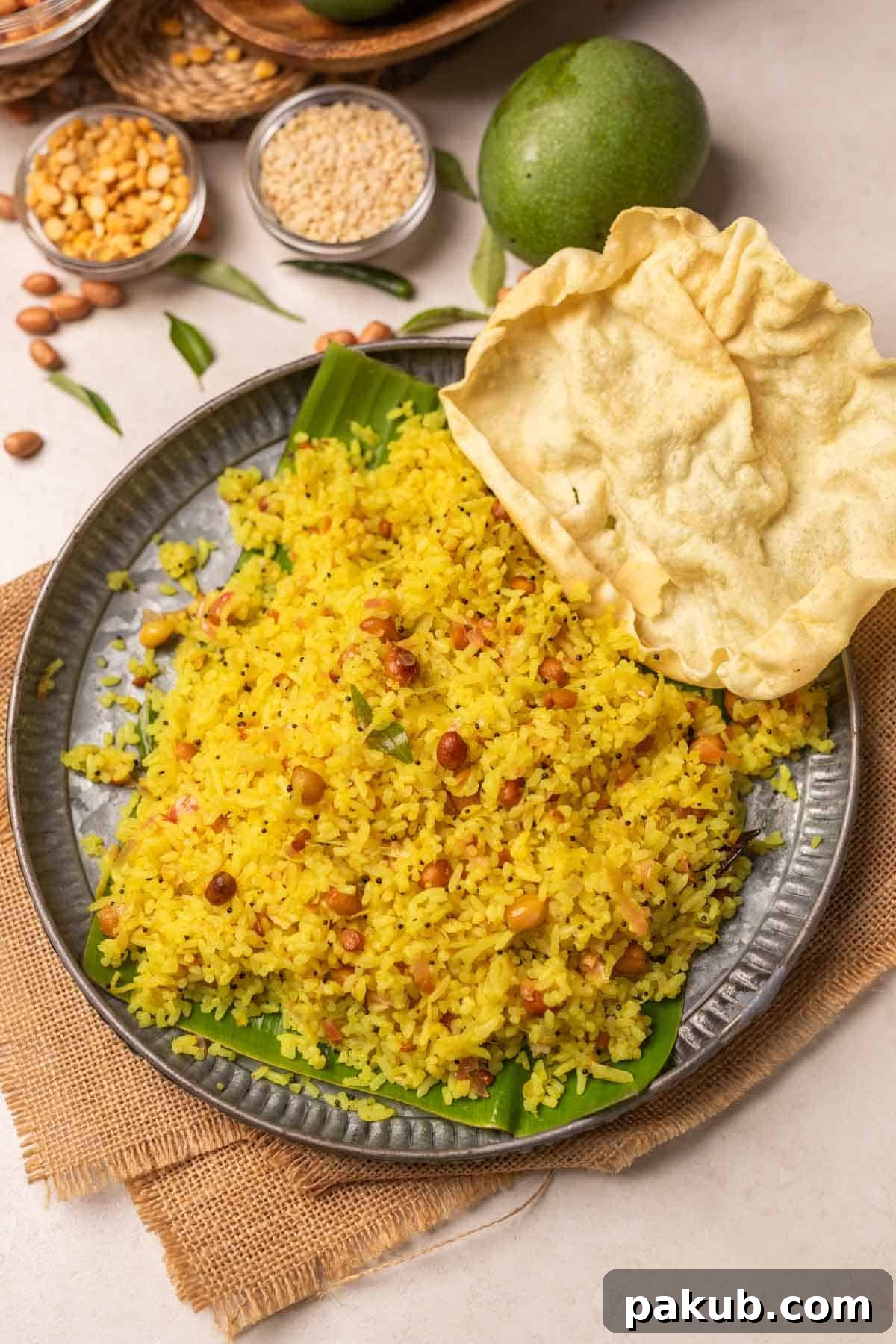
Embrace the vibrant flavors of summer with this delightful Raw Mango Rice – a refreshing and zesty culinary surprise that will quickly become your seasonal favorite.
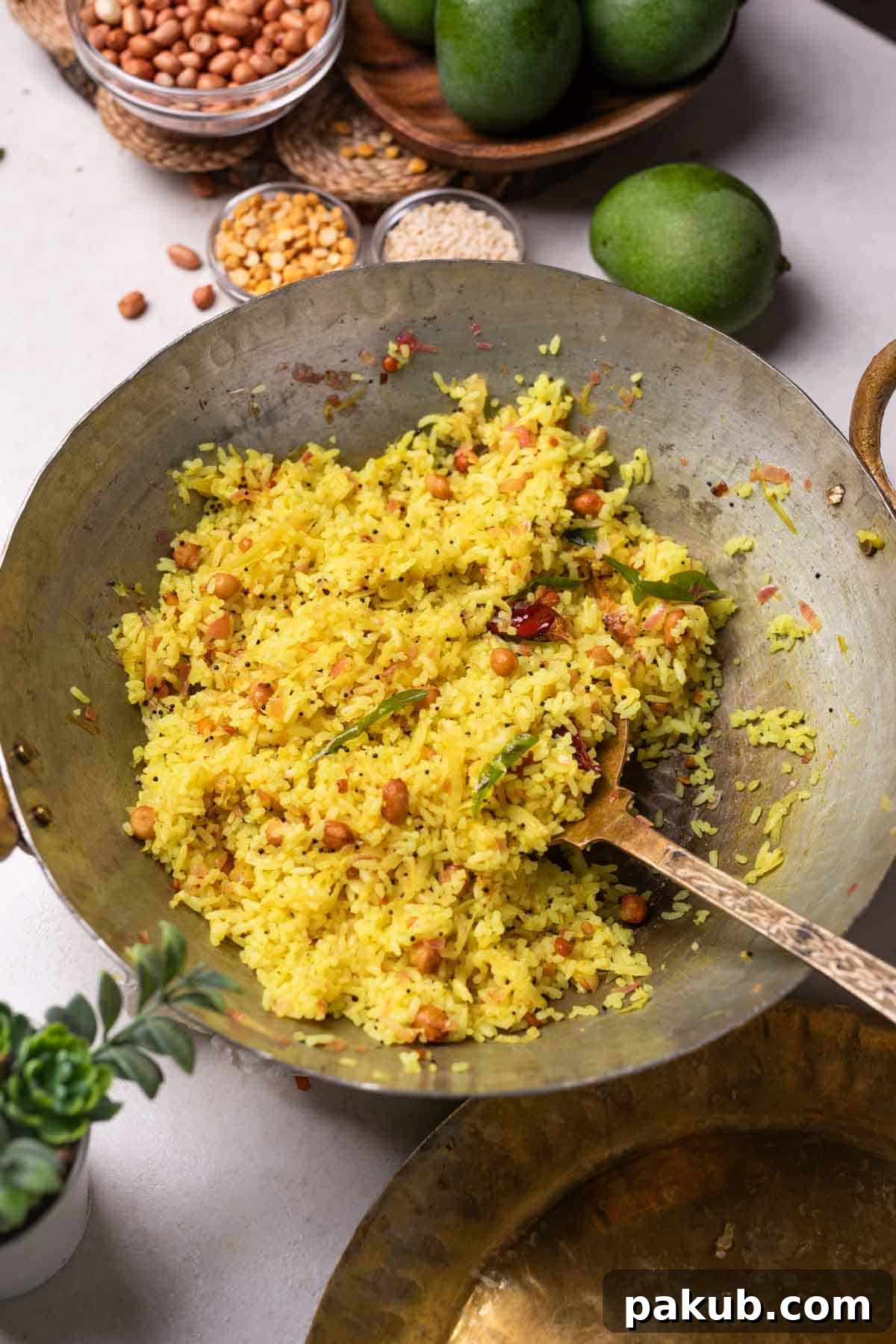
There’s an undeniable magic that raw mangoes bring to the kitchen, effortlessly transforming everyday ingredients into something truly extraordinary. While their sweet, ripe counterparts often steal the spotlight in desserts, the tart, intensely zesty punch of raw mango (affectionately known as kairi in India) truly shines in savory preparations. This **Raw Mango Rice**, celebrated in South India as Maavinakayi Chitranna (in Kannada) or Mangai Sadham (in Tamil), is a perfect example of that unique charm. It’s a remarkably simple yet incredibly flavorful dish that I eagerly prepare every summer, alongside other raw mango favorites like Aam Panna (a refreshing raw mango drink), Raw Mango Dal, and Aam ki Launji. This recipe is my way of celebrating the invigorating, tart essence of raw mango in the most accessible and delicious manner possible.
Ideal for a light, satisfying lunch or a vibrant, flavorful side dish, this **tangy South Indian rice** pairs exquisitely with a cooling bowl of chilled curd (plain yogurt) or a side of crispy Air Fryer Papdi for an added crunch. It masterfully strikes a perfect balance of spicy, savory, and refreshingly tart flavors, making it the ultimate low-effort, high-impact meal for any hot day. If you’re seeking a quick, bold, and healthy recipe to fully enjoy the season’s bounty, this **easy raw mango rice** is an absolute must-try. It’s not just a meal; it’s a sensory experience that transports you straight to the heart of a South Indian summer.
Table of Contents: Raw Mango Rice (Maavinakayi Chitranna)
- Why You’ll Adore This Raw Mango Rice
- Essential Ingredients for Raw Mango Rice
- Step-by-Step Guide: Crafting Your Raw Mango Rice
- The Surprising Health Benefits of Raw Mango
- Expert Tips for the Perfect Raw Mango Rice
- Delightful Serving Suggestions for Raw Mango Rice
- Storage and Meal Prep Hacks
- Creative Customization Ideas for Your Mango Rice
- Frequently Asked Questions about Raw Mango Rice
- Watch the Raw Mango Rice Recipe Video
- Complete Raw Mango Rice Recipe Card
Why You’ll Adore This Raw Mango Rice (Maavinakayi Chitranna)
This Raw Mango Rice recipe isn’t merely another dish; it’s a genuine celebration of summer, culinary tradition, and truly exceptional flavor. Here’s a deeper dive into why it deserves a coveted spot on your regular menu, especially during the warmer months:
- A Burst of Tangy Refreshment: The hero of this dish, raw mango, delivers an invigorating sourness that instantly awakens your palate. This unique tang makes the rice incredibly refreshing and revitalizing, particularly welcome on hot, humid days when heavy meals feel unappealing.
- Effortlessly Simple and Quick: Despite its complex taste, this recipe comes together with remarkable ease. With straightforward steps and common pantry ingredients, it’s perfect for busy weeknights when you crave something homemade and delicious but are short on time. It’s a testament to how simple ingredients can create profound flavors.
- Healthy, Wholesome, and Naturally Vegan: Packed with the goodness of raw mangoes, a spectrum of aromatic spices, and optionally wholesome brown rice, this dish is a nutritious powerhouse. It’s naturally vegan and can be easily adapted to be gluten-free, making it suitable for a variety of dietary preferences without compromising on taste.
- Incredibly Versatile and Adaptable: Whether you prefer a spicier kick, a milder flavor profile, or wish to incorporate extra vegetables or protein, this recipe is remarkably forgiving. It’s an excellent canvas for culinary creativity, allowing you to tailor it exactly to your taste and what you have on hand.
- Ideal for Meal Prep: One of its most appealing features is how well it keeps. This rice tastes fantastic both warm and chilled, and leftovers store beautifully. This makes it a perfect candidate for convenient packed lunches or quick, ready-to-eat meals throughout the week.
- An Authentic Taste of South India: Experience the true essence of South Indian culinary traditions with its signature tempering (tadka) – a fragrant infusion of spices, lentils, and curry leaves that forms the aromatic backbone of this beloved dish.
In essence, this **tangy summer rice** offers a harmonious blend of health, convenience, and unforgettable flavor, making it a truly cherished recipe.
Essential Ingredients for Raw Mango Rice (Maavinakayi Chitranna)
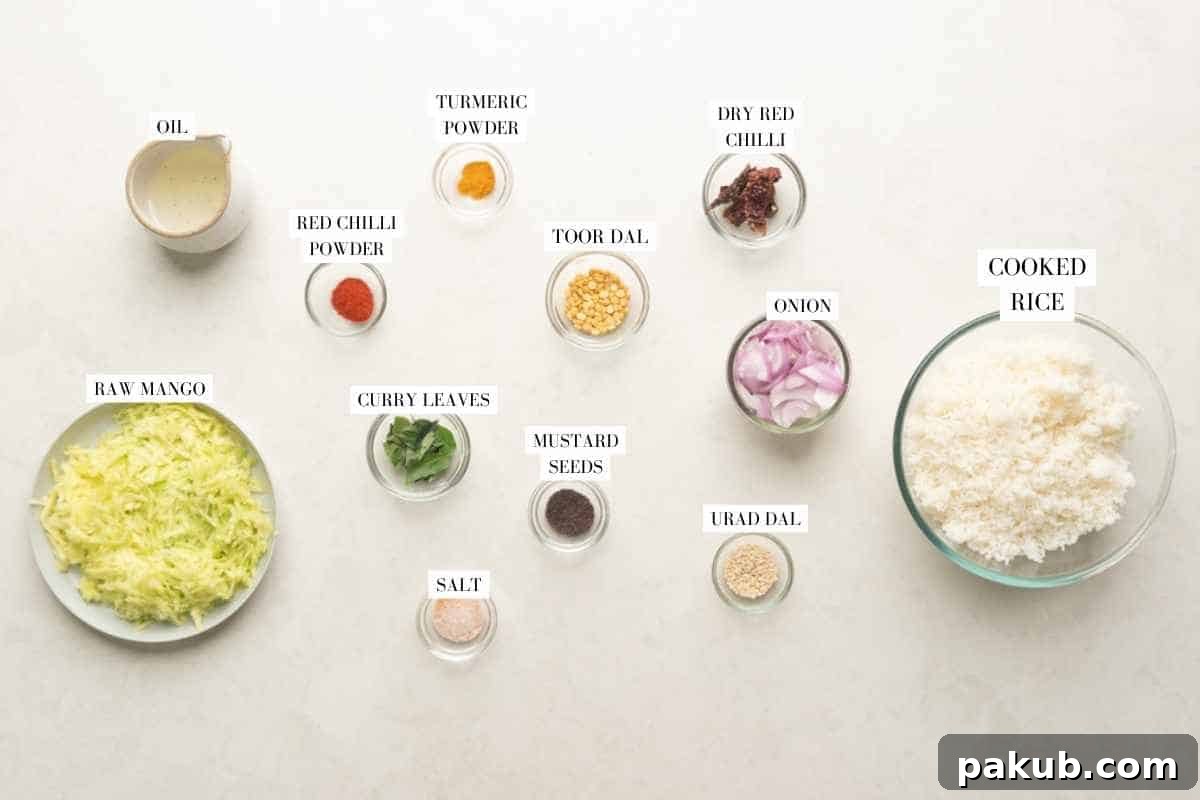
This vibrant **simple raw mango rice recipe** is a symphony of flavors brought together by a handful of everyday ingredients, each playing a crucial role in its delicious outcome:
- Raw Mango (Kairi): This is truly the undisputed star of our dish. When selecting, look for firm, bright green mangoes that are distinctly unripe and intensely tart. Their sharp, invigorating sour kick is the defining characteristic of this rice. Once grated, they infuse every grain with a refreshing, tangy brightness that is simply irresistible.
- Cooked Rice: The very foundation. For best results, **day-old or leftover rice is highly recommended.** Its drier, firmer texture prevents the rice from becoming sticky or mushy when mixed with the other ingredients, ensuring that each grain remains separate and absorbs all the wonderful flavors beautifully. While white rice or basmati are traditionally used, explore brown rice for a nuttier flavor and added dietary fiber.
- South Indian Tempering (Tadka): This aromatic base is paramount for achieving the authentic flavor profile of this dish. It typically includes:
- Mustard Seeds: As they hit the hot oil, they splutter and pop, releasing a distinct pungent, slightly nutty aroma that is characteristic of South Indian cuisine.
- Urad Dal (Split Black Gram, skinned): These small lentils add a delightful, subtle crunch and a pleasant earthy flavor.
- Chana Dal (Split Chickpea Lentils): Contributing another layer of texture, chana dal offers a mild, nutty taste that complements the other tempering ingredients.
- Dried Red Chillies: These provide a gentle, smoky heat and contribute a beautiful deep red hue to the tempering.
- Curry Leaves: Absolutely essential! These fresh leaves impart that signature South Indian fragrance – a unique, slightly citrusy, and deeply aromatic note that can’t be replicated.
- Peanuts (Optional but Recommended): For an added layer of texture and a rich, nutty depth, roasted peanuts are a fantastic addition to the tempering.
- Onions: Finely chopped and sautéed until they turn translucent, onions lend a subtle sweetness and an aromatic depth. They beautifully balance the mango’s tartness and provide a pleasant, soft texture to the rice.
- Green Chili: For those who appreciate an extra layer of fresh, vibrant heat, a slit green chili complements the dried red chilies wonderfully. Adjust the quantity according to your preferred spice level.
- Spices:
- Turmeric Powder: Besides its renowned health benefits, turmeric imparts a beautiful, inviting golden hue and a warm, earthy undertone to the dish.
- Salt: The fundamental seasoning, crucial for enhancing and harmonizing all the diverse flavors present in the dish.
- Oil: Any neutral cooking oil, such as olive oil, sunflower oil, or canola oil, works well. The oil is vital for sautéing the tempering ingredients and ensuring even distribution of flavors throughout the rice.
Each of these thoughtfully selected components plays a vibrant role in crafting the authentic, irresistible taste of **Maavinakayi Chitranna**, a truly wholesome and flavorful meal.
Step-by-Step Guide: Crafting Your Raw Mango Rice
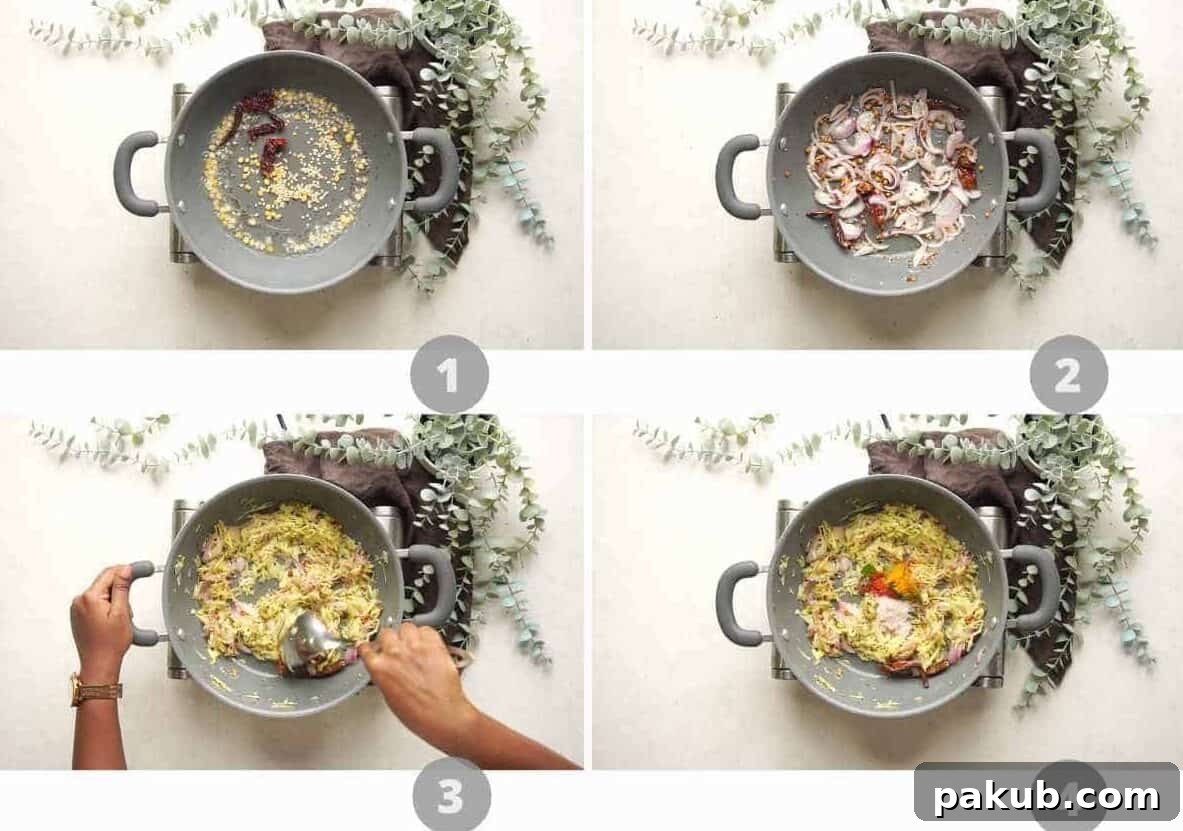
Creating this delicious **easy raw mango rice** is surprisingly straightforward and incredibly rewarding. Follow these detailed steps to achieve a perfectly flavored and aromatic dish:
- Begin with the Tempering (Tadka): Heat your chosen oil in a large pan or a traditional Indian kadhai over medium heat. Once the oil is shimmering hot, add the mustard seeds. Allow them to splutter vigorously – this indicates they are cooking and releasing their essential oils. Immediately after, add the urad dal, chana dal, raw peanuts (if you’re using them for that extra crunch), and the dried red chilies. Sauté this mixture for about 1 minute, stirring continuously. Watch carefully until the dals and peanuts turn a beautiful light golden brown and become fragrant. This crucial step is key to developing the nutty, crunchy texture of the lentils and unlocking the full aroma of the spices.
- Sauté Onions and Green Chili: Next, add the finely chopped onions and the slit green chili to the pan with the tempering. Continue to cook for 3-4 minutes, stirring occasionally, until the onions soften and become translucent. It’s important not to let them brown too much, as we want their natural sweetness to perfectly complement and balance the tartness of the raw mango.
- Introduce Raw Mango and Dry Spices: Now, stir in the grated raw mango. Sauté for just a minute or two, until you notice the mango beginning to wilt slightly and its vibrant green color intensifying. At this point, quickly mix in the turmeric powder, salt, and fresh curry leaves. Ensure all ingredients are thoroughly combined, allowing the beautiful yellow turmeric to coat the mango and onions evenly. The gentle heat will help the curry leaves release their distinctive, aromatic essence, infusing the entire mixture with their unique flavor.
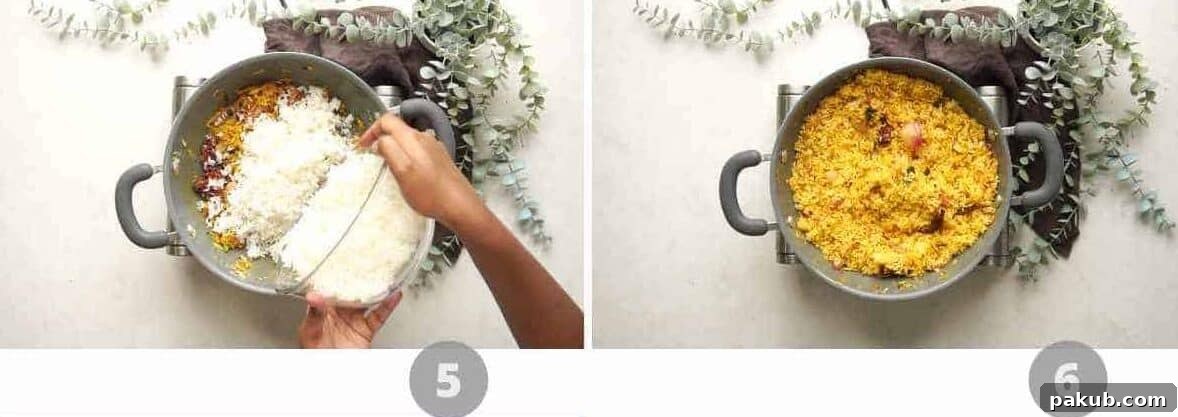
- Combine with Cooked Rice: Gently add the cooked rice (preferably day-old rice for the best texture) to the pan with the aromatic mango-spice mixture. Using a spatula or a light hand, carefully toss everything together. The goal is to ensure the mango-spice mixture is evenly distributed throughout the rice without mashing the grains. Maintain separate grains for an appealing texture.
- Allow Flavors to Mingle: Cover the pan with a lid and reduce the heat to low. Let the rice cook gently for 3-5 minutes. This gentle steaming period is vital as it allows the rice to absorb all the wonderful, complex flavors from the tempering and the tangy raw mango, resulting in a cohesive, aromatic, and deeply satisfying dish.
- Garnish and Serve: Finally, uncover the pan, give the rice a final gentle stir, and sprinkle with a few more fresh curry leaves or freshly chopped coriander, if desired, for an extra burst of freshness and visual appeal. Serve your **tangy raw mango rice** hot and prepare to savor every delightful spoonful!
This careful method guarantees that every single grain of rice is thoroughly infused with the bright, zesty flavors of summer, making for an unforgettable and authentically South Indian meal.
The Surprising Health Benefits of Raw Mango (Kairi)
Beyond its incredible taste and refreshing tang, raw mango, or ‘kairi’, offers a wealth of health benefits that make this dish not just delicious, but also profoundly nutritious. For centuries, raw mangoes have been revered in traditional Indian cuisine and Ayurvedic medicine for their remarkable cooling properties, especially vital during the harsh summer months, and their exceptional ability to aid digestion. Here’s a closer look at what makes this humble fruit a powerhouse of wellness:
- Abundant in Vitamin C: Raw mangoes are an outstanding source of Vitamin C, a potent antioxidant critical for boosting the immune system, promoting radiant skin health by supporting collagen production, and significantly aiding in the absorption of iron from other foods.
- Rich in Antioxidants: They contain a diverse array of antioxidants, including flavonoids and carotenoids, which tirelessly work to combat free radicals in the body. This action helps reduce oxidative stress, thereby protecting cells from damage and supporting overall cellular health.
- Aids Digestive Health: The significant amount of dietary fiber present in raw mangoes promotes healthy digestion, helping to regulate bowel movements and prevent common issues like constipation. Moreover, they contain enzymes that assist in the efficient breakdown of proteins, facilitating better nutrient absorption.
- Natural Electrolyte Replenisher & Heatstroke Shield: During the sweltering summer, raw mangoes are a natural ally against dehydration and heatstroke. They help replenish vital electrolytes lost through sweat and maintain the body’s crucial fluid balance, which is why traditional drinks like Aam Panna are so popular for their cooling and rehydrating properties.
- Supports Liver Function: Some studies indicate that compounds found in raw mangoes may support liver health and assist in the body’s natural detoxification processes, contributing to overall well-being.
- Beneficial for Eye Health: Rich in Vitamin A precursors, raw mangoes also play a role in maintaining good vision and supporting ocular health.
When thoughtfully combined with other anti-inflammatory spices like turmeric, and digestive aids such as mustard seeds and curry leaves, **raw mango rice** transcends being just a meal. It transforms into a harmonious blend of both flavor and functional nutrition, providing a truly holistic and deeply satisfying culinary experience. It’s truly remarkable how traditional ingredients offer such profound and synergistic health benefits!
Expert Tips for the Perfect Raw Mango Rice (Maavinakayi Chitranna)
To ensure your **Maavinakayi Chitranna** turns out perfectly flavorful and with the ideal texture every single time, keep these invaluable expert tips in mind:
- Precision in Mango Selection: Always prioritize firm, unripe, and vividly bright green raw mangoes. Steer clear of any mangoes that exhibit signs of yellowing or softness, as these will be sweeter and possess less of the crucial tartness that defines this savory dish. The intense sourness of a truly raw mango is the cornerstone of this recipe’s flavor.
- The Golden Rule: Embrace Day-Old Rice: This is arguably the most critical piece of advice. Freshly cooked rice tends to be excessively moist and sticky, making it highly prone to clumping and becoming mushy when thoroughly mixed. Day-old rice, or even rice cooked a few hours in advance and allowed to cool completely, is significantly drier. This ensures that the individual grains remain separate and are much more capable of absorbing all the delightful flavors of the tempering and mango without losing their structural integrity. If you only have freshly cooked rice, spread it thinly on a large tray or plate and let it cool down thoroughly before incorporating it into the dish.
- Never Skip the Tadka (Tempering): The tempering (tadka) is the very soul and aromatic heart of this South Indian rice dish. It’s essential to ensure that the mustard seeds splutter actively, and that both the urad dal and chana dal are cooked until they achieve a lightly browned, crispy, and crunchy texture. This meticulous step is what truly unlocks and develops deep, complex aromatic flavors, adding an indispensable delightful textural contrast to the soft rice.
- Master the Balance of Spice and Tang: Before adding the grated raw mango to the pan, it’s wise to taste a small piece. If you find it exceptionally sour, you might want to introduce a tiny pinch of jaggery or granulated sugar (approximately ¼ to ½ teaspoon) to gently round out the intense flavors without making the dish overtly sweet. Similarly, meticulously adjust the quantity of both green and dried red chilies according to your precise preferred level of spice.
- Employ a Gentle Mixing Technique: When it comes to incorporating the cooked rice, always use a light hand to toss and mix the ingredients. Over-mixing or aggressive stirring can easily break the delicate rice grains, unfortunately leading to a mushy and less appealing texture. The goal is to gently fold the mixture into the rice.
- The Freshness of Curry Leaves: While dried curry leaves can be used in a pinch, using fresh ones makes an enormous difference in both the aroma and the overall flavor profile of the dish. Strive to use fresh curry leaves whenever possible, as they impart a vibrant, unique fragrance that is simply unmatched.
- Avoid Overcooking the Raw Mango: The grated raw mango requires only a brief cooking period – typically just a minute or two – until it begins to wilt slightly. Overcooking the mango can cause it to lose its vibrant, characteristic tang and become unpleasantly soft or mushy, diminishing the dish’s signature texture and flavor.
Delightful Serving Suggestions for Raw Mango Rice (Mangai Sadham)
This incredibly versatile **tangy rice dish** can be enjoyed in a multitude of ways, whether as a standalone meal or as part of a larger feast. Here are some of my most cherished pairings to elevate your culinary experience:
- Perfect Cooling Companions: For a refreshing contrast, pair your raw mango rice with a creamy Cucumber Mint Raita or a savory Boondi Raita. The cool, soothing yogurt-based sides provide a beautiful counterpoint to the spicy and tangy notes of the rice, creating a harmonious balance of flavors and textures.
- Exquisite Seafood Delights: Transform your meal into a lavish Sunday lunch by serving this rice alongside a rich and flavorful Alleppey Fish Curry, where the raw mango in the curry complements the rice beautifully, or with succulent Crispy Prawn Fry. The inherent tanginess of the rice wonderfully cuts through the richness of the seafood, ensuring a perfectly balanced palate.
- Wholesome Vegetarian Feasts: Create a comforting and utterly filling vegetarian spread by serving your raw mango rice with a fragrant Kerala-Style Vegetable Stew or a hearty, creamy Chickpea Coconut Curry. These pairings offer a nourishing and deeply satisfying meal.
- Hearty Protein Pairings: If your aim is a protein-rich and more indulgent meal, this vibrant rice works exceptionally well with a robust and spicy Mutton Kofta Curry or a decadent Paneer Ghee Roast. The bright, tart notes of the rice expertly cut through the richness of these dishes, ensuring a well-rounded and delightful culinary experience.
- An Ideal Lunchbox Staple: Its robust flavors and excellent keeping qualities make it an outstanding choice for packing into your tiffin box. It remains flavorful and satisfying even at room temperature, making it a perfect quick meal on the go.
Storage and Meal Prep Hacks for Raw Mango Rice
One of the many appealing characteristics of **raw mango rice** is its versatility when it comes to meal planning and storage. Here’s how you can best store it and strategically prepare components in advance to save time:
- Refrigerator Storage: Any leftover mango rice can be securely stored in an airtight container in the refrigerator for a maximum of 2 days. Interestingly, many culinary enthusiasts find that the flavors of the dish often deepen and meld beautifully overnight, making it taste even better the following day. You have the flexibility to enjoy it cold directly from the fridge, or you can gently reheat it. To reheat, warm it slightly in a pan on the stovetop or in the microwave; a small splash of water can be added to restore any lost moisture and ensure it remains fluffy.
- Freezing: Unfortunately, freezing is generally not recommended for this particular dish. The delicate texture of the raw mango tends to suffer significantly, losing its firm bite and vibrant, fresh flavor upon thawing and reheating. This can lead to a less satisfying culinary experience, making it best to enjoy fresh or within the recommended refrigerated period.
- Efficient Meal Prep Tip: To significantly cut down on your cooking time on busy days, you can prepare the aromatic mango-onion-spice base (the complete tempering and raw mango mixture) in advance. Store this flavorful base in an airtight container in the refrigerator for up to 2-3 days. When you are ready to prepare your meal, simply cook fresh rice, or use pre-cooled day-old rice, and then combine it with your prepared base. Gently heat through until warmed, and your delicious raw mango rice is ready to serve in minutes!
- Optimal Serving Temperature: While often traditionally served warm, this rice dish is also incredibly refreshing and delightful when served at room temperature or even slightly chilled. This characteristic makes it an ideal option for light summer lunches, picnics, or as part of a buffet spread where warm food isn’t always feasible.
Creative Customization Ideas for Your Raw Mango Rice (Mangai Sadham)
This **South Indian raw mango rice** recipe is wonderfully flexible and forgiving, inviting you to experiment and personalize it to suit your palate and dietary preferences. Feel empowered to make it truly your own with these creative customization ideas:
- Amplify the Spice Level: If you are a connoisseur of heat, feel free to intensify the spice. You can add more fresh green chilies (either slit lengthwise or finely chopped) to the tempering, or stir in a spoonful of your favorite spicy podi (a traditional South Indian spice powder, often referred to as gunpowder masala) or a pinch of chili flakes for an extra fiery kick that awakens the senses.
- Vary the Grain: While traditional recipes often call for white rice or basmati, you can easily swap it for other nutritious grains. Brown rice offers a delightful nutty flavor and a boost of dietary fiber, making it a healthier alternative. Quinoa can be used for a protein-packed, gluten-free twist, or you might even experiment with millets or couscous for different textures and nutritional profiles.
- Boost with Protein: Effortlessly transform this flavorful side dish into a more complete and satisfying meal by incorporating additional protein. Stir in some pan-fried tofu cubes, a handful of boiled chickpeas, crumbled paneer (Indian cottage cheese), or even scrambled eggs towards the end of the cooking process. For added richness and protein, roasted cashews or almonds can be added to the tempering, providing a delightful crunch.
- Introduce More Vegetables: Enhance the nutritional value, vibrant colors, and textural complexity by incorporating finely grated carrots, lightly sautéed bell peppers (capsicum), sweet corn kernels, or even finely chopped spinach or fenugreek leaves (methi) into the mango-onion mixture. Ensure these vegetables are cooked until they are tender-crisp before the rice is added.
- Additional Flavor Boosters: A tiny splash of fresh lemon or lime juice just before serving can beautifully brighten all the existing flavors, adding an extra layer of zest. A pinch of asafoetida (hing) added to the tempering can introduce another layer of traditional savory depth and also aid in digestion, making the dish even more authentic.
- Nutty Variations: Beyond just peanuts, you can explore adding other roasted nuts like cashews or almonds to the tempering. These additions contribute a richer, more luxurious texture and a deeper nutty flavor that elevates the overall dish.
Frequently Asked Questions about Raw Mango Rice
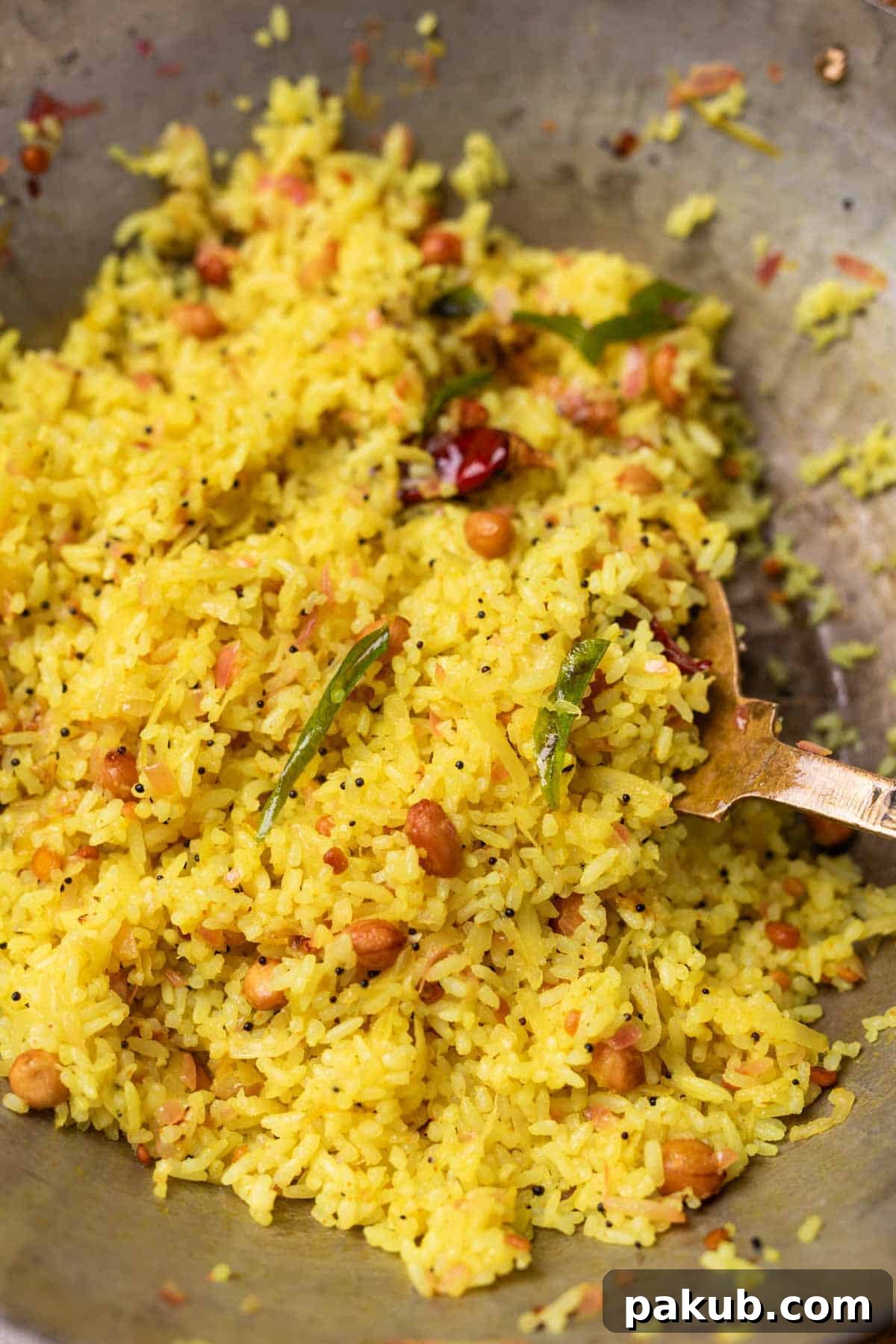
Raw mango rice is a delightful explosion of vibrant and complex flavors! It is predominantly tangy and wonderfully zesty from the grated raw mango, offering a truly refreshing sour kick that awakens the palate. This invigorating tang is beautifully balanced by a subtle yet satisfying spiciness from the chilies, alongside the earthy, aromatic, and savory notes imparted by the traditional South Indian tempering (mustard seeds, various dals, and aromatic curry leaves). The overall flavor profile is bright, invigorating, and utterly delicious – a perfect harmony of sweet, sour, and savory elements that makes it incredibly appealing, especially in warmer weather.
You can absolutely enjoy this versatile dish either way! While it’s wonderfully comforting and aromatic when served warm, many people, particularly during the hot and humid summer months, actually prefer it at room temperature or even slightly chilled. Serving it cool enhances its refreshing tanginess and makes it an excellent, light option for picnics, convenient packed lunches, or as a cooling meal alongside a dollop of fresh curd.
Yes, this raw mango rice recipe is an excellent choice for making ahead and incorporating into your meal prep routine! It stores exceptionally well in an airtight container in the refrigerator for up to 2 days. In fact, a common belief is that the flavors truly meld and deepen overnight, often resulting in an even more delicious dish the next day. Simply reheat it gently on the stovetop or in the microwave with a tiny splash of water if needed, or savor it cold for a quick and flavorful meal on the go.
While a spoonful of your favorite mango pickle can certainly add a tangy and spicy flavor boost to your rice if you happen to be out of fresh raw mangoes, it’s important to note that it will not perfectly replicate the exact fresh tartness and vibrant texture that freshly grated raw mango provides. Mango pickle typically has a much more intense, often fermented, and usually oil-heavy flavor profile, which can alter the delicate balance of the dish. For the most authentic and refreshing **Raw Mango Rice** experience, fresh raw mango is highly recommended. However, for a quick improvisation in a pinch, a small amount of pickle can add an interesting twist.
Watch How to Make Raw Mango Rice Recipe Video
Raw Mango Rice (Maavinakayi Chitranna)
Richa
10 minutes
20 minutes
30 minutes
4 Portions
Ingredients
- 2½-3 cups Cooked Rice, preferably day-old white rice or basmati
- 2 tablespoons Oil, e.g., olive oil or neutral cooking oil
- 1 teaspoon Mustard Seeds
- 1 teaspoon Urad Dal, skinned black gram
- 1 teaspoon Chana Dal, split chickpea lentils
- 1/4 cup Raw Peanuts, optional, for crunch
- 2 Dried Red Chilies, broken
- 1/2 cup Onion, finely chopped (approx. 60g)
- 1 Green Chili, slit lengthwise (adjust to taste)
- 250 grams Raw Mango (Kairi), peeled and grated (approx. 1 cup)
- 1/3 teaspoon Turmeric Powder
- 2 sprigs Fresh Curry Leaves
- 3/4 teaspoon Salt (or to taste)
- Fresh Coriander, chopped, for garnish (optional)
Instructions
-
1. Heat oil in a large pan or kadhai over medium heat. Add mustard seeds. Once they begin to splutter, add urad dal, chana dal, raw peanuts (if using), and dried red chilies. Sauté for about 1 minute, stirring continuously, until the dals and peanuts are lightly browned and aromatic.
-
2. Add the finely chopped onions and slit green chili to the pan. Cook for 3-4 minutes, stirring occasionally, until the onions become soft and translucent.
-
3. Stir in the grated raw mango. Cook for just 1-2 minutes until it starts to wilt slightly. Then, quickly mix in the turmeric powder, salt, and fresh curry leaves. Ensure all ingredients are well combined.
-
4. Add the cooked (preferably day-old and cooled) rice to the pan. Gently toss everything together using a spatula, ensuring the mango-spice mixture is evenly distributed throughout the rice without mashing the grains.
-
5. Cover the pan and cook on a low flame for 3-5 minutes. This gentle steaming allows the flavors to meld beautifully and permeate the rice.
-
6. Uncover, give a final gentle mix, and sprinkle with fresh chopped coriander or a few more curry leaves, if desired, for garnish. Serve hot, warm, or at room temperature.
Recipe Video
Notes
- Ensure the dals and peanuts in the tempering are roasted until they are lightly golden and crunchy for optimal texture and flavor.
- Using day-old or thoroughly cooled rice is paramount to prevent the dish from becoming mushy and to ensure individual grains remain separate.
- Adjust the quantity of both green and dried red chilies precisely according to your personal preferred spice level.
- For an even brighter and more pronounced tang, a small squeeze of fresh lemon juice can be added right at the very end, just before serving.
Nutrition
Carbohydrates: 54g,
Protein: 8g,
Fat: 13g,
Saturated Fat: 1g,
Polyunsaturated Fat: 4g,
Monounsaturated Fat: 7g,
Trans Fat: 0.03g,
Sodium: 481mg,
Potassium: 338mg,
Fiber: 4g,
Sugar: 11g,
Vitamin A: 910IU,
Vitamin C: 68mg,
Calcium: 45mg,
Iron: 1mg
Enjoyed this recipe? Share your thoughts below!
If you cherish mango season as much as I do, this **Tangy Raw Mango Rice** is truly a cozy, comforting, and wonderfully refreshing way to make the absolute most of its bounty. It’s quick to prepare, incredibly flavorful, and just the kind of versatile recipe you’ll find yourself making on repeat all summer long. Whether you’re preparing it for a simple, wholesome family lunch, thoughtfully packing it into a tiffin box for a satisfying work meal, or bringing it to a festive weekend potluck – it’s consistently a hit and invariably leaves everyone eager for more.
We sincerely hope you try this delightful **Maavinakayi Chitranna** and discover a vibrant new summer favorite. Don’t forget to share your wonderful culinary creations with us! If you prepare this dish, we’d absolutely love to see your vibrant mango creations – feel free to tag us on Instagram @my_foodstory!
This article was carefully researched and rewritten for clarity, fluency, and optimal SEO by a dedicated culinary enthusiast.