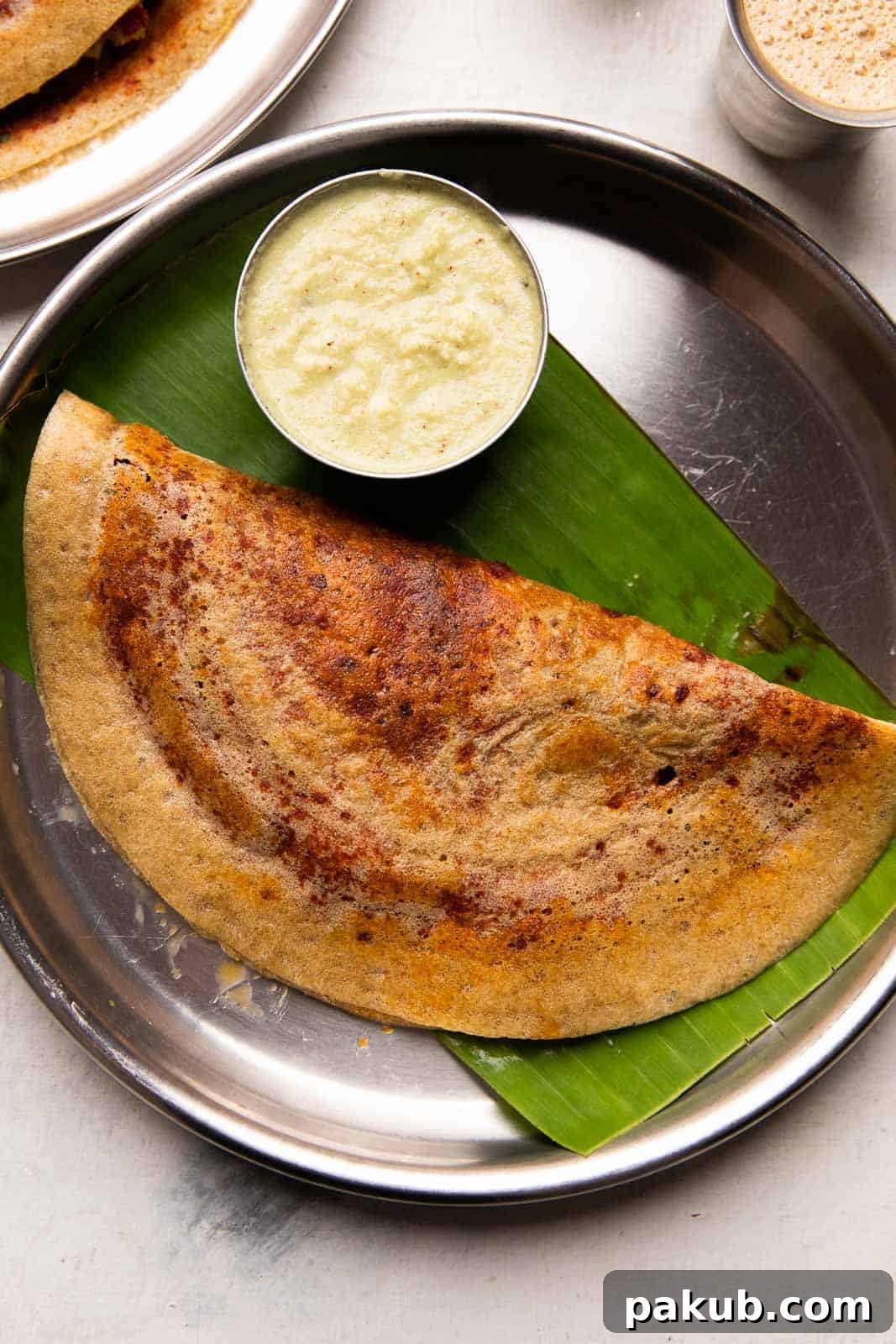
Supercharge your breakfast with the goodness of millets! This Millet Mysore Masala Dosa recipe brings you a nutritious and irresistibly tasty South Indian classic. Learn to create a light and fluffy millet batter, master the spicy Mysore Masala Red Chutney, and prepare the savory Aloo Stuffing for a truly authentic experience.
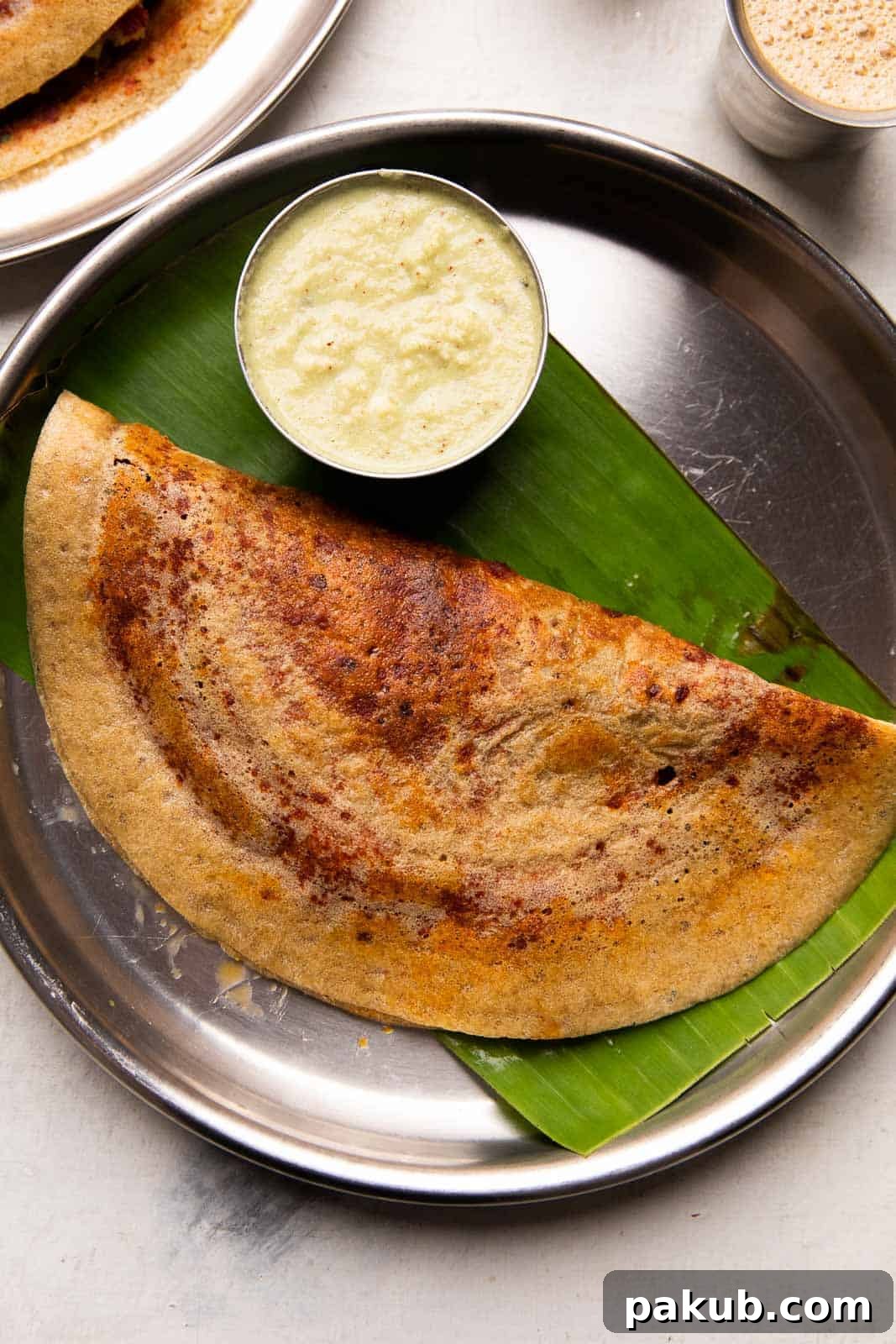
Embark on a culinary journey to South India with a healthy twist! Millet Mysore Masala Dosa is a powerhouse of nutrition disguised as a delectable breakfast. Inspired by age-old family recipes and perfected through countless experiments, this dish proves that healthy eating can be incredibly delicious. What’s more, this millet-based version is so authentic in taste and texture that even the most discerning palates won’t be able to distinguish it from traditional rice dosas. Prepare to delight your family and friends with this wholesome, crispy, and flavor-packed South Indian marvel that promises a satisfying start to any day.
Quick Walk Through: Crafting Millet Mysore Masala Dosa
- Why Millets Are Superfoods: Their Role in Your Diet
- Mastering the Millet Dosa Batter: Key Ingredients & Techniques
- The Essence of Mysore Masala Chutney: Flavor & Preparation
- Irresistible Aloo Stuffing for Dosa: A Taste of Comfort
- Expert Tips for Perfect Millet Mysore Masala Dosa
- Watch the Dosa Magic Unfold: Video Guide
- Explore More South Indian Delights
Why Millets Are Superfoods: Their Role in Your Diet
Millets are truly ancient grains making a significant comeback in modern diets, and for good reason. Often hailed as “nutri-cereals,” these tiny powerhouses are indeed treasure chests of essential nutrients, including proteins, dietary fibers, B vitamins, and vital minerals like iron, magnesium, and phosphorus. They are naturally gluten-free and boast a low glycemic index, making them an excellent choice for managing blood sugar levels and promoting overall gut health. The United Nations even declared 2023 as the International Year of Millets, highlighting their potential to contribute to food security and nutrition globally.
In Indian cuisine, millets like ragi (finger millet), jowar (sorghum), and bajra (pearl millet) have been staples for centuries. They are traditionally transformed into hearty dishes such as Ragi Mudde (Ragi Balls), savory Bhakris, and wholesome Bajre ki Roti. In recent years, South India has seen a rapid surge in the popularity of millet dosas, with many restaurants embracing them as a healthier, more nutrient-dense alternative to traditional rice-based versions. Incorporating millets into your diet is a simple yet impactful way to enhance your daily nutritional intake and explore a rich tapestry of flavors.
For those eager to delve deeper into the world of millets, including various types, optimal cooking methods, creative diet integration ideas, and much more, be sure to explore our comprehensive Millets 101 article. It’s your ultimate guide to harnessing the full potential of these amazing grains!
Mastering the Millet Dosa Batter: Key Ingredients & Techniques
The secret to an exceptionally crispy and flavorful millet dosa lies in a perfectly prepared batter. Each ingredient plays a crucial role in achieving the ideal texture, taste, and fermentation. Here’s a breakdown of what makes our Millet Dosa batter so special:
- The star ingredient in this recipe is Kodo millet, known as Kodra in Hindi. This versatile grain is celebrated for its rich fiber and protein content, making it an excellent base for various dishes. Its mild flavor and firm texture ensure the dosa holds up beautifully while delivering a wealth of nutrients. While Kodo millet is our preferred choice, you can easily substitute it with other nutrient-dense millets such as foxtail millet, proso millet, or pearl millet, each offering a slightly different, yet equally delicious, profile.
- For that signature crispness, we incorporate split chickpeas (chana dal) into the batter. Chana dal provides a wonderful crunch that elevates the dosa experience. Complementing this, split and skinned black gram (urad dal) is added to lend lightness and airiness to the batter, contributing to the soft interior of the dosa. The combination of these two dals is essential for achieving the perfect balance of crispiness and fluffiness.
- A small but mighty addition, fenugreek seeds (methi) are crucial for the fermentation process. They act as a natural catalyst, helping the batter ferment efficiently, which in turn enhances its flavor and digestibility. Fenugreek also adds a subtle, earthy aroma that complements the overall taste profile.
- Just before grinding, a handful of soaked flattened rice (poha) is added. Poha is key to ensuring the batter becomes incredibly light and fluffy, resulting in dosas that are soft on the inside and delightfully crispy on the outside. If poha isn’t available, an equivalent amount of cooked rice can be used as a substitute to achieve similar results.
The foundation of a perfect dosa batter begins with thorough preparation of the grains. The millet and dal mix must be meticulously washed to remove any impurities, then soaked for a minimum of 6-8 hours. This soaking process is not merely a formality; it’s a critical step where the grains absorb water, plump up significantly, and begin to soften. This increased volume and hydration are essential for producing a smooth, voluminous, and fluffy batter that ferments beautifully. Skipping this crucial step would result in a dense, lifeless batter that struggles to ferment and yields flat, unappealing dosas. Therefore, remember to soak your grains diligently!
Once adequately soaked, the ingredients are ground to a fine, smooth consistency using a regular mixer grinder. A little water may be added gradually to achieve the desired texture. Following grinding, the batter requires an essential fermentation period, typically 8 hours or overnight. You’ll know the batter is perfectly fermented when it has visibly doubled in size, exhibiting numerous small air bubbles on its surface. When gently stirred, it should feel light and airy, indicating a successful rise.
For more detailed insights and expert tips on preparing traditional dosa batter, ensure you check out our comprehensive guide on
How To Make Batter for Soft Idlis and Crispy Dosas
The Essence of Mysore Masala Chutney: Flavor & Preparation
The Mysore Masala Dosa stands out from its regular counterpart primarily due to its signature red chutney, a vibrant and intensely flavorful spread that distinguishes it. Unlike a typical dipping chutney, this special condiment is generously smeared directly onto the dosa as it cooks, infusing every bite with its robust character. Crafted by sautéing a blend of aromatic Indian spices with onions and dry red chillies, then grinding them into a thick paste, this chutney offers a complex flavor profile. It delivers a potent garlicky punch, harmoniously balanced with a smoky heat derived from the dry red chillies. This unique combination creates a delightful tingle on your taste buds, transforming a simple dosa into an unforgettable culinary experience. The rich, savory, and spicy notes of the Mysore Masala Chutney are truly what make this dosa an iconic and crave-worthy dish.
Irresistible Aloo Stuffing for Dosa: A Taste of Comfort
No Mysore Masala Dosa would be complete without its comforting and savory potato filling, affectionately known as ‘Aloo Palya’ in Kannada, which literally translates to potato curry. This classic accompaniment is a staple in almost every South Indian food establishment, consistently found nestled within regular masala dosas. It’s an Indian interpretation of mashed potatoes, elevated with a fragrant tempering of mustard seeds, curry leaves, and other aromatic Indian spices, sautéed with onions. The potatoes are gently mashed, then seasoned and cooked to perfection, creating a soft, mildly spiced, and deeply satisfying filling. This Aloo Palya offers a delightful contrast to the crispy dosa and the fiery chutney, making each bite a symphony of textures and flavors. Trust us, once you try this perfectly spiced potato stuffing, you’ll understand why it’s just as crave-worthy as the dosa itself.
Expert Tips for Perfect Millet Mysore Masala Dosa
- Batter Fermentation Management: After a successful fermentation, your dosa batter will significantly increase in volume, often doubling its original size. To prevent any messy overflows, always choose a large mixing bowl that can comfortably accommodate this expansion. For comprehensive guidance on optimal fermentation temperatures and techniques, refer to our detailed post on Idli Dosa Batter.
- Achieving the Right Chutney Consistency: The distinctive red masala chutney should be blended into a thick yet spreadable paste with water. Its consistency is key; it needs to be substantial enough to cling to the dosa without running, yet smooth enough to be effortlessly smeared across the surface, ensuring even flavor distribution.
- Pre-Dosa Seasoning Check: Before you begin cooking your dosas, it’s crucial to taste the batter and adjust the seasoning, especially the salt content. You can make a small test dosa to confirm the flavor is just right. Proper seasoning enhances the overall taste significantly.
- Avoid Over-Thinning the Batter: When adding water to the batter, exercise caution. A batter that is too runny will be exceptionally challenging to spread evenly on the hot pan, leading to unevenly cooked or torn dosas. Aim for a consistency that allows for smooth spreading but retains enough body.
- Choosing Your Cooking Surface: Both traditional iron dosa tawas and modern non-stick flat-bottomed pans are excellent choices for making crispy dosas. An iron tawa, when properly seasoned, imparts a unique flavor and crispness, while a good quality non-stick pan offers convenience and consistent results.
- Generous Use of Fat for Crispness: Do not be shy with oil or ghee! Dosas require a sufficient amount of fat to achieve that coveted golden-brown color and irresistible crispy texture. For an elevated flavor profile and an even richer taste, consider substituting oil with ghee – it adds an unparalleled aroma and depth.
- Serve Hot and Fresh: Dosas are best enjoyed straight off the pan. Their crispness and warmth are at their peak immediately after cooking. We highly recommend serving them hot as you make them, encouraging everyone to line up and enjoy this delicious South Indian breakfast without delay!
- The Secret to Success: Always make a little extra of each component – the batter, the chutney, and the aloo stuffing. These Millet Mysore Masala Dosas are so incredibly delicious, they have a tendency to disappear from the counter incredibly fast!
Crafting Millet Mysore Masala Dosa is often considered a delightful “Sunday morning project.” It’s an experience best savored when you have the leisure to prepare each individual component with care, allowing the flavors to develop and come together harmoniously. The process itself is part of the joy, leading to a truly rewarding meal.
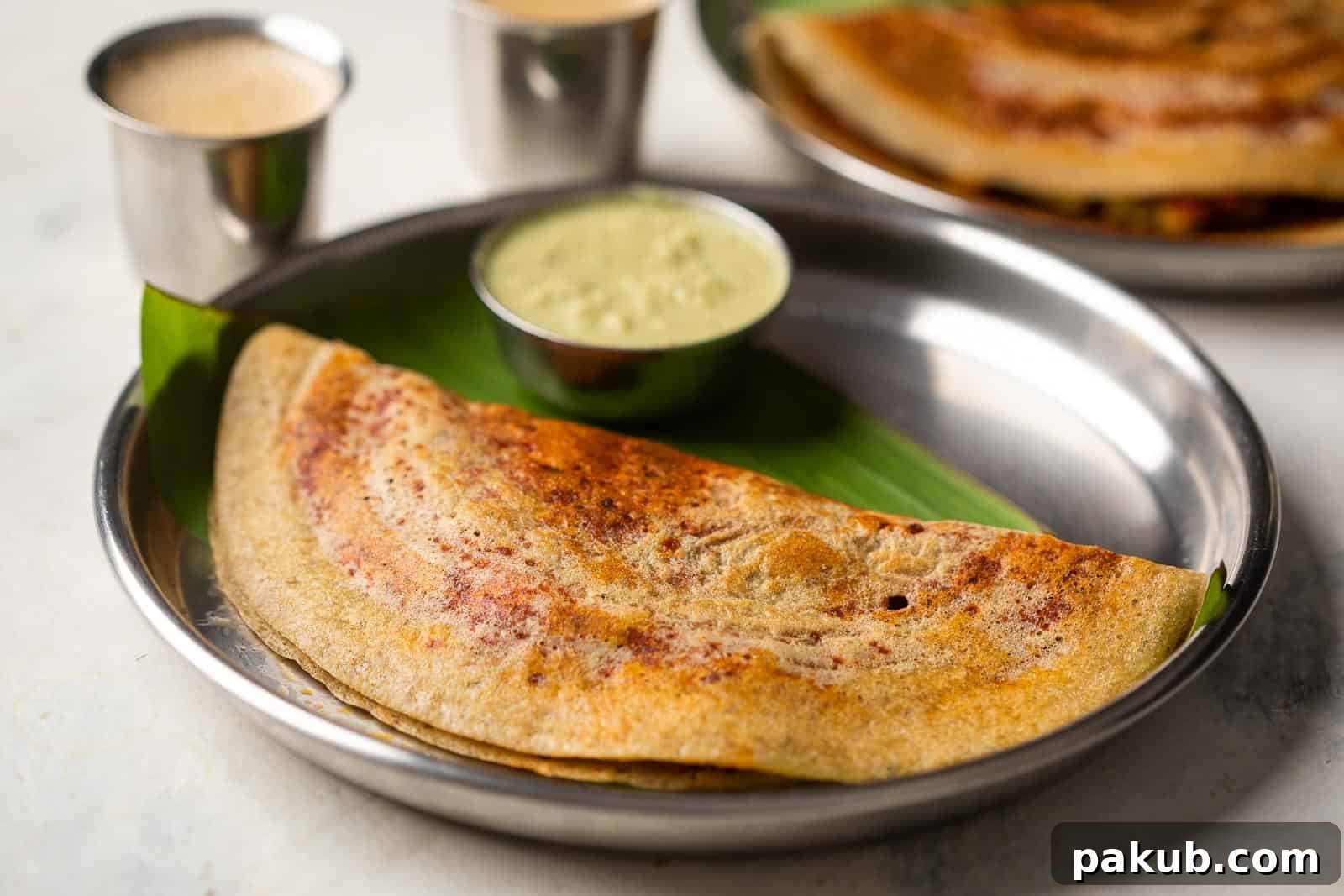
Serve these wonderfully crispy millet dosas generously stuffed with the savory aloo palya, alongside a bowl of fragrant sambar and an assortment of vibrant south Indian chutneys. And to complete the authentic South Indian breakfast experience, don’t forget to noisily sip on some piping hot filter coffee from a traditional steel tumbler. It’s the perfect way to embrace the full cultural immersion and savor every moment of this incredible meal!
Watch the Dosa Magic Unfold: Video Guide
Millet Mysore Masala Dosa
Richa
20
30
50
10 people
Rate Recipe
Print Recipe
Ingredients
Millet Dosa Batter
- 4 Cups Kodo Millets, or other millets like ragi, bajra
- ¾ Cup Urad Dal (Split & Skinned Black Gram)
- ¼ Cup Chana Dal (Split Chickpeas)
- 1 Tablespoon Fenugreek Seeds (Methi)
- ¾ Cup Poha or Flattened Rice, soaked for 30 minutes
- 3 tablespoons Ghee or Oil, for cooking dosas
Mysore Masala Chutney
- 1 Tablespoon Oil
- 2 Tablespoon Chana dal
- 1 Tablespoon Urad dal
- 8-10 cloves Garlic
- 1 inch roughly chopped Ginger
- 6-7 Kashmiri red chillies
- ½ Teaspoon Turmeric Powder
- ½ Cup chopped Onions
- 2 Tablespoon Tamarind pulp
- ¼ Cup Water
Aloo Masala (Potato Stuffing)
- 1 Tablespoon Oil
- ½ Teaspoon Mustard Seeds
- ½ Teaspoon Cumin Seeds
- 2 Teaspoons Roasted Chana Dal
- 1 Teaspoon Urad Dal
- 1 Pinch Hing (Asafoetida)
- 1 Teaspoon finely chopped Ginger
- 2 Green Chillies, slit lengthwise
- 1 Onion, sliced
- ¼ Teaspoon Turmeric Powder
- 1 sprig Curry leaves
- 3 Potatoes, boiled and peeled
Instructions
Millet Dosa Batter
-
In a large mixing bowl, combine all ingredients for the millet dosa batter, except for the soaked poha and ghee. Add enough water to fully submerge the ingredients. Allow this mixture to soak for a minimum of 6-8 hours to ensure proper hydration and softening of the grains.
-
After soaking, drain any excess water from the millet and dal mixture. Transfer the soaked ingredients to a blender jar, along with the pre-soaked poha. Grind these ingredients to a perfectly smooth and consistent batter. Add a small amount of extra water if necessary to achieve the desired consistency, ensuring it’s not too thick or too thin.
-
Pour the batter into a large bowl (allowing space for expansion) and cover it loosely. Let the batter ferment overnight, or for at least 8 hours, in a warm place. You’ll know it’s properly fermented when you observe numerous small bubbles forming on the top surface, and the batter has visibly increased in volume, indicating a successful rise.
Mysore Masala Chutney
-
Heat one tablespoon of oil in a pan over medium heat. Once the oil is hot, add urad dal and chana dal and lightly fry them for 15-20 seconds until they turn golden. Next, add the garlic cloves and ginger, frying until fragrant. Incorporate the chopped onions and continue to sauté until they become soft and translucent. Finally, add the Kashmiri red chillies and turmeric powder, cooking for another 2-3 minutes. Remove from heat and allow this mixture to cool slightly before transferring it to the small jar of a mixer grinder.
-
Add the tamarind pulp and ¼ cup of water to the mixer jar with the cooled spice mixture. Grind everything into a coarse yet spreadable paste. Adjust the water quantity as needed to achieve a thick, smooth consistency that can be easily smeared onto the dosa without being too runny. Set aside until ready to use.
Aloo Masala (Potato Stuffing)
-
In a kadai or heavy-bottomed pan, heat one tablespoon of oil over a high flame. Once hot, add mustard seeds and cumin seeds, allowing them to splutter vigorously. Then, add urad dal and chana dal, cooking for approximately one minute until lightly golden. Next, add the slit green chillies and finely chopped ginger, frying until the ginger becomes fragrant. Add a pinch of hing and the sliced onion, cooking until the onions turn translucent and soft.
-
Stir in salt and turmeric powder, then sauté again to combine the spices. Now, add the curry leaves and lightly fry them for a few seconds. Finally, add the boiled and crushed potatoes to the pan. Use the back of your spoon or spatula to further mash the potatoes and mix them well with the spices. Add 1-2 tablespoons of water to deglaze the pan and ensure the potatoes are thoroughly cooked and well-combined. Garnish with fresh coriander leaves if desired, and set the Aloo Masala aside.
Assembling and Cooking the Dosa
-
To fry the dosa, heat a dosa tawa or flat-bottomed non-stick pan over medium-high heat. Test the pan’s temperature: if a splash of water sizzles immediately and evaporates, the pan is perfectly hot. If the water evaporates instantly without much sizzle, the pan is too hot and needs to be cooled slightly before proceeding.
-
Once the pan is at the correct temperature, take a ladleful of fermented millet batter and pour it onto the center of the tawa. Using the back of the ladle, quickly spread the batter outwards in concentric circles to form a thin, even dosa. Drizzle some ghee or oil along the sides and in the center of the dosa. Cook for 1-2 minutes until the edges start to crisp and turn golden brown. Next, generously spread the prepared Mysore Masala Chutney evenly over the entire surface of the cooking dosa, and add a little more ghee. Place a spoonful of Aloo Masala in the center. Carefully fold one half of the dosa over the potato stuffing to create a semi-circle. Serve immediately, piping hot, perhaps with some fresh coconut chutney for an extra burst of flavor.
Video
Notes
- The combination of split chickpeas (chana dal) and split and skinned black gram (urad dal) is essential for achieving both the crispy texture and the light, airy quality of the dosa batter.
- Fenugreek seeds (methi) are a natural fermenting agent, crucial for promoting a healthy rise in the batter and contributing to its distinctive flavor.
- Adding soaked flattened rice (poha) or cooked rice before grinding helps to make the batter incredibly light and fluffy, ensuring a perfect dosa texture.
- Ensure you use a sufficiently large bowl for fermenting the batter, as it will typically double in size. Refer to our Idli Dosa Batter post for more on ideal fermentation temperatures.
- The red masala chutney should be ground to a thick, spreadable paste. Adjust water carefully to avoid a runny consistency, as it needs to adhere well to the dosa.
- Always perform a quick taste test on your batter before cooking the dosas. Make a small test dosa to adjust salt or any other seasonings to your preference.
- Avoid adding excessive water to your batter, as a very runny consistency makes it difficult to spread the dosa thinly and evenly on the pan.
- Both a well-seasoned regular iron dosa tawa and a good quality non-stick flat-bottomed pan will yield excellent, crispy dosas.
- Do not hold back on the fat! Using a generous amount of oil or ghee is vital for achieving that desirable crisp texture and a beautiful golden-brown color. Ghee, in particular, enhances the flavor significantly. Serve your dosas immediately off the pan for the best experience.
Nutrition
(Nutritional values are approximate per serving)
- Calories: 554 kcal
- Carbohydrates: 113 g
- Protein: 16 g
- Fat: 5 g
- Saturated Fat: 1 g
- Polyunsaturated Fat: 1 g
- Monounsaturated Fat: 3 g
- Trans Fat: 1 g
- Sodium: 55 mg
- Potassium: 834 mg
- Fiber: 9 g
- Sugar: 5 g
- Vitamin A: 271 IU
- Vitamin C: 60 mg
- Calcium: 383 mg
- Iron: 7 mg
Like this recipe? We’d love to hear your thoughts!
Rate this recipe and leave a comment below to share your experience and tips!
Explore More South Indian Delights
If you loved this Millet Mysore Masala Dosa, we invite you to explore more authentic and delicious South Indian recipes from our collection. Each dish brings its unique flavors and cultural richness to your table.
- Comforting Curd Rice
- Zesty Lemon Rice: A Quick Meal
- Aromatic Coconut Rice
- Flavorful South Indian Egg Curry
- Spicy Mushroom Pepper Fry
- Crispy Masala Vada (Paruppu Vadai)