Indian Recipes
Vegetable Upma | Suji Upma
Soft, moist, and loaded with veggies, this vegetable upma is truly the most wholesome way to start your day. Everyday ingredients and a simple, no-frizz recipe–I promise you’ll keep coming back to this South Indian breakfast recipe again
- Serves 4 people
- Prep 10 minutes
- Cook 20 minutes
- Total 30 minutes
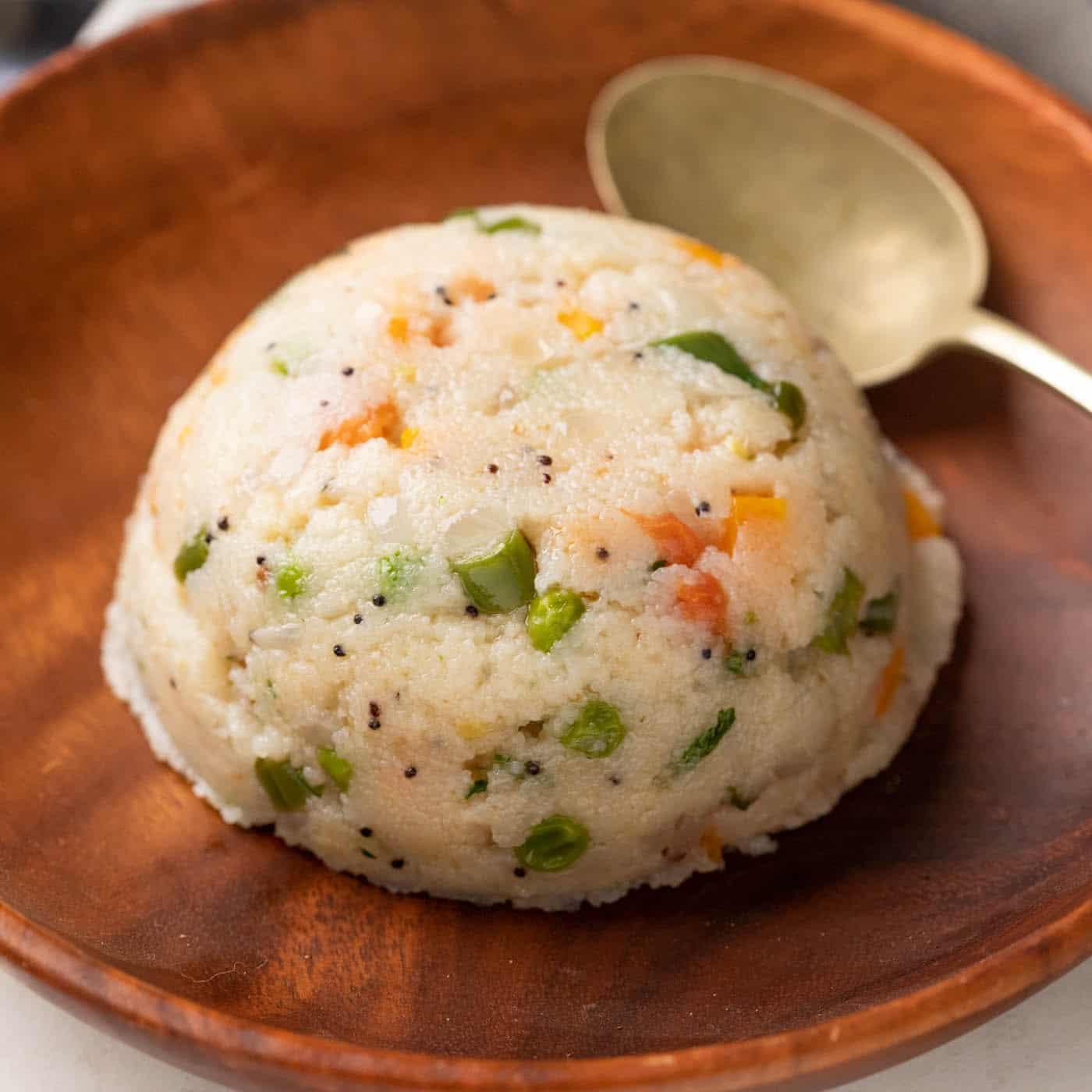
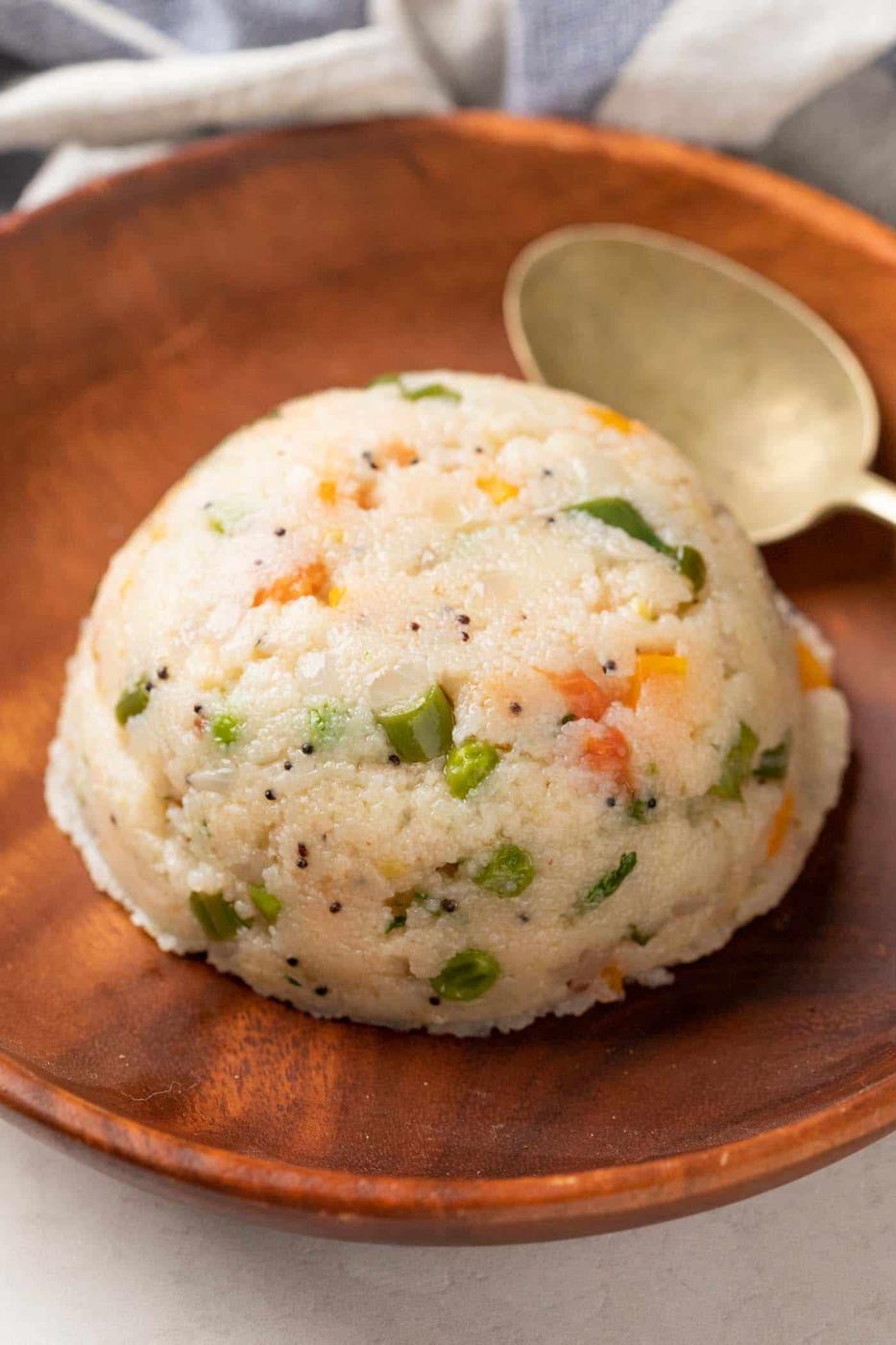
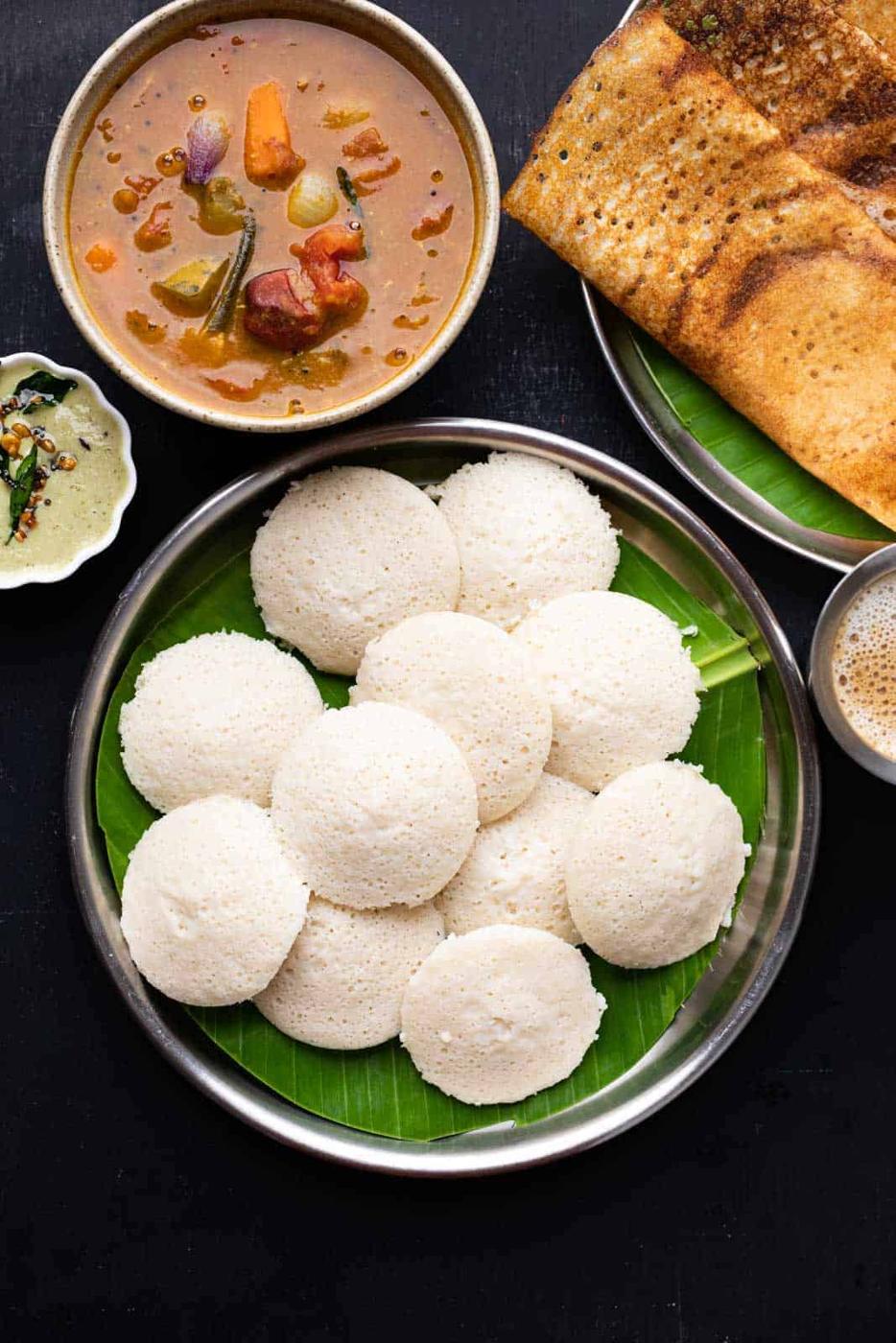
Who doesn’t love a hearty yet easy breakfast recipe that’s quick to make for busy mornings? And this Vegetable Upma is possibly the most common breakfast option in most Indian households, right up there with poha and idli dosa. Also known as suji ka upma or uppittu, this South Indian breakfast is quite popular throughout the country. And I get exactly why! It’s like a warm hug on a plate. Every spoonful is fluffy, slightly spicy, and full of tiny surprises from crunchy veggies and aromatic spices.
It’s one of our favorite Indian breakfast recipes and you must try it out!
Easy, Fast Breakfast Recipe
- With just a little prep, this recipe comes together in under 20 minutes, making it perfect for rushed weekday mornings.
- Veggies add an extra layer of fibre and nutrition to this already healthy breakfast.
- Super customisable. Can be made with whatever veggies you have available. You can even skip the veggies entirely if you want.
- Is naturally vegetarian and can be easily made vegan by eliminating ghee at the end.
- The recipe can easily be doubled or halved.
Vegetable Upma Ingredients
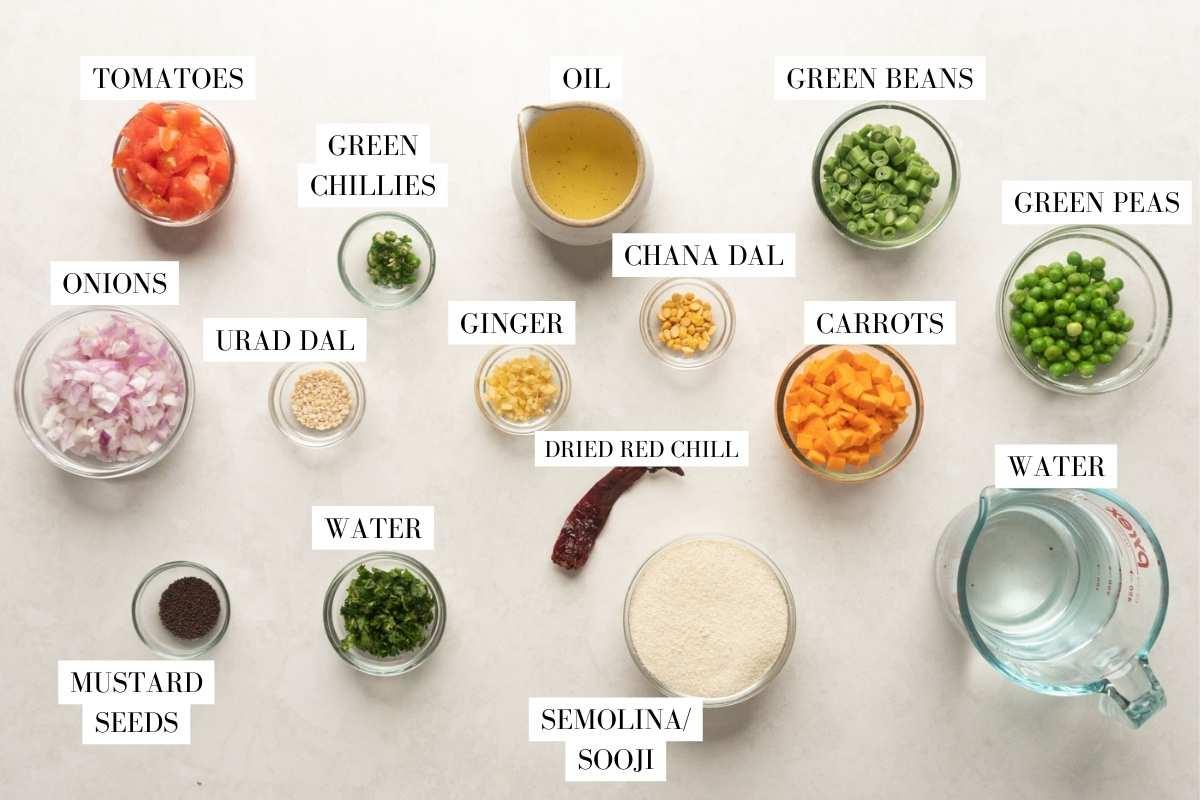
- Rava/Semolina: I prefer using Bombay Rava. The grains of this variety are neither too big nor too small. The variety is also great at absorbing moisture, which is what gives you perfectly soft and moist upma every single time.
- Oil: Any neutral flavoured oil like canola, sunflower or peanut
- For tempering: Mustard seeds, urad dal, chana dal, curry leaves and ginger
- Veggies: I have used onions, tomatoes, beans, green peas and carrots in this recipe. You can add or eliminate anything depending on what’s available to you.
- Dry red chilli: For some heat.
- Water: To cook the rava and give the upma its typical moist and soft texture.
- Sugar: Just a little helps to balance out the flavours.
- Ghee: Enhances the flavour of the whole dish. Optional, but I highly recommend adding it.
How to make Upma
Here’s a detailed step by step showing you how to make upma
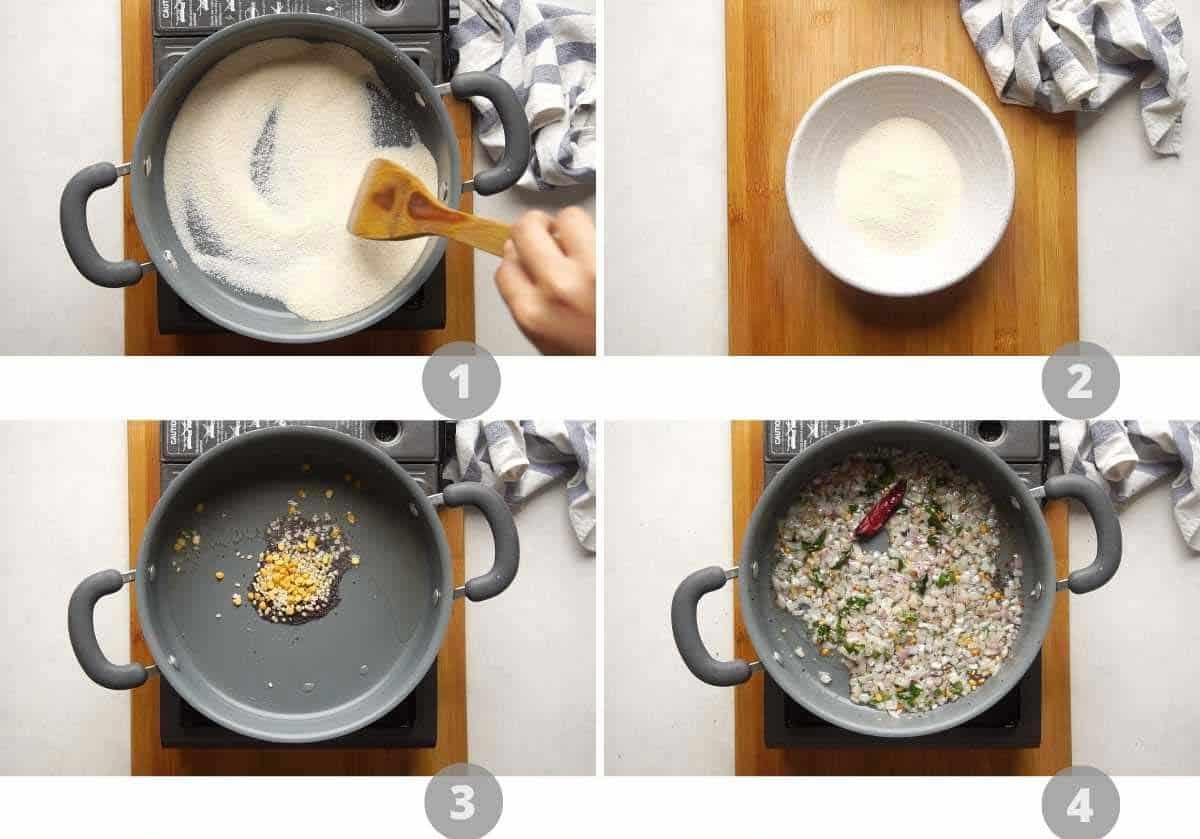
1. Roast sooji or semolina on a low flame till it starts to smell nutty
2. Transfer it to a bowl and let it cool
3. Heat oil in a pan and add mustard seeds. Once they splutter and urad dal, chana dal, curry leaves, dried red chilli and saute for a minute
4. Add ginger and onions and cook till onions turn translucent
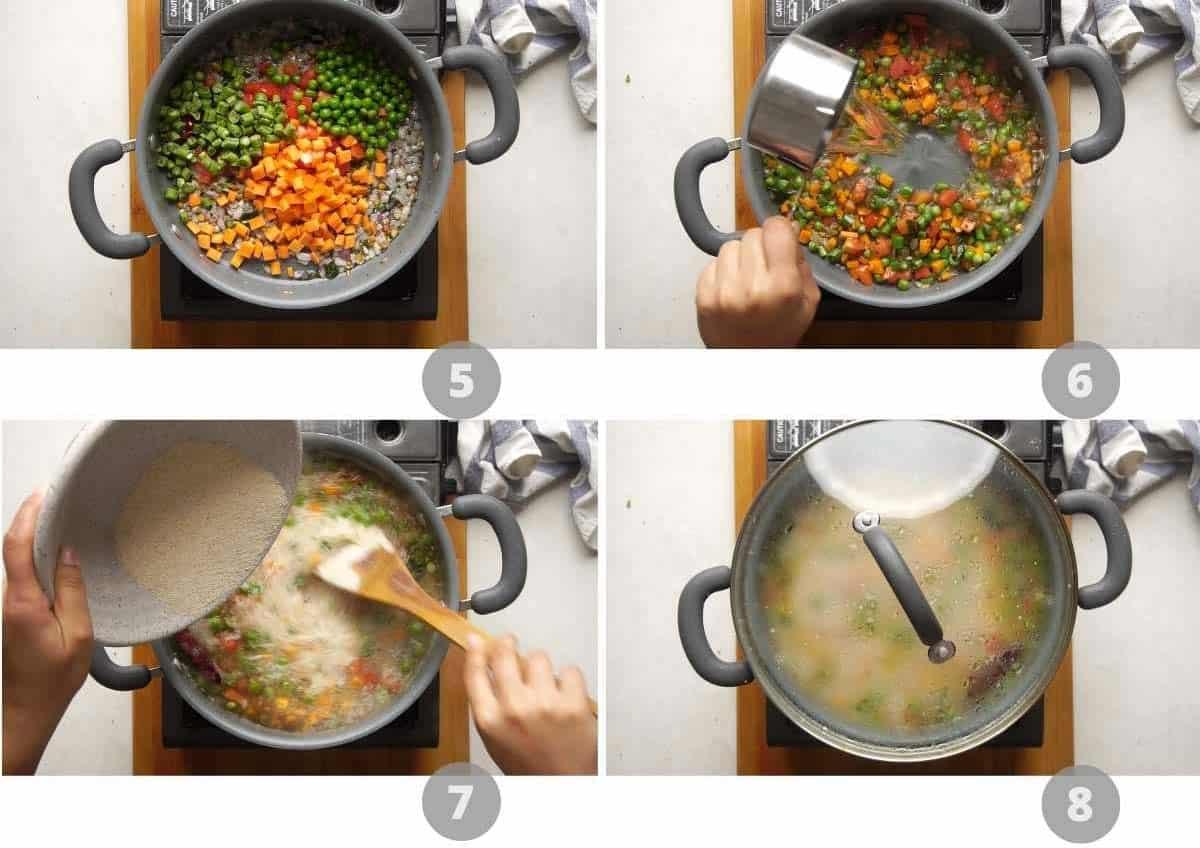
5. Add all the other veggies and cook for 2 minutes
6. Add water and bring it to a roaring boil
7. Reduce the flame to low and add sooji slowly while stirring continuously. This helps avoid lumps in the upma
8. Cover and cook for 3-4 minutes till the sooji absorbs all the water, steams and blooms. Finish with ghee and coriander leaves and serve hot.
Frequently Asked Questions
How To Prevent Lumpy Upma
There’s a couple of reasons why your upma can turn out lumpy, make sure to avoid:
- Adding all the rava (semolina) at once:When you add the rava into hot water all at once, it clumps up before it can absorb the water evenly. Slowly pour in the roasted rava while continuously stirring the water.
- Not stirring immediately: After adding rava, you have to keep stirring to spread it evenly before it sets.
- Using unroasted rava:If the semolina isn’t roasted properly, it will absorb water unevenly and become sticky or clumpy.
- Wrong water-to-rava ratio:Less water = dry, clumpy upma. For fluffy, soft upma, use around 3 cups of water for 1 cup of rava.
Richa’s Top Tips
- The secret to the best semolina upma or rava upma lies in two things: roasting the rava and getting the rava to water ratio right.
- Pay attention to the water to rava ratio which should be 3:1. So for every one cup of rava, you would need to add 3 cups of water for perfectly soft and moist upma.
- Make sure to roast the rava evenly on low to medium heat until it exudes a nutty aroma but doesn’t change colour.
- While adding the roasted rava to hot water, keep stirring continuously. This will help prevent lumps and make sure your upma has a soft and creamy texture.
- Cut all the veggies to the same size to allow them to cook quickly and evenly.
- If you find lumps forming while cooking, immediately mash them gently with the back of a spoon and keep stirring to break them up.
Serving Ideas
- With a steaming cup of chai or filter coffee for the most comforting breakfast.
- Pair with coconut chutney or tomato chutney for a classic combo.
- Serve with some curd for extra cooling.
- Enjoy it with a spicy mango pickle for a flavor burst!
Customisation Ideas
- Add in roasted peanuts and cashews for a nice nutty crunch.
- Stir in some coconut, or sprinkle garam masala or even a little sambar powder for a new flavor profile!
Storage Tips
Vegetable Upma is best eaten fresh, but you can store leftovers in an airtight container in the fridge for up to 1-2 days. Reheat with a splash of water to adjust the texture.
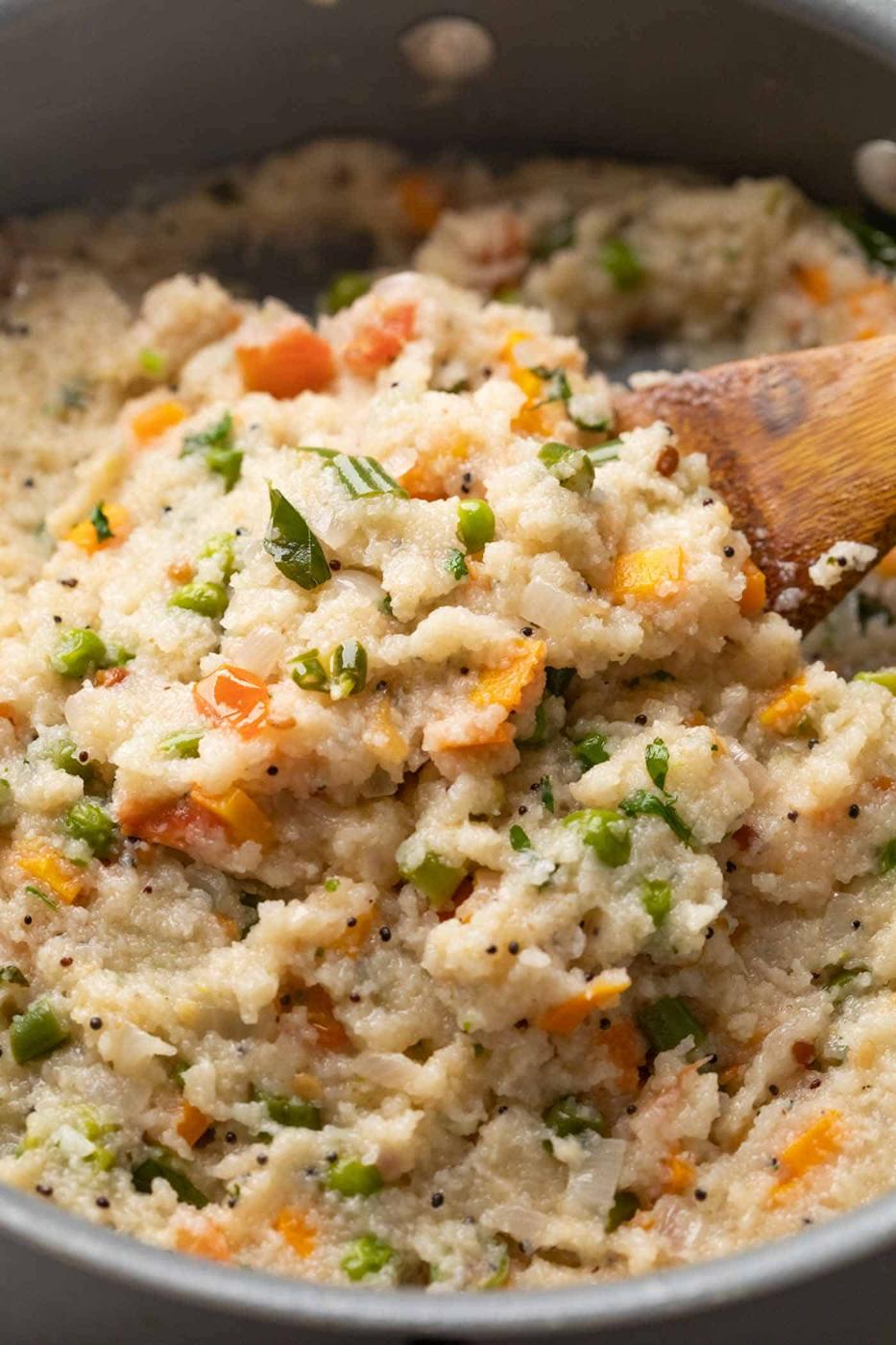
If you are looking for yet another quick and easy breakfast option that’s also delicious and healthy, then this vegetable rava upma recipe is a must try! Have it along with a steaming cup of filter coffee and enjoy!!
If you make this, don’t forget to tag me on IG @my_foodstory with your bowl of goodness ✨
This article was written and researched by Navya Khetarpal.
The recipe
Vegetable Upma
Upma is a fantastic breakfast option when you want something fast, easy and healthy. Its a South Indian recipe that is made with roasted sooji and vegetables to create a balanced, hearty meal. The trick is to get the sooji to water ratio right for the perfect upma.
- Serves 4 people
- Prep 10 minutes
- Cook 20 minutes
- Total 30 minutes
Ingredients
- 1 Cup Bombay Rava (semolina or sooji)
- 2 Tablespoons Oil
- 1 Teaspoon Mustard Seeds
- 1 Teaspoon Urad Dal
- 1 Teaspoon Chana Dal
- 1 Sprig Curry Leaves
- 1 Dry Red Chilli (broken into two)
- 1 Tablespoon Ginger
- 1 ½ Onion (chopped, approx 1 Cup)
- 2 Green Chillies (chopped)
- ⅓ Cup chopped Carrot
- ¼ Cup chopped Beans
- 1 Tomato (chopped, approx ½ Cup)
- ⅓ Cup Green Peas
- 3 1/4 Cups Water
- 1 3/4 Teaspoons Salt
- ½ Teaspoon Sugar
- 1 Tablespoon Ghee
- 2 Tablespoon Coriander Leaves
Method
Roasting Rava
- 1
Heat a kadai or frying pan on medium heat. Add rava or semolina and roast on low flame for 3-4 minutes or until it starts to smell nutty. Be careful not to let it brown or it'll change the colour of the upma. Remember to stir constantly to ensure the heat is evenly distributed.
- 2
Switch off the flame and transfer the roasted rava to a plate and allow it to cool.
Making Upma
- 3
Add oil to a kadai over medium heat. Once hot, add the mustard seeds and allow it to splutter. Add chana dal and urad dal and fry till they begin to brown a bit or get lightly golden, remember not to brown completely. Add curry leaves and dry red chilli and saute for 30 seconds or until fragrant over low heat.
- 4
Add ginger, onions and green chilli. Saute till the onions become translucent.
- 5
Add carrot, beans, green peas and saute for 2 minute stirring constantly.
- 6
Add 3 cups of water, sugar and salt. Turn the heat to high and allow the water to come to a rolling boiling.
- 7
When the water comes to a rolling boil, reduce the flame to low. Then slowly pour the rava in while stirring continuously.
- 8
Cover and allow the rava upma to steam for 3 to 4 minutes on a low heat.
- 9
Add ghee and chopped coriander leaves. Mix and switch off the flame. Serve upma with coconut chutney or pickle and curd.
Notes
In order to achieve the perfect texture of upma, it is important to pay attention to the water to rava ratio which should be 3.25:1. So for every one cup of rava, you would need to add 3 1/4 cups of water for perfectly soft and moist upma. Make sure to roast the rava evenly on low to medium heat until it exudes a nutty aroma but doesn’t change colour. While adding the roasted rava to hot water, keep stirring continuously. This will help prevent lumps and make sure your upma has a soft and creamy texture. Cut all the veggies to the same size to allow them to cook quickly and evenly.
Nutrition
- Calories 305 kcal
- Carbohydrates 43 g
- Protein 8 g
- Fat 12 g
- Saturated Fat 3 g
- Polyunsaturated Fat 2 g
- Monounsaturated Fat 6 g
- Trans Fat 0.03 g
- Cholesterol 10 mg
- Sodium 969 mg
- Potassium 303 mg
- Fiber 5 g
- Sugar 5 g
- Vitamin A 2209 IU
- Vitamin C 22 mg
- Calcium 41 mg
- Iron 3 mg
Common questions
1. What is upma made from?
Semolina or rava, lots of veggies and a few basic spices. Even though veggies are optional, I highly recommend adding them for added texture, flavor and nutrition.
2. Is upma healthy?
Yes, upma is one of the healthiest Indian breakfasts out there. Rava itself has several important vitamins and minerals and the veggies deliver an added layer of fibre nutrients.
3. What does upma taste like?
Made with rava, vegetables and a handful of basic Indian spices, upma has a savoury, nutty flavour.
Can I use pre-roasted semolina?
Yes! pre-roasted rava will speed things up if you’re short on time.
How to prevent dry and grainy upma?
Make sure to use the 3:1 water-to-rava ratio for that perfectly soft and moist upma.