
Have you ever brought home a beautiful bunch of fresh herbs, only to find them wilted and spoiled just a few days later? It’s a common kitchen frustration, but it doesn’t have to be your reality! In this comprehensive guide, we’ll walk you through proven methods to prep, store, and even freeze your fresh herbs, ensuring they stay vibrant, fragrant, and ready to elevate your dishes for weeks or even months. Say goodbye to wasted herbs and hello to a perpetually fresh pantry!
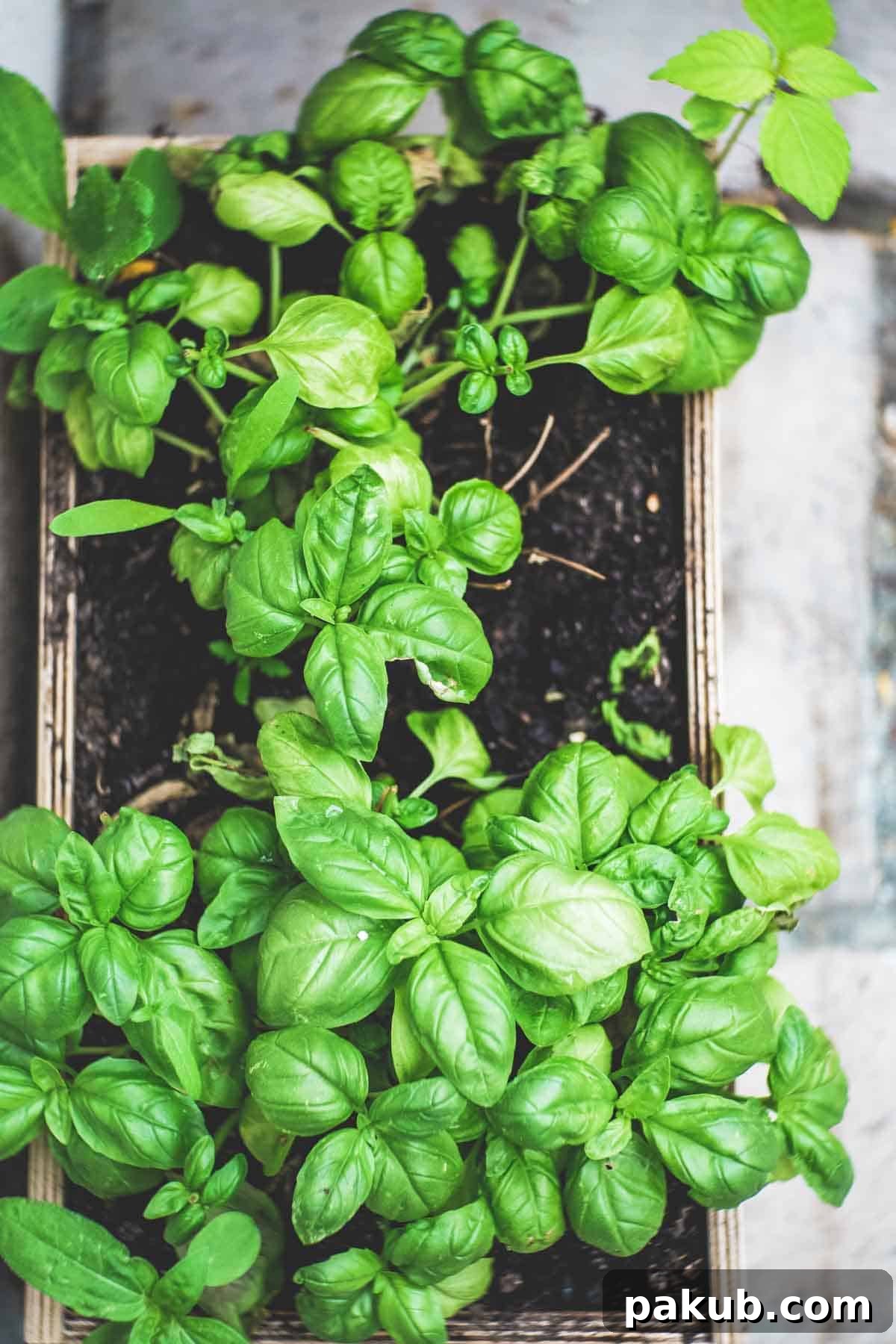
Fresh herbs are indispensable in countless culinary traditions, offering a burst of flavor, aroma, and color that can transform a simple meal into something extraordinary. However, their delicate nature makes them notoriously tricky to store. All too often, we watch helplessly as our newly purchased parsley or cilantro wilts, turns brown, and becomes an unappetizing mush within a mere couple of days. Given how frequently these aromatic greens are used in the kitchen, finding effective ways to extend their shelf life is a game-changer for any home cook.
The good news is that with a little understanding and proper preparation, most fresh herbs can be preserved far beyond their typical lifespan. When stored correctly, many varieties can maintain their freshness in the refrigerator for an impressive two to three weeks. Furthermore, freezing offers an excellent long-term solution, allowing you to enjoy the vibrant taste of summer herbs in your stir-fries, sauces, pasta dishes, and soups throughout the year. This guide will demystify the process, providing you with practical, easy-to-follow techniques that will save you money and enhance your cooking.
Understanding Herb Types: Soft vs. Hardy Herbs
The secret to successful herb storage begins with identifying the type of herb you’re working with. Fresh herbs are generally categorized into two main groups – soft and hardy – based primarily on the texture and characteristics of their stems. Understanding this distinction is crucial because each type requires a different preservation approach to maximize its longevity.
Soft Herbs typically feature tender, pliable stems that are often edible and delicate leaves. These herbs are generally more susceptible to wilting and spoilage due to their high moisture content. Common examples of soft herbs include coriander (cilantro), basil, parsley, mint, chives, and dill. Their delicate structure means they thrive in conditions that mimic a fresh bouquet, with their stems hydrated and leaves protected from excessive moisture or cold.
Hardy Herbs, on the other hand, possess woody, robust stems that are generally not eaten. Their leaves are often tougher and less prone to wilting. Examples of hardy herbs include rosemary, thyme, oregano, sage, and curry leaves. These herbs are more resilient and can withstand slightly different storage conditions, often benefiting from a damp environment that prevents them from drying out.
Knowing whether your herb is soft or hardy is the first step towards choosing the most effective storage method, ensuring maximum freshness and flavor retention.
How to Store Soft Herbs: Coriander, Mint, and Parsley
Soft herbs like cilantro, mint, and parsley are often the first to wilt. This method, often referred to as the “bouquet method,” is highly effective for keeping them crisp and flavorful in your refrigerator for up to two to three weeks.
- Step 01: Unbind the Bunch. Upon bringing your herbs home, immediately remove any rubber bands, ties, or packaging that holds the bunch together. This allows the individual stems and leaves to breathe and prevents crushing, which can lead to premature spoilage.
- Step 02: Gentle Cleaning. Place the entire bunch of herbs in a large bowl filled with cool water. Gently swish them around to dislodge any dirt, dust, or other impurities. You may need to change the water a few times until it runs completely clear. This step is crucial for hygiene and preventing mold growth from contaminants.
- Step 03: Thorough Drying. This is perhaps the most critical step for soft herbs. Excess moisture on the leaves can lead to rapid rotting. Gently pat the herbs dry with a clean dish towel or paper towels. For best results, allow them to air dry on a clean, dry surface for an hour or two until they are completely dry to the touch. A salad spinner can also be incredibly effective here, but follow up with air drying.
- Step 04: Prepare the “Bouquet.” Trim about half an inch off the bottom of the stems. Fill a clean mason jar, glass jar, or even a tall drinking glass with one to two inches of fresh water. Place the herbs upright into the jar, just like a bouquet of flowers. Ensure that no leaves are submerged in the water; only the trimmed stems should be in contact with the water.
- Step 05: Refrigerate and Maintain. Lightly cover the leaves of the herb bouquet with a clear plastic bag (like a produce bag) or a piece of plastic wrap, creating a mini-greenhouse effect. This helps to retain moisture around the leaves without making them wet. Place the jar in the refrigerator. To maximize freshness, change the water every couple of days, and if the stems start to look discolored or slimy, trim another small amount off the ends. Following these steps can keep your soft herbs fresh and vibrant for up to two weeks, sometimes even three!
Tip for Basil: The Delicate Exception
While basil is botanically a soft herb, it’s notably sensitive to cold and can blacken or wilt rapidly in the refrigerator. Therefore, basil requires a slightly different approach. Fill a mason jar or glass with about an inch of water and place the basil stems upright, treating it like a beautiful green bouquet. Instead of covering it with plastic or refrigerating it, simply place the jar on a well-lit kitchen counter, away from direct sunlight or extreme temperatures. Change the water daily or every other day. This method will keep your basil leaves green, fresh, and wonderfully fragrant, ready for your next pesto or Caprese salad.
How to Store Hardy Herbs: Thyme, Rosemary, Oregano, and Sage
Hardy herbs, with their more robust and often woody stems, have different needs than their delicate counterparts. They tend to dry out rather than wilt from excess moisture. This method aims to keep them hydrated without being waterlogged, preserving their potent flavors for weeks.
- Step 01: Clean and Dry. Just like soft herbs, begin by washing your hardy herbs thoroughly under cool running water to remove any dirt or debris. However, unlike soft herbs, complete air drying isn’t as critical, but you should still gently pat them dry with a clean paper towel to remove excess surface moisture.
- Step 02: Trim the Ends. Trim about an inch off the cut ends of the stems. This helps them absorb any moisture from the damp paper towel more effectively, keeping them fresh.
- Step 03: Wrap and Refrigerate. Lightly dampen a few sheets of paper towel (it should be damp, not soaking wet). Lay the entire bunch of herbs on the damp paper towel, then loosely roll or wrap the herbs in it. Place the wrapped herbs into a plastic zip-top bag or an airtight container. The damp paper towel creates a humid environment that prevents the herbs from drying out, while the bag or container seals in the moisture. Store this in your refrigerator.
And that’s it! This straightforward method effectively preserves hardy herbs. Once prepped and tucked away in the fridge, they are relatively low-maintenance until you’re ready to add them to your cooking. Hardy herbs stored this way can remain fresh for two to three weeks, sometimes even longer.
Frequently Asked Questions About Herb Storage
- Should you wash herbs before storing them?
There’s a longstanding debate about washing herbs before storage. My strong preference is to wash them. Herbs from the grocery store or even your garden can harbor dirt, pesticides, or tiny insects. Washing them upfront ensures they are clean when you’re ready to cook, and it can actually prevent premature spoilage caused by lingering contaminants. However, if you choose to wash them, the absolute most critical follow-up step is to dry them thoroughly. Any residual moisture on the leaves is a breeding ground for mold and bacteria, leading to faster wilting and decay. Pat them meticulously with a clean cloth or paper towel, and then allow them to air dry completely before proceeding with your chosen storage method. A salad spinner can also significantly aid in removing excess water.
- How long do fresh herbs typically stay fresh in the fridge?
If prepped and stored correctly using the methods described above, most fresh herbs can easily remain vibrant in the refrigerator for two to three weeks. Soft herbs tend to last closer to two weeks, while hardy herbs can often stretch to three weeks or even a bit longer. To maximize their shelf life, make it a habit to check your stored herbs every few days. Remove any leaves or sprigs that are beginning to rot, turn slimy, or show signs of mold. This simple step prevents spoilage from spreading to the rest of the bunch, keeping your entire stash fresher for longer.
- Can you freeze fresh herbs for long-term preservation?
Absolutely! Freezing is an excellent method for long-term preservation, especially if you have an abundance of herbs or want to capture their peak freshness. When frozen correctly, most herbs are very freezer-friendly and retain a significant portion of their bright, distinctive flavor. However, the freezing and thawing process can alter their texture and appearance, often making them softer and duller in color. For this reason, frozen herbs are generally not ideal for garnishes or fresh salads where visual appeal and crisp texture are paramount. They are, however, perfect for adding directly to hot dishes like soups, stews, stir-fries, sauces, and pasta, where their flavor will shine without their texture being a concern.
- Freezing Hardy Herbs: Individual Sprigs
Hardy herbs like thyme, rosemary, sage, or dill are best frozen as individual sprigs. Begin by washing them and patting them thoroughly dry. Keep the stems on, as they provide a natural handle. Spread the individual sprigs in a single layer on a baking sheet or tray lined with parchment paper. This step, known as flash-freezing, prevents them from clumping together. Transfer the baking sheet to the freezer and leave it for a few hours until the herbs are completely frozen solid. Once frozen, transfer the individual sprigs into a freezer-friendly zip-top bag or an airtight container, pressing out as much air as possible to prevent freezer burn. Label with the date. When needed, simply take out one sprig at a time, no thawing required, and add it directly to your cooking.
- Freezing Soft Herbs: Ice Cube Trays for Convenience
Soft herbs such as coriander, parsley, mint, or basil are wonderfully preserved in ice cube trays. First, wash the herbs thoroughly and pat them exceptionally dry. Separate the leaves from the stems and finely chop them. Pack a clean ice cube tray tightly with the chopped herbs. Now, you have several options for filling: you can cover them with water (great for soups and stews), vegetable or chicken broth (adds extra flavor), high-quality olive oil (perfect for sautéing and sauces), or even melted unsalted butter (for finishing dishes). Once filled, place the trays in the freezer until the cubes are completely solid. Once frozen, pop the individual herb cubes out and transfer them to freezer-friendly zip-top bags or airtight containers, again removing as much air as possible. Label with the herb type, liquid used, and date. When you’re ready to use them, simply drop a frozen cube directly into your hot dish; they’ll thaw quickly and release their concentrated flavor. Herbs frozen in oil or butter can maintain their excellent flavor for up to 6 months.
Crucial Tip for Freezing Herbs: Ensure They Are Bone Dry! Make absolutely certain that you wash and thoroughly dry the leaves before freezing them, regardless of whether they are soft or hardy. Any residual moisture can lead to ice crystals forming, which can detrimentally alter the flavor, color, and texture of the herb upon thawing. Using a clean dish towel or paper towels to wick away every bit of excess moisture is vital for the best freezing results.
Can I Dry Herbs to Preserve Them?
Drying is another ancient and effective method for preserving certain fresh herbs, concentrating their flavors and extending their shelf life significantly. While not all herbs dry equally well (soft herbs like basil or cilantro often lose too much flavor), hardy herbs such as oregano, rosemary, thyme, sage, and bay leaves are excellent candidates for drying. Dried herbs offer a different flavor profile, often more intense and earthy than their fresh counterparts, making them perfect for long-simmered dishes, rubs, and spice blends.
You can dry herbs using several methods:
- Oven Drying: For a quick method, wash and thoroughly dry individual sprigs or leaves. Arrange them in a single layer on a baking tray lined with parchment paper. Place the tray in your oven set to the lowest possible temperature (typically around 80-90°F or 30-32°C). Leave the oven door slightly ajar to allow moisture to escape. Dry for several hours, checking frequently, until the leaves are completely brittle and crumble easily.
- Dehydrator Drying: A food dehydrator offers precise temperature control and excellent air circulation. Wash and dry your herbs, then spread them in a single layer on the dehydrator trays. Follow your dehydrator’s instructions for drying herbs, usually at a low temperature (around 95-105°F or 35-40°C) for several hours until crisp.
- Air Drying (Sun or Shade): This traditional method is simple and requires no special equipment. Wash and thoroughly dry the herb sprigs. For sun-drying, tie the stems together to form small bunches with twine. Hang them upside down in a warm, dry, well-ventilated area, such as near a window (out of direct harsh sun, which can bleach color) or on a covered balcony. Alternatively, you can use a fine mesh screen or rack to lay them flat in a shaded, airy spot. Air drying can take anywhere from one to three weeks, depending on the humidity and herb type. The herbs are fully dried when the leaves are brittle and easily crumble between your fingers.
Once dried, remove the leaves from the stems (if applicable) and store them in airtight containers, away from direct sunlight and heat, to preserve their flavor for many months.
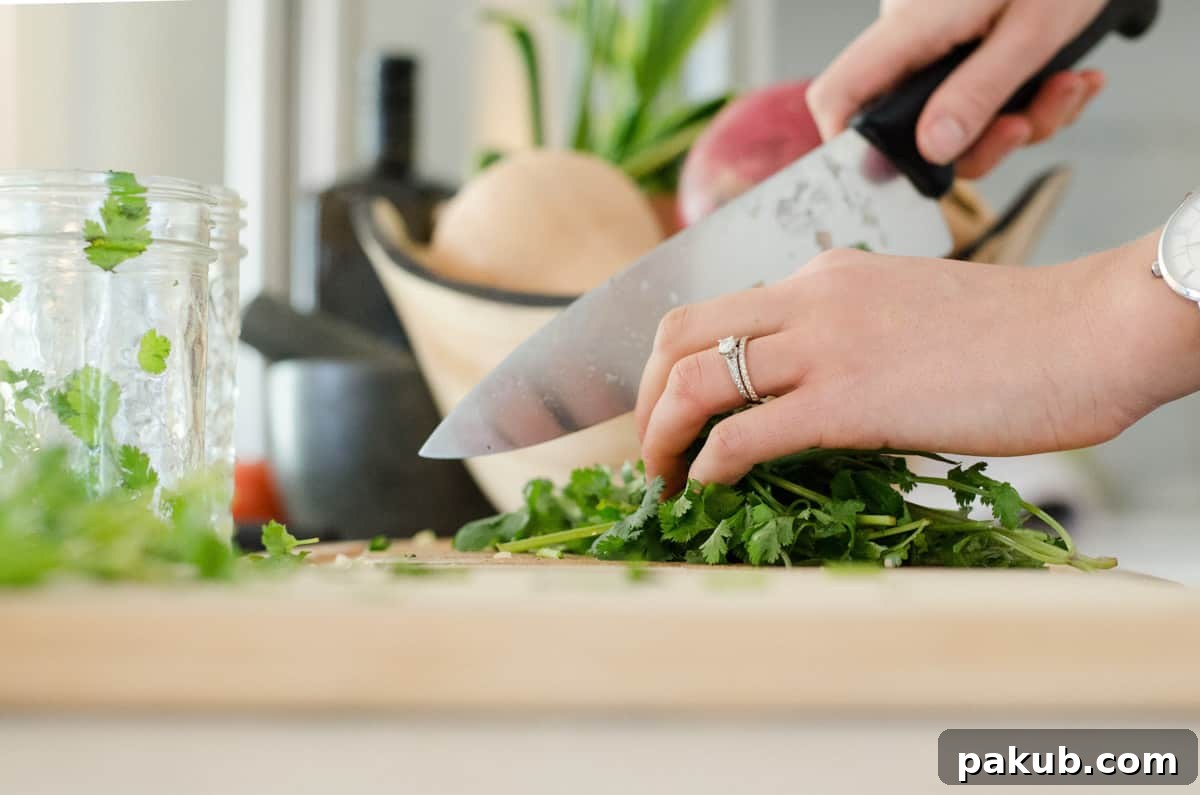
Mastering these simple preservation techniques will revolutionize the way you use fresh herbs in your kitchen. You’ll not only reduce food waste but also ensure you always have a supply of vibrant, flavorful herbs on hand, ready to elevate any dish. Once you start preserving fresh herbs using these methods, you’ll realize just how easy and incredibly versatile they are to work with, bringing consistent fresh taste to your culinary creations without the constant rush to use them before they spoil.
Here are some delicious recipes you can make with your perfectly preserved or frozen herbs:
- Green Coriander Chutney
- Basil Walnut Pesto
- Homemade Creamy Vegetable Soup
- Creamy Parmesan Mushroom Sauce
LOVE THESE TIPS AND RECIPES? Don’t miss out on more culinary wisdom! Subscribe to our newsletter and be the first to receive all new recipes, kitchen hacks, and storage guides directly in your inbox!