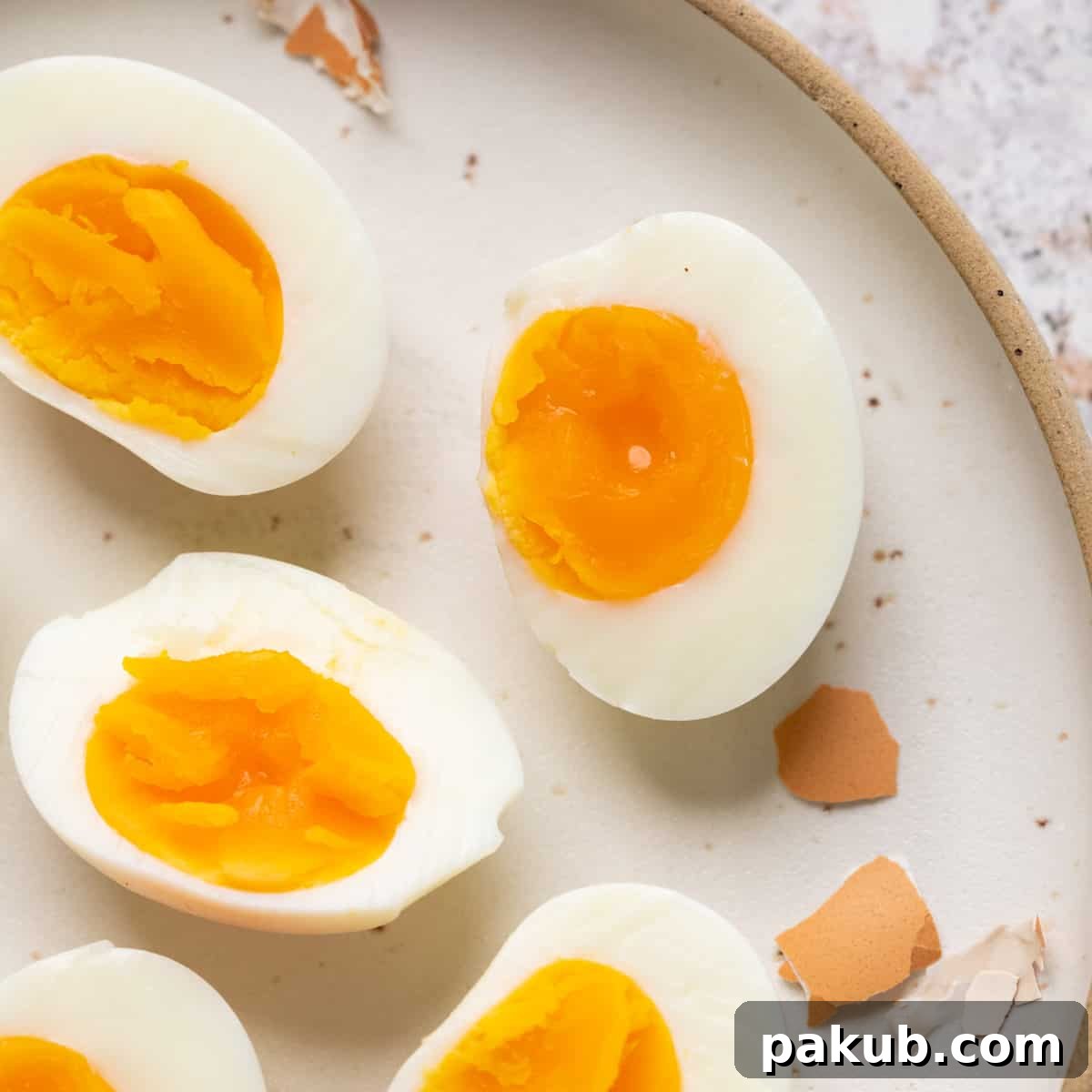
Unlock the secret to consistently perfect hard-boiled eggs – no more guessing, no more green rings! One of the biggest culinary frustrations is overcooked eggs with their unappetizing pale-yellow yolk, surrounded by a tell-tale green-grey ring, and a somewhat sulfurous taste. Let’s make sure that never happens again!
Love Eggs? Explore more delicious recipes like Spicy Bacon Deviled Eggs, South Indian Egg Curry, and Egg Tadka!
Do you often find yourself struggling to achieve that ideal hard-boiled egg texture and color? Rest assured, you’re not alone, and I’ve got the ultimate solution for you! This comprehensive guide will walk you through every step of creating the perfect hard-boiled eggs, complete with invaluable tips and tricks to guarantee flawless results time after time. While this method might take a few minutes longer than simply submerging eggs in aggressively boiling water, the consistent perfection it delivers makes it undeniably worthwhile. Prepare to master hard-boiled eggs like a pro!
The Quest for Perfect Hard-Boiled Eggs: Why It Matters
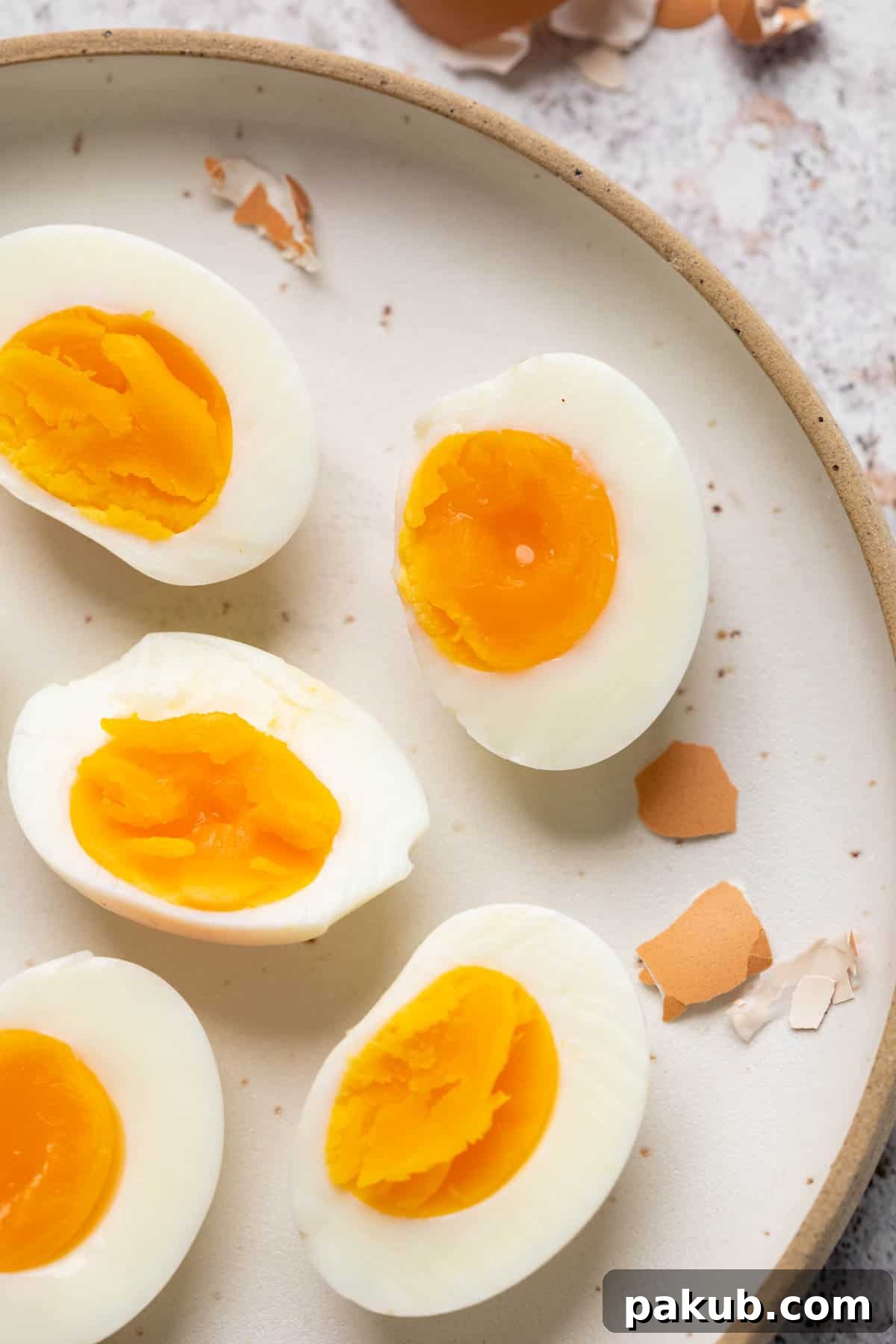
Hard-boiled eggs are a staple in kitchens worldwide, cherished for their versatility, nutritional benefits, and ease of preparation. From a quick, protein-packed snack to a key ingredient in salads, sandwiches, and appetizers, their role is indispensable. However, the difference between a perfectly cooked hard-boiled egg and an overcooked one is stark. A perfectly boiled egg boasts a firm yet tender white and a creamy, vibrant yellow yolk, bursting with flavor. In contrast, an overcooked egg suffers from a rubbery white and that dreaded greenish-grey ring around a dry, crumbly yolk, often accompanied by an unpleasant sulfuric odor. This guide aims to eliminate those culinary mishaps and ensure every egg you prepare is a masterpiece of texture and taste.
Beyond aesthetics, the texture and flavor of a well-cooked egg are far superior. The delicate balance of firmness in the white and creaminess in the yolk creates a satisfying mouthfeel that can elevate any dish. Moreover, a perfectly cooked egg is a testament to culinary precision, turning a simple ingredient into something truly delightful. This method is designed to consistently deliver that delightful experience.
My Foolproof Method: How to Cook Hard-Boiled Eggs Flawlessly
Say goodbye to guesswork and hello to consistently perfect hard-boiled eggs! 💯
Achieving perfectly hard-boiled eggs doesn’t require complex techniques or specialized equipment. It’s all about understanding the subtle science of heat transfer and timing. Follow these simple steps for eggs that are firm, flavorful, and a joy to peel. This method emphasizes gentle cooking and rapid cooling to prevent common pitfalls.
Step 01: The Cold Water Start – Setting the Foundation
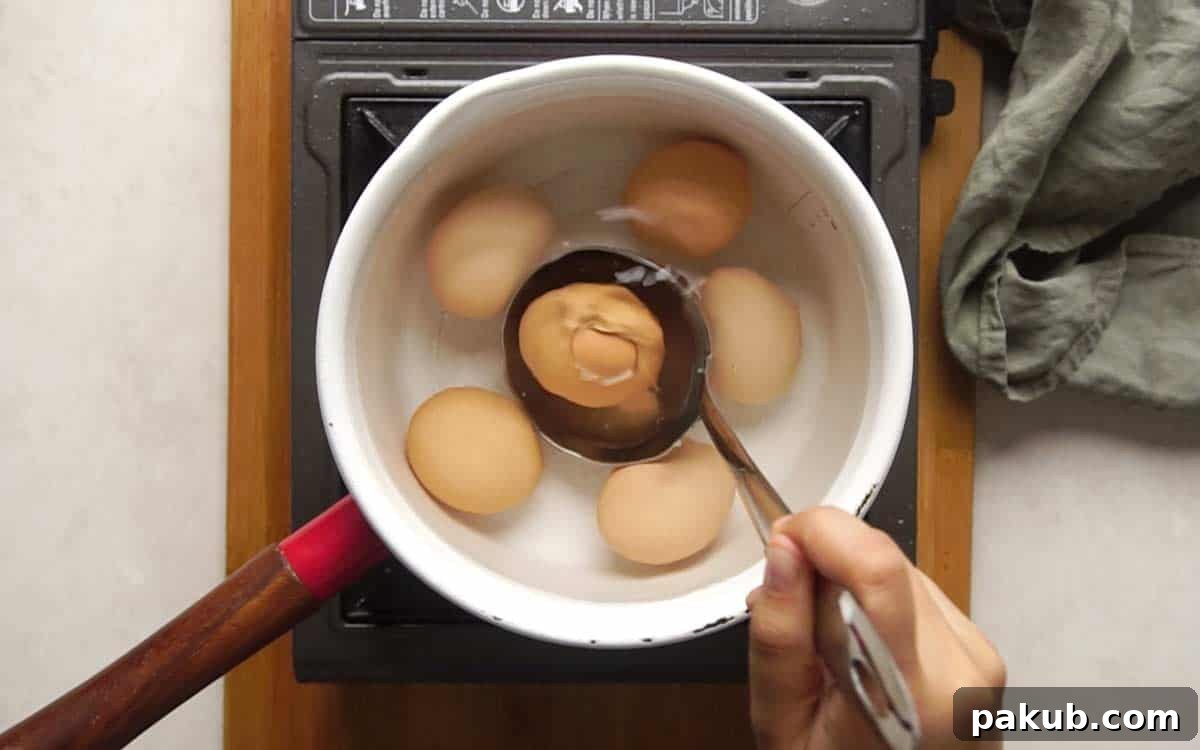
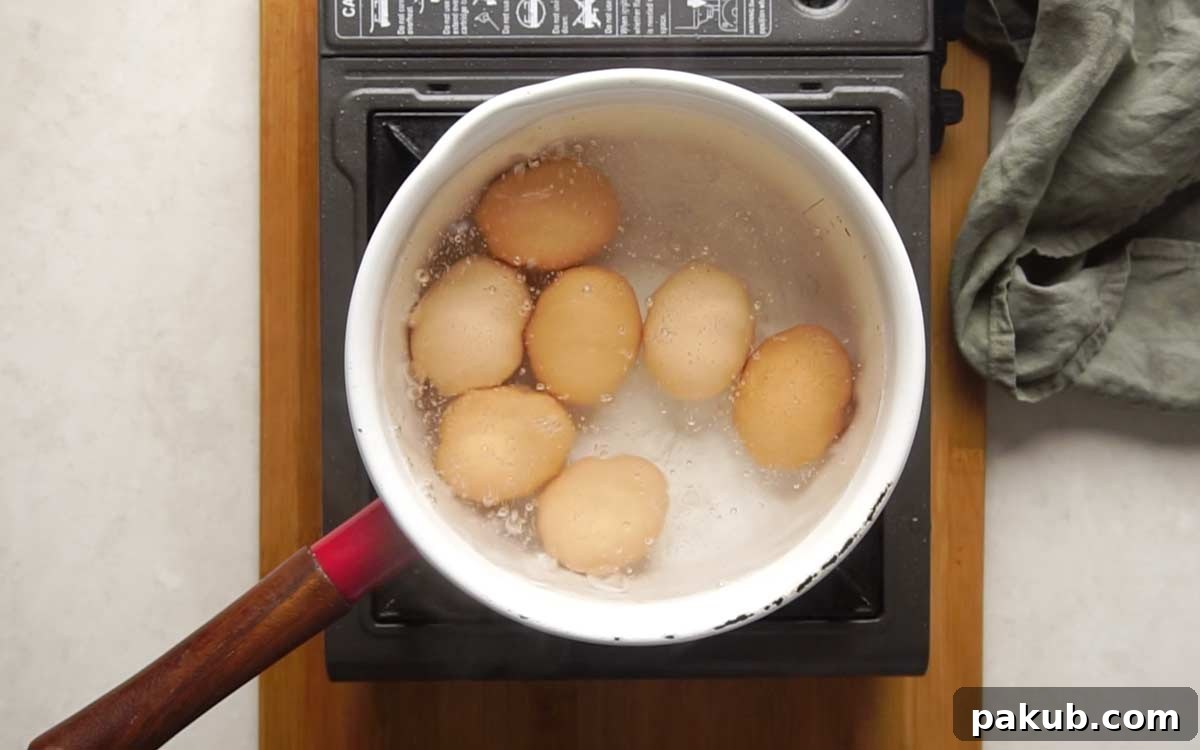
Begin by gently placing your eggs in a single layer at the bottom of a pot or saucepan. Crucially, use room-temperature tap water to fill the pot, ensuring all eggs are fully submerged by at least an inch or two of water. Avoid overcrowding the pot, as this can lead to uneven cooking and increase the chances of shells cracking. Starting with cold water allows the eggs to gradually warm up with the water, preventing the whites from becoming rubbery and reducing the risk of cracking, which is more common when cold eggs are suddenly plunged into hot water. Turn on the heat to high and bring the water to a rolling boil. This means the water is vigorously bubbling, indicating it has reached its maximum temperature, preparing the eggs for the crucial steeping phase.
Step 02: The Perfect Steep – Off-Heat Precision Cooking
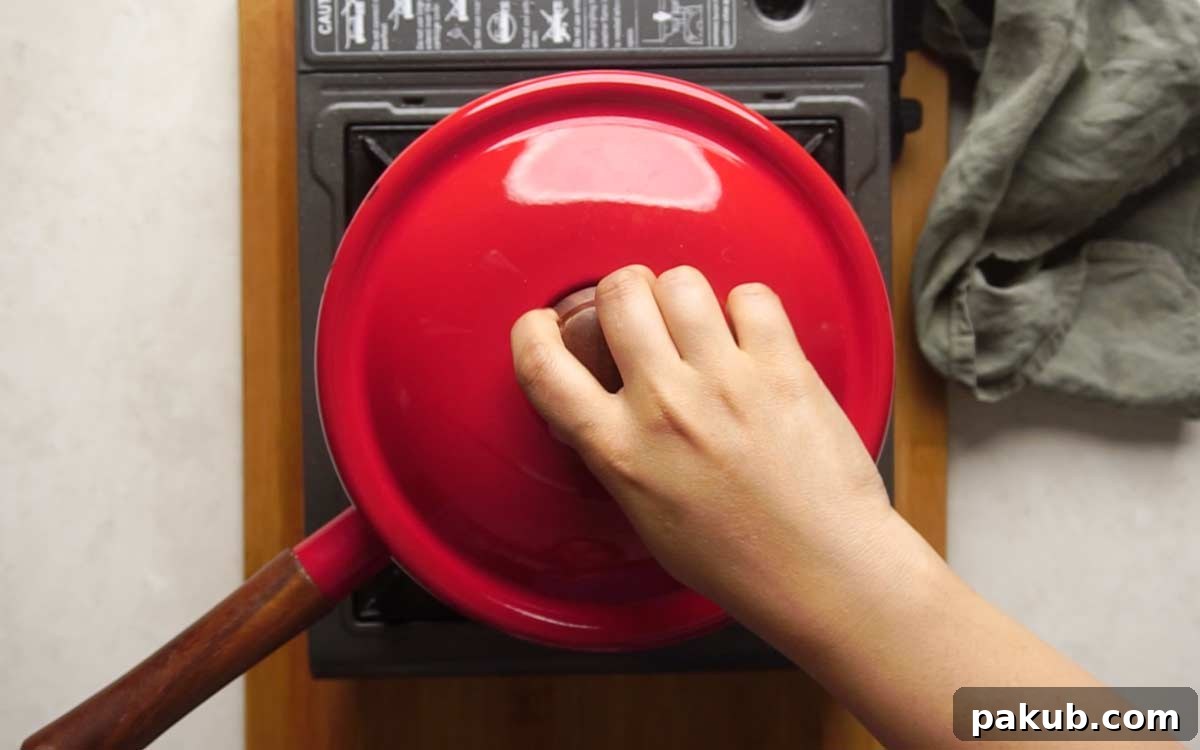
As soon as the water reaches a full, rolling boil, immediately turn off the heat. Do not let the eggs continue to boil vigorously; the residual heat of the water is all that’s needed for the perfect cook. Prolonged, intense boiling can lead to rubbery whites and increases the likelihood of the green ring. Promptly cover the saucepan with a tight-fitting lid to trap the heat effectively. Set a timer for exactly 10 minutes. This period allows the eggs to gently cook through without overcooking, yielding firm whites and perfectly set, creamy yolks. If you prefer a slightly paler yellow yolk rather than a deep orange, or a firmer texture, you can extend the steeping time by an additional two minutes, for a total of 12 minutes. This off-heat method prevents the sulfur in the egg white from reacting with the iron in the yolk, which is the chemical process responsible for the dreaded green ring and sulfuric taste. The controlled environment ensures even cooking from edge to center.
Step 03: The Essential Ice Bath – Halting the Cook Immediately
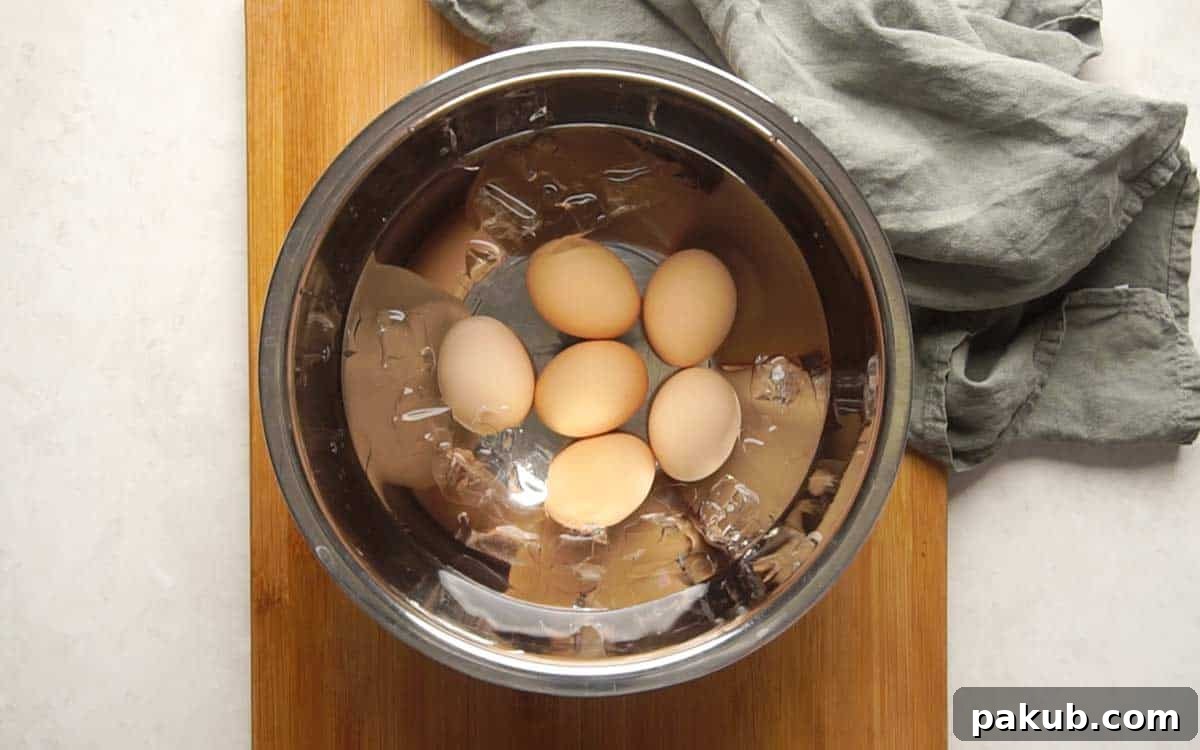
Once your timer signals the end of the steeping period, it’s critical to act quickly. Using a slotted spoon or tongs, carefully remove the eggs from the hot water and immediately transfer them into a large bowl filled with ice water. This “ice bath” step is absolutely non-negotiable for perfectly cooked eggs. The sudden drop in temperature instantly halts the cooking process, preventing any residual heat from overcooking the yolks and causing that unsightly green ring. Without this step, even if the heat is off, the eggs will continue to cook in the hot water, leading to undesirable results. Allow the eggs to remain in the ice bath for at least 5-7 minutes, or until they are completely cool to the touch and comfortable enough to handle and peel. This rapid cooling also causes the egg white to contract slightly, creating a small air pocket that greatly aids in easier peeling, a common pain point for many home cooks.
The Art of Easy Peeling: Say Goodbye to Stubborn Shells
One of the most common frustrations with hard-boiled eggs is the struggle to peel them cleanly without losing chunks of the precious white. While it might seem like a dark art, there are several proven strategies that can significantly improve your peeling success rate. Understanding why eggs stick and how to counteract it is key to flawless peeling.
- Opt for Slightly Older Eggs: This is perhaps the most crucial tip. Fresher eggs (those just a few days old) have a tighter bond between the albumen (egg white) and the inner membrane, making them notoriously difficult to peel. Eggs that are about a week to 10 days old have a slightly higher pH level, which naturally loosens this bond, making them considerably easier to peel. Planning ahead can make all the difference!
- The Magic of an Ice Bath: As mentioned in our cooking method, an immediate ice bath after cooking is vital not only for stopping the cooking process but also for facilitating easier peeling. The rapid cooling causes the egg white to shrink and detach from the shell’s membrane, creating a tiny air pocket that helps the shell slide off smoothly. Ensure eggs cool completely – at least 5-7 minutes, or even longer for larger batches – before attempting to peel.
- Add Salt or Vinegar to Boiling Water: While primarily beneficial for preventing egg white leakage if a shell cracks during cooking, a teaspoon of salt or vinegar added to the initial cooking water can also contribute to easier peeling for some. Salt helps to firm up the egg white, and vinegar’s acidity is believed to help break down the shell’s calcium carbonate, making it less adherent.
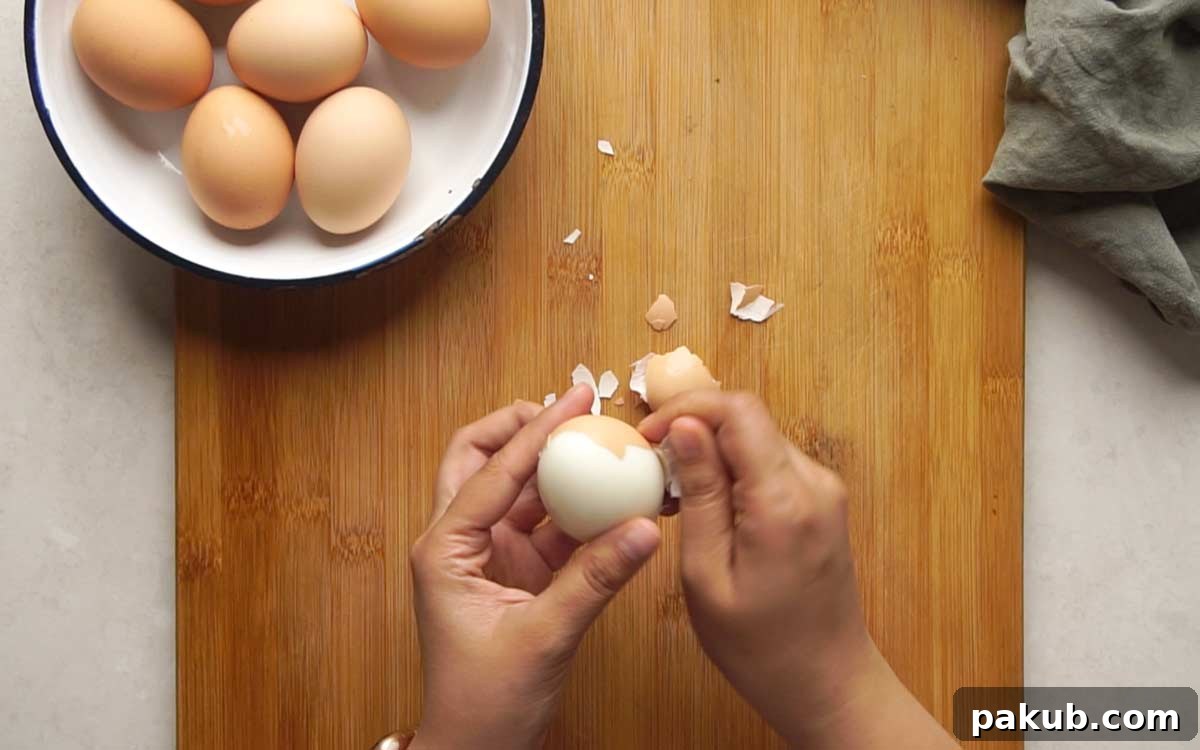
- Peeling Under Running Water: Once an egg is cooled, gently crack it all over by tapping it on a hard surface. Then, peel it under a slow stream of cool running water. The water helps to seep under the membrane, lubricating the space between the shell and the white, allowing for a much smoother peel with less tearing.
- The “Soak and Peel” Method: Alternatively, after cracking the eggs all around, place them back into a bowl of cool water for about 5 minutes. This allows water to penetrate under the shell, making it easier to separate the membrane and peel the egg in larger, more satisfying pieces.
- Start Peeling from the Larger End: Eggs have a natural air pocket at their wider end. By starting your peel from this end, you’re more likely to catch the membrane and peel off larger sections of the shell, reducing breakage and maximizing your yield of perfectly smooth egg whites.
Expert Tips for Consistently Perfect Hard-Boiled Eggs
Beyond the core method, these additional insights will elevate your hard-boiled egg game, ensuring delicious results every single time. Incorporating these small details into your routine will make a significant difference.
- Age Your Eggs for Optimal Peeling: Prioritize eggs that are at least one to two weeks old for the best results. If you typically buy very fresh eggs, store them in the refrigerator for this period before hard boiling them. This subtle aging process increases the egg’s pH, loosening the bond between the membrane and the white, which is the secret to easy peeling.
- Proper Refrigeration is Key: Always store eggs in the refrigerator, ideally in their original carton, even if you plan to age them for boiling. Consistent cold temperatures help maintain freshness and contribute to better peel-ability when they are ready to be boiled.
- Do Not Skip the Ice Bath: This step is non-negotiable for two critical reasons: it immediately stops the cooking process to prevent overcooking (and the dreaded green ring) and it aids significantly in making the eggs easier to peel. A few minutes too long in hot water can ruin both the texture and appearance of your eggs.
- Small Additions, Big Impact: A teaspoon of white vinegar or a pinch of salt added to the cooking water can be a lifesaver. Vinegar helps to coagulate egg whites quickly if a shell cracks during boiling, minimizing mess. Salt is also believed to aid in the separation of the shell from the cooked egg, contributing to a smoother peeling experience.
- Avoid Overcrowding the Pot: Whether you’re cooking two eggs or a dozen, ensure they are in a single layer at the bottom of the pot and fully submerged in water. Overcrowding can lead to uneven cooking, where some eggs are undercooked and others are overcooked, and can also increase the chances of shells cracking due to jostling.
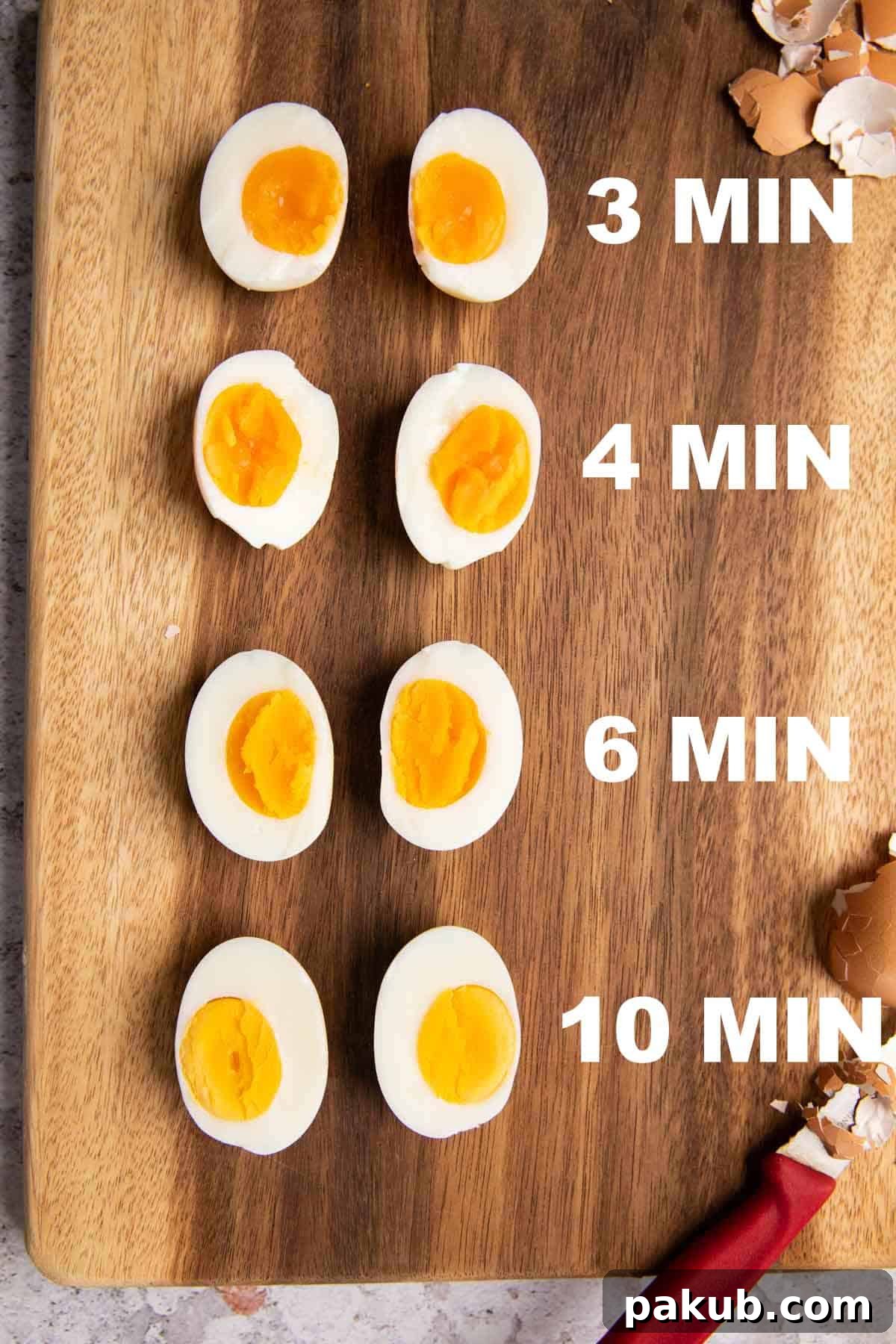
- Adjust Timing for Desired Doneness: While 10 minutes is optimal for perfectly hard-boiled eggs with creamy yolks, you can slightly adjust the steeping time for different preferences. For a softer, jammy yolk, try 8 minutes. For a very firm, pale yellow yolk, extend to 12 minutes. Always follow with an immediate ice bath.
Frequently Asked Questions About Hard-Boiled Eggs
That grey-green ring around the yolk of a hard-boiled egg is the classic sign of overcooking. It occurs when the sulfur in the egg white reacts with the iron in the yolk, forming ferrous sulfide, which has a greenish hue. This reaction is intensified by prolonged exposure to high heat. Our off-heat cooking method and immediate ice bath are specifically designed to prevent this by limiting the cooking time and rapidly cooling the eggs, thus interrupting the chemical reaction that causes discoloration.
The “float test” is a reliable method to determine an egg’s freshness. Gently place an egg in a bowl of cold water. If the egg sinks to the bottom and lies on its side, it’s very fresh. If it stands upright on its pointy end but still touches the bottom, it’s older but still safe to eat. This slight lift indicates a small air cell has formed. If the egg floats to the surface, it indicates a larger air cell has formed inside due to moisture loss over time, and it should be discarded as it may be spoiled.
Yes, like all perishable foods, hard-boiled eggs can spoil. However, if stored correctly, they last remarkably well in the refrigerator, making them an excellent choice for meal prep. For optimal freshness, place unpeeled hard-boiled eggs in an airtight container or egg carton in the coldest part of your refrigerator within two hours of cooling. Stored this way, they will remain fresh for up to one week. Peeled hard-boiled eggs should also be stored in an airtight container and consumed within 5 days.
Creative Ways to Enjoy Your Perfect Hard-Boiled Eggs
Beyond being a quick and healthy snack on their own, hard-boiled eggs are incredibly versatile in the kitchen. They provide an excellent source of protein and essential nutrients, making them a fantastic addition to a variety of meals. Here are some of my favorite ways to incorporate them into delicious dishes and appetizers:
- Classic Egg Salad: Dice your perfectly boiled eggs, mix with mayonnaise, mustard, finely chopped celery or onion, and seasonings for a timeless sandwich filling, a topping for crackers, or served simply with lettuce.
- Nutrient-Rich Salads: Sliced or chopped hard-boiled eggs add protein, healthy fats, and a creamy texture to any green salad, Caesar salad, Cobb salad, or even a hearty Nicoise salad. They make a salad much more substantial and satisfying.
- Quick & Elegant Appetizers: Transform them into elegant and flavorful Spicy Bacon Deviled Eggs. These are always a hit at parties, brunch, or potlucks and are often the first thing to disappear!
- Hearty Curries & Stews: Elevate your weeknight dinner with a comforting South Indian Style Egg Curry. It’s a fantastic way to enjoy eggs with rich, aromatic spices, perfect with rice or flatbread.
- Savory Indian Starters: For a super quick and flavorful appetizer or side dish, try Egg Tadka. It combines the simplicity of boiled eggs with a burst of Indian spices, perfect for when you need something delicious without much effort.
- Snack Time Savior: Keep a batch of peeled hard-boiled eggs in the fridge for an instant, protein-packed snack that keeps you full and energized throughout the day. They’re excellent for pre-workout fuel or a healthy mid-afternoon pick-me-up.
- Avocado Toast Topping: Slice or mash hard-boiled eggs and layer them on your favorite avocado toast for an extra boost of protein and creamy texture.
One of the greatest advantages of using this off-heat cooking method is its forgiving nature. Even if you leave the eggs in the hot water for a couple of minutes longer than the recommended time, you’ll still avoid that infamous green ring. You might end up with a slightly paler or chalkier yolk, but never the unappetizing greenish hue. It’s a truly stress-free way to cook hard-boiled eggs with consistent, perfect results!
LOVE THIS RECIPE? Don’t miss out on more culinary delights! Subscribe to my newsletter and be the first to receive all new recipes and exclusive cooking tips directly in your inbox!
Recipe: How to Cook Perfect Hard-Boiled Eggs
By: Richa
This foolproof method ensures perfectly set whites and vibrant, creamy yolks every time, resulting in amazing hard-boiled eggs without any green rings!
Prep Time: 2 mins
Cook Time: 10-12 mins (steeping time)
Total Time: 15-20 mins (including cooling in ice bath)
Yields: 6 eggs
Ingredients
- 6 Large Eggs (preferably 1-2 weeks old for easy peeling)
- Water (enough to cover eggs by 1-2 inches)
- Ice (for the ice bath)
- Optional: 1 tsp white vinegar or a pinch of salt
Instructions
- Prepare the Eggs and Water: Gently place the eggs in a single layer at the bottom of a saucepan. Fill the saucepan with room temperature tap water, ensuring the eggs are fully submerged by at least an inch. If using, add 1 teaspoon of white vinegar or a pinch of salt to the water.
- Bring to a Boil: Place the saucepan over high heat and bring the water to a rapid, rolling boil.
- Steep the Eggs: As soon as the water reaches a vigorous boil, immediately turn off the heat. Cover the saucepan tightly with a lid and let the eggs steep in the hot water for exactly 10 minutes for creamy yolks, or 12 minutes for firmer, paler yolks.
- Prepare Ice Bath: While the eggs are steeping, prepare a large bowl with plenty of ice and cold water (an ice bath).
- Cool Immediately: After the timer goes off, carefully remove the eggs from the hot water using a slotted spoon or tongs. Immediately transfer them into the prepared ice bath. Let them cool completely for at least 5-7 minutes. This crucial step stops the cooking process and makes peeling significantly easier.
- Peel and Serve: Once the eggs are cool to the touch, gently tap and crack the shell all around on a hard surface. You can then peel them under cool running water or after soaking them in water for a few minutes to ease the process. Enjoy your perfectly hard-boiled eggs immediately!
- Storage: Store unpeeled hard-boiled eggs in an airtight container or original carton in the refrigerator for up to 7 days. Peeled eggs should be stored similarly and consumed within 5 days.
Notes
- Egg Age Matters: For the easiest peeling, use eggs that are at least a week to 10 days old. Fresher eggs tend to be more difficult to peel due to a tighter membrane bond.
- Refrigeration: Storing eggs in the refrigerator for a week or two before boiling can also significantly improve peelability.
- Peeling Trick: If cooled eggs are still difficult to peel, crack them all around and soak them in cool water for 5 minutes before peeling. This allows water to seep under the shell, making it easier to remove.
- Vinegar/Salt Benefits: Adding a teaspoon of vinegar or salt to the cooking water can help prevent egg whites from escaping if a shell cracks during boiling, and may also aid in easier peeling for some.
- The Ice Bath is Crucial: Do not skip the immediate ice bath after cooking. It is essential to prevent overcooking (which causes the green ring) and to facilitate easier peeling.