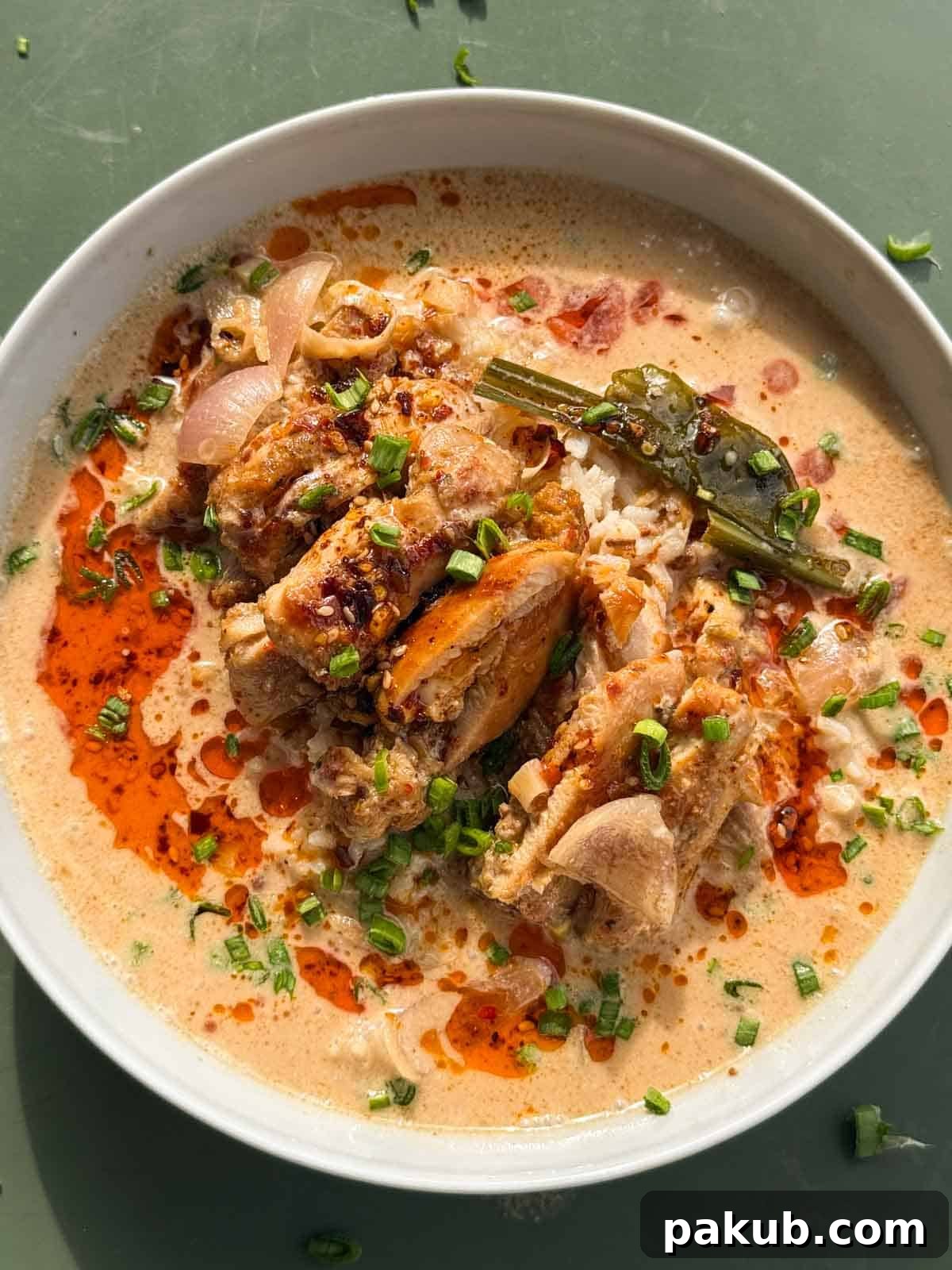
Authentic Lemongrass Chicken Coconut Soup: Your New Favorite Thai-Inspired Meal
If you’re seeking a soup that delivers a full, satisfying meal without feeling heavy, this exquisite Lemongrass Chicken with Coconut Soup is an absolute must-try. It’s a vibrant journey into Thai flavors, promising comfort and culinary delight in every spoonful.
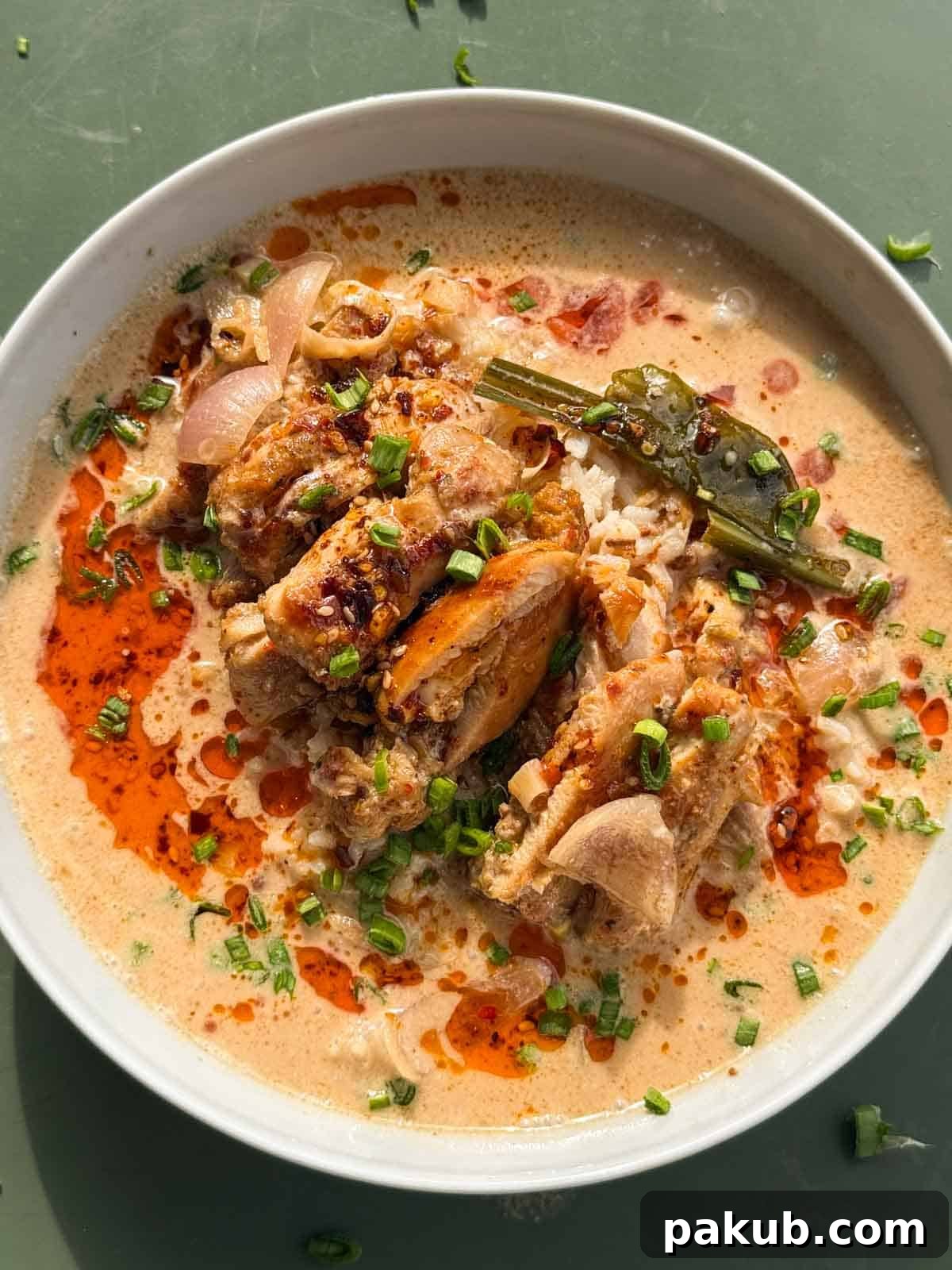
Prepare to fall deeply in love with this soup! If your palate delights in the complex and aromatic notes of Thai cuisine, this recipe is incredibly straightforward and rewarding. The magic truly happens in the broth, where the bright, citrusy essence of lemongrass intertwines with the creamy richness of coconut milk. This harmonious base gently embraces tender chicken, creating a symphony of flavors that feels both incredibly special and delightfully comforting. It’s warm, profoundly fragrant, and precisely the kind of soul-nourishing dish you crave when the weather outside turns chilly.
This isn’t just a soup; it’s an experience. For those who appreciate a simple, yet profoundly flavorful, brothy meal that stands complete on its own, this Lemongrass Chicken Coconut Soup will quickly become a cherished part of your culinary repertoire. Imagine settling down with a steaming bowl, each spoonful a perfect balance of savory, sweet, tangy, and subtly spicy notes. It’s effortless to prepare, and even easier to enjoy, delivering that satisfying feeling of having cooked and savored something truly wonderful.
Table of Contents: Lemongrass Chicken in Coconut Broth
- Why This Soup Stands Out
- The Star Ingredients for Lemongrass Chicken in Coconut Soup
- Step-by-Step Guide to Making This Delicious Soup
- Expert Tips for a Perfect Bowl
- Frequently Asked Questions
- Storage and Reheating Tips
- Serving Suggestions
- Customization Ideas
- Watch Lemongrass Chicken in Coconut Soup Recipe Video
- Full Recipe Card: Lemongrass Chicken with Coconut Soup
Why This Soup Stands Out
What makes this Lemongrass Chicken with Coconut Soup truly exceptional? It’s more than just a collection of ingredients; it’s a testament to the power of balanced flavors and simple cooking techniques. The vibrant aroma of lemongrass is complemented by the warming notes of ginger and garlic, creating a foundation that awakens the senses. Coconut milk adds a luxurious creaminess without being heavy, making the broth incredibly inviting. Unlike some complex Thai dishes, this soup is remarkably easy to master, even for novice cooks, yielding a restaurant-quality meal right in your own kitchen.
The beauty of this recipe lies in its ability to deliver profound satisfaction. It’s light enough to enjoy as a restorative lunch, yet hearty enough to serve as a complete dinner. The tender chicken thighs, bathed in the fragrant broth, absorb all the wonderful flavors, ensuring every bite is consistently delicious. It’s a versatile dish that celebrates fresh ingredients and traditional Thai-inspired tastes, making it an ideal choice for anyone looking to add a truly special soup to their rotation.
The Star Ingredients for Lemongrass Chicken in Coconut Soup
Crafting a memorable soup begins with selecting the right ingredients. For our Lemongrass Chicken with Coconut Soup, each component plays a crucial role in building its signature Thai-inspired flavor profile. Here’s a closer look at what you’ll need:
- Chicken: For the ultimate tender and juicy texture, boneless chicken thighs are highly recommended. They retain moisture wonderfully during cooking and absorb the marinade and broth flavors beautifully. If chicken breast is your preference, see our FAQ section for tips on how to prepare it to prevent dryness.
- Aromatics: This is where the magic happens! Fresh lemongrass provides its signature citrusy and slightly floral notes, while ginger and garlic add a pungent warmth. Green chilies offer a gentle heat that can be adjusted to your liking, and the whites of spring onions contribute a mild oniony flavor. Kaffir lime leaves are essential for that unmistakable, bright, and fragrant Thai aroma.
- Seasoning & Marinade: A carefully balanced blend transforms the chicken. Soy sauce and oyster sauce provide umami depth, while red chili sauce and chili flakes introduce a pleasant warmth. A touch of honey adds a hint of sweetness, balancing the savory and spicy elements, and lemon juice brightens the overall flavor profile. A dash of chili oil enriches the marinade with an extra layer of subtle heat and aroma.
- Broth: The soul of the soup! A combination of water and creamy coconut milk creates a luscious yet light base. The coconut milk is key to achieving that smooth, velvety texture and tropical richness that perfectly complements the aromatics.
- Cooking Fat: A neutral-flavored oil such as peanut, canola, sunflower, or rice bran oil is ideal for roasting the chicken. This ensures the chicken cooks evenly and develops a golden crust without imparting any overpowering flavors.
- For Serving: Steamed jasmine rice is the traditional and perfect accompaniment, making the soup a wholesome and fulfilling one-bowl meal. A sprinkle of fresh spring onion greens at the end adds a burst of freshness and a beautiful pop of color.
Step-by-Step Guide to Making This Delicious Soup
Making this delightful Lemongrass Chicken with Coconut Soup is simpler than you might think. Follow these easy steps to bring the vibrant flavors of Thailand into your kitchen.
Chicken Marination & Roasting
- Prepare the Chicken: In a bowl, combine the boneless chicken thighs with all the marinade ingredients: crushed pepper, grated garlic, grated ginger, grated lemongrass roots, chili oil, soy sauce, red chili sauce, lemon juice, honey, oyster sauce, and red chili flakes. Mix everything thoroughly to ensure the chicken is well-coated.
- Marinate: Allow the chicken to marinate for at least 30 minutes. This resting period is crucial for the chicken to absorb all the wonderful flavors and tenderize.
- Roast the Chicken: Heat a tablespoon of neutral oil (like sunflower or canola) in a pan over medium-low heat. Add the marinated chicken pieces and roast them gently for 5-6 minutes on each side. The goal is for the chicken to cook through, become beautifully tender, and develop a golden-brown, slightly caramelized crust. Once cooked, transfer the chicken to a plate and set it aside.
Making the Broth
- Sauté Aromatics: Using the same pan (no need to clean it, the leftover flavors add depth!), add a little more oil if necessary. Add the onion petals, thinly sliced ginger, and slit green chilies. Sauté for 1-2 minutes until they become fragrant and slightly softened.
- Add Spring Onions and Kaffir Lime: Stir in the spring onion whites and sauté for a few more seconds until fragrant.
- Introduce Lemongrass: Add the crushed lemongrass roots and roughly chopped lemongrass greens. Sauté for just a few seconds more to release their aromatic oils.
- Build the Broth: Pour in the water and coconut milk. Add the salt. Bring the mixture to a gentle simmer and let it cook for about 10 minutes. This simmering time allows all the aromatics to infuse into the broth, creating a rich and flavorful base.
- Finish with Lemon Juice: Remove the pan from the heat. Stir in the fresh lemon juice. Taste and adjust seasoning if needed. The broth should be vibrant, creamy, and aromatic.
Serving
- Assemble Your Bowl: Place a generous portion of cooked rice at the bottom of your serving bowl. Arrange the roasted chicken pieces on top of the rice.
- Pour the Broth: Ladle the hot, fragrant coconut broth around the rice and chicken, ensuring everything is well submerged in the delicious liquid.
- Garnish and Serve: Garnish with fresh spring onion greens for a touch of color and freshness. Serve immediately and enjoy your homemade Lemongrass Chicken with Coconut Soup!
Expert Tips for a Perfect Bowl
To ensure your Lemongrass Chicken with Coconut Soup turns out perfectly every time, keep these expert tips in mind:
- Choose Chicken Thighs Wisely: Whenever possible, opt for boneless, skinless chicken thighs. Their higher fat content keeps them incredibly juicy and flavorful, preventing them from drying out even with extended simmering in the soup. If using breast meat, refer to our FAQ for specific cooking advice.
- Layer Your Flavors: Don’t rush the initial sautéing of the aromatics (lemongrass, ginger, garlic, chilies). Allowing them to gently warm in the oil helps them release their essential oils and deepens the flavor of your broth without making it sharp or raw.
- Coconut Milk Care: Coconut milk is delicate. Once added, avoid boiling the soup vigorously. A gentle simmer is all that’s needed to infuse its creaminess. Over-boiling can cause the coconut milk to split, affecting the texture and appearance of your broth.
- Freshness is Key: Incorporate fresh lemon juice and spring onion greens just before serving. The vibrant acidity from the lemon cuts through the richness of the coconut, while the fresh greens add a delightful crunch and brightens the overall profile.
- Assemble Just Before Eating: For the best texture, add the cooked rice to individual bowls and pour the hot soup over it immediately before serving. This prevents the rice from becoming mushy and ensures each element retains its optimal texture.
- Taste and Adjust: Always taste your broth before serving and adjust the seasoning as needed. You might want a little more salt, a squeeze of lime, or an extra dash of chili to tailor it to your personal preference.
Frequently Asked Questions
Absolutely! This soup welcomes a variety of vegetables. Mushrooms, bok choy, spinach, or bean sprouts are excellent choices. To maintain their texture and prevent them from overcooking or dominating the delicate broth, add quick-cooking vegetables towards the end of the simmering process.
Yes, it’s easily adaptable! To make it vegetarian, replace the chicken with firm tofu (pan-fried or baked for best texture) or a hearty mix of mushrooms. For a vegan version, ensure you use a vegetarian alternative to oyster sauce (many brands offer mushroom-based versions) and verify that all other ingredients are plant-based. The aromatic coconut broth itself carries an abundance of flavor.
You can certainly use chicken breast, but keep in mind it cooks faster and has a leaner texture, which means it can dry out more easily. If opting for breast meat, cut it into slightly larger pieces and add it a little later in the roasting process, ensuring you don’t overcook it. Cooking it quickly to retain tenderness is key.
No, the base recipe is designed to be gently spiced, offering warmth rather than intense heat. The beauty of this recipe is its flexibility: you can easily tailor the spice level to your preference by reducing or increasing the amount of green chilies, chili flakes, or chili oil used in both the marinade and the broth.
Kaffir lime leaves and fresh lemongrass are typically found in the produce section of most Asian grocery stores. Many larger supermarkets also carry them now, sometimes in the specialty or international foods aisle. If fresh are unavailable, look for frozen versions, which retain much of their flavor. Dried kaffir lime leaves can be used in a pinch, though the flavor won’t be as potent.
Storage and Reheating Tips
Proper storage ensures you can enjoy the delicious flavors of this soup for longer. Here’s how to keep it fresh:
- In the Fridge: Store the soup (without rice) in an airtight container in the refrigerator for up to 2-3 days. The flavors often deepen overnight, making it even more delicious the next day.
- Store Rice Separately: Always keep cooked rice separate from the broth. If combined, the rice will soak up too much liquid and become mushy, compromising its texture.
- Freezing: Freezing is generally not recommended for coconut milk-based soups. The coconut milk can separate and develop an undesirable grainy or curdled texture upon thawing and reheating. It’s best enjoyed fresh or refrigerated for a short period.
- Reheating Tip: To reheat, gently warm the soup on the stovetop over low heat. Avoid bringing it to a rolling boil to prevent the coconut milk from splitting. Once hot, place fresh or separately stored reheated rice into a serving bowl, then pour the hot soup over it, and garnish as desired.
Serving Suggestions
This Lemongrass Chicken with Coconut Soup is designed to be a complete, satisfying meal on its own when served with rice. However, if you’re hosting a larger meal or simply want to add a little something extra on the side, here are some perfect pairings:
- Crisp Cucumber Salad: A cool, lightly sweet-sour, and crunchy cucumber salad offers a wonderful contrast to the warm, creamy soup. Its refreshing qualities balance the rich flavors and keep the meal feeling fresh and vibrant.
- Grilled Chicken or Tofu Skewers: If you’re looking to add more protein or are serving this soup as part of a varied spread, lightly marinated and grilled skewers are a fantastic option. They complement the soup’s flavors without overpowering them.
- Vegetable Spring Rolls or Egg Rolls: For a delightful textural contrast, serve some crispy vegetable spring rolls or egg rolls on the side. The crunch adds an exciting element to the meal, making it feel more complete with minimal extra effort.
- Fresh Herbs: A platter of fresh cilantro, mint, and basil can be offered tableside for guests to add to their bowls, enhancing the aromatic profile and adding an extra layer of freshness.
Customization Ideas
One of the best things about this Lemongrass Chicken with Coconut Soup is how versatile it is. Feel free to experiment and make it your own!
- Swap Rice for Noodles: Transform this comforting soup into a hearty noodle bowl! Replace the steamed rice with your favorite cooked rice noodles, egg noodles, or even flat wheat noodles. The creamy, aromatic coconut broth pairs exceptionally well with various noodle types, offering a completely different and equally delicious culinary experience.
- Use Prawns Instead of Chicken: For a lighter, seafood-forward option, substitute the chicken with fresh prawns or shrimp. Skip the marination step for the prawns; simply add them directly to the simmering coconut broth and cook just until they turn pink and opaque, typically only 2-3 minutes. Lemongrass and coconut are a classic pairing with seafood, creating a wonderfully fresh and delicate flavor.
- Add More Vegetables: Beyond the suggested bok choy or mushrooms, consider adding thinly sliced carrots, bamboo shoots, bell peppers, or even a handful of snow peas for extra color, texture, and nutrients. Remember to add them towards the end of cooking so they remain crisp-tender.
- Adjust Spice Levels: If you love heat, feel free to add more fresh green chilies, a pinch of cayenne pepper, or a generous drizzle of sriracha or other chili sauce directly into your bowl. For a milder soup, deseed the green chilies or reduce their quantity.
- Herbal Boost: Enhance the herbal notes by stirring in some fresh cilantro, mint, or Thai basil leaves just before serving. These fresh herbs add a vibrant aroma and a burst of flavor.
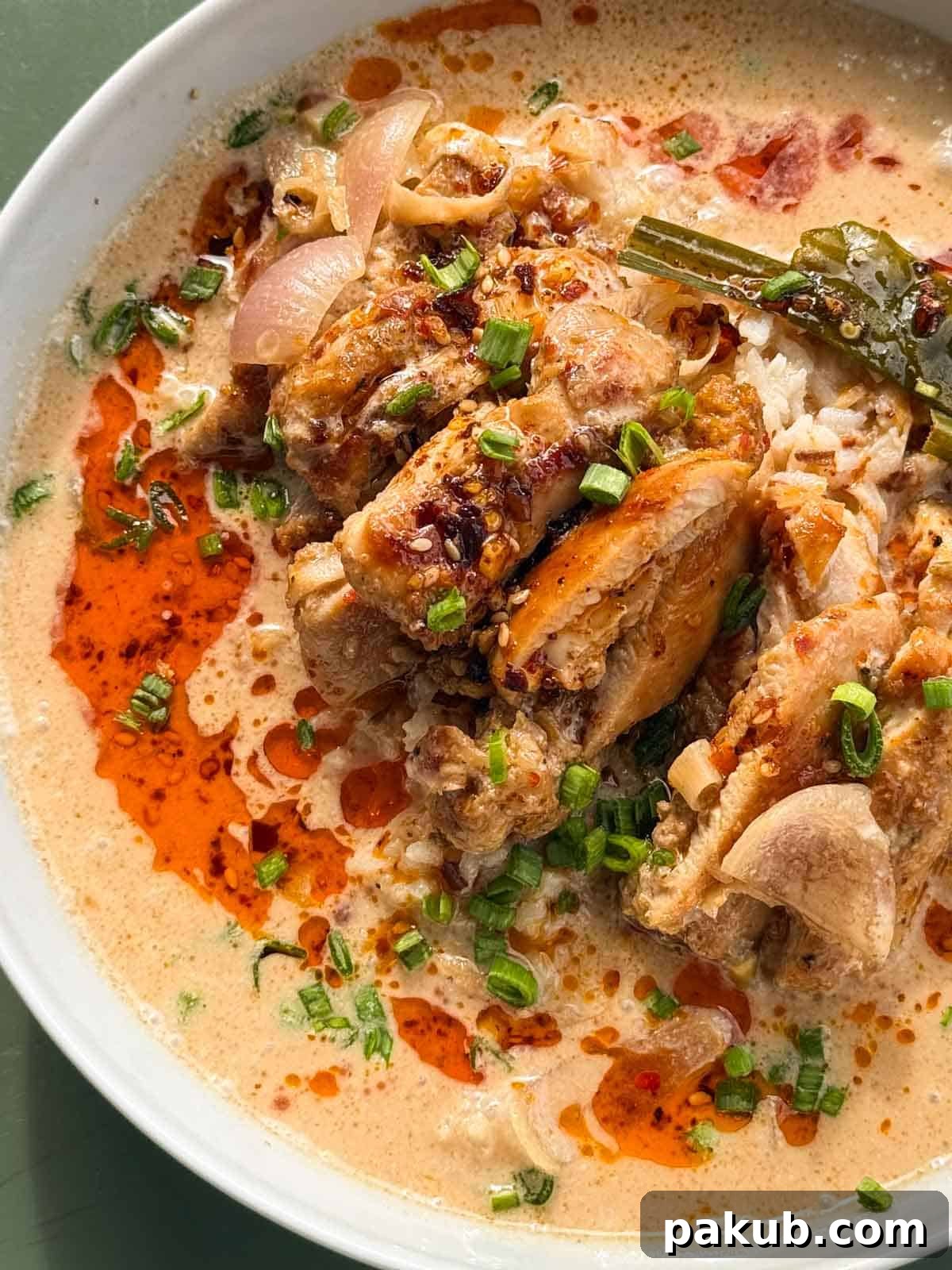
Embrace the Warmth and Flavor
As the cooler days draw in, this Lemongrass Chicken with Coconut Soup stands out as a truly wonderful and versatile addition to your meal rotation. Its blend of aromatic herbs, creamy coconut, and tender chicken creates a comforting yet exotic dining experience that’s hard to resist. We encourage you to try this recipe and bring these incredible Thai-inspired flavors to life in your own kitchen.
If you do try your hand at this delightful soup, we would absolutely love to see your creations! Share your culinary masterpieces with us on Instagram by tagging @my_foodstory. It brings us so much joy to witness these recipes flourish and become a part of your home cooking adventures. Happy cooking!
Watch Lemongrass Chicken in Coconut Soup Recipe Video
Full Recipe Card: Lemongrass Chicken with Coconut Soup

Lemongrass Chicken with Coconut Soup
By: Richa
This fragrant and comforting Lemongrass Chicken with Coconut Soup is a complete meal, bursting with authentic Thai-inspired flavors and tender chicken.
Prep Time: 5 mins | Cook Time: 30 mins | Total Time: 35 mins | Servings: 4
Ingredients
Marination
- 250 gms boneless chicken thighs
- ¼ teaspoon crushed pepper
- 1 teaspoon grated garlic
- 1 teaspoon grated ginger
- 4 roots lemongrass, grated
- ½ teaspoon chili oil
- 1 teaspoon soy sauce
- 1 teaspoon red chili sauce
- ½ teaspoon lemon juice
- 1 teaspoon honey
- 1 teaspoon oyster sauce
- 1 teaspoon red chili flakes
For Broth
- 1 tablespoon sunflower or any neutral flavored oil
- ¾ cup onion petals
- 1 ½ inch ginger, thinly sliced
- 3 green chilies, slit (adjust to taste)
- ¼ cup + 2 tablespoons spring onion whites
- 4 kaffir lime leaves
- 3 lemongrass roots, crushed
- 3 lemongrass greens, roughly chopped
- 4 ½ cups water
- 1 ½ cups coconut milk
- ¾ teaspoon salt (adjust to taste)
- 1 ½ teaspoons lemon juice
For Serving
- 3-4 cups cooked rice
- 1-2 tablespoons spring onion greens, chopped (for garnish)
Instructions
Chicken Marination & Roasting
- Combine chicken thighs with all marination ingredients in a bowl. Mix well and let it marinate for 30 minutes.
- Heat 1 tablespoon oil in a pan. Add the marinated chicken and roast on low flame for 5-6 minutes on each side until cooked through and golden brown. Transfer chicken to a plate and set aside.
Making of Broth
- In the same pan, add onion petals, ginger, and green chilies. Sauté for 1-2 minutes.
- Add spring onion whites and sauté on low heat for a few seconds until fragrant.
- Stir in kaffir lime leaves, crushed lemongrass roots, and roughly chopped lemongrass greens. Sauté for a few seconds.
- Pour in coconut milk, water, and salt. Cook for 10 minutes until the broth is well-infused with the aromatics.
- Remove from heat, stir in lemon juice, and mix well.
Serving
- Place cooked rice in a serving bowl.
- Arrange roasted chicken pieces on top of the rice.
- Ladle the hot broth around the rice and chicken.
- Garnish with chopped spring onion greens and serve immediately.
Notes
- Boneless chicken thighs are recommended for their tenderness and juiciness, but chicken breast can be used with careful cooking to avoid drying out.
Nutrition (Approximate per serving)
- Calories: 398 kcal
- Carbohydrates: 55 g
- Protein: 17 g
- Fat: 12 g
- Saturated Fat: 6 g
- Polyunsaturated Fat: 1 g
- Monounsaturated Fat: 4 g
- Trans Fat: 0.01 g
- Cholesterol: 59 mg
- Sodium: 793 mg
- Potassium: 455 mg
- Fiber: 4 g
- Sugar: 6 g
- Vitamin A: 276 IU
- Vitamin C: 29 mg
- Calcium: 74 mg
- Iron: 3 mg
This article was researched and written by Harita Odedra.