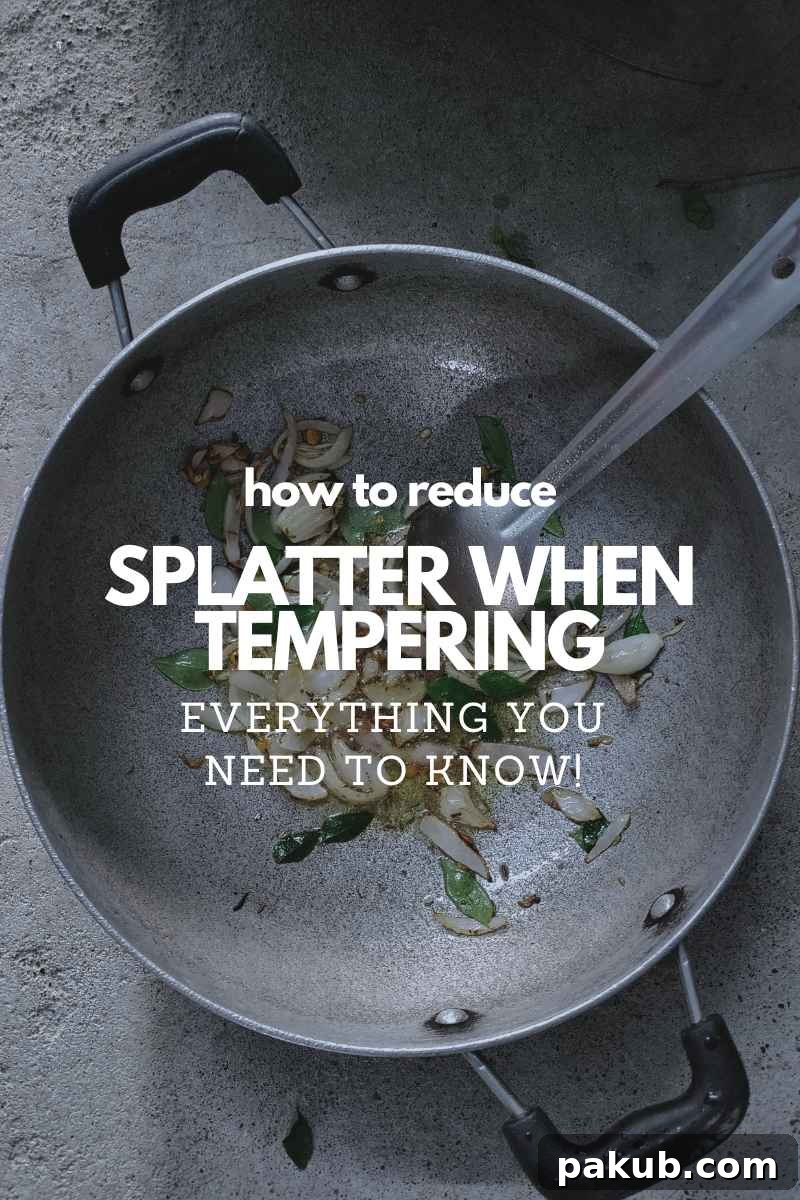
Say Goodbye to Oil Splatter: The Secret Hack for Perfect Tempering
For anyone who loves to cook, especially those who delve into the rich and aromatic world of Indian cuisine, tempering – known affectionately as Tadka or Chaunk – is an indispensable step. It’s the magical moment when whole spices, aromatics, and herbs are sizzled in hot oil or ghee, releasing their intoxicating fragrances and infusing a dish with unparalleled depth of flavor. From humble dals and curries to vibrant vegetable preparations, a well-executed tempering can elevate a simple meal into a culinary masterpiece. Indeed, you’d be hard-pressed to find an Indian kitchen without a dedicated tadka pan, a testament to its pivotal role.
However, tempering often comes with a common, frustrating, and sometimes even frightening side effect: hot oil splatter. That moment when you add delicate spices or moisture-rich ingredients to sizzling oil, and suddenly, fiery droplets erupt from the pan, landing on your stovetop, countertops, and even your skin. It’s messy, it’s dangerous, and it can deter even the most enthusiastic home cooks from embracing this vital technique. If you’ve ever found yourself flinching away from your pan, wishing there was a secret to calm the angry oil, then you’re in the right place. We’ve got the ultimate fix that will transform your tempering experience forever!
The Simple Secret to Drastically Reduce Oil Splatter When Tempering
Prepare to be amazed, because the solution to your oil splatter woes is incredibly simple, requires no special equipment, and uses an ingredient you already have in your kitchen. The secret to a splatter-free tempering experience is adding just a pinch of salt to your hot oil before adding other ingredients!
You might be wondering, “How can a tiny bit of salt make such a big difference?” The science behind it is quite straightforward. Oil splatter occurs primarily due to moisture. Even if your pan seems perfectly dry and your spices are stored in airtight containers, there are always microscopic traces of moisture present. When this moisture comes into contact with superheated oil, it rapidly turns into steam. This sudden expansion of steam creates tiny explosions, propelling oil droplets out of the pan and causing the dreaded splatter. All foods, from curry leaves to onions, contain some amount of water, making splatter almost inevitable during tempering.
This is where our humble kitchen salt steps in as a true hero. Salt is highly hygroscopic, meaning it has a strong affinity for water and readily absorbs moisture. When you add a pinch of salt to hot oil, it acts as a moisture magnet, drawing in and absorbing those tiny water molecules before they have a chance to flash into steam. By doing so, salt significantly reduces the moisture content in the oil, thus drastically minimizing the violent reaction that leads to splatter. It’s an ingenious and effective way to create a much calmer cooking environment.
The key here is moderation: “just a pinch” is all you need. We’re talking about a quarter teaspoon or less for most tempering tasks. The goal is to reduce splatter, not to season the oil to the point of overpowering the delicate flavors of your tadka or the main dish. A little goes a very long way in this case, proving that sometimes the most powerful kitchen hacks are the simplest ones.
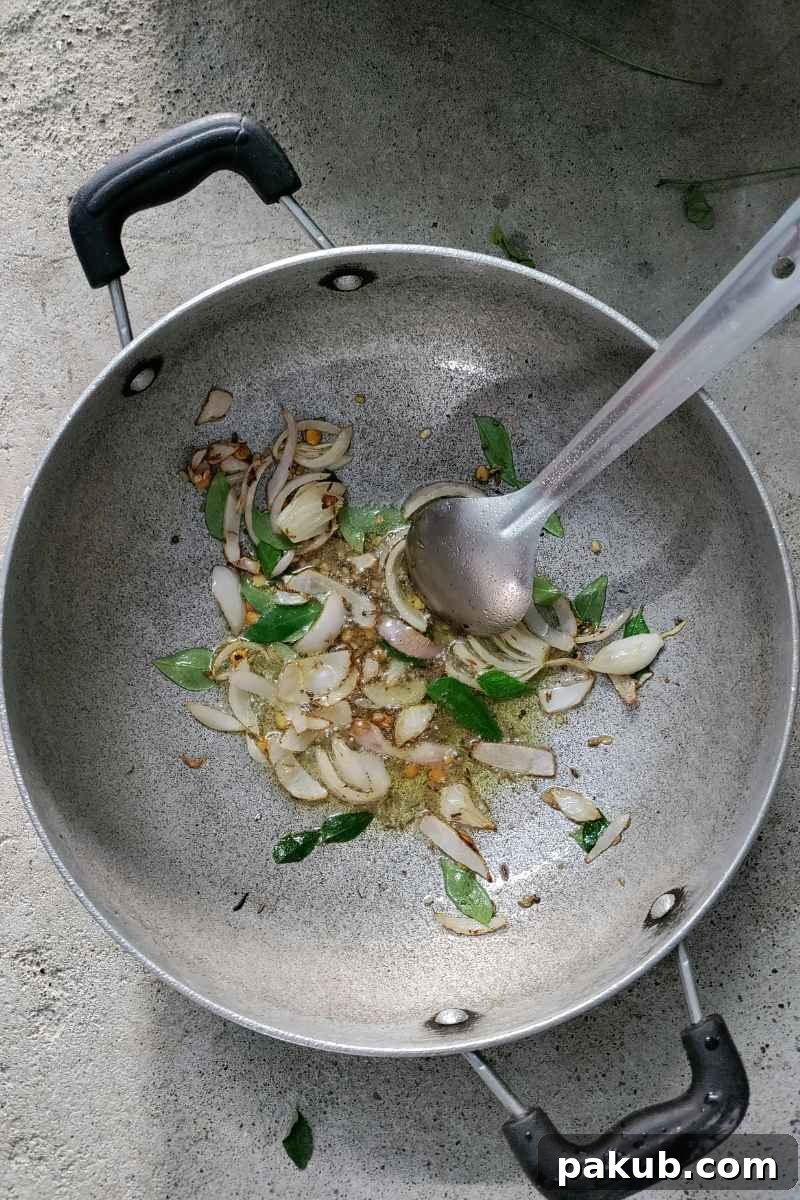
How to Implement the Salt Hack for Perfect Tempering
Integrating this hack into your cooking routine is incredibly easy:
- Choose Your Pan: Select a small, heavy-bottomed pan or your dedicated tadka pan.
- Add Oil/Ghee: Pour the required amount of oil or ghee into the pan.
- Heat Properly: Place the pan over medium-high heat. Wait for the oil to shimmer or for a small test seed (like a mustard seed) to sizzle gently when dropped in.
- Add a Pinch of Salt: Once the oil is hot, add just a tiny pinch of salt (about ⅛ to ¼ teaspoon) to the oil. You might notice a very slight sizzle as the salt dissolves and starts absorbing moisture.
- Proceed with Spices: Immediately after adding the salt, add your whole spices (mustard seeds, cumin seeds, fenugreek seeds, curry leaves, dried red chilies, asafoetida, etc.).
- Cook as Usual: Sauté your spices and aromatics until they are fragrant, crackle, and change color appropriately, with significantly less splatter than you’re used to.
- Pour and Enjoy: Carefully pour your perfectly tempered mixture into your main dish, experiencing the joy of a cleaner stovetop and a dish bursting with flavor.
Beyond the Salt Hack: Complementary Tips for Splatter-Free Tempering
While the salt hack is a game-changer, combining it with other smart cooking practices can lead to an even more pristine and safe tempering experience:
- Ensure Ingredients are as Dry as Possible: While salt handles residual moisture, patting down ingredients like curry leaves or fresh chilies with a paper towel can further reduce initial splatter.
- Don’t Overcrowd the Pan: Adding too many ingredients at once can lower the oil temperature and lead to more moisture release, increasing splatter. Work in batches if necessary, or use a slightly larger pan.
- Use a Splatter Screen or Lid: For an extra layer of protection, especially when frying high-moisture ingredients, a fine-mesh splatter screen or even the pan’s lid can be a lifesaver. Just be cautious of condensation dripping back into the oil if using a lid.
- Maintain Optimal Oil Temperature: Oil that’s too hot will cause ingredients to burn quickly and splatter more violently. Oil that’s not hot enough will soak the spices and result in a dull tadka. Aim for a shimmering oil that causes a single mustard seed to pop gently within seconds.
- Add Ingredients Carefully: Gently slide or drop ingredients into the oil rather than tossing them from a height. This minimizes the initial shock and reduces immediate splatter.
- Good Ventilation: Always ensure your kitchen is well-ventilated, especially when tempering, to clear out smoke and strong aromas, and to help dissipate any steam.
Why This Kitchen Hack is a Game-Changer
This simple salt trick isn’t just about reducing a mess; it’s about transforming your cooking confidence. No more dreading the tempering step, no more constantly wiping down your stove, and most importantly, no more worrying about painful oil burns. It allows you to fully engage with the process, appreciating the beautiful aromas and sounds of spices blooming in hot oil, rather than being distracted by fear of splatter.
Implementing this hack means a cleaner kitchen, a safer cooking environment, and a more enjoyable culinary journey. It empowers you to explore the incredible flavors of Indian cuisine without hesitation, knowing you have a reliable method to keep things under control. Once you try this, you’ll wonder how you ever tempered without it!
So, give this hack a go the next time you’re preparing a delicious dal or a fragrant curry. We are confident you’ll notice a significant difference and will never have to deal with an unnecessarily oily mess in your kitchen again. Try it out and let me know in the comments if it made a difference for you!
We’re passionate about sharing practical, effective solutions that make home cooking more accessible and enjoyable. Stay tuned for more such invaluable kitchen tips and tricks. You can find all our helpful guides and advice in our dedicated Kitchen How-Tos section on the blog. Happy cooking!