
Mastering the Art of Biryani: 19 Essential Tips for Culinary Perfection
Do you share an undeniable passion for Biryani? So do we! This comprehensive guide brings you 19 carefully curated tips to elevate your Biryani-making skills from good to absolutely extraordinary. Let’s embark on a journey to culinary mastery, ensuring every Biryani you prepare is a resounding success, bursting with authentic flavors and perfect textures!

Our culinary blog is a dedicated hub for Biryani lovers, featuring an array of beloved and authentic recipes. Discover crowd-favorites like our classic Chicken Biryani, the rich and aromatic Mutton Biryani, the unique and regional Chicken Donne Biryani, the creamy vegetarian delight of Paneer Makhani Biryani, and the wholesome goodness of Vegetable Biryani.
Each recipe is meticulously crafted to bring the diverse culinary heritage of Biryani right into your kitchen, offering distinct flavors and experiences.
Biryani transcends the definition of a mere dish; it’s a sensory experience, a celebration of rich heritage, and a culinary masterpiece that evokes comfort and joy. Across India, the varieties are endless – from the spicy Hyderabadi Biryani to the delicate Lucknowi Biryani, each region boasts its unique rendition, differing in spices, cooking methods, and final textures. Despite their variations, each is equally cherished and delightful.
However, achieving that elusive “perfect Biryani” can sometimes feel challenging without understanding the fundamental principles. That’s precisely where this guide steps in. We’re here to equip you with essential, foolproof tips to ensure every Biryani you make is flavorful, aromatic, and perfectly cooked. Prepare for your home to be filled with incredible aromas, your tummy to be thoroughly satisfied, and your heart to be utterly content!
What Exactly is Biryani? Tracing Its Rich Legacy
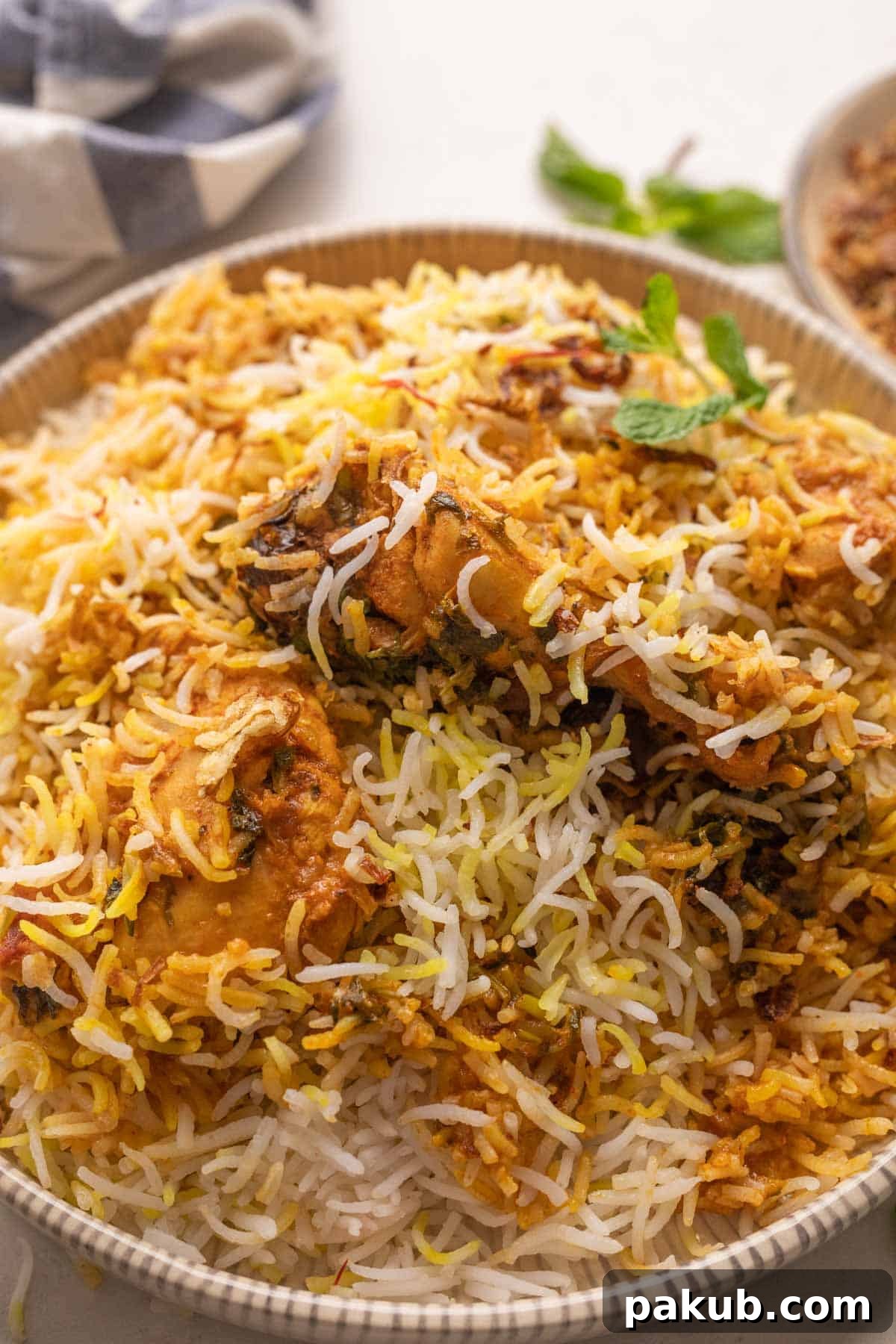
Biryani is an exquisite, mixed rice dish with deep roots in Persia (modern-day Iran). The name itself is believed to originate from the Persian word ‘birian,’ meaning ‘fried before cooking,’ or ‘birinj,’ referring to rice. This culinary technique involves layering and slow-cooking (dum style) partially cooked rice with marinated meat or vegetables, all enriched with generous amounts of ghee, fragrant whole spices, fresh herbs, and often the luxurious touch of saffron.
Over centuries, this dish migrated and evolved, particularly thriving in the Indian subcontinent where it has been embraced and adapted into countless regional variations, becoming a staple of South Asian cuisine. Globally, you might encounter it under various spellings such as biriani, beryani, or beriani, but the essence of its aromatic, layered goodness remains universally recognized and adored.
Laying the Foundation: Essential Biryani Basics
- Tip 1: The Golden Rule – Use Superior Quality Ingredients: The unparalleled taste of an authentic Biryani begins with its ingredients. Compromising on quality will inevitably compromise the final flavor. Invest in premium aged Basmati rice, rich pure ghee, fresh and thick curd, vibrant saffron, and a diverse range of whole and ground spices. A key example: always opt for preparing fresh ginger and garlic paste at home. The pungent, aromatic difference this makes compared to store-bought pastes is immense and will elevate your Biryani from good to truly exceptional.
- Tip 2: Master the Art of Fried Onions (Birista): Crispy, golden-brown fried onions, affectionately known as “birista,” are arguably one of the most critical flavor enhancers in Biryani. Thinly sliced onions are slowly fried over low heat until they achieve a deep golden hue and a delightful crispness. These caramelized onions contribute a distinct sweetness, umami depth, and a crucial texture to the dish. Birista is incorporated at multiple stages: it enriches the meat marinade, forms a base for the masala gravy, and serves as an aromatic garnish when layering. While making birista at home is rewarding, high-quality store-bought fried onions are a convenient and excellent alternative that maintains the authentic flavor profile without added effort.
- Tip 3: Embrace Fat as a Flavor Catalyst (Especially Ghee): When it comes to Biryani, fat is not merely a cooking medium; it’s a fundamental carrier of flavor and a guarantor of texture. Be generous with your chosen fat, with ghee (clarified butter) being the traditional and preferred choice for its nutty aroma and rich taste. Ghee not only infuses the entire dish with an intoxicating fragrance but also plays a vital role in keeping each grain of rice separate and moist, preventing it from clumping or becoming mushy. It coats the rice, ensuring a light, fluffy, and perfectly textured Biryani.
Watch Our Easy Guide: How to Make Chicken Biryani
The Heart of Biryani: Perfecting the Rice Component
- Tip 4: Choose the Right Rice for Authentic Texture: The quintessential choice for Biryani is aged Basmati rice. This prized long-grain rice is renowned for its delicate fragrance, non-sticky texture, and ability to elongate beautifully upon cooking. When procuring Basmati, always select a trusted brand and, if possible, assess its quality – look for uniformly long grains, a pristine appearance, and its characteristic sweet, nutty aroma. Aged Basmati ensures each grain remains distinct and fluffy, crucial for an authentic Biryani experience.
- Tip 5: Optimal Soaking for Ideal Grain Separation: Soaking Basmati rice is a non-negotiable step, but precision is paramount. Soaking serves two key purposes: it effectively removes excess surface starch, which is vital for preventing the rice from becoming sticky, and it tenderizes the hard outer shell of the grain, leading to more even and quicker cooking. However, be cautious not to over-soak. Soaking for longer than 30 minutes can make the grains too fragile, causing them to break or turn mushy during cooking. Aim for a perfect 20-30 minute soak in cool water.
- Tip 6: Aggressive Salting for Flavorful Rice: This tip is a secret weapon for deeply flavorful Biryani. The water in which you par-cook your rice must be generously salted – it should taste distinctly like seawater. This ensures that the rice grains themselves absorb sufficient seasoning, preventing a bland contrast with the rich masala. A good guideline is to use approximately 2 tablespoons of salt for every 2 cups of Basmati rice, cooked in about 6-8 cups of water. Most of this salt will be drained away with the cooking water, leaving perfectly seasoned rice.
- Tip 7: Infuse Rice with Whole Spices for Aromatic Depth: To further enhance the aromatic profile of your Biryani, cook the rice in water that has whole spices simmering within it. This imparts a subtle yet profound fragrance to each grain. Common whole spices include bay leaves, green cardamom pods, black cardamom, cloves, cinnamon sticks, and star anise. These spices contribute an additional layer of complexity, making the rice an integral part of the overall flavor symphony.
- Tip 8: Precise Par-Cooking to 70% Doneness is Crucial: The rice for Biryani is rarely cooked through completely before layering. The goal is to cook it to approximately 70% doneness – it should be pliable but still have a slight bite in the center. Once par-cooked, the water is immediately drained. This deliberate undercooking is critical because the rice will continue to cook and absorb moisture, flavors, and aromas from the masala during the final “dum” process. Overcooked rice at this stage will inevitably result in a soggy, sticky, and unappetizing Biryani. Vigilance and quick action are key during this step.
- Tip 9: Always Cook Rice Fresh Just Before Layering: While many Biryani components offer the convenience of advance preparation, the Basmati rice should always be cooked fresh, immediately before you begin the layering process. The rice needs to be hot when combined with the warm meat or vegetable masala. The residual heat and steam from the freshly cooked rice are essential for initiating and sustaining the “dum” cooking process, ensuring uniform cooking, perfect texture, and an exquisite melding of flavors throughout the layers.
Crafting the Heart of Biryani: The Masala and Marinade
- Tip 10: Marination for Unbeatable Flavor and Tenderness: Marinating is a non-negotiable first step, especially for non-vegetarian Biryanis. This crucial process goes beyond just infusing the meat or vegetables with flavor; it actively locks in moisture and tenderizes the protein. Given Biryani’s often extended cooking time, a well-prepared marinade is vital in preventing the meat from drying out and becoming tough, guaranteeing every bite is succulent, juicy, and packed with aromatic spices.
- Tip 11: Harness the Power of Curd (Yogurt) as a Natural Tenderizer: Incorporating fresh, thick curd into your marinade is a time-honored technique for a reason. The lactic acid present in curd gently reacts with the proteins in the meat, effectively breaking down tougher fibers and allowing the meat to absorb more moisture and the rich flavors of the spices. This results in remarkably tender and melt-in-your-mouth meat, a hallmark of an exceptional Biryani.
- Tip 12: Achieve the Perfect Rice-to-Meat Ratio for Balance: While personal preference allows for some variation, a generally recommended and well-balanced ratio is 1:1 for rice to meat/vegetable masala. This ensures that each serving offers a satisfying proportion of both fragrant rice and flavorful protein or vegetables. While some might prefer a ratio of 2 parts meat to 1 part rice, aiming for a harmonious balance ensures neither component overpowers the other, contributing to a truly balanced and delightful Biryani experience.
- Tip 13: Prepare the Gravy (Masala) in Advance for Efficiency: For non-vegetarian Biryanis like chicken or mutton, the meat gravy can be conveniently prepared a day ahead and stored in the refrigerator. This strategic meal prep significantly streamlines your cooking process on Biryani day, allowing you to focus on cooking the rice and executing the layering. Important Note: Before layering, always bring the pre-made gravy to a gentle simmer. Never add cold gravy to your Biryani pot, as it will disrupt the even cooking and temperature distribution during the dum process.
The Art of Layering: Building Your Biryani Masterpiece
- Tip 14: Don’t Skimp on Fresh Herbs for Aromatic Brightness: Fresh mint (pudina) and coriander (dhaniya) leaves are indispensable during the layering process. Sprinkled generously between the layers of rice and masala, these vibrant herbs introduce a refreshing, aromatic contrast to the richness of the spices. They effectively cut through the indulgence and weave all the complex flavors together, adding a crucial layer of freshness and fragrance to the final dish.
- Tip 15: Be Generous with Ghee During Layering for Moisture and Flavor: A thoughtful drizzle of pure ghee over each layer of par-cooked rice is not merely for flavor, though its rich, nutty aroma is unparalleled. Ghee plays a crucial functional role: it ensures the rice grains remain separate, moist, and fluffy, preventing them from drying out or sticking together. It also acts as a flavor binder, helping the various essences and oils meld beautifully during the slow cooking. This is a critical step for achieving that signature Biryani richness.
- Tip 16: Strategically Prep Components Ahead to Save Time: Emulating the efficiency of professional kitchens, many Biryani components can be prepared in advance. The complex masala gravy (for meat or vegetables) and the crispy fried onions (birista) can be cooked up to two days prior and refrigerated in airtight containers. For longer storage, these can even be frozen. However, as previously highlighted, always cook your Basmati rice fresh just before layering, and ensure your pre-made gravy is gently warmed to a simmer before assembly to optimize the “dum” cooking environment.
- Tip 17: Elevate with Saffron Milk and Optional Food Color: For an exquisite aroma and stunning visual appeal, prepare saffron-infused milk. Steep a pinch of high-quality saffron strands in a small amount of warm milk for at least 15-20 minutes. Optionally, add a tiny drop of food color (yellow or orange) to enhance the visual effect. Drizzle this fragrant saffron milk over the top layer of rice just before sealing the pot. It will impart a beautiful golden hue and an intoxicating, floral fragrance that permeates the entire Biryani.
The Final Stage: Mastering the “Dum” Cooking Technique
- Tip 18: Select the Right Pot for Even Heat Distribution: The choice of cooking vessel profoundly impacts your Biryani’s success. Always opt for a heavy-bottomed pot with a wide, flat base. Biryani is a slow-cooked dish, and the bottom layer of ingredients is exposed to continuous heat. A thin or uneven pot will invariably lead to scorching at the base and unevenly cooked rice at the top. To prevent burning and ensure truly uniform heat distribution, a highly effective technique is to place a heavy cast-iron griddle (tawa) under your Biryani pot during the entire dum cooking process. This acts as a buffer, diffusing the heat evenly and protecting the bottom layers from direct, intense heat.
- Tip 19: Conquer the Art of “Dum” Cooking for Perfection: “Dum” cooking is the signature technique that defines an authentic Biryani. It involves sealing the pot tightly to trap all the steam within, allowing the layered ingredients to cook gently in their own aromatic juices. This steamy environment ensures the flavors meld deeply, the rice finishes cooking perfectly, and the meat becomes incredibly tender. There are several effective ways to achieve a perfect seal:
- Wet Cloth Method: A tightly fitting lid wrapped with a damp cotton cloth creates an excellent steam-tight seal.
- Aluminum Foil Method: A double layer of heavy-duty aluminum foil tightly crimped around the pot’s rim, followed by placing the lid firmly on top, forms a secure seal.
- Traditional Atta (Dough) Method: The most traditional and highly effective method involves preparing a thick dough from whole wheat flour (atta) and water, which is then used to create an airtight seal between the pot and its lid. This ensures absolutely no steam escapes, maximizing flavor and moisture.
Once sealed, cook the Biryani on a very low flame for approximately 20-30 minutes. Resist the temptation to lift the lid prematurely; patience is key to letting the magic of “dum” cooking unfold!
Armed with these 19 essential tips, you are now well-prepared to venture into your kitchen and create a Biryani that will not only impress your guests but also deeply satisfy your own cravings. Remember, making Biryani is a culinary journey and a labor of love; each attempt refines your technique and deepens your appreciation for this magnificent dish. Embrace the process, experiment with confidence, and most importantly, savor every moment of bringing this aromatic masterpiece to life!