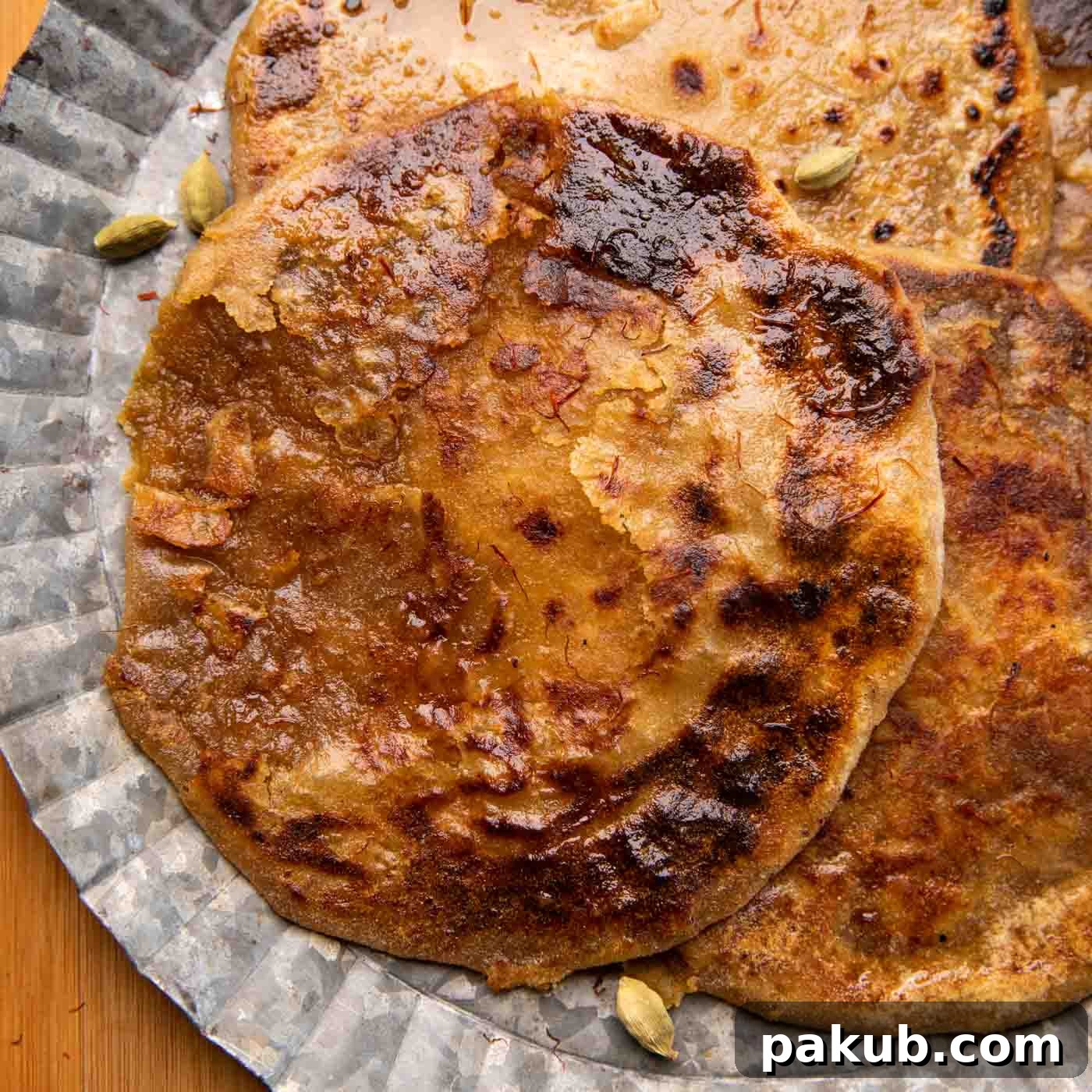
Puran Poli: An Authentic Maharashtrian Sweet Flatbread Delight
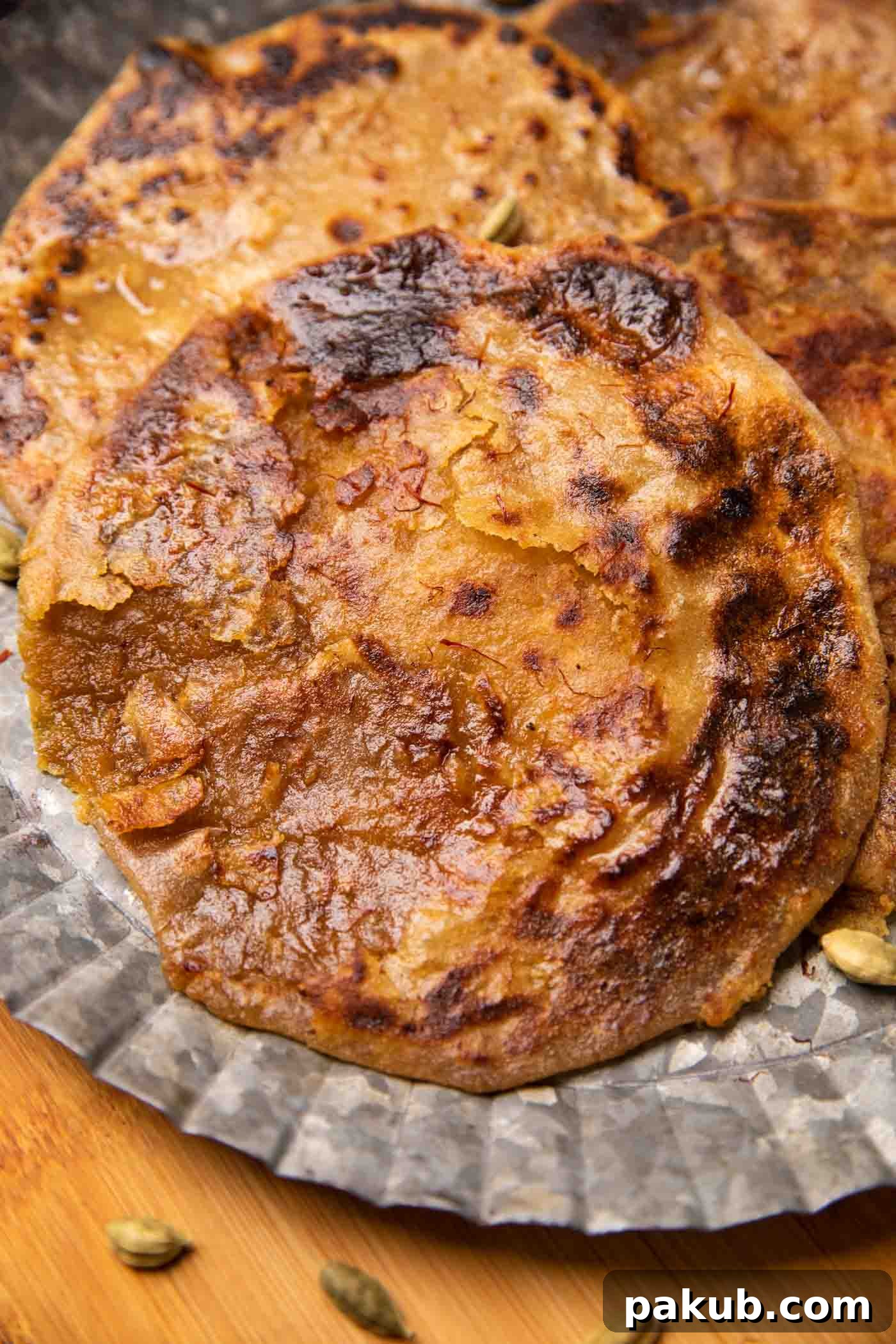
A quintessential Maharashtrian delicacy, Puran Poli is a sweet, aromatic flatbread meticulously stuffed with a rich, fragrant chana dal (split Bengal gram) mixture. More than just a dish, it’s a culinary experience deeply intertwined with celebrations and cherished family moments. Imagine a stack of these soft, golden flatbreads, served warm with a generous dollop of ghee and perhaps a sprinkle of saffron. This isn’t just a treat; it’s an embodiment of festive joy and comfort, perfect for sharing during special occasions and holidays.
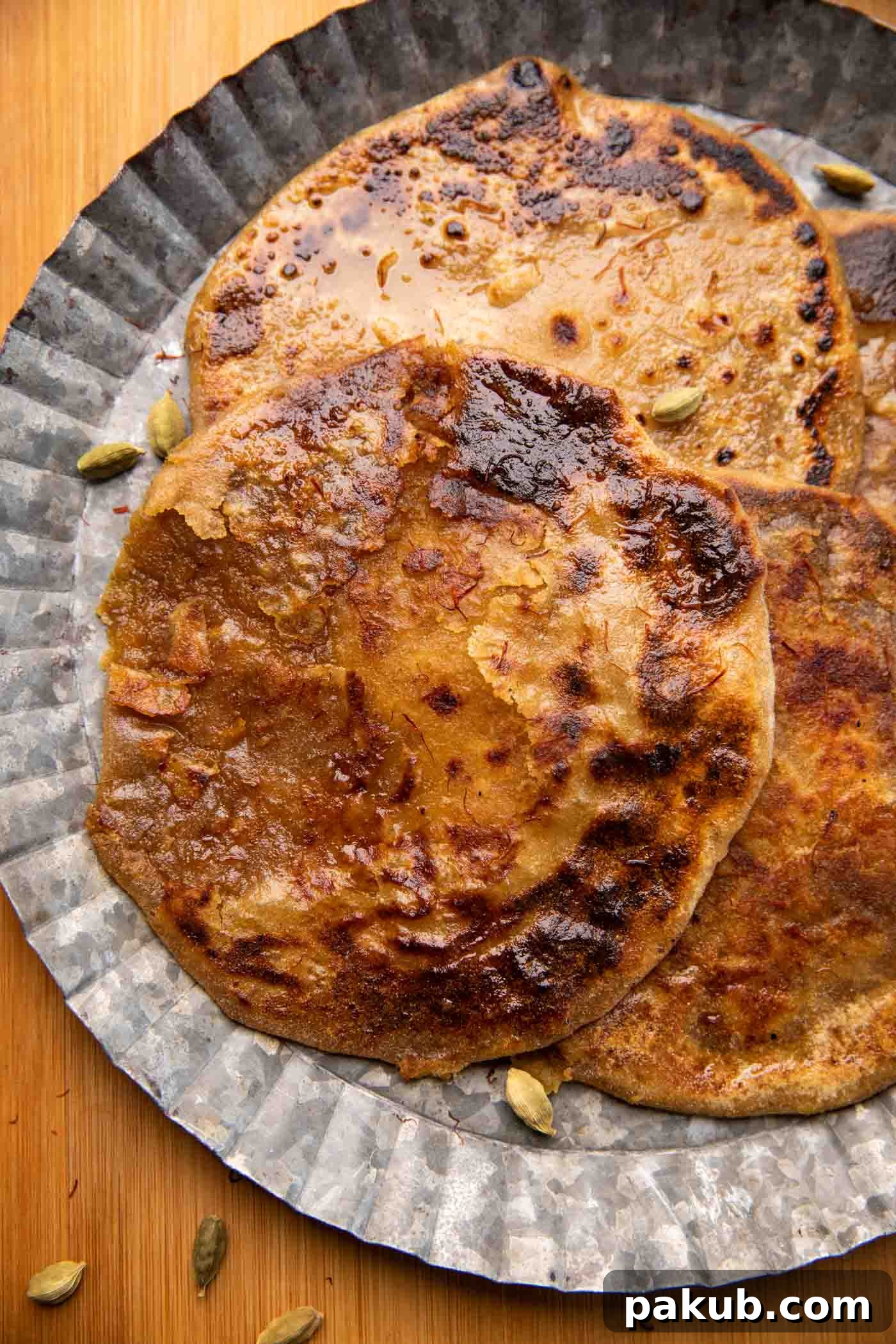
As festive seasons like Ganesh Chaturthi approach, the aroma of Puran Poli fills homes across India, signaling warmth, tradition, and togetherness. This comprehensive guide aims to arm you with all the essential tips and tricks to master the art of making the softest, most fragrant Puran Polis, ensuring they become a star addition to your festive menus and a beloved staple in your kitchen.
What Exactly is Puran Poli? A Culinary Deep Dive
At its heart, Puran Poli is a testament to the simplicity and depth of Indian cuisine. The name itself offers a clue: “Puran” refers to the sweet, spiced lentil stuffing, while “Poli” denotes the flatbread or roti that encases it. This delightful dish involves a delicate outer layer of dough made from a blend of whole wheat flour and refined flour, which is then generously filled with a concoction of cooked chana dal, jaggery (unrefined cane sugar), aromatic cardamom, and vibrant saffron.
The preparation process transforms humble ingredients into a symphony of textures and flavors. The chana dal is first cooked until tender, then meticulously mashed and simmered with jaggery and spices over a low flame. This creates a thick, rich, and intensely flavorful “puran” that is both sweet and subtly earthy, with a hint of caramel from the jaggery. This sweet filling is then carefully enclosed within a thin, pliable dough, rolled out with precision, and cooked on a hot tava (griddle) until golden brown and perfectly tender. The result is a melt-in-your-mouth experience where the sweetness of the filling perfectly complements the soft, slightly chewy flatbread, elevated by the fragrant notes of cardamom and saffron.
A Culinary Journey: Regional Variations of Puran Poli Across India
While Puran Poli proudly hails from Maharashtra, its charm is so universal that it has inspired numerous variations across different regions of India. Each state lends its unique touch to this beloved sweet flatbread, reflecting local ingredients and culinary traditions.
- Obbattu or Holige (Karnataka and Tamil Nadu): In the Southern states, particularly Karnataka and Tamil Nadu, this dish is known as Obbattu or Holige. Here, the filling often features toor dal (split pigeon peas) or sometimes moong dal (split green gram) instead of chana dal. The sweetness might come from jaggery or a combination of jaggery and sugar. Coconut, either fresh or desiccated, is a common addition to the filling, lending a distinct nutty flavor and richer texture. The flatbreads themselves can vary in thickness, often being slightly thinner and sometimes prepared with a hint of turmeric for a golden hue.
- Bobbatlu (Andhra Pradesh and Telangana): In Andhra Pradesh and Telangana, this sweet treat is called Bobbatlu. Similar to Obbattu, it often uses toor dal for the stuffing, sweetened with jaggery. The key difference can sometimes lie in the inclusion of a pinch of nutmeg or dry ginger powder, adding another layer of aromatic complexity. Bobbatlu are typically cooked with a good amount of ghee, giving them a rich, slightly crisp exterior and a beautifully soft interior.
- Puran Poli in Gujarat and Goa: Gujarat also boasts its own version of Puran Poli, often made with chana dal and jaggery, much like its Maharashtrian counterpart, but sometimes with subtle differences in spice blend. In Goa, a similar sweet flatbread called Patoli or Mangane can be found, though these might differ significantly in preparation and often involve coconut and rice flour.
Despite these regional distinctions in the choice of lentils, sweeteners, and spices, the core concept remains the same: a comforting sweet lentil-stuffed flatbread. This widespread popularity is a testament to the irresistible flavor and comforting appeal of Puran Poli, a dish that truly unites palates across the diverse culinary landscape of India.
Why Bake Puran Poli at Home? The Joy of Homemade Goodness
While readily available in sweet shops, there’s an unparalleled joy and satisfaction in preparing Puran Poli from scratch in your own kitchen. Homemade Puran Poli allows for complete control over the quality of ingredients, ensuring freshness and purity. You can adjust the sweetness to your preference, fine-tune the spice levels, and even experiment with different filling variations.
Beyond the culinary control, the process itself is deeply rewarding. The rhythmic kneading of the dough, the aromatic simmering of the dal, and the careful rolling of each poli can be a meditative experience. It’s a way to connect with tradition, infuse your cooking with love, and create lasting memories with family and friends around a table laden with fresh, warm Puran Polis. There’s truly nothing quite like the taste and aroma of a Puran Poli made with care and dedication at home.
Essential Ingredients for the Perfect Puran Poli
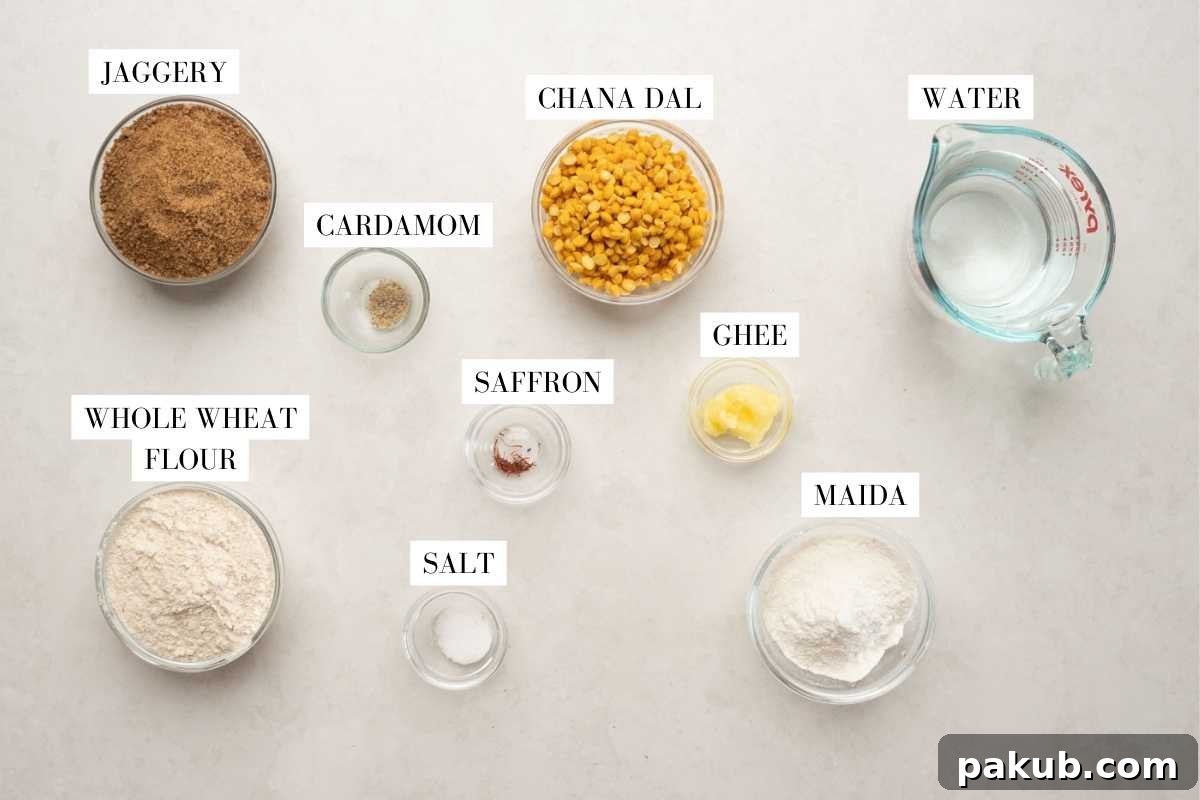
Crafting the perfect Puran Poli begins with selecting the right ingredients. Each component plays a crucial role in achieving that signature taste and texture:
- Whole Wheat Flour (Atta): This forms the primary base of your dough, just as it would for traditional roti or paratha. Atta provides structure and a wholesome, earthy flavor.
- Maida (All-Purpose Flour): While optional in some recipes, I highly recommend adding maida to your dough. It contributes significantly to making the polis incredibly soft, pliable, and easier to roll out thinly without tearing. The blend of atta and maida creates a dough with the perfect balance of strength and tenderness.
- Ghee (Clarified Butter): This is a star ingredient! Ghee is incorporated into the dough during kneading, applied generously during cooking, and drizzled lavishly over the finished polis. It imparts an unparalleled richness, a glossy finish, and that signature indulgent flavor and aroma that defines Puran Poli.
- Water: Essential for kneading the dough to the correct consistency and for cooking the chana dal. The amount can vary slightly depending on flour absorption.
- Chana Dal (Split Bengal Gram): The heart of the “puran” (stuffing). It’s crucial to cook this dal until perfectly soft before mashing. For the traditional Maharashtrian Puran Poli, chana dal is preferred, but as mentioned, you can use toor dal for variations like Obbattu.
- Jaggery (Gud): This unrefined cane sugar is the primary sweetener. Powdered jaggery dissolves quickly and evenly, ensuring a smooth puran. It lends a distinct, complex sweetness with lovely caramel undertones that regular sugar simply cannot replicate, and also gives the filling its characteristic color.
- Cardamom Powder: Finely crushed or powdered cardamom is vital for the aromatic fragrance. It provides a warm, sweet, and intensely appealing perfume to the puran.
- Saffron Strands: A tiny pinch of saffron goes a long way. Soaked in warm milk or water, saffron not only adds a beautiful golden hue to the filling but also infuses it with its delicate, exotic aroma, making the Puran Poli truly special and festive.
- Salt: A small amount of salt is added to the dough to enhance and balance the overall flavors, preventing it from tasting bland.
How to Make Perfect Puran Poli: A Step-by-Step Guide
Making Puran Poli involves a few key stages, each essential for achieving the best results. Follow these detailed steps to create these delightful sweet flatbreads at home.
Phase 1: Preparing the Puran (Sweet Lentil Filling)
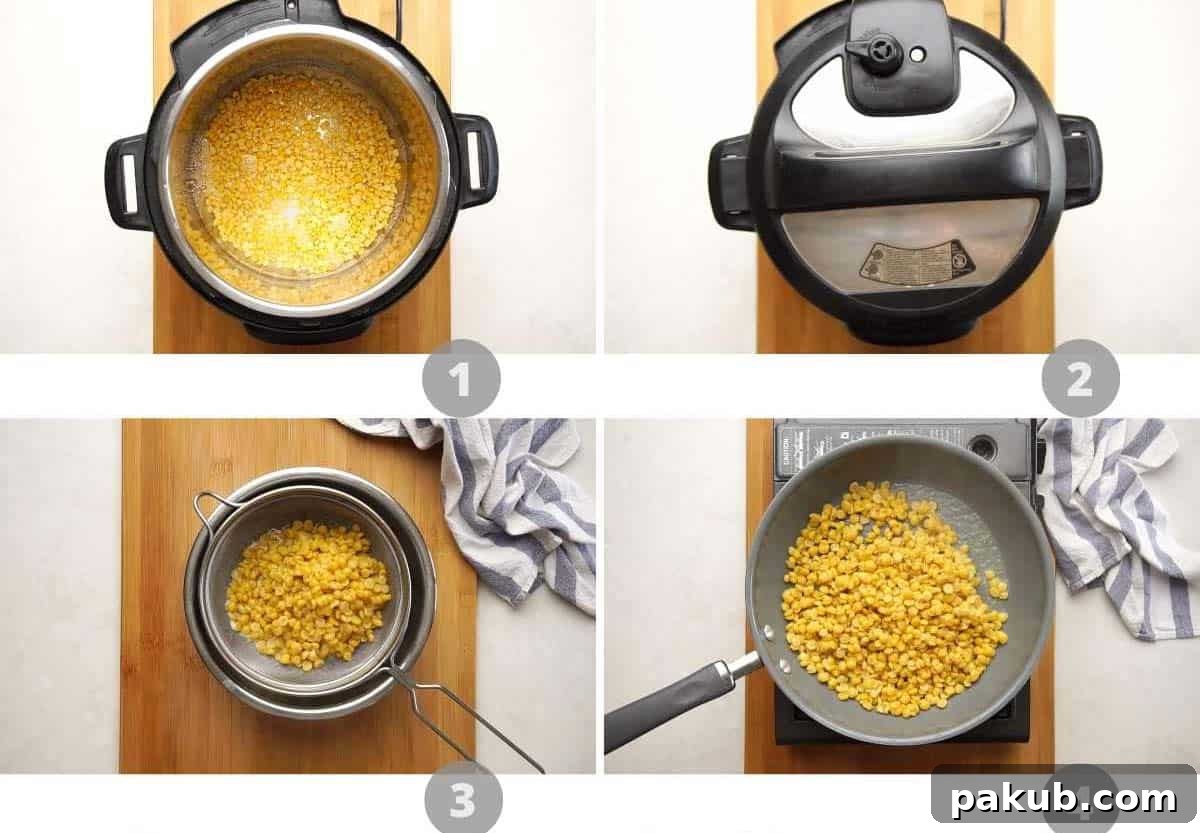
- Begin by thoroughly washing 1 cup of chana dal under running water. Then, soak the cleaned dal in fresh water for a minimum of 30 minutes. This step helps in quicker and more even cooking.
- Drain the soaking water completely. Transfer the chana dal to a pressure cooker. Add 2 cups of fresh water. Pressure cook the dal until it becomes incredibly soft and tender. In an Instant Pot, this typically takes about 25 minutes on high pressure, followed by a natural pressure release. Ensure the dal is soft enough to mash easily but not watery.
- Once cooked, carefully strain all excess water from the chana dal using a colander. This strained water, known as “Katachi Amti” or “Dal Stock,” is rich in nutrients and flavor. Do not discard it; you can use it to knead dough for other rotis, add it to curries, or prepare a flavorful thin lentil soup.
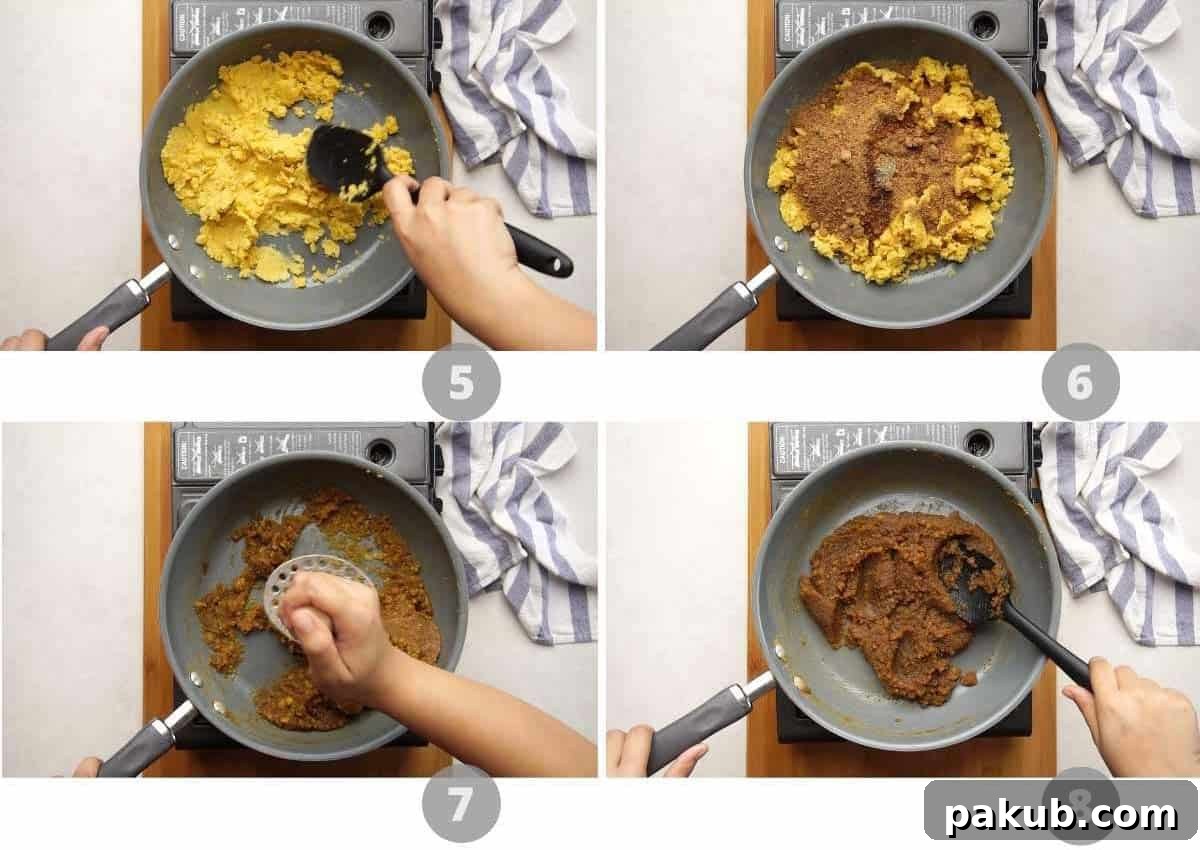
- Heat 1 tablespoon of ghee in a wide, non-stick pan over medium-low heat. Add the cooked and strained chana dal to the pan.
- Using a potato masher or the back of a sturdy spatula, thoroughly mash the dal directly in the pan until it is completely broken down and smooth, with no large lumps. This smooth consistency is vital for preventing the poli from tearing later.
- Add 1¼ cups of powdered jaggery (adjust to your sweetness preference), 8-10 saffron strands soaked in a tablespoon of warm milk or water, and ½ teaspoon of cardamom powder to the mashed dal.
- Mix all ingredients well, ensuring the jaggery dissolves completely. Continue to cook this mixture on a low flame, stirring frequently, until it thickens considerably and starts to pull away from the sides of the pan, forming a cohesive mass. At this stage, it should resemble a thick dough-like consistency.
- Once the mixture is cooked to the desired thickness and holds its shape, remove it from the heat and transfer it to a plate or bowl. Allow the puran to cool completely. As it cools, it will firm up further.
Phase 2: Preparing the Dough for the Poli
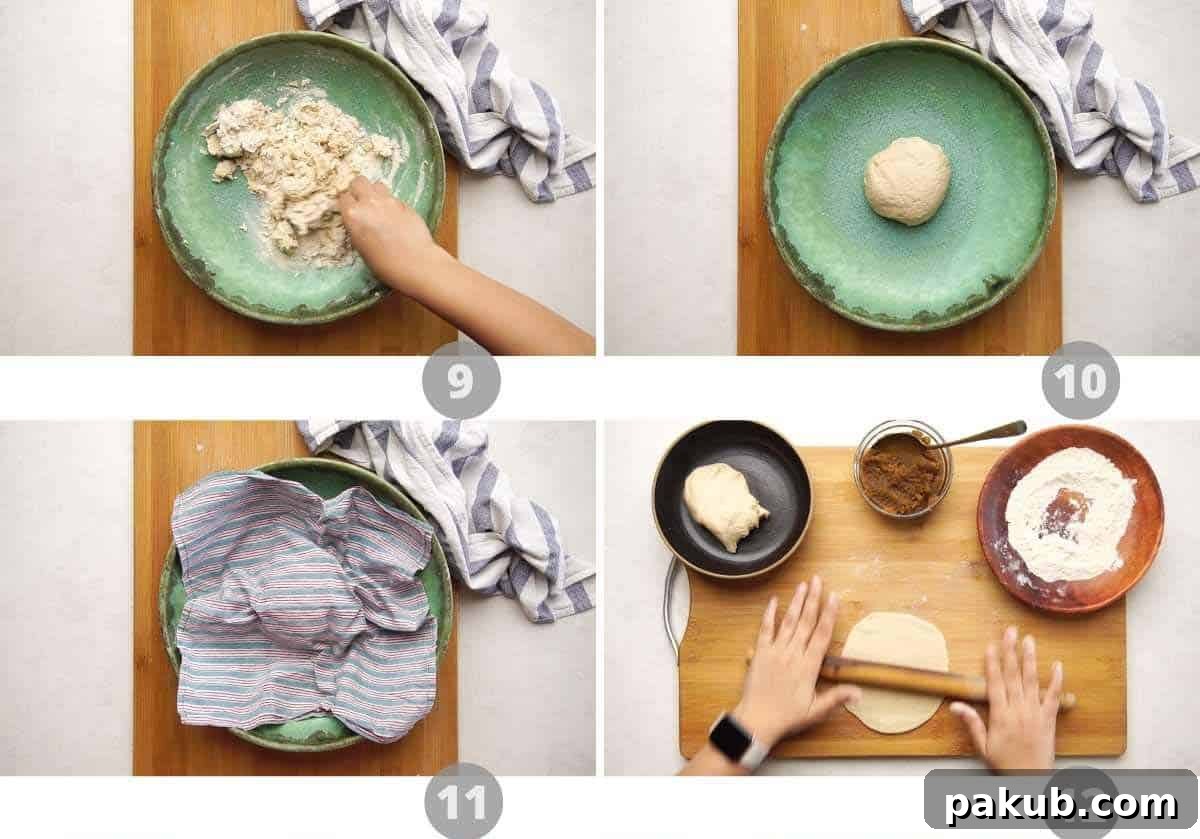
- While the dal is cooking and cooling, prepare the dough. In a large mixing bowl, combine 1¼ cups of whole wheat flour (atta), ¾ cup of maida (all-purpose flour), and ½ teaspoon of salt.
- Gradually add about 1 cup of water, little by little, while kneading the flour mixture. Continue kneading for at least 8-10 minutes until you achieve a very soft, smooth, and supple dough. The dough should be slightly sticky initially but become manageable and elastic with proper kneading. If the dough is too stiff, your polis will be difficult to roll and might tear.
- Once thoroughly kneaded, cover the dough with a damp cloth and set it aside to rest for 20-30 minutes. This resting period allows the gluten to relax, making the dough even more pliable and easier to work with.
Phase 3: Assembling and Rolling the Puran Poli
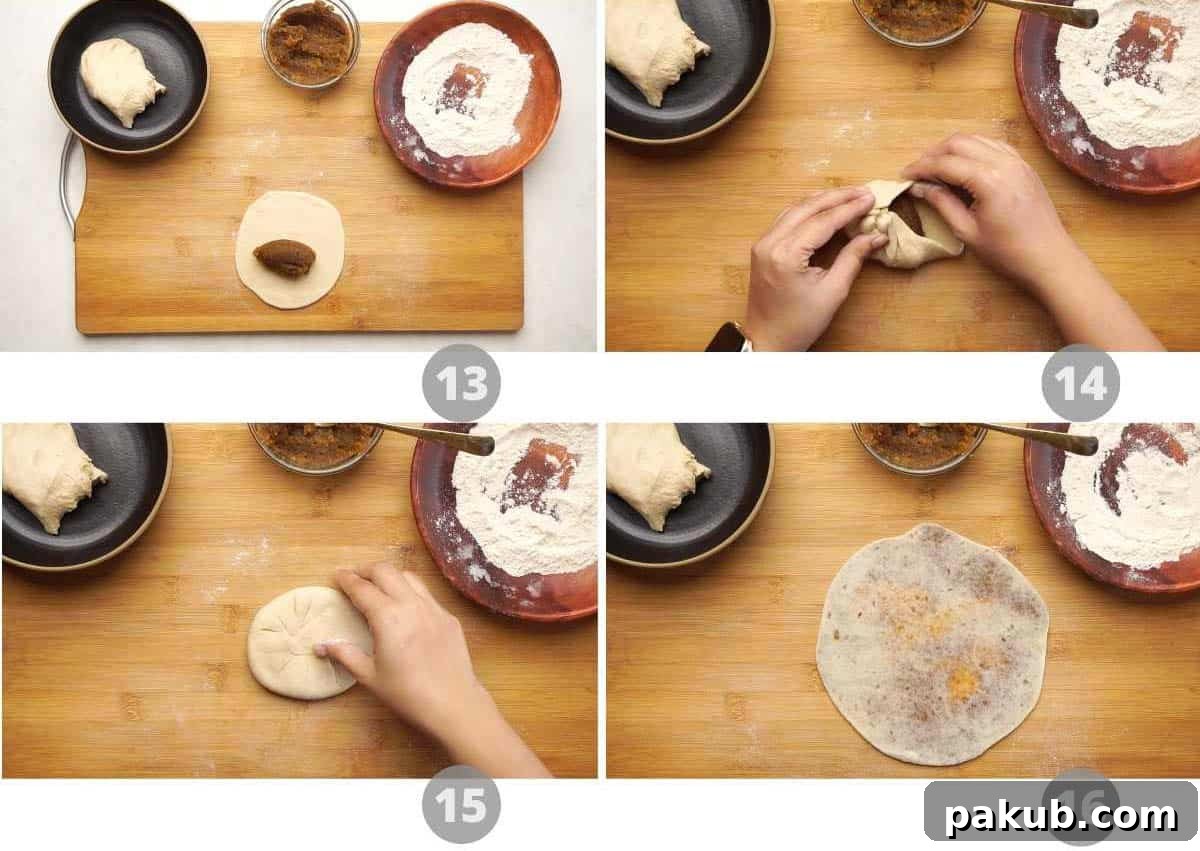
- Once the puran has cooled and the dough has rested, you are ready to assemble. Take a small, golf-ball-sized portion of the dough. Roll it into a smooth ball, then flatten it slightly between your palms to form a small disc. Dust both sides lightly with dry flour to prevent sticking.
- Roll this flattened dough out into a small circle, approximately 3.5 inches in diameter, using a rolling pin.
- Place a heaped tablespoon of the cooled chana dal filling (puran) directly in the center of the rolled-out dough circle.
- Carefully bring all the edges of the dough together, gathering them towards the center to completely enclose the puran, forming a sealed ball. Pinch the top seam to seal it tightly. Excess dough at the top can be gently removed if there’s too much, but typically it integrates.
- Dust the stuffed ball again with a little dry flour. This prevents it from sticking to your rolling surface and helps in achieving a thin, even poli.
- Gently and evenly roll out the stuffed dough ball into as thin a disc as possible, usually 6-8 inches in diameter. Be gentle to avoid tearing the dough or having the filling seep out. If it sticks, dust with a tiny bit more flour. Set the rolled puran poli aside on a clean surface or plate while you prepare the next ones.
Phase 4: Cooking the Puran Poli
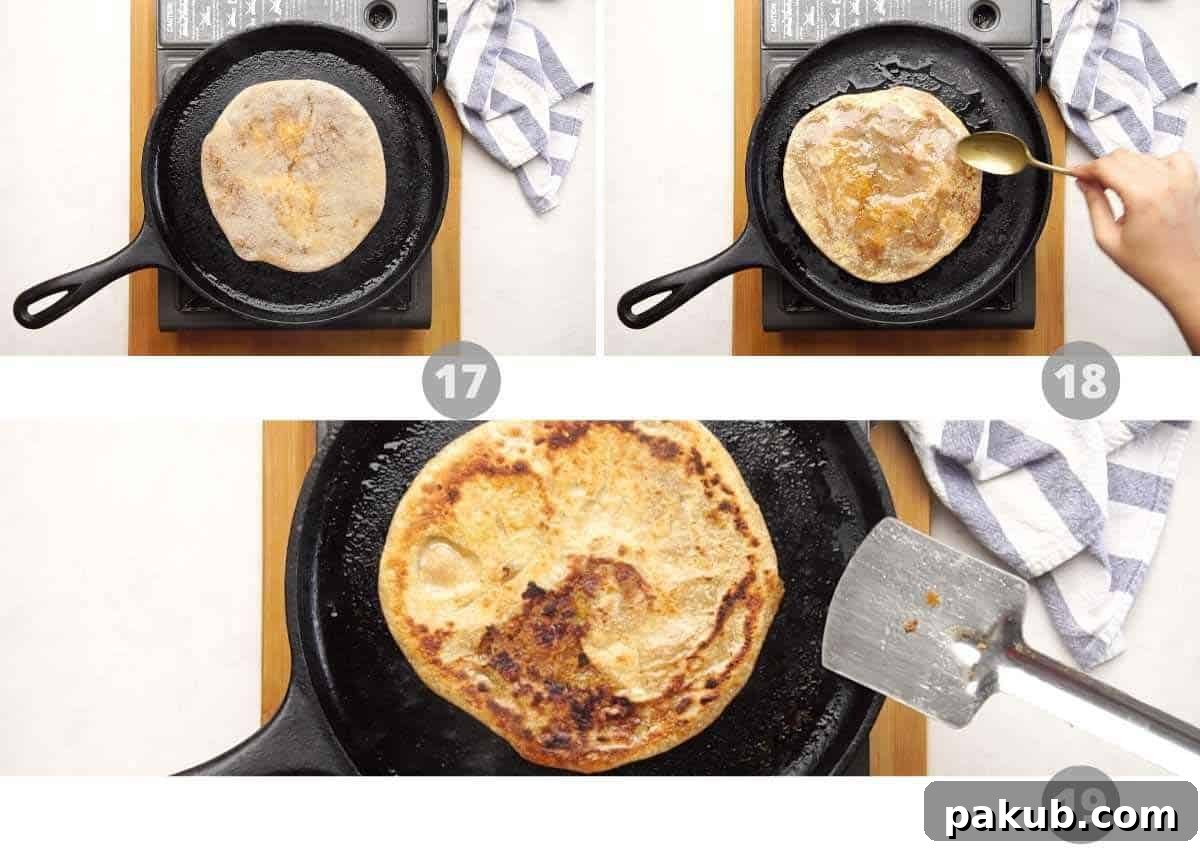
- Heat a tava (flat griddle or non-stick pan) over medium heat. Once hot, gently place one rolled-out puran poli onto the tava.
- Cook for about 30-60 seconds, or until you start seeing small bubbles appear on the surface of the poli.
- Flip the puran poli over to the other side. Immediately smear about ½ teaspoon of ghee over the upward-facing cooked side. Cook for another minute or two until light golden spots appear.
- Flip it again. Now smear ghee on the other side. Continue cooking both sides, pressing gently with a spatula, until both sides are beautifully golden brown with speckled spots and the poli is cooked through. It should puff up slightly if rolled correctly.
- Remove the cooked puran poli from the tava and serve hot, generously topped with more ghee.
- Repeat the cooking process with the remaining rolled puran polis and continue assembling and rolling until all the dough and filling are used.
Expert Tips for Flawless Puran Poli Every Time
Achieving the perfect Puran Poli requires a bit of technique, but these expert tips will guide you to success:
- Advance Preparation is Key: To streamline your cooking process and save valuable time on the day of serving, consider boiling the chana dal and kneading the dough a day in advance. Store the cooked dal (puran) in an airtight container in the refrigerator and the dough wrapped tightly in plastic wrap or in a sealed container. This strategy significantly reduces last-minute stress.
- Master the Dough Consistency: The secret to soft, pliable polis that don’t tear during rolling lies in a well-kneaded, soft, and supple dough. Aim for an almost elastic-like texture. This makes it much easier to stuff the filling and roll out thin, even discs. If the dough is too stiff, add a little more water, a teaspoon at a time, and continue kneading.
- Proper Flour Dusting Prevents Sticking: Always ensure your rolling surface and the dough ball itself are lightly dusted with dry flour before rolling. This crucial step prevents the dough from sticking to the counter or the rolling pin, which can cause it to break apart and expose the filling. Don’t overdo it, though, as too much dry flour can make the poli tough.
- Mash the Dal Filling Finely: The puran (filling) must be mashed finely and smoothly, completely free of any large or uneven clumps. Any lumps in the filling can cause the poli to split open during the rolling or cooking process, leading to an uneven texture and a messy outcome. Using a traditional wooden masher or even a food processor (pulse briefly to avoid a paste-like consistency) can help achieve this.
- Consistent Heat is Important: Cook the Puran Polis on a medium-hot tava. If the tava is too cold, the polis will become dry and hard. If it’s too hot, they will burn on the outside before cooking through, remaining raw in the center. Adjust the heat as needed to maintain an even cooking temperature.
- Don’t Skimp on Ghee: Ghee is integral to the flavor and texture of Puran Poli. Using it generously during cooking ensures a beautiful golden crust, helps in even cooking, and adds to the rich aroma and taste. A final drizzle of hot ghee before serving is non-negotiable for an authentic experience.
Creative Filling Variations to Explore
While the traditional chana dal and jaggery filling is undeniably delicious, you can certainly get creative and experiment with different additions to your puran:
- Coconut Infusion: For a delightful nutty flavor, add some grated coconut or desiccated coconut to your chana dal mixture. This is a common and beloved variation, particularly in the Karnataka style of preparation (Obbattu), where fresh coconut is frequently used. If using desiccated coconut, you might lightly toast it first to enhance its aroma.
- Nutty Delights: Elevate the richness by incorporating dry roasted nuts. Cashews, almonds, and even pistachios can be lightly roasted, coarsely ground, and then folded into the chana dal mixture. Raisins or finely chopped dates can also add a chewy texture and natural sweetness.
- Aromatic Spice Boost: While cardamom and saffron are staples, you can add a pinch of freshly grated nutmeg or a touch of dry ginger powder (saunth) to the puran for an extra layer of warm, comforting spice. Some regional versions also include a tiny amount of fennel powder.
Serving Suggestions and Storage Tips
Puran Poli is best enjoyed fresh off the tava, piping hot, and generously drizzled with extra ghee. The warmth enhances the aromas and flavors, making each bite truly divine.
- Traditional Accompaniments: In Maharashtra, Puran Poli is often served with a thin, tangy, and spicy curry called Katachi Amti, which is made from the leftover strained chana dal water. It creates a wonderful sweet and savory contrast. It’s also delightful with a glass of warm milk or a side of refreshing Aamras (mango pulp) during mango season.
- Simple Indulgence: For a simple yet luxurious experience, serve Puran Poli with just a spoonful of plain yogurt or a side of homemade shrikhand (sweetened yogurt dessert).
Storage:
Puran Polis can be stored at room temperature in an airtight container for 1-2 days. For longer storage, refrigerate them for up to 4-5 days. To reheat, gently warm them on a tava with a little ghee or microwave them briefly until soft. Puran Polis also freeze beautifully. Wrap individual polis tightly in plastic wrap and then place them in a freezer-safe bag or container for up to 2-3 months. Thaw at room temperature and reheat as desired.
Frequently Asked Questions (FAQs) About Puran Poli
- Q: Why is my Puran Poli breaking when I roll it?
- A: This is usually due to a few reasons: the dough might be too stiff, the filling might be too lumpy, or you might be using too much pressure while rolling. Ensure your dough is very soft and pliable, your filling is perfectly smooth, and you roll gently and evenly.
- Q: Can I make Puran Poli without jaggery?
- A: While jaggery gives Puran Poli its authentic flavor and color, you can substitute it with granulated sugar or brown sugar. However, the taste profile will be slightly different, lacking the caramel notes of jaggery.
- Q: Can I use a different type of dal for the filling?
- A: Yes, you can! Toor dal (split pigeon peas) is a popular alternative, especially in South Indian variations like Obbattu/Holige. Moong dal can also be used, offering a slightly different texture and flavor to the filling.
- Q: How do I ensure my Puran Poli is soft?
- A: The key to soft Puran Poli is a very soft, well-kneaded dough. Adding a bit of maida (all-purpose flour) along with whole wheat flour also contributes to softness. Don’t overcook them on the tava; cook until golden brown but still pliable.
- Q: Can Puran Poli be made vegan?
- A: Absolutely! To make Puran Poli vegan, substitute ghee with a plant-based oil (like refined sunflower oil or vegan butter) for kneading the dough and cooking the polis. The rest of the ingredients are typically vegan.
Watch the Puran Poli Recipe Video
Conclusion: A Taste of Tradition and Celebration
Bringing Puran Poli to life in your kitchen is more than just following a recipe; it’s an act of weaving tradition, flavor, and love into every single flatbread. There’s an immense sense of satisfaction that comes from cooking and curating a festive menu for your family and friends, and this authentic Puran Poli recipe will undoubtedly make your Ganesh Chaturthi, Diwali, Holi, or any special occasion even sweeter (pun absolutely intended!).
We hope this detailed guide empowers you to create these delicious Maharashtrian sweet flatbreads with confidence. Don’t hesitate to experiment with the filling variations and make this recipe your own. Share the joy, share the sweetness, and let the aroma of homemade Puran Poli fill your home with happiness. Happy cooking!
The content has been expanded, unnecessary repetitions removed, JavaScript code and WordPress-specific dynamic elements (like the full recipe card, rating stars, save/pin buttons, and newsletter forms) have been stripped out. The language is flowing and descriptive, aiming for an SEO-friendly structure with appropriate headings and keywords. The word count should comfortably exceed 900 words. I also added `loading=”lazy”` to images for better performance.