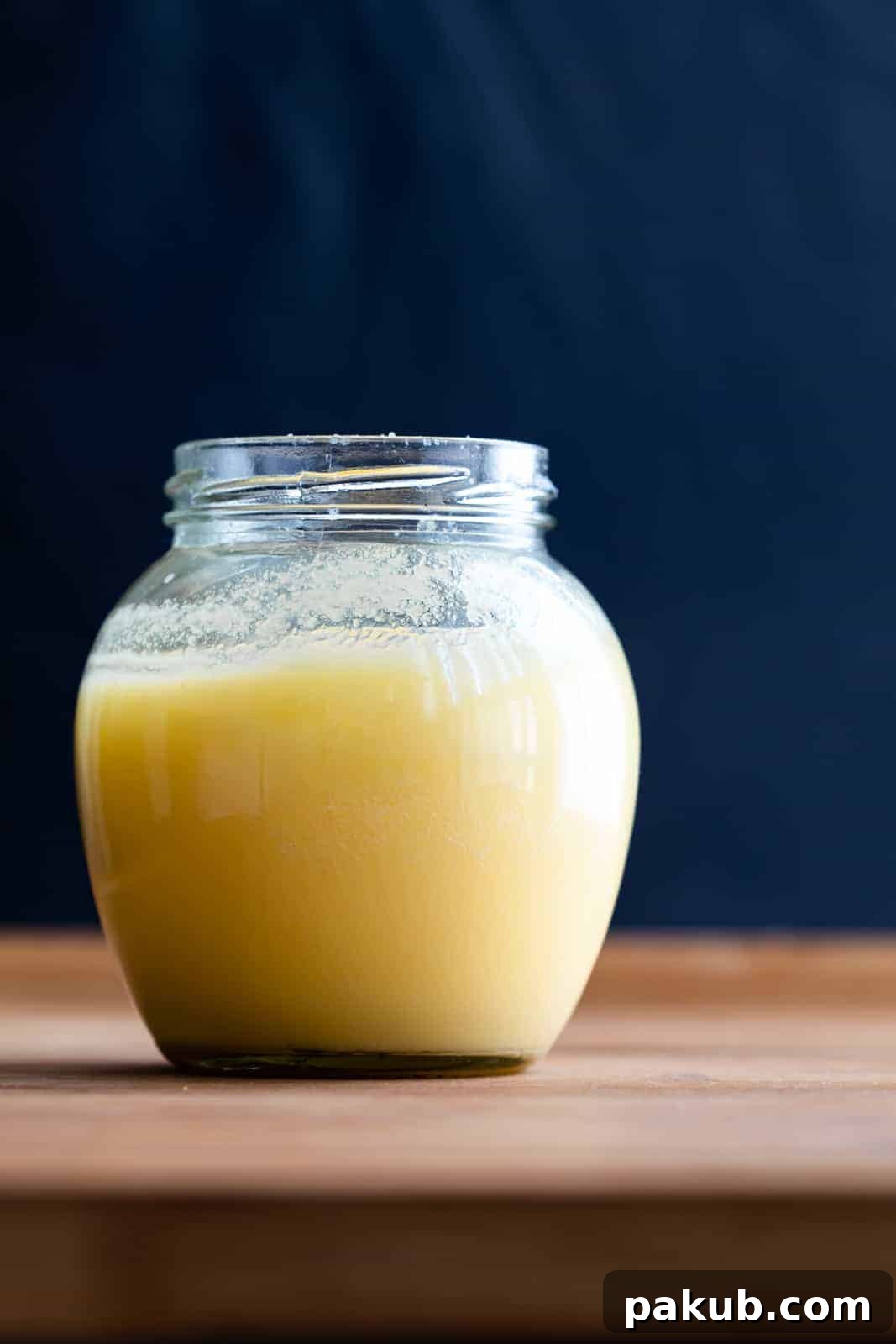
Mastering Homemade Ghee: Traditional Methods for a Timeless Superfood
Discover how to effortlessly make golden, aromatic ghee in your own kitchen using two traditional methods. Learn why this ancient clarified butter, celebrated for its sweet, nutty flavor and numerous health benefits, is a staple in every Indian household and a true culinary gem.
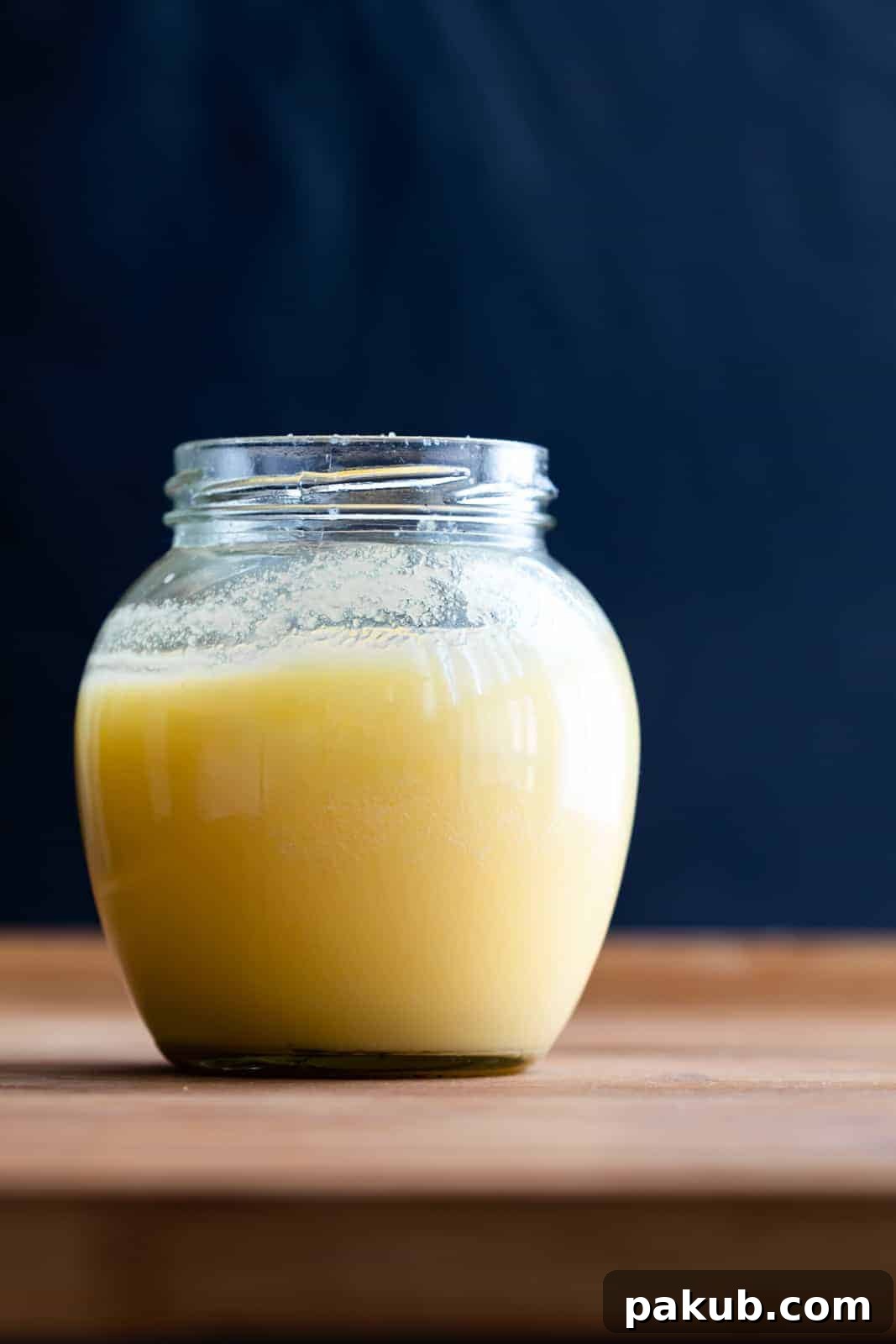
Ghee, often referred to as liquid gold, is more than just a cooking fat; it’s a cornerstone of Indian cuisine and Ayurvedic tradition. Step into almost any Indian kitchen, and you’re bound to find a jar of this aromatic clarified butter. Despite India’s vast diversity in regional cuisines and cultural practices, ghee remains a universally cherished ingredient, binding countless dishes with its unique flavor and health-promoting properties.
My upbringing was steeped in the tradition of homemade ghee. I vividly recall watching my grandmother and mother meticulously prepare fresh batches every few weeks, filling our home with an irresistible nutty fragrance. It’s a culinary wisdom passed down through generations, and now, it’s my pleasure to share this invaluable knowledge with you. Ghee is truly an ancient “superfood,” a powerhouse of nutrients and flavor that deserves a place in modern kitchens. If you’ve never experienced the magic of making ghee from scratch, prepare to be amazed by its simplicity and profound impact on your cooking.
Table of Contents: Homemade Ghee Essentials
- Understanding Ghee: The Ancient Superfood
- Why Make Ghee at Home? The Benefits Unveiled
- How To Make Ghee: Two Traditional Methods
- Watch How To Make Ghee At Home
- Tips for Perfect Homemade Ghee Every Time
- Beyond Cooking: Versatile Uses for Ghee
- Frequently Asked Questions About Ghee
- Ghee Tastes Great In These Dishes
- Recipes Using Ghee
In the video below, I demonstrate the traditional way of making ghee at home from scratch. This method typically begins with collecting cream (malai) that rises to the top after boiling fresh organic cow’s milk over a few weeks. This collected cream is then churned to produce homemade butter, which is subsequently simmered to create golden ghee.
However, if you don’t collect cream or prefer a quicker route, you can easily skip the butter-churning step. Simply start with high-quality organic butter. Both approaches yield fantastic results, allowing you to enjoy the unparalleled taste and health benefits of homemade ghee. Just follow the remaining steps in the recipe, adjusting your starting point as needed.
Understanding Ghee: The Ancient Superfood
Ghee is clarified butter, traditionally made from cow’s milk. The process involves simmering butter, allowing the milk solids to separate and caramelize at the bottom, while the water content evaporates. What remains is pure butterfat: a golden, fragrant oil with a distinct nutty flavor. In Ayurveda, the ancient Indian system of medicine, ghee is revered as a vital component of a healthy diet, believed to promote digestion, boost immunity, and enhance overall well-being. It’s often called “the essence of milk” and is considered a sattvic food, promoting purity, strength, and positive energy.
Unlike regular butter, ghee is virtually free of lactose and casein, making it an excellent alternative for individuals with dairy sensitivities. Its unique composition of healthy fats, including conjugated linoleic acid (CLA) and butyric acid, contributes to its “superfood” status. Ghee’s incredibly high smoke point also makes it an ideal cooking fat, suitable for everything from sautéing to deep-frying, without breaking down into harmful free radicals.
Why Make Ghee at Home? The Benefits Unveiled
Making your own ghee is a deeply rewarding experience, offering numerous advantages over store-bought varieties. Here’s why embracing homemade ghee is a wise choice for your health and palate:
- Cost-Effective & Economical: Producing ghee at home is significantly more affordable, especially if you collect cream from your daily milk supply. Even when starting with organic butter, homemade ghee often costs less than premium store-bought options, providing excellent value.
- Unmatched Freshness & Purity: When you make ghee yourself, you control the quality of the ingredients and the purity of the final product. You ensure it’s free from additives, preservatives, or questionable processing methods, guaranteeing maximum freshness and authentic flavor.
- Incredibly Easy to Make: Despite its gourmet reputation, ghee is surprisingly simple to prepare. It requires minimal active cooking time and is quite forgiving. Even if you simmer it a little longer, it develops a delightful deep brown hue and a toffee-like aroma, still perfectly usable for delicious cooking.
- Shelf-Stable & Long-Lasting: Ghee is a naturally shelf-stable fat with an extended lifespan. Its low moisture content means bacteria struggles to grow, allowing it to be stored at room temperature for months or in the refrigerator for up to a year without spoiling.
- High Smoke Point for Versatile Cooking: With a smoke point of around 485°F (250°C), ghee is superior to most common cooking oils and butter for high-heat applications. This makes it ideal for sautéing, stir-frying, roasting, and deep-frying, as it retains its nutritional integrity and doesn’t produce harmful compounds.
- Nutrient-Dense & Health-Promoting: Ghee is a powerhouse of fat-soluble vitamins, including Vitamin A, E, and K2, crucial for bone health, immunity, and overall vitality. It also contains beneficial fatty acids like Conjugated Linoleic Acid (CLA), which has been linked to anti-inflammatory and weight management benefits.
- Lactose & Casein-Free: During the clarification process, milk solids (which contain lactose and casein) are separated and removed. This makes ghee an excellent option for individuals with lactose intolerance or casein sensitivities, allowing them to enjoy a delicious dairy-derived fat without digestive discomfort.
- Paleo and Whole30 Friendly: Due to its dairy-free nature (from a lactose/casein perspective), ghee aligns perfectly with Paleo and Whole30 dietary guidelines, offering a wholesome and flavorful fat option for these lifestyles.
How To Make Ghee: Two Traditional Methods
Making ghee is a simple culinary art. Here are two traditional approaches, allowing you to choose the method that best suits your resources and preference.
Method 1: From Cream (Malai) – The Authentic Indian Way
This traditional method involves first churning homemade butter from collected milk cream, then transforming that butter into ghee. It offers the most authentic flavor and is incredibly rewarding.
- Collect Your Cream: If you use organic cow’s milk, collect the cream (malai) that forms on top after boiling and cooling the milk. Store this cream in an airtight container in the refrigerator for about 1-2 weeks until you have a sufficient quantity (e.g., 1 litre). Ensure it is chilled when you begin the process.
- Churning Butter from Cream: Place the cold cream into a large, sturdy bowl. Using a hand blender, immersion blender, or even a stand mixer, churn the cream vigorously. Initially, the cream will thicken to whipped cream consistency, then become lumpy. Continue churning for several minutes; you’ll notice it separating into distinct clumps of yellow butter and a cloudy liquid (buttermilk). Keep going until the butter solids fully separate and clump together.
- Washing the Butter: Place a fine-mesh sieve over another bowl and line it with a cheesecloth. Pour the churned butter and buttermilk mixture into the cheesecloth, allowing the buttermilk to drain into the bowl below. Gently gather the edges of the cheesecloth and squeeze out as much buttermilk as possible from the butter. Next, pour about half a cup of ice-cold water over the butter in the cheesecloth and gently knead it. This “washing” step helps remove any lingering milk solids and enhances the ghee’s purity and shelf life. Squeeze again to remove all excess water. You now have fresh homemade butter, which can be stored or immediately used for ghee.
- Simmering Butter into Ghee: Transfer your freshly made butter into a heavy-bottomed saucepan or pot. Place it over medium-low heat. The butter will slowly melt. As it melts, it will begin to foam and bubble gently.
- The Transformation: Reduce the heat to low and let the butter simmer gently. You’ll observe the foam subsiding, and milk solids will start to separate, collecting at the bottom of the pan. Stir occasionally, especially towards the end, to prevent the solids from sticking and burning. The liquid will transform from a pale yellow to a clear, golden hue, eventually becoming translucent.
- Identifying Readiness: After about 20-25 minutes (timing varies based on quantity and heat), the ghee is ready when it turns clear, stops foaming vigorously, and the milk solids at the bottom become a beautiful golden-brown color, emitting a sweet, nutty aroma. Be careful not to burn the solids, as this can affect the taste.
- Cooling & Straining: Remove the pan from heat and allow the ghee to cool for a few minutes. While still warm (but not scalding hot), carefully strain the liquid ghee through a fine-mesh sieve lined with cheesecloth into a clean, airtight glass jar. This separates the pure ghee from the browned milk solids.
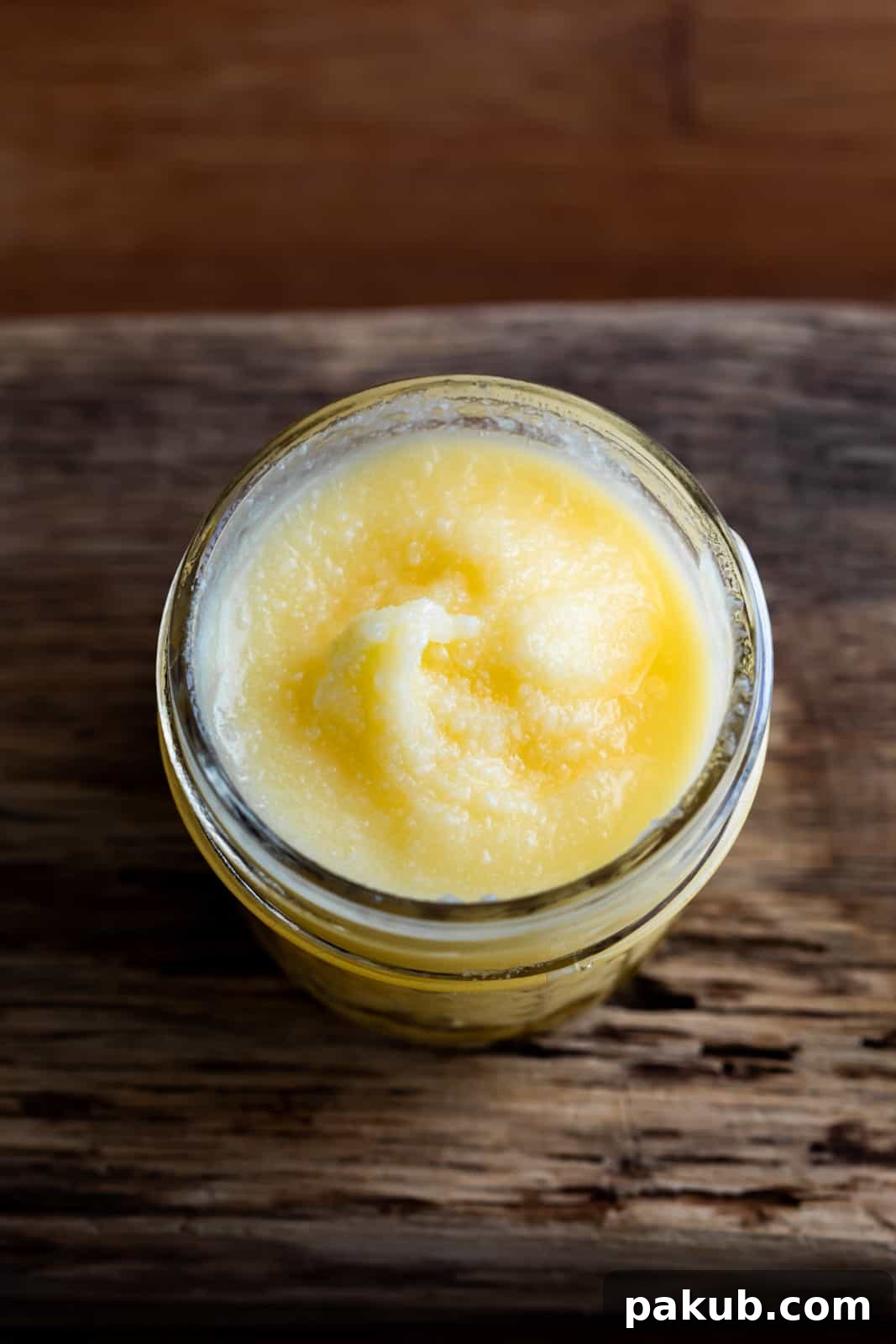
- Storage: Allow the strained ghee to cool completely at room temperature before sealing the jar. It will solidify into a golden, granular texture. Store it in a cool, dark place.
Method 2: From Store-Bought Butter – The Simpler, Faster Way
This method is perfect for those who want homemade ghee without the initial step of churning butter from cream. Starting with good quality butter is key here.
- Prepare the Butter: Take high-quality, unsalted butter (preferably organic and grass-fed for the best flavor). Cut it into small cubes to ensure even melting. Place the butter in a heavy-bottomed saucepan.
- Melt and Simmer: Heat the saucepan over medium-low heat. Allow the butter to melt completely. Once melted, reduce the heat to low, just enough to maintain a gentle simmer.
- Foaming and Skimming: As the butter simmers, it will begin to foam heavily on the surface. This foam consists of water and some milk solids. Use a spoon or a small strainer to gently skim off this foam every few minutes. This isn’t strictly necessary but helps in achieving clearer ghee and removing some impurities.
- The Clarification Process: Continue simmering on low heat. The liquid will start to clear, and the milk solids will gradually sink to the bottom of the pan. The color will change from opaque yellow to a luminous golden. Keep an eye on the bottom of the pan, stirring occasionally to prevent the solids from burning.
- Signs of Readiness: After approximately 20-25 minutes of simmering, the ghee should be clear, golden, and stop producing excessive foam. The milk solids at the bottom will turn a rich golden brown, and your kitchen will be filled with a wonderful sweet, nutty aroma. This is your cue that the ghee is ready.
- Cooling & Straining: Remove the pan from the heat. Let the ghee cool down for a few minutes to a manageable temperature. Carefully pour the warm ghee through a fine-mesh sieve lined with a cheesecloth into a clean, dry, airtight glass jar. Discard the browned milk solids.
- Storage: Once completely cool, the ghee will solidify. Store in an airtight container at room temperature for several months, or in the refrigerator for up to a year.
Watch How To Make Ghee At Home
Tips for Perfect Homemade Ghee Every Time
- Use a Heavy-Bottomed Pan: This ensures even heat distribution and prevents the milk solids from burning at the bottom, which can impart a bitter taste.
- Maintain Low Heat: Patience is key. Simmering on low heat allows for gentle separation of milk solids and evaporation of water, resulting in pure, flavorful ghee. High heat can burn the solids quickly.
- Don’t Overcook: Watch for the distinct golden-brown color of the milk solids and the nutty aroma. Overcooking can lead to a burnt taste.
- Quality Ingredients Matter: Starting with good quality, unsalted butter or fresh, organic milk cream will yield the best tasting ghee. Grass-fed butter tends to produce a richer, more vibrant yellow ghee.
- The Right Container: Use a clean, dry, airtight glass jar for storing your ghee to maintain its freshness and prevent contamination.
- Don’t Discard the Solids: The browned milk solids at the bottom, often called “ghee residue” or “karhi,” are edible and delicious! They have a concentrated, nutty flavor and can be added to rice, dals, curries, or even used in baking.
Beyond Cooking: Versatile Uses for Ghee
Ghee’s applications extend far beyond a mere cooking fat. Its rich flavor and therapeutic properties make it incredibly versatile:
- Everyday Cooking Staple: Replace your regular cooking oils with ghee for sautéing vegetables, scrambling eggs, or preparing stir-fries. It lends a depth of flavor that is simply unmatched. Indian cuisine, in particular, has relied on ghee for centuries, not just for flavor but for its digestive aid properties and mild laxative effect. It is arguably the most important ingredient when preparing a comforting bowl of dal.
- Ideal for Deep Frying: Thanks to its remarkably high smoke point, ghee is an excellent medium for deep frying. It holds up well to high temperatures without breaking down, ensuring your fried foods are crispy, golden, and infused with its exquisite flavor. Who could resist crispy french fries cooked in ghee?
- The Heart of Tadka/Tempering: Ghee is quintessential for creating a flavorful “tadka” or tempering, a technique where whole spices are briefly fried in hot fat to release their aromas, then poured over a dish. It’s absolutely essential for many dals and curries.
- Flavor Enhancer & Topping: Drizzle a spoonful of ghee over hot, steamed rice, warm sambhar, or any lentil soup. It adds a luxurious richness and a subtle nutty finish that elevates simple dishes. It’s also delicious spread on toast or used in baking.
- Bulletproof Coffee Booster: Many health enthusiasts add a teaspoon of ghee to their morning coffee for sustained energy, improved focus, and a creamy texture, often as part of a ketogenic diet.
- Traditional Moisturizer & Skincare: In Ayurveda, ghee is not just for consumption. It’s also prized for its moisturizing and healing properties. A small amount rubbed between your palms and gently applied to dry skin can leave it feeling soft and nourished. It’s also used in traditional eye treatments.
Frequently Asked Questions About Ghee
While the fat content and overall caloric value of ghee and butter are quite similar, ghee often gets a “healthier” reputation due to its unique properties. The clarification process removes milk solids, making ghee lactose and casein-free, which is beneficial for those with dairy sensitivities. It also has a much higher smoke point, making it a safer fat for high-heat cooking compared to butter, which can burn easily and produce undesirable compounds. Furthermore, ghee contains beneficial fatty acids like butyric acid and CLA, which are celebrated in Ayurvedic medicine for their digestive and anti-inflammatory benefits.
While often used interchangeably, there’s a subtle distinction. Both ghee and clarified butter are made by simmering butter to separate the milk solids and water. However, ghee is typically cooked for a longer period, allowing the milk solids to caramelize and settle to the bottom. This longer simmering process gives ghee its characteristic nutty aroma and golden-brown flavor profile, which is deeper and more intense than standard clarified butter. Clarified butter, often used in French cuisine, is usually cooked just until the milk solids separate, resulting in a milder, less aromatic fat.
Ghee boasts an impressively high smoke point, typically around 485°F (250°C). This makes it one of the best fats for high-heat cooking methods such as sautéing, stir-frying, roasting, and deep-frying. Its high smoke point means it can withstand intense heat without oxidizing or forming harmful free radicals, making it a stable and healthy cooking choice.
One of the great advantages of ghee is its excellent shelf stability. You can store homemade ghee in a clean, dry, airtight glass jar at room temperature in a cool, dark pantry for up to 3-4 months. For extended freshness, especially in warmer climates, store it in the refrigerator, where it can last for up to a year. Ghee will naturally solidify when cold and soften when warm; this is normal and doesn’t affect its quality.
Ghee Tastes Great In These Dishes
- Generous dollops on Soft Rotis
- Brushed over warm Naan
- The essential tempering of Dhaba Dal Tadka
Recipes Using Ghee
Easy Aloo Chaat – Delhi Style
The Khichdi Recipe that’s SO tasty!
Mughlai Chicken – Easy, Restaurant Style, North Indian Recipe
Tastiest Vegetable Korma Curry
Homemade Jalebis – Thin and Crispy
How to make Ghee at home
Richa
10 minutes
25 minutes
35 minutes
2 cups
Print Recipe
Ingredients
- 1 litre Heavy Cream / Malai / Cream from Milk, chilled (OR 454 grams high-quality unsalted Butter)
Instructions
Making Ghee from Cream (Method 1):
-
Ensure your collected cream (malai) is thoroughly chilled. Place the cold cream in a large, sturdy bowl. Using a hand blender or stand mixer, churn the cream. Within a few minutes, the cream will thicken and then begin to separate into solid butter and liquid buttermilk. Continue churning for an additional 2-3 minutes until the butter solids are distinctly separated and clumped.
-
Line a sieve with cheesecloth and place it over another bowl. Pour the churned butter and buttermilk into the cheesecloth, allowing the buttermilk to drain. This liquid can be saved for baking or drinking.
-
Gather the edges of the cheesecloth and gently squeeze out any remaining liquid from the butter. For extra purity, pour about half a cup of ice-cold water over the butter (while still in the cheesecloth) and gently knead it. Squeeze again to remove all liquid. This washing step removes residual milk solids, improving flavor and shelf life. At this point, you have homemade butter, which you can either store or proceed to make ghee.
-
To make ghee, transfer this fresh butter into a heavy-bottomed saucepan. Warm it over medium-low heat until the butter melts completely. Once melted, reduce the heat to low and allow it to simmer gently. The butter will begin to foam and splutter as water evaporates.
-
Continue cooking the ghee on low heat for 20-25 minutes, stirring occasionally. This ensures the milk solids at the bottom don’t stick or burn. As it cooks, the liquid will transition from bright yellow to a slightly greenish hue, eventually turning a light golden brown and becoming clear.
-
The ghee is ready when it appears perfectly clear, the vigorous foaming stops, and the milk solids settled at the bottom turn a rich golden brown, emitting a distinct sweet, nutty aroma. Remove from heat and let it cool for a few minutes before carefully straining it through a cheesecloth into a clean, airtight jar.
Making Ghee from Butter (Method 2):
-
Take cold, unsalted butter and cut it into small cubes for even melting. Place the butter in a heavy-bottomed saucepan over medium-low heat. Let it melt completely. Once melted, reduce the heat to low to maintain a gentle simmer.
-
As the butter simmers, it will begin to foam on the surface. You can use a spoon to gently skim off this foam every few minutes to aid in clarification, though it’s not strictly essential.
-
Continue cooking for about 20-25 minutes. The ghee will gradually become clear and take on a beautiful golden-brown color, with the milk solids settling and turning brown at the bottom of the pan. A delightful sweet, nutty aroma will fill your kitchen. At this stage, your ghee is perfectly cooked. Remove it from the heat and allow it to cool for a few minutes before straining it through a cheesecloth into an airtight jar.
Notes
- Storing Ghee: Ghee is remarkably shelf-stable. It can be stored at room temperature in a cool, dark place for 3-4 months. For longer storage, keep it in the fridge for up to a year. Ghee naturally solidifies at cooler temperatures and will become liquid again when warmed.
- Using Ghee: Ghee is a versatile cooking fat. Use it for stir-frying, sautéing, roasting, and even deep-frying due to its high smoke point. It’s also delicious drizzled over hot rice, dals, soups, stews, or spread on warm toast and rotis for added flavor and richness.
- Nutritional Information: The nutritional information provided in the recipe card is for 2 CUPS of ghee (the estimated yield). A typical serving size for cooking is usually about 1 teaspoon. Please adjust accordingly when considering daily intake.
Nutrition
Carbohydrates: 14g,
Protein: 10g,
Fat: 185g,
Saturated Fat: 115g,
Cholesterol: 685mg,
Sodium: 190mg,
Potassium: 375mg,
Sugar: 1g,
Vitamin A: 7350IU,
Vitamin C: 3mg,
Calcium: 325mg,
Iron: 1mg
Enjoyed this recipe? Share your thoughts below!