Mastering Food Photography Composition: A Beginner’s Guide to Stunning Food Visuals
In the vibrant world of culinary arts and food blogging, the visual presentation of a dish is just as crucial as its taste. A beautifully composed food photograph doesn’t just showcase a meal; it tells a story, evokes emotion, and most importantly, makes your audience hungry! Whether you’re a budding food blogger, an aspiring chef, or simply someone who loves to share their culinary creations, understanding the fundamentals of food photography and composition is your secret ingredient to success.
Many newcomers to the food blogging scene quickly discover that high-quality imagery is non-negotiable. It’s the first point of contact, the silent invitation that draws readers into your recipes and stories. A poorly lit or unappetizing photo can deter even the most interested viewer, while a stunning visual can instantly elevate your content and build a loyal following.
When the opportunity arose to share my personal approach to capturing mouth-watering food photographs and crafting compelling compositions, I eagerly accepted. This guide aims to demystify the process, taking you through my thought process and practical steps to transform ordinary dishes into extraordinary visual feasts. Forget complicated setups; we’re focusing on accessible techniques that yield professional results, ensuring your culinary creations truly shine.
Behind the Lens: My Process for Composing a Food Photograph
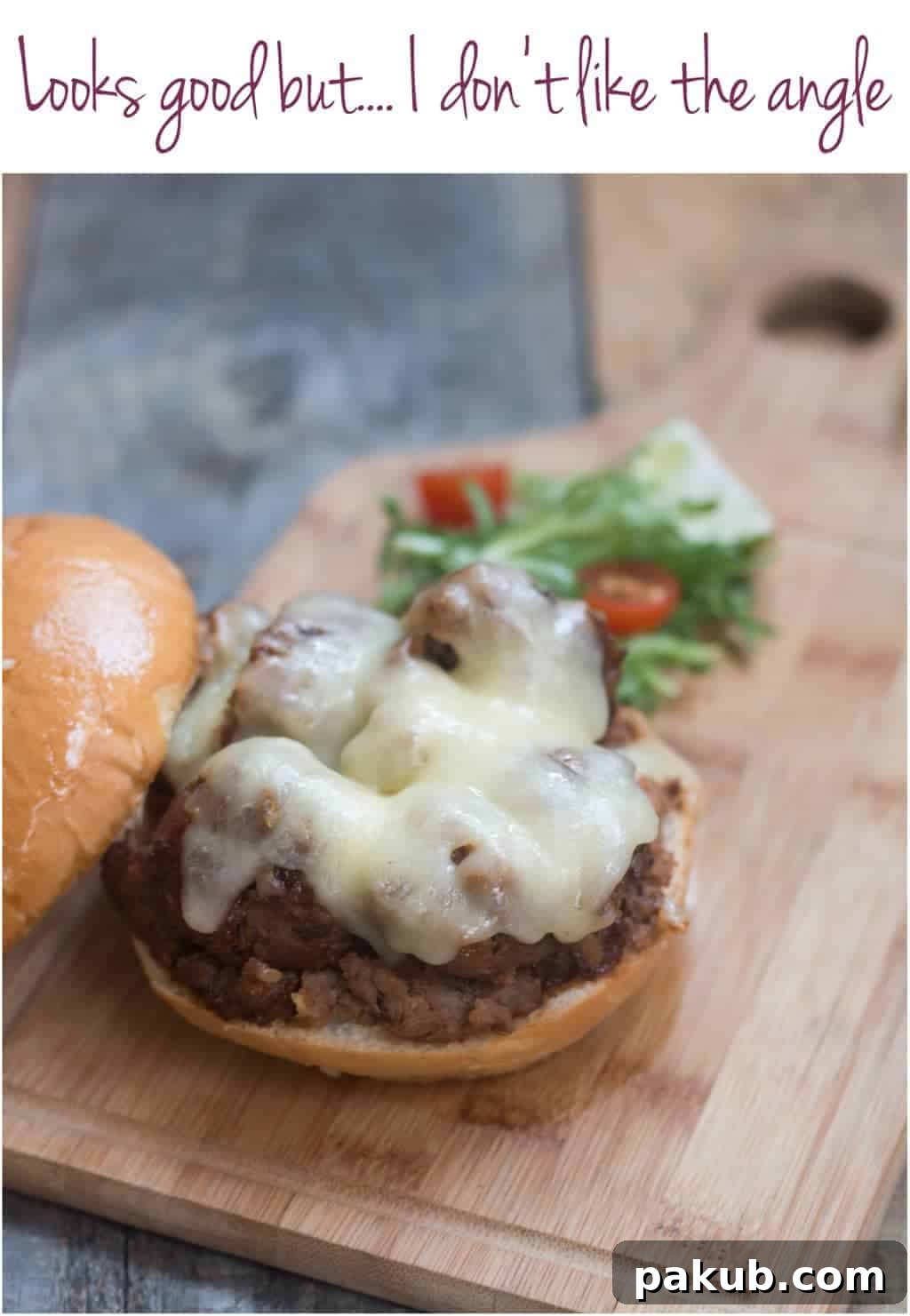
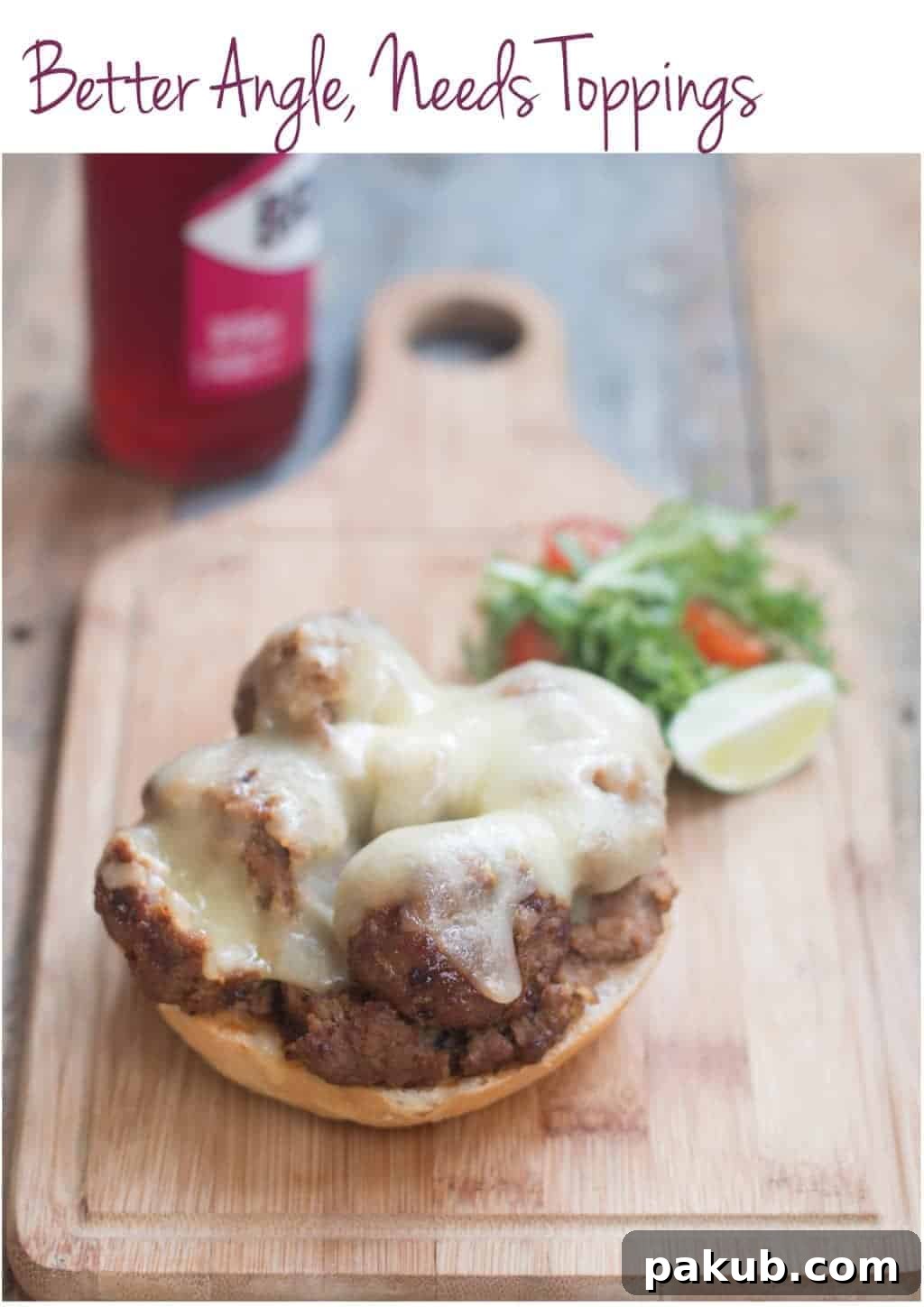
Let’s dive right into the heart of my creative process. Below, I’ve shared a series of progression shots taken during the composition of my Badass Lamb Meatball Burger with Whiskey Sauce. This burger isn’t just “badass” in name; it’s a true star, and capturing its essence required careful thought and adjustment. These images offer a glimpse into the evolution of a food photograph, from initial setup to the final, polished shot. If you haven’t checked out the recipe, I highly recommend you do!

This first shot illustrates the very beginning – placing the main subject and some core elements. At this stage, I’m thinking about the overall frame, the available light, and how the hero of the dish (the burger) sits within it. It’s rarely perfect from the start; photography is an iterative process, constantly evolving as you refine your vision.
Here, I’m starting to bring in additional props and make subtle adjustments to the angle. Are the colors harmonious? Does anything distract from the burger? I’m looking for balance and flow, ensuring that every element contributes to the visual story without overwhelming it. Each prop is chosen with a purpose, to enhance, not detract.
Further refinements are made in this stage. Perhaps a condiment needs to be closer, or a napkin adjusted. This is where I start considering negative space – the empty areas around the subject that allow it to breathe and stand out. Too much clutter can make a photo feel busy, overwhelming, and ultimately unappetizing.
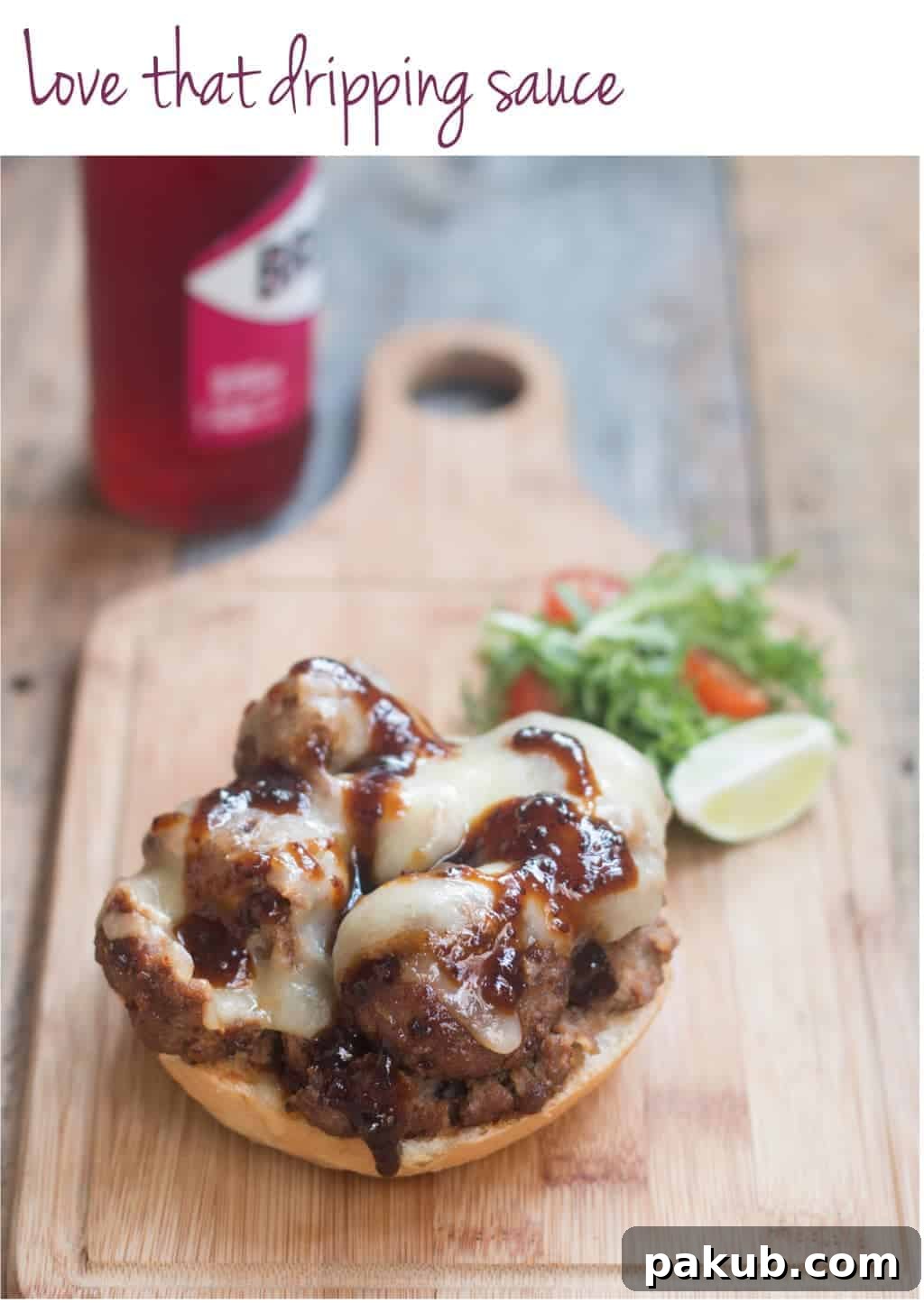
Details matter immensely. In this shot, I’m likely adding garnishes or last-minute touches that enhance the freshness and appeal of the burger. Think about herbs, a sprinkle of seasoning, or a drizzle of sauce – these small additions can make a huge difference in texture, color, and overall visual interest, transforming a simple dish into a masterpiece.
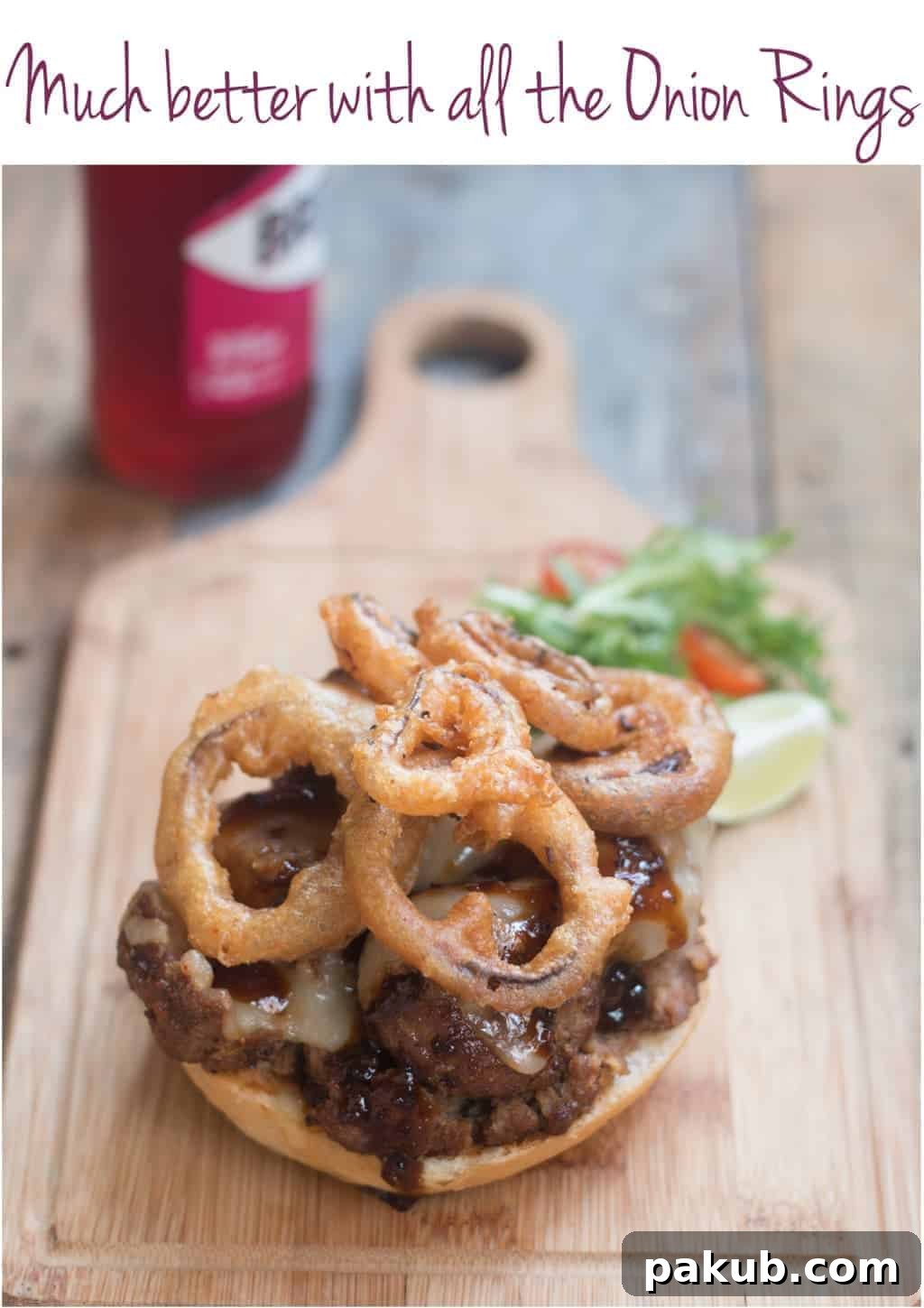
Lighting is king in food photography. Here, I’m likely assessing how the light falls on the burger and its components. Are there any harsh shadows that need softening? Is the food looking vibrant and inviting? Good lighting can transform a flat image into one with depth, dimension, and an irresistible glow.
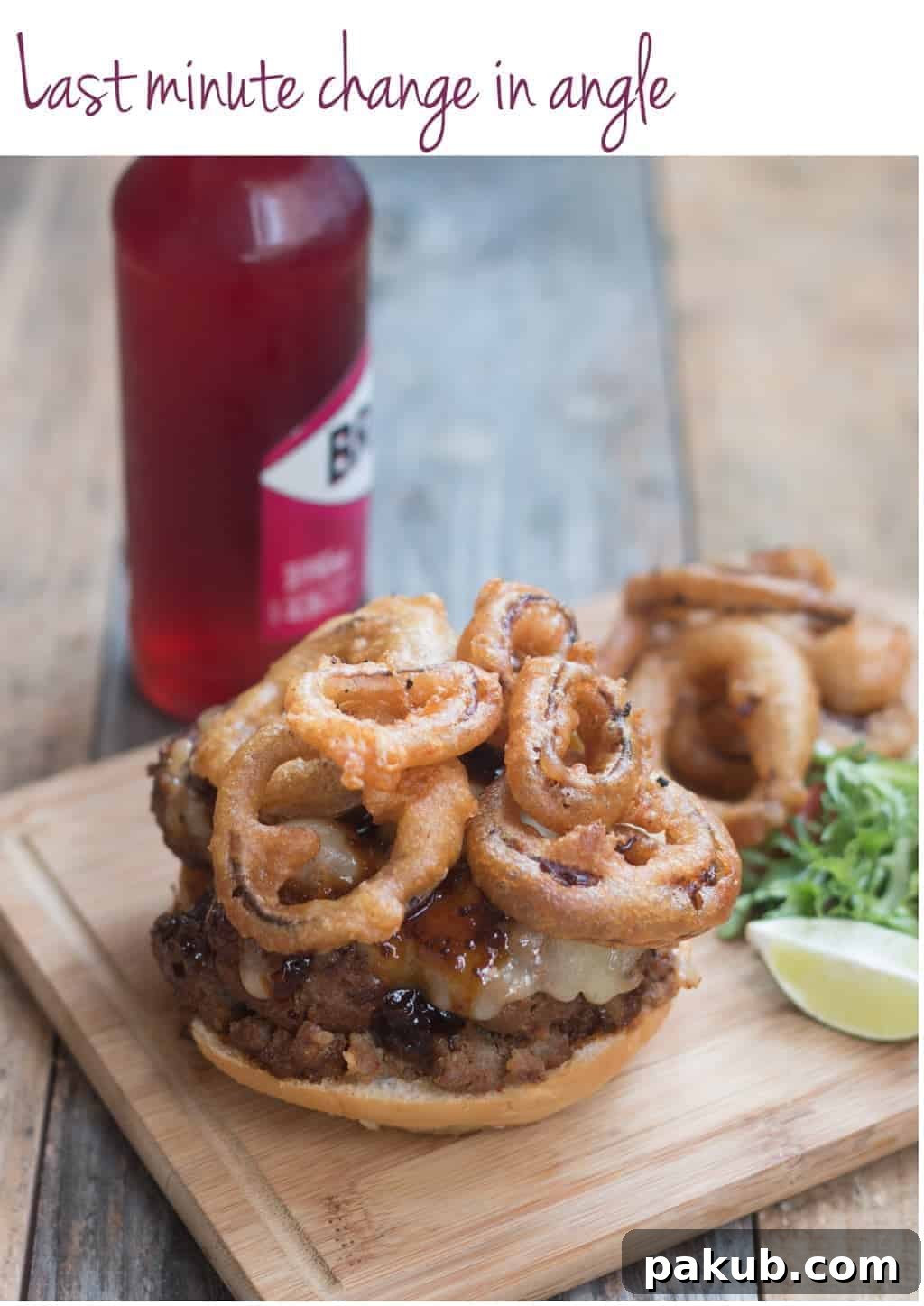
Even minor shifts in perspective can drastically alter the mood and focus of a photograph. This step involves subtle movements of the camera or the plate, searching for that sweet spot where the composition feels balanced, dynamic, and most appealing. Sometimes the perfect angle is just an inch away.
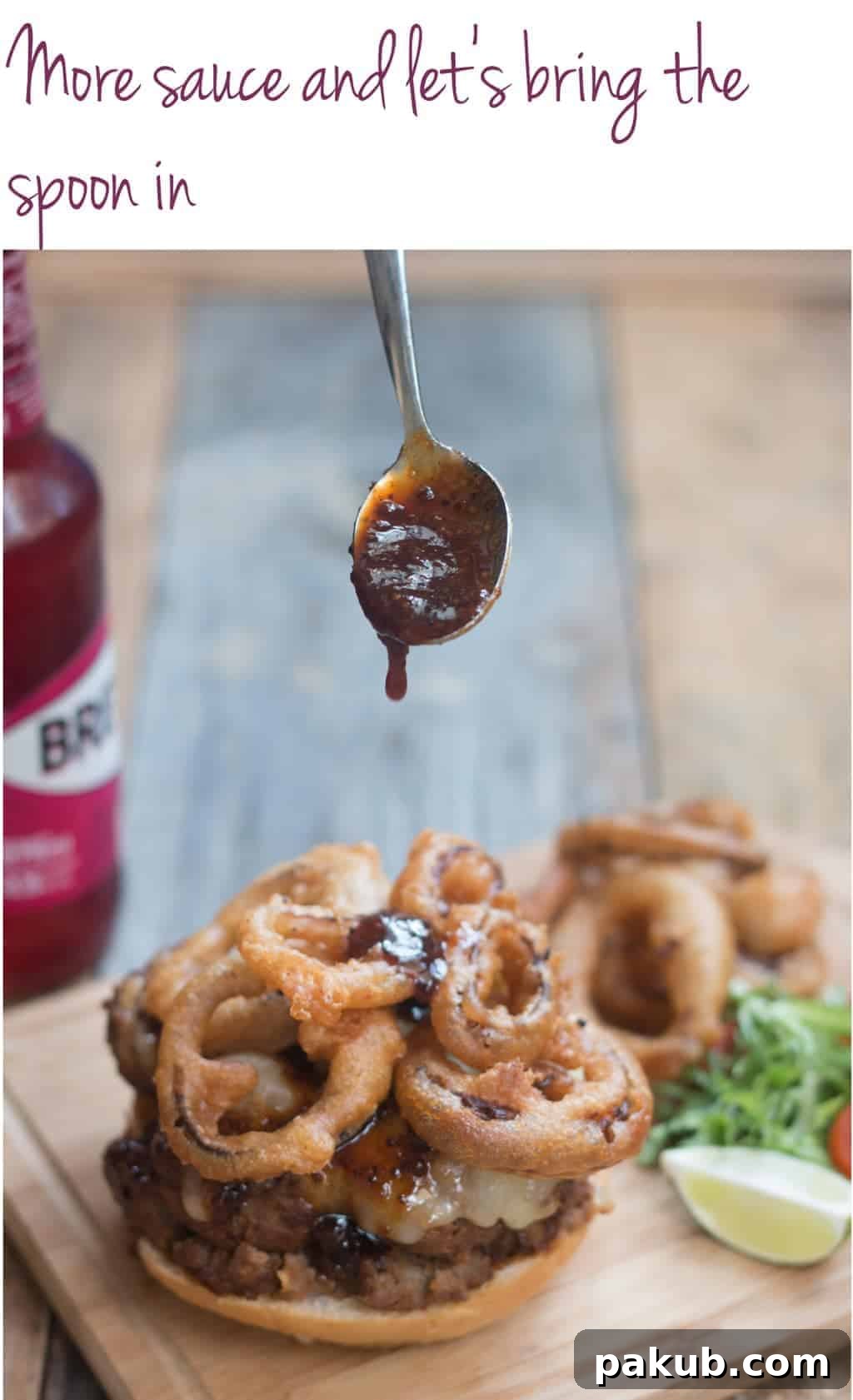
As we near the final shot, I’m making sure everything is in its perfect place. This includes checking for crumbs, smudges, or any element that might detract from the overall aesthetic. Every detail, no matter how small, contributes to the overall narrative and professionalism of the image.
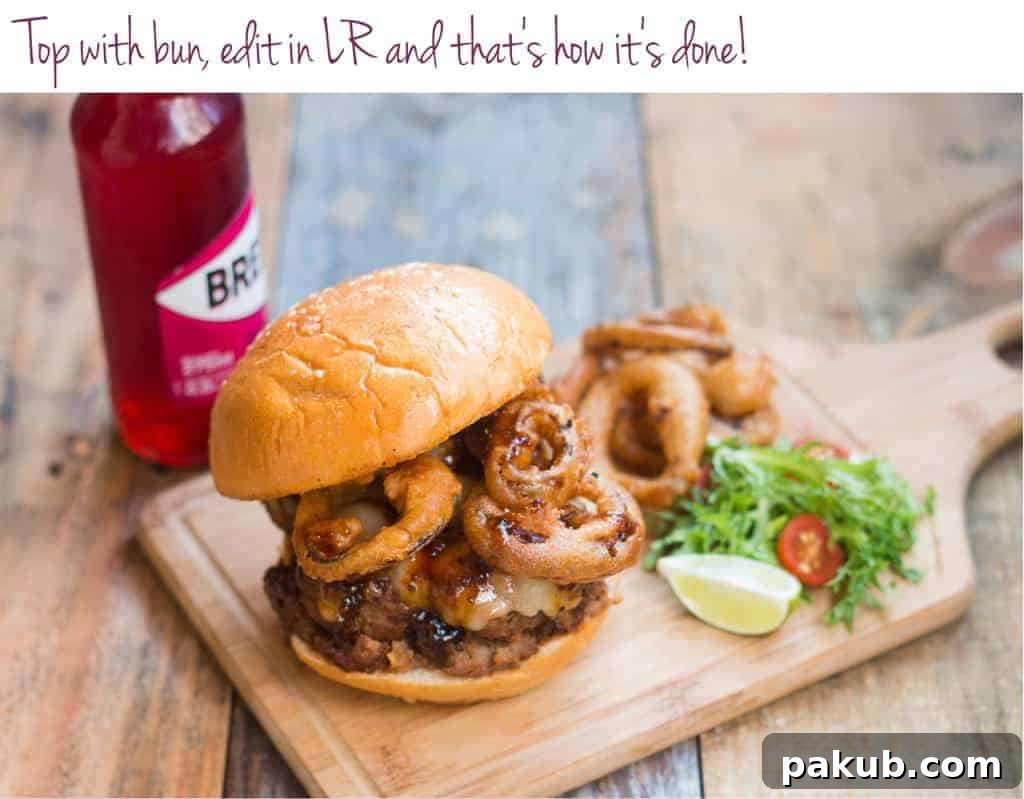
And there you have it – the culmination of the composition process. The final image should be a testament to thoughtful planning, meticulous styling, and an understanding of visual appeal. This step-by-step process, while demonstrated with a burger, applies to virtually any food item you wish to photograph beautifully.
The Foundational Principles of Captivating Food Photography Composition
Understanding the stages above is just one part of the journey. To truly excel in food photography, you need to grasp the foundational principles that guide every successful shot. It’s about more than just pointing and shooting; it’s about intentional design and creating a visual feast.
1. The Power of Light: Your Most Important Ingredient
Light is paramount in food photography. It shapes your subject, creates texture, and sets the mood. Natural light is almost always preferred, especially for beginners. Position your setup near a window, allowing soft, diffused light to illuminate your food. Avoid direct, harsh sunlight, which can create unappealing shadows and overexposed highlights that flatten your image.
- Side Lighting: Often the most flattering, side lighting enhances textures and creates pleasing shadows that add depth and dimension to your food.
- Back Lighting: Can be dramatic, making liquids glow and edges shimmer, but requires careful exposure and often a reflector to prevent the front of your food from being underexposed.
- Diffusers and Reflectors: Use simple tools like white foam boards or professional diffusers to soften harsh light or bounce light back into shadowy areas, preventing deep, unflattering shadows and ensuring even illumination.
2. Choosing Your Angle: Perspective is Key
The angle from which you shoot dramatically influences how the viewer perceives your dish. Experimentation is crucial here, as different dishes call for different perspectives. There are generally three main angles in food photography:
- The Overhead Shot (Flat Lay): Taken directly from above (90 degrees), this angle is excellent for showcasing patterns, arrangements, and multiple small dishes. It’s perfect for pizzas, charcuterie boards, bowls of soup, or elegantly displaying ingredients and cutlery in a cohesive scene.
- The 45-Degree Angle (Table-Level): This is the most natural and common angle, mimicking how we typically view our food when seated at a table. It’s incredibly versatile and works well for most dishes, especially those with some height, providing a sense of depth and realism.
- The Straight-On Shot (Eye-Level): Ideal for dishes with impressive layers or significant height, such as tall burgers, layered cakes, stacks of pancakes, or drinks. It brings the viewer right into the scene, making them feel as if they are about to take a bite or sip.
Experiment with these angles to find the one that best highlights the unique characteristics and appeal of your dish.
3. Compositional Guidelines: Structuring Your Shot Like a Pro
Beyond angles, classic compositional rules provide a robust framework for creating visually appealing and engaging images. These aren’t rigid laws, but rather helpful guides.
- The Rule of Thirds: Imagine your frame divided into nine equal sections by two horizontal and two vertical lines. Placing your main subject or key elements along these lines or at their intersections creates more dynamic and interesting compositions than simply centering everything.
- Leading Lines: Utilize elements within your frame (e.g., cutlery, lines on a plate, the edge of a table, a trail of sauce) to draw the viewer’s eye towards your main subject. This creates depth, movement, and guides the visual narrative of your photograph.
- Negative Space: Don’t be afraid of empty space! Negative space (the area around and between subjects) provides breathing room for your main subject, allowing it to stand out and preventing the image from feeling cluttered or overwhelming. It can also create a sense of calm, elegance, and sophistication.
- Depth of Field: Using a shallow depth of field (achieved with a low f-stop number) blurs the background and often the foreground, making your main subject pop with clarity. This pleasing “bokeh” effect is incredibly appealing in food photography, effectively directing the viewer’s focus precisely where you want it to be.
4. Styling & Props: Telling Your Food Story
Props and styling elements are crucial for adding context, texture, and visual interest, but they should never overshadow the food itself. Think of them as supporting characters in your culinary story, enhancing the main star without stealing the spotlight.
- Backgrounds: Simple, textured backgrounds work best. Wooden boards, linen fabrics, distressed metal, or plain colored surfaces can add character and depth without distracting from the food.
- Props: Choose props that are relevant to the dish and enhance its narrative. Vintage cutlery, rustic bowls, fresh ingredients, a splash of a complementary drink, or a few scattered crumbs can add authenticity and a lived-in feel. Ensure props are proportional to your food and not too shiny or reflective.
- Garnishes: A sprinkle of fresh herbs, a dusting of powdered sugar, a zest of citrus, or a carefully placed drizzle of sauce can elevate a dish from good to gourmet. These small details add freshness, vibrant color, and enticing texture, making the food look more appealing.
- Color Palette: Consider the color scheme of your food and props. Complementary colors (those opposite each other on the color wheel, like red and green) create vibrancy and pop, while analogous colors (next to each other, like yellow and orange) provide a harmonious and soothing look.
5. The Human Element & Intentional Imperfection
Sometimes, a touch of imperfection makes a food photo more relatable, authentic, and appealing. A crumb escaping from a slice of cake, a slight drip from a sauce, or hands reaching for a dish can add a sense of realness and warmth. These elements invite the viewer to imagine themselves enjoying the meal, making the photograph more engaging and personal.
6. The Iterative Process: Shoot, Review, Adjust
As demonstrated with the burger shots, food photography is rarely a one-shot deal. Take multiple photos from different angles, with varying compositions and styling. Review your shots on a larger screen if possible to catch details you might miss on your camera’s LCD. What works well? What doesn’t? Adjust your props, lighting, and camera settings, and keep shooting until you achieve the desired result. Each shoot is a valuable learning opportunity that hones your eye and refines your technique.
Elevate Your Food Photography Journey
Mastering food photography composition is an ongoing journey of learning and experimentation. By understanding the interplay of light, angles, compositional rules, and thoughtful styling, you can transform your food visuals from ordinary snapshots into compelling works of art that truly resonate with your audience and enhance your food blog or culinary showcase.
Remember, the ultimate goal is always to make the food look as delicious and inviting as possible. Practice regularly, pay meticulous attention to the details, and don’t be afraid to develop and embrace your unique style. Your culinary creations deserve to be seen in their absolute best light!
Do you have any burning questions about food photography composition? Perhaps some unique tips or a particular thought process you employ when setting up your shots? I’d love to hear your insights and experiences in the comments below!
For those eager to delve even deeper into the world of food photography fundamentals, I highly recommend checking out this excellent resource: ‘The Beginner’s Guide to Composition in Food Photography’. It’s packed with valuable information to further enhance your skills!