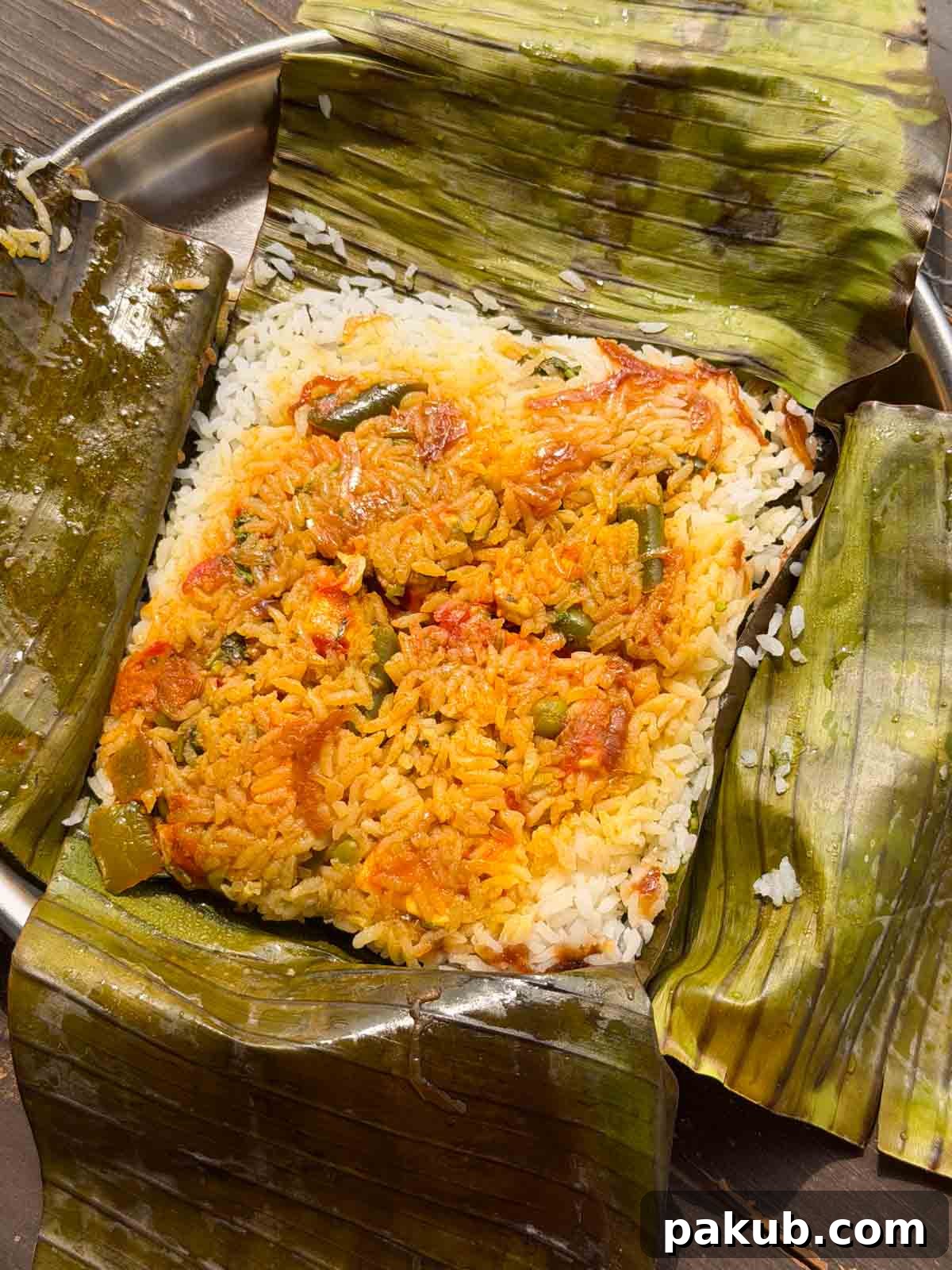
Unveiling the Aromatic Veg Potli Biryani: A Banana Leaf Steamed Delicacy
If your family loves biryani, this potli biryani is a must-try for them! It’s a layered biryani that’s wrapped in banana leaf and then steamed until done. It’s hands down the most exciting version of veg biryani I’ve ever served, promising an unforgettable culinary experience.
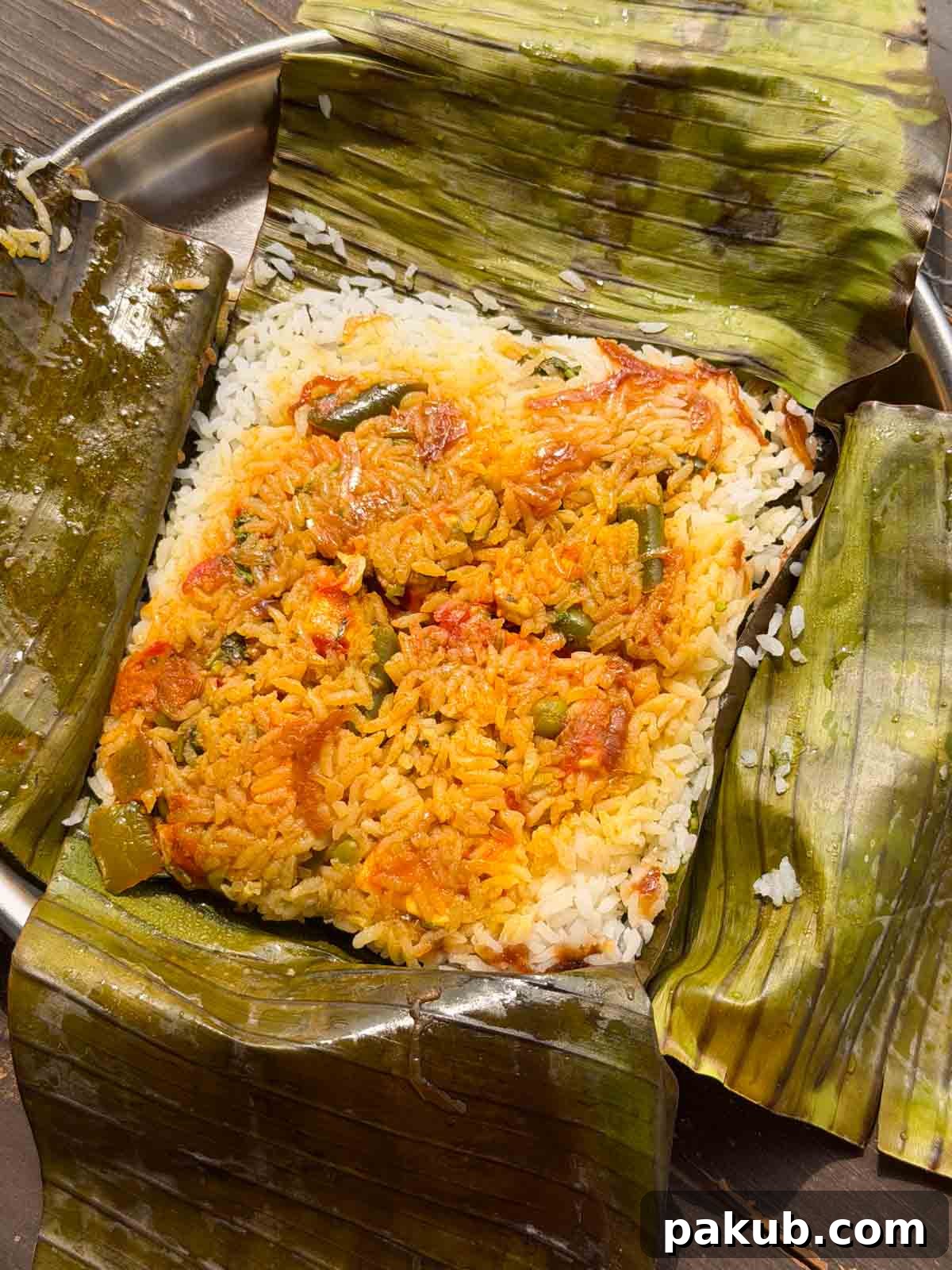
Embark on a culinary journey with Veg Potli Biryani, a sensational vegetarian interpretation of the classic Parda Biryani. While traditional Parda Biryani is typically sealed within a dough crust and slow-cooked, our innovative approach replaces the dough with vibrant banana leaves. This simple yet brilliant swap infuses the rice with a captivating smoky, earthy aroma as it steams, creating a truly distinctive and memorable dish.
For those who have savored our popular veg biryani or the heartysoya keema biryani, you already appreciate the depth of flavor and perfect texture achievable in vegetarian biryanis. This Veg Potlam Biryani elevates that familiar deliciousness by presenting it in an entirely new, exciting package. It transforms a regular meal into a special occasion, making it our go-to choice for weekend lunches when we desire something extraordinary and deeply satisfying.
Table of Contents
- What is Potli Biryani?
- The Magic of Banana Leaves in Biryani
- Ingredients for a Flavorful Potli Biryani
- Step-by-Step Guide to Make Veg Potli Biryani
- Expert Tips for a Perfect Potli Biryani
- Storage and Reheating Best Practices
- Serving Suggestions: Complement Your Biryani Feast
- The Science & Tradition: Did You Know?
- Watch Veg Potli Biryani Recipe Video
- Full Recipe Card: Veg Potli Biryani
What is Potli Biryani?
Potli Biryani is a unique and delightful variant of biryani where the meticulously layered rice and rich gravy are encased in a “potli,” or parcel, and then steamed. Traditionally, some regional variations might use a thin dough to create this parcel, earning it the name “Parda Biryani” (parda meaning curtain or veil). However, in this particular recipe, we embrace the natural goodness of banana leaves to form the potli. As the biryani steams within its leafy embrace, the banana leaves impart a distinct, subtle smoky essence and an earthy aroma that elevates the entire dish, making it far more fragrant and flavorful than conventional biryanis. This method ensures that all the aromatic spices and savory flavors are locked in, resulting in an incredibly moist and tender biryani.
The Magic of Banana Leaves in Biryani
The choice of banana leaves for this biryani is not merely aesthetic; it’s a culinary secret weapon that truly defines the dish. Beyond their ability to hold the biryani together, banana leaves bring several transformative qualities to the table:
- Imparting a Unique Aroma: As the biryani steams, the heat causes the banana leaves to release their natural oils, infusing the rice and vegetables with a delicate, smoky, and subtly sweet earthy flavor that is impossible to replicate with any other wrapping.
- Moisture Retention: The sealed banana leaf parcel acts as a natural pressure cooker, trapping steam and moisture. This ensures that the rice remains incredibly tender and fluffy, and the vegetables stay succulent, preventing them from drying out.
- Natural & Healthy: Using banana leaves eliminates the need for aluminum foil or parchment paper, offering a natural and eco-friendly alternative. Moreover, as you’ll learn in our “Did You Know?” section, these leaves possess inherent antibacterial properties, historically valued for food preservation.
- Visual Appeal & Experience: The act of unwrapping a freshly steamed potli at the dining table is an experience in itself. The vibrant green leaf contrasting with the colorful biryani layers creates a stunning presentation, building anticipation and delight for your guests.
Ingredients for a Flavorful Potli Biryani
Crafting a memorable Potli Biryani starts with selecting the right ingredients. Each component plays a vital role in building the layered flavors and exquisite texture of this dish.
- Rice: For an authentic South Indian touch, I prefer jeera samba rice, known for its small grains and distinct aroma that pairs wonderfully with biryani spices. However, long-grain basmati rice, with its elegant fragrance and ability to cook up separate and fluffy, is an excellent and widely available alternative. Ensure your rice is soaked and then cooked to precisely 80% doneness to allow it to finish cooking during the final steaming process without becoming mushy.
- Veggies: A colorful medley of vegetables adds texture, nutrition, and vibrant appeal. I use crisp green beans, sweet peas, and tender carrots, all chopped into uniform 1-inch pieces. These vegetables should be blanched separately to retain their bite and vivid color before being incorporated into the rich gravy.
- Paneer: Soft, creamy paneer cubes add a delightful protein boost and luxurious texture to the biryani. While store-bought paneer works well, I highly recommend making your own if you have an extra 15 minutes. Homemade paneer is incredibly fresh, tender, and absorbs flavors beautifully, truly elevating the dish.
- Aromatics: The foundation of any good biryani lies in its aromatics. Finely sliced onions, pungent ginger-garlic paste, and a blend of whole spices create a fragrant base. These include fragrant bay leaves, warming cinnamon sticks, earthy cloves, aromatic green cardamom pods, pungent peppercorns, and a touch of saunf (fennel seeds) for a subtle sweet anise note, all contributing to the biryani’s complex aroma.
- Spice Powders: To build depth and warmth, we use a selection of ground spices. Coriander powder adds a citrusy, earthy undertone, turmeric powder provides a golden hue and mild bitterness, Kashmiri chili powder offers a vibrant red color without excessive heat, and a good quality biryani masala blends various spices for that signature biryani flavor.
- Tomatoes & Curds: Sliced ripe tomatoes contribute tanginess and a rich base to the gravy, while whisked curds (yogurt) add creaminess, a slight sourness, and help to tenderize the vegetables and spices, creating a luscious, well-balanced masala.
- Banana Leaves: The star of our potli! Cut into convenient strips, these leaves are carefully softened over a flame to make them pliable for wrapping the biryani. They are essential for imparting the unique smoky aroma and keeping the biryani moist during steaming.
- For Layering: The final touches that make biryani truly special. Birista (crisp golden fried onions) provides a sweet crunch, freshly chopped mint and coriander leaves offer bursts of freshness, saffron strands soaked in warm milk contribute a delicate fragrance and beautiful color, and a drizzle of ghee (clarified butter) adds richness and a luxurious sheen.
- Oil: A neutral-flavored oil, such as sunflower oil, is used for sautéing the aromatics and preparing the gravy, allowing the natural flavors of the spices and vegetables to shine.
- Lemon Wedge: A secret weapon for perfectly separated rice grains! Adding a lemon wedge or a squeeze of lemon juice to the boiling rice water helps keep the grains distinct and non-sticky.
Step-by-Step Guide to Make Veg Potli Biryani
Follow these detailed instructions to create an exquisite Veg Potli Biryani that will impress everyone.
For the Rice:
- Prepare the Rice: Begin by washing 1½ cups of jeera samba rice (or basmati rice) thoroughly until the water runs clear. Soak the rice in fresh water for at least 30 minutes. This helps the grains cook evenly.
- Boil the Rice: In a large pot, bring 6 cups of water to a rolling boil. Add 2 teaspoons of salt, 2 whole cloves, 1 green cardamom, ½ inch piece of cinnamon (dalchini), 1 small bay leaf, and the juice and wedge of ½ a lemon.
- Cook to 80% Doneness: Drain the soaked rice and add it to the boiling water. Bring it back to a boil, then reduce heat to medium and cook for 7-8 minutes. The goal is to cook the rice until it is 80% done – the grains should be tender but still have a slight bite, not fully soft or mushy.
- Drain and Set Aside: Immediately drain the rice using a colander to stop the cooking process. Gently fluff with a fork and set aside to cool slightly. The lemon ensures the grains remain separate.
Blanching the Veggies:
- Prepare Water: In a separate pot, heat 2 cups of water with ¼ teaspoon of salt until it boils.
- Blanch Vegetables: Add 1 cup of chopped beans (14-15 pieces), ¼ cup of peas, and ½ cup of chopped carrots to the boiling water. Cook for precisely 2 minutes on low heat. The vegetables should become tender but still retain a slight crispness and their vibrant color; avoid overcooking them.
- Drain and Cool: Promptly drain the blanched vegetables and set them aside. You can plunge them into ice water to stop cooking if desired, though immediate draining is usually sufficient.
For the Gravy:
- Sauté Whole Spices: Heat 1 tablespoon of sunflower or neutral-flavored oil in a pan or kadai over medium heat. Add 1 bay leaf, 1 inch cinnamon, 2 whole cloves, 1 green cardamom, 4 peppercorns, and ¼ teaspoon saunf (fennel seeds). Sauté for a few seconds until the spices become fragrant.
- Fry Onions: Add 1 cup of thinly sliced onions and fry on low heat for 5-6 minutes, stirring occasionally, until they turn golden brown.
- Add Ginger-Garlic Paste: Stir in 2 teaspoons of ginger-garlic paste and fry for another few seconds until its raw aroma disappears and it becomes fragrant.
- Cook Tomatoes and Spice Powders: Add 1 cup of sliced tomatoes, 1 teaspoon coriander powder, ½ teaspoon turmeric powder, 2 teaspoons Kashmiri chili powder, ¼ teaspoon of the divided salt, and 2 teaspoons of Shan biryani masala. Pour in ¼ cup of water. Mix well, cover the pan, and cook for 3-4 minutes until the tomatoes soften and blend into the spices.
- Incorporate Curds: Stir in ¼ cup of whisked curds (yogurt). Mix thoroughly, cover, and cook for another 2-3 minutes until the oil separates from the masala, indicating it’s well-cooked.
- Add Vegetables and Paneer: Gently fold in the blanched beans, peas, and carrots. If using, add ½ cup of paneer cubes. Stir in ½ teaspoon each of freshly chopped coriander and mint leaves. Cook covered for 1-2 minutes, allowing the vegetables to absorb the rich flavors of the masala.
- Remove from Heat: Take the pan off the heat. The biryani gravy (masala) is now ready.
Making the Potli Biryani Parcels:
- Soften Banana Leaves: Take 2 banana leaves, cut into 4 strips each. Hold each strip carefully over a low gas flame for just a fraction of a second on each side. The leaves will slightly change color and become pliable. This step is crucial to prevent the leaves from cracking when you fold them.
- Layer the Biryani: Place two softened banana leaf strips on top of each other in a criss-cross pattern. This creates a sturdy base for the parcel.
- First Rice Layer: Spoon a generous layer of the cooked rice onto the center of the banana leaves.
- Gravy and Garnishes: Next, add a layer of the prepared vegetable and paneer gravy over the rice. Sprinkle with some birista (golden fried onions), finely chopped coriander, and mint leaves.
- Second Rice Layer: Top with another layer of cooked rice.
- Final Touches: Drizzle a pinch of saffron soaked in 2 tablespoons of warm milk over the top. Add more birista, coriander, and mint leaves for garnish.
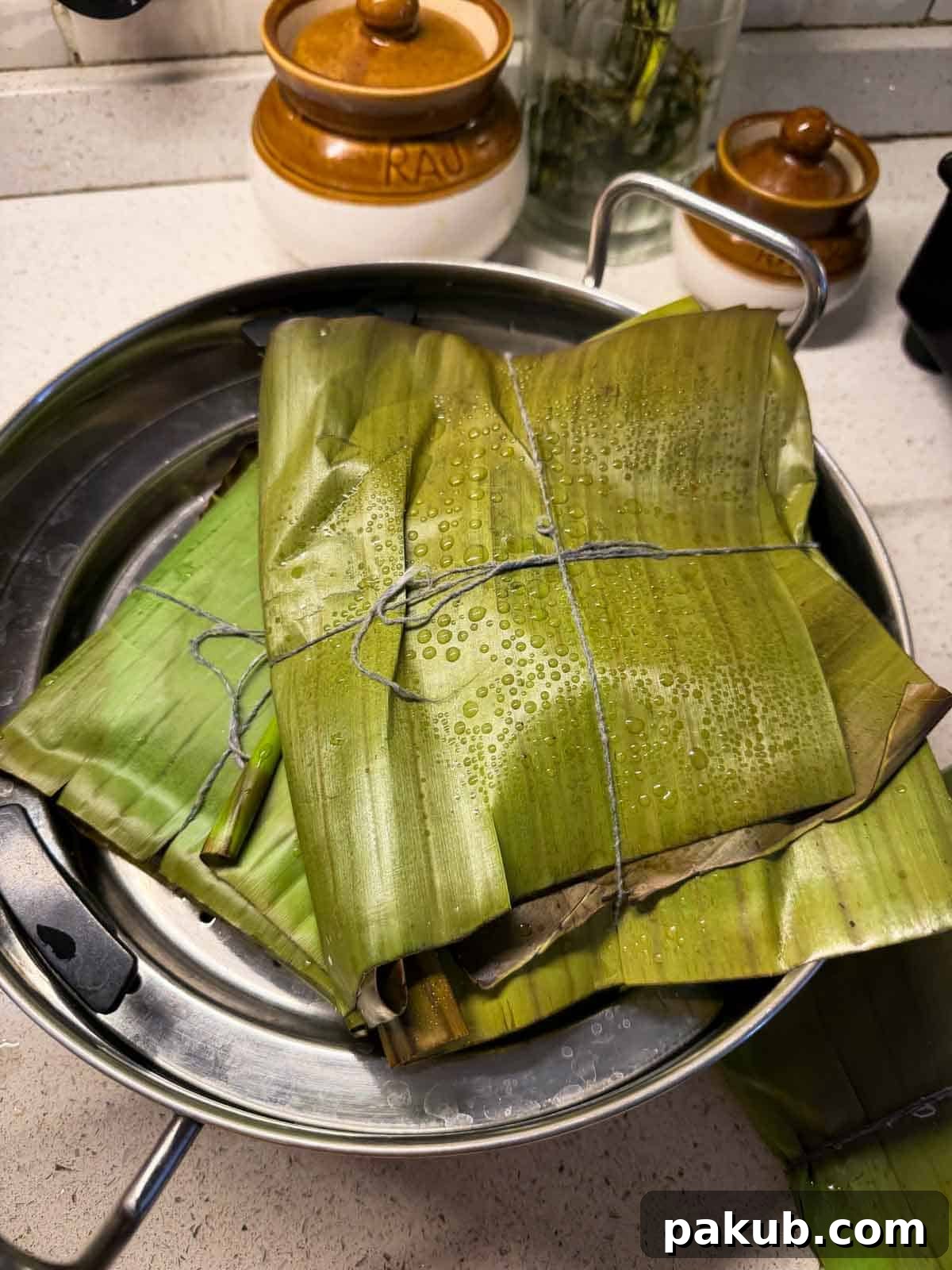
- Seal the Potli: Carefully gather the edges of the banana leaves upwards to form a tight parcel. Twist the top to seal and secure it firmly with a kitchen thread or string. Ensure the parcel is well-sealed to trap all the steam and aromas.
- Steam the Biryani: Place the prepared potli parcel(s) into a hot steamer. Steam for approximately 10-12 minutes. This final steaming allows all the flavors to meld beautifully and the rice to finish cooking, absorbing the aromatic essence of the banana leaves.
- Serve Hot: Carefully remove the potli from the steamer. Serve the biryani hot, allowing each diner the joy of unwrapping their own aromatic parcel at the table.
Expert Tips for a Perfect Potli Biryani
Achieving the perfect Potli Biryani requires a few key techniques. Here are Richa’s top tips to ensure your biryani turns out flawlessly every time:
- Softening the Banana Leaves is Essential: Never skip this step! Gently waving the banana leaf strips over a low flame for just a second or two on each side is crucial. This makes the leaves pliable and flexible, preventing them from cracking or tearing when you fold them into a parcel. Without proper softening, your potli simply won’t hold together.
- Blanch Veggies for Optimal Texture: Blanching your vegetables separately before adding them to the gravy gives you precise control over their doneness. You want them tender yet still possessing a slight bite, not overcooked or mushy. Two minutes in salted boiling water is usually sufficient to achieve this perfect crisp-tender consistency.
- Cook Rice to 80% Perfection: This is a golden rule for biryani! The rice will continue to cook and absorb flavors during the final steaming inside the potli. If you fully cook the rice beforehand, you risk it becoming soft, sticky, and losing its distinct grain texture. Aim for grains that are cooked but still firm in the center.
- Layer, Don’t Mix: The hallmark of a true biryani lies in its beautiful, distinct layers. When assembling your potli, ensure you layer the rice, gravy, birista, fresh herbs, and saffron milk separately. Each spoonful should offer a delightful variation in texture and flavor, a true testament to the art of biryani layering. Mixing the components before steaming diminishes this unique experience.
- Quality of Ingredients Matters: Use fresh, high-quality spices and vegetables. This will significantly impact the overall flavor profile of your biryani. Freshly ground ginger-garlic paste and homemade paneer, if possible, make a noticeable difference.
- Taste and Adjust Seasoning: Always taste your gravy before layering. Adjust salt and spices as needed. Remember, the flavors will meld and intensify during steaming, so a slightly robust gravy is desirable.
Storage and Reheating Best Practices
Proper storage and reheating ensure your delicious Potli Biryani can be enjoyed beyond the initial meal.
- In the Fridge: Leftover biryani (unwrapped from the banana leaves) can be stored in an airtight container in the refrigerator for up to 2 days. In fact, many people find that the flavors deepen and meld overnight, making the biryani even more delicious the next day.
- Freezing: I generally wouldn’t recommend freezing the assembled potli. The banana leaves tend to become flimsy and lose their integrity once thawed, and the rice can turn mushy, compromising the texture of the dish. However, you can freeze the biryani gravy separately in an airtight container for up to two weeks. When you’re ready to enjoy, simply thaw the gravy, cook fresh rice, and assemble your potli for a quick, flavorful meal.
- Reheating Tip: To bring your leftover biryani back to its aromatic best, avoid microwaving directly. Instead, wrap the biryani in a fresh banana leaf (if available) or aluminum foil and steam it for 5-6 minutes. This method gently warms the biryani through, restoring its moisture and revitalizing the aromatic notes much more effectively than dry heat methods.
Serving Suggestions: Complement Your Biryani Feast
While Potli Biryani is a complete and satisfying meal on its own, pairing it with a few simple sides can elevate the dining experience, adding contrasting textures and flavors.
- With Onion Raita: The cool, creamy texture of yogurt combined with the crisp bite of raw onions offers a refreshing counterpoint to the rich, spiced biryani. The raita provides a welcome balance, cleansing the palate with every spoonful.
- With Boondi Raita: For those who appreciate a textural element with their raita, Boondi Raita is an excellent choice. The tiny, crispy fried chickpea flour balls (boondi) submerged in cool, spiced yogurt add a delightful crunch that perfectly complements the soft biryani rice.
- With Smoked Baingan Salad: If you’re hosting guests and want to take your spread to another level, a smoky, creamy Baingan (eggplant) Salad is an ideal accompaniment. Its depth of flavor and unique smoky notes harmonize beautifully with the biryani, creating a truly gourmet experience.
- With Chaas: A chilled glass of spiced buttermilk (Chaas) alongside a warm, aromatic Potli Biryani is a classic and incredibly satisfying combination. The tanginess and cooling properties of chaas aid digestion and refresh the palate, making it a perfect beverage for a rich Indian meal.
The Science & Tradition: Did You Know?
Beyond their culinary appeal, banana leaves hold fascinating historical and scientific significance. Banana leaves are naturally antibacterial, a property rooted in their rich composition of polyphenols, including epigallocatechin gallate (EGCG) – the very same powerful antioxidant found in green tea. For centuries, especially in tropical regions where refrigeration was non-existent, these leaves were not just a convenient natural plate but also a practical solution for food preservation.
Historically, communities across South India and Southeast Asia utilized banana leaves to wrap, serve, and even store food. This practice helped keep food fresh longer in warm, humid climates, thanks to the antimicrobial compounds present in the leaves. This traditional wisdom is why banana leaf meals remain a revered and preferred way to serve food at weddings, festivals, and special gatherings throughout South India, celebrating not just the flavors but also the inherent benefits and cultural heritage associated with them. By choosing banana leaves for your Potli Biryani, you are not only enhancing its flavor but also connecting with a rich, ancient culinary tradition.
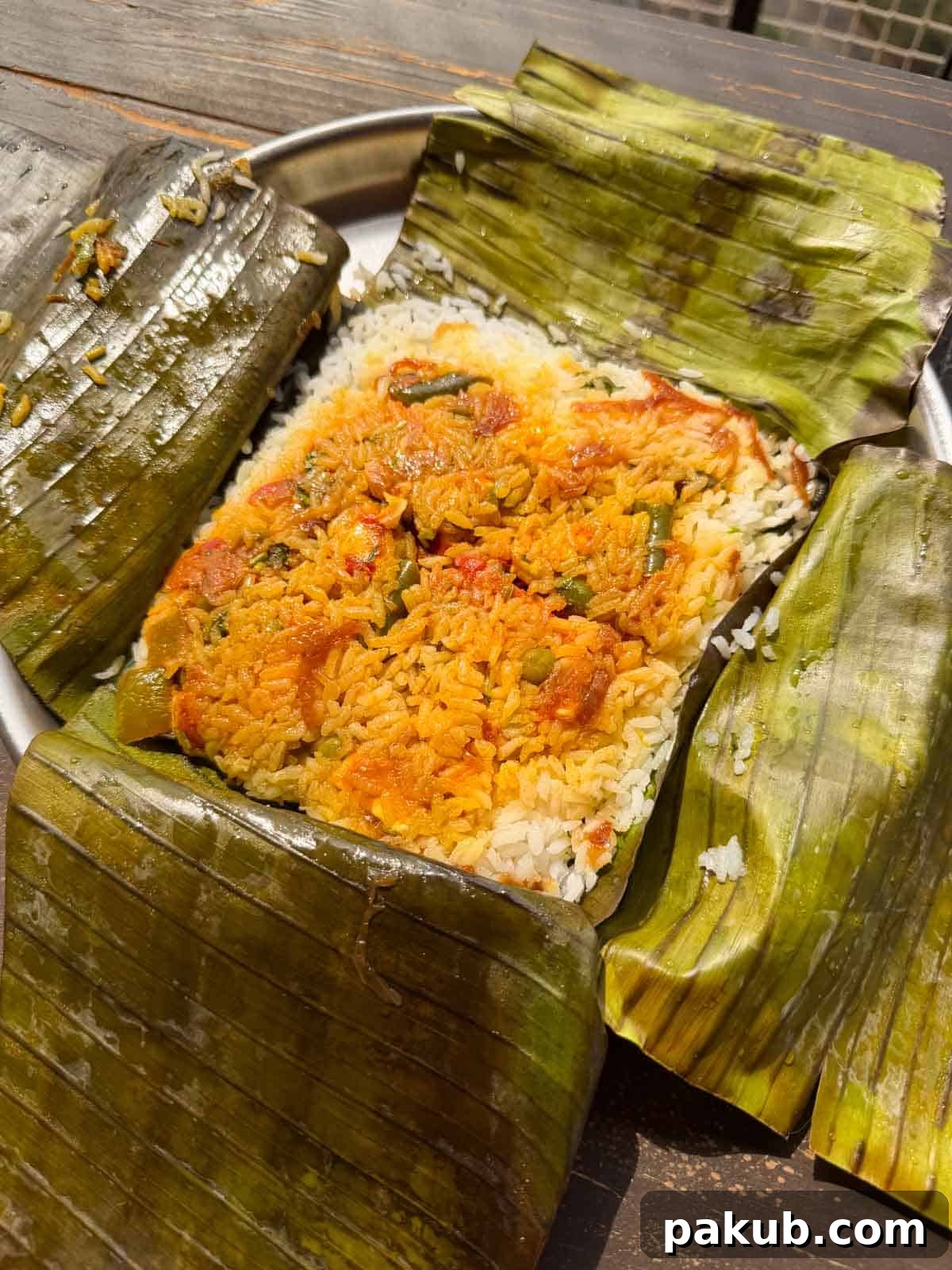
If you’ve grown accustomed to preparing biryani the same way time and again, this Potli Biryani offers a refreshing and exciting departure. I wholeheartedly promise you, the moment you carefully unwrap that fragrant banana leaf at the dining table, and the rich, smoky aroma wafts through the room, you will instantly understand why this version is truly extraordinary. It’s more than just a meal; it’s an experience, a delightful sensory adventure that combines tradition with innovative presentation. I encourage you to try this unique recipe and witness the magic firsthand. If you do make it, please share your beautiful pictures with me on Instagram @my_foodstory. I absolutely adore seeing your culinary creations at home!
Watch Veg Potli Biryani Recipe Video
Full Recipe Card: Veg Potli Biryani | Veg Potlam Biryani
By: Richa
Wrapped in a banana leaf and steamed until done, this veg potli biryani is the vegetarian version of parda biryani. It’s layered, flavorful, and one of the best veg biryani recipes ever!
Prep time: 5 mins
Cook time: 35 mins
Total time: 40 mins
Servings: 2 persons
Ingredients
For gravy
- 1 tablespoon sunflower or any neutral flavoured oil
- 1 bay leaf
- 1 inch cinnamon
- 2 cloves whole
- 1 green cardamom
- 4 pepper corns
- ¼ teaspoon saunf (fennel seeds)
- 1 cup thinly sliced onions
- 2 teaspoons ginger garlic paste
- 14-15 beans, chopped into 1 inch pieces (approx. 1 cup)
- ¼ cup peas
- ½ cup carrots, chopped into 1 inch pieces
- ½ cup paneer cubes, optional
- 1 cup sliced tomatoes
- 1 teaspoon coriander powder
- ½ teaspoon turmeric powder
- 2 teaspoons kashmiri chilli powder
- 2 teaspoons shan biryani masala
- ½ teaspoon salt, divided
- ¼ cup curds, whisked
- 2 ½ cups water, divided
For Rice
- 1 ½ cups jeera rice, raw (can substitute with basmati rice)
- 6 cups water
- 2 teaspoons salt
- 2 cloves
- 1 cardamom
- ½ inch dalchini (cinnamon)
- 1 small bay leaf
- ½ lemon juice & wedge
For biryani layering and steaming
- 2 banana leaves, cut into 4 strips each
- 2 tablespoons birista (golden fried onions)
- 1 tablespoon finely chopped mint leaves
- 1 tablespoon finely chopped coriander leaves
- A pinch of saffron soaked in 2 tablespoons of warm milk
- 1 tablespoon ghee
Instructions
For Rice
- Heat water in a pot, add salt, whole spices (cloves, cardamom, dalchini, bay leaf), lemon juice and wedge, and bring to a rolling boil on high heat.
- Drain the soaked jeera rice and add to the boiling water. Bring it back to a boil, then cook on medium heat for 7-8 minutes, just until the rice is cooked 80%. The grains should be tender but still have a slight bite.
- Drain the rice immediately and set aside.
Blanching Veggies
- Heat 2 cups of water with ¼ teaspoon of salt in a small pot.
- Add chopped beans, peas, and carrots. Cook for 2 minutes on low heat until they are tender but not mushy.
- Drain immediately and set aside.
For Gravy
- Heat 1 tablespoon of oil in a pan or kadai. Add whole spices (bay leaf, cinnamon, cloves, green cardamom, peppercorns, saunf) and sauté for a few seconds until fragrant.
- Add thinly sliced onions and fry for 5-6 minutes on low heat until they turn golden.
- Stir in ginger garlic paste and fry for a few seconds until fragrant.
- Add sliced tomatoes, spice powders (coriander, turmeric, kashmiri chilli), the remaining ¼ teaspoon of salt, and biryani masala. Add ¼ cup of water. Cook covered for 3-4 minutes until the tomatoes are soft and well-incorporated.
- Add whisked curds and cook covered for 2-3 minutes until the oil starts to separate from the masala.
- Gently stir in the blanched veggies and paneer cubes (if using). Add ½ teaspoon each of finely chopped coriander and mint leaves. Mix well and cook covered for 1-2 minutes to allow the vegetables to absorb the flavors.
- Remove from heat.
Making Potli Biryani Parcels
- Hold each banana leaf strip over a low gas flame for a fraction of a second, just until it softens and becomes pliable enough to fold without cracking.
- Lay 2 banana leaf strips on top of each other in a criss-cross manner on a clean surface.
- Add a layer of the 80% cooked rice to the center of the leaves.
- Spoon a layer of the prepared gravy over the rice. Sprinkle with birista, chopped coriander, and mint leaves.
- Add another layer of cooked rice on top.
- Drizzle with the saffron-infused milk, and garnish with more birista, coriander, and mint leaves.
- Carefully gather the edges of the banana leaves to form a tight parcel (potli) and secure it with kitchen thread.
- Place the parcel(s) in a hot steamer and steam for about 10-12 minutes.
- Serve hot, allowing each guest to unwrap their individual, aromatic biryani potli.
Notes
- Jeera samba rice is used for its authentic taste, but it can be replaced with good quality basmati rice for a similar aromatic experience.
Nutrition (per serving, estimated)
Calories: 959kcal, Carbohydrates: 140g, Protein: 24g, Fat: 34g, Saturated Fat: 16g, Polyunsaturated Fat: 1g, Monounsaturated Fat: 9g, Cholesterol: 64mg, Sodium: 3145mg, Potassium: 850mg, Fiber: 10g, Sugar: 11g, Vitamin A: 7130IU, Vitamin C: 35mg, Calcium: 475mg, Iron: 4mg
This article was researched and written by Harita Odedra.