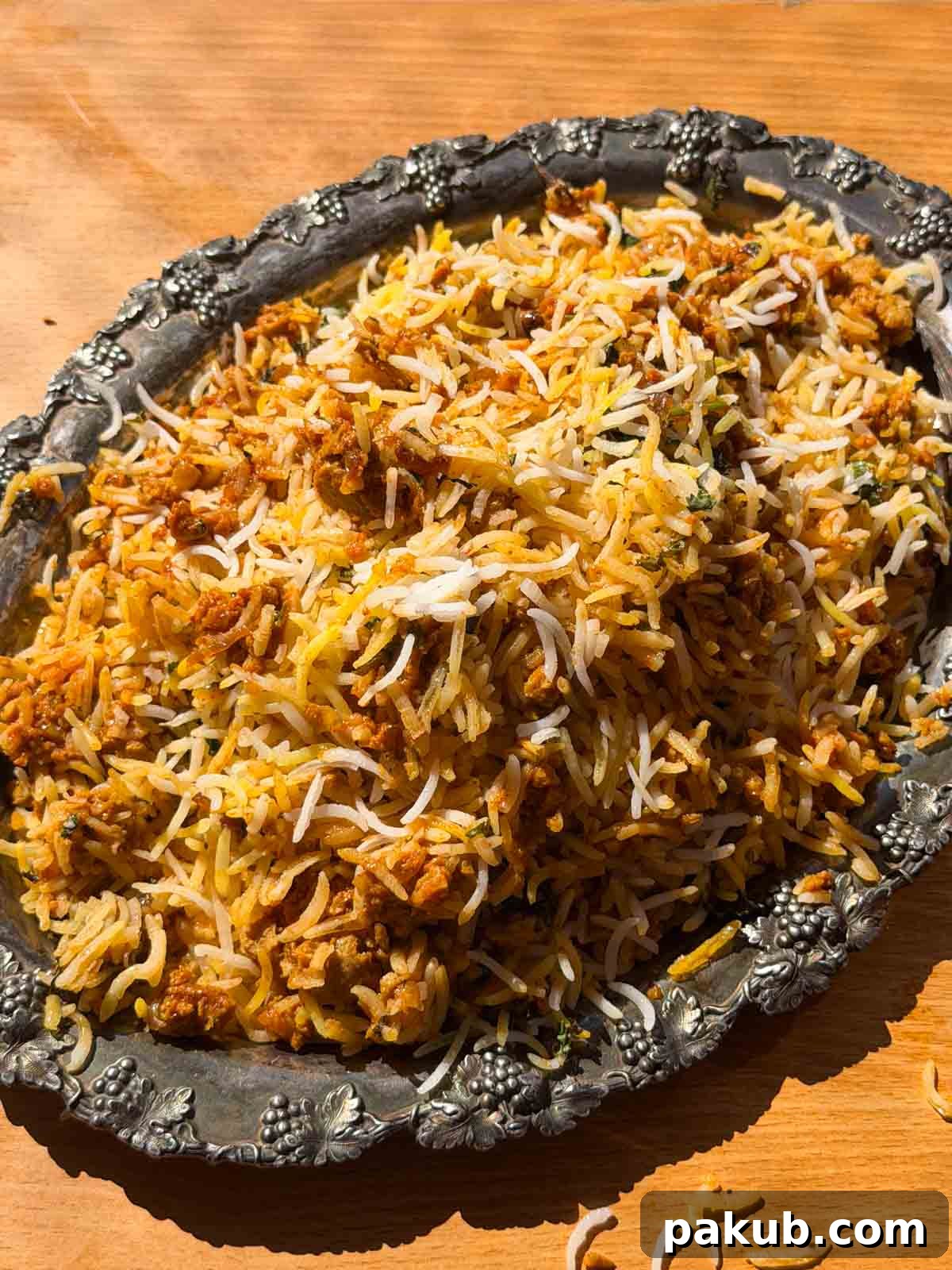
The Ultimate High-Protein Veg Soya Keema Biryani: A Flavorful Vegetarian Masterpiece
Prepare to be amazed! This Veg Soya Keema Biryani is a rich, beautifully layered dish, bursting with authentic Indian flavors and offering a satisfying high-protein kick, all while being 100% vegetarian. If you’ve ever doubted the existence of a truly spectacular vegetarian biryani, this recipe is about to change your mind forever. Get ready to experience biryani like never before!
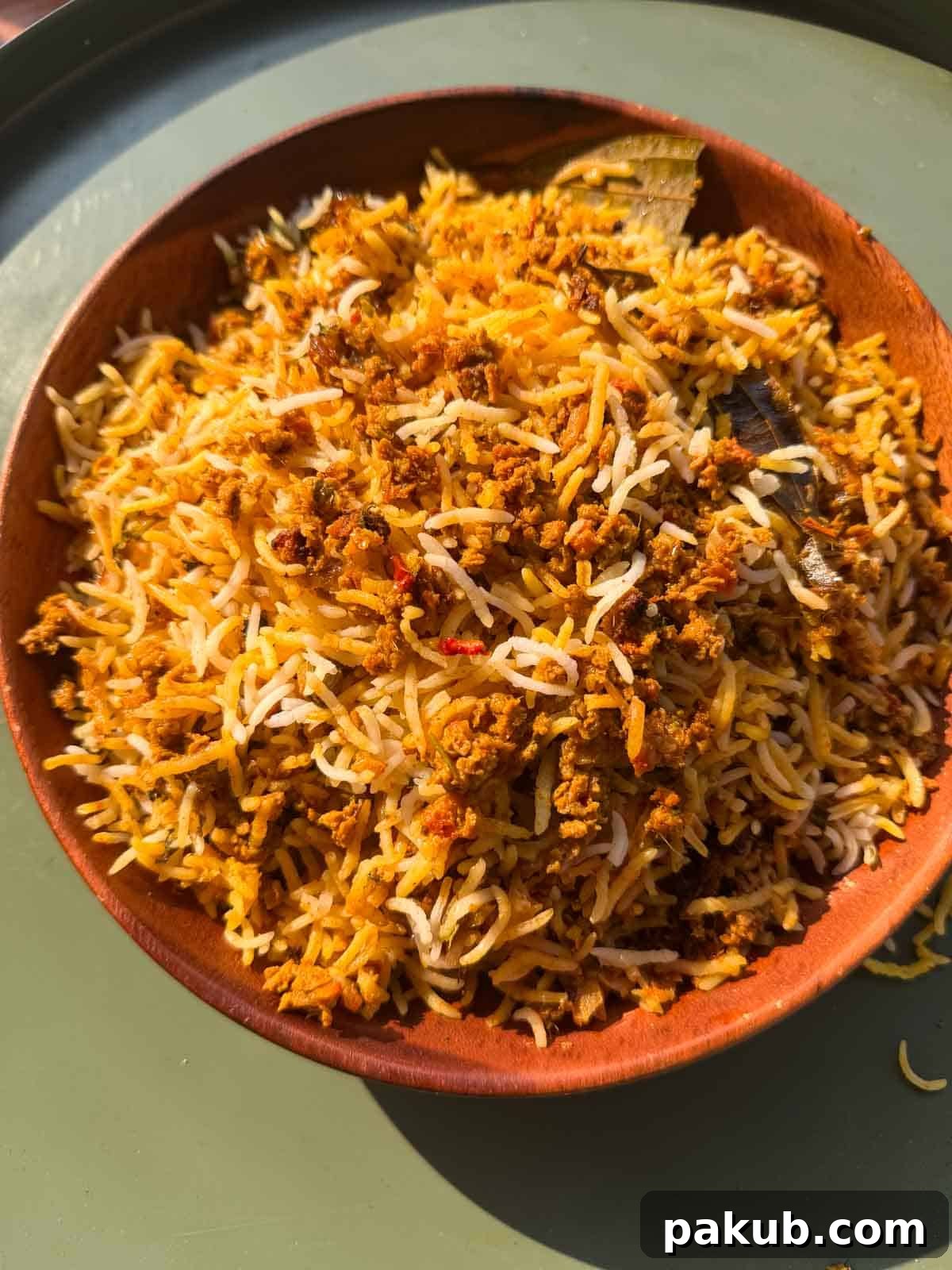
Beyond Expectations: Crafting the Perfect Vegetarian Biryani
For a long time, I shared a common sentiment: most vegetarian biryani recipes simply didn’t hit the mark. They often lacked the profound richness and depth of flavor that a traditional keema or mutton biryani effortlessly brings to the table. This culinary gap motivated me to embark on a mission. My goal was clear and uncompromising: to create a vegetarian biryani that not only rivaled its meaty counterparts but truly elevated the perception of plant-based Indian cuisine. This wasn’t about finding a substitute; it was about crafting an experience.
After numerous trials and meticulous adjustments, this Soya Biryani recipe emerged as an undeniable triumph! The secret lies in the soya granules. When patiently cooked down in a complex, aromatic masala, they transform, developing an astonishingly meaty texture that eagerly absorbs every nuance of spice and flavor. The result is so convincing that when I first served this to a group of friends, not a single person could discern that it wasn’t mutton! For those who have enjoyed my previous veg biryani or paneer biryani recipes, this Soya Keema Biryani is destined to become an absolute favorite and a staple in your culinary repertoire. It’s more than just a meal; it’s a testament to the incredible possibilities within vegetarian cooking.
Jump to Section: Veg Soya Keema Biryani
- Key Ingredients for Soya Keema Biryani
- Expert Tips for a Flawless Veg Soya Keema Biryani
- Frequently Asked Questions
- Storage Tips
- Serving Ideas
- The Power of Soya: Nutritional Insights for Your Plate
- Watch Veg Soya Keema Biryani Recipe Video
Key Ingredients for an Unforgettable Soya Keema Biryani
- Soya Granules: The Heart of the Dish. These incredible granules, also known as soya mince or textured vegetable protein (TVP), are the true heroes. Once properly soaked and simmered in the rich masala, they develop a remarkably meaty texture that is surprisingly close to traditional keema, making this biryani truly distinctive.
- Basmati Rice: The Foundation of Aroma. For a biryani that stands out, always opt for aged, extra long-grain basmati rice. Its inherent fragrance and ability to cook up into fluffy, distinct grains are crucial. It not only holds its shape beautifully after the dum layering process but also absorbs the biryani’s flavors without becoming mushy.
- Neutral Flavored Oil: The Flavor Carrier. A good quality neutral-flavored oil, such as sunflower or vegetable oil, is essential for sautéing and building the base of your gravy. It allows the natural flavors of the spices and aromatics to shine through without imparting its own dominant taste.
- Aromatics: The Soul of the Gravy. Finely chopped onions, fragrant ginger-garlic paste, and a kick of fresh green chili form the aromatic backbone of this biryani. These ingredients are sautéed to perfection, creating a deep, savory foundation that is critical for the keema masala.
- Powdered Spices: Layers of Complexity. A carefully selected blend of Kashmiri chili powder (for vibrant color and mild heat), coriander powder, cumin powder, turmeric powder, garam masala, and a touch of meat masala (despite being vegetarian, this specific blend adds a profound depth of flavor) are crucial. A final sprinkle of roasted and crushed kasuri methi (dried fenugreek leaves) imparts an irresistible earthy, slightly bitter aroma that defines authentic Indian cuisine.
- Tomato Puree & Whisked Curds: The Richness Factor. These two ingredients are fundamental for creating the luxurious body and creamy texture of the gravy. Tomato puree provides a pleasant tang and depth, while smooth, whisked curds (yogurt) contribute a cooling richness that beautifully balances the spices and prevents the dish from feeling heavy.
- Whole Spices: Aromatic Infusion. A selection of whole spices – bay leaf, dalchini (cinnamon stick), cloves, green cardamom pods, and the unique stone flower (pathar ke phool) – are used in both the biryani gravy and while cooking the rice. They release their volatile oils, infusing every grain and every bit of soya with an exquisite, layered fragrance.
- For Layering: The Grand Finale. To create a truly authentic and visually stunning biryani, a few key elements are reserved for the final layering stage: crispy birista (golden-fried onions), freshly chopped mint leaves and coriander leaves for vibrant freshness, saffron strands steeped in warm milk for color and aroma, and a generous drizzle of ghee (clarified butter) to bind all the flavors and add a rich, nutty finish.
- Lemon Wedge: For Bright, Fluffy Rice. Adding a wedge of lemon to the rice while it cooks serves a dual purpose: it helps keep the individual basmati grains separate and perfectly white, ensuring a visually appealing and texturally superior biryani.
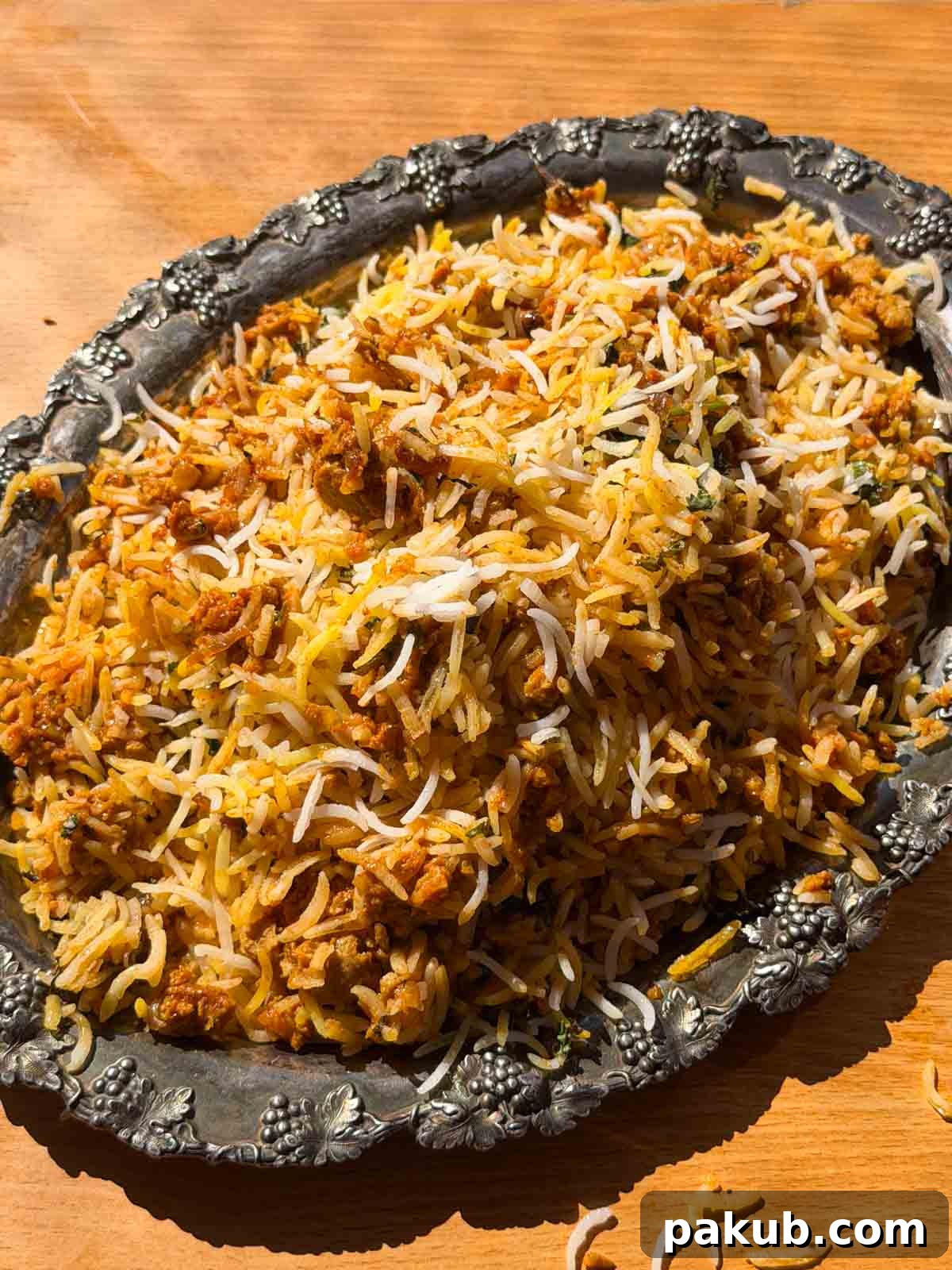
Expert Tips for a Flawless Veg Soya Keema Biryani
- Thoroughly Squeeze Soya Granules: The Moisture Secret. This is perhaps the most critical step. Soya granules are like sponges, and they retain a significant amount of water after soaking. Failing to squeeze out this excess liquid properly will result in a watery gravy that dilutes the intense flavors of your masala. Squeeze them dry for a rich, concentrated keema base.
- Cook the Gravy Until Oil Separates: The Flavor Indicator. Patience is key here. Allow your keema gravy to simmer and cook slowly until the oil visibly separates and rises to the surface. This indicates that the spices have bloomed fully, the raw flavors have cooked out, and the masala has reached its peak depth and richness. Rushing this step will compromise the biryani’s overall taste.
- Cook Rice to 70% Doneness: The Dum Perfection. Biryani rice is never cooked completely before layering. It should be about 70% cooked, still firm to the bite (al dente). The remaining cooking happens during the “dum” process (steam cooking) with the gravy. If the rice is fully cooked beforehand, it will become mushy and lose its distinct grain structure, which is a hallmark of good biryani.
- Allow Biryani to Rest Post-Dum: The Grain Integrity. Once the dum cooking is complete, resist the urge to immediately open the pot and serve. Let the biryani rest, covered, for at least half an hour. This crucial resting period allows the steam to redistribute, the flavors to meld further, and, most importantly, the delicate basmati grains to firm up. This prevents them from breaking when you gently fluff the biryani before serving.
- Use a Tawa Under the Pot for Dum: The Heat Diffuser. To ensure even cooking and prevent the bottom layer of your biryani from scorching, always place a heavy-bottomed tawa (griddle) or a thick pan under your biryani pot during the dum process. This acts as a heat diffuser, distributing the heat gently and uniformly, guaranteeing perfectly cooked biryani from top to bottom.
Frequently Asked Questions About Soya Keema Biryani
Soya keema is made from dried soya granules, which are also widely known as soya mince or textured vegetable protein (TVP). These are derived from defatted soy flour. When soaked in hot water or broth, they rehydrate and take on a soft, crumbly texture. Once cooked in a flavorful Indian masala, they remarkably mimic the texture and appearance of minced meat, making them an excellent plant-based alternative.
While soya chunks are a popular soy product, granules are highly recommended for this biryani recipe. Granules are specifically designed to replicate the fine, crumbly texture of keema, allowing them to absorb the rich masala much more effectively and blend seamlessly with the rice. Soya chunks, being larger, tend to retain a more distinct “soya” taste and do not integrate as well into the biryani’s overall texture. If granules are unavailable, you can hydrate/soak soya chunks and then pulse them in a food processor until they achieve a mince-like consistency.
Many are surprised by just how similar a well-made soya biryani can taste to a traditional keema biryani. Soya is known for its ability to absorb the flavors of whatever it’s cooked in. With the right blend of aromatic spices, slow-cooked masala, and proper layering techniques, the soya granules become infused with such deep, complex flavors that it’s genuinely difficult to distinguish it from a meat-based version. It offers a rich, savory, and incredibly satisfying culinary experience.
Biryani is a versatile dish that can be both vegetarian and non-vegetarian. Traditionally, biryani originated as a meat dish, often featuring mutton, chicken, or beef. However, over centuries, numerous delicious vegetarian versions have evolved across different regions, incorporating vegetables, paneer, and plant-based proteins like soya. When prepared with care and skill, vegetarian biryanis like this Soya Keema Biryani are just as flavorful and enjoyable as their non-vegetarian counterparts.
You can certainly use an Instant Pot for preparing the soya keema gravy, which will save you some cooking time. However, for the crucial layering and “dum” (slow steam cooking) process that gives biryani its signature fluffy rice and melded flavors, a traditional heavy-bottomed pot on the stove or over a tawa typically yields superior results. The controlled, gentle heat of the dum process is essential for perfect rice texture and flavor infusion, which can be harder to achieve consistently in an Instant Pot for biryani.
Storage and Reheating: Enjoying Your Biryani Later
- In the Fridge: Any leftover Soya Keema Biryani can be stored in an airtight container in the refrigerator for up to 2-3 days. Please note that the rice grains will naturally firm up slightly as they cool, which is normal.
- Freezing: Freezing biryani, especially rice-based dishes, is generally not recommended. The delicate texture of the basmati rice can be compromised upon thawing and reheating, often becoming mushy. Soya granules can also tend to become a bit chewier after being frozen and thawed, impacting the overall quality of the dish.
- Reheating Tip: To reheat, gently warm the biryani on the stovetop over low heat or in the microwave. For best results and to prevent the rice from drying out, add a small splash of water or a drizzle of ghee, and ensure the biryani is covered while reheating. This helps to re-steam the rice and keep the layers moist and flavorful.
Perfect Pairings: What to Serve with Your Soya Keema Biryani
This Soya Keema Biryani is a star on its own, but serving it with a few cooling raita sides can elevate your meal, especially for a relaxed weekend lunch or when entertaining guests. The refreshing contrast of yogurt-based accompaniments beautifully cuts through the biryani’s rich spices:
- With Onion Raita: A timeless classic, this pairing offers a delightful textural contrast. The crispness of raw onions and the refreshing coolness of the whisked curd provide a perfect counterpoint to the biryani’s warmth and spice, cleansing the palate with every bite.
- With Cucumber Raita: Light, incredibly creamy, and wonderfully refreshing, cucumber raita is a breeze to prepare with just four simple ingredients and takes mere minutes. Its subtle freshness provides a calming balance, making it an ideal companion for the robust flavors of the biryani.
- With Boondi Raita: For those who appreciate a bit more texture in their raita, boondi raita is an excellent choice. The tiny, crispy fried chickpea flour pearls absorb the cool, spiced curd beautifully, adding an exciting crunch and an extra layer of flavor that complements the soft biryani rice.
The Power of Soya: Nutritional Insights for Your Plate
Soya granules, often underestimated, are a nutritional powerhouse and a fantastic addition to any diet, especially for those seeking plant-based protein sources. These versatile granules are made from defatted soy flour, a byproduct of soybean oil extraction. The processing involves high heat and pressure, which gives them their distinctive sponge-like, textured structure. This porous quality is precisely what allows them to absorb liquids and, more importantly, flavors so exceptionally well, making them an ideal base for dishes like our Soya Keema Biryani.
What makes soya granules truly remarkable is their protein content. Gram for gram, **soya granules contain nearly twice the protein of chicken**, making them one of the most protein-dense vegetarian ingredients readily available in Indian cuisine. This makes our Veg Soya Keema Biryani not just a delicious meal, but also a significantly nutritious one, providing sustained energy and supporting muscle health. Beyond protein, soya also offers dietary fiber, essential minerals, and is a naturally cholesterol-free option, contributing to a balanced and health-conscious diet. It’s truly a marvel of plant-based nutrition that brings both taste and health benefits to your Indian kitchen.
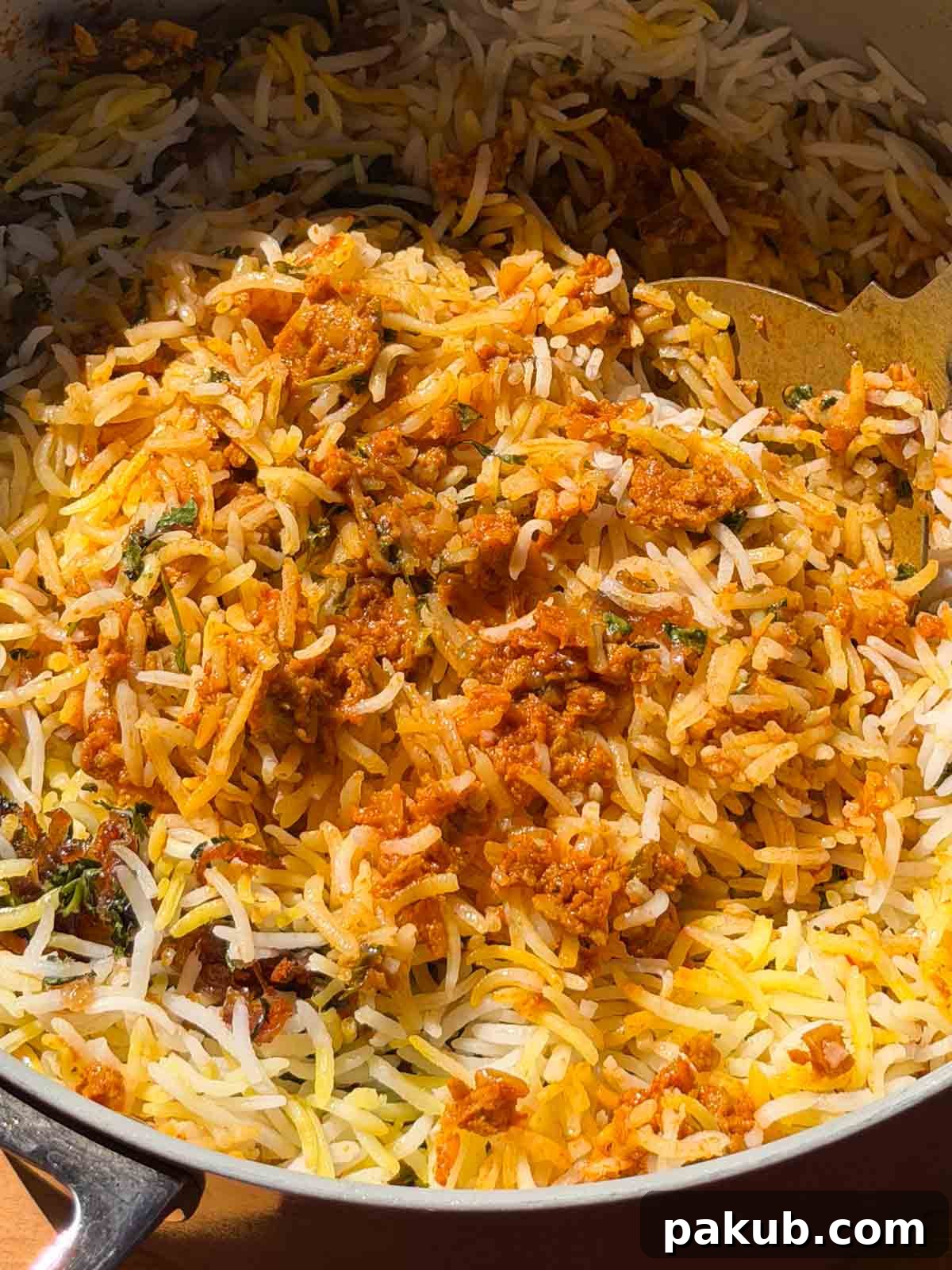
Your Next Weekend Feast Awaits: Share Your Soya Biryani Creations!
Once you experience the rich flavors and satisfying textures of this Veg Soya Keema Biryani, I have a strong feeling it will quickly become your new go-to recipe for leisurely weekends, special family gatherings, and any occasion that calls for something truly comforting and delicious. It’s a dish that proves vegetarian cuisine can be every bit as hearty and flavorful as traditional meat dishes.
If you embark on this culinary adventure and end up making this biryani at home, I would absolutely love to see your creations! Please share a picture with me on Instagram @my_foodstory. Nothing brings me more joy than witnessing you all bring these recipes to life in your own kitchens. Happy cooking!
Watch the Soya Keema Biryani Recipe Video
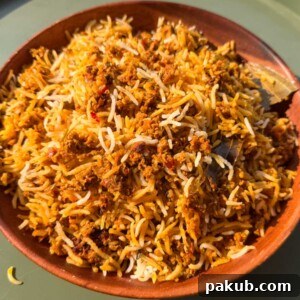
Veg Soya Keema Biryani
Ingredients
Biryani gravy
- 1 cup soya granules
- 4 cups water, divided
- 3 tablespoons sunflower or any neutral flavoured oil
- 1 bay leaf
- 1 inch dalchini (cinnamon stick)
- 4 cloves
- 2 cardamoms (green)
- 1 ¼ cups finely chopped onions
- 1 tablespoon ginger garlic paste
- 1 green chilli finely chopped
- 2 teaspoons coriander powder
- ½ teaspoon cumin powder
- 1 ½ teaspoons kashmiri chilli powder
- ¾ teaspoon turmeric powder
- 1 ½ teaspoons meat masala (ensure vegetarian option)
- ⅛ teaspoon garam masala powder
- ½ teaspoon roasted & crushed kasuri methi
- 1 teaspoon salt (or to taste)
- 1 cup tomato puree
- ½ cup curds (yogurt), whisked
Biryani rice
- 1 ½ cups basmati rice, approx. 270gms, soaked for 30 minutes
- 6 cups water
- 1 ½ tablespoons salt
- 1 bay leaf
- 1 inch dalchini (cinnamon stick)
- 4 cloves
- 2 cardamoms (green)
- 1 piece stone flower, pathar ke phool
- ½ lemon wedge
For Biryani Layering
- ¼ cup + 2 tablespoons birista, golden fried onions
- 1 ½ tablespoons finely chopped mint leaves
- 1 ½ tablespoons finely chopped coriander leaves
- A pinch of saffron soaked in 2 tablespoons of warm milk
- 1 tablespoon ghee
Instructions
-
Place soya granules in a bowl. Pour 3 cups of boiling water over them and allow to soak for 15-20 minutes until fully rehydrated. Thoroughly drain and squeeze out all excess water from the granules using your hands or a fine-mesh sieve. This step is crucial for the texture and flavor concentration of the gravy. (See Note 1)1 cup soya granules, 4 cups water
Biryani Gravy Preparation
-
In a deep, heavy-bottomed pot or kadai (this will be your biryani layering pot), heat the oil over medium heat. Add the whole spices – bay leaf, cinnamon stick (dalchini), cloves, and green cardamoms. Sauté for a few seconds until they become fragrant. Add the finely chopped onions and sauté on low to medium heat until they turn a beautiful golden brown. Next, add the ginger-garlic paste and chopped green chili, sautéing for another minute until the raw aroma disappears. Introduce the powdered spices: coriander, cumin, Kashmiri chili, turmeric, meat masala, garam masala, and salt. Sauté briefly for a few seconds to release their aromas. Pour in the tomato puree and cook for 7-8 minutes on low heat, stirring occasionally, until the oil begins to separate from the masala. Stir in the whisked curds and continue cooking for another 6-7 minutes on low heat until the oil separates again, indicating a well-cooked, rich gravy. Add the squeezed soya granules along with 1 cup of water. Cook covered for 8-10 minutes, allowing the soya to fully absorb the rich flavors of the masala. Remove the pot from the heat. Carefully scoop out approximately half of the prepared soya gravy into a separate bowl; this will be used for the top layer.3 tablespoons sunflower or any neutral flavoured oil, 1 bay leaf, 1 inch dalchini, 4 cloves, 2 cardamoms, 1 ¼ cups finely chopped onions, 1 tablespoon ginger garlic paste, 1 green chilli finely chopped, 2 teaspoons coriander powder, ½ teaspoon cumin powder, 1 ½ teaspoons kashmiri chilli powder, ¾ teaspoon turmeric powder, 1 ½ teaspoons meat masala, ⅛ teaspoon garam masala powder, 1 teaspoon salt, 1 cup tomato puree, ½ cup curds, ½ teaspoon roasted & crushed kasuri methi
Layering the Biryani
-
To the half portion of soya gravy remaining in the pot, add 2 tablespoons of birista (fried onions) and 2 teaspoons each of finely chopped mint and coriander leaves. Gently mix to combine, forming the first flavorful layer.¼ cup + 2 tablespoons birista, 1 ½ tablespoons finely chopped mint leaves, 1 ½ tablespoons finely chopped coriander leaves
-
In a separate large pot, bring 6 cups of water to a rolling boil over high heat. Add 1 ½ tablespoons of salt, along with whole spices for rice: bay leaf, cinnamon stick, cloves, green cardamoms, stone flower, and the ½ lemon wedge. Drain the pre-soaked basmati rice and add it to the boiling water. Cook on high heat for exactly 5 minutes, or until the rice is about 70% cooked (it should still have a slight bite). Using a slotted spoon, carefully remove approximately half of this partially cooked rice and spread it evenly over the gravy layer in the biryani pot.6 cups water, 1 ½ tablespoons salt, 1 bay leaf, 1 inch dalchini, 4 cloves, 2 cardamoms, 1 piece stone flower, ½ lemon wedge, 1 ½ cups basmati rice
-
Now, spread the reserved half portion of the soya gravy over the first rice layer. Top this with the remaining half of the partially cooked rice. Evenly sprinkle 1 tablespoon of birista and 2 teaspoons each of fresh mint and coriander leaves. Gently rub the saffron strands into the warm milk to extract their vibrant color and delicate fragrance, then drizzle this saffron milk evenly over the top rice layer. Finish with a tablespoon of ghee, then cover the pot tightly with a lid. Place a heavy tawa (griddle) on your stove and heat it. Once hot, place the biryani pot on top of the tawa and cook on very low heat for 15 minutes to allow the biryani to “dum” (steam cook). After 15 minutes, turn off the heat but leave the biryani pot on the hot tawa to rest, undisturbed, for at least half an hour before serving. This resting period is essential for the flavors to fully meld and for the rice grains to firm up without breaking.A pinch of saffron soaked in 2 tablespoons of warm milk, 1 tablespoon ghee
Video
Notes
- It is absolutely essential to squeeze out all excess water from the soaked soya granules. If too much water remains, it will dilute your gravy and prevent the flavors from concentrating properly, leading to a less impactful biryani.
- Always use aged, extra long-grain basmati rice for the most authentic flavor, aroma, and texture. This type of rice cooks up fluffy and separate, which is key for a superior biryani experience.
- The soya gravy is added in two distinct layers to the biryani. This meticulous layering technique ensures a truly even distribution of flavors throughout the entire dish, guaranteeing that every spoonful is rich and satisfying.
- Adding a lemon wedge while cooking the biryani rice serves a vital purpose: the acidity helps the rice grains remain perfectly white and prevents them from sticking together, contributing to a visually appealing and texturally excellent biryani.
- Before serving, it’s crucial to allow the biryani to rest for at least half an hour after the dum process. Then, gently fluff the rice using a fork or a silicone spatula. This resting time allows the delicate rice grains to firm up and absorb the remaining steam, preventing them from breaking apart when you fluff them, ensuring perfectly intact, aromatic grains.
Nutrition
Like this recipe? Rate and comment below!
This article was researched and written by Harita Odedra.