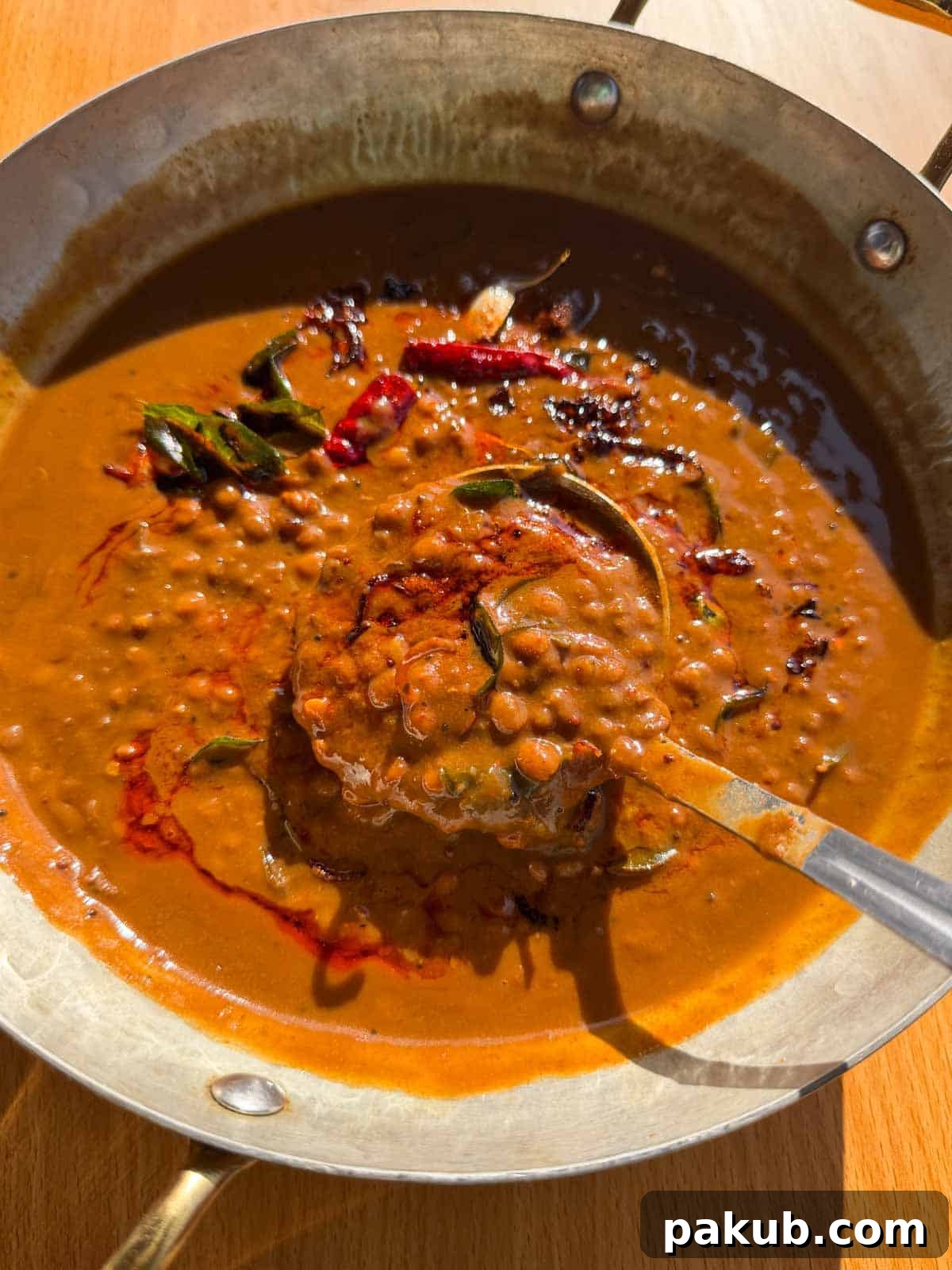
If you crave a hearty, protein-packed meal that’s both comforting and incredibly nutritious, this Andhra-Style Kulthi Dal (Horsegram Dal) is your new favorite. It’s a nourishing superfood, surprisingly simple to prepare, and bursts with a unique, delicious flavor profile.
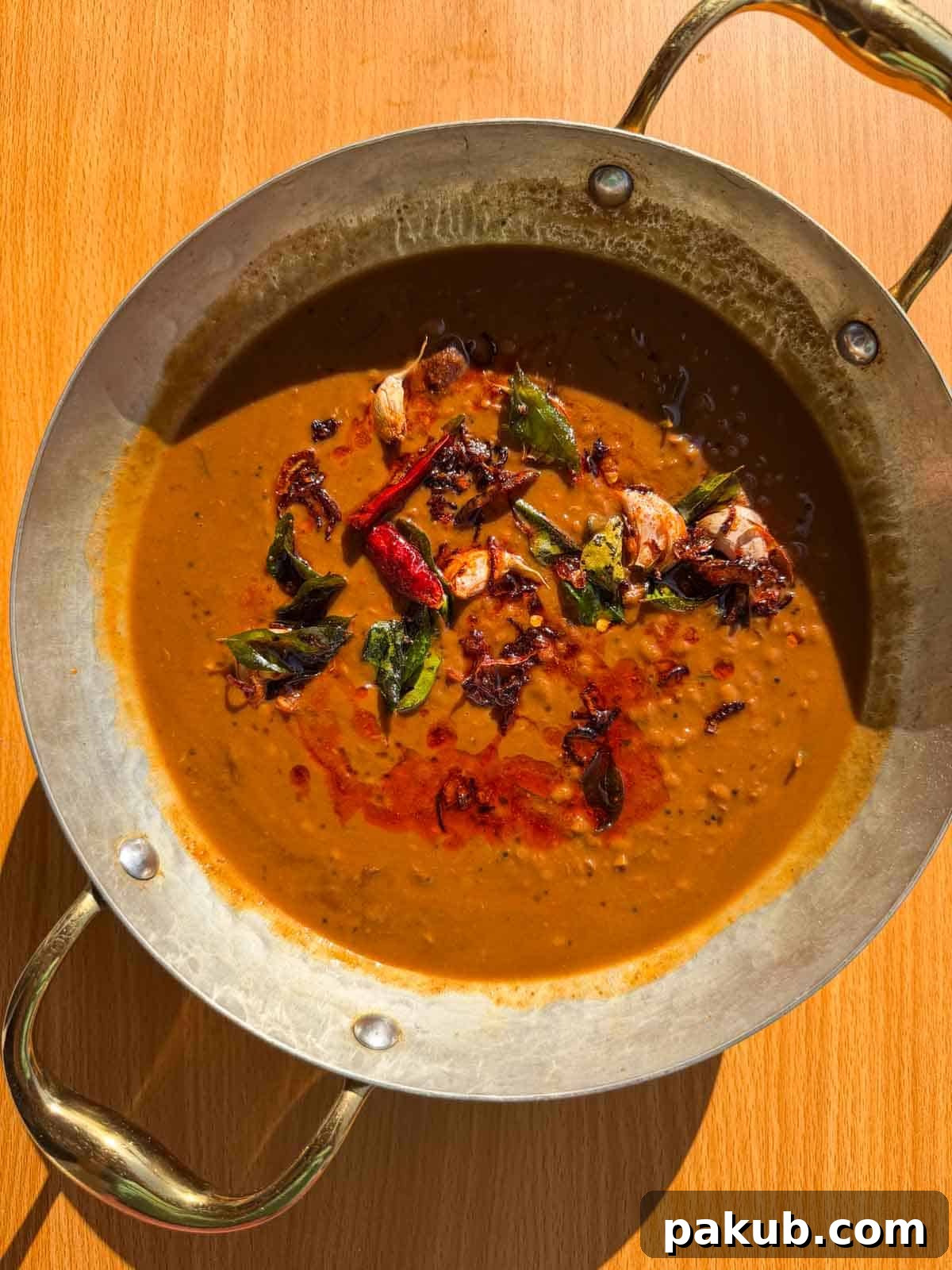
As a parent, ensuring my children get a diverse range of nutrients in their meals is always a priority. But let’s be honest, between juggling work, family commitments, and countless other tasks, finding time for elaborate or unfamiliar “healthy” recipes can feel daunting. This is where the magic of Andhra-Style Kulthi Dal, or Horsegram Dal, truly shines. While it might seem like a longer cooking process due to the nature of horsegram, most of that time is hands-off, letting your pressure cooker do the heavy lifting. The active prep and cooking? A mere 20-25 minutes. And the immense health benefits it offers are truly unparalleled, making every minute worthwhile!
For centuries, horsegram has been cherished across South Asia for its remarkable nutritional profile and traditional medicinal uses. This humble legume, often overlooked in modern diets, is a powerhouse of plant-based protein, dietary fiber, and essential minerals. This particular Andhra-style preparation brings out its earthy, nutty notes beautifully, enhanced by the quintessential tang of tamarind and the subtle sweetness of jaggery. The result is a dal that rivals the familiar comfort of your favorite moong dal or toor dal, but with an added boost of unique flavor and superior health advantages.
Table of Contents: Andhra-Style Kulthi Dal
- Why This Horsegram Dal Recipe is a Must-Try
- Understanding Kulthi Dal: The Superfood Horsegram
- A Closer Look at the Ingredients for Kulthi Dal
- Expert Tips for the Perfect Kulthi Dal
- Incredible Health Benefits of Horsegram (Kulthi Dal)
- Frequently Asked Questions About Kulthi Dal
- Storage and Reheating Suggestions
- Serving Suggestions for Your Horsegram Dal
- Watch Kulthi Dal Recipe Video
Why This Horsegram Dal Recipe is a Must-Try
This Andhra-Style Kulthi Dal is more than just another lentil dish; it’s a culinary journey rooted in tradition and wellness. Here’s why you absolutely need to add it to your cooking repertoire:
- Unmatched Nutritional Value: Horsegram (known as Kulthi in Hindi, Kollu in Tamil, Hurali in Kannada, and Gahat in Uttarakhand) is a potent superfood. It’s lauded for its high protein and fiber content, making it incredibly satiating and beneficial for overall health.
- Authentic Andhra Flavors: This recipe captures the essence of Andhra cuisine with its distinctive balance of sourness from tamarind and sweetness from jaggery, perfectly complementing the earthy notes of horsegram. It’s a flavor profile that’s both traditional and deeply satisfying.
- Comforting and Hearty: There’s something inherently comforting about a warm bowl of dal, and this Kulthi Dal delivers that feeling tenfold. Its robust flavor and creamy texture make it ideal for a cozy meal after a long day.
- Simple to Master: Despite its exotic name and profound benefits, this dal is surprisingly straightforward to make. With a bit of soaking and pressure cooking, you’ll have a delicious, wholesome meal on your table with minimal active effort.
- Versatile Meal Base: It pairs beautifully with a variety of staples, from steamed rice to fresh rotis, making it a flexible component for any Indian meal.
Understanding Kulthi Dal: The Superfood Horsegram
Horsegram (Macrotyloma uniflorum) is a legume native to tropical parts of Asia, especially India. It’s one of the oldest cultivated legumes on the Indian subcontinent, with archaeological evidence suggesting its use dating back thousands of years. Often referred to as “the poor man’s pulse” due to its affordability and hardiness, horsegram is anything but poor in nutrients.
Historically, it has been a staple in rural diets and traditional Ayurvedic medicine due to its warming properties and perceived benefits for various ailments, particularly kidney stones and respiratory issues. Its resilience allows it to grow in arid conditions where other crops fail, making it a vital food source in many regions. The distinct names across India – Kulthi, Kollu, Hurali, Gahat – reflect its widespread presence and cultural significance. Its firm texture and strong, slightly bitter, nutty flavor set it apart from other lentils, demanding specific cooking techniques, like prolonged soaking and pressure cooking, to achieve its tender best and enhance digestibility. Embracing kulthi dal means tapping into ancient wisdom for modern wellness.
A Closer Look at the Ingredients for Kulthi Dal
Each ingredient in this Andhra-style Kulthi Dal plays a crucial role in building its complex and satisfying flavor profile:
- Horsegram (Kulthi): The star of our dish. Soaking overnight is key to soften these hard-shelled legumes, allowing them to cook down into a tender, nutty base for the dal.
- Oil: A neutral oil like sunflower or any preferred cooking oil forms the foundation for sautéing and tempering, carrying the flavors of the spices.
- Seeds & Whole Spices:
- Mustard seeds (Rai): Provide a pungent, nutty aroma when spluttered.
- Cumin seeds (Jeera): Offer earthy, warm notes characteristic of Indian cooking.
- Fenugreek seeds (Methi): Add a slightly bitter, aromatic depth that balances the richness.
- Dried red chilli: Contributes a subtle, smoky heat.
- Hing (Asafoetida): A digestive aid that imparts a savory, umami flavor, especially crucial for legumes.
- Aromatics:
- Onion: Forms a sweet and savory base when caramelized.
- Garlic: Adds a foundational pungent aroma.
- Green chilli: Provides fresh, vibrant heat.
- Curry leaves: Infuse a distinct, slightly citrusy, aromatic fragrance, essential for South Indian flavors.
- Spice Powders:
- Kashmiri chilli powder: Primarily for a beautiful, deep red color with mild heat.
- Turmeric powder: Offers its signature golden hue and earthy, anti-inflammatory properties.
- Tamarind & Jaggery: These are the hallmarks of Andhra-style dal.
- Tamarind: Provides the essential tanginess that brightens the dal and cuts through its richness.
- Jaggery: A natural unrefined sugar that balances the sourness of the tamarind and the earthiness of the horsegram, adding a touch of sweetness.
- Tempering (Tadka): A final flourish of flavor, typically consisting of mustard seeds, curry leaves, dried red chillies, and a hint of Kashmiri chilli powder, fried in hot oil and poured over the finished dal for an aromatic burst.
Expert Tips for the Perfect Kulthi Dal
Achieving the perfect texture and flavor for Kulthi Dal is simple with a few key techniques:
- Prioritize Soaking and Thorough Cooking: Horsegram is notoriously hard and requires significantly longer cooking times than other dals. Soaking it overnight (8-10 hours) dramatically reduces cooking time and aids in digestion. Follow this with sufficient pressure cooking on low heat until the lentils are completely soft and easily mashable. This step is non-negotiable for a creamy, palatable dal.
- Blend a Portion for Creaminess: To achieve that rich, restaurant-style body and thickness without sacrificing texture, blend about half to two-thirds of the cooked horsegram into a smooth paste. The remaining whole lentils provide a satisfying bite, creating a delightful contrast. If you prefer a thinner, more brothy consistency, you can skip this step or blend less.
- Embrace the Tamarind-Jaggery Balance: This combination is the secret to an authentic Andhra-style Kulthi Dal. The slight tartness from the tamarind perfectly cuts through the earthiness of the horsegram, while the jaggery adds a subtle, balancing sweetness. Don’t be tempted to skip these ingredients; they elevate the flavor profile immensely.
- Finish Strong with a Hot Tempering (Tadka): The final tempering is not just a garnish; it’s a critical flavor layer. Heating oil with mustard seeds, curry leaves, and dried red chillies, then pouring it over the dal just before serving, ensures the aromas are fresh and vibrant. This aromatic infusion truly makes the flavors pop and adds a professional touch.
- Adjust Consistency to Your Liking: Cooked horsegram dal tends to thicken as it cools. Don’t hesitate to add a splash of hot water when reheating or if you prefer a looser consistency right after cooking. Always taste and adjust salt and spices after adding water.
Incredible Health Benefits of Horsegram (Kulthi Dal)
Kulthi Dal is celebrated not just for its taste, but for its impressive array of health benefits, earning it the title of a true superfood:
- Rich in Plant-Based Protein: For vegetarians and vegans, horsegram is an excellent source of protein, crucial for muscle repair, growth, and overall body function. It’s a complete protein when paired with other grains like rice.
- High in Dietary Fiber: With a significant fiber content, horsegram aids in healthy digestion, prevents constipation, and promotes a feeling of fullness, which can be beneficial for weight management. This high fiber also supports a healthy gut microbiome.
- Low Glycemic Index (GI): Horsegram has a low glycemic index, meaning it causes a slower, more gradual rise in blood sugar levels. This makes it a suitable and beneficial food choice for individuals managing diabetes or seeking to maintain stable energy levels.
- Warming and Digestion-Friendly: Traditionally, horsegram is known for its “warming” properties, making it a popular choice in winter months across many Indian regions. It’s also considered digestion-friendly, especially when properly soaked and cooked, which helps break down anti-nutrients.
- Packed with Essential Minerals: Beyond protein and fiber, horsegram is a good source of vital minerals like iron, calcium, phosphorus, and molybdenum, all contributing to bone health, blood oxygenation, and various metabolic processes.
- Supports Kidney Health: In traditional medicine, horsegram is often consumed for its purported role in preventing and managing kidney stones due to its diuretic properties.
- Natural Antioxidant Properties: Horsegram contains various phenolic compounds and flavonoids, which act as powerful antioxidants, helping to combat oxidative stress and protect cells from damage.
Incorporating Kulthi Dal into your diet is a flavorful way to boost your nutrient intake and enjoy traditional wisdom for modern health.
Frequently Asked Questions About Kulthi Dal
Horsegram is a very tough lentil. The most common reason for it remaining hard is insufficient soaking and/or cooking time. Ensure you soak it overnight (at least 8-10 hours) and pressure-cook it on low heat for the recommended duration (usually 40 minutes after the first whistle for this recipe). It should be completely soft and easily mashable.
Absolutely! After soaking the horsegram, you can pressure cook it in an Instant Pot using the manual pressure setting. Typically, it takes about 20-25 minutes on high pressure, followed by a natural pressure release. Once cooked, proceed with the rest of the recipe steps using the sauté mode.
While blending a portion of the dal helps create a creamy body and thick texture, you can certainly skip it if you prefer. The dal will still be flavorful but will have a thinner, more brothy consistency with all whole lentils. It’s a matter of personal preference.
Yes, you can! Incorporating vegetables is a great way to add more nutrients and variety. Bottle gourd (lauki), pumpkin, spinach, or even drumsticks work wonderfully. Add them along with the onions or after the dal has been partially cooked, allowing them to simmer and blend into the flavors without overpowering the horsegram.
Yes, Kulthi Dal can be a great addition to a weight-loss diet. It’s high in protein and dietary fiber, which promote satiety and help keep you feeling full for longer, reducing overall calorie intake. Its low glycemic index also helps regulate blood sugar, preventing sudden hunger pangs.
Storage and Reheating Suggestions
This Kulthi Dal is wonderful fresh, but it also stores and reheats beautifully, making it perfect for meal prep:
- In the Fridge: Store any leftover horsegram dal in an airtight container in the refrigerator for up to 2-3 days. Be aware that the dal will naturally thicken as it cools.
- Freezing: For longer storage, this dal freezes exceptionally well. Transfer cooled dal to freezer-safe containers and freeze for up to two weeks. Thaw overnight in the fridge before reheating.
- Reheating Tip: When reheating, whether from the fridge or freezer, gently warm the dal on the stovetop over low heat or in the microwave. You’ll likely need to add a splash of water (or vegetable broth) to achieve the desired consistency, as it tends to thicken. Stir frequently to ensure even heating.
Serving Suggestions for Your Horsegram Dal
This robust and flavorful horsegram dal is a wholesome meal on its own, but it truly shines when served as part of a traditional Indian thali or a simple, comforting dinner. Here are some delightful ways to enjoy it:
- With Steamed or Jeera Rice: The classic combination of dal chawal (lentils and rice) is undeniably comforting. The earthy, nutty flavors of Kulthi Dal perfectly complement the subtle aroma of plain steamed rice or the fragrant notes of jeera (cumin) rice.
- With Rotis or Phulkas: Soft, warm rotis, phulkas, or even parathas are excellent for scooping up this thick, flavorful dal. This pairing makes for a complete and satisfying everyday meal, providing both carbohydrates and protein.
- With a Simple Raita: A cooling side of cucumber raita or boondi raita offers a refreshing contrast to the warmth and spice of the dal. The yogurt-based raita adds a creamy texture and helps balance the meal.
- With Chaas (Buttermilk): A glass of chilled, spiced buttermilk alongside your meal is a traditional Indian beverage that aids digestion and provides a light, refreshing counterpoint, especially during lunch.
- Accompaniments: Don’t forget simple sides like a wedge of lemon to squeeze over the dal, a dollop of ghee for extra richness, or a side of pickle for an additional tangy kick.
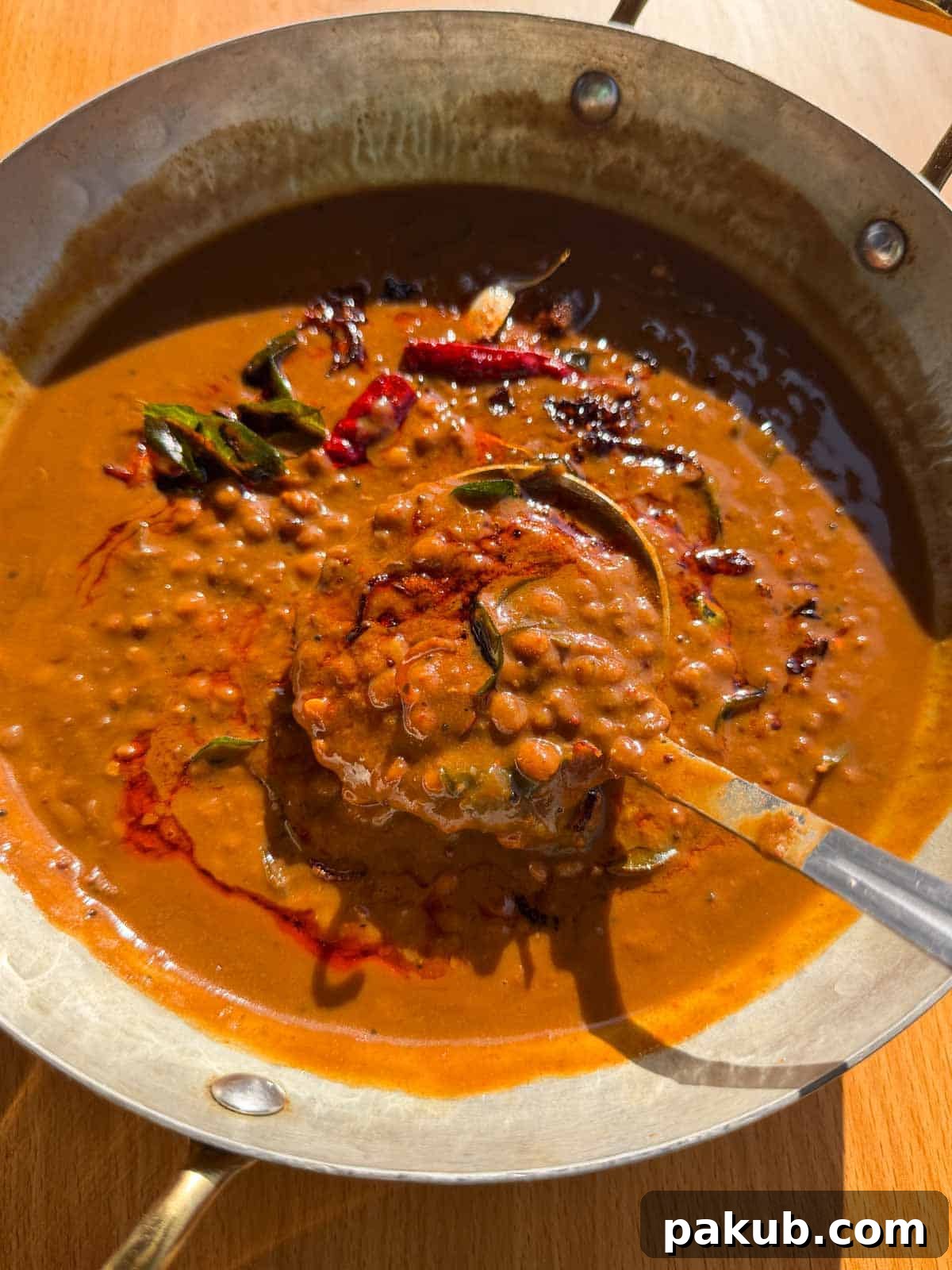
If you’re eager to enrich your daily meals with a boost of nutrition and authentic Indian flavors, this Andhra-Style Kulthi Dal is an excellent starting point. It’s a testament to how traditional superfoods can be effortlessly integrated into a modern kitchen, delivering both health and happiness. Give this remarkable recipe a try for your next home-cooked meal. I always love to see your culinary creations, so if you make this dal, please share it on Instagram and tag me @my_foodstory. I can’t wait to see how it comes alive in your kitchen!
Watch Kulthi Dal Recipe Video
Kulthi Dal | Horsegram Dal
Rate Recipe
Print Recipe
Equipment
-
1 Pressure Cooker
Ingredients
- 1 cup horsegram, soaked overnight
- 2 cups + 1 ½ tablespoons water, divided
- 2 tablespoons sunflower or any neutral flavored oil
- 1 teaspoon mustard seeds / rai
- 1 teaspoon cumin seeds /jeera
- ¼ teaspoon fenugreek seeds / methi
- ⅛ teaspoon hing, asafoetida
- 1 red chilli, whole
- 1 tablespoon finely chopped garlic
- ½ cup finely chopped onions
- 1 green chilli, slit
- 2 sprigs curry leaves
- 1 teaspoon kashmiri chilli powder
- ½ teaspoon turmeric powder
- ¾ teaspoon salt
- 1 ½ teaspoons tamarind
- ½ teaspoon jaggery
Tempering
- 2 teaspoons sunflower or any neutral flavored oil
- ½ teaspoon mustard seeds
- 2 springs curry leaves
- 2 small red chillies, whole
- ¼ teaspoon kashmiri chilli powder
Instructions
-
1. Cook the Horsegram: Add the pre-soaked horsegram to a pressure cooker along with 1 ½ cups of water. After the first whistle, reduce the heat to low and continue cooking for approximately 40 minutes, or until the horsegram is completely soft and easily mashable. Allow the pressure cooker to depressurize naturally before opening.
-
2. Prepare the Horsegram Paste: Set aside 1 cup of the cooked whole horsegram. Transfer the remaining cooked horsegram (about 1 ½ cups) to a blender or mixer. Add ¼ – ½ cup of the cooking water and blend until you achieve a thick, smooth paste. This step adds body and creaminess to the dal.
-
3. Extract Tamarind Pulp: Soak the tamarind in 1 ½ tablespoons of hot water for about 10 minutes. Mash the tamarind thoroughly with your fingers to extract a thick, tangy tamarind pulp. Discard any fibrous bits.
-
4. Prepare the Base: Heat 2 tablespoons of oil in a heavy-bottomed kadai or cooking pot over medium heat. Add mustard seeds, cumin seeds, fenugreek seeds, hing, and one whole red chilli. Once the mustard seeds splutter and the cumin seeds turn fragrant, add the finely chopped garlic and sauté for a few seconds until aromatic. Next, add the finely chopped onions, slit green chilli, and curry leaves. Sauté until the onions turn translucent and slightly golden.
-
5. Combine Flavors: Stir in the prepared horsegram ground paste along with 1 cup of cooked water. Add the Kashmiri chilli powder, turmeric powder, and salt. Pour in the tamarind extract and add the jaggery. Mix everything well to combine. Bring the mixture to a boil, then reduce the heat and let it simmer gently for 10 minutes, allowing the horsegram paste to fully absorb all the rich flavors.
-
6. Finish the Dal: Add the remaining whole cooked horsegram to the simmering dal, along with an additional ½ cup of water (or more, if you prefer a thinner consistency). Bring it to a boil once more, then reduce heat and simmer for another 5 minutes to ensure all the flavors meld beautifully.
-
7. Prepare and Add Tempering: In a separate small tadka pan, heat 2 teaspoons of oil. Add ½ teaspoon mustard seeds. Once they splutter, add 2 sprigs of curry leaves and 2 small whole red chillies. Sauté for a few seconds until they are fragrant and slightly roasted. Remove from heat and stir in ¼ teaspoon of Kashmiri chilli powder. Immediately pour this hot, aromatic tempering over the prepared kulthi dal. Stir gently and serve hot.
Video
Notes
- It is crucial to cook horsegram for the recommended long duration to ensure it softens thoroughly and blends into a smooth, digestible paste. Undercooked horsegram will remain hard and difficult to enjoy.
- For a richer flavor, consider dry roasting the horsegram lightly before soaking, then proceed with the recipe as usual.
Nutrition
Like this recipe? Rate and comment below!
This article was researched and written by Harita Odedra.