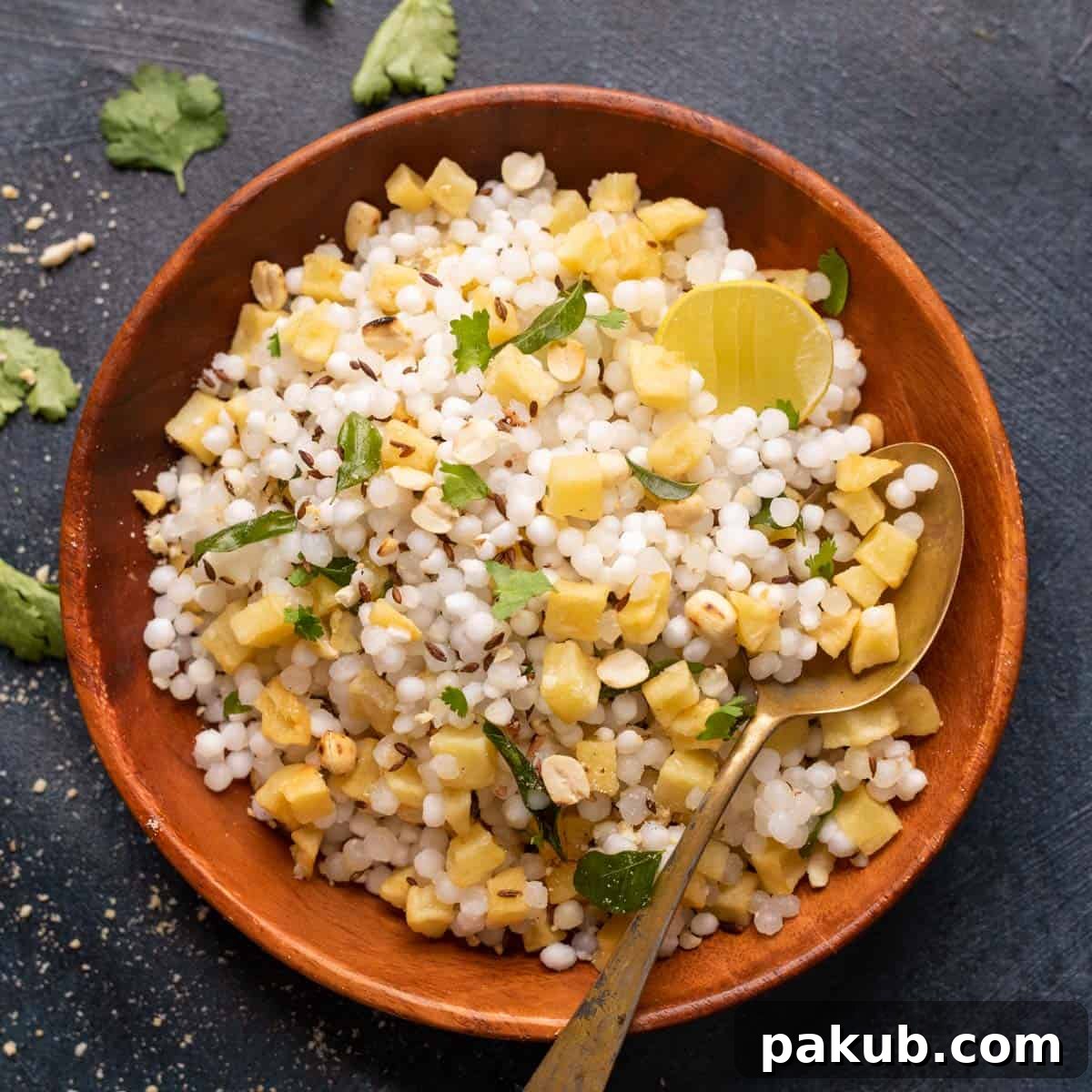
Making sabudana khichdi can sometimes seem like a culinary challenge, often resulting in a sticky, clumpy mess. But fear not! With our expertly curated six tips, you’re not just making sabudana khichdi; you’re mastering the art of a perfectly non-sticky, fluffy rendition that will impress everyone. Get ready to become a sabudana khichdi pro in no time!
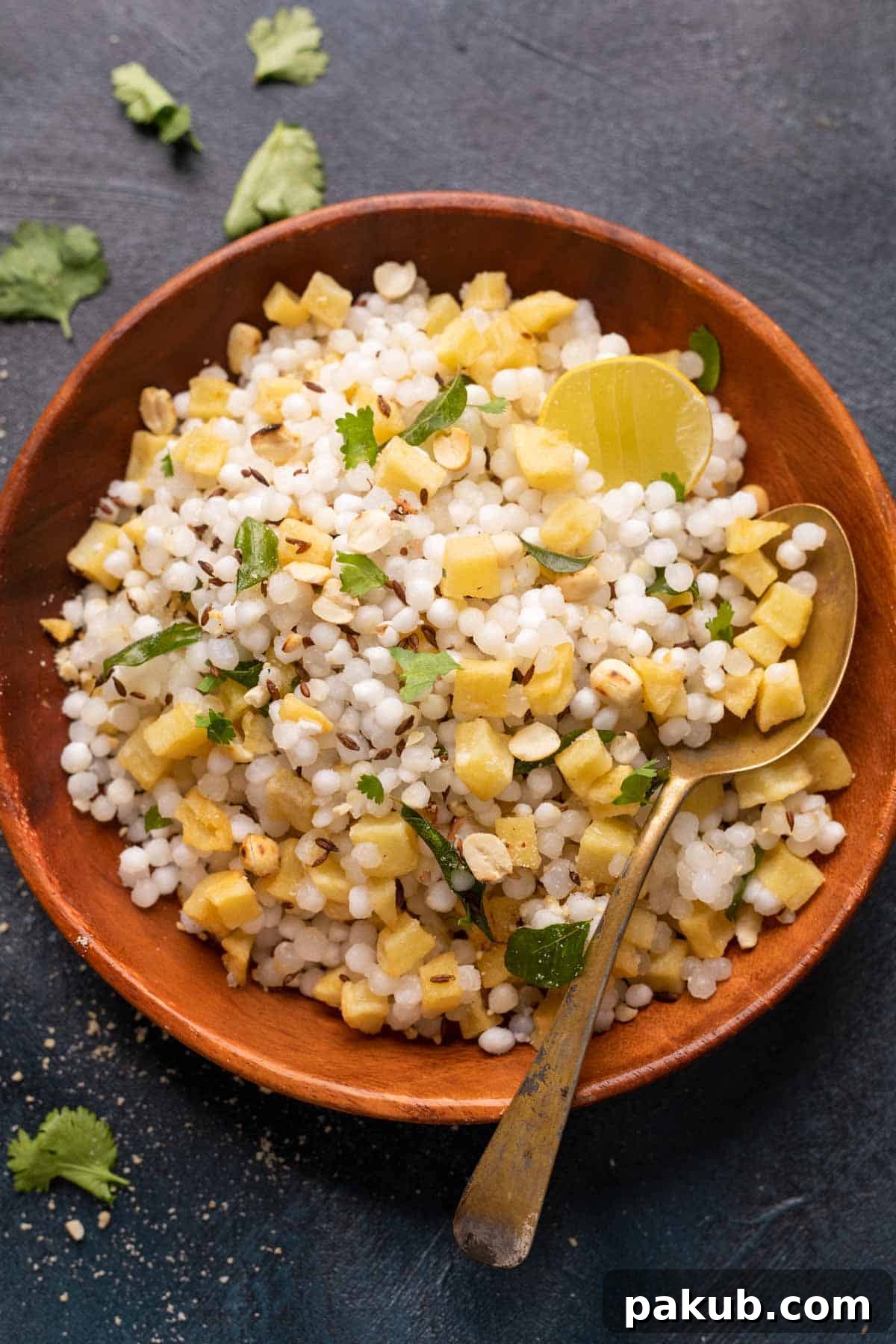
Sabudana Khichdi holds a special place in Indian cuisine, frequently gracing our breakfast tables as a cherished, wholesome meal. It’s an incredibly satisfying dish, beloved by families across generations for its unique texture and comforting flavors. This easy-to-digest recipe is not just delicious but also remarkably filling, providing sustained energy that can easily carry you through until lunchtime. Its ability to satiate and energize makes it an immensely popular choice during religious fasting periods, such as Navratri or other ‘Vrat’ days, when observers need a substantial, carb-rich meal that adheres to dietary restrictions.
Beyond its role in fasting, Sabudana Khichdi is a versatile dish perfect for any day. Whether you’re looking for a quick, nutritious breakfast, a light lunch, or a comforting snack, this sago pearl preparation fits the bill. Its gentle flavor profile can be easily customized with various spices and additions, making it a truly adaptable dish for diverse palates. However, the true magic of Sabudana Khichdi lies in achieving that elusive non-sticky texture, where each sago pearl stands distinct and perfectly cooked. This guide will walk you through every step, ensuring your sabudana khichdi is always a triumph, never a disaster.
Jump to Section: Sabudana Khichdi Perfection
- What Is Sabudana Khichdi?
- Sabudana Khichdi Ingredients Overview
- Richa’s Top Tips For Non-Sticky Sabudana Khichdi
- Serving Suggestions and Variations
- Sabudana Khichdi Recipe Card
- More Fasting/Navratri Recipes
What Is Sabudana Khichdi?
Sabudana Khichdi, at its heart, is a delightful pilaf or pulao crafted from tiny, pearly tapioca balls, commonly known as sago pearls. Originating from the cassava root, sabudana itself is a starch-rich ingredient that becomes wonderfully translucent and tender when cooked properly. The simplicity of this dish is deceptive; while it requires only a handful of ingredients, mastering its preparation to achieve the ideal texture is key.
The culinary goal is a dish where each sago pearl is separate, perfectly plump, and has transformed into a translucent, soft sphere, yielding gently to the bite. The challenge, however, lies in preventing the pearls from clumping together or turning into a sticky, gummy mess—a common pitfall for many home cooks. When made incorrectly, sabudana can become an overcooked, sticky disaster. Our aim is to guide you towards a fluffy, distinct, and perfectly cooked Sabudana Khichdi every single time.
Beyond its texture, Sabudana Khichdi offers a unique flavor profile: subtly sweet from the sago, enhanced by the nutty crunch of peanuts, the earthy warmth of cumin, and the aromatic notes of curry leaves. The addition of tender potatoes adds a pleasant chewiness and substance, making it a truly satisfying meal. It’s a dish that embodies comfort food, providing warmth and energy, making it an ideal choice for a wholesome breakfast or a restorative meal during fasting days.
Sabudana Khichdi Ingredients Overview
One of the beauties of Sabudana Khichdi is its reliance on a few, readily available ingredients, each playing a crucial role in the dish’s flavor and texture. Let’s delve into the essentials:
- Sago Pearls (Sabudana): The star of our show. Sabudana comes in three sizes – small, medium, and large. For the quintessential fluffy, non-sticky khichdi, medium-sized sago pearls are highly recommended. They absorb water perfectly without becoming too mushy or remaining undercooked.
- Ghee (Clarified Butter): Ghee is essential for the tempering (tadka), imparting a rich, nutty aroma and distinct flavor that cannot be replicated by oil. For the absolute best taste, I highly recommend using homemade ghee. Its purity and fragrance elevate the entire dish.
- Cumin Seeds (Jeera): These tiny seeds are fundamental for the initial tempering, releasing a warm, earthy, and slightly pungent flavor that forms the aromatic base of the khichdi.
- Curry Leaves: Fresh curry leaves are indispensable. Their vibrant, citrusy, and slightly bitter notes infuse the ghee and elevate the overall aroma, making the dish incredibly fragrant and authentic.
- Potatoes: Diced potatoes add a wonderful texture and substance to the khichdi. They soften and become tender, complementing the sago pearls beautifully while also contributing to the meal’s filling nature.
- Peanuts: Roasted and crushed peanuts are more than just a garnish; they are critical for flavor, providing a delightful crunch and a dose of healthy fats and protein. Crucially, they also play a role in absorbing excess moisture, which helps prevent the sabudana from becoming overly sticky.
- Salt and Sugar: These two balance each other, enhancing all the other flavors. For fasting periods, remember to use rock salt (sendha namak) as per tradition.
- Lime Juice: A generous squeeze of fresh lime juice at the end brightens the entire dish, adding a zesty tang that cuts through the richness and lifts the flavors.
- Fresh Coriander: Chopped fresh coriander is the perfect finishing touch, offering a burst of freshness and a beautiful green garnish.
These simple ingredients, when combined with proper technique, transform into a harmonious and incredibly satisfying meal. Understanding the role of each component will help you appreciate the depth of flavor in this seemingly straightforward dish.
Richa’s Top Tips For Non-Sticky Sabudana Khichdi
The secret to a truly exceptional Sabudana Khichdi lies in mastering a few key techniques. Follow these essential tips to ensure your sago pearls remain perfectly separate and delightfully fluffy:
- Thorough Washing is Paramount: Before soaking, it’s crucial to wash the sabudana extensively under running water in a colander. This step removes excess starch that coats the pearls, which is the primary culprit behind stickiness. Continue rinsing until the water runs clear, ensuring minimal starch remains.
- Precise Soaking Ratio (1:1 is Key): The ratio of sabudana to water is critical. Use a strict 1:1 ratio. For instance, if you have one cup of sabudana, you need exactly one cup of water. The water should just barely cover the sago pearls. Too much water will lead to soggy, sticky sabudana, while too little will result in hard, uncooked pearls.
- Overnight Soaking for Optimal Results: While some recipes suggest soaking for 2-4 hours, my extensive trials have consistently shown that overnight soaking yields the best results. An approximate 8-hour soak allows the sago pearls to fully absorb the water, expand, and soften evenly without becoming waterlogged. This long, slow absorption is the foundation for a non-sticky texture.
- Incorporate Crushed Peanuts Strategically: Adding crushed roasted peanuts isn’t just for flavor and texture; it’s a clever trick to reduce stickiness. Peanuts absorb any residual moisture, preventing the sago pearls from clumping. They also add essential healthy fats and protein, enhancing the dish’s nutritional value and overall taste. Ensure the peanuts are roasted and lightly crushed for the best effect.
- Avoid Overmixing in the Pan: Once you add the soaked sabudana to the pan, stir it gently but thoroughly to ensure all ingredients are well combined. After this initial mix, resist the urge to stir continuously. Excessive stirring breaks down the delicate sago pearls, releasing more starch and leading to a clumpy texture. Let it cook undisturbed on a low flame for a few minutes, stirring only occasionally and very gently if needed.
- Do Not Overcook the Khichdi: Timing is everything. Cook the sabudana for only a few minutes on a low flame after mixing it in. The goal is for the pearls to turn translucent. As soon as they achieve this transparent, tender appearance, remove the pan from the heat. Overcooking is another common reason for sabudana to become sticky and lose its individual pearl structure. Keep a close eye on it to ensure perfect translucency.
- Use a Non-Stick Pan: To further aid in achieving a non-sticky outcome and to simplify the cooking process, using a good quality non-stick pan can make a significant difference. It helps prevent the sabudana from adhering to the bottom of the pan, allowing for easier stirring and cleaner pearls.
- Seasoning at the Right Time: Add salt and sugar along with the soaked sabudana. This ensures the flavors are well integrated into the pearls as they cook, rather than just coating the surface.
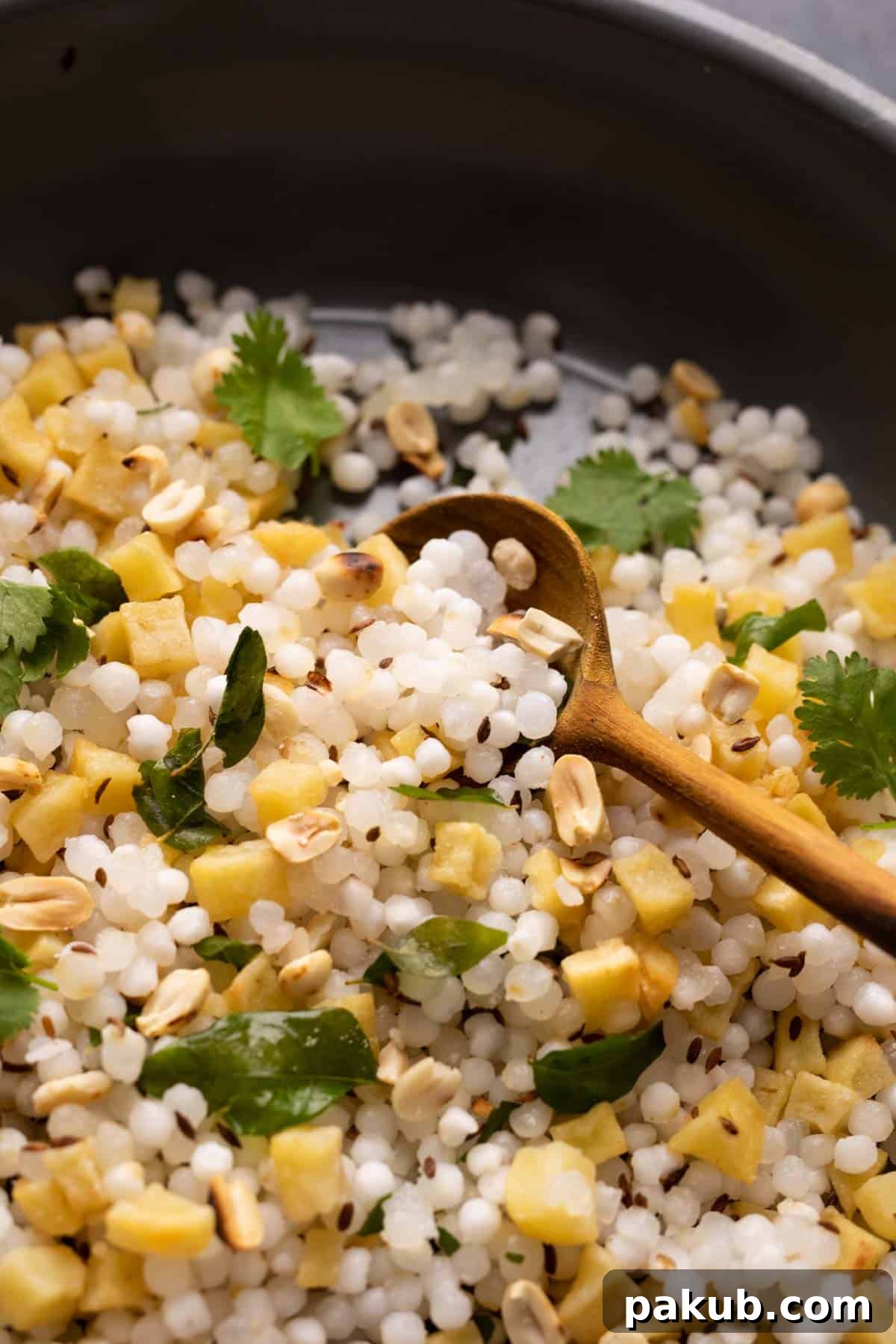
By diligently following these expert tips, you will consistently create a Sabudana Khichdi that is light, fluffy, and perfectly non-sticky, earning you rave reviews from family and friends. This dish is truly a delicious meal by itself, a testament to simple ingredients transformed into something extraordinary.
Serving Suggestions and Variations
Sabudana Khichdi is wonderfully versatile and can be enjoyed in various ways. While many prefer to savor it “as is” to appreciate its subtle flavors and distinct textures, it also pairs beautifully with a few accompaniments:
- With Curd or Yogurt: A popular pairing, especially during fasting, is with plain curd or yogurt. The cool, tangy yogurt provides a refreshing contrast to the warm, savory khichdi, enhancing the overall experience.
- Green Chutney: A dollop of fresh green chutney (cilantro-mint chutney) can add a vibrant, spicy kick that elevates the flavors of the khichdi.
- Pickle: For those who enjoy a sharper, more intense flavor, a side of your favorite Indian pickle can provide a delightful counterpoint.
- Chai (Indian Tea): A steaming cup of ginger chai or masala chai makes for a classic and comforting breakfast combination with sabudana khichdi.
Dietary Adaptations:
This khichdi is naturally gluten-free, making it an excellent option for those with gluten sensitivities. Furthermore, it can be easily made vegan by simply substituting ghee with your preferred cooking oil (like peanut oil or vegetable oil).
Creative Variations:
Feel free to experiment with this base recipe:
- Add more vegetables: Finely diced carrots, peas, or even sweet potato can be added along with the regular potatoes for extra nutrients and flavor.
- Spice it up: For a spicier kick, increase the amount of green chilies or add a pinch of black pepper.
- Ginger boost: A small amount of finely grated ginger added with the curry leaves can bring an aromatic warmth.
- Nutty alternatives: While peanuts are traditional, you could experiment with a few cashews for a different kind of crunch and richness.
LOVE THIS RECIPE? Don’t miss out on delicious new recipes! Subscribe to my newsletter and be the first to receive exciting culinary updates straight to your inbox every week!
Sabudana Khichdi Recipe Card
Sabudana Khichdi
Richa
5
15
20
2 people
Rate Recipe
Print Recipe
Sign up for our newsletter to receive this recipe directly in your inbox and get weekly updates on new delicious recipes!
Ingredients
- 1 cup Sabudana, approx 180 grams Sago pearls (medium-sized recommended)
- 1 cup Water, for soaking
- 1 tablespoon Ghee, or Oil for vegan option
- 1 teaspoon Jeera, Cumin Seeds
- 1/2 cup diced Potato, cut into 1/3 inch cubes
- 2 sprig Curry Leaves
- 1 Green Chilli, finely chopped (adjust to taste)
- 1/4 cup crushed roasted Peanuts, skin removed
- 3/4 teaspoon Salt, or sendha namak if making it for fasting
- 1/2 teaspoon Sugar
- 1 teaspoon Lime Juice
- 2 tablespoons chopped Coriander
Instructions
-
Begin by washing 1 cup of sabudana thoroughly under running water. Rinse it in a colander until the water runs completely clear, removing as much excess starch as possible. After washing, soak the sabudana in exactly 1 cup of fresh water overnight, or for a minimum of 8 hours. The water should just cover the pearls.
-
To verify if the sabudana is perfectly soaked, gently press a single pearl between your fingers. It should mash easily and completely. Once soaked, you can optionally drain any minimal excess water, though with the 1:1 ratio, this is rarely necessary. Set the soaked sabudana aside.
-
Heat 1 tablespoon of ghee in a large, non-stick pan or kadai over medium heat. Once the ghee is shimmering, add 1 teaspoon of cumin seeds (jeera). Allow them to splutter and turn fragrant, which usually takes about 15-20 seconds.
-
Next, add the diced potatoes (1/2 cup) and a quarter teaspoon of salt. Sauté the potatoes, stirring occasionally, and cook them on a low flame for 3-4 minutes, or until they are tender yet still hold their shape.
-
Add the 2 sprigs of curry leaves and 1 finely chopped green chili to the pan. Sauté for another minute, allowing the aromas to meld beautifully with the potatoes.
-
Now, gently add the soaked sabudana, 1/4 cup of crushed roasted peanuts, the remaining salt (3/4 teaspoon), and 1/2 teaspoon of sugar to the pan. Mix everything well using a light hand, ensuring all ingredients are evenly distributed.
-
Cook this mixture on a low flame for only a few minutes, typically 3-4 minutes, stirring very gently and sparingly. Watch carefully as the sabudana pearls begin to turn translucent. This indicates they are cooked. Do not overcook, as this will lead to stickiness.
-
Once the pearls are translucent, turn off the flame immediately. Add 1 teaspoon of fresh lime juice and 2 tablespoons of chopped coriander. Give it one final, quick, gentle mix. Serve your perfectly non-sticky Sabudana Khichdi hot, perhaps with a side of yogurt or green chutney.
Notes for Perfection
- Wash Sabudana Thoroughly: Rinse repeatedly until water is clear to remove excess starch.
- Precise Soaking Ratio: Use a 1:1 ratio of sabudana to water for perfect absorption.
- Soak Overnight: For best, non-sticky results, soak for approximately 8 hours.
- Crushed Peanuts are Key: They absorb moisture and add flavor, fat, and protein, preventing stickiness.
- Gentle Mixing: Avoid overmixing after adding sabudana to prevent clumping. Stir only at the beginning and sparingly thereafter.
- Don’t Overcook: Cook just until translucent, typically 3-4 minutes on low flame. Overcooking makes pearls sticky.
- Use a Non-Stick Pan: This greatly helps in preventing the khichdi from sticking to the bottom.
Nutrition
Like this recipe? Rate and comment below!
More Fasting-Friendly & Navratri Recipes
Exploring more traditional and delicious dishes suitable for fasting or any day? Here are some other favorites that are equally flavorful and fulfilling.
Mains
Kala Chana Dry (Black Chickpeas)
Appetizers
Aloo Paneer Tikkis (Healthy Peas Potato & Paneer Tikki)
Indian Recipes
Sabudana Vada stuffed with Paneer
Appetizers
Raw Banana Tikki | Kachhe Kele ke Kebab – Vegan and Gluten Free
Vegetarian Recipes
Potato Curry (No Onion Garlic)
Indian Recipes
Pindi Chole | Pindi Chana (No Onion Garlic)
Indian Recipes
Shaam Savera | Palak Paneer Kofta (No Onion Garlic)
Vegetarian Recipes
Mastering Sabudana Khichdi 101
Vegetarian Recipes
Perfect Pooris – Fluffy and Light as Air!
Desserts
Easy Rice Kheer (Indian Rice Pudding)