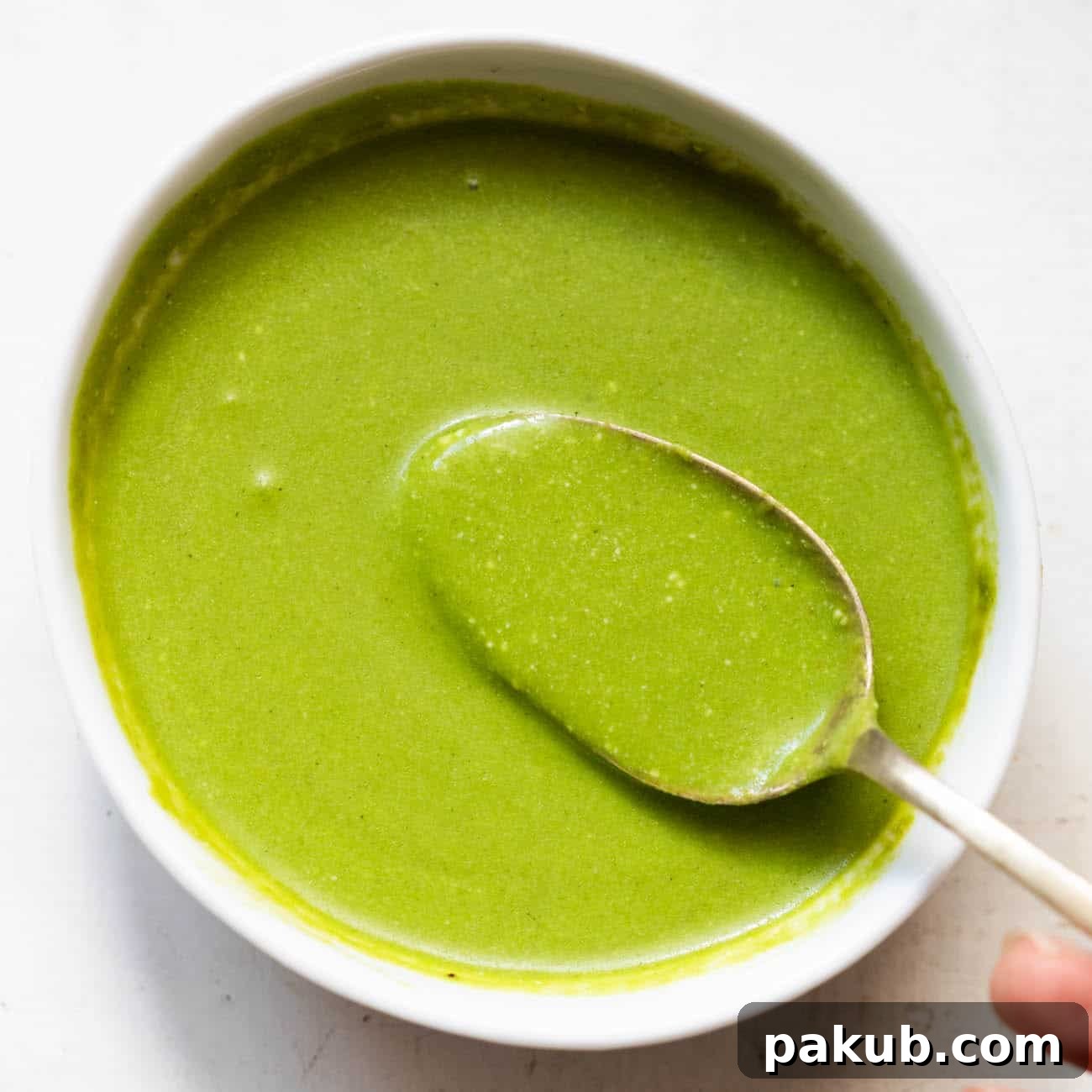
Discover the ultimate recipe for a vibrant, tangy, and incredibly refreshing Mint Chutney, also known as Pudina Chutney. This essential green dip is the perfect accompaniment to almost every Indian snack, meal, and appetizer! Whether you’re spreading it generously on a classic Bombay Sandwich Toast or dipping succulent tandoori kebabs into its fresh, herbaceous goodness, this chutney promises an explosion of flavor that will elevate your culinary experience. Say goodbye to bland meals and hello to a burst of fresh, zesty delight!
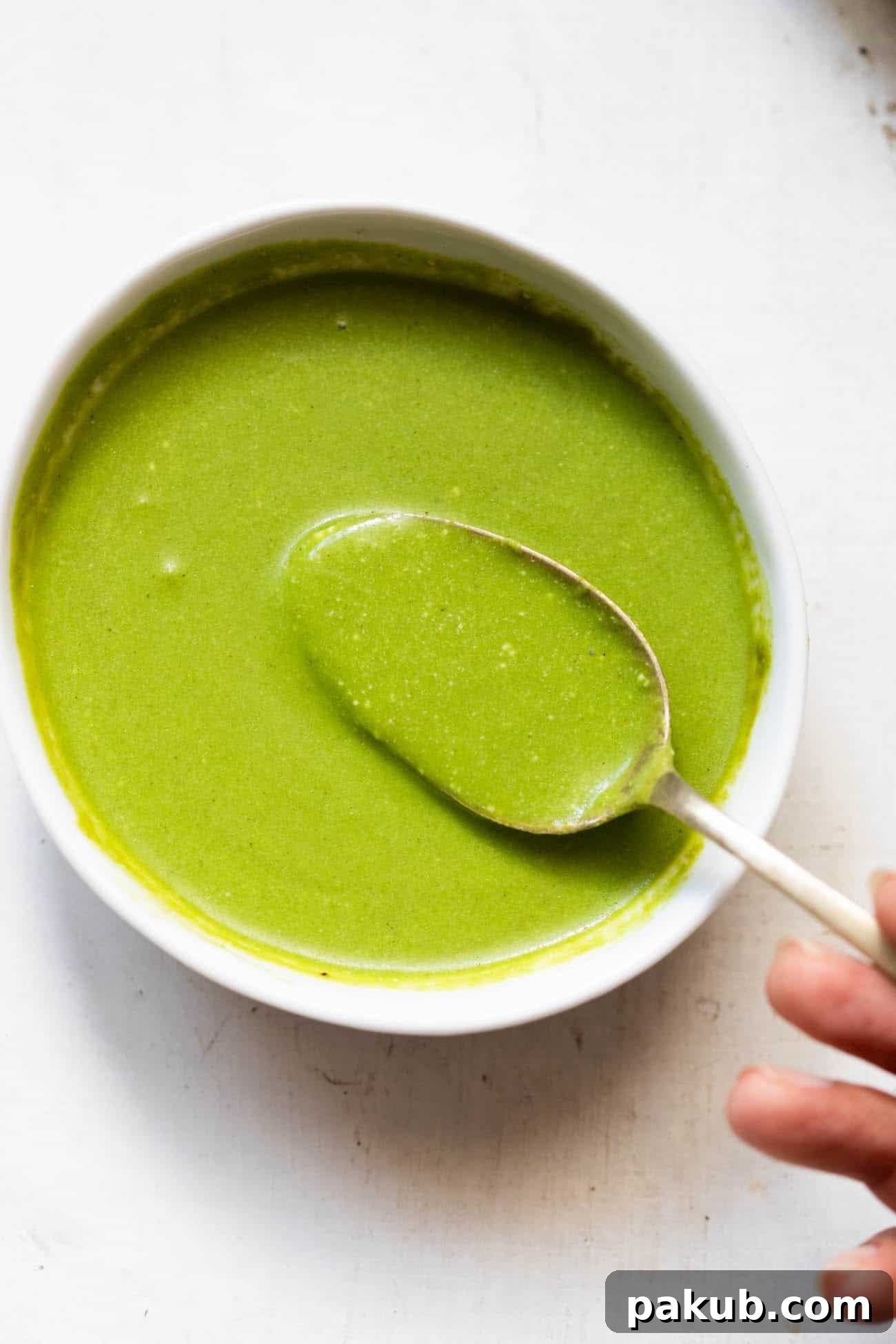
Green Mint Chutney, or Pudina Chutney as it’s affectionately called across India, truly needs no elaborate introduction. It stands as THE quintessential Indian condiment, a vibrant green staple that, if not immediately presented at the dining table, is often eagerly requested. Crafting the perfect mint chutney is an art, a delicate balance of fresh ingredients and precise measurements that culminate in a flavor profile that is wonderfully bright, zesty, and tangy, without succumbing to any unwelcome bitterness or excessive sourness.
This particular recipe is remarkably simple and straightforward. I personally find immense joy in preparing a fresh batch of this invigorating mint sauce every other week, ensuring we always have this delightful condiment readily available at home. There’s simply no substitute for the unparalleled freshness and authentic taste of homemade chutney!
Table of Contents
- What is Mint Chutney (Pudina Chutney)?
- Why Homemade Mint Chutney is Superior
- Key Ingredients for the Best Mint Chutney
- Step-by-Step Guide to Making Mint Chutney
- Top Tricks for a Flawless Mint Chutney
- Frequently Asked Questions (FAQs) About Mint Chutney
- Irresistible Accompaniment Ideas for Mint Chutney
- Mint Chutney Variations to Elevate Your Palate
- More Dips and Sauces You’ll Love
What is Mint Chutney (Pudina Chutney)?
Mint Chutney, known in Hindi as Pudina Chutney, is a popular Indian condiment made primarily from fresh mint leaves, often combined with coriander, green chilies, ginger, garlic, and a blend of spices. Its vibrant green color and refreshing, tangy, and sometimes spicy flavor make it a beloved dip across the subcontinent. It serves as a cooling counterpoint to rich, spicy dishes and a delightful flavor booster for simpler fares. While countless variations exist, the essence of Pudina Chutney lies in its ability to awaken the taste buds with its fresh and herbaceous notes.
Why Homemade Mint Chutney is Superior
In a world of convenience, it’s tempting to reach for store-bought chutneys, but nothing truly compares to the fresh, unadulterated flavor of homemade mint chutney. When you make it yourself, you have complete control over the quality and freshness of ingredients, allowing you to avoid preservatives, artificial colors, and excessive sugars or salts often found in commercial versions. The aroma alone as you blend fresh mint and coriander is a testament to the superior taste you’re about to enjoy. Homemade chutney offers a brightness and vibrancy that simply cannot be replicated, making it an effort well worth the reward.
Key Ingredients for the Best Mint Chutney
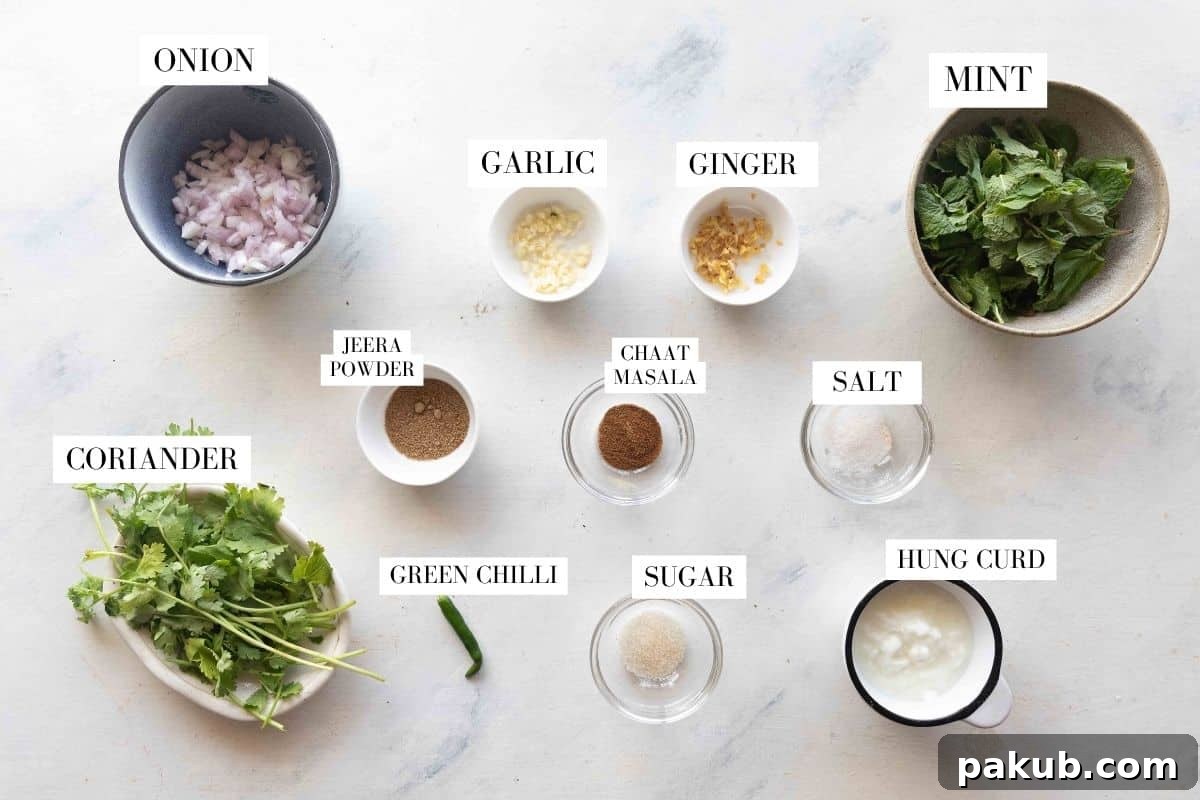
Although it’s famously called “mint chutney,” this delectable condiment actually celebrates a beautiful synergy between mint and coriander, complemented by an array of aromatic spices and pungent aromatics. Each ingredient plays a vital role in creating the perfect flavor balance.
- Fresh Mint Leaves (Pudina): This is, naturally, the star of our chutney. For the best flavor and to prevent any bitterness, it’s crucial to use only the leaves. Carefully discard all the woody stems as they can impart an undesirable bitter note to your chutney. Fresh, vibrant green leaves are key for both flavor and color.
- Fresh Coriander Leaves (Dhaniya): Providing a wonderful earthy and slightly citrusy counterpoint to the mint, coriander is an indispensable partner. Use both the leaves and the tender, thinner stems for maximum flavor and to reduce waste. Avoid the hard, thick lower stems.
- Green Chili: The essential element for that signature spicy kick that Indian chutneys are known for. Adjust the quantity according to your preferred level of heat. For a milder chutney, you can deseed the chili or use less. For a fiery one, add more or a spicier variety.
- Ginger, Garlic, and Onion: This classic trio of aromatics forms the flavor backbone, offering a pungent, zesty, and slightly sweet depth that elevates the chutney from merely herbal to truly complex and irresistible. Use fresh ingredients for the most potent flavor. A small piece of raw onion also helps in maintaining the bright green color of the chutney.
- Hung Curd (Strained Yogurt): This is my secret ingredient for achieving a restaurant-quality creamy texture and rich mouthfeel. Using hung curd (which is essentially yogurt with its whey drained out) makes the chutney wonderfully thick and smooth, preventing it from becoming watery. If you’re short on time, plain Greek yogurt can be an excellent substitute, providing similar richness and tang.
- Essential Spices: To further enhance the depth of flavor and give our Pudina Chutney that authentic Indian touch, we add:
- Chaat Masala: A tangy, savory, and slightly spicy spice blend that adds an incredible zing. Do not skip this!
- Jeera Powder (Cumin Powder): Lends a warm, earthy undertone that perfectly complements the fresh herbs.
- Salt: To season and bring out all the flavors.
- Sugar: Just a touch of sugar helps to balance the tanginess of the curd and the heat from the chilies, rounding out the flavor profile beautifully. This small addition makes a significant difference.
Step-by-Step Guide to Making Mint Chutney
Making this incredible mint chutney is surprisingly quick and simple, requiring just a few minutes of active preparation. Follow these easy steps for a perfect batch every time:
- Prepare Your Ingredients: Begin by thoroughly washing your mint and coriander leaves. For mint, carefully pluck only the leaves, discarding all stems as they can add bitterness. For coriander, use the leaves and tender stems. Roughly chop the green chili, ginger, garlic, and onion to ensure even blending.
- Combine Herbs and Aromatics: In the jar of a high-speed blender or food processor, add the mint leaves, coriander leaves, green chili, chopped ginger, garlic cloves, and onion.
- Add the Dry Spices: To the blender, add the jeera powder (cumin powder), chaat masala, sugar, and salt. These spices are crucial for developing the authentic flavor of the chutney.
- Blend Until Smooth: Begin blending the mixture. It will be thick initially. Add water in very small increments, about a tablespoon at a time, just enough to help the blades move and achieve a smooth, fine paste. Avoid adding too much water at once, as this can make the chutney watery and dilute its intense flavor. Blend until the mixture is completely smooth and vibrant green.
- Incorporate the Hung Curd: Once your green paste is ready, transfer it to a separate bowl. In another bowl, gently whisk your hung curd (or Greek yogurt) until it’s smooth and lump-free.
- Combine for Creaminess: Gradually add the blended green chutney paste to the whisked hung curd. Mix thoroughly with a spoon or whisk until both components are perfectly combined, resulting in a creamy, consistent, and beautifully green mint chutney.
- Taste and Adjust: Taste your freshly made chutney and adjust seasonings as needed. You might want to add a pinch more salt, a dash of sugar, or a squeeze of lemon juice for extra tang, depending on your preference.
- Serve and Enjoy: Your delicious homemade mint chutney is now ready to be served! Transfer it to an airtight container for storage or present it immediately with your favorite Indian dishes.
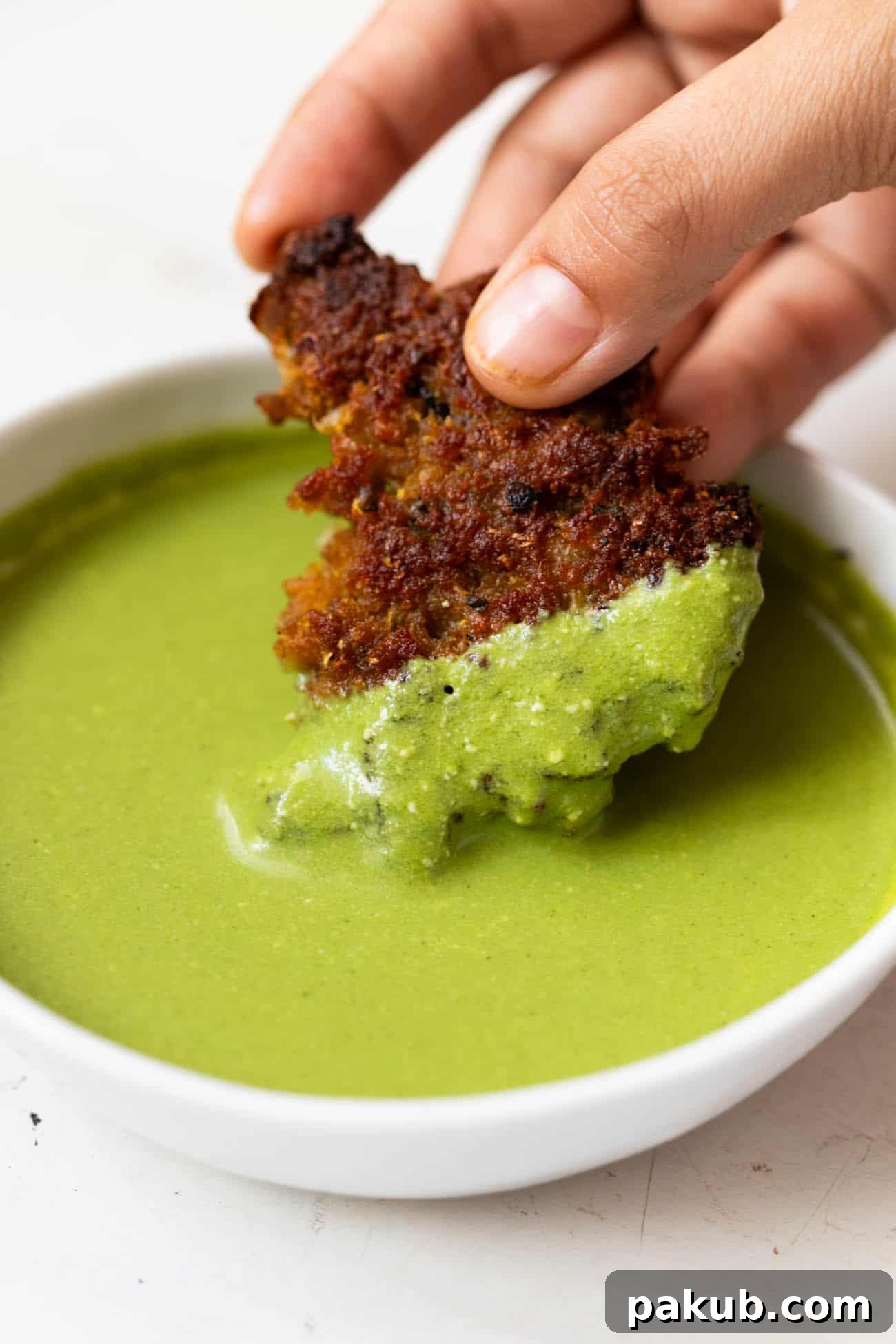
Top Tricks for a Flawless Mint Chutney
Achieving that perfectly balanced, vibrant, and incredibly flavorful mint chutney is easier than you think with these expert tips and tricks:
- Mindful Curd Addition: A common mistake is adding the curd directly into the blender with other ingredients. This can make the chutney overly watery and difficult to control the consistency. Instead, blend your herbs and spices into a smooth paste first. Then, in a separate bowl, whisk your hung curd until smooth, and gradually fold in the green paste. This method ensures a beautifully creamy, thick, and consistent chutney every time.
- Greek Yogurt as a Smart Swap: If you don’t have the time to make hung curd or it’s not readily available, fear not! Plain, unsweetened Greek yogurt is an excellent substitute. Its naturally thicker consistency closely mimics that of hung curd, providing a similar rich and creamy texture to your mint sauce without any extra steps.
- Prioritize Fresh Leaves: The quality of your herbs makes a world of difference. Always strive to use fresh, tender, and bright green mint and coriander leaves. Wilted, drying, or discolored leaves can introduce bitterness, diminish the vibrant color, and significantly reduce the shelf life of your chutney. Freshness equals flavor and longevity.
- Ice-Cold Water Wash: To preserve the vibrant green color and inherent freshness of your mint and coriander leaves, give them a quick wash in ice-cold water before blending. This shock helps to “set” their chlorophyll, maintaining that gorgeous, appetizing hue in your finished chutney.
- Choose Glass for Storage: While plastic containers are convenient, I strongly recommend storing your precious homemade mint chutney in a clean, airtight glass jar. Glass is non-porous and won’t absorb food odors from your fridge, keeping your chutney tasting fresh. Moreover, the intense green color of the chutney can permanently stain plastic containers, whereas glass remains pristine.
- Strictly Mint Leaves, No Stems: Re-emphasizing this crucial point: always discard the mint stems. They are woody and contain compounds that impart a distinct bitterness, which can overpower the fresh, clean taste of the chutney. Focus solely on the soft, aromatic leaves.
- Water in Increments During Blending: When grinding your chutney ingredients, resist the urge to pour in a lot of water at once. Start with no water or just a splash, and add more only if the blender struggles. Incorporate water in small increments – a tablespoon at a time – blending and checking the consistency each time. This precision prevents a runny chutney and allows you to achieve your desired thickness.
- Balance the Flavors: Don’t be afraid to taste and adjust. The perfect mint chutney has a delightful balance of spicy, tangy, and slightly sweet. If it feels too spicy, a touch more curd or sugar can mellow it. Too tangy? A bit more sugar. Not tangy enough? A squeeze of fresh lemon juice can work wonders.
Frequently Asked Questions (FAQs) About Mint Chutney
When stored properly in an airtight container in the refrigerator, homemade mint chutney can retain its freshness and vibrant flavor for 7 to 10 days. For longer preservation, consider making a larger batch and freezing half of it. Frozen mint chutney can last exceptionally well for up to 6 months without significant loss of quality. To freeze, pour into ice cube trays, freeze solid, then transfer the cubes to a freezer-safe bag. Thaw in the refrigerator as needed.
Bitterness in mint chutney is a common issue but easily avoidable. The primary culprits are usually:
- Over-blending: Blending the chutney for too long can “bruise” the mint leaves, releasing compounds that contribute to a bitter taste. Blend just until smooth, and no more.
- Mint Stems: As emphasized, mint stems are quite bitter. Ensure you meticulously remove all stems and use only the leaves.
- Wilted or Old Leaves: Using mint leaves that are no longer fresh, are wilting, or have dark spots can also lead to bitterness. Always opt for fresh, tender, bright green leaves.
- Excessive Ginger/Garlic: While aromatics are crucial, too much ginger or garlic can sometimes lend a harsh or bitter note. Stick to the recommended amounts.
To maintain that appealing bright green color, here are a few tips:
- Use Ice-Cold Water: Washing your herbs in ice-cold water before blending helps preserve their chlorophyll.
- Add a Citrus Element: A squeeze of lemon juice or a small piece of raw onion (as included in this recipe) acts as an anti-oxidant, helping to maintain the green color.
- Avoid Over-blending: Excessive blending introduces air and heat, which can cause oxidation and dull the color.
- Store Properly: Store in an airtight container immediately after making, preferably glass, to minimize air exposure.
Absolutely! While yogurt provides a creamy texture and tangy depth, you can certainly make a delicious mint chutney without it. For a dairy-free version, simply omit the hung curd/Greek yogurt. You might want to add a bit more lemon or lime juice for tang, and perhaps a small piece of raw mango or even some roasted peanuts for added body and a slightly different texture. The flavor profile will be sharper and more intensely herbaceous.
Irresistible Accompaniment Ideas for Mint Chutney
This versatile mint chutney is truly a culinary chameleon, capable of transforming a simple snack into an extraordinary treat. Here are just a few ideas to get your culinary creativity flowing:
- Classic Indian Snacks: This chutney is the undisputed champion alongside nearly all Indian snacks.
- Generously lather it between layers of my Bombay Sandwich Toast for an authentic street food experience.
- It’s the perfect dipping sauce for crispy Vegetable Pakoras and delectable Paneer Pakodas.
- Serve it alongside succulent Hara Bhara Kebabs, juicy Tandoori Prawns, or any grilled chicken or paneer tikka.
- Beyond Indian Cuisine: Don’t limit this gem to Indian dishes! Its fresh, tangy profile makes it incredibly adaptable.
- Sandwiches and Wraps: Spread it on any sandwich, wrap, or roll for an instant flavor upgrade. It’s fantastic in chicken or vegetable wraps, adding a bright, zesty kick.
- Salad Dressing: Thin it out slightly with a little water or extra yogurt and use it as a refreshing salad dressing.
- Grilled Meats & Vegetables: Drizzle over grilled chicken, fish, lamb, or roasted vegetables. The freshness cuts through richness beautifully.
- Burgers: A dollop of mint chutney can replace traditional condiments in a burger for a surprising and delicious twist.
- Eggs: A small spoonful adds a delightful zing to scrambled eggs or omelets.
- Pizzas & Flatbreads: Use it as a vibrant base sauce for mini pizzas or spread it on warm naan bread with a sprinkle of cheese.
- Simple Bread & Butter: For the ultimate simple pleasure, spread it on some fresh bread with a smear of butter – pure comfort!
Mint Chutney Variations to Elevate Your Palate
While the classic Mint Chutney is undeniably perfect, there’s always room to experiment and customize. Here are a few exciting variations you can try to tailor this dip to your taste or pair it with different meals:
- Coconut Mint Chutney: For a South Indian twist, add 2-3 tablespoons of fresh or desiccated coconut (soaked in warm water if using desiccated) to the blender. This adds a lovely creaminess and a subtle nutty sweetness that pairs wonderfully with dosa, idli, or seafood.
- Peanut Mint Chutney: Introduce 1/4 cup of roasted peanuts (or cashews) to the blender for extra body, a nutty flavor, and a richer texture. This version is fantastic with pakoras or as a spread.
- Tangy Raw Mango Mint Chutney: If raw mangoes are in season, add a small piece (about 1-2 inches, peeled and chopped) to the blend. The natural tartness of the mango adds an incredible tang and seasonal freshness, making it exceptionally good with fried snacks.
- Garlic Lover’s Chutney: For those who adore garlic, feel free to increase the garlic cloves from 2 to 3 or even 4, depending on their size and your preference for a more pungent flavor.
- Smoky Flavor: For a subtle smoky hint, you can lightly char one green chili directly over a flame before adding it to the blender. This technique adds depth, particularly good for grilled items.
- Sweet & Spicy Mint Chutney: Increase the sugar slightly and add a tiny piece of jaggery along with a pinch of red chili powder for a chutney with more pronounced sweet and spicy notes, often preferred with certain chaats.
- A Hint of Lemon/Lime: If your chutney feels like it needs an extra lift or if you’re skipping the yogurt, a squeeze of fresh lemon or lime juice at the end can brighten all the flavors beautifully.
More Dips and Sauces You’ll Love
If you’ve enjoyed making this mint chutney, explore these other fantastic dip and sauce recipes to expand your culinary repertoire:
- Egyptian Beetroot Dip
- Green Coriander Chutney
- Garlicky Yogurt Party Dip
- Blender Mango Mustard Dipping Sauce
I hope this detailed guide encourages you to bookmark this recipe and make it a regular ritual in your kitchen. Once you experience the incredible difference of fresh, homemade mint chutney, you’ll find yourself coming back to it week after week!
Don’t forget to share your culinary creations! Send me your photos over on my Instagram @my_foodstory to show me what delightful dishes you served this vibrant chutney with. We’d love to feature your pairing suggestions and inspire others!
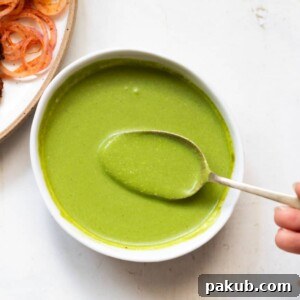
Mint Chutney (Pudina Chutney)
By: Richa
A fresh, tangy, and invigorating chutney that pairs exceptionally well with a wide array of Indian snacks, kebabs, tikkas, and tandoori items. It’s also fantastic drizzled on shawarma, sandwiches, and fresh salads.
Prep time: 10 mins
Total time: 10 mins
Servings: 6 people
Ingredients
- 1.5 cups Fresh Mint leaves, carefully pick leaves and discard all stems
- 1 cup Fresh Coriander leaves, use leaves and tender stems, discard hard stems
- ½ Green Chili (adjust to taste for desired heat)
- ½ tsp finely chopped Ginger
- 2 small Garlic Cloves (or 1 large clove)
- ¼ small Onion, roughly cut
- ¼ teaspoon Jeera Powder (Ground Cumin)
- ½ tsp Chaat Masala
- ¾ tsp Granulated Sugar
- ¼ tsp Salt (or to taste)
- ¾ cup Hung Curd (Strained Yogurt), whisked until smooth (substitute with plain Greek yogurt for convenience)
Instructions
- In a high-speed blender or food processor, combine the mint leaves, coriander leaves, green chili, chopped ginger, garlic cloves, onion, jeera powder, chaat masala, sugar, and salt.
- Blend until a smooth, vibrant green paste is formed. Add water in very small increments (1 tablespoon at a time) only if necessary to aid blending, ensuring the chutney remains thick.
- Transfer the blended green paste to a separate bowl. Add the whisked hung curd (or Greek yogurt) and mix thoroughly until well combined and creamy.
- Taste and adjust seasoning as required. Serve immediately or store in an airtight glass container.
Notes
- Avoid adding curd directly to the blender with other ingredients; this can make the chutney watery. Blending the green paste first and then folding it into whisked curd yields a smoother, creamier consistency.
- For a quicker option, substitute hung curd with good quality plain Greek yogurt; it provides a similar thick and tangy base.
Nutrition (per serving, estimated)
Calories: 31kcal | Carbohydrates: 4g | Protein: 3g | Fat: 0.3g | Saturated Fat: 0.1g | Polyunsaturated Fat: 0.1g | Monounsaturated Fat: 0.03g | Trans Fat: 0.002g | Cholesterol: 1mg | Sodium: 124mg | Potassium: 126mg | Fiber: 1g | Sugar: 2g | Vitamin A: 660IU | Vitamin C: 5mg | Calcium: 61mg | Iron: 1mg
LOVE THIS RECIPE? Subscribe to my newsletter and be the first to receive all new recipes and culinary inspiration!