
The captivating aroma of freshly baked bread wafting through your home is truly one of life’s simplest pleasures. Embarking on the journey of homemade bread baking is a deeply satisfying experience, from carefully measuring ingredients and the rhythmic kneading of dough, to witnessing its miraculous rise, artfully shaping it, and finally, savoring the warmth of your creation from the oven. This comprehensive guide, “Bread Baking 101,” is designed to demystify the process and equip you with essential tips, tricks, and insights for your next baking adventure.

Baking bread at home transcends a mere culinary task; it’s an art form, a science experiment, and a comforting ritual all rolled into one. While the concept might seem daunting for newcomers, this guide aims to break down the fundamental terms and concepts of bread baking into easy-to-understand steps. We’ll cover everything from the crucial role of kneading to the science of proofing, expert shaping techniques, and the secrets to achieving a perfect bake. Get ready to unlock the magic and transform simple ingredients into loaves of pure joy.
Mastering the Art of Kneading: The Foundation of Great Bread
Once your ingredients are precisely measured and organized, the journey of bread baking truly begins with mixing and kneading. This initial stage is paramount, as it dictates the texture, structure, and overall success of your finished loaf. First, you’ll combine your dry and wet ingredients according to your recipe to form a shaggy, unified mass. This seemingly humble lump of dough will then undergo a transformation through the process of kneading, evolving into a smooth, elastic, and well-formed masterpiece.
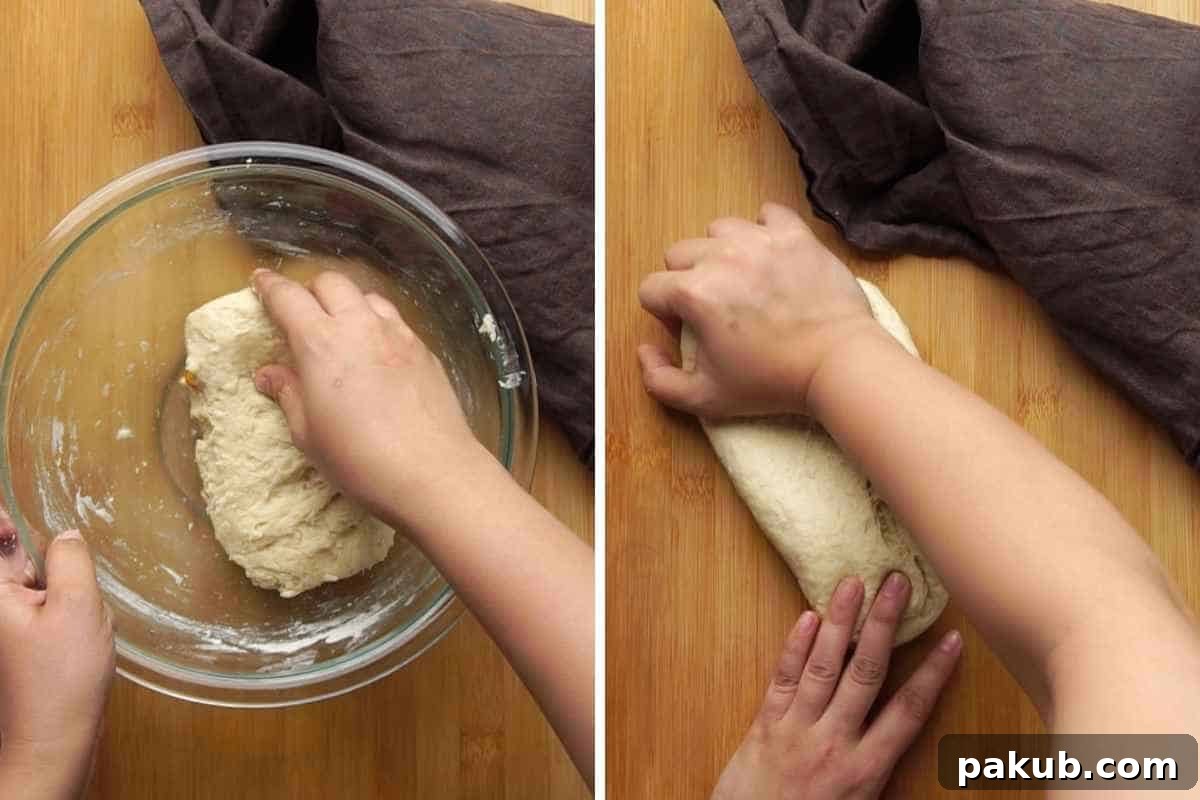
Kneading is essentially a workout for your dough, requiring repetitive stretching, folding, and pressing in a rhythmic motion. This active manipulation is vital for developing the gluten strands within the dough. Gluten, a protein composite found in wheat, is responsible for creating the elastic network that gives bread its characteristic chewiness, strength, and ability to hold gas produced during fermentation. As you knead, these gluten proteins align and strengthen, forming a resilient matrix that traps carbon dioxide, leading to a light and airy crumb structure. You can achieve effective kneading either by hand, which offers a tactile connection to your dough, or by using a stand mixer equipped with a dough hook, which provides consistency and saves effort. The key is to ensure sufficient gluten development before proceeding to the next stage of fermentation.
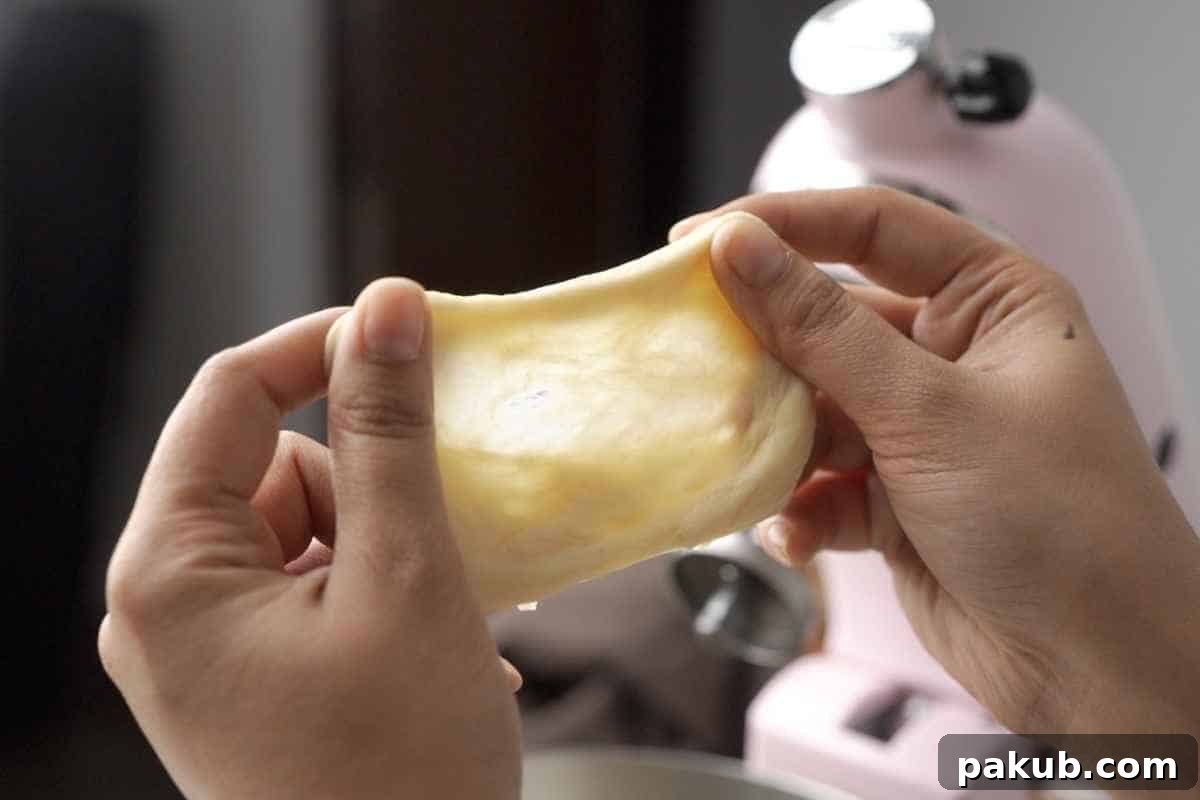
How do you know when your dough is perfectly kneaded? This is a common question, and thankfully, there are reliable indicators. One primary sign is that when you gently stretch a small piece of the dough, it should form delicate, web-like patterns without tearing. This indicates that the gluten has developed adequately, creating a strong yet pliable network. The ultimate confirmation, however, is the renowned WINDOWPANE TEST. To perform this, carefully take a small piece of dough and gradually stretch it between your fingers. If you can stretch it thin enough to see light pass through it, like a translucent windowpane, without it breaking, your dough has achieved optimal gluten development and is ready for proofing. This test is a surefire way to gauge the dough’s readiness, ensuring a superior texture in your final product.
The Magic of Proofing: Rising and Resting Your Dough
Understanding the term “allow dough to rise” is fundamental to successful bread baking. In essence, this refers to the crucial process of fermentation, where the yeast, fueled by sugars present in the dough, produces carbon dioxide gas. This gas becomes trapped within the elastic gluten network developed during kneading, causing the dough to “inflate” and increase significantly in size. This process is scientifically known as bread proofing or proving. While the quality and quantity of ingredients, as well as the kneading method, certainly play a role, three primary environmental conditions are paramount to successful dough rising.
The triumvirate of **humidity, temperature, and active yeast** are the critical factors you must meticulously control for optimal bread proofing. Deviations from ideal conditions in any of these areas can lead to disappointing results. For yeast to thrive and produce gas efficiently, it requires a warm, moist environment. Before you set your dough aside for its first rise, also known as bulk fermentation, consider the final shape and structure of your desired bread. Some recipes, particularly enriched doughs like brioche, call for a “double proofing” – an initial rise before shaping, followed by a second, shorter rise (final proof) after the dough has been shaped. Other simpler recipes, such as for simple dinner rolls, may instruct you to shape the dough immediately after kneading and then allow it to complete its single, final proof. Always check your specific recipe for guidance on proofing stages.
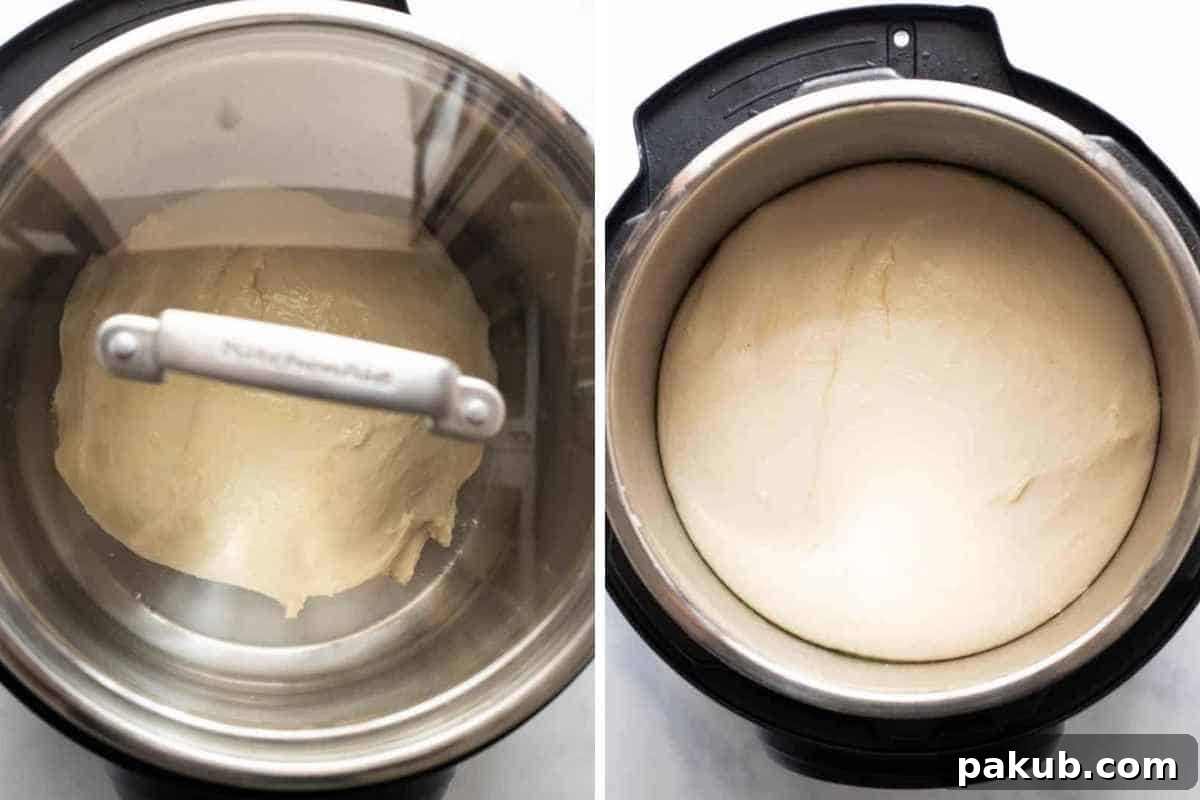
Pro Tip: Do you own an Instant Pot or an electric pressure cooker? These versatile appliances aren’t just for stews and rice! They can create the perfect environment for dough proofing. I’ve dedicated an entire blog post to the ingenious method of proofing bread in an Instant Pot using the YOGURT function. Trust me, you’ll be amazed by the consistent and rapid results, especially if you live in a colder climate or struggle with finding a warm spot!
One of the most frequent questions I encounter regarding bread baking is, “Why won’t my bread dough rise?” Let’s delve into the common culprits behind this frustrating issue.
How Do You Know When the Dough Has Risen Perfectly?
A properly proofed dough is crucial for a light and airy loaf. The general rule of thumb is to allow the dough to approximately double in size. It’s important to remember that the time this takes will vary significantly based on the ambient humidity and temperature of your kitchen, as well as the type of yeast and flour used. So, while recipes often provide a time range, relying on visual cues is more reliable. Ensure your dough has visibly doubled before moving on to shaping or baking. For some doughs, shaping occurs first, followed by proofing, but the principle of doubling in size for the final proof remains consistent.
When you prepare your dough for its rise, keep these essential tips in mind to create an ideal environment:
- Grease the Bowl: Always lightly grease the bowl in which you place the dough for proofing. Use a neutral oil like vegetable, canola, or olive oil. This simple step prevents the dough from sticking to the sides as it expands, making it much easier to remove without deflating.
- Grease the Dough Surface: After placing the dough in the greased bowl, lightly brush or spray the surface of the dough with a little oil. This forms a protective barrier, preventing the top layer from drying out and forming a crust, which can inhibit proper rising.
- Cover with a Damp Cloth: To trap moisture and create the humid environment yeast loves, cover the bowl with a clean, damp kitchen towel or plastic wrap. The trapped moisture helps keep the dough supple and ensures an even rise.
An easy hack for tracking your dough’s progress is to make a mark on the side of your container at the dough’s initial level. This visual reference will make it much simpler to accurately judge when the dough has doubled in size, taking the guesswork out of proofing.
If you reside in a cold climate or your kitchen is consistently cool, creating a warm, humid environment is paramount. A clever method is to preheat your oven to its lowest setting (around 50°C or 120°F) for just a few minutes, then switch it off completely. Place your covered dough inside this warm, cozy, turned-off oven. The residual heat provides a perfect, gentle warmth for the yeast to work its magic. Another effective strategy is to place the covered dough near a heat source like a warm window on a sunny day or next to a stove that’s in use.
Bread Dough Not Rising? Here’s Why and How to Fix It!
The science behind why bread dough sometimes fails to rise is surprisingly straightforward once you understand the key players. After spending time delving into this process, I’ve identified the most common reasons:
- Old or Inactive Yeast: Yeast is the living organism primarily responsible for making your dough rise. If your yeast is old, expired, or has been improperly stored, it may be inactive or dead. Always ensure your yeast is fresh and active. Here’s a handy guide I found online to test your yeast for activity before you commit it to your dough. If it doesn’t foam or bubble, it’s best to get a new batch.
- Improper “Feeding” of Yeast: Yeast requires “food,” primarily glucose, to become active and produce carbon dioxide. This glucose usually comes from sugar, flour, and/or milk in your recipe. This is why yeast is often combined with a small amount of sugar and warm liquid first – it jumpstarts the fermentation process. Crucially, never combine yeast directly with a large amount of salt at the very beginning of your recipe, as salt can inhibit or even kill yeast. Add salt after the initial yeast activation or integrate it with the flour.
- Incorrect Temperature: Yeast is highly sensitive to temperature. It thrives within a specific range, ideally between 80°F (27°C) and 90°F (32°C). Temperatures too cold will slow or stop yeast activity, leading to a very long or non-existent rise. Temperatures too hot can kill the yeast, rendering it ineffective. Always use lukewarm water (not hot) and allow your dough to rise in a warm spot – this could be a turned-off oven with just the light on, near a warm stove, or a sunny window sill.
- Insufficient Humidity: While temperature is critical, humidity plays an equally important role. A bread dough typically requires a humidity level of 60% to 80% to rise properly. Without adequate moisture, the surface of the dough can dry out and form a skin, which restricts its ability to expand. To create this humid environment, always cover your dough with a warm, damp cloth or plastic wrap, as mentioned previously.
Pro Tip: If you’re utilizing the oven method for proofing your bread, here’s an additional trick to boost humidity: place a heat-proof bowl of boiling water on the floor of the oven (or on a lower rack) as you place your covered dough inside. Immediately close the oven door. The hot steam trapped within the oven creates an exceptionally humid environment, mimicking professional proofing chambers and giving your dough the perfect conditions for a robust rise!
Shaping Your Dough: From Simple Rolls to Artisanal Loaves
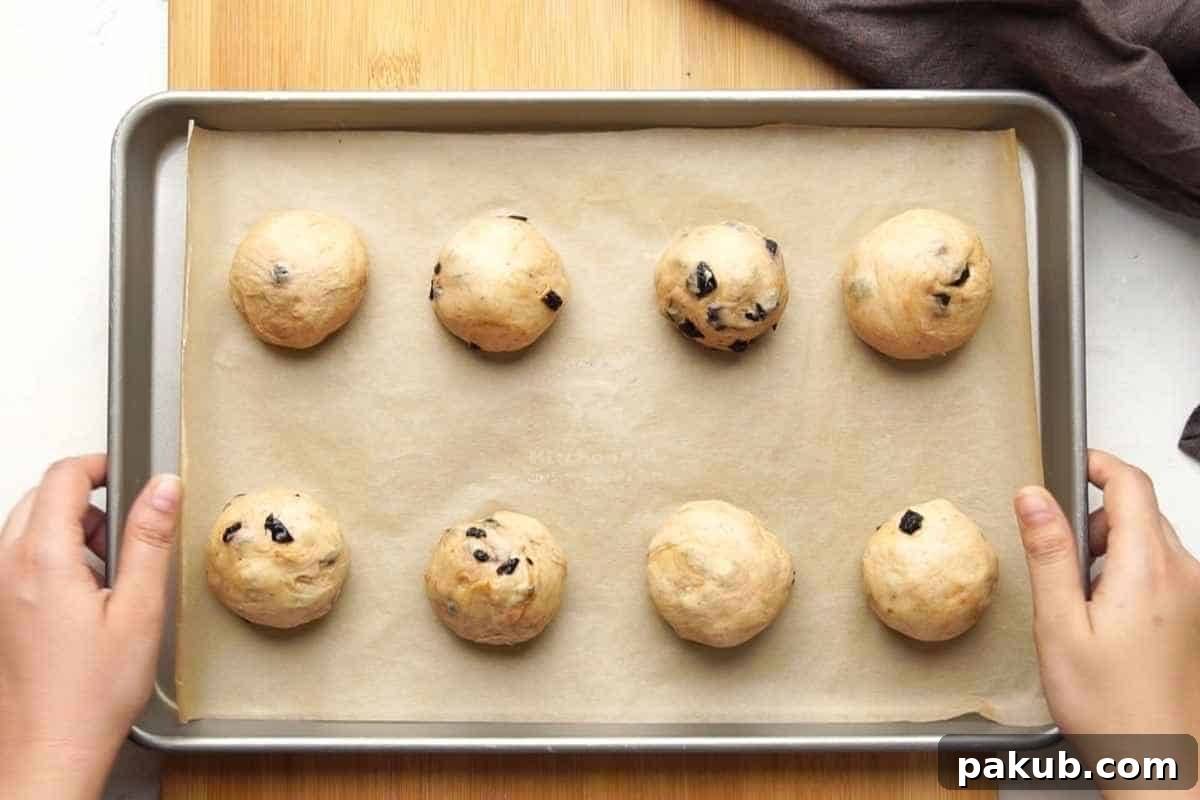
Once your dough has completed its first rise and achieved that beautiful, airy expansion, it’s time for the exciting step of shaping. This is where your creativity can shine, though for many home bakers, simplicity and practicality are key. Personally, I often opt for the most straightforward approach: crafting individual dinner rolls, such as Ladi Pav-style rolls. Since I frequently bake for my family, quick and consistent results are a priority over intricate designs. My method involves gently deflating the risen dough (also known as “punching down” or “degassing” to release large pockets of gas), dividing it into equal portions, and then rolling each portion into a tight, smooth ball. This technique ensures an even bake and a consistent texture for each roll.
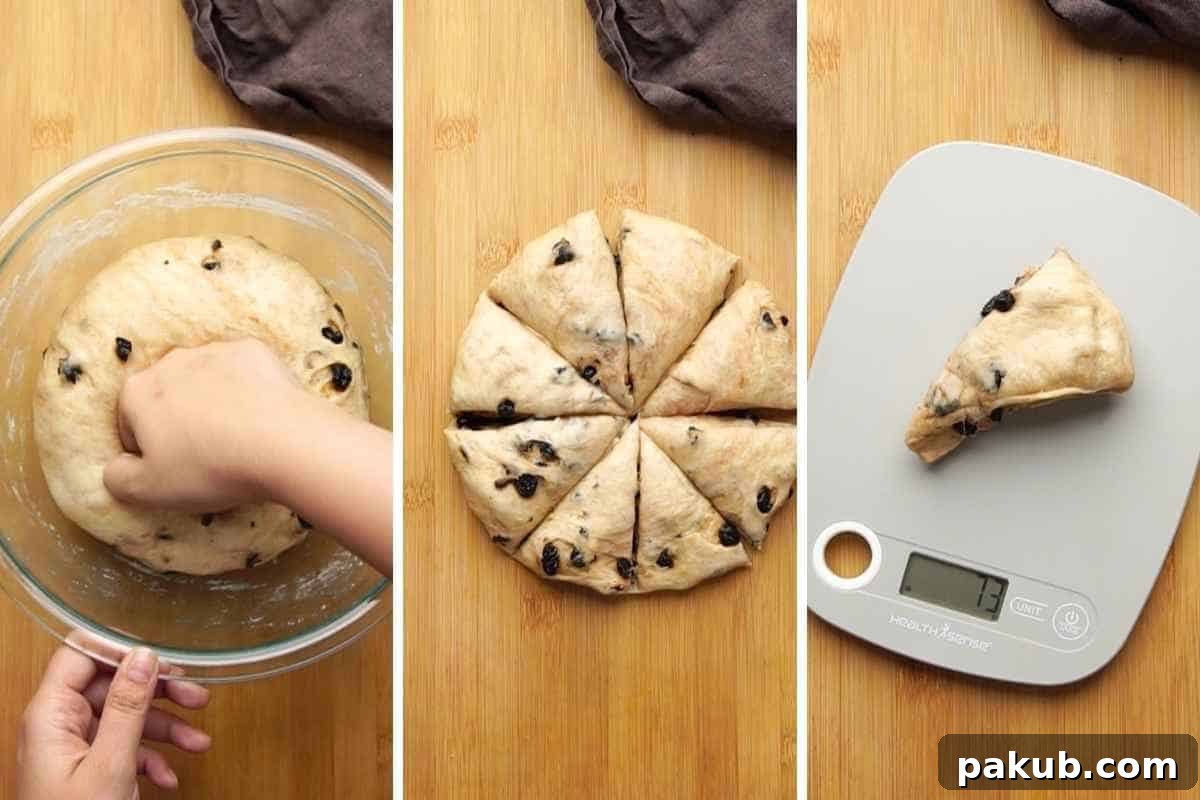
However, the world of dough shaping is vast and inspiring! You can transform your dough into an incredible array of forms: elegant braids, classic sandwich loaves, rustic baguettes, individual hot dog buns, or fluffy burger buns. Your choice of shape largely depends on your recipe and your desired final product. There are numerous resources available online and in cookbooks to guide you through various shaping techniques, from simple rounds to more complex twists and folds. The crucial aspect to remember during shaping is to handle the dough gently to avoid undoing all the beautiful gluten development and gas production. Aim to create surface tension, which helps the bread hold its shape and contributes to a good oven spring. After shaping, most bread recipes require a second proofing (the final proof), during which the shaped dough rises again, usually on a baking sheet or in a proofing basket, before it’s ready for the oven. Always double-check your recipe instructions to confirm whether a second proof is necessary after shaping.
The Grand Finale: Baking Your Bread to Perfection
PREHEAT YOUR OVEN! This instruction cannot be overemphasized; it is arguably the most critical step for achieving beautifully baked bread with an ideal texture. It is absolutely essential that your oven reaches and maintains the specified temperature *before* you introduce your carefully proofed dough. This readiness is paramount because of a phenomenon known as oven spring. Oven spring is the rapid, dramatic expansion that occurs in the initial few minutes when dough is exposed to intense, high heat in a preheated oven. The sudden burst of heat causes the remaining yeast to produce a final surge of carbon dioxide, and any water in the dough quickly turns to steam, both contributing to a swift and significant rise. This initial burst of growth is what gives your bread its final volume, light texture, and characteristic airy crumb. If your oven is not sufficiently hot, oven spring will be minimal or absent, often resulting in a dense, flat, and hard loaf, rather than the light and airy bread you envision. Always allow your oven at least 20-30 minutes to preheat fully, and consider using an oven thermometer to verify its accuracy.
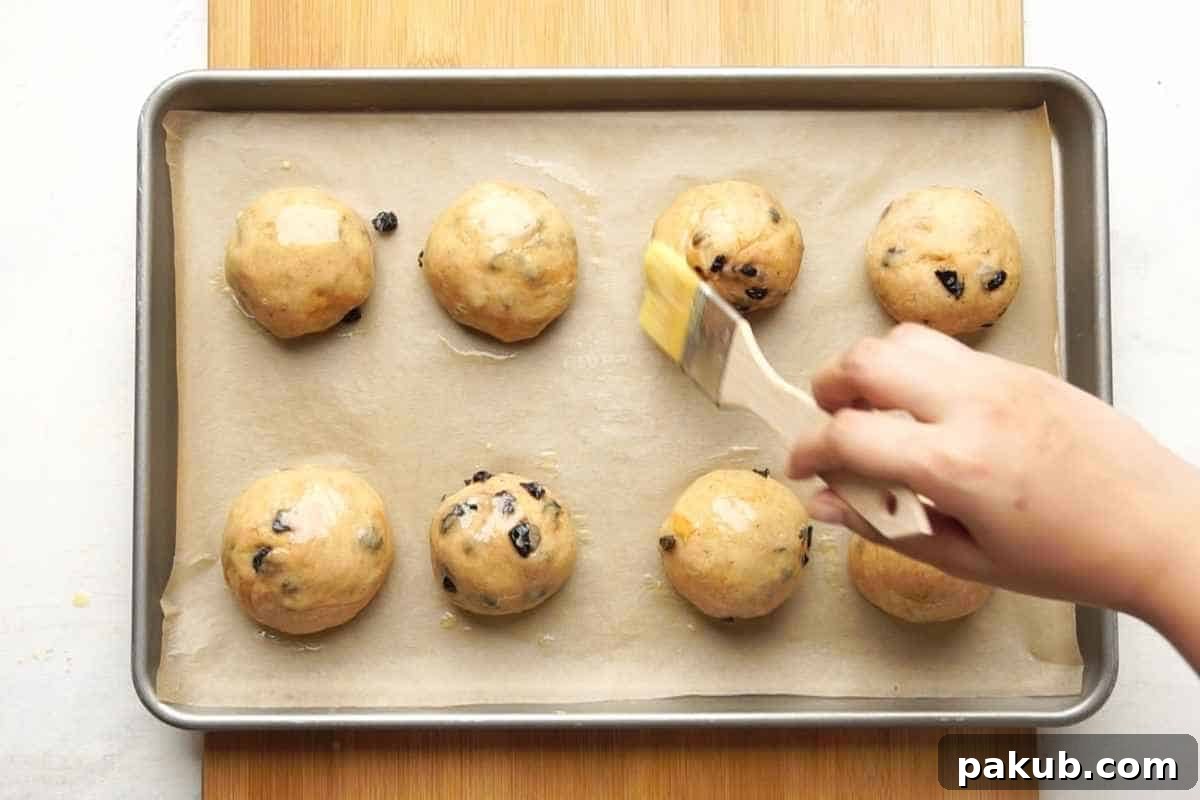
For that irresistible golden-brown crust and a touch of professional flair, consider brushing the surface of your dough with a wash before baking. A simple milk wash (whole milk works best) or an egg wash (one egg beaten with a tablespoon of water or milk) are popular choices. The natural sugars (glucose and lactose) present in milk, or the proteins in egg, caramelize beautifully during the high heat of baking, creating a rich, glossy, and beautifully browned exterior. This not only enhances the visual appeal but can also contribute to a slightly softer crust. Some bakers also opt for a plain water mist for a chewier crust, or a dusting of flour for a more rustic look. Don’t forget to score your dough with a sharp knife or lame just before baking; this controlled cut allows the bread to expand predictably during oven spring, preventing uncontrolled cracks and creating beautiful patterns.
Once baked, knowing when your bread is truly done is key. While recipes provide baking times, these are often guidelines. A reliable indicator is an internal temperature of around 200-210°F (93-99°C) for most lean breads, checked with an instant-read thermometer. Another classic test is to tap the bottom of the loaf; if it sounds hollow, it’s likely done. Finally, resist the urge to slice into your hot bread immediately after it comes out of the oven. Allowing it to cool completely on a wire rack is crucial. This cooling period allows the internal steam to redistribute, setting the crumb, and preventing a gummy texture. Patience during this final stage will reward you with the best possible flavor and texture.
Now that you’re equipped with the fundamental knowledge of bread baking, why not put your skills to the test? Here are some of my favorite bread recipes that are sure to delight:
- Dominos Style Garlic Breadsticks: Recreate this beloved classic at home with a soft interior and crispy, garlicky crust.
- Eggless Dinner Rolls/ Pav: Achieve incredibly soft and fluffy rolls perfect for any meal, without the use of eggs.
- Pepperoni Cheese Bombs with the softest bread!: A fun and flavorful treat, combining savory pepperoni and gooey cheese within a pillowy-soft bread exterior.
Embrace the wonderful world of homemade bread, and enjoy the delicious rewards of your efforts!