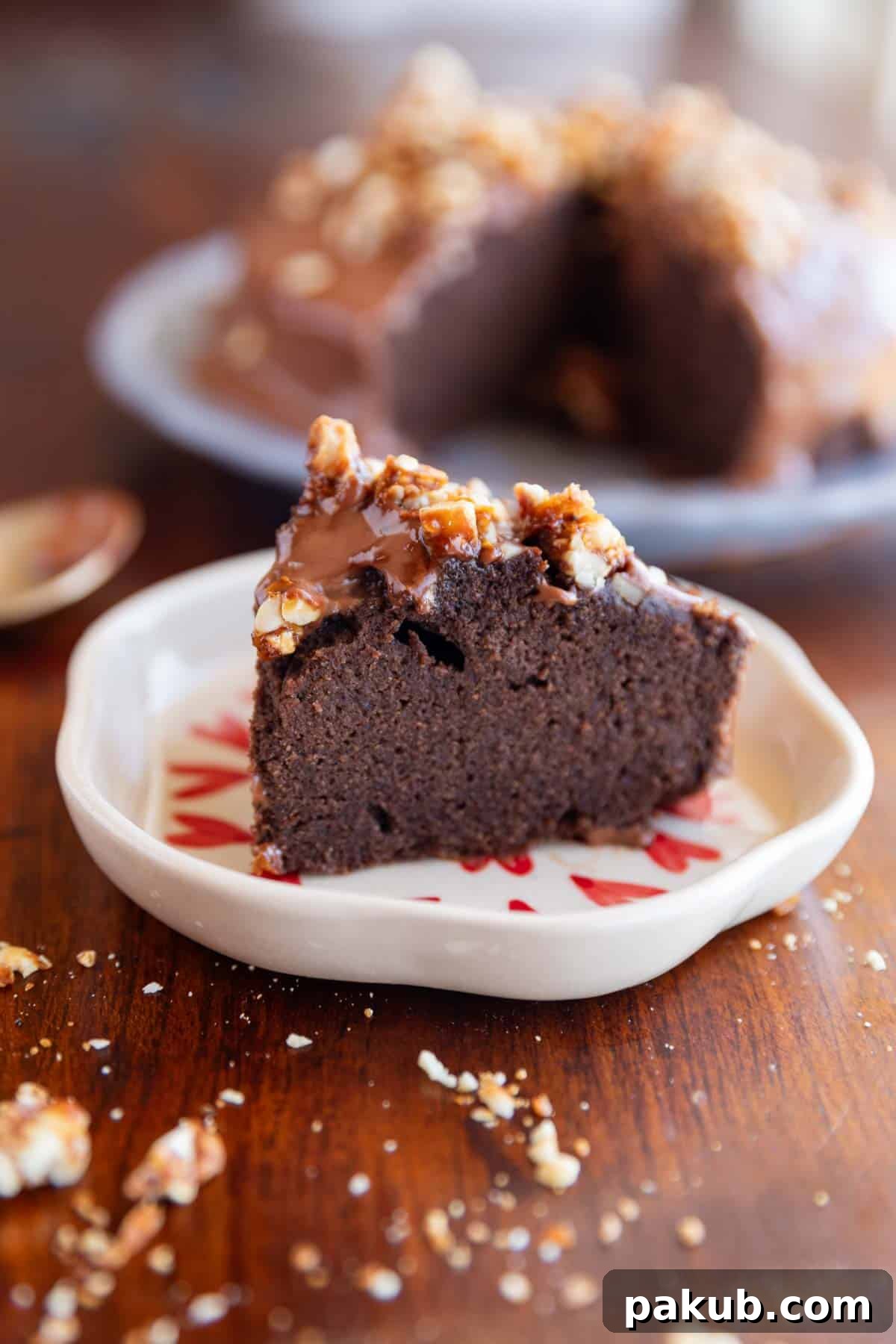
Indulge in the best of both worlds with our Chocolate Ragi Cake – a delightful fusion of rich, moist chocolatey goodness and the incredible health benefits of millets. This recipe redefines healthy desserts, offering a soft, spongy texture and deep flavor that will change your chocolate cake game forever. And don’t worry, the unique earthy notes of ragi are perfectly complemented, leaving you with nothing but pure, unadulterated chocolate bliss.
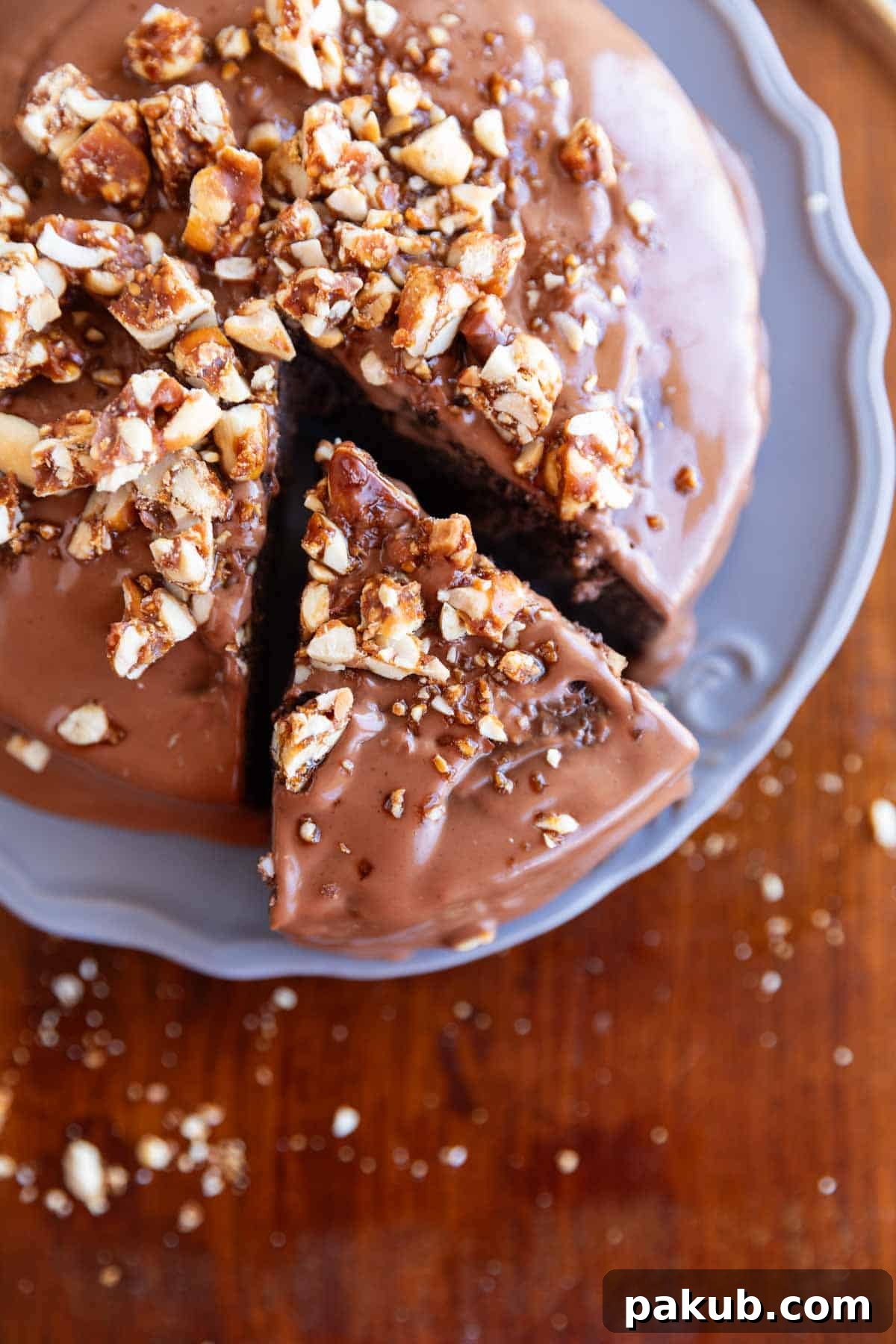
Today, we’re embarking on a culinary journey to bake a truly exceptional homemade chocolate cake, featuring a surprising yet incredibly beneficial ingredient: finger millet, widely known as ragi. This humble grain is a powerhouse of essential nutrients, boasting high levels of protein, fiber, vitamins, and minerals. It serves as a fantastic healthy alternative to traditional refined flour, making it an ideal choice for those seeking to satisfy sweet cravings without compromising on wellness. Our Chocolate Ragi Cake is not just a dessert; it’s a brilliant and delicious strategy to seamlessly integrate millets into your diet, especially if you’re new to the world of these ancient grains.
The marriage of robust chocolate flavors with the subtle earthiness of ragi creates a symphony on your palate, resulting in a cake that is remarkably moist, exquisitely spongy, and undeniably rich. Every bite promises a delightful experience, ensuring this millet cake becomes a fast favorite among family and friends. Prepare to be amazed – you’ll want to bake this again and again!
Ready to explore more exciting and healthy ways to incorporate ragi into your daily meals? Don’t miss these other incredible recipes that showcase the versatility of this superfood:
- Nourishing Ragi Soup
- Delicious Chocolate Ragi Pancakes
- Savory Ragi Crepes
Why Bake with Ragi? The Nutritional Powerhouse of Finger Millet
Finger millet, or ragi, is a staple grain, particularly popular in South India, where it has been cherished for centuries for its nutritional value and versatility. Beyond its rich cultural history, ragi stands out as a complete food, offering a wide array of health benefits that make it an excellent ingredient for everyday cooking and especially for baking. Incorporating ragi into your diet is a smart move for overall well-being.
One of the most significant advantages of ragi is its impressive nutritional profile. It is an exceptional source of dietary fiber, which is crucial for digestive health, promoting regularity, and aiding in satiety – helping you feel fuller for longer. This can be particularly beneficial for weight management. Ragi also provides a substantial amount of protein, making it a valuable plant-based protein source, especially important for vegetarians and vegans.
Furthermore, ragi is renowned for its high calcium content, surpassing that of many other cereals. This makes it instrumental in supporting strong bones and teeth, preventing osteoporosis, and maintaining overall skeletal health, particularly important for growing children and aging adults. It’s also rich in iron, which helps combat anemia and supports healthy blood circulation and energy levels. Additionally, ragi contains essential amino acids, antioxidants, and a variety of B vitamins, all contributing to improved metabolism, immunity, and chronic disease prevention. Its low glycemic index also makes it a favorable choice for managing blood sugar levels.
Understanding Ragi’s Unique Flavor Profile
For those new to baking with ragi, a common question arises: “What does ragi taste like?” Ragi possesses a naturally sweet, nutty, and distinctly earthy flavor. While this profile is generally pleasant, it can, at times, leave a slightly dry or mildly bitter aftertaste if not prepared correctly or paired with complementary ingredients. This is precisely where the magic of chocolate comes into play in our Ragi Chocolate Cake.
In this recipe, the bold and comforting flavors of cocoa work wonders in harmonizing with ragi’s inherent characteristics. The richness of chocolate beautifully masks any potential bitterness, while the sweetness from jaggery rounds out the overall taste, transforming the cake into an incredibly moist and flavorful treat. The result is a dessert where the nutritional benefits of ragi are abundant, yet its characteristic flavor is so subtly integrated that even the most discerning palates will barely detect it. Instead, you’ll experience a delightful depth and complexity that elevates the classic chocolate cake, making it a guilt-free indulgence.
Eager to dive deeper into the world of millets? Explore different types, learn how to cook them perfectly, and get inspired with numerous ideas to incorporate them into your daily diet. Our comprehensive guide, Millets 101, has everything you need to become a millet expert!
Essential Ingredients You’ll Need to Make This Delicious Chocolate Ragi Cake
Crafting a truly spectacular Chocolate Ragi Cake begins with selecting the right ingredients. Each component plays a vital role in achieving that perfect balance of flavor, texture, and nutritional value. Here’s a detailed look at what you’ll need:
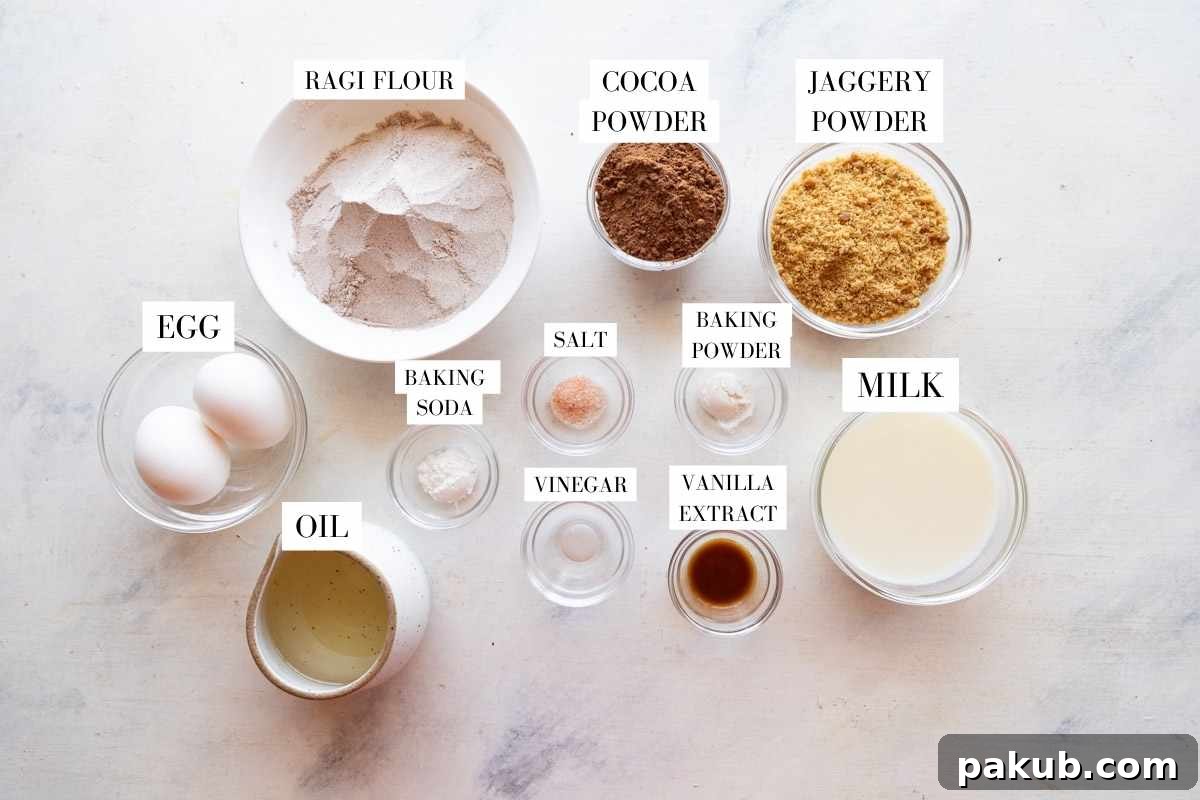
- Ragi Flour (Finger Millet Flour): The undisputed star of this healthier cake. Ragi flour is the primary ingredient, completely replacing traditional all-purpose flour. This substitution not only makes the cake gluten-free but also significantly boosts its fiber and mineral content. You can readily find high-quality ragi flour online or in the specialty health food section of most major supermarkets. For the best results, ensure your ragi flour is fresh.
- Unsweetened Cocoa Powder: To achieve that deep, rich chocolate flavor we all crave, unsweetened cocoa powder is essential. I personally favor brands like Hershey’s or Cadbury for their consistent quality and robust chocolate notes. Using unsweetened varieties allows you to control the overall sweetness of the cake more precisely, balancing it with the jaggery.
- Eggs: Two whole eggs are crucial for this recipe. They act as a binding agent, holding the cake structure together, and contribute significantly to the cake’s light, airy, and spongy texture. Ensure your eggs are at room temperature before mixing, as this helps them emulsify better with other ingredients, leading to a smoother batter and a more uniform bake.
- Jaggery Powder: This natural, unrefined sweetener is a fantastic healthier alternative to granulated sugar. Jaggery lends a unique caramel-like depth to the cake’s flavor profile while providing a more complex sweetness. Opt for powdered jaggery for easy mixing into the batter. If you don’t have jaggery, you can substitute it with an equal quantity of granulated sugar, though the flavor will differ slightly. If your jaggery is coarse, consider dissolving it in the milk first for a smoother batter.
- Baking Powder and Baking Soda: These leavening agents are indispensable for a cake that rises beautifully and achieves a soft, fluffy crumb. They react with the acidic ingredients in the batter (like vinegar and cocoa) to produce carbon dioxide, creating air pockets that expand during baking. Make sure both your baking powder and baking soda are fresh and active for optimal lift.
- Vegetable Oil: The secret weapon for an incredibly moist, tender, and rich chocolate cake. Using oil instead of butter ensures a consistently moist crumb that stays soft for longer. Choose a neutral-flavored vegetable oil like sunflower, canola, or grapeseed oil, which won’t overpower the delicate flavors of chocolate and ragi.
- Milk: Provides necessary moisture to the batter, helping to create a smooth consistency and a tender crumb. Any plant-based milk (almond, soy, oat) can be used as a substitute for regular dairy milk, making this recipe easily adaptable for dietary preferences.
- Vanilla Extract: A splash of vanilla extract enhances and rounds out the chocolate flavor, adding a warm, aromatic note that complements the other ingredients beautifully.
- Vinegar: A small amount of vinegar, typically white vinegar or apple cider vinegar, plays a crucial role in activating the baking soda. This reaction contributes to the cake’s lift and tenderness, ensuring a light and airy texture.
- Salt: A pinch of salt is vital in any sweet recipe. It balances the sweetness, intensifies the chocolate flavor, and brings out the subtle nuances of the other ingredients, preventing the cake from tasting flat.
- Chopped Almonds or Walnuts (Optional): For an added layer of texture and a boost of nutty flavor, a sprinkle of chopped almonds or walnuts on top of the batter before baking is highly recommended. These not only provide a delightful crunch but also add a touch of elegance to your finished cake.
Expert Tips for Baking a Flawless Chocolate Ragi Cake
Baking a delicious Ragi Chocolate Cake is an enjoyable process, and with these expert tips, you can ensure a perfect result every time. These pointers address common baking challenges and highlight the nuances specific to working with ragi flour:
- Sieve Dry Ingredients Thoroughly: This is a non-negotiable step for any cake, but especially when working with ragi flour and cocoa powder. Always sieve your ragi flour, cocoa powder, baking powder, baking soda, and salt together at least once, or even twice. Sieving ensures that all dry ingredients are uniformly combined, eliminates any lumps, and aerates the flour, which contributes to a lighter, fluffier cake texture. Skipping this step can lead to pockets of unmixed leavening agents or dense spots in your cake.
- Gentle Mixing with a Whisk: Once your dry ingredients are sifted, carefully incorporate them into the wet ingredients using a whisk. The key here is gentle mixing until just combined. A whisk helps to distribute the ragi flour evenly without overmixing. Overmixing can develop the gluten in wheat flour (though less of a concern with gluten-free ragi, it can still lead to a tough cake by over-activating other binding agents) and can deflate the air incorporated during the whisking of wet ingredients, resulting in a dense cake. Mix until no streaks of dry ingredients remain.
- Don’t Rush the Cooling Process: Patience is a virtue in baking. After removing your cake from the oven, allow it to cool in the pan for about 10-15 minutes before attempting to unmold it. This crucial resting period allows the cake to firm up, making it less prone to crumbling or breaking when inverted. Cooling slightly in the pan also helps the cake to release cleanly. Once unmolded, transfer it to a wire rack to cool completely. Slicing a warm cake can lead to a messy crumb and an uneven texture.
- Always Preheat Your Oven: A properly preheated oven is fundamental for successful baking. Ensure your oven reaches the specified temperature (180°C or 350°F) *before* you place the cake inside. A hot oven provides the immediate heat shock needed for the leavening agents (baking powder and soda) to activate quickly and help the cake rise properly and evenly. Placing batter into a cold oven will result in a dense, poorly risen cake.
- Master the Skewer Test: To accurately determine if your cake is fully baked, gently insert a wooden skewer, toothpick, or thin knife into the very center of the cake. If it comes out clean, with no wet batter or moist crumbs clinging to it, your cake is done. If there’s still wet batter, return the cake to the oven for a few more minutes (typically 3-5 minutes at a time) and test again. Avoid opening the oven door too frequently during baking, especially in the first 20 minutes, as this can cause the cake to sink.
- Choose Your Cocoa Powder Wisely: The type of cocoa powder you use significantly impacts the final flavor of your chocolate cake. For a deep, intense, and rich chocolate flavor that truly stands out, I highly recommend using 60-70% dark unsweetened cocoa powder. This provides a robust cocoa note without excessive sweetness. If you prefer a milder, sweeter chocolate flavor, you can opt for milk chocolate varieties or even a blend of dark and regular cocoa powder.
- Room Temperature Ingredients: Always ensure your wet ingredients like milk and eggs are at room temperature. This allows them to emulsify and combine more easily and uniformly, leading to a smoother batter and a better-textured cake. Cold ingredients can cause the batter to seize up or become lumpy.
- Pan Preparation: Properly grease and flour your cake pan, or line it with parchment paper at the bottom, and grease the sides. This ensures that the cake does not stick and can be easily unmolded after baking.
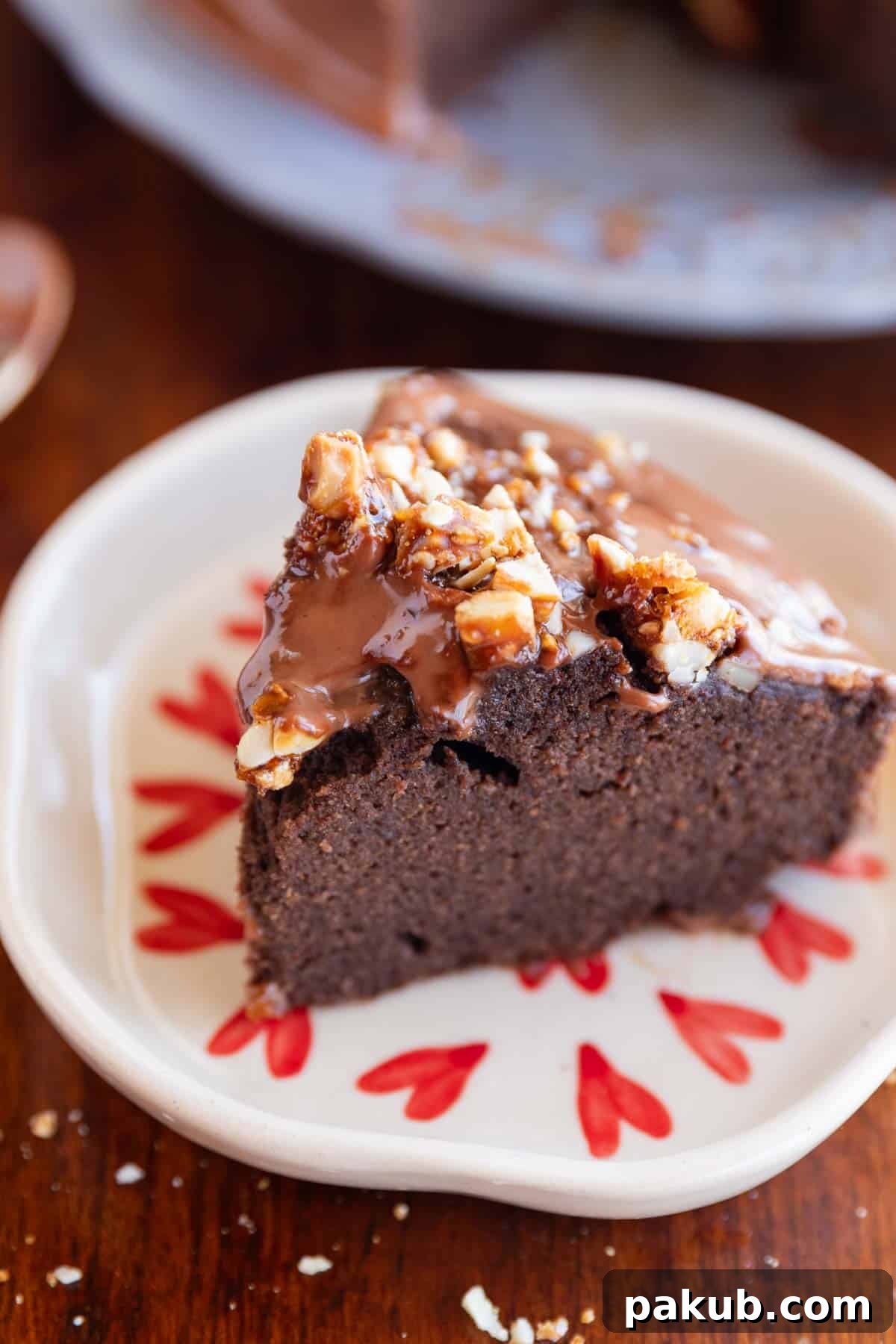
The thought of a “millet cake” might not immediately conjure images of a decadent dessert, and that’s perfectly understandable. However, just one bite of this exquisitely rich, soft, and fluffy Chocolate Ragi Cake is all it takes to completely transform your perception. Its deep chocolate flavor, combined with a wonderfully moist crumb, will undoubtedly make you a believer. Enjoy it simply as is, perhaps alongside a comforting cup of tea or coffee, for a wholesome treat. Or, if you’re feeling fancy, elevate your serving by topping it with a generous swirl of my homemade Chocolate Buttercream Frosting. Whichever way you choose to savor it, this cake promises an unforgettable and utterly delightful experience. I promise, you’re going to absolutely love it!
LOVING THIS RECIPE? Don’t miss out on more delicious creations! Subscribe to my newsletter and be among the first to receive all my exciting new recipes directly in your inbox!
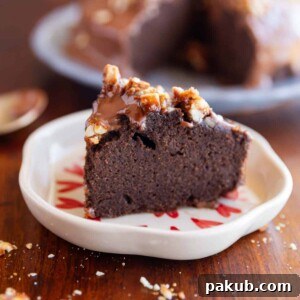
Chocolate Ragi Cake
Richa
10
30
10
50
6 people
Rate Recipe
Print Recipe
Ingredients
- ½ cup Milk, 120 ml, at room temperature (can substitute with any plant-based milk)
- ¾ cup Jaggery Powder, 125 grams
- 2 whole Eggs, at room temperature
- 1 teaspoon Vanilla Extract
- ½ cup Vegetable Oil, 120 ml (neutral-flavored)
- ½ teaspoon Vinegar
- 1 cup Ragi Flour, 135 grams (Finger Millet Flour)
- ⅓ cup Unsweetened Cocoa Powder, 30 grams (60-70% dark recommended)
- ½ teaspoon Baking Soda
- ½ teaspoon Baking Powder
- ¼ teaspoon Salt
- ¼ cup chopped Almonds or Walnuts, optional, for garnish
Instructions
-
Preheat your oven to 180°C (350°F). Lightly grease an 8-inch round cake pan with butter or oil, and line the base with parchment paper. This ensures easy release.
Preparing the Batter:
-
In a large mixing bowl, thoroughly whisk together the jaggery powder, milk, eggs, vegetable oil, vinegar, and vanilla extract until the mixture is homogeneous and smooth.
-
Place a fine-mesh sieve over the bowl containing the wet ingredients, ensuring it doesn’t touch the liquid. Sift the ragi flour, cocoa powder, baking soda, baking powder, and salt into the bowl. This step is crucial for preventing lumps and aerating the dry ingredients.
-
Gently whisk the sifted dry ingredients into the wet mixture. Mix just until everything is well combined and no streaks of dry flour remain. Be careful not to overmix, as this can lead to a denser cake.
Baking:
-
Pour the prepared batter evenly into your greased and lined baking pan. Gently tap the pan twice on the countertop to release any trapped air bubbles. If desired, sprinkle the chopped almonds or walnuts evenly over the top of the batter.
-
Bake in the preheated oven for approximately 30 minutes, or until a wooden toothpick or skewer inserted into the center of the cake comes out clean. Baking times may vary depending on your oven.
-
For an extra moist cake, you can optionally poke a few holes into the hot cake immediately after removing it from the oven and drizzle about 2 tablespoons of milk evenly over the top. The cake will absorb the milk, enhancing its tenderness.
-
Allow the cake to cool in the pan for 10-15 minutes on a wire rack. Then, carefully invert the cake onto the cooling rack, remove the parchment paper from the base, and let it cool completely before slicing. Enjoy your wholesome and delicious Chocolate Ragi Cake!
Notes
- Always sieve your dry ingredients (flour, cocoa, leavening agents, salt) together to prevent lumps and ensure even distribution.
- Use a whisk to gently incorporate dry ingredients into wet ingredients. Mix just until combined to ensure the ragi flour is properly integrated without overworking the batter.
- Allow the cake to cool down in the pan for 10-15 minutes before unmolding. This helps it firm up and prevents it from breaking.
- Preheat your oven fully before baking to ensure proper rise and even cooking.
- To check for doneness, insert a knife or skewer into the center of the cake; it should come out clean.
- For an intense chocolate flavor, use 60-70% dark unsweetened cocoa powder. If you prefer a sweeter cake, a milder cocoa powder or milk chocolate can be used.
- If your jaggery powder is coarse, you can dissolve it in the milk before mixing with other wet ingredients to ensure a smooth batter.
- Optional Serving Suggestion: For an extra decadent touch, melt equal amounts of chocolate chips and fresh cream in a microwave-safe bowl. Microwave in 10-second intervals, stirring after each, until just melted and smooth. This creates a simple ganache. Pour this warm ganache over the cooled Ragi Chocolate Cake and top with additional chopped almonds or walnuts. Be careful not to burn the chocolate.
- Please note that the nutritional information provided below does not include any optional ganache or frosting if added.
Nutrition
Calories:
316
kcal
,
Carbohydrates:
59
g
,
Protein:
8
g
,
Fat:
6
g
,
Saturated Fat:
2
g
,
Polyunsaturated Fat:
1
g
,
Monounsaturated Fat:
3
g
,
Trans Fat:
0.01
g
,
Cholesterol:
57
mg
,
Sodium:
257
mg
,
Potassium:
329
mg
,
Fiber:
3
g
,
Sugar:
27
g
,
Vitamin A:
112
IU
,
Calcium:
219
mg
,
Iron:
3
mg
Did you love this recipe? Share your thoughts!
Leave a rating and comment below to let us know how your Ragi Chocolate Cake turned out! Your feedback helps us and other bakers.
Exploring the Health Benefits of Ragi (Finger Millet)
Beyond its culinary applications, ragi holds a prominent place in traditional diets for its exceptional health benefits. This remarkable grain is not just a source of energy but a holistic nutritional package. Rich in dietary fiber, ragi aids in promoting healthy digestion, preventing constipation, and supporting a balanced gut microbiome. Its complex carbohydrates ensure a slow release of energy, helping to stabilize blood sugar levels, making it an excellent choice for individuals managing diabetes.
As mentioned earlier, ragi is celebrated for being one of the best plant-based sources of calcium, vital for maintaining strong bones and teeth. This makes it particularly beneficial for children in their developmental years and for older adults susceptible to bone density loss. Furthermore, its high iron content is crucial for preventing iron-deficiency anemia, boosting hemoglobin levels, and enhancing overall vitality and energy. Ragi also provides a good spectrum of amino acids, which are the building blocks of protein, supporting muscle repair and growth, and contributing to a strong immune system.
For women, ragi is especially advantageous. Its richness in calcium and iron can be instrumental in supporting hormonal health, particularly for pregnant and lactating women, where nutritional demands are significantly higher. The presence of antioxidants in ragi also helps combat oxidative stress and inflammation, contributing to long-term health and disease prevention. By incorporating ragi into your diet through delicious recipes like this Chocolate Ragi Cake, you’re not just enjoying a treat; you’re investing in your health.
Frequently Asked Questions (FAQ) about Ragi and This Cake
Is this Ragi Chocolate Cake gluten-free?
Yes, absolutely! Since this recipe uses 100% ragi flour (finger millet flour) and no wheat-based all-purpose flour, it is naturally gluten-free. This makes it a wonderful option for individuals with gluten sensitivities or those following a gluten-free diet.
Can I make this cake vegan?
While this particular recipe calls for eggs and dairy milk, it can be adapted to be vegan. To make it vegan, substitute the two eggs with flax eggs (2 tablespoons ground flaxseed mixed with 6 tablespoons water, allowed to sit for 5-10 minutes until thickened). For the milk, use any plant-based milk such as almond milk, soy milk, or oat milk. The taste and texture may vary slightly but will still be delicious.
What type of oil is best for this cake?
For this recipe, a neutral-flavored vegetable oil is best, such as sunflower oil, canola oil, or grapeseed oil. These oils have a mild taste that won’t interfere with the chocolate and ragi flavors. Avoid oils with strong flavors like olive oil, as they can alter the cake’s taste.
How should I store the Chocolate Ragi Cake?
Once completely cooled, store the cake in an airtight container at room temperature for up to 3-4 days. If you’ve added frosting or ganache, it’s best to refrigerate it, which will keep it fresh for up to a week. Bring refrigerated cake to room temperature before serving for the best texture.
Can I add other mix-ins to the batter?
Absolutely! Feel free to customize your cake. Chocolate chips, dried cranberries, or other chopped nuts (like pecans or hazelnuts) can be folded into the batter before baking for added flavor and texture. Just be mindful not to overcrowd the batter.
For an in-depth understanding of millets, including their various types, comprehensive cooking methods, innovative ideas for dietary inclusion, and extensive health benefits, be sure to consult my detailed article on Millets 101. It’s your complete guide to successfully embarking on your millet journey!