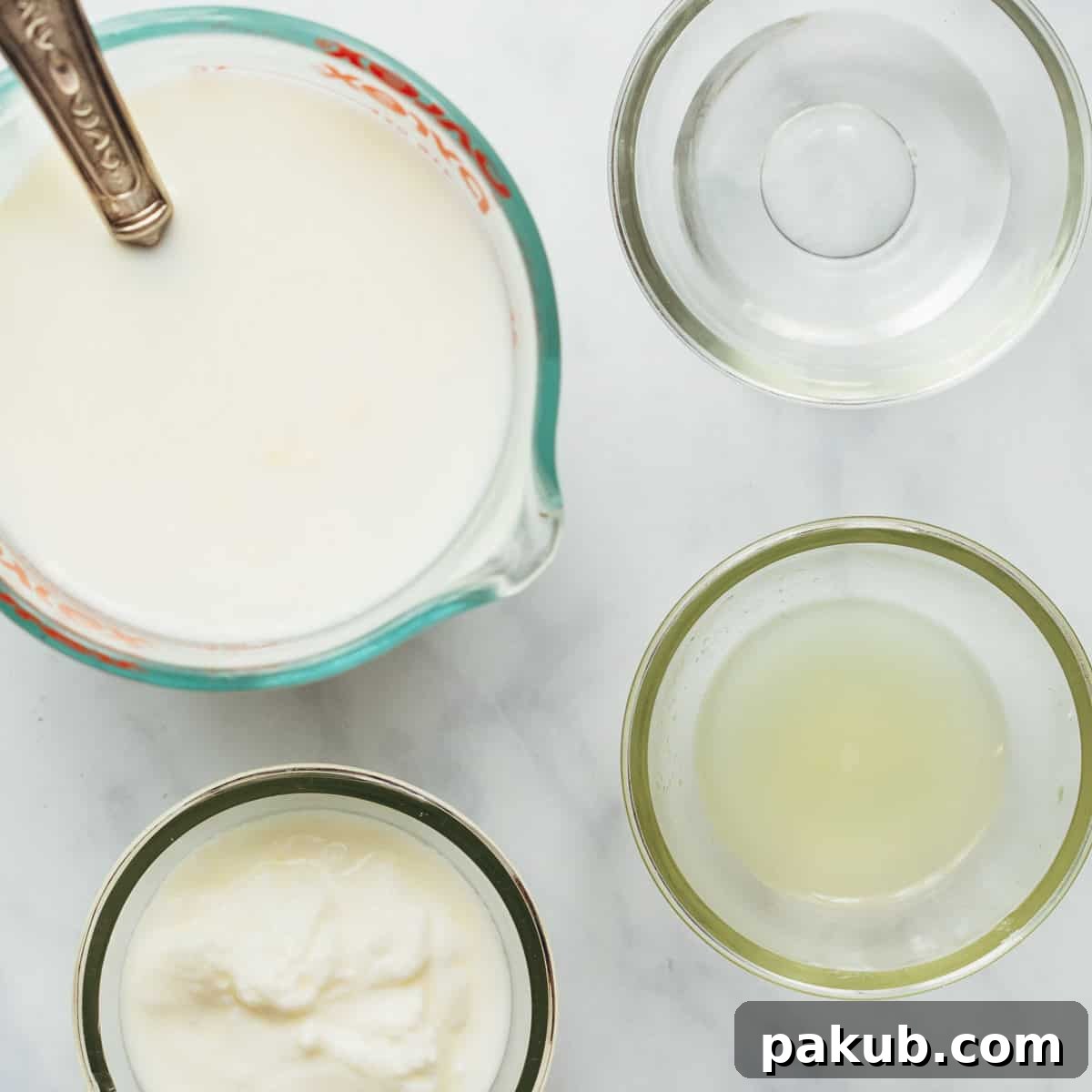
Mastering Homemade Buttermilk: Your Ultimate Guide for Fluffy Baking & More
Unlock the secret to incredibly moist and fluffy baked goods by learning how to make buttermilk right in your own kitchen. This essential ingredient, cherished by bakers, is a game-changer for cakes, breads, and pancakes, and it’s also perfect for tenderizing meats through brining and marinating. Forget last-minute trips to the store – we’ll show you how to create fresh buttermilk with simple step-by-step directions, ensuring your culinary creations achieve perfect taste and texture every time.
Picture this: you’ve meticulously planned a baking session, gathered all your ingredients, and are ready to create a culinary masterpiece. Then, you glance at the recipe, and there it is – that one elusive ingredient so many recipes call for, yet you rarely have on hand: buttermilk. It’s a common scenario for home bakers, and it can be incredibly frustrating. While traditional buttermilk is a byproduct of churning butter from cream, a practice few undertake at home today, its unique qualities remain indispensable in modern cooking.
The good news? The next time a recipe demands buttermilk, you don’t have to be stumped or abandon your baking plans. This comprehensive guide will reveal how to effortlessly make a perfect buttermilk substitute at home in under 10 minutes, using just two simple ingredients. It’s not only incredibly easy but also a brilliant kitchen hack that will elevate your baking and cooking to professional levels.
Table of Contents: Homemade Buttermilk Essentials
- The Simple Ingredients You’ll Need
- How to Make Buttermilk: Step-by-Step Guide
- Frequently Asked Questions About Buttermilk
- The Science Behind Buttermilk’s Baking Magic
- Beyond Baking: Versatile Uses for Buttermilk
- Delicious Recipes Ideas Using Buttermilk
The Simple Ingredients You’ll Need
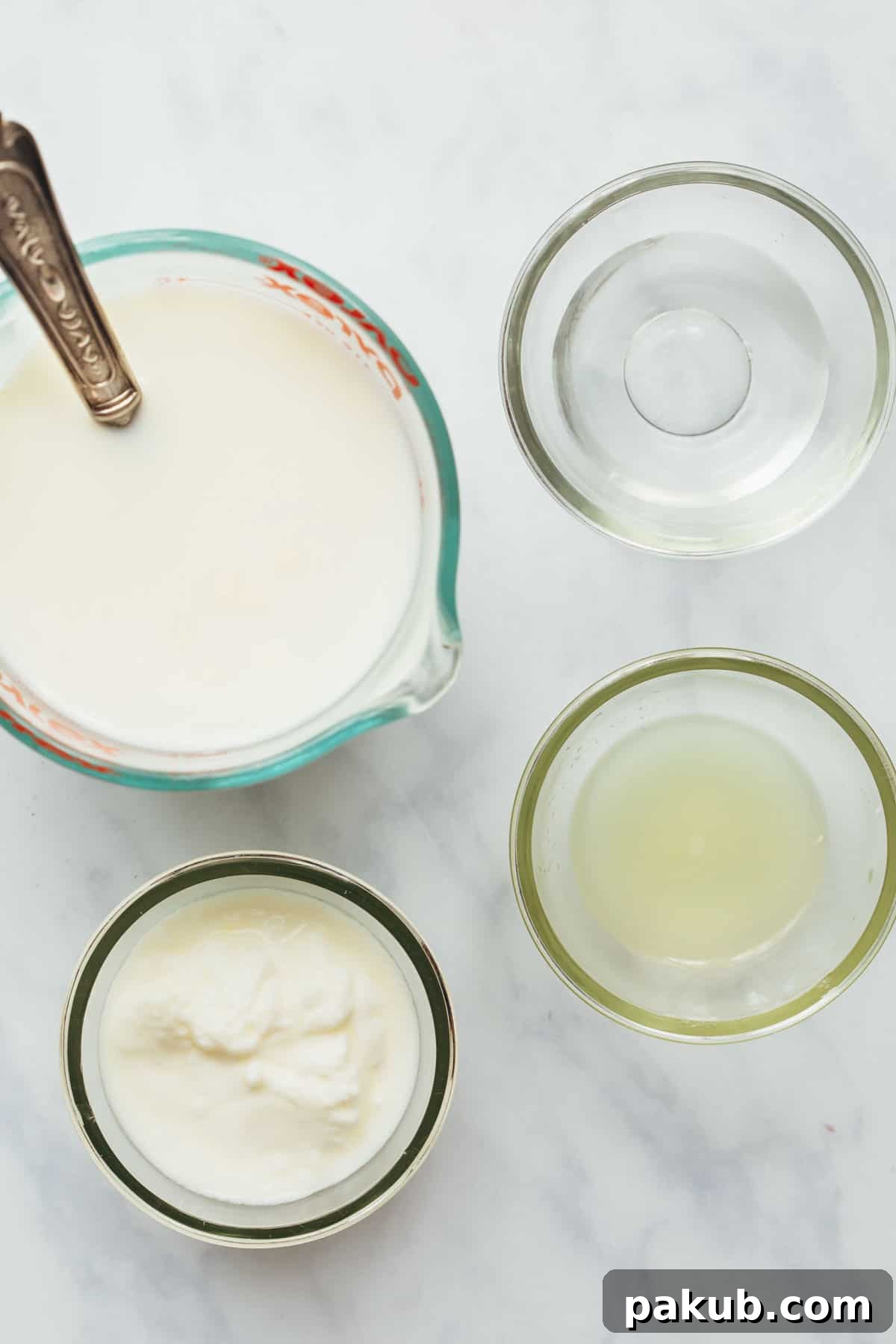
Crafting homemade buttermilk is astonishingly straightforward, requiring only two core components: milk and an acidic agent. The acid is crucial, as it reacts with the milk to cause curdling, transforming it into the rich, tangy liquid we know as buttermilk. You have several readily available options for your acid:
- White Vinegar: A kitchen staple, white vinegar is perhaps the most common choice due to its neutral flavor and strong acidic properties.
- Lemon Juice: Freshly squeezed lemon juice works wonderfully, imparting a subtle citrusy note that can complement many recipes.
- Plain Yogurt: If you have plain yogurt (or even buttermilk powder), it can also be used as a base, diluted with water to achieve the desired consistency and tang.
The process is genuinely simple: combine your chosen acid with milk, then allow the mixture to rest briefly. Within minutes, you’ll observe the milk thickening and forming delicate curds, indicating that your fresh batch of homemade buttermilk is ready to use. This method allows you to tailor your buttermilk to your preferences, ensuring you always have this valuable ingredient on hand.
How to Make Buttermilk: Step-by-Step Guide
Follow these easy steps to prepare your own homemade buttermilk:
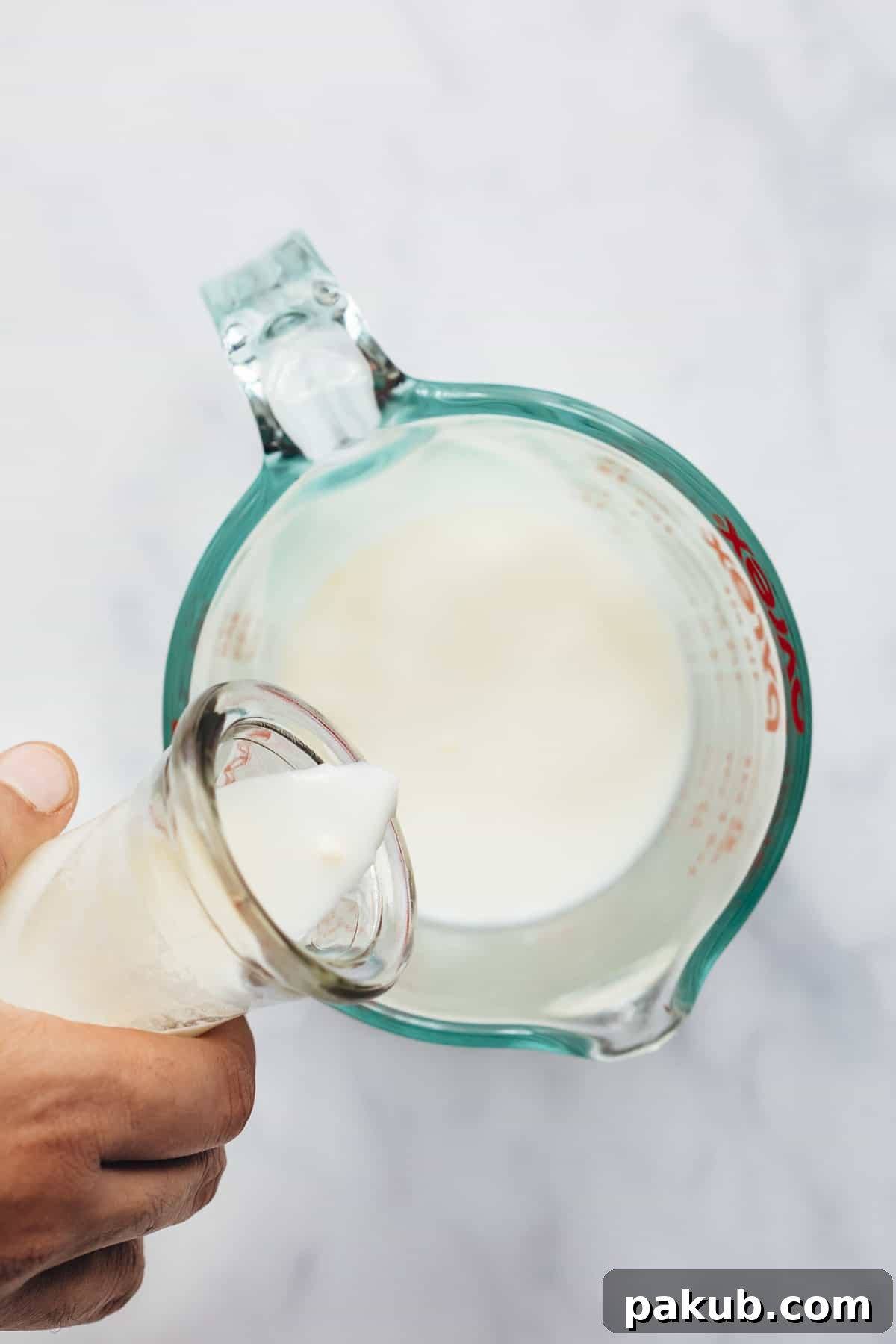
Step 01: Prepare Your Milk
Gently pour your desired amount of milk into a clean glass jar or measuring cup. For optimal results, ensure the milk is at room temperature before adding the acidic agent. This helps to accelerate the curdling process and ensures a more consistent texture.
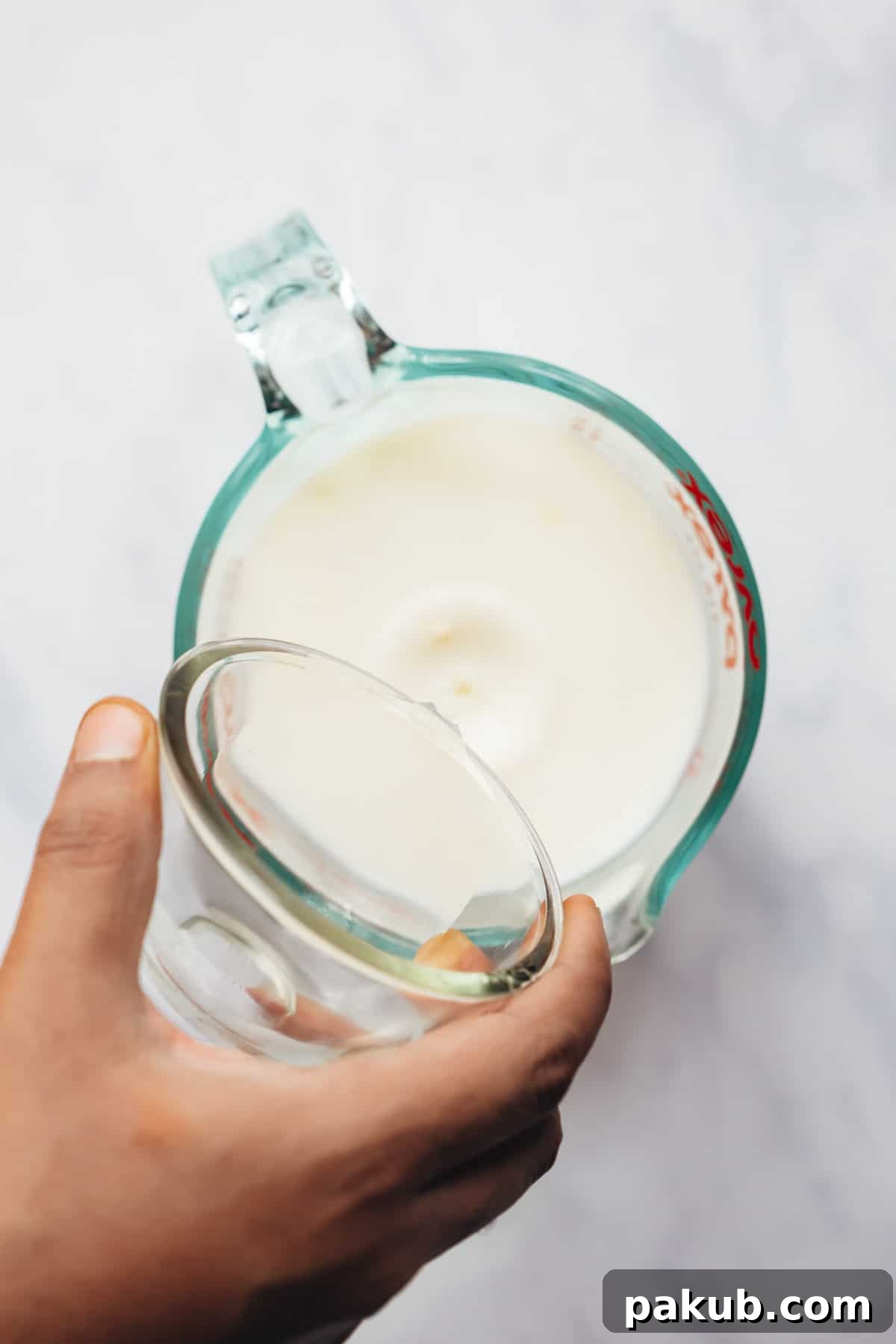
Step 02: Add Your Acidic Agent
Carefully add your acidic agent of choice to the milk. As demonstrated in the image, vinegar is an excellent option, but freshly squeezed lemon juice also works perfectly. If opting for plain yogurt, you’ll use a slightly different dilution method, which we’ll cover in the FAQ section. The ratio is generally 1 tablespoon of acid per 1 cup of milk, but adjust slightly based on the desired tanginess and thickness.
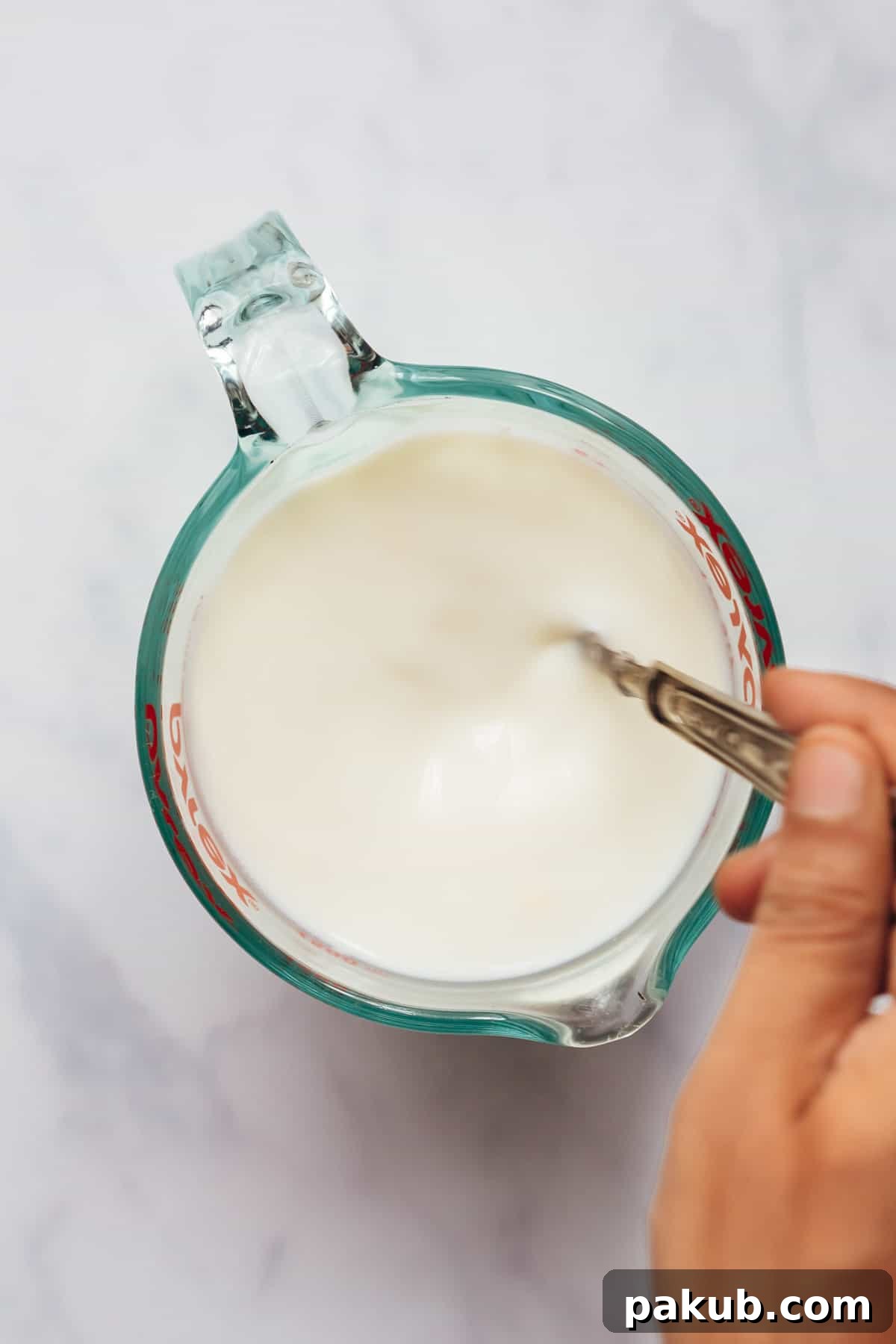
Step 03: Gently Mix and Rest
Using a spoon, gently stir the milk and acid mixture to ensure they are well combined. Avoid vigorous whisking. Once stirred, set the mixture aside at room temperature. Allow it to rest undisturbed for approximately 5 to 10 minutes. During this time, the acid will work its magic, causing the milk proteins to coagulate.
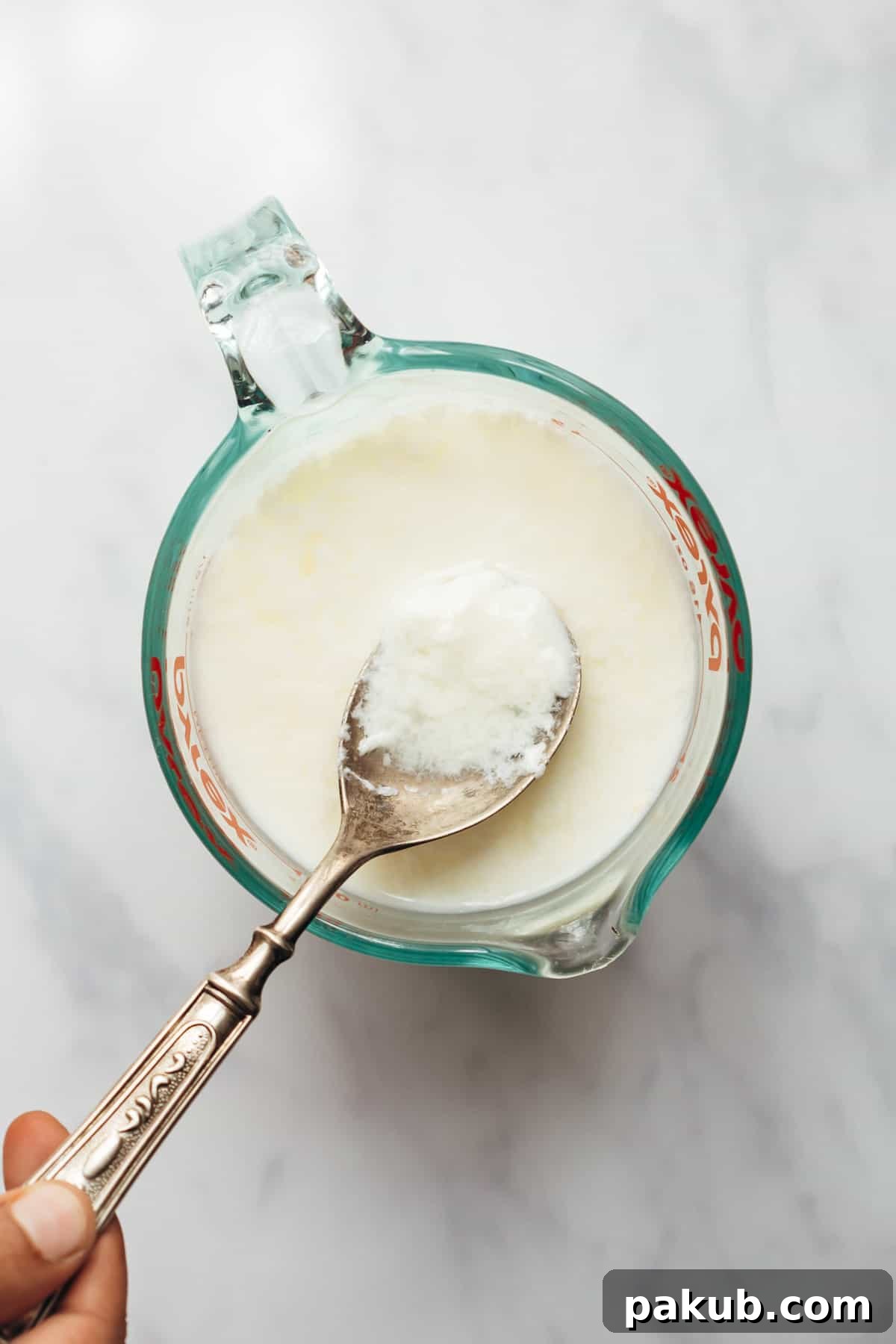
Step 04: Observe and Enjoy Your Homemade Buttermilk
After 10 minutes, you will notice a visible change: the milk will have thickened, and small curds will have formed. This is a clear indication that your homemade buttermilk is ready to use! Give it another gentle stir before incorporating it into your recipe. It’s that simple to achieve a consistent, tangy buttermilk that will elevate your cooking and baking.
Frequently Asked Questions About Homemade Buttermilk
Buttermilk is a star ingredient in baking for several key reasons. Primarily, its acidity plays a vital role in activating baking soda. When buttermilk (an acid) combines with baking soda (an alkaline), it produces carbon dioxide gas. This gas creates tiny air bubbles, causing baked goods like cakes, muffins, and pancakes to rise beautifully and achieve that coveted light, fluffy texture. Beyond leavening, buttermilk also tenderizes the gluten in flour, leading to a softer crumb. Its slight tanginess adds a subtle depth of flavor that perfectly balances sweetness, preventing baked goods from tasting overly sugary and contributing to a more complex, nuanced profile.
Absolutely! If you find yourself without milk but still need buttermilk, plain yogurt comes to the rescue. To create a quick buttermilk substitute from yogurt, simply dilute plain yogurt with water. The ideal ratio is typically 1 part yogurt to 1 part water. For example, if your recipe calls for 1 cup of buttermilk, you would mix 1/2 cup of plain yogurt with 1/2 cup of water. Whisk it well until smooth and it reaches a consistency similar to buttermilk. This mixture can then be used in recipes just like regular buttermilk, providing a similar tang and acidity.
Yes, you can certainly make a dairy-free buttermilk substitute! While the exact texture might vary slightly from traditional dairy buttermilk, the principle remains the same. To create a vegan buttermilk, simply combine your favorite plant-based milk (such as almond milk, soy milk, oat milk, or cashew milk) with an acidic agent. Use the same ratio: 1 tablespoon of lemon juice or apple cider vinegar per 1 cup of dairy-free milk. Stir gently, then let it sit for 5-10 minutes until it slightly thickens and curdles. Ensure the plant-based milk is unsweetened and unflavored for best results in recipes. Many bakers have successfully used this method for delicious dairy-free baked goods.
Storing homemade buttermilk is just as easy as making it. Any leftover buttermilk can be safely stored in the refrigerator for up to 2 weeks. Make sure to transfer it to a clean, airtight container to maintain its freshness and prevent it from absorbing other odors from the fridge. For longer storage, buttermilk freezes exceptionally well! You can pour it into freezer-safe bags, ice cube trays, or small airtight containers. Frozen buttermilk can last for up to 3 months. When you’re ready to use it, simply thaw the desired amount in the refrigerator overnight. Once thawed, give it a good shake or stir to recombine any separated solids before adding it to your favorite recipes. This makes it incredibly convenient for future baking endeavors!
For homemade buttermilk, you can use almost any kind of dairy milk you prefer, and even several non-dairy alternatives. Skim milk, 2% milk, whole milk, and even heavy cream will all curdle effectively with an acid to produce buttermilk. The fat content of the milk will influence the final richness and thickness of your homemade buttermilk. For instance, whole milk will yield a creamier result than skim milk. As mentioned, unsweetened almond milk, soy milk, and oat milk are excellent choices for dairy-free versions. The key is the acidic reaction, which works across various milk types.
The Science Behind Buttermilk’s Baking Magic
Buttermilk isn’t just a quirky ingredient; it’s a scientific powerhouse in the kitchen, particularly in baking. Its secret lies in its inherent acidity. Traditional buttermilk, formed after churning butter, contains lactic acid. Our homemade version, created with vinegar or lemon juice, derives its acidity from acetic or citric acid, respectively. This acidity is the crucial component that reacts with alkaline leavening agents like baking soda, which is commonly called for in recipes using buttermilk.
When acidic buttermilk combines with neutral baking soda, a chemical reaction occurs, producing carbon dioxide gas. These tiny gas bubbles are trapped within the batter or dough, expanding during baking to create a light, airy structure. This is what makes cakes, muffins, and pancakes wonderfully fluffy and tender. Without the acid from buttermilk, baking soda alone wouldn’t react sufficiently, leading to dense, flat results.
Furthermore, buttermilk also contributes to the tenderization of gluten in flour. The acids break down some of the tough gluten strands, resulting in a more delicate and melt-in-your-mouth texture. This is a significant advantage over using regular milk, which is nearly neutral and lacks these enzymatic properties. The subtle tang of buttermilk also plays a crucial role in balancing the sweetness in baked goods, adding a complex flavor profile that elevates the overall taste. The reaction between buttermilk and baking soda is almost instantaneous once combined, which is why bakers often advise adding these mixed ingredients to wet batter just before baking to maximize the leavening effect. Understanding this scientific interplay helps appreciate why buttermilk is an indispensable ingredient for achieving exceptional texture and flavor in countless recipes, making our homemade substitute an invaluable kitchen staple.
Beyond Baking: Versatile Uses for Buttermilk
While celebrated for its role in creating fluffy baked goods, buttermilk is a surprisingly versatile ingredient that extends its culinary magic far beyond cakes and pancakes. Its unique properties, particularly its acidity and tenderizing capabilities, make it an excellent addition to a wide array of dishes:
- For Tenderizing Meats: Buttermilk is a fantastic marinade for chicken, pork, or fish. The mild acids help break down tough protein fibers, resulting in incredibly tender and juicy meat. It’s famously used for brining fried chicken, ensuring a moist interior and a crispy exterior.
- In Dressings and Dips: Its tangy flavor is perfect for creating creamy and flavorful salad dressings, such as classic ranch or a light vinaigrette. Buttermilk also forms an excellent base for dips, adding a refreshing zest.
- For Creamy Soups and Sauces: A splash of buttermilk can add a lovely tang and creaminess to soups, stews, and sauces, providing a lighter alternative to heavy cream while still enriching the flavor.
- In Indian Cuisine: Buttermilk (often called ‘chaas’ or ‘taak’) is a popular refreshing drink in India, sometimes spiced with cumin, ginger, and cilantro. It’s also used in savory dishes like idlis (steamed rice cakes) and certain rice preparations, contributing to their soft texture and subtle sourness.
- In Smoothies: For a protein-rich and tangy boost, add a bit of buttermilk to your fruit smoothies. It provides a unique flavor profile and a creamy consistency.
From enriching fried delicacies to creating moist sponges and tangy sauces, buttermilk elevates various recipes by adding depth, moisture, and a delightful tanginess. Don’t limit its use to just sweet treats; explore its savory potential to discover new culinary favorites.
Delicious Recipe Ideas Using Buttermilk
Now that you’re an expert in making homemade buttermilk, it’s time to put your skills to the test! Embrace the joy of baking and cooking with this simple yet powerful ingredient, watching your cakes and pancakes attain beautiful color and irresistible fluffiness. If you’re wondering where to begin, we wholeheartedly recommend giving our Orange Buttermilk Pound Cake a try – it’s a delightful way to experience buttermilk’s magic in a dessert. And remember, this star ingredient isn’t confined to sweet treats alone! You can also leverage its tenderizing power to create fantastic savory dishes. We particularly love using it to make our incredibly flavorful KFC Style Spicy Popcorn Chicken!
How to Make Buttermilk for Baking
Richa
10
10
1 cup
Rate Recipe
Print Recipe
Ingredients
For making Buttermilk from Milk
- 1 cup milk (any type: skim, 2%, whole, or plant-based)
- 2 tbsp lemon juice or white vinegar
For making Buttermilk from Yogurt (Alternative Method)
- 1 cup plain yogurt (dairy or dairy-free)
- 1/4-1/2 cup water
Instructions
Method 1: Making Buttermilk from Milk
-
Pour 1 cup of your chosen milk into a glass jar or measuring cup. Add 2 tablespoons of lemon juice or white vinegar. Gently stir the mixture once or twice to combine.
-
Let the mixture sit at room temperature for 5 to 10 minutes without stirring or shaking. During this time, the milk will begin to coagulate.
-
After 10 minutes, you will notice that the milk has thickened and formed small curds, resembling buttermilk. Give it a final gentle stir before using.
Method 2: Making Buttermilk from Yogurt
-
Combine 1 cup of plain yogurt with 1/4 to 1/2 cup of water in a bowl. Whisk vigorously until the mixture is smooth and reaches a thinner, pourable consistency, similar to traditional buttermilk.
Notes
- You can use any kind of dairy milk (skim, 2%, whole) or unsweetened, unflavored plant-based milk (almond, soy, oat) for this recipe. All work effectively to create a buttermilk substitute.
- Homemade buttermilk is incredibly versatile. It not only enhances baked goods but also works wonders in savory dishes. Use it for marinating chicken, creating creamy dressings, or adding a unique tang to soups and sauces.
- For best freshness, I recommend using your homemade buttermilk within 3 to 4 days if stored in the refrigerator. Always keep it in a clean, airtight container. For longer storage, freeze it for up to 3 months.
Nutrition (per serving, approximate)
Calories: 364kcal
Carbohydrates: 19g
Protein: 30g
Fat: 19g
Saturated Fat: 6g
Cholesterol: 24mg
Sodium: 118mg
Potassium: 322mg
Fiber: 2g
Sugar: 14g
Vitamin A: 395IU
Vitamin C: 12mg
Calcium: 586mg
Iron: 3mg
Like this recipe? Rate and comment below!