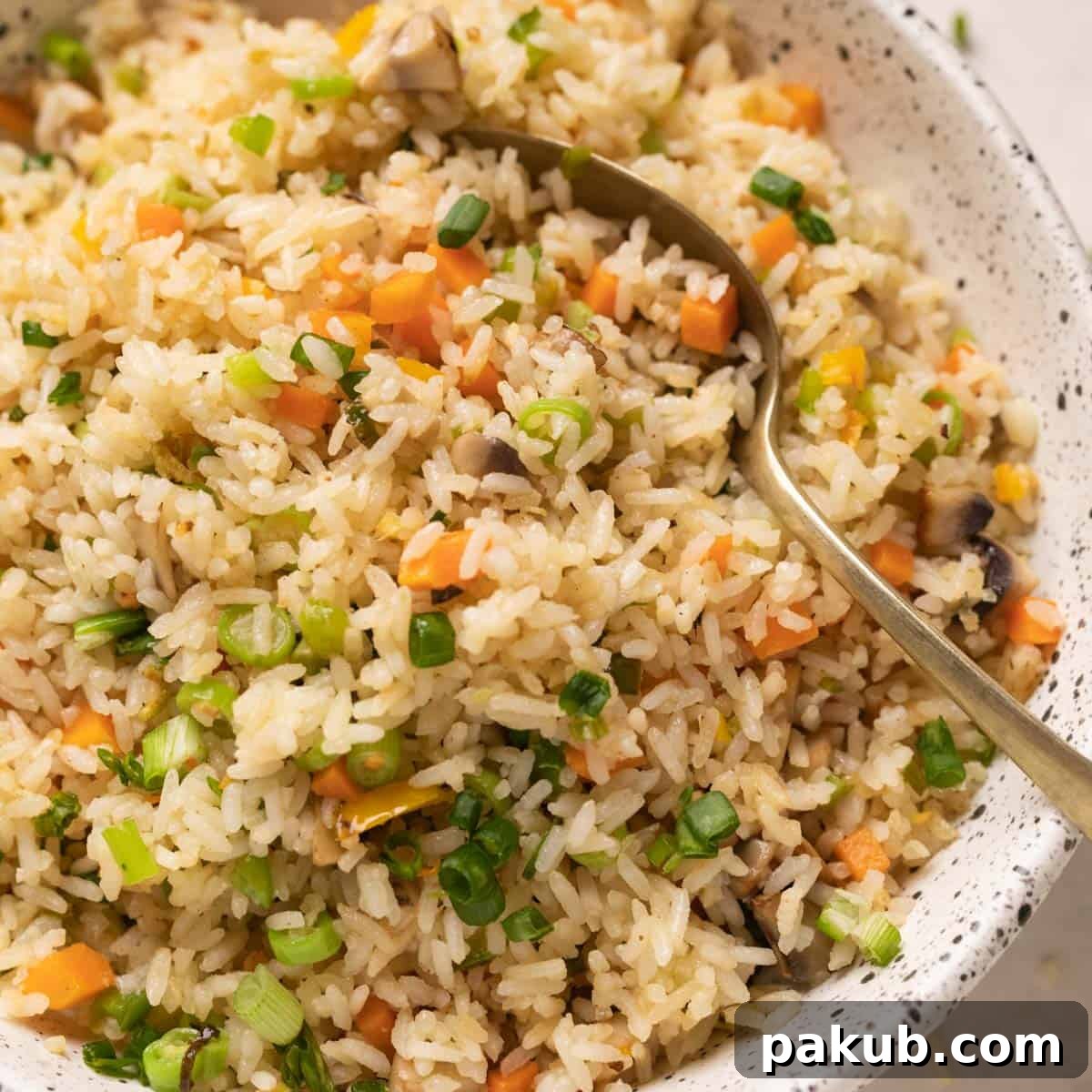
Craving your favorite takeout? Learn how to whip up this incredible 10-minute Veg Fried Rice at home! This recipe is a flavor explosion, loaded with vibrant vegetables, and so quick to make, it will quickly become your ultimate go-to weeknight dinner.
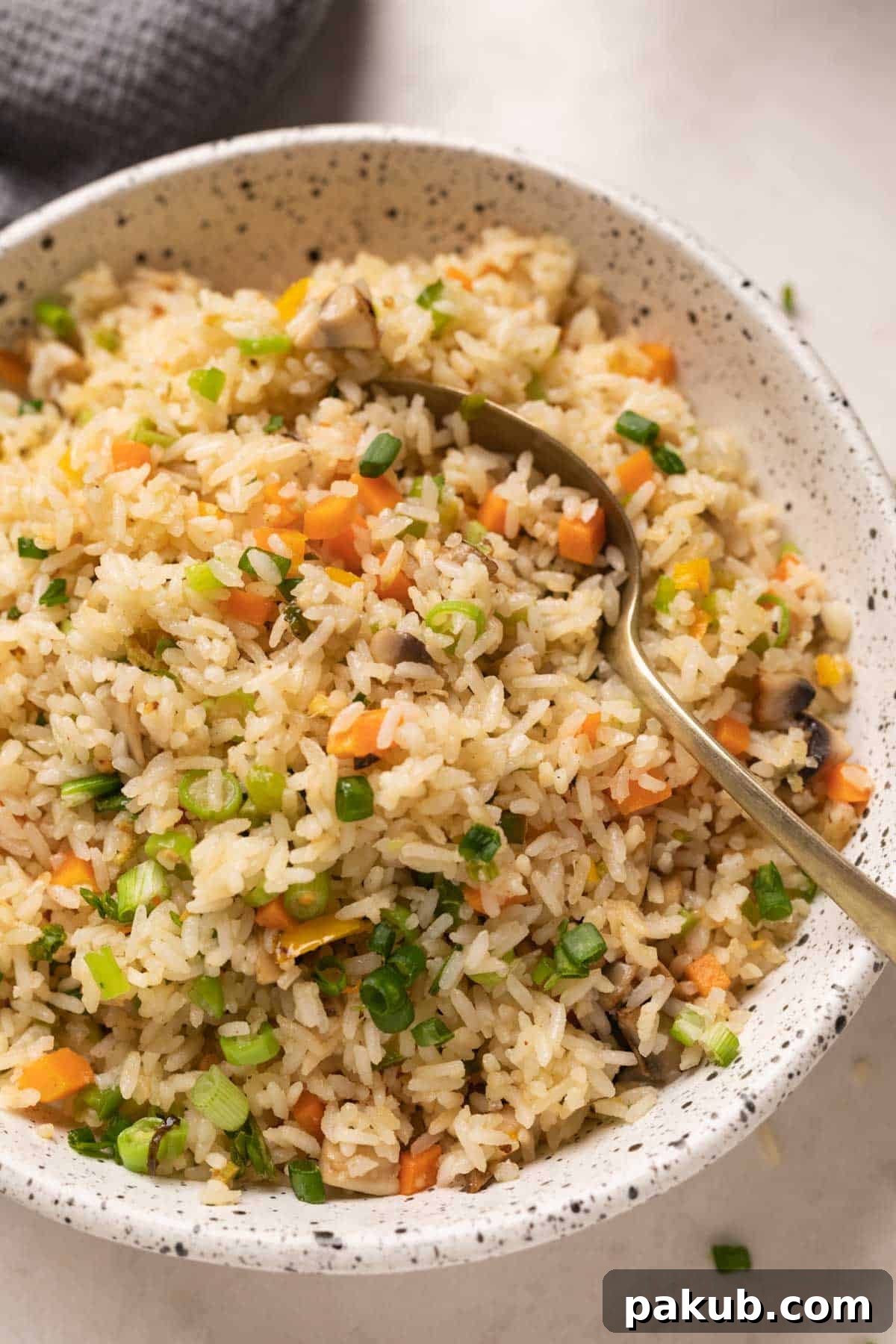
There’s something uniquely satisfying about perfectly cooked fried rice – the fluffy grains, the crisp-tender vegetables, and that irresistible savory aroma. If you’re anything like me, you understand the deep love for Chinese cuisine, especially those delightful Indo-Chinese flavors reminiscent of your cherished local takeout spots. My culinary journey often revolves around recreating those authentic tastes right in my own kitchen, using simple ingredients and straightforward techniques.
Elevate Your Fried Rice Game! Don’t stop here – explore more of our irresistible fried rice recipes:
- Classic Egg Fried Rice Recipe
- Exotic Thai Pineapple Fried Rice
- Savory Burnt Garlic Mushroom Fried Rice
- Spicy Schezwan Fried Rice
Allow me to introduce you to my all-time favorite Veg Fried Rice recipe. This isn’t just any fried rice; it’s a culinary revelation designed for speed and maximum flavor. It’s incredibly quick, astonishingly easy, and generously packed with a colorful assortment of fresh vegetables – so much so that even the pickiest eaters in your household will be asking for seconds! With minimal preparation, you can have this delectable fried rice on your table in under 10 minutes. Honestly, it doesn’t get much better for a quick, healthy, and satisfying meal.
This recipe isn’t just about speed; it’s about smart cooking and delivering exceptional taste. Here’s why this 10-minute vegetable fried rice deserves a permanent spot in your recipe rotation:
- Lightning Fast: Once your ingredients are prepped and chopped, this Chinese fried rice comes together in a flash, making it ideal for those busy evenings.
- Perfect Weeknight Solution: Forget waiting for takeout! This recipe is the ultimate quick and easy dinner solution for any night of the week.
- Nutrient-Rich: Brimming with a variety of fresh vegetables, this dish is naturally high in fiber, essential vitamins, and crucial minerals, offering a wholesome meal.
- Family-Friendly: Its vibrant colors and mild yet flavorful profile make it a total kid-friendly recipe that even adults adore.
- Dietary Adaptable: This recipe is naturally vegan, and with a simple swap of soy sauce for tamari, it effortlessly becomes a gluten-free delight, catering to various dietary needs.
- Budget-Friendly: Utilizes common pantry staples and affordable fresh produce, making it an economical choice for feeding your family.
- Leftover Rice Hero: It’s the perfect way to transform day-old rice into something extraordinary, reducing food waste and adding convenience.
What Vegetables Go Best in Chinese Fried Rice?
The beauty of homemade fried rice lies in its versatility, especially when it comes to vegetables. While you can certainly customize it with your favorites, certain vegetables are classics for a reason, offering a delightful blend of textures and colors that are characteristic of authentic Chinese fried rice. Most commonly, you’ll find French beans, crisp carrots, vibrant bell peppers (capsicum), earthy mushrooms, sweet green peas, crunchy cabbage, fragrant spring onions, wholesome broccoli, and tender corn kernels. These ingredients not only contribute to the nutritional value but also provide that essential crunch and freshness.
For best results, aim for a colorful mix. Finely dice or julienne your vegetables to ensure they cook quickly and evenly, maintaining their crispness when stir-fried over high heat. Don’t be afraid to experiment with seasonal produce to keep your fried rice exciting and fresh every time!
Essential Ingredients for Authentic Veg Fried Rice
While the list of ingredients might appear slightly extensive at first glance, rest assured that most items are either readily available pantry staples or can be easily found at your local grocery store or online. Each component plays a vital role in building the layered, authentic flavor profile of this incredible fried rice.
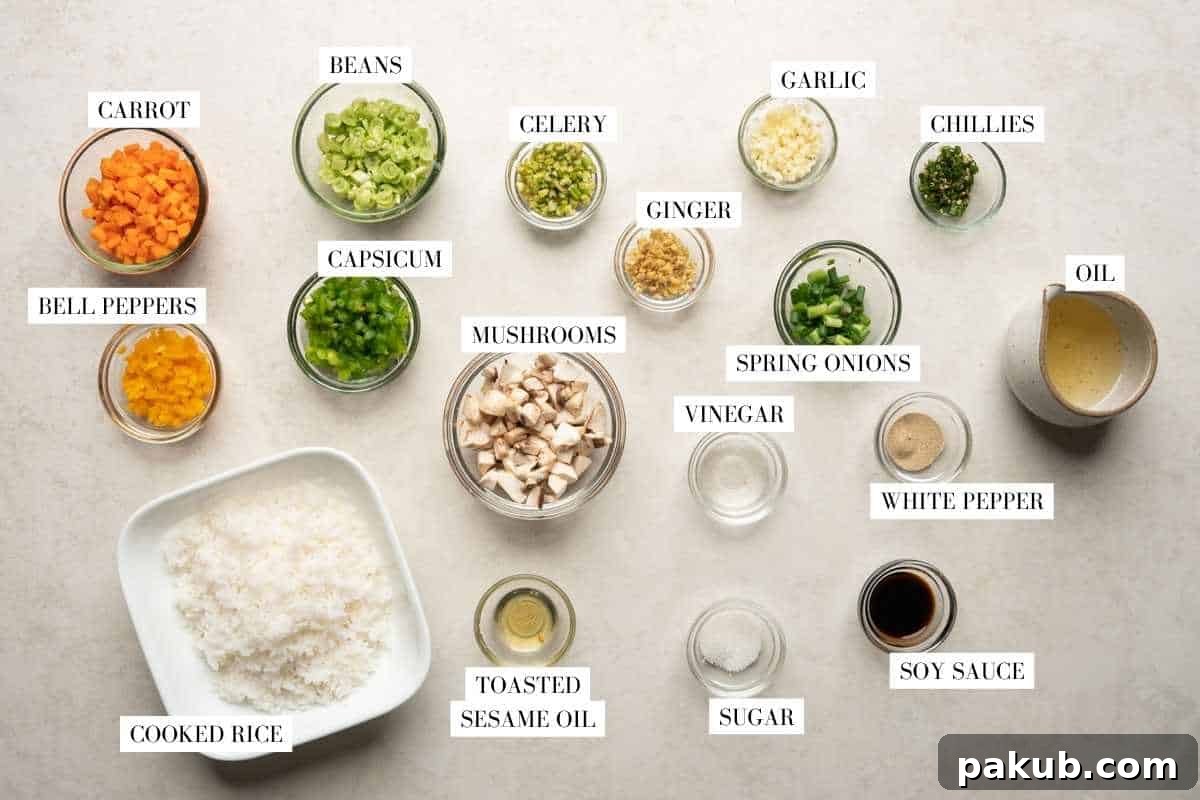
- Rice: The foundation of our dish! I personally love using Jeera Samba, a fragrant short-grain variety that cooks up beautifully. However, you can absolutely use any medium or long-grain rice you have on hand, such as Basmati, Jasmine, or even regular white rice. The key is properly cooked and cooled rice, as detailed below.
- Oil: Opt for a neutral-flavored oil with a high smoke point to withstand the high heat of stir-frying. Excellent choices include canola oil, peanut oil, sunflower oil, or avocado oil. This ensures your ingredients fry rather than steam, giving them that perfect texture.
- Veggies Galore: This recipe typically features finely chopped carrots, French beans, mushrooms, and colorful bell peppers (capsicum). But don’t limit yourself! Feel free to incorporate other favorites like yellow corn, crunchy broccoli florets, shredded cabbage, or sweet green peas. The more variety, the better the flavor and nutritional punch!
- Celery: Often overlooked, celery is a secret weapon in Indo-Chinese cuisine, imparting a distinct, aromatic, and slightly peppery flavor that is crucial for that authentic takeout taste. Finely chop it to integrate seamlessly into the dish.
- Aromatics: The soul of any great stir-fry! We’ll use a generous amount of finely minced ginger and garlic for their pungent warmth, along with finely chopped green chillies for a hint of heat. White pepper powder adds a subtle yet essential peppery kick that differentiates Chinese cooking.
- Soy Sauce: This essential ingredient provides the core umami, saltiness, and a beautiful rich color to the fried rice. For those avoiding gluten, simply swap regular soy sauce with tamari to make this a delicious gluten-free fried rice.
- Vinegar: A touch of vinegar (usually white vinegar or rice vinegar) is vital for balancing the flavors, adding a subtle tang and brightness that cuts through the richness.
- Sugar: Just a small pinch of sugar works wonders. It helps the vegetables retain their vibrant colors, enhances their natural sweetness, and perfectly balances the tanginess from the vinegar and the saltiness of the soy sauce.
- Sesame Oil: Added right at the very end of the cooking process, a drizzle of toasted sesame oil elevates the entire dish. Its distinctive nutty aroma and flavor take your fried rice from good to absolutely sensational!
- Spring Onion: The green parts of spring onions are used as a final garnish. They provide a wonderful burst of fresh flavor, a pop of color, and a delicate crunch that complements the dish beautifully.
How to Master Homemade Vegetable Fried Rice: A Step-by-Step Guide
Making vegetable fried rice is surprisingly straightforward and incredibly quick, especially if you’ve already got some leftover rice chilling in the fridge. The general process involves rapidly stir-frying your chosen vegetables with potent aromatics, then tossing everything with the cooked rice and a flavorful blend of sauces, salt, a touch of sugar, and aromatic sesame oil. A quick garnish of fresh spring onions, and voilà – a sensational meal is ready! It truly is super simple, and the results are consistently delicious. Follow these detailed steps to achieve perfect restaurant-quality fried rice at home:
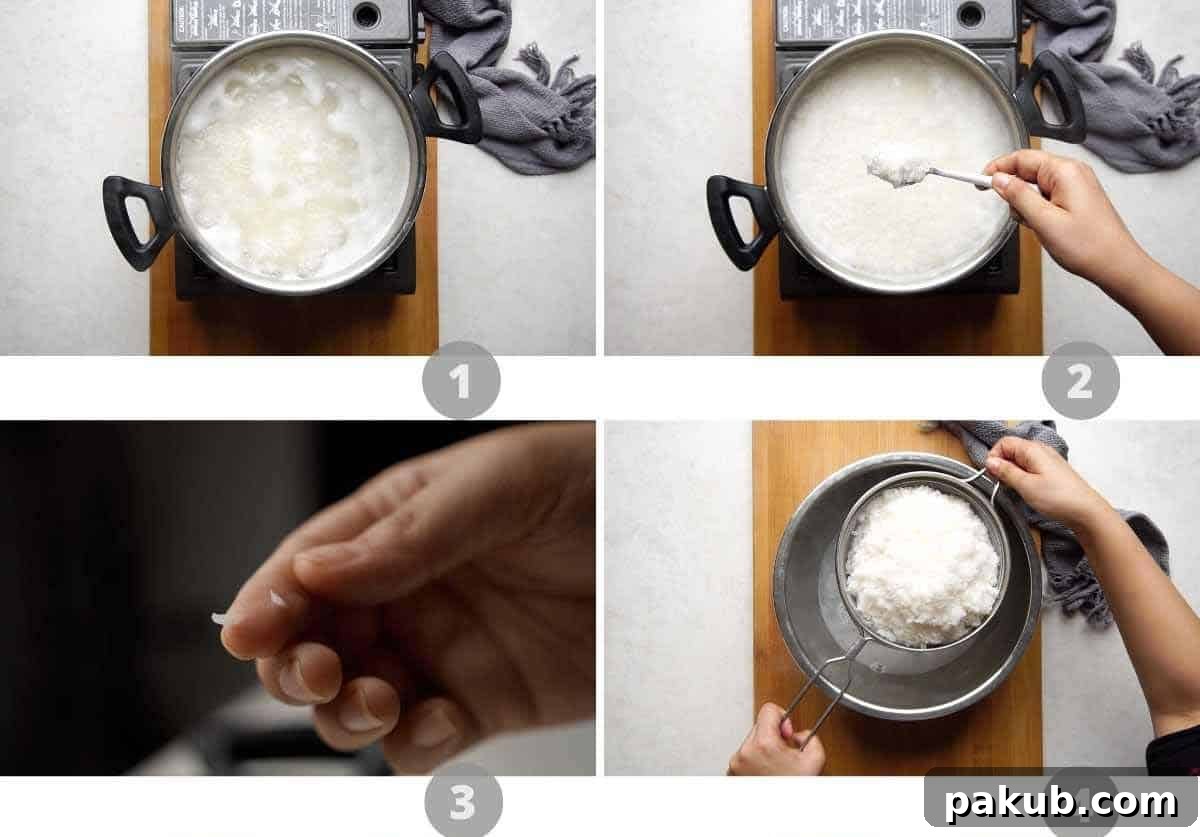
Preparing the Rice:
1. Rinse the Rice: Begin by thoroughly washing and rinsing your chosen rice variety at least three times under cool running water. This crucial step helps to remove excess starch, which is vital for preventing the grains from clumping together and becoming mushy when fried. Drain the washed rice well and set it aside.
2. Boil the Water: In a heavy-bottomed pot, bring a generous amount of water to a rolling boil. Ensure there’s enough water to completely submerge the rice, allowing it to cook freely. Once boiling, add the rinsed rice along with a tablespoon of salt.
3. Cook to Al Dente: Cook the rice on medium heat for just a few minutes until it is approximately 95% cooked. The goal here is an al dente texture – the grains should be tender but still have a slight bite and should not be overly soft or mushy. Overcooked rice will result in a sticky, undesirable fried rice.
4. Drain and Cool: Immediately turn off the heat once the rice reaches the desired al dente consistency. Carefully drain the rice into a fine-mesh strainer, tapping it gently a few times to ensure all excess water is removed. Promptly transfer the drained rice onto a large tray or baking sheet, spreading it out evenly with the back of a spoon. This allows any residual moisture to evaporate and helps the rice cool down rapidly to room temperature. For even better results, refrigerate it for at least 30 minutes, or ideally, use day-old rice.
The Stir-Frying Process:
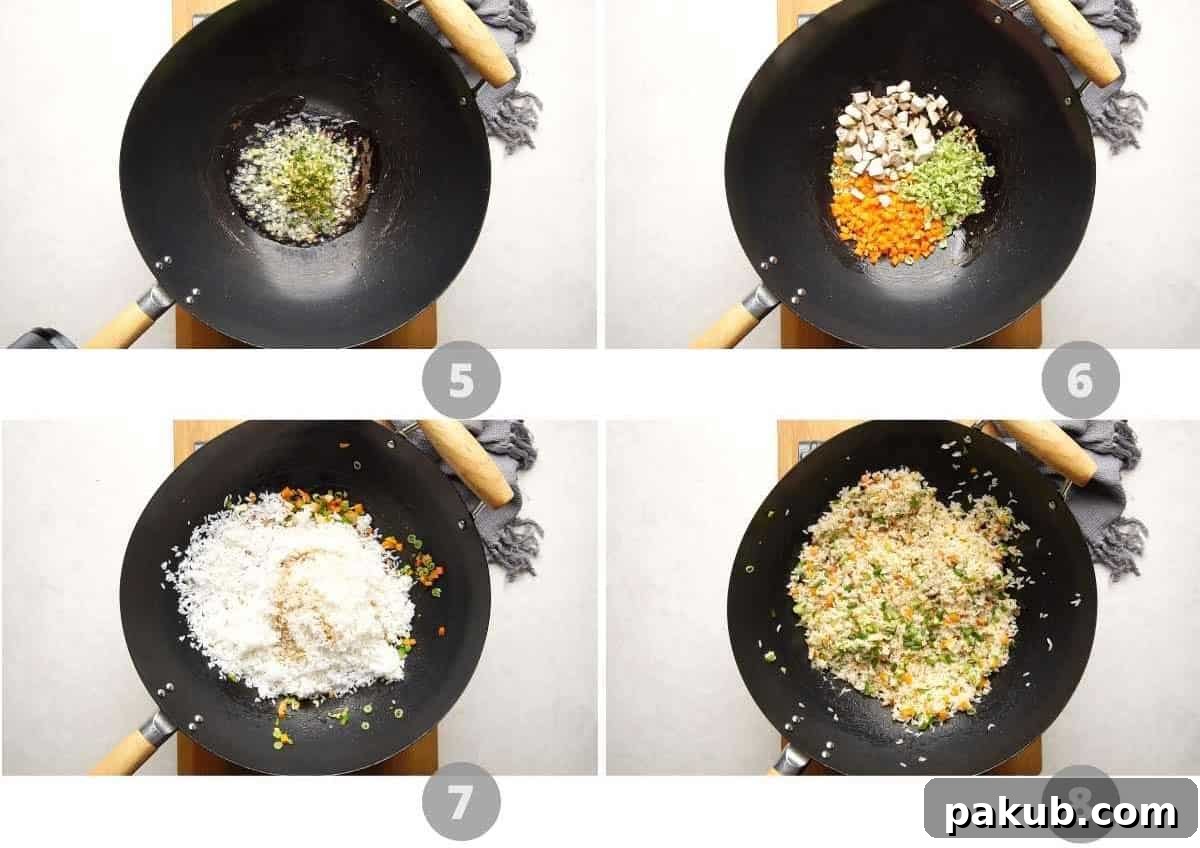
5. Sauté Aromatics: Heat your chosen oil in a large wok or a heavy-bottomed skillet over medium-high heat. Once shimmering, add the minced garlic, ginger, finely chopped celery, and green chillies. Stir-fry for about one minute, constantly stirring, until the aromatics become incredibly fragrant and slightly softened, but not browned.
6. Add Harder Vegetables: Introduce the diced carrots, French beans, and mushrooms to the wok. Continue to stir-fry on high heat for two minutes, stirring frequently. This high heat ensures the vegetables cook quickly and retain their crispness. Next, add the mixed bell peppers and sauté for another minute until they are bright and slightly tender-crisp.
7. Incorporate Rice and Seasonings: Gently fluff the completely cooled rice with a fork before adding it to the wok. Pour in the soy sauce and vinegar, then sprinkle with salt, sugar, and white pepper. Vigorously toss all the ingredients together using a spatula or by gently flipping the contents of the wok (if comfortable) to ensure everything is thoroughly mixed and coated.
8. Final Stir-Fry and Serve: Continue to stir-fry the mixture on high heat for another 2-3 minutes. This final burst of heat allows the flavors to meld beautifully and any remaining moisture to evaporate, giving your fried rice that signature dry, fluffy texture. Once everything is perfectly combined and heated through, sprinkle generously with the sliced spring onion greens. Serve your delicious homemade Veg Fried Rice immediately while hot, ensuring maximum enjoyment of its vibrant flavors and textures.
The Secret to Perfect Fried Rice: Achieving the Ideal Rice Texture
The texture of your rice is paramount to achieving truly restaurant-style fried rice. The grains should be separate, firm, and slightly chewy, never mushy or sticky. The best foundation for fried rice is undoubtedly cold or day-old rice. Why? When rice cools, it loses moisture and firms up, making it less likely to clump and easier to stir-fry. If you’re cooking rice on the same day, make sure to spread it out thinly on a tray or baking sheet immediately after cooking. This allows it to cool down completely and dry out slightly. For even better results, consider refrigerating freshly cooked rice for at least an hour (or overnight) before frying. This chilling process significantly improves its texture, preventing it from turning soggy in the wok.
Richa’s Expert Tips for the Best Veg Fried Rice Ever:
To truly master the art of making flawless vegetable fried rice, pay attention to these crucial details that elevate a good dish to an unforgettable one:
- Rinse and Soak Your Rice: Don’t skip this step! Thoroughly rinse your rice under cold water at least three times, and ideally, soak it for 20-30 minutes before cooking. This process helps to wash away excess surface starch, which is the primary culprit behind sticky, mushy fried rice. Separated grains are the hallmark of excellent fried rice.
- Cook Rice to Al Dente Perfection: When boiling your rice, aim for an al dente texture – it should be about 95% cooked. The grains should be tender but still offer a slight resistance when bitten, and they should break apart easily between your fingers while remaining distinct. Overcooked rice will turn to paste in the wok.
- Embrace the Power of a Wok: A heavy-duty cast iron wok or a robust, deep-bottomed skillet is your best friend for making authentic fried rice. These vessels excel at retaining and distributing high heat evenly, which is essential for proper stir-frying without burning the ingredients. The intense heat also contributes to that coveted “wok hei” – the smoky, charred flavor characteristic of restaurant-style Chinese dishes. If a wok isn’t available, a large non-stick pan can work, but you’ll need to work in smaller batches.
- High Heat is Key for Crispy Veggies: Always stir-fry your vegetables over consistently high heat. This aggressive cooking method quickly cooks the vegetables while allowing them to retain their natural crunch and vibrant colors. Low heat will steam them, resulting in limp and unappetizing textures.
- Prioritize Fresh Vegetables: While frozen vegetables can be used in a pinch (add them directly to the hot pan without thawing), fresh vegetables always yield superior results in terms of color, crunch, and overall flavor. Choose a variety of colorful, crisp produce for the best outcome.
- The Golden Rule: Prep Before You Cook: Fried rice is a lightning-fast dish, demanding your full attention once the cooking starts. Ensure all your ingredients – from chopped vegetables and minced aromatics to pre-measured sauces – are chopped, measured, and laid out within arm’s reach (mise en place) before you even turn on the heat. You won’t have time to slice or grab anything mid-stir-fry!
- Don’t Overcrowd the Pan: If you’re cooking for a large group, resist the temptation to pile all the ingredients into one pan. Overcrowding lowers the pan’s temperature, leading to steaming instead of stir-frying, and a soggy mess. Work in smaller batches if necessary to maintain high heat and achieve that perfect texture.
The Ultimate Secrets to Exceptional Fried Rice
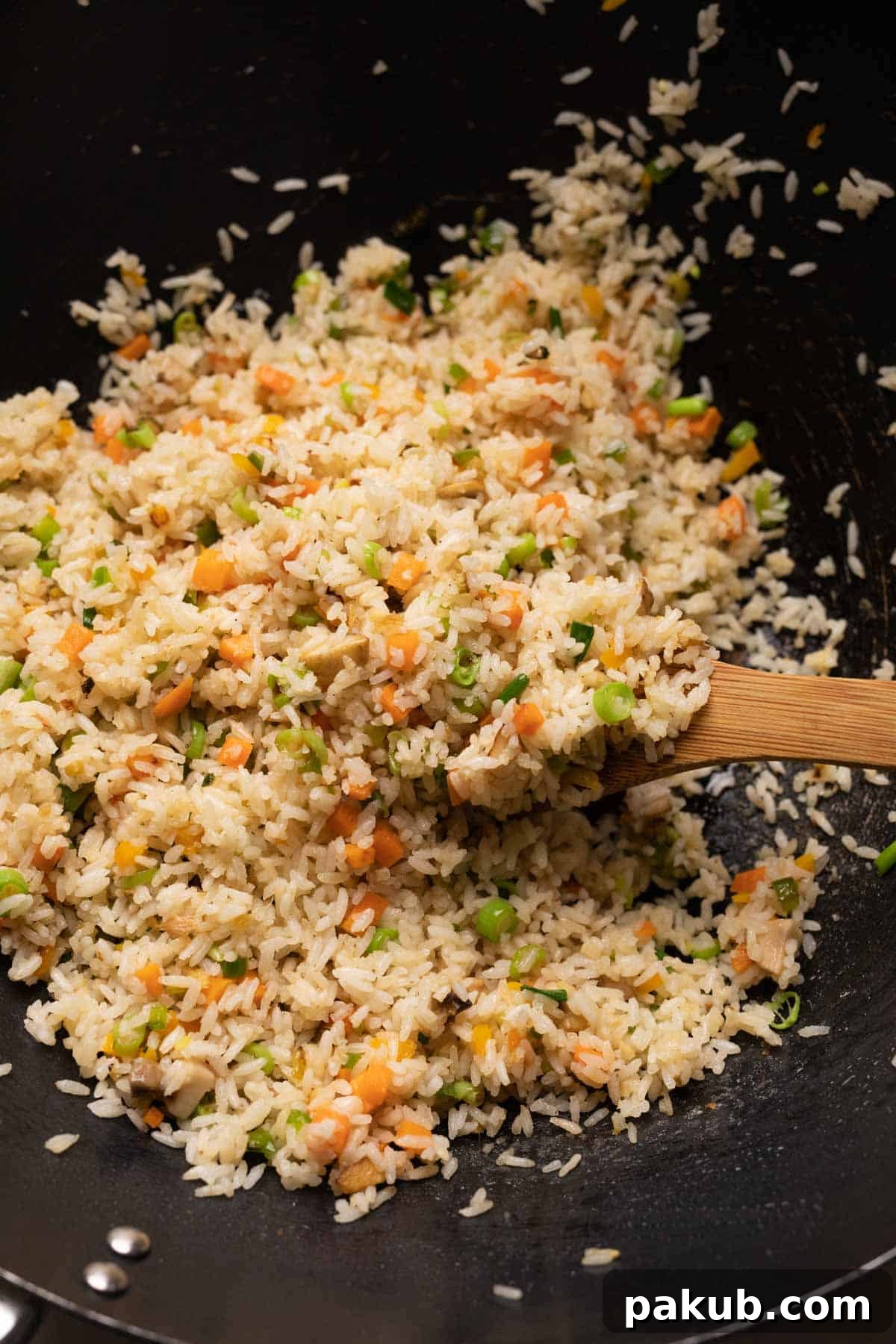
While vegetable fried rice might seem like a straightforward dish, there are a few “secrets” that truly differentiate a mediocre plate from an absolutely outstanding one. The first and most critical secret lies in the rice itself: always use cold, day-old rice, or ensure your freshly cooked rice is thoroughly cooled and dried out before it hits the wok. This prevents clumping and allows the grains to achieve that desirable separate, slightly chewy texture. Secondly, the cooking technique is paramount: everything must be cooked over high heat in a cast-iron wok (or a heavy-duty skillet). High heat quickly sears the vegetables, ensuring they remain crisp and don’t turn soggy, while a cast-iron wok imparts a unique, smoky “wok hei” flavor that is the hallmark of authentic Asian stir-fries. Lastly, and perhaps most overlooked, avoid overcrowding the pan. If you’re making a large quantity, cook the fried rice in smaller batches. An over-filled pan rapidly loses heat, leading to steaming rather than proper stir-frying, and inevitably results in a soggy, unappetizing dish.
Unlocking the Distinctive Flavors of Chinese Fried Rice
The magic behind the distinctive, crave-worthy flavor of Chinese fried rice largely comes down to a harmonious blend of key ingredients, particularly the sauces and aromatics. Soy sauce is undoubtedly the most important player, contributing that signature salty, deeply savory, and often slightly smoky umami profile. It also lends the dish its characteristic appealing color. Complementing this, vinegar introduces a crucial element of acidity and tang, perfectly balancing the richness and saltiness, brightening the overall flavor. Beyond these liquid components, fresh aromatics like ginger, garlic, and celery are foundational, building a fragrant base that permeates every grain of rice and every piece of vegetable, creating a truly irresistible and authentic taste experience.
This versatile Veg Fried Rice is a star on its own, but it truly shines when paired with complementary Indo-Chinese dishes. I frequently serve it alongside my tantalizing Chilli Paneer, a flavorful Crispy Tofu Broccoli Stir-Fry, classic Chilli Chicken, or my comforting Veg Manchurian. On those exceptionally busy days when time is of the essence, I often toss in some pan-fried paneer or tofu pieces directly into the fried rice, transforming it into an even more wholesome, protein-rich, and complete meal. This dish’s incredible adaptability ensures it’s a hit no matter what you choose to pair it with!
Watch the Recipe Video for Visual Guidance
Seeing the process in action can be incredibly helpful! Watch our step-by-step video to guide you through making this fantastic Veg Fried Rice. It’s perfect for visual learners who want to ensure every step is executed flawlessly.
ENJOYED THIS RECIPE? Stay connected and never miss a new dish! Sign up for our exclusive newsletter to get new recipes delivered straight to your inbox every week!
Veg Fried Rice
Richa
15 mins
15 mins
30 mins
4 people
Print Recipe
Ingredients
For the Rice:
- ¾ Cup Short Grain Rice (e.g., Jeera Samba, yielding about 4 Cups cooked)
- Water, for boiling
- 1 tablespoon Salt, for cooking rice
For the Stir-Fry:
- 2 Tablespoons Neutral Oil (Canola, Peanut, Sunflower)
- 1 ½ Tablespoon Garlic, minced
- 1 ½ Tablespoon Ginger, minced
- 2 Tablespoons Celery, finely chopped
- 1-2 Green Chillies, finely chopped (adjust to taste)
- ⅓ Cup Carrot, diced into small pieces
- ⅓ Cup French Beans, diced into small pieces
- ⅓ Cup Bell Peppers, mixed colors, diced into small pieces
- ½ Cup Mushroom, diced into small pieces
- 2 Teaspoons Soy Sauce (use Tamari for gluten-free)
- 1 Teaspoon Vinegar (white or rice vinegar)
- 1 ½ Teaspoons Salt (or to taste, consider soy sauce salinity)
- ½ teaspoon Sugar
- 1 Teaspoon White Pepper powder
- 2 Tablespoons Spring Onion Greens, sliced (for garnish)
- ½ Teaspoon Toasted Sesame Oil (optional, for aroma, added at the end)
Instructions
Part 1: Preparing the Rice
- Wash and rinse the rice thoroughly at least three times with room temperature water to remove excess starch. Drain well.
- Heat water in a heavy-bottomed pot and bring it to a rolling boil. Add the washed rice and 1 tablespoon of salt. Cook on medium heat for a few minutes until the rice is 95% cooked (al dente – firm but tender, not mushy).
- Once cooked, immediately turn off the heat and drain the rice into a fine-mesh strainer, tapping a few times to ensure all water is removed.
- Transfer the drained rice onto a large tray or baking sheet and spread it out evenly with the back of a spoon. Allow all extra moisture to evaporate and let the rice cool completely to room temperature. For best results, refrigerate for at least 30 minutes, or ideally, use day-old rice.
Part 2: The Stir-Fry
- Heat 2 tablespoons of neutral oil in a large wok or heavy-bottomed skillet over medium-high heat. Add the minced garlic, ginger, finely chopped celery, and green chillies. Stir-fry for about 1 minute until fragrant.
- Add the diced carrots, French beans, and mushrooms. Stir-fry on high heat for 2 minutes, stirring frequently, to keep them crisp-tender. Then, add the mixed bell peppers and sauté for another minute.
- Gently fluff the cooled rice and add it to the wok. Pour in the soy sauce, vinegar, 1.5 teaspoons of salt, ½ teaspoon of sugar, and 1 teaspoon of white pepper powder. Toss vigorously to mix and combine all ingredients thoroughly.
- Continue to stir-fry on high heat for 2-3 minutes, ensuring everything is well mixed and heated through. Just before serving, drizzle with ½ teaspoon of toasted sesame oil (if using) for an extra layer of nutty aroma. Sprinkle with the sliced spring onion greens and serve hot.
Notes for Success
- Pre-prep is paramount: Have all your vegetables chopped, aromatics minced, and sauces measured before you start cooking. This recipe moves very quickly!
- Achieve “Wok Hei”: Cook on the highest heat your stove allows. This creates the smoky, slightly charred flavor essential to authentic fried rice.
- Don’t crowd the wok: If making a large batch, cook in two separate batches to ensure high heat is maintained and veggies stir-fry, not steam.
- Cold rice is non-negotiable: Day-old, refrigerated rice works best. If using freshly cooked rice, spread it out on a tray and cool completely to prevent stickiness.
- Customize your veggies: Feel free to add corn, peas, cabbage, or any other quick-cooking vegetables you enjoy.
Nutrition Information (per serving)
Calories:
141kcal
,
Carbohydrates:
17g
,
Protein:
2g
,
Fat:
8g
,
Saturated Fat:
1g
,
Polyunsaturated Fat:
2g
,
Monounsaturated Fat:
5g
,
Trans Fat:
0.03g
,
Sodium:
1188mg
,
Potassium:
204mg
,
Fiber:
3g
,
Sugar:
3g
,
Vitamin A:
2282IU
,
Vitamin C:
21mg
,
Calcium:
25mg
,
Iron:
1mg
Did you love this recipe? Share your thoughts below!