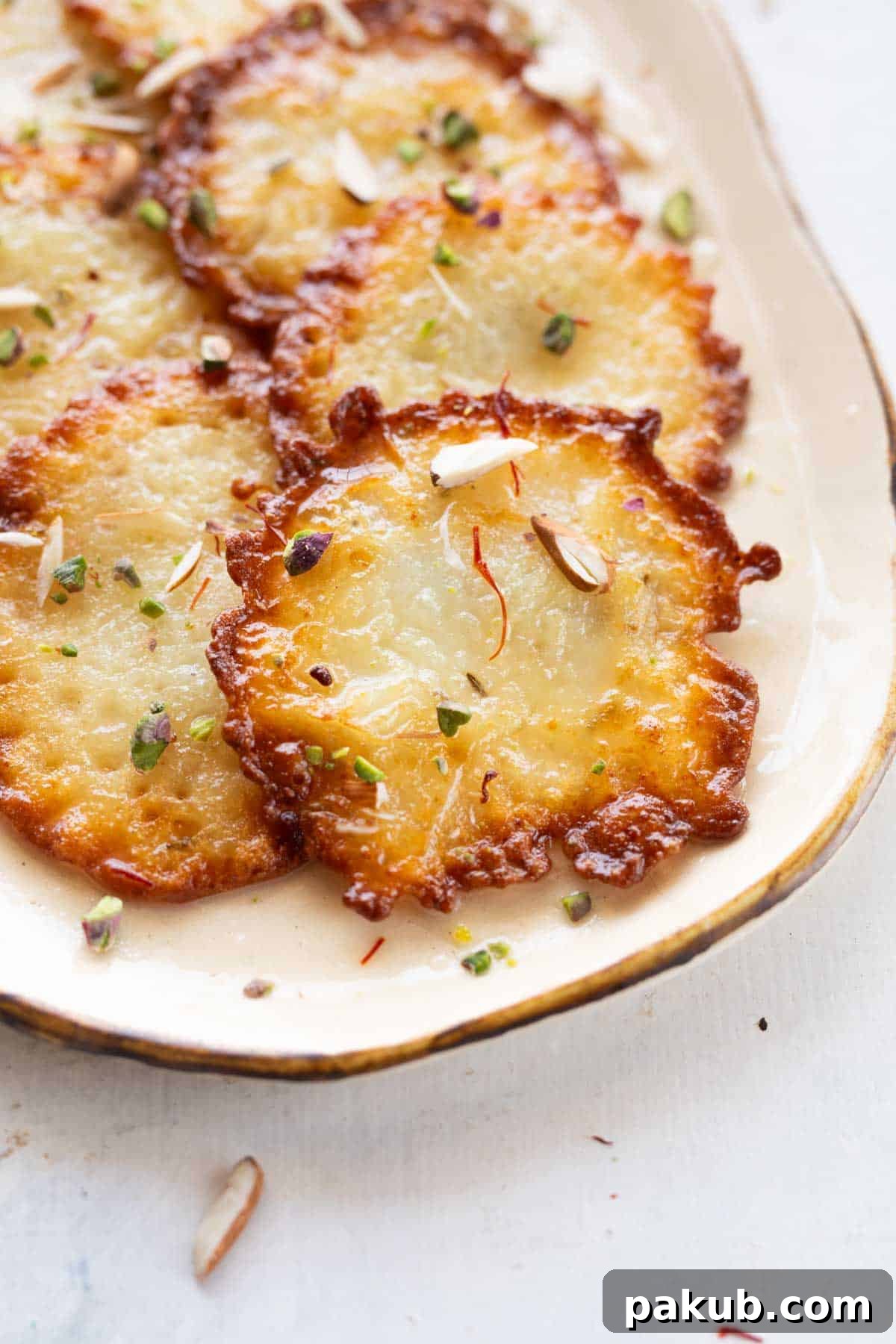
Indulge in the irresistible delight of piping hot Malpuas, perfectly dipped in fragrant sweet syrup. This season, add our almost instant Mawa Malpua recipe to your must-try list for Holi and other festive celebrations!
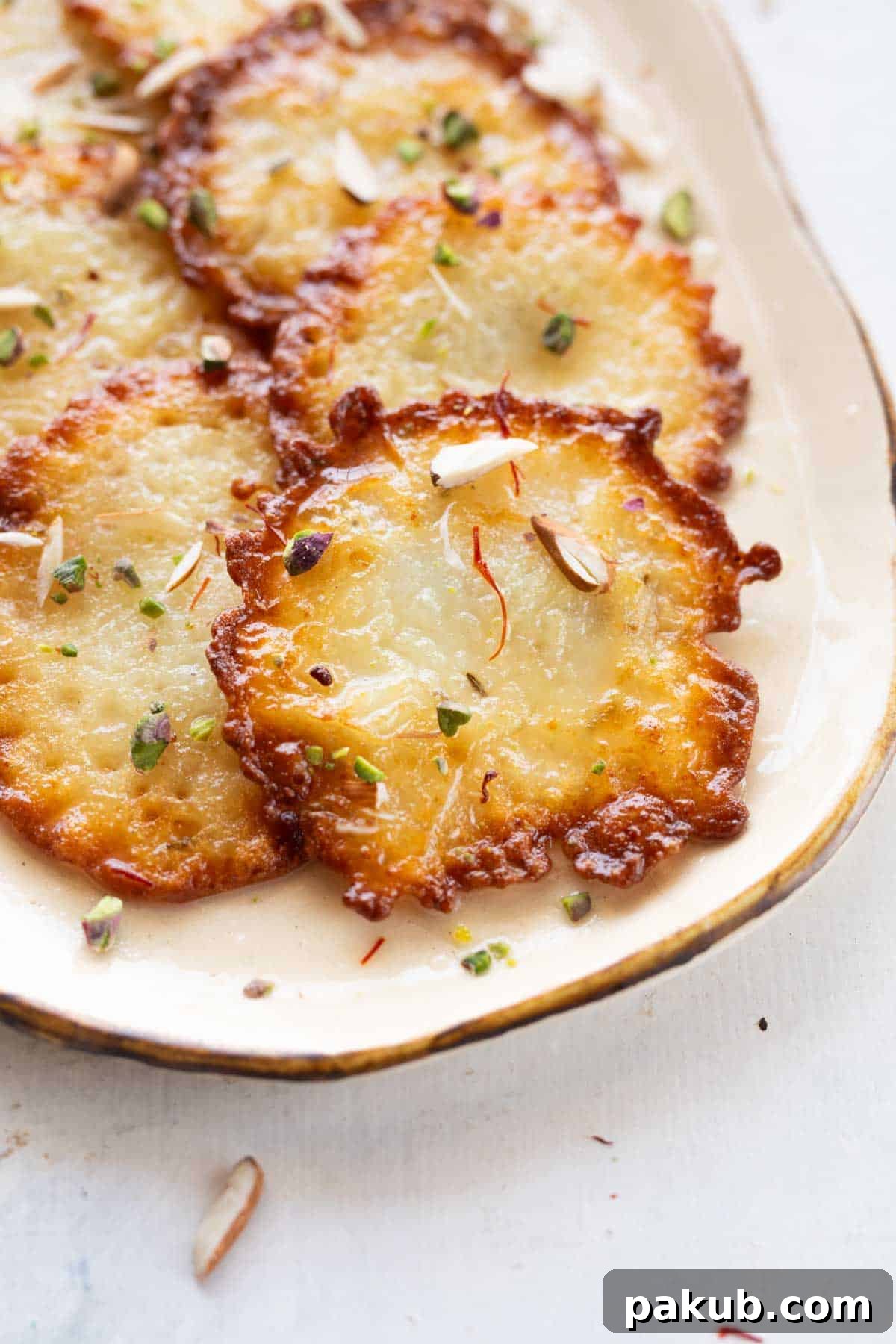
If the enchanting world of Malpua is new to you, allow us the pleasure of this delightful introduction. Malpua is a beloved Indian sweet, essentially a fried pancake that is generously soaked in a delicate sugar syrup. Served warm, each bite promises a captivating contrast: delightfully crisp edges giving way to a soft, melt-in-your-mouth center. It’s a symphony of textures and flavors that truly captivates the palate.
For those already familiar with Malpua, you understand the unique magic this dessert holds. However, the traditional preparation often involves a lengthy process, particularly when making it with homemade rabri, which can take hours of patient simmering. That’s where our brilliant shortcut comes in! This recipe for Mawa or Khoya Malpua streamlines the process significantly, allowing you to whip up a fresh batch of these decadent treats at home without the extensive commitment, making festive cooking a joyous breeze.
What is Malpua: An Indian Dessert Gem
Malpua holds a special place in Indian culinary traditions, especially during festivals like Holi, Diwali, and many religious ceremonies. Often referred to as Indian pancakes, these golden-brown fritters are deep-fried to perfection and then immediately immersed in a fragrant sugar syrup (chashni). The syrup infuses them with sweetness and a glossy sheen, making them utterly irresistible. While variations exist across different regions of India, the core essence remains: a sweet, indulgent treat that brings joy to any occasion. Our Mawa Malpua recipe leans into the richness of khoya, creating a denser, creamier texture than some lighter versions, truly elevating the indulgence factor.
Why This Instant Mawa Malpua Recipe?
Traditional Malpua recipes often call for rabri, a thickened milk reduction that requires continuous stirring for hours. While the result is undeniably delicious, it’s not always practical for busy home cooks. Our instant Mawa Malpua recipe bypasses this time-consuming step by using mawa (khoya) directly in the batter. Mawa is a concentrated form of milk solids, readily available in most Indian grocery stores. When combined with milk, it creates a rich, creamy base that mimics the consistency and flavor of rabri, giving you that authentic taste and texture in a fraction of the time. This means less time in the kitchen and more time enjoying the festivities with loved ones.
Essential Ingredients You’ll Need to Make Mawa Malpua
Creating perfect Mawa Malpuas begins with a careful selection of ingredients. Each component plays a crucial role in achieving the desired texture, flavor, and aroma. Here’s what you’ll need:
- Mawa (Khoya): The star of this quick Malpua recipe. Mawa is dried evaporated milk solids, lending a rich, dense texture and authentic milky flavor to the pancakes. It significantly reduces preparation time compared to making rabri from scratch. You can find pre-made mawa at Indian grocery stores; Amul is a popular brand.
- Full Cream Milk: Essential for combining with the mawa to form a smooth, luscious batter. Full cream milk adds richness and helps achieve the ideal consistency for the Malpua, ensuring they are tender on the inside.
- All-Purpose Flour (Maida): This forms the foundational base of our Malpua batter, providing structure and consistency. It’s a staple in nearly all Malpua recipes, ensuring a delicate yet cohesive pancake.
- Salt: Just a tiny pinch of salt works wonders to balance the sweetness and enhance the overall flavors of the dessert, preventing it from tasting overly cloying.
- Sugar (for batter): A small amount of sugar in the batter helps with browning and adds a subtle sweetness before the Malpuas are even dipped in syrup.
- Semolina (Sooji): This ingredient is optional but highly recommended. Adding just a teaspoon of fine semolina contributes to those coveted crispy edges and a slightly granular texture, elevating the Malpua experience.
- Fennel Seeds (Saunf) and/or Crushed Cardamom (Elaichi): These aromatic spices are non-negotiable for that signature, authentic Indian flavor. Fennel seeds provide a sweet, anise-like note, while cardamom offers a warm, floral undertone. You can adjust the quantities to suit your personal preference, but don’t skip them!
- Ghee (Clarified Butter): For frying the Malpuas. While oil can be used, frying in ghee imparts an unparalleled rich, nutty flavor and a beautiful golden color that makes this dessert truly indulgent. We highly recommend using ghee for the best results.
- Chashni (Sugar Syrup): A simple yet crucial component, made from sugar, water, and often infused with a few strands of saffron for color and aroma. The consistency of this syrup is key to how the Malpuas absorb the sweetness.
Step-by-Step Guide: How to Make Khoya or Mawa Malpua
Follow these detailed steps to create perfectly crispy and juicy Mawa Malpuas at home:
For Malpua Batter
- Prepare the Mawa: If your mawa (khoya) is in a block form, gently crumble or grate it into a mixing bowl. This ensures it mixes smoothly with the other ingredients.
- Create the Instant Rabri Base: Add the crumbled mawa and about half of the full cream milk to the mixing bowl. Using a whisk, beat this mixture thoroughly until it is almost completely smooth, with minimal lumps. This process quickly creates a rich, rabri-like base for our batter.
- Form the Malpua Batter: To the mawa-milk mixture, add the all-purpose flour (maida), semolina (if using), and the remaining milk. Whisk vigorously and continuously until you achieve a perfectly smooth batter, free from any lumps. Consistency is key here; it should be medium-thick and flowing, similar to a rich lassi or condensed milk. A well-whisked batter ensures light and airy Malpuas.
- Rest and Ferment the Batter: Cover the bowl and let the batter rest and ferment at room temperature for at least 30 minutes. For an even better flavor and a lacy, crispy texture, we highly recommend resting it for 2-3 hours. This resting period allows the flavors to meld and the batter to slightly ferment, which significantly contributes to the characteristic texture of Malpuas without requiring a traditional, long fermentation.
- Final Batter Adjustment: After resting, add the pinch of salt, teaspoon of sugar, and the crushed fennel seeds (and cardamom, if using) to the batter. Give it another good whisk for 1-2 minutes. The batter should maintain a flowing consistency – resembling condensed milk rather than a thick pancake batter. A batter that is too thick will result in dense and heavy Malpuas, while a slightly thinner, flowing batter will yield delicate, lacy pancakes.
For Sugar Syrup (Chashni)
- Combine and Heat: In a separate pan, combine the sugar and water. Place it over medium heat and stir continuously until the sugar completely dissolves.
- Simmer and Infuse: Once the sugar has dissolved, add the saffron strands for flavor and color. Bring the syrup to a quick boil, then reduce the heat and let it simmer gently for just 2-3 minutes. The consistency of the chashni should be thin and watery, almost like oil, not thick or stringy. A thick syrup will make the Malpuas heavy and may crystallize quickly.
- Prevent Crystallization: To prevent the sugar syrup from crystallizing as it cools, add a few drops of fresh lime juice during simmering. If the syrup does thicken upon cooling, simply stir in a teaspoon or two of hot water to restore the desired consistency.
Cooking Malpua
- Heat the Ghee: Heat approximately 1½ inches deep of ghee (clarified butter) in a thick-bottomed frying pan or skillet. It is crucial to use a flat-bottomed pan for frying Malpuas; a kadhai or wok will not allow them to spread correctly. The ghee should be hot but not smoking, around medium heat. You can test the temperature by dropping a tiny amount of batter; it should sizzle immediately and float to the surface.
- Fry the Malpuas: Before pouring each Malpua, give the batter a quick whisk to ensure consistency. Carefully pour about ⅛ cup (or 2 tablespoons) of the batter into the hot ghee. Do not spread it; the batter will naturally expand into a round shape. Lower the heat to medium-low. Within a minute, you will notice the Malpua starting to float to the surface.
- Golden Perfection: Fry the Malpua on low to medium heat. Once one side achieves a light golden color and develops lacy edges, gently flip it over using a slotted spoon or spatula. Fry the second side until it also turns a beautiful light golden. Continue to flip the Malpua a couple of times as needed until both sides are evenly golden brown and crisp.
- Soak in Syrup: Immediately after frying, transfer the hot Malpua directly into the warm sugar syrup (chashni). Allow them to soak in the syrup for 1-2 minutes. This brief soaking time ensures they absorb enough sweetness without becoming overly soggy.
- Serve and Garnish: Promptly remove the soaked Malpuas from the syrup and arrange them on a serving tray. Prepare the remaining Malpuas in the same manner. For an extra touch of decadence, you can serve these Malpuas with a dollop of rabri (if desired, though not strictly necessary for this recipe) and garnish with slivered almonds and pistachios, along with a few extra saffron strands.
Tips for Perfect Mawa Malpua Every Time
Achieving the perfect Malpua is an art, but with these tips, you’ll master it quickly:
- Batter Consistency is Key: The batter should be smooth, lump-free, and have a medium-thick, flowing consistency, much like condensed milk or a rich lassi. A batter that’s too thick will yield dense, cake-like malpuas, while one that’s too thin might break apart during frying.
- Don’t Skip the Resting Time: Resting the batter for at least 30 minutes (and ideally 2-3 hours) allows the flour to fully hydrate and, if fermented, develops a better flavor and the characteristic lacy texture. This is a crucial step for light and crispy Malpuas.
- The Right Pan for Frying: Always use a thick-bottomed, flat frying pan or skillet for deep-frying Malpuas. A curved kadhai or wok will cause the batter to pool and create an uneven shape, preventing the Malpuas from spreading correctly into their signature round form.
- Optimal Ghee Temperature: The ghee (or oil) must be heated to the correct temperature. If it’s not hot enough, the Malpuas will stick to the pan and absorb too much fat, becoming greasy. If it’s too hot, they will brown too quickly on the outside while remaining raw inside. Test with a small drop of batter – it should sizzle gently and float to the surface instantly. Maintain a consistent medium-low heat during frying.
- Chashni (Sugar Syrup) Consistency: Ensure your sugar syrup is thin and warm, not thick or sticky. A thin syrup allows the Malpuas to absorb sweetness quickly and evenly without becoming overly heavy or crystallizing rapidly. If it thickens, thin it with a little hot water.
- Immediate Soaking: Transferring the Malpuas directly from the hot ghee into the warm sugar syrup is important. The warmth helps them absorb the syrup efficiently, making them juicy and sweet.
Serving Suggestions and Variations
While Mawa Malpuas are incredible on their own, a few additions can elevate the experience:
- Classic Garnishes: Sprinkle freshly chopped pistachios, almonds, or cashews on top for added crunch and flavor. A few strands of saffron can also enhance the visual appeal and aroma.
- With Rabri: For ultimate indulgence, serve warm Malpuas with a side of chilled rabri (sweetened thickened milk). The creamy rabri complements the sweet, crisp pancakes beautifully.
- Fresh Fruit: Pair Malpuas with seasonal fresh fruits like sliced mangoes, berries, or bananas for a refreshing contrast.
- Spice Variations: While fennel and cardamom are traditional, you can experiment with a hint of nutmeg or a tiny dash of cinnamon for a different aromatic profile.
Frequently Asked Questions About Mawa Malpua
While it is possible to make Malpuas in advance and store them, we highly recommend serving them hot and fresh for the best taste and texture. Malpuas tend to become chewy once refrigerated. However, you can prepare the batter a night in advance and store it in the refrigerator. Just be aware that a longer fermentation time (overnight) might result in a slightly more sour taste, which some people enjoy.
The most common reason for chewy Malpuas is refrigeration. When Malpuas are cooled, especially in a fridge, their texture changes from crisp and gooey to chewier. To ensure they remain delightfully crisp and soft, always serve them immediately after frying and soaking in the syrup. If you must store them, keep them at room temperature for a short period in an airtight container, and gently warm them before serving.
If your Malpua is sticking to the pan, it’s almost certainly an indication that your ghee or oil is not hot enough. The batter needs to hit a sufficiently hot surface to set quickly and prevent sticking. To verify the temperature, drop a small pea-sized portion of batter into the fat. If it immediately sizzles and floats to the top with bubbles forming, your fat is ready. If it sinks or barely bubbles, increase the heat. Also, ensure you are using enough ghee – Malpuas require deep-frying for optimal results.
Yes, you can use a neutral cooking oil for frying Malpuas if ghee is unavailable or if you prefer. However, using ghee is highly recommended as it imparts a distinct, rich, and aromatic flavor that is traditional and significantly enhances the taste of the Malpuas. The flavor difference is quite noticeable.
Mawa, also known as Khoya, is a dairy product widely used in Indian cuisine. It is essentially dried whole milk or milk solids obtained by slowly heating and reducing full-fat milk in an open pan until all the moisture evaporates. It has a rich, slightly granular texture and a concentrated milky flavor. You can easily find Mawa in the dairy or frozen section of most Indian grocery stores, or even in some larger international supermarkets. You can also make it at home, but that adds to the preparation time.
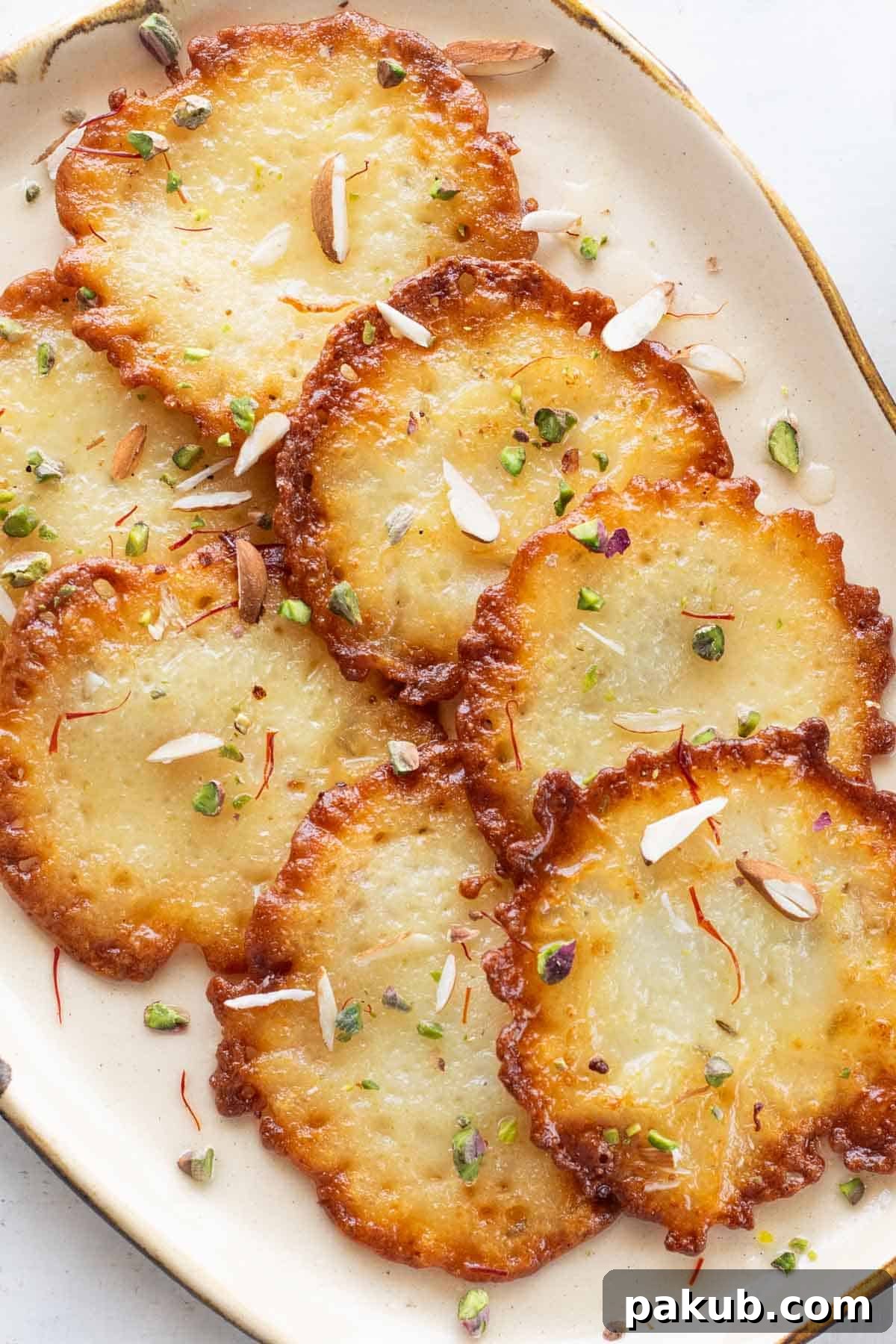
Once you discover the ease and deliciousness of making these Mawa Malpuas at home, there truly will be no turning back. They are not just a dessert; they are a celebration in every bite, especially perfect for Holi festivities. We would absolutely love to see your beautiful recreations! Please share photos of your Malpuas with us over on Instagram by tagging @my_foodstory. Let’s embrace this vibrant season and its flavors together!
If you’re eager to explore more festive Indian recipes, be sure to check out our extensive roundup of 50+ FUN Holi recipes to make your celebrations even more special.
Watch the Recipe Video
For a visual guide to making these delectable Instant Mawa Malpuas, check out our step-by-step video:
Malpua Recipe
Rating: 5 out of 5 stars (based on 1 vote)
Malpua
By: Richa
Crispy malpuas in a sweet syrup is the ideal dessert for Holi! My recipe helps you make almost an instant version of this famous Indian sweet!
- Prep Time: 5 mins
- Cook Time: 30 mins
- Resting Time: 30 mins
- Total Time: 1 hr 5 mins
- Servings: 4 People
Rate Recipe
Print Recipe
Ingredients
For Malpua Batter
- ¼ cup Mawa (Khoya), 67 grams
- ½ cup Maida (All-Purpose Flour), 65 grams
- 1 teaspoon Sooji (Semolina) – optional, for crispiness
- 1 pinch Salt
- 1 teaspoon Sugar
- ¾ cup + 2 tablespoons Milk (full cream recommended)
- ¼ teaspoon Fennel seeds, crushed
- Ghee for Deep Frying
For Sugar Syrup
- ½ Cup Sugar
- ½ Cup Water
- 4-5 strands Saffron
Instructions
For Malpua Batter
- Crumble or grate mawa if it’s a block.
- In a mixing bowl, add mawa and milk, then whisk well until almost smooth. Add maida, semolina (if using), and the rest of the milk, mixing well to make a smooth, lump-free batter. Beat for 5 minutes with a whisk or fork (a hand blender can also be used).
- Rest the batter for at least 30 minutes, or up to 2 hours for best results.
- Add salt, sugar, and crushed fennel seeds to the rested batter, and beat again for 1-2 minutes. The batter should have the consistency of lassi or condensed milk. A very thick batter will result in dense Malpuas.
For Sugar Syrup
- In a pan, add sugar and water and bring it to a quick boil. Add saffron strands and let it simmer for 2-3 minutes. The chashni should be thin, like the consistency of oil, not thick.
- To prevent crystallization, add a few drops of lemon juice to the syrup. If the syrup thickens, mix in a teaspoon or two of water to adjust the consistency.
Cooking Malpua
- Heat 1½ inches deep ghee in a thick-bottomed flat frying pan or skillet. Using a flat pan is important; a kadhai or wok will not work well.
- Give the batter a quick whisk before each Malpua. Pour about ⅛ cup or 2 tablespoons of the batter into the hot ghee without spreading it. The batter will spread into a round shape on its own. Lower the heat, and within a minute, the Malpua will start to float.
- Fry the Malpua on low heat. When one side is light golden, gently turn it over and fry the second side until it’s also light golden. Continue frying until both sides are golden, flipping as needed a couple of times.
- Transfer the fried Malpua immediately to the warm sugar syrup. Soak them for 1-2 minutes.
- Immediately remove them onto a serving tray. Prepare the rest of the Malpuas in the same manner. Serve plain, or garnish with almonds & pistachios. They can also be served with rabri.
Nutrition
Calories: 245kcal, Carbohydrates: 44g, Protein: 6g, Fat: 5g, Saturated Fat: 3g, Polyunsaturated Fat: 0.2g, Monounsaturated Fat: 1g, Trans Fat: 0.01g, Cholesterol: 9mg, Sodium: 69mg, Potassium: 91mg, Fiber: 1g, Sugar: 28g, Vitamin A: 142IU, Vitamin C: 0.2mg, Calcium: 163mg, Iron: 1mg
Like this recipe? Rate and comment below!