
Some days, it’s the comfort of familiar flavors that really hits the spot. And a bowl of warm, fluffy Jeera Rice never lets you down.
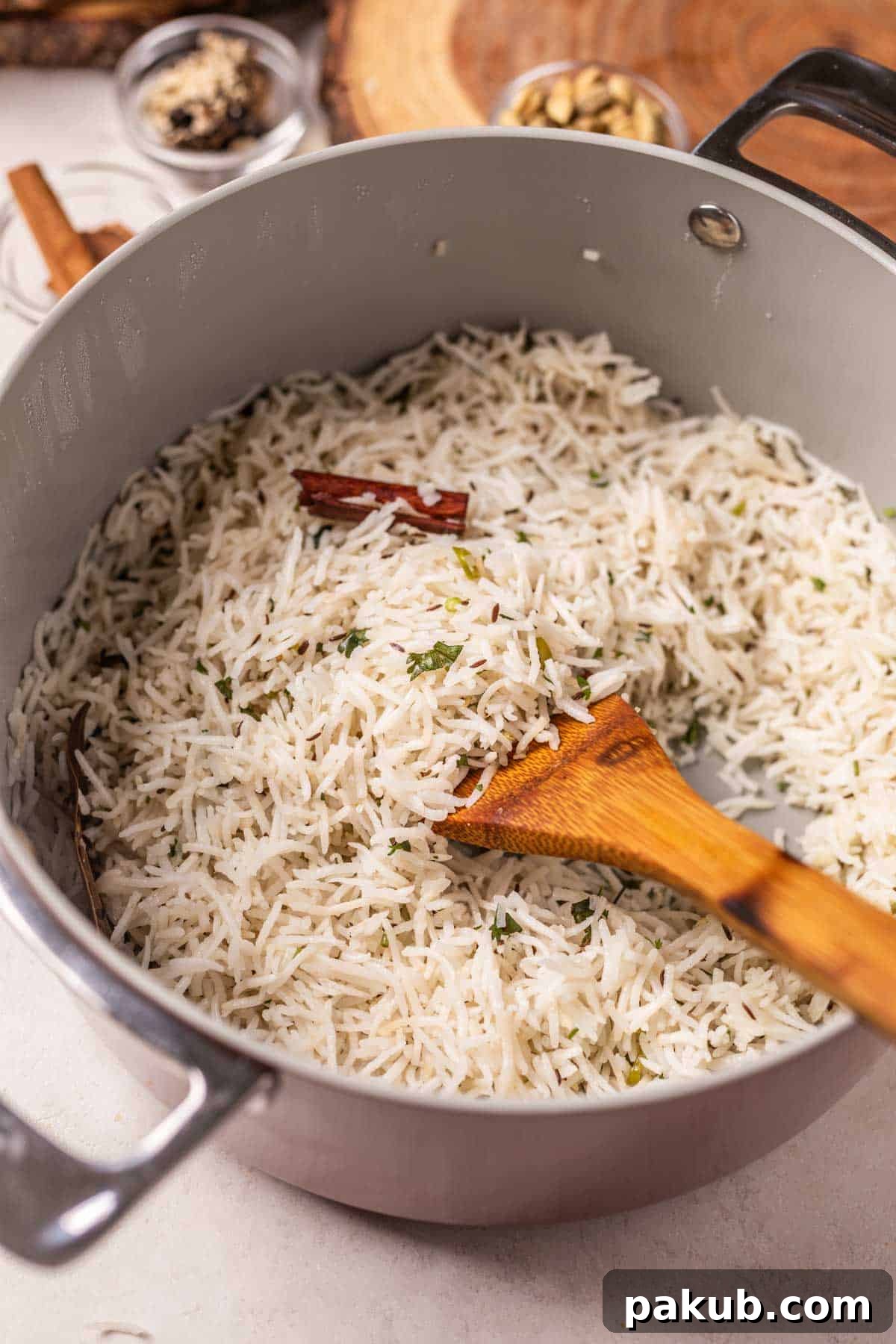
Mastering Perfect Jeera Rice: A Fluffy & Fragrant Indian Cumin Rice Recipe
There’s an undeniable magic in a bowl of perfectly cooked Jeera Rice, especially when paired with a piping hot Dal Tadka. It’s not about flashy ingredients or complicated techniques, but rather the harmonious blend of simple flavors that brings warmth, aroma, and balance to every plate. Often considered the quiet anchor of many Indian meals, Jeera Rice, also known as Indian Cumin Rice, is a staple that deserves a place in every home cook’s repertoire.
I’ve relied on this recipe countless times—from hectic weeknights demanding a quick yet satisfying dish, to leisurely weekend lunches, or simply whenever that familiar sense of comfort is needed. Whether you’re assembling an elaborate Thali featuring an array of comforting curries or seeking a reliable accompaniment for your favorite main courses, this Jeera Rice recipe consistently delivers exceptional results. It’s truly foolproof, designed to ensure fluffy, separate grains every time.
What is Jeera Rice?
Jeera Rice is a popular Indian rice dish flavored with cumin seeds (jeera in Hindi) and other whole spices. It’s renowned for its aromatic simplicity, featuring long-grain basmati rice cooked to perfection with a tempering of cumin seeds in ghee or oil. Unlike more complex biryanis or pulaos, Jeera Rice focuses on subtle flavors that complement a wide variety of curries, dals, and gravies. Its light, earthy, and nutty profile makes it an ideal canvas for robust Indian main courses, enhancing the overall dining experience without overpowering other dishes.
Why You’ll Love This Easy Jeera Rice Recipe
- Effortlessly Fluffy: Our precise ratios and step-by-step instructions guarantee perfectly separated, non-sticky grains every time.
- Rich Aroma & Flavor: The tempering of whole spices in ghee infuses the rice with an irresistible fragrance and a deep, comforting taste.
- Quick & Simple: With just a few basic ingredients and minimal cooking time, you can have this delicious side dish ready in under 15 minutes (active cooking time).
- Versatile Pairing: Jeera Rice is the ultimate companion to virtually any Indian curry or lentil dish, making it a staple for any meal.
- Beginner-Friendly: This recipe is designed for cooks of all skill levels, providing clear guidance for a successful outcome.
Jump to Section: Jeera Rice
- Jeera Rice Ingredients
- The Perfect Rice to Water Ratio Explained
- Step-by-Step Guide to Fluffy Jeera Rice
- Expert Tips for Best Results
- Common Mistakes & How to Avoid Them
- Frequently Asked Questions
- Customization Ideas
- Serving Ideas
- Storage & Reheating
- Watch Jeera Rice Recipe Video
- Full Recipe Card
Essential Jeera Rice Ingredients
Crafting perfect Jeera Rice relies on a handful of quality ingredients. Here’s what you’ll need and why each component is crucial:
- Basmati Rice: The star of the show! Always opt for long-grain and preferably aged basmati rice. Its distinct aroma, slender grains, and lower starch content ensure a fluffy, separate texture when cooked. Regular rice varieties might result in a stickier outcome.
- Water: The cooking liquid. The exact ratio is vital for achieving the ideal texture, preventing both mushiness and undercooked grains. We’ll detail this below.
- Ghee (Clarified Butter): For authentic richness and a beautiful nutty aroma. Ghee is traditional and adds unparalleled flavor. If you’re looking for a vegan alternative, any neutral vegetable oil like sunflower or canola oil works well, though it will impart a slightly different, lighter flavor.
- Whole Spices: These infuse the rice with a complex aromatic background.
- Bay Leaf: Adds a subtle, warm, and herbaceous note.
- Cinnamon Stick: Contributes a sweet and woody fragrance.
- Cloves: Offer a strong, pungent, and aromatic spice flavor.
- Cumin Seeds (Jeera): The namesake ingredient. These tiny seeds, when toasted in ghee, release a warm, earthy, and slightly nutty flavor that defines Jeera Rice.
- Green Chilli (Optional): For a hint of mild heat and a fresh, pungent undertone. Adjust the quantity or omit entirely based on your preference. Serrano peppers can be a good substitute.
- Salt: Essential for seasoning and bringing out the flavors of the rice and spices.
- Fresh Coriander Leaves (Cilantro): A vibrant garnish that adds a burst of freshness and color just before serving, elevating both the presentation and the flavor profile.
The Perfect Rice to Water Ratio Explained
The secret to perfectly fluffy, separate grains of Jeera Rice lies in understanding and adhering to the correct rice-to-water ratio. This ratio varies depending on your cooking method and the type of rice, particularly whether it’s soaked or unsoaked.
General Stovetop Method (for soaked Basmati Rice):
The ideal ratio for cooking soaked long-grain basmati rice on the stovetop is 1 part rice to 2 parts water. This means for every cup of rice, you will need two cups of water. This ratio ensures that the rice absorbs just enough moisture to cook through completely, resulting in distinct, elongated grains that are soft yet firm, and never sticky or mushy.
Adjusting for Different Cooking Methods:
Different cooking vessels retain steam and pressure differently, necessitating adjustments to the water ratio:
- Traditional Pressure Cooker: When using a traditional pressure cooker, less water is needed because steam cannot escape, leading to more efficient cooking. Reduce the rice to water ratio to 1 part rice to 1.5 parts water.
- Instant Pot: The Instant Pot is even more efficient at retaining moisture. For best results, use a ratio of 1 part rice to 1.25 parts water.
Remember, these ratios are specifically for soaked basmati rice. Soaking significantly reduces cooking time and helps achieve that desired fluffy texture. If you skip soaking, you might need slightly more water and a longer cooking time, but soaking is highly recommended for optimal results.
Step-by-Step Guide to Fluffy Jeera Rice
Follow these simple steps to prepare aromatic and perfectly fluffy Jeera Rice:
- Rinse and Soak the Rice: Begin by placing 1 cup of long-grain basmati rice in a fine-mesh sieve or a bowl. Rinse the rice thoroughly under cold running water, gently agitating the grains with your fingers, until the water runs completely clear. This crucial step removes excess starch, which is a common culprit for sticky rice. Once rinsed, transfer the rice to a bowl, add enough water to fully submerge the rice by at least an inch, and let it soak for 30 minutes. Soaking helps the grains cook evenly and become longer and fluffier.
- Prepare for Cooking: After 30 minutes, drain all the soaking water from the rice using a fine-mesh sieve. Let the rice sit in the sieve for a few minutes to ensure it is well-drained. Set aside.
- Temper the Spices: Heat 1 tablespoon of ghee in a medium-sized pot or saucepan with a tight-fitting lid over medium heat. Once the ghee is hot and shimmering, add the whole spices: 1 bay leaf, 1 inch cinnamon stick, 4-5 cloves, and 1 teaspoon of cumin seeds (jeera). Sauté for about 30 seconds to 1 minute, or until the cumin seeds begin to sizzle, turn a light golden color, and release their fragrant aroma. Be careful not to burn the cumin, as it can turn bitter very quickly.
- Add Green Chilli and Toast Rice: If using, add 1 finely chopped green chilli to the pot and sauté for another 15-20 seconds. Then, add the drained basmati rice to the pot. Gently toast the rice in the ghee and spices for about two minutes on a medium flame, stirring occasionally. This step is vital as it coats each grain in ghee, infusing more flavor and helping the rice stay separate and non-sticky during cooking.
- Add Water and Season: Pour in 2 cups of fresh water (following the 1:2 ratio for stovetop cooking) and add 1/2 to 3/4 teaspoon of salt, or to taste. Stir everything gently to combine. Increase the heat to bring the water to a rapid boil.
- Simmer and Cook: Once the water is boiling vigorously, immediately reduce the heat to the lowest possible setting. Cover the pot tightly with its lid. Allow the rice to simmer undisturbed for approximately 6 minutes, or until all the water has been absorbed and the rice appears cooked through and fluffy. Avoid lifting the lid during this process to keep the steam trapped.
- Rest and Fluff: Once the cooking time is up, turn off the flame. Do NOT remove the lid immediately. Let the rice rest, still covered, for at least 5 to 10 minutes. This resting period allows the steam to redistribute, further plumping the grains and making them even fluffier and more distinct.
- Garnish and Serve: Finally, remove the lid. Gently fluff the Jeera Rice with a fork from the bottom up. Garnish generously with 2 tablespoons of freshly chopped coriander leaves. Serve hot alongside your favorite curries or dals.
Expert Tips for Best Results
Achieving restaurant-quality fluffy Jeera Rice is simple when you follow these expert tips:
- Quality Basmati is Key: Invest in high-quality, aged, long-grain basmati rice. Its inherent characteristics—fragrance, length, and lower starch—are crucial for the desired fluffy and separate texture. New or shorter grain rice varieties might lead to a stickier result.
- Rinse Until Clear: This step cannot be stressed enough. Washing the rice several times until the water runs completely clear is essential to remove excess surface starch. This starch is the primary cause of clumpy or sticky rice.
- Soak for Success: Soaking the rice for at least 20-30 minutes not only shortens cooking time but also helps the grains absorb water evenly, resulting in longer, plumper, and more separate grains. If you skip soaking, the rice may take longer to cook and won’t be as fluffy.
- Mind the Cumin: Cumin seeds burn quickly. Sauté them in ghee just until they turn light golden and become aromatic. Burnt cumin will impart a bitter taste to your rice, ruining the dish.
- Toast the Rice: After adding the drained rice to the tempered spices, gently toast it for a couple of minutes. This step coats each grain in fragrant ghee and spices, enhancing the flavor and further preventing stickiness.
- Use a Tight-Fitting Lid: When simmering the rice, ensure your pot has a lid that fits snugly. This traps the steam, which is vital for cooking the rice evenly and thoroughly without losing moisture.
- Resist Peeking: Avoid lifting the lid during the cooking process. Each time you peek, steam escapes, interrupting the cooking and potentially leading to unevenly cooked or crunchy rice.
- Allow Resting Time: Once the rice is cooked and the heat is turned off, let it rest, covered, for 5-10 minutes. This allows the steam to redistribute and the grains to firm up, resulting in a much fluffier texture when fluffed with a fork.
Common Mistakes & How to Avoid Them
Even though Jeera Rice is simple, a few common pitfalls can affect its outcome. Here’s how to avoid them:
- Clumpy or Sticky Rice:
- Mistake: Not rinsing the rice thoroughly or skipping the soaking step.
- Solution: Always rinse basmati rice multiple times until the water runs perfectly clear to remove surface starch. Soaking for 20-30 minutes is also crucial for separate grains.
- Mushy or Overcooked Rice:
- Mistake: Using too much water or cooking for too long on high heat.
- Solution: Stick to the precise rice-to-water ratios for your cooking method (1:2 for stovetop, 1:1.5 for pressure cooker, 1:1.25 for Instant Pot). Once boiling, reduce heat to low and cook only until water is absorbed, then allow to rest.
- Burnt Cumin Seeds:
- Mistake: Over-sautéing cumin seeds in hot ghee.
- Solution: Cumin seeds toast very quickly. Keep a close eye on them; they should sizzle and turn lightly golden, not dark brown or black. Remove from heat or add rice immediately once aromatic.
- Bland or Under-seasoned Rice:
- Mistake: Forgetting to add salt or not adding enough.
- Solution: Always add salt along with the water. Taste the water (before adding rice) to ensure it’s adequately seasoned – it should taste slightly saltier than preferred for the final dish, as the rice will absorb the salt.
- Unevenly Cooked Rice (Some Grains Hard, Some Soft):
- Mistake: Not covering the pot tightly or peeking during cooking.
- Solution: Use a tight-fitting lid to trap steam, which cooks the rice evenly. Avoid lifting the lid until the resting period is complete.
Frequently Asked Questions
Sticky rice is typically due to insufficient rinsing, which leaves excess starch on the grains, or overcooking with too much water. Ensure you rinse the rice thoroughly until the water runs clear and soak it for 20-30 minutes. Also, adhere to the recommended rice-to-water ratio for your cooking method.
Absolutely! To make Jeera Rice vegan, simply swap the ghee with any neutral-flavored vegetable oil, such as sunflower, canola, or even coconut oil. Keep in mind that coconut oil might impart a very subtle tropical note to the rice.
While technically optional, soaking the rice is highly recommended. Soaking basmati rice for 20-30 minutes prior to cooking leads to shorter cooking times, longer and fluffier grains, and prevents stickiness. If you’re short on time, you can skip it, but be prepared for a slightly longer cooking duration and potentially a less fluffy texture.
Yes, this Jeera Rice recipe adapts beautifully to both traditional pressure cookers and Instant Pots! The cooking method remains largely similar, with the primary adjustment being the rice-to-water ratio and cooking time. Refer to our “Rice to Water Ratio Explained” section and the detailed recipe notes for specific instructions for each appliance.
Customization Ideas for Your Jeera Rice
While classic Jeera Rice is perfect in its simplicity, feel free to get creative and customize it to your taste:
- Make it Vegan: As mentioned, replace ghee with a neutral-flavored oil like sunflower, canola, or even avocado oil.
- Add a Vegetable Boost: Introduce some color and nutrients by tossing in finely diced vegetables such as peas, carrots, sweet corn, or bell peppers after sautéing the cumin seeds and before adding the rice.
- Spice It Up: For an extra layer of flavor, consider adding a finely minced clove of garlic or a small piece of ginger when tempering the spices. A pinch of garam masala can also be added along with the salt for a warmer, richer profile.
- Nutty Crunch: For added texture and a touch of elegance, fold in some toasted cashews, slivered almonds, or even fried onions after the rice is cooked and fluffed.
- Herbal Infusion: Experiment with other fresh herbs like mint leaves, finely chopped and stirred in at the end, for a different aromatic dimension.
- Lemon Zest: A little squeeze of fresh lemon juice or a hint of lemon zest stirred in at the end can brighten up the flavors beautifully.
Serving Ideas for Jeera Rice
Jeera Rice is incredibly versatile and pairs wonderfully with a wide array of Indian dishes. Here are some popular and delicious serving suggestions:
- Classic Dal Pairing: The ultimate comfort combination. Serve with a cozy bowl of Dal Tadka, Dal Makhani, or Palak Dal for a simple, nourishing meal that never disappoints.
- Rich Vegetarian Combos: For a more indulgent vegetarian spread, pair it with creamy Paneer Butter Masala, hearty Vegetable Korma, or spicy Chana Masala.
- Hearty Meat Dishes: Jeera Rice perfectly complements rich meat curries. Enjoy it alongside succulent Mughlai Chicken, spicy Chicken Curry, or a flavorful Mutton Rogan Josh.
- Complete Thali Experience: Integrate it into a traditional Indian Thali alongside several small portions of curries, raita (yogurt dip), salad, and papad for a balanced and flavor-packed feast.
- Simple Weeknight Dinners: For an effortless yet satisfying meal, serve Jeera Rice with Rajma Masala (kidney bean curry) or a simple yogurt and pickle combination.
Storage & Reheating Tips
Proper storage ensures your delicious Jeera Rice remains fresh and flavorful for future meals:
- Refrigerator Storage: Allow the cooked Jeera Rice to cool completely to room temperature within two hours of cooking. Transfer it to an airtight container. It will stay fresh and delicious in the refrigerator for up to 3 days.
- Reheating:
- Microwave: For best results, sprinkle a tablespoon or two of water over the rice to help reintroduce moisture, then cover the container loosely and microwave in 1-minute intervals, stirring in between, until heated through.
- Stovetop: Place the rice in a non-stick pan with a splash of water. Cover the pan and heat over low to medium-low heat, stirring occasionally, until the rice is warm and fluffy again. The added water creates steam, preventing the rice from drying out.
- Freezer Storage: Jeera Rice freezes exceptionally well. Once cooled, portion the rice into freezer-safe bags or containers. Remove as much air as possible before sealing. It can be stored in the freezer for up to 3 months.
- Thawing Frozen Rice: To reheat from frozen, it’s best to thaw the rice overnight in the refrigerator. Once thawed, reheat using the microwave or stovetop methods described above, adding a little extra water if needed.
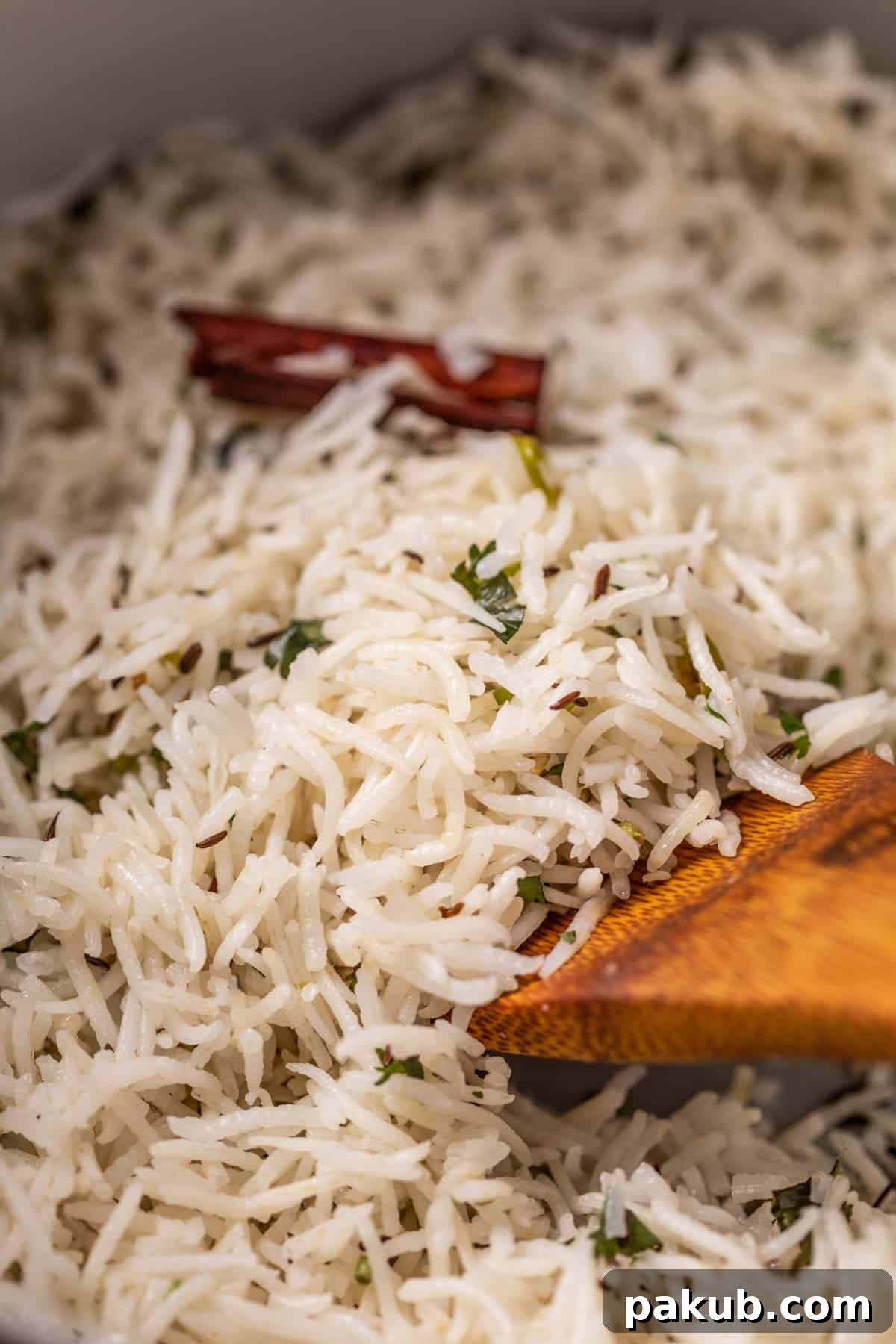
Are you seriously tempted to try this aromatic masterpiece? Did we manage to push you over the edge into Jeera Rice heaven? We hope you’re already running to the grocery store to pick up some basmati rice!
Watch Our Jeera Rice Recipe Video
Perfect Jeera Rice (Indian Cumin Rice)
By: Richa
This easy recipe for Jeera Rice (Indian steamed cumin rice) is foolproof! You don’t need a rice cooker or any fancy equipment to make this. With just a few simple ingredients and one pot, you’ll have fluffy, flavorful Jeera Rice ready in under 10 minutes active cooking time, perfect for complementing any Indian meal.
Prep Time: 2 minutes
Cook Time: 10 minutes
Total Time: 12 minutes (excluding soaking)
Servings: 4 Portions
Ingredients
- 1 cup Long grain Basmati Rice
- 2 cups Water (plus extra for soaking)
- 1 tablespoon Ghee (or neutral oil for vegan)
- 1 Bayleaf
- 1 inch Cinnamon Stick
- 4-5 Cloves
- 1 teaspoon Jeera (Cumin Seeds)
- 1 Green Chilli (or Serrano Pepper, chopped finely, optional)
- 1/2 – 3/4 teaspoon Salt (to taste)
- 2 tablespoons Coriander (fresh, chopped for topping)
Instructions
- Prepare the Rice: Wash the basmati rice thoroughly a few times under cold running water until the water runs clear. Then, soak it in a bowl with enough water to cover the rice by at least one inch. Let it soak for 30 minutes.
- Drain the Rice: When ready to cook, drain all the water from the soaked rice using a fine-mesh sieve and set the rice aside.
- Temper Whole Spices: Heat ghee in a medium-sized pot or saucepan over medium heat. Add the bay leaf, cinnamon stick, cloves, and cumin seeds. Sauté for about 30-60 seconds, until the cumin seeds start to splutter and become aromatic. Be careful not to burn them.
- Add Green Chilli and Toast Rice: If using, add the chopped green chilli and sauté for another 15-20 seconds. Then, add the drained basmati rice to the pot. Gently toast the rice in the pan for two minutes on a medium flame, stirring occasionally. This step is crucial for adding flavor and preventing the rice from becoming sticky.
- Cook the Rice: Pour in 2 cups of water (for stovetop method) and add salt. Stir well to combine. Bring the water to a quick, rolling boil.
- Simmer and Rest: Once boiling, immediately reduce the heat to the lowest setting, cover the pot tightly with a lid, and cook for approximately 6 minutes, or until all the water has been absorbed and the rice is cooked through. Turn off the flame and let the rice rest, still covered, for 5 more minutes.
- Garnish and Serve: Remove the lid, gently fluff the rice with a fork, and top with freshly chopped coriander. Serve hot with your favorite Indian dishes.
Video
Notes for Perfect Jeera Rice
- Rice to Water Ratios for Different Methods:
- Stovetop: 1 cup rice requires 2 cups water.
- Traditional Pressure Cooker: 1 cup rice requires 1.5 cups water.
- Instant Pot: 1 cup rice requires 1.25 cups water.
- Specific Cooking Methods:
- Pressure Cooker: Follow the same tempering and toasting steps. After adding 1.5 cups of water and salt, close the lid. Cook on medium-high heat for two whistles. Turn off the gas and let the pressure release naturally before opening.
- Instant Pot: Use the “Sauté” mode for tempering and toasting. After adding 1.25 cups of water and salt, close the lid. Select “Manual” or “Pressure Cook” and set the timer for 4 minutes on high pressure. Once cooked, allow a natural pressure release for 8 minutes, then manually release any remaining pressure before opening.
- Thorough Rinsing is Crucial: Wash the rice at least 3-4 times until the water is completely clear. This removes excess starch, which is the main cause of sticky or clumpy rice.
- Do Not Skip Soaking: Soaking basmati rice for 20-30 minutes is essential for achieving long, separate, and fluffy grains. The cooking times provided in this recipe assume soaked rice. Unsoaked rice will take longer to cook and may not have the same texture.
- Watch Cumin Seeds Closely: Cumin seeds burn very quickly. Sauté them just until they are fragrant and lightly golden. Burnt cumin will impart a bitter taste to your rice.
- Toast the Rice Gently: Toasting the rice in ghee and spices for a couple of minutes before adding water enhances its aroma and helps prevent the grains from sticking together.
- Season Adequately: Always add salt to the water and rice before cooking. Ensure the water tastes sufficiently seasoned, as the rice will absorb the salt during cooking.
Nutrition Facts
Calories: 208 kcal
Carbohydrates: 38g
Protein: 3g
Fat: 4g
Saturated Fat: 2g
Cholesterol: 10mg
Sodium: 338mg
Potassium: 62mg
Fiber: 1g
Sugar: 1g
Vitamin A: 13 IU
Vitamin C: 1mg
Calcium: 21mg
Iron: 1mg
Like this recipe? Rate and comment below!
Your feedback helps us create more delicious recipes for you.
This article was researched and written by Harita Odedra.