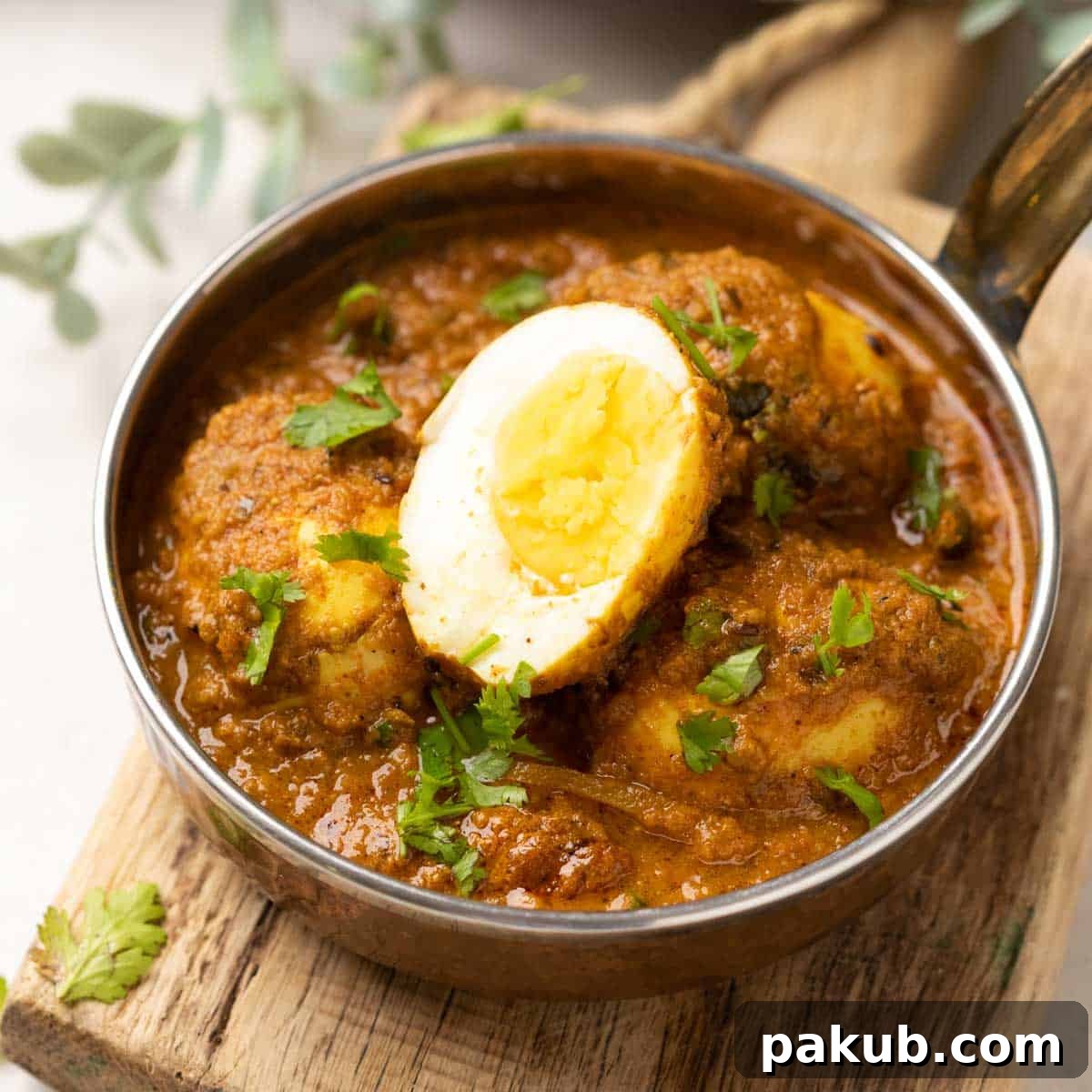
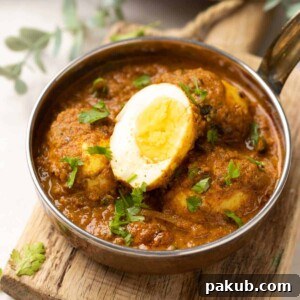
Experience the rustic charm of Indian highway eateries with this delectable Dhaba Style Egg Curry. Featuring perfectly tempered boiled eggs immersed in a rich, aromatic tomato and onion gravy, this recipe is set to become a cherished favorite in your culinary repertoire.
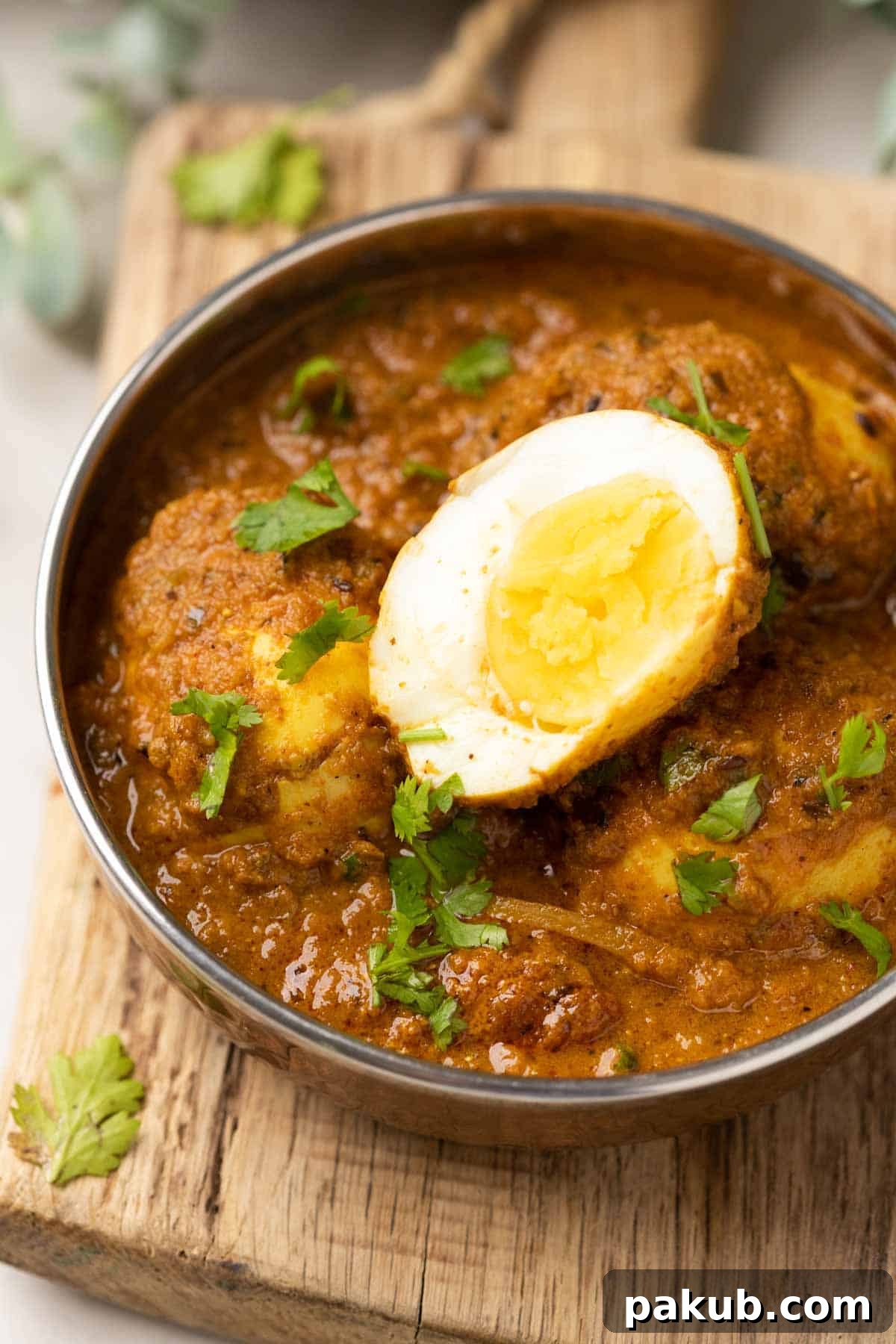
Craving more authentic Dhaba-style flavors? Explore our popular recipes for Dhaba Style Chicken Curry, Dhaba Dal Tadka with Double Tadka or Dhaba Style Moong Dal to complete your Indian feast!
Dhaba Style Egg Curry: The Ultimate Weeknight Delight
There are those evenings when your vegetable drawer is looking sparse, and the meat in the freezer is stubbornly unthawed. What do you turn to? Eggs, of course! They are the ultimate culinary saviors, always ready to transform into a satisfying meal. But this isn’t just any egg curry. We’re elevating a simple staple into something truly special: a Dhaba Style Egg Curry that brings the vibrant, robust flavors of roadside Indian eateries right into your kitchen.
Inspired by our beloved Dhaba Style Chicken Curry, this egg version takes a similar approach to flavor development, promising an experience far beyond your average home-cooked meal. The secret lies in a unique technique: tempering the boiled eggs. Before they are gently folded into the luscious gravy, the eggs are lightly fried in a spicy masala mix, creating a layer of texture and an explosion of flavor that distinguishes this dish from all others.
This rich Indian curry masala is an absolute joy to serve. Imagine pairing it with warm, freshly made roti or a mound of fluffy steamed rice – a truly comforting and wholesome meal that delights the senses. Whether it’s a quick family dinner or a cozy lunch, this Dhaba Style Egg Curry guarantees satisfaction and a taste of authentic Indian comfort food.
Why You’ll Love This Dhaba Style Egg Curry Recipe
This recipe isn’t just another way to cook eggs; it’s an invitation to a flavorful journey, packed with conveniences that make it perfect for any day:
- Effortless Preparation: Say goodbye to extensive chopping. This recipe is designed for minimal prep, making your cooking experience smooth and enjoyable.
- Authentic Dhaba Flavors: With just a few simple tips and tricks, you’ll unlock the deep, complex flavors characteristic of traditional Dhaba cuisine, transforming a basic egg curry into a gourmet experience.
- Perfect for Last-Minute Meals: No need for advance planning or elaborate steps. This dish comes together quickly, making it an ideal choice for spontaneous dinners or lunches when time is short.
- Versatile and Customizable: Easily adjust the spice level to suit your family’s palate, ensuring everyone enjoys this hearty and satisfying curry.
- Nutritious and Filling: Eggs provide excellent protein, while the rich gravy packed with aromatics and spices offers a wholesome and fulfilling meal.
Essential Ingredients for Your Dhaba Style Egg Curry
Crafting an authentic Dhaba Style Egg Curry begins with selecting the right ingredients. Each component plays a vital role in building the distinctive layers of flavor that make this dish so special.
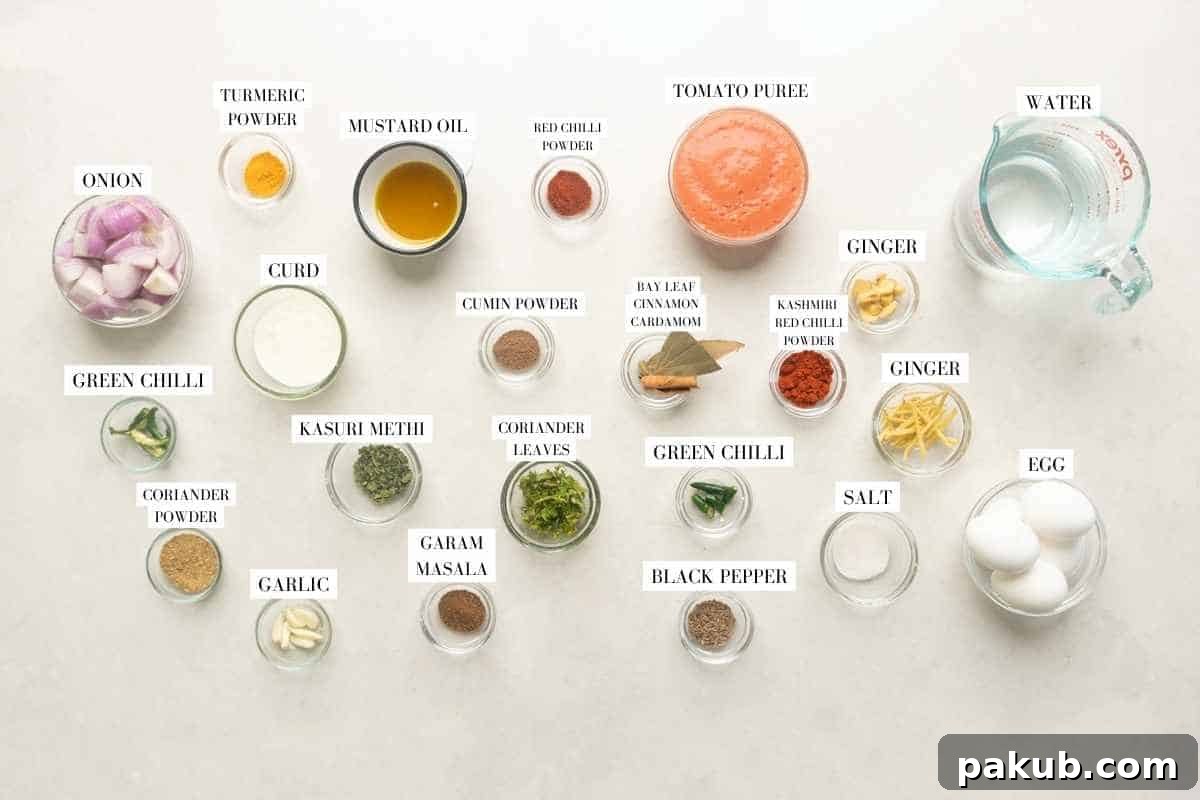
- For the Aromatic Masala Base:
- Mustard Oil: This is non-negotiable for true Dhaba flavor. Its pungent, distinct taste is central to the curry’s character. Avoid substituting with neutral oils if you want the authentic experience.
- Whole Spices: Cumin Seeds, Green Cardamom, Cloves, Cinnamon Stick, and Bay Leaf. These whole spices are lightly pounded to release their full aroma and infuse the oil with their warm, earthy notes.
- Aromatics: Fresh Onions, Garlic, Ginger, and Green Chillies. Ground into a smooth paste, these form the fundamental flavor base, slow-cooked to golden perfection for depth.
- Kasuri Methi (Dried Fenugreek Leaves): A magical ingredient that imparts a unique, slightly bitter, and incredibly fragrant aroma, synonymous with North Indian gravies.
- Ground Spice Powders: Kashmiri Red Chilli Powder (for vibrant color and mild heat), Coriander Powder, Cumin Powder, and Garam Masala. These ground spices are carefully balanced to create a harmonious and robust flavor profile.
- For the Rich, Creamy Gravy:
- Fresh Tomatoes: The heart of any good curry! We recommend using fresh, ripe tomatoes, pureed for a bright, tangy base that perfectly complements the spices.
- Curd (Yogurt): Trust this addition! Whisked curd adds a beautiful creamy texture, balances the tanginess of the tomatoes, and enriches the gravy significantly.
- Cream (Optional): For an extra layer of luxurious richness and a silky-smooth finish, a touch of fresh cream can be stirred in at the end.
- Eggs: Of course! Hard-boiled and peeled for convenience, these are the stars of our curry.
- Fresh Coriander Leaves & Julienned Ginger: For garnish and a burst of freshness, adding bright flavors and aesthetic appeal to the final dish.
How to Master Dhaba Style Egg Curry: Step-by-Step
Follow these detailed steps to create a Dhaba Style Egg Curry that rivals any roadside eatery:
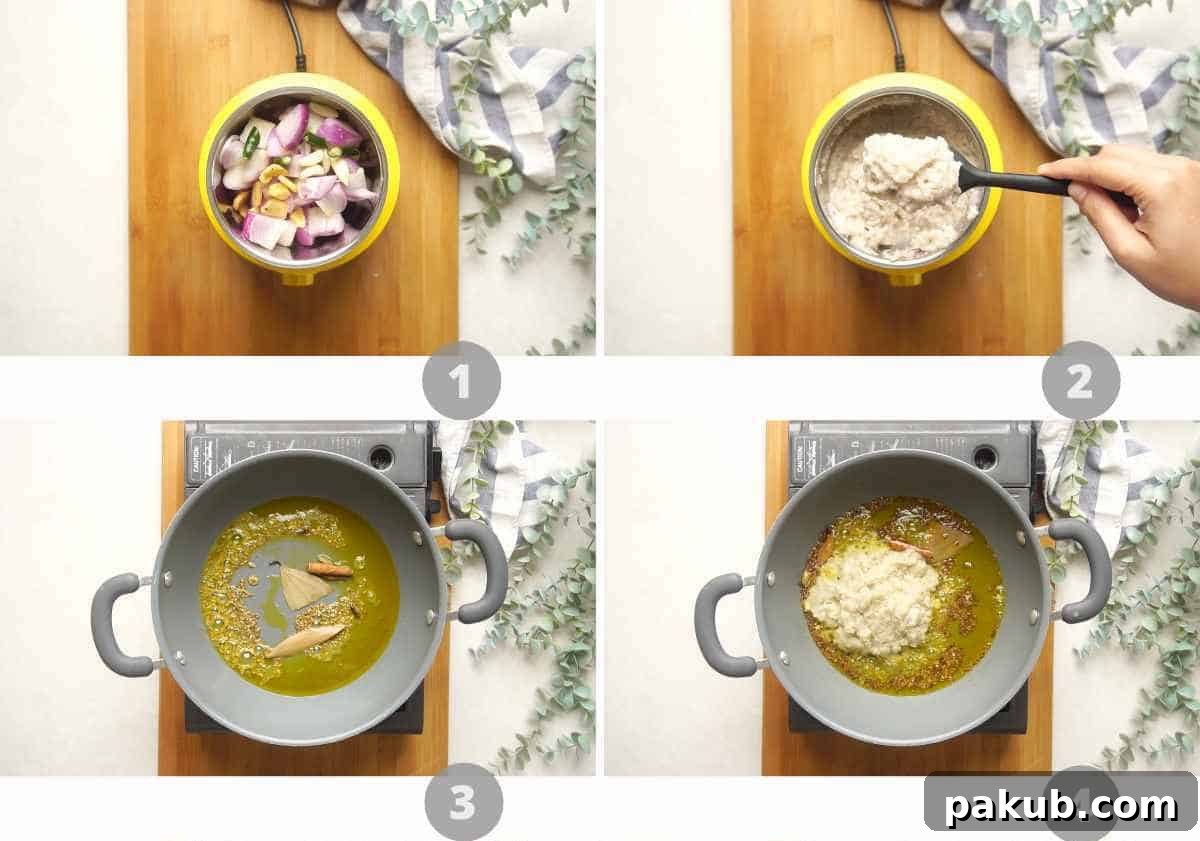
Preparing the Flavorful Gravy Base
- Prepare the Aromatic Paste: In a grinder, combine onions, ginger, garlic, and green chilies. Add a minimal amount of water, just enough to form a smooth, lump-free paste. Set this aside. This paste is crucial for the curry’s foundational flavor.
- Infuse the Oil with Whole Spices: Heat mustard oil in a large, heavy-bottomed pan over medium heat. Once shimmering, add cumin seeds. As they begin to splutter, add the roughly pounded whole spices: bay leaves, cinnamon, cardamom, and cloves. Allow them to sizzle for a few seconds to release their fragrant oils.
- Slow-Cook the Onion Paste: Add the prepared onion-ginger-garlic-chilli paste to the pan. Reduce the flame to low and cook patiently, stirring occasionally. This slow cooking is key – continue until the paste reduces, turns a deep golden-brown, and you see a thin layer of oil separating along the sides of the pan. This step is vital for developing rich flavor and removing any raw taste.
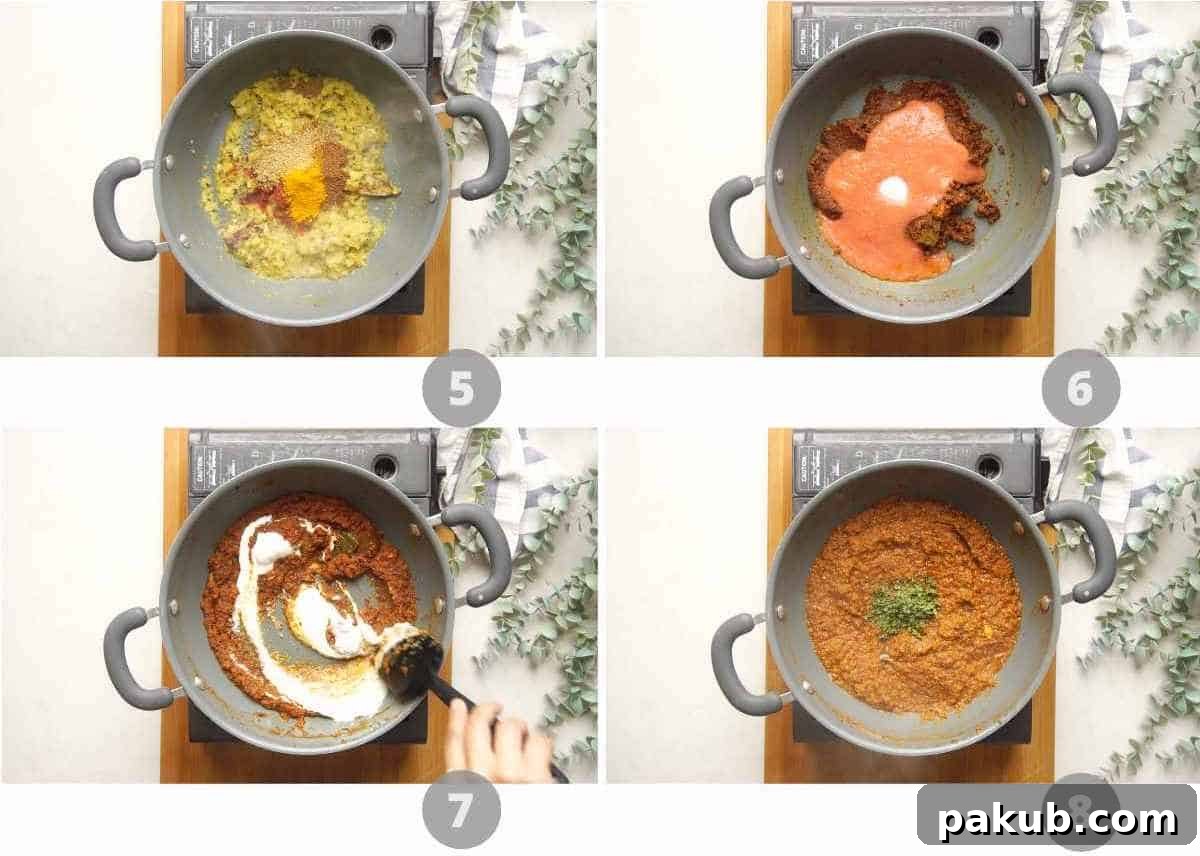
- Add Ground Spices: Introduce turmeric powder, Kashmiri red chili powder, coriander powder, and cumin powder to the cooked onion paste. Sauté for a couple of minutes, stirring constantly, until the raw aroma of the spices dissipates and they are well-incorporated.
- Incorporate Tomatoes and Salt: Pour in the fresh tomato puree and add salt to taste. Mix thoroughly and cook for 2-3 minutes, allowing the tomatoes to soften and their flavors to meld with the spices.
- Whisk in Curd: Add the whisked curd to the mixture. Stir continuously to prevent it from curdling and ensure it blends smoothly into the gravy, adding a lovely creaminess and balancing the acidity.
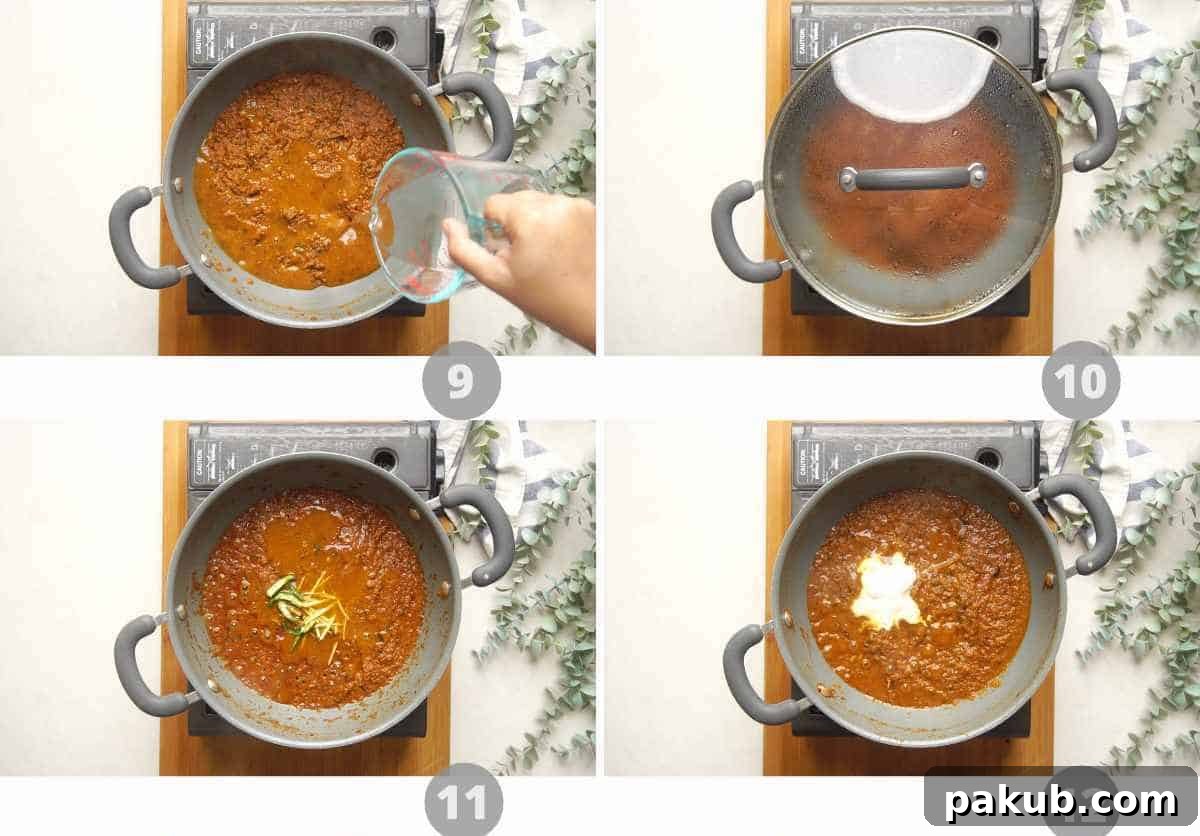
- Build the Gravy: Stir in garam masala and crushed kasuri methi. Mix well. Then, add 1 ½ cups of water. Bring to a gentle boil, then cover the pan and let it simmer for 8-10 minutes. Cook until the oil visibly separates from the gravy, indicating that the spices are thoroughly cooked and flavors are deeply infused.
Finishing the Gravy and Tempering the Eggs
- Refine the Gravy Texture: Add another 1 cup of water to adjust the consistency of the gravy to your preference. Stir well.
- Add Fresh Garnishes: Incorporate slit green chilies and julienned ginger for a fresh kick and textural contrast. Stir in a generous amount of fresh coriander leaves.
- Optional Creaminess: If using, add 2-3 tablespoons of cream now and gently combine. This will add a final touch of richness and smoothness to the curry.
- Simmer the Gravy: Turn the flame to low and let the gravy gently simmer while you prepare the tempered eggs.
The Special Egg Tempering Technique
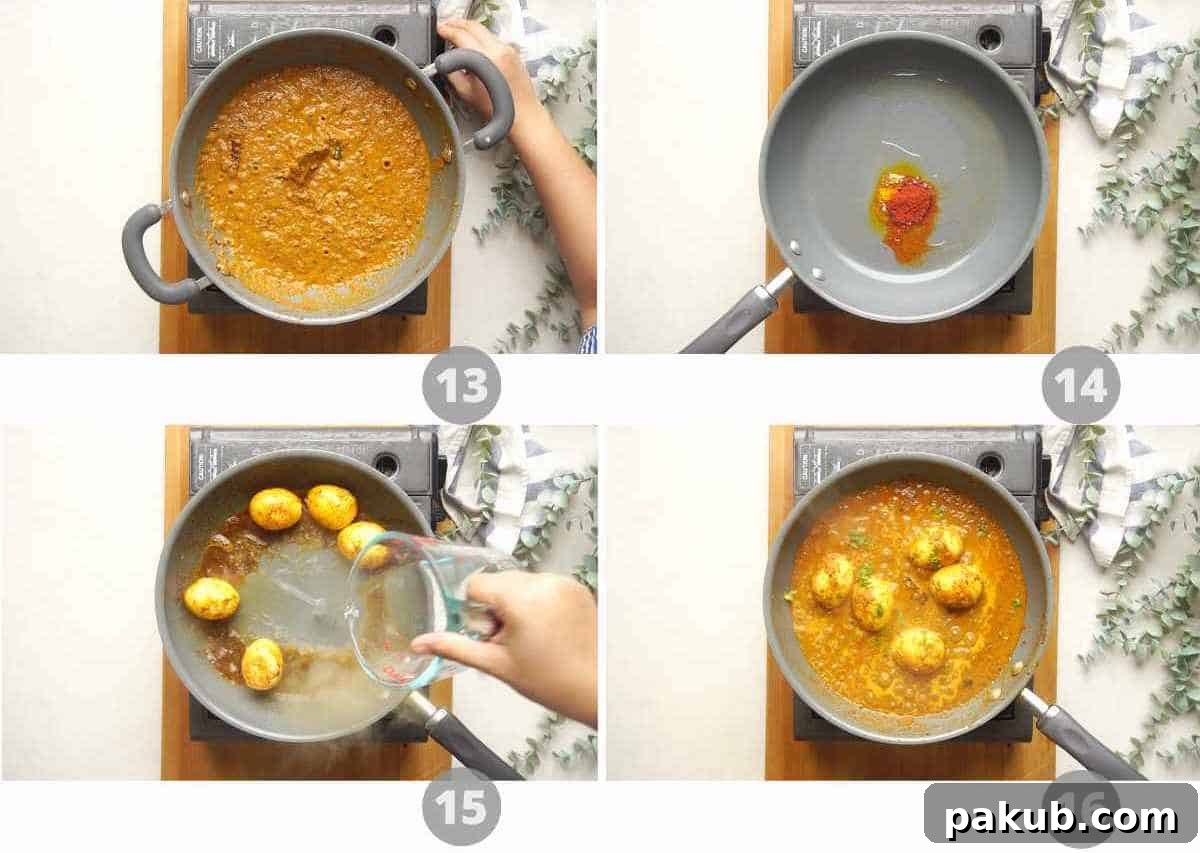
- Heat Oil for Tempering: In a separate frying pan, heat 1 teaspoon of oil over medium heat. Once hot, reduce the heat to low.
- Spice the Eggs: Add ½ teaspoon of chili powder and ½ teaspoon of turmeric powder to the hot oil. Quickly stir to prevent burning.
- Temper the Boiled Eggs: Add the boiled and peeled eggs to the spiced oil. Toss them over medium flame for about 2 minutes, stirring constantly, until they are lightly coated and take on a beautiful golden hue. Add ¼ cup of water and mix, allowing the spices to adhere better to the eggs and create a light sauce.
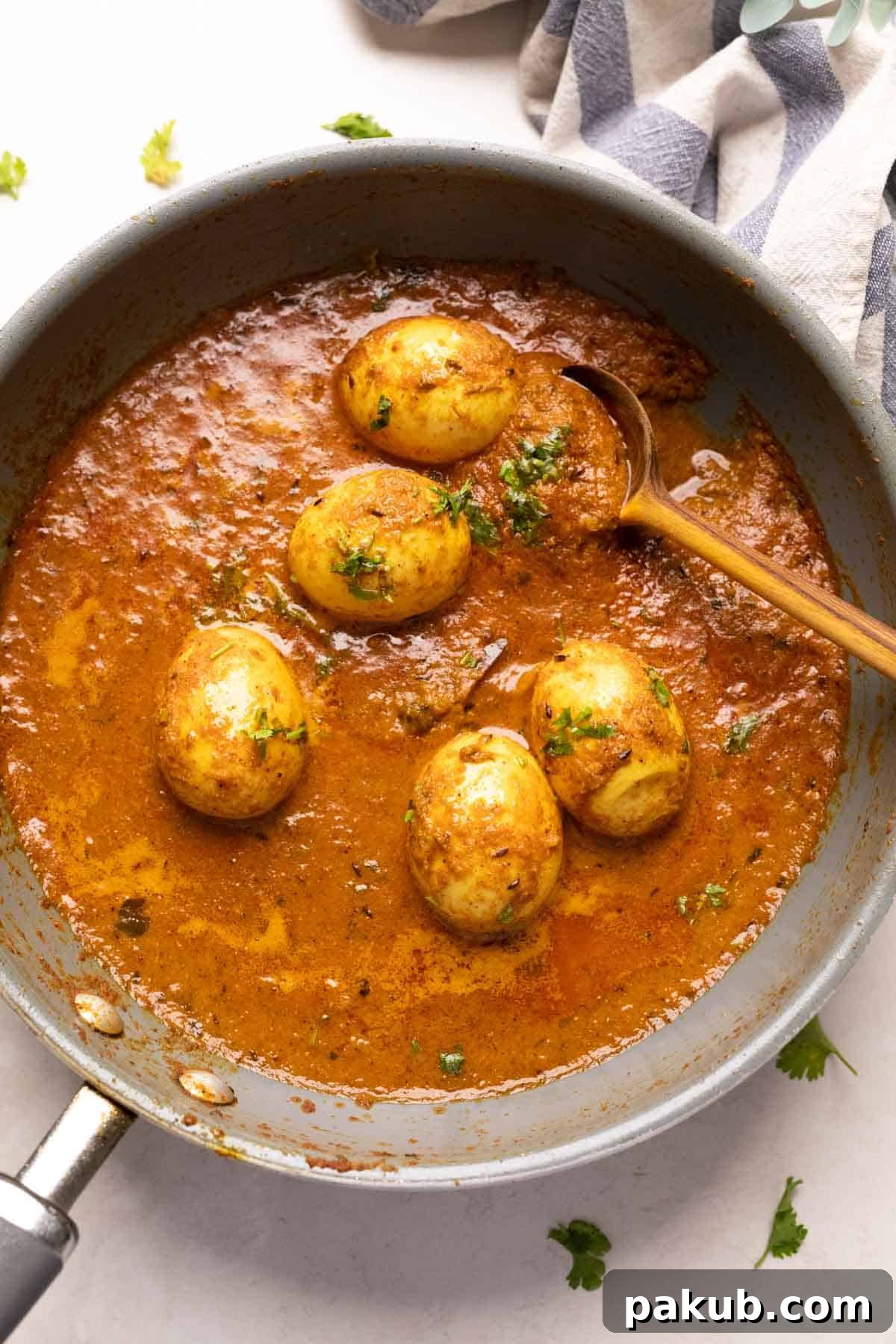
- Combine and Serve: Carefully transfer the tempered eggs (along with any remaining spiced oil from the pan) into the simmering gravy. Gently mix to combine. Garnish with more fresh coriander leaves. Serve your hot Dhaba Style Egg Curry immediately with fluffy rotis, basmati rice, or even butter naan for a truly satisfying meal!
Richa’s Top Tricks for an Unforgettable Dhaba Style Egg Curry
Achieving that authentic Dhaba flavor is all about the details. Here are my tried-and-tested tips to elevate your egg curry from good to extraordinary:
- The Magic of Tempered Eggs: This is the game-changer! Don’t skip tempering the eggs before adding them to the gravy. Simply sautéing the boiled eggs in hot oil with turmeric and red chili powder, then adding a splash of water, creates a delicious spiced coating. This small step adds an incredible depth of flavor and a rustic texture that truly sets this curry apart.
- Patience with the Onions: Never rush the browning of your onion paste. Cooking it slowly over low heat until it turns a deep golden-brown is crucial. This process caramelizes the onions, eliminating any raw smell and developing a profound sweetness and rich color that forms the backbone of your gravy. You’ll know it’s ready when a thin film of oil separates around the edges of the paste.
- Precision Matters: Pay close attention to the details – from the julienned cut of the ginger (which adds texture and bursts of flavor) to the careful addition of curd and precise water measurements. Following these steps and quantities closely ensures the perfect balance of taste and consistency.
- Don’t Skimp on Mustard Oil: The generous amount of mustard oil specified in this recipe is essential for the authentic Dhaba taste. Its unique pungent flavor is a signature of this cuisine. Reducing the oil content will compromise the rich flavor and texture that makes this curry so special.
- Fresh is Best for Tomatoes: While canned tomato puree can be convenient, I highly recommend using fresh, ripe tomatoes to make your puree for this recipe. Fresh tomatoes provide a brighter, more natural tang and sweetness that significantly enhances the curry’s overall flavor.
- Homemade Garam Masala: For the ultimate aroma and flavor, always opt for homemade garam masala if possible. If using store-bought, ensure it’s fresh – ideally not more than a year old. Add it towards the end of the cooking process, just before simmering the gravy, to preserve its potent aroma and ensure it infuses the dish with its characteristic warmth.
Serving Suggestions for Your Dhaba Style Egg Curry
This versatile Dhaba Style Egg Curry pairs wonderfully with a variety of accompaniments, making it suitable for any meal:
- Indian Breads: Serve hot with freshly made rotis, butter naan, garlic naan, or flaky laccha paratha. The soft breads are perfect for soaking up the rich, flavorful gravy.
- Rice Dishes: A classic pairing with steamed basmati rice, jeera rice (cumin rice), or even a simple vegetable pulao. The curry’s bold flavors complement the subtle aroma of the rice.
- Side Dishes: Enhance your meal with a refreshing raita (yogurt dip), a simple kachumber salad (diced onion, tomato, cucumber), or some tangy lemon wedges to squeeze over the curry.
- As a Main Course: This hearty curry is substantial enough to be the star of your meal, offering a complete and satisfying dining experience.
Variations and Customizations
Feel free to adapt this recipe to your taste and pantry availability:
- Spice Level: Adjust the amount of green chilies and red chili powder to make it milder or spicier. For a smoky flavor, you can add a pinch of smoked paprika.
- Add Vegetables: Incorporate boiled potatoes, green peas, or bell peppers for added texture and nutrients. Add them along with the tomatoes to cook down.
- Creaminess: If you prefer a richer, more luxurious curry, don’t hesitate to add a little extra cream or a splash of coconut milk for a different flavor profile.
- Protein Alternatives: While eggs are traditional, you could try substituting with paneer cubes (Indian cottage cheese) or even tofu for a vegetarian variation, using the same tempering technique.
The Cultural Significance of Dhaba Cuisine
Dhaba cuisine is more than just food; it’s a reflection of India’s vibrant roadside culture. Dhabas, traditionally found along highways, served as essential stops for truck drivers and travelers, offering hearty, home-style meals that were both delicious and affordable. These eateries became renowned for their robust flavors, generous portions, and unique cooking methods, often employing traditional techniques and fresh, local ingredients. Dhaba Style Egg Curry, like many other dhaba dishes, embodies this spirit – it’s a no-fuss, deeply satisfying meal that evokes a sense of comfort and authenticity. Bringing Dhaba style cooking into your home means recreating a piece of this rich culinary tradition, sharing its warmth and bold flavors with your loved ones.
FAQs About Dhaba Style Egg Curry
- Can I make this egg curry ahead of time?
- Absolutely! Egg curry often tastes even better the next day as the flavors have more time to meld. Store it in an airtight container in the refrigerator for up to 2-3 days.
- How do I reheat Dhaba Style Egg Curry?
- Gently reheat on the stovetop over low to medium heat, stirring occasionally. You might need to add a splash of water to reach your desired consistency, as the gravy tends to thicken upon cooling.
- Can I freeze this curry?
- While you can freeze the gravy, the texture of boiled eggs can change after freezing and thawing, becoming a bit rubbery. It’s best to freeze the gravy separately and add freshly boiled and tempered eggs when reheating.
- Is mustard oil essential, or can I use another oil?
- For authentic Dhaba flavor, mustard oil is highly recommended. Its distinct pungency contributes significantly to the dish’s character. If you absolutely cannot use mustard oil, you can substitute with a neutral oil like vegetable or canola, but the flavor profile will be slightly different.
- How do I ensure my eggs are perfectly boiled and easy to peel?
- For perfect hard-boiled eggs, place them in a saucepan and cover with cold water. Bring to a rolling boil, then turn off the heat, cover, and let sit for 10-12 minutes. Immediately transfer to an ice bath for 5 minutes. This stops the cooking process and helps the shells peel off easily.
You simply must give this Dhaba Style Egg Curry Masala a try! It’s one of those reliable recipes I constantly return to when I need a delicious, comforting meal without much fuss. It also makes for a fantastic addition to family dinners – it’s a big hit with both adults and kids, and you can easily adjust the spice level to everyone’s liking. I’d love to see your creations; please do share your photos with me if you try this recipe!
LOVE THIS RECIPE? Subscribe to our newsletter and be the first to receive all new recipes and culinary inspiration!
Dhaba Style Egg Curry
Richa
10
30
40
4 people
Pin Recipe
Rate Recipe
Print Recipe
Ingredients
Gravy
- 3 Tablespoons Mustard Oil
- 1 Teaspoon Cumin Seeds
- 1 Bayleaf
- 1 Cardamom
- 2 Cloves
- ½ Inch Cinnamon
- 3 Onions
- 8 Garlic Cloves
- 2 inch Ginger
- 1 Green Chillies, cut into chunks
- 4 Tomato, pureed (from fresh tomatoes recommended)
- 2 Teaspoons Kashmiri Red Chilli Powder
- 1 Tablespoon Coriander Powder
- 1 Teaspoon Jeera Powder (Cumin Powder)
- ¾ Teaspoon Garam Masala Powder
- 1 Teaspoon Kasuri Methi (Dried Fenugreek Leaves)
- ¼ Cup Curd, whisked
- 1-1 ½ Teaspoon Salt (or to taste)
- 2 ½ Cups Water (divided)
- 1 inch Ginger, julienned (for garnish)
- 2 Green Chillies, slit (for garnish)
- 2 Tablespoons Chopped Coriander (for garnish)
- 2-3 Tablespoons Cream, optional
Egg Tempering
- 1 Teaspoon Oil
- 5-6 Eggs, boiled and peeled
- ½ Teaspoon Chilli Powder
- ½ Teaspoon Turmeric Powder
- ¼ Cup Water
Instructions
Gravy Preparation
-
Grind onions, ginger, garlic, and green chilies to a fine paste with very little water. Ensure the paste has no lumps. Set aside.
-
Heat mustard oil in a large, heavy-bottomed pan over medium heat. Add cumin seeds. Roughly pound all the whole spices (bay leaves, cinnamon, cardamom, and cloves) and add to the oil.
-
Once the spices start to splutter, add the onion-ginger-garlic-chilli paste. Cook the onion paste on a low flame, stirring occasionally, until it is reduced to a deep golden-brown paste and you see a thin layer of oil along the sides.
-
Add turmeric powder, Kashmiri red chili powder, coriander powder, and cumin powder. Cook for a few minutes, stirring constantly, or until the raw smell of the spices disappears.
-
Add the fresh tomato puree and salt. Mix to combine and cook for 2-3 minutes, allowing the tomatoes to soften.
-
Add the whisked curd and mix vigorously to combine, ensuring it doesn’t curdle.
-
Stir in garam masala and crushed kasuri methi. Mix thoroughly. Then, add 1 ½ cups of water. Cover the pan and cook for 8-10 minutes over low heat, or until the oil separates from the gravy.
-
Add the slit green chilies, julienned ginger, and an additional 1 cup of water to adjust the gravy consistency. Stir in chopped coriander leaves.
-
If using, add cream and combine gently. Turn the flame to low and let the gravy simmer while you temper the eggs.
Egg Tempering & Finishing
-
In a separate frying pan, heat 1 teaspoon of oil. Once hot, reduce the heat to low and add ½ teaspoon of chili powder and ½ teaspoon of turmeric powder.
-
Add the boiled and peeled eggs to the pan. Toss them over medium flame for 2 minutes, stirring constantly, until lightly coated. Add ¼ cup of water and mix, allowing the spices to form a light coating on the eggs.
-
Carefully add the tempered eggs and their spiced oil to the prepared gravy. Sprinkle with some more fresh coriander leaves. Serve hot along with rotis or rice!
Chef’s Notes
- For this recipe, we temper the eggs before adding them to the gravy. This simple technique involves frying the boiled eggs in a heated pan with turmeric and red chili powder, followed by a splash of water, before combining with the main gravy. It’s a small step but yields a noticeable difference in flavor and texture.
- Patience with browning onions is key. Don’t rush this process. Slow-browning the onions ensures any raw smell is eliminated and helps build a deep, complex flavor. You’ll know it’s done when oil separates along the sides and the onions achieve a rich, golden-brown hue.
- The small details truly matter here – the finely julienned ginger, the inclusion of whisked curd, and precise water measurements. Following these instructions closely will result in the most authentic and flavorful Dhaba Style Egg Curry.
- This recipe uses a fair amount of mustard oil. This fat content is integral to the authentic Dhaba flavor profile. Avoid reducing it, as this could compromise the rich taste and texture of the curry.
- I strongly recommend using fresh tomatoes to make the puree for this recipe, rather than canned. Fresh tomatoes contribute a brighter, more natural tang and sweetness.
- For the best aroma, I always advocate for homemade garam masala. If using store-bought, ensure it’s relatively fresh (ideally not more than a year old). Add it towards the end of the cooking cycle to preserve its fresh, potent aroma.
Nutrition Information (per serving)
Calories: 306 kcal | Carbohydrates: 21g | Protein: 12g | Fat: 21g | Saturated Fat: 5g | Polyunsaturated Fat: 4g | Monounsaturated Fat: 10g | Trans Fat: 0.03g | Cholesterol: 214mg | Sodium: 1107mg | Potassium: 634mg | Fiber: 6g | Sugar: 9g | Vitamin A: 1884IU | Vitamin C: 30mg | Calcium: 128mg | Iron: 3mg
Enjoyed this recipe? Please consider leaving a rating and comment below!