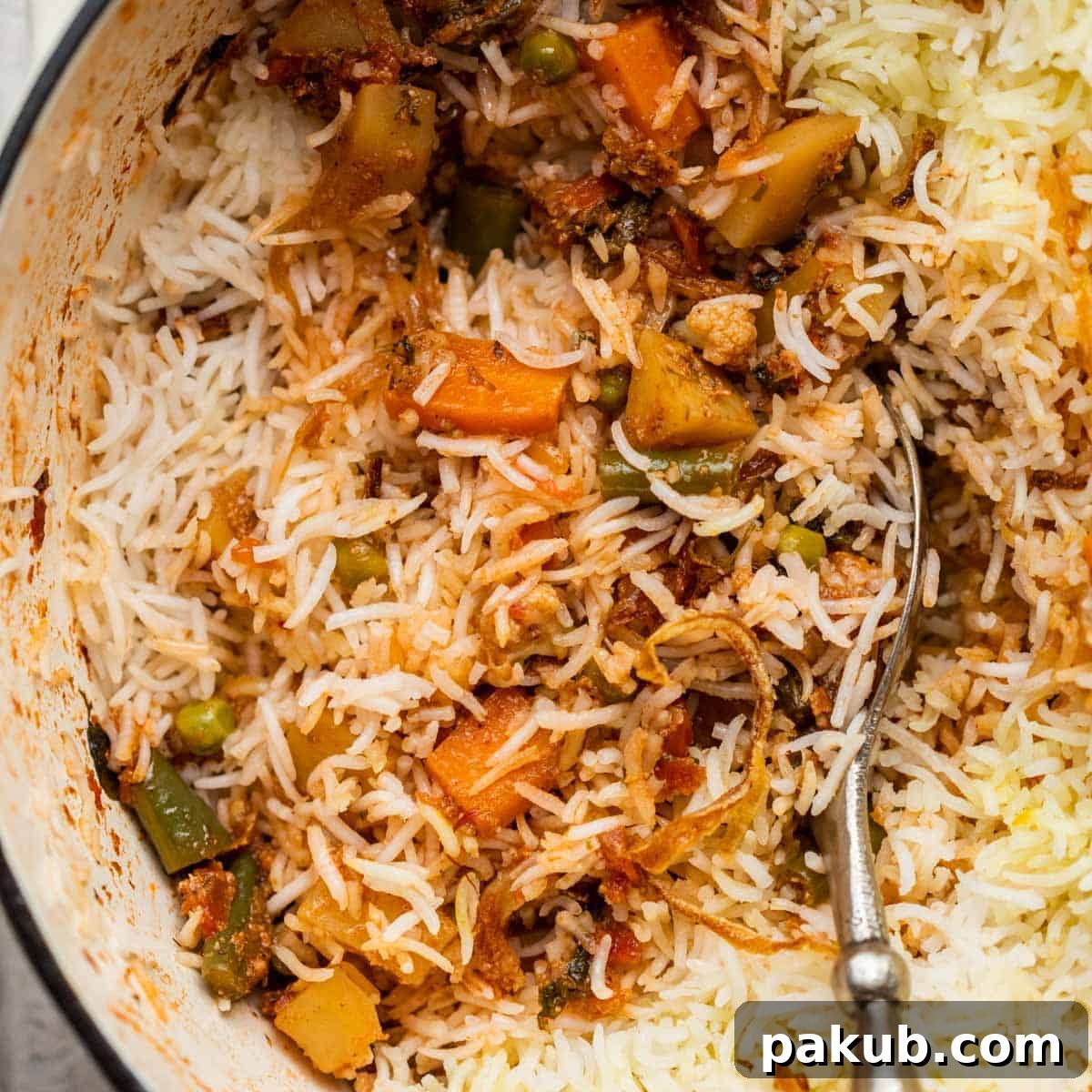
Unlock the secrets to making the absolute best vegetable biryani right in your own kitchen! This comprehensive guide shares my tried-and-tested tips and tricks to achieve that authentic restaurant-style flavor and irresistible aroma, rivalling even its meat counterparts. Get ready to impress with your culinary skills!
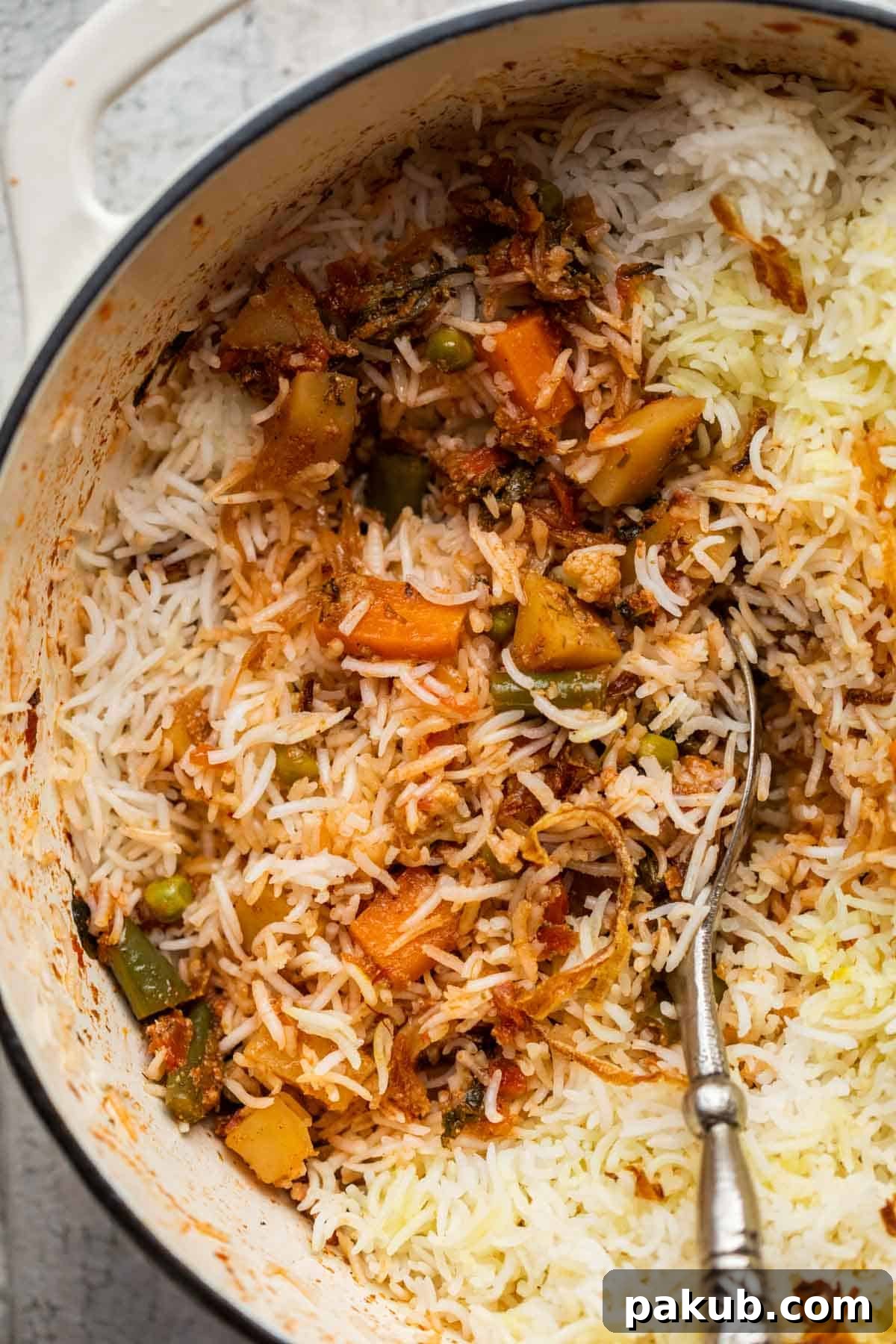
I can almost hear the skeptics saying, “There’s no such thing as a truly delicious ‘veg biryani’!” Believe me, I was once in that camp. As a devoted fan of traditional Homemade Chicken Biryani, the idea of a vegetarian version seemed almost sacrilegious. Was it just a glorified pulao? I used to think so, but this recipe completely changed my perspective.
This isn’t merely a rice dish; it’s a legitimate, aromatic biryani, brimming with rich masala and a vibrant medley of your favorite vegetables. Each spoonful delivers a burst of complex flavors and textures, proving that vegetarian biryani can indeed be a standalone masterpiece. Trust me, you absolutely need to try this recipe to experience its magic!
The success of this Vegetable Biryani has inspired me to explore more vegetarian variations, including a delightful Makhani Paneer Biryani, which I highly recommend. If you’re new to making biryani, don’t miss my essential 19 Tips to Make the Best Biryani Ever!. These foundational guidelines will ensure your first attempt is nothing short of perfection.
Table of Contents: Crafting the Perfect Veg Biryani
- The Key Difference Between Biryani and Pulao
- Choosing the Right Basmati Rice for Biryani
- Mastering the Art of Cooking Biryani Rice
- The Magic of Soaking Saffron
- Crafting the Aromatic Vegetable Biryani Masala
- The Art of Layering and Dum Cooking Your Biryani
- Richa’s Expert Tips for a Flawless Biryani
- Serving Suggestions for Your Vegetable Biryani
- Vegan Biryani Adaptations
- Watch the Veg Biryani Recipe Video
The Key Difference Between Biryani and Pulao
While both biryani and pulao are popular rice dishes in Indian cuisine, their preparation methods are fundamentally different, leading to distinct flavors and textures. Pulao typically involves cooking rice and other ingredients (vegetables, meat, spices) together in a single pot, often resulting in a lighter, more homogeneous flavor profile. The rice absorbs the flavors as it cooks, but the overall blend is usually simpler.
Biryani, on the other hand, is a much more intricate and layered dish. It’s characterized by cooking the rice and the main ingredients (be it meat or vegetables) separately, then meticulously layering them. This layering technique, followed by a slow-cooking process known as “dum cooking,” allows the flavors to meld and deepen over time, creating a complex, rich, and aromatic experience. The distinct layers allow the rice to absorb the spicy, savory masala while maintaining its individual grain integrity. This method requires a higher level of skill and patience, but the exquisite results are undeniably worth the effort, truly elevating this dish beyond a simple pulao.
Choosing the Right Basmati Rice for Biryani
The foundation of any exceptional biryani, especially a restaurant-style one, lies in the choice of rice. While many types of long-grain rice exist, an authentic Hyderabadi-style biryani unequivocally demands high-quality basmati rice. Basmati is a fragrant, long-grain rice variety that originates from the Indian subcontinent. Its unique aroma, delicate texture, and ability to elongate significantly upon cooking are unmatched.
When selecting your rice, look for packages explicitly labeled “Basmati.” Be wary of labels that simply state “long grain rice,” as these might not possess the specific characteristics of true basmati. Genuine basmati rice is typically aged, which further enhances its aroma and ensures each grain cooks up perfectly separate and fluffy, rather than clumpy or mushy. This aging process allows the moisture content to reduce, making the rice lighter and more aromatic. The distinct nutty, floral fragrance of basmati rice is integral to the overall biryani experience, making it an irreplaceable component for achieving that signature taste and texture.
Mastering the Art of Cooking Biryani Rice
Cooking the rice for biryani is a crucial step that sets it apart from other rice dishes. It’s never fully cooked initially; instead, it’s prepared in two distinct stages. First, the basmati rice is par-boiled until it’s about 85% cooked. This ensures that when layered with the rich vegetable masala and subjected to “dum” cooking, the rice absorbs all the incredible flavors and aromas from the spices and vegetables, reaching perfect doneness without becoming overcooked or sticky.

- **Pre-soaking is Key:** Begin by thoroughly washing and rinsing the basmati rice multiple times until the water runs clear. This removes excess starch, preventing stickiness. Then, soak the rice in water for at least 30 minutes before cooking. Soaking allows the grains to hydrate evenly, significantly reducing cooking time and promoting longer, separate grains.
- **The Par-Boiling Process:** Bring a generous pot of water to a rolling boil. Season it well with salt and add a dash of oil (or a teaspoon of ghee). The salt seasons the rice from within, and the oil helps prevent the grains from sticking. Add the soaked and drained rice to the boiling water. Cook for approximately 7-8 minutes on a medium-high flame until the rice is about 85% cooked. When you gently press a grain between your fingers, it should still have a slight bite or firmness at its core, indicating it’s not fully soft. Refer to the detailed timings in the recipe card below for precision.
- **Gentle Handling:** It is paramount not to stir the rice too vigorously or excessively during boiling. Over-stirring can cause the delicate basmati grains to break, resulting in a mushy texture. The hallmark of a truly great biryani is long, perfectly cooked, separate, and intact rice grains that are infused with flavor, yet remain distinct.
- **Quick Drain:** Once par-boiled, immediately drain the rice using a colander. Do not rinse the rice after draining, as this washes away the flavorful starch and oils. The residual heat will continue to cook the rice slightly, which is accounted for in the 85% cooked guideline.
Following these meticulous steps ensures that your rice is perfectly textured, ready to absorb the rich masala, and contributes to the overall authenticity and deliciousness of your homemade biryani.
The Magic of Soaking Saffron
Saffron, often referred to as “red gold,” is a precious spice that plays a pivotal role in elevating a biryani from good to extraordinary. Beyond its vibrant, unmistakable orange hue, saffron imparts a distinct, subtly sweet, and floral aroma and flavor that is essential for an authentic biryani. It’s responsible for those beautiful streaks of orange mingling with the white rice grains, creating an aesthetically pleasing and fragrant dish.
To unlock saffron’s full potential, it’s crucial to soak it properly. Take 10-12 strands of saffron, gently crush them to release their essential oils, and then immerse them in a couple of tablespoons of hot milk (or a non-dairy alternative for a vegan version). The warmth of the milk helps the saffron threads to ‘bloom,’ releasing their mesmerizing color and potent aroma. Prepare your saffron milk at the beginning of your cooking process, perhaps while you start making the biryani masala. It typically needs 10-15 minutes to fully infuse the milk, ensuring maximum flavor and color dispersion when it’s drizzled over the layered rice.

Crafting the Aromatic Vegetable Biryani Masala
The heart of any biryani lies in its masala – the rich, spicy, and aromatic base that coats the main ingredients and infuses the rice with incredible flavor. My vegetable biryani recipe features a delightful mix of classic vegetables that are perfect for biryani and pulao, including onions, cauliflower, peas, carrots, potatoes, and French beans. These vegetables not only add texture and nutritional value but also absorb the spices beautifully, contributing to a deeply satisfying meal.
For those looking to customize, you can easily add other protein-rich ingredients:
- Cubes of Paneer: Fresh Indian cottage cheese adds a wonderful creaminess and protein. Add paneer cubes along with the other vegetables to allow them to cook and absorb the masala flavors.
- Soya Chunks: A fantastic vegan protein option. Remember to soak soya chunks in hot water for about 15-20 minutes beforehand, then squeeze out all excess water thoroughly before adding them to the masala along with the other vegetables.
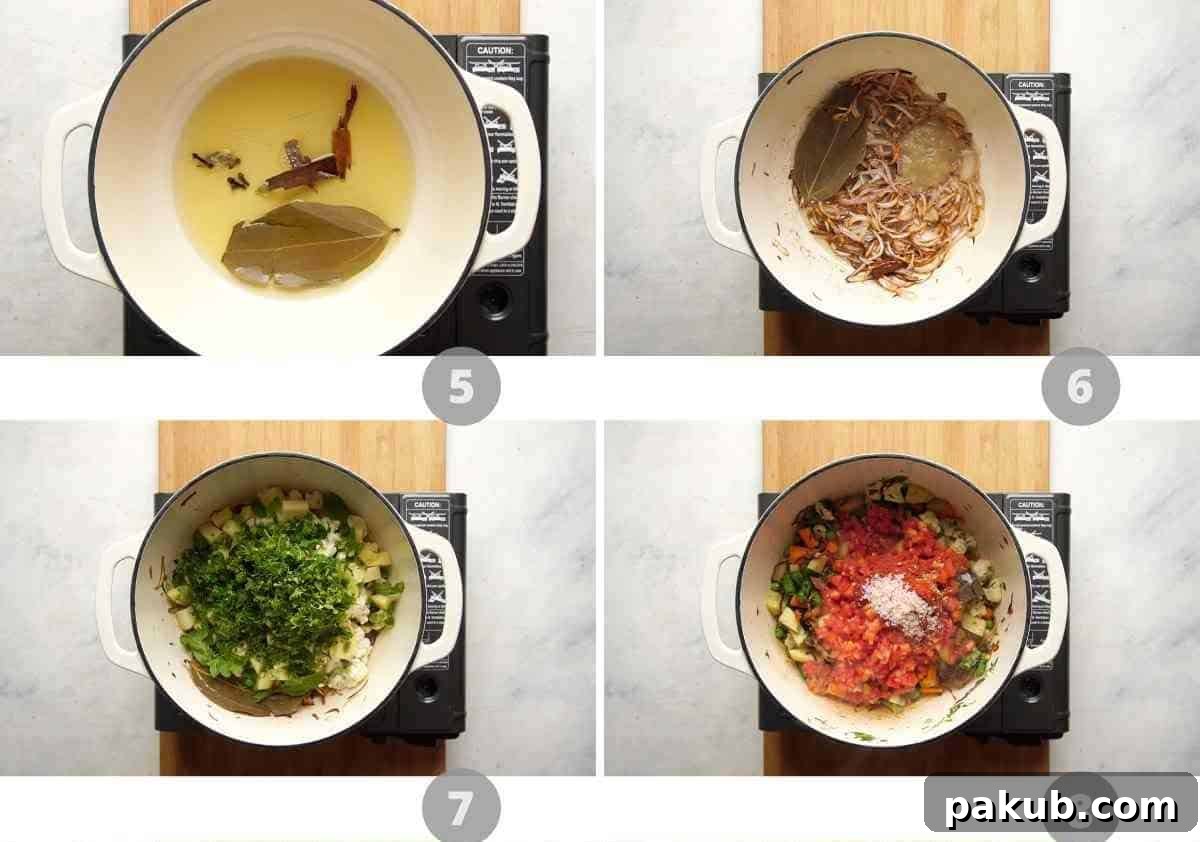
- **Tempering Whole Spices:** Begin by heating a generous amount of oil or ghee in a large, heavy-bottomed pan or kadai over medium heat. Once hot, add whole spices such as cinnamon, bay leaf, green cardamoms, and cloves. Sauté them for about 30 seconds until they become intensely fragrant. This step, known as tempering or “chaunk,” releases the essential oils of the spices, forming the aromatic foundation of your masala.
- **Caramelizing Onions:** Next, add thinly sliced onions to the pan. Sauté them patiently, stirring occasionally, until they turn a beautiful golden brown. This caramelization is crucial for developing a deep, sweet flavor in the masala. Then, add green chilies (slit lengthwise for controlled heat) and ginger-garlic paste. Cook for a few minutes until the raw aroma of ginger and garlic disappears, ensuring a pungent, flavorful base.
- **Roasting Vegetables and Herbs:** Introduce your prepared mixed vegetables, along with freshly chopped mint and coriander leaves, to the pan. Roast them for several minutes. This initial roasting helps the vegetables develop flavor and slightly soften.
- **Building the Spice Base:** Stir in the powdered spices: coriander powder, chili powder, and salt. Continue to stir-fry for a few more minutes, ensuring the spices coat the vegetables evenly and release their full aroma. Add the chopped tomatoes and mix well. Cover the pan and let it cook for 15-20 minutes on a low to medium flame, stirring occasionally, until the vegetables are tender and fully cooked. You’ll know it’s ready when the oil begins to separate and shimmer around the edges of the masala. If the masala starts to stick, add a tiny splash of water to prevent burning.
- **The Yogurt Finish:** Once the vegetables are perfectly cooked, reduce the flame to low. Stir in the yogurt (curd or Greek yogurt) and garam masala. Continue to stir-fry gently for 2-3 minutes until the yogurt is completely incorporated and has “disappeared” into the masala, adding a delightful tanginess and richness without curdling. This creates a creamy, flavorful base for your biryani.
Here’s a crucial tip for prepping your veggies: Ensure all your vegetables are cut into approximately the same size and shape. This uniform sizing is important because each vegetable has a different cooking time. Irregularly sized pieces will cook unevenly, leading to some being overcooked and mushy while others remain undercooked. Uniformity ensures consistent texture throughout your biryani.
The Art of Layering and Dum Cooking for Perfect Biryani
Layering is the hallmark of an authentic biryani, distinguishing it from simpler rice dishes. Once your aromatic vegetable masala is ready and the rice is par-cooked, the assembly is straightforward, culminating in the magical “dum cooking” process. While you can opt for multiple alternating layers of rice and masala, a single well-constructed layer is often sufficient and equally delicious.

- **Preparing the Base:** Ensure your cooked vegetable masala is spread evenly at the bottom of your heavy-bottomed pot. This layer forms the flavor base and protects the rice from direct heat.
- **Adding the Rice:** Gently spoon the par-boiled basmati rice over the vegetable masala. Create an even layer, being careful not to press down or compact the rice. You can gently create a few small pockets or “tucks” in the rice layer, allowing some of the masala to peek through, which aids in flavor distribution during dum cooking.
- **The Finishing Touches:** Evenly drizzle the fragrant saffron milk over the rice. This not only adds a beautiful color but also infuses the biryani with its distinctive aroma. Follow with a generous drizzle of ghee (clarified butter). Ghee is essential for richness, moisture, and that characteristic biryani sheen.
- **Sealing for Dum Cooking:** Cover the pot tightly with a well-fitting lid. Traditionally, the lid is sealed with a strip of dough to prevent any steam from escaping, allowing the biryani to cook in its own steam. If you don’t have dough, ensure your lid is as tight as possible, perhaps placing a heavy object on top.
- **Dum Cooking:** Place the sealed pot on a very low flame and let it cook for 15-20 minutes. This slow-steaming process, known as “dum,” allows the flavors to deeply penetrate the rice, cooking it to perfection. If you’re using a pot that isn’t heavy-bottomed, place it on a flat griddle (tava or skillet) over the flame. This creates a buffer, distributing heat more evenly and preventing the bottom layer of biryani from scorching.
- **Rest and Serve:** Once the dum cooking is complete, turn off the heat and let the biryani rest for another 5-10 minutes with the lid on. This allows the steam to redistribute and the flavors to fully settle. Gently fluff the biryani with a fork, mixing the top white rice with the flavored layers underneath. Garnish with crispy fried onions and fresh coriander before serving hot.
Richa’s Expert Tips for a Flawless Biryani
Achieving a truly exceptional biryani requires attention to detail. These pointers are my go-to secrets for guaranteeing a perfect outcome every single time – they genuinely make all the difference between a good biryani and a spectacular one:
- **Invest in a Heavy-Bottomed Pan:** This is non-negotiable. A heavy-bottomed pan ensures even heat distribution, which is crucial for uniform cooking and prevents the biryani from sticking or burning at the bottom. It’s essential for the slow “dum” cooking process.
- **Crush Your Whole Spices (Lightly):** Before tempering, lightly crush whole spices like cardamom and cloves. This simple act helps release their aromatic oils more effectively, infusing the biryani with deeper, more complex flavors.
- **Toast, Don’t Burn:** When sautéing your whole spices and onions, watch them carefully. They should be fragrant and golden, not burnt. Burnt spices will impart a bitter, unpleasant aftertaste that can ruin the entire dish.
- **Embrace Fresh Herbs:** Never underestimate the power of fresh mint and coriander leaves. These common herbs are the unsung heroes in biryani, contributing significantly to that authentic, fresh, and restaurant-style taste and aroma. Be generous with them!
- **Uniform Vegetable Chopping:** As mentioned earlier, cutting all your vegetables (carrots, potatoes, cauliflower, etc.) into roughly the same size ensures they cook evenly. This prevents some pieces from being raw while others are mushy, leading to a consistent and pleasant texture throughout.
- **Roast Veggies Well:** Take the time to properly roast your vegetables in the masala. Well-roasted vegetables develop a deeper flavor and absorb the spices more effectively, becoming truly tender and delicious components of the biryani.
- **Pre-Soak Basmati Rice:** Soaking basmati rice for at least 30 minutes before cooking is vital. It allows the grains to hydrate, promotes even cooking, and ensures they elongate beautifully without breaking.
- **Handle Rice Gently:** When boiling basmati rice, avoid excessive stirring. Basmati grains are delicate when partially cooked and can easily break, leading to a clumpy or mushy biryani. Gentle handling preserves their integrity, ensuring long, separate grains.
- **Don’t Skimp on Ghee and Saffron:** The final drizzling of saffron milk and a generous amount of ghee are not just for garnish. They are flavor amplifiers! Ghee adds unparalleled richness, moisture, and a silky texture, while saffron imparts its signature aroma and color. Fat (from oil and ghee) is essential for taste and for ensuring the biryani cooks perfectly. Be lavish – it’s an age-old trick for incredible food. If you’re feeling adventurous, try making ghee at home with this recipe!
Vegan Biryani Adaptations
For those following a vegan diet, this delicious vegetable biryani can be easily adapted without compromising on flavor or texture. With a few simple substitutions, you can create a plant-based version that’s just as rich and satisfying:
- **Ghee Substitute:** Replace traditional ghee (clarified butter) with a high-quality vegan butter or an equal amount of vegetable oil. Olive oil or coconut oil can also work, but neutral-flavored vegetable oil is often preferred to maintain the biryani’s authentic taste.
- **Dairy-Free Yogurt:** Instead of conventional curd or Greek yogurt, use a non-dairy yogurt made from almond milk, cashew milk, or coconut milk. Ensure it’s plain and unsweetened.
- **Saffron Milk Alternative:** For soaking the saffron, simply use a non-dairy milk substitute like almond milk or cashew milk. The saffron will still release its beautiful color and aroma perfectly.
Serving Suggestions for Your Vegetable Biryani
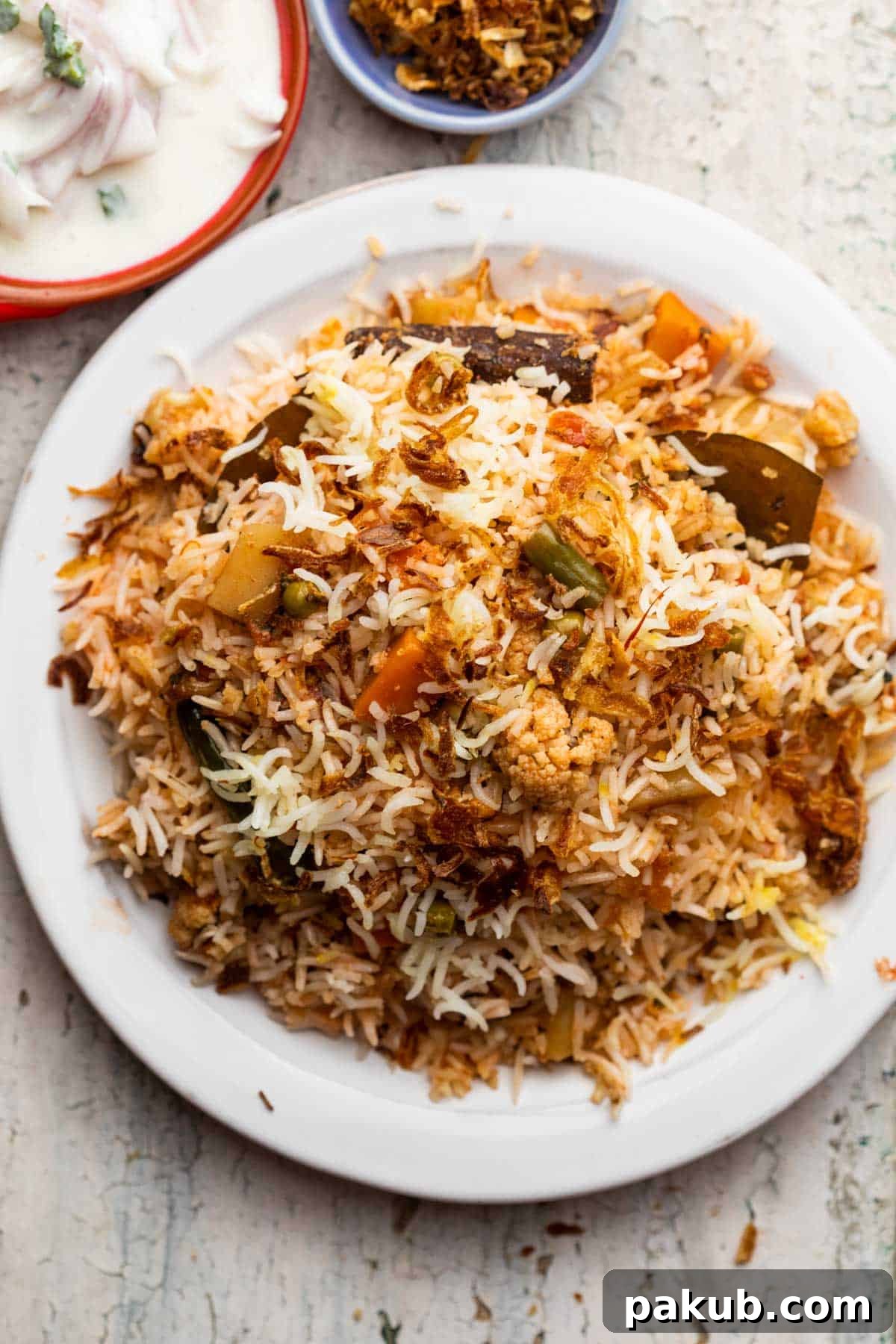
A flavorful biryani is a meal in itself, but it truly shines when paired with complementary sides. Here are some classic accompaniments that perfectly balance the rich and spicy notes of this vegetable biryani:
- Raita: A cool and refreshing yogurt-based side dish, often made with cucumber, mint, or other vegetables, that provides a lovely contrast to the biryani’s warmth.
- Cucumber Mint Raita: A specific raita variation that’s particularly invigorating, offering a fresh, cooling counterpoint.
- Vegetable Korma: For an even more indulgent meal, serve your biryani with a creamy and subtly spiced vegetable korma, adding another layer of rich flavors.
This recipe provides precise cooking times and clear instructions for each step, ensuring a hassle-free cooking experience. I promise you, even as a devoted meat lover, this vegetable biryani has been an absolute game-changer in my kitchen. It’s incredibly satisfying and proves that vegetarian dishes can be just as impactful and delicious!
Watch the Veg Biryani Recipe Video
LOVE THIS RECIPE? Subscribe to my newsletter and be the first to receive all new recipes!
Restaurant Style Veg Biryani
Insanely delicious veg biryani is a great alternative for vegetarians, and this recipe is so good that even meat lovers will be impressed! It’s the perfect family-style meal, packed with flavor and vibrant vegetables. My detailed tips and tricks will ensure you create a flawless vegetarian biryani every single time, making it a staple in your kitchen.
By: Richa
Prep Time: 20 mins
Cook Time: 50 mins
Total Time: 1 hr 10 mins
Servings: 4-6 people
Ingredients
For the Rice
- 400 Grams Long Grained Basmati Rice (approx. 2 Cups)
- 6 Cups Water
- ½ Tablespoon Salt
- ½ Tablespoon Oil
For the Saffron Milk
- 2 Tablespoons Hot Milk
- 10-12 Strands Saffron, crushed
For the Biryani Masala
- ¼ Cup Vegetable Oil (or ghee)
- ½ inch Cinnamon stick
- 1 Bay Leaf
- 3 Green Cardamoms
- 3 Cloves
- 1 Onion, thinly sliced (approx. ¾ Cup)
- 2-3 Green Chillies, slit lengthwise
- 1 ½ Tablespoon Ginger Garlic Paste
- 2 Tomatoes, chopped (approx. ¾ Cup)
- 300 Grams Mixed Vegetables (e.g., Cauliflower, Peas, Carrots, Potatoes, French Beans, cut uniformly)
- ½ Cup freshly Chopped Coriander
- ½ Cup freshly Chopped Mint Leaves
- 2 Teaspoons Coriander Powder
- 2 Teaspoons Chilli Powder
- ¾ Teaspoon Garam Masala
- ¾ Cup Curd or Greek Yoghurt
- 1 ½ Teaspoon Salt (adjust to taste)
For Assembly
- 2 Teaspoons Ghee (plus more for drizzling)
Instructions
Preparing the Rice
- Wash and rinse the basmati rice thoroughly to remove excess starch. Soak the rice in water for 30 minutes.
- Bring 6 cups of water to a roaring boil in a large stockpot. Add ½ tablespoon of salt and ½ tablespoon of oil.
- Add the soaked basmati rice to the boiling water. Cook for 7-8 minutes on medium flame until the rice is about 85% cooked (it should still have a slight bite). Drain the water immediately and set the rice aside.
Preparing the Saffron Milk
- In a small bowl, soak the crushed saffron strands in 2 tablespoons of hot milk for 10-15 minutes to allow the color and aroma to infuse.
Making the Biryani Masala
- In a large, heavy-bottomed pan or kadai, heat ¼ cup of oil (or ghee) on a medium flame. Once hot, add the whole spices: cinnamon, cardamom, cloves, and bay leaf. Fry for 30 seconds until they are fragrant.
- Add the thinly sliced onions and fry for 3-4 minutes, stirring occasionally, until they turn golden brown. Then, add the green chillies and ginger-garlic paste and sauté for another minute until the raw smell disappears.
- Add the mixed vegetables, chopped coriander, and mint leaves. Roast for 2-3 minutes, stirring continuously.
- Stir in the chopped tomatoes, coriander powder, chili powder, and 1 ½ teaspoon of salt. Mix well. Cover the pan and cook for 15-20 minutes, or until the vegetables are fully tender and the oil starts to separate around the edges. Add a little water if the masala begins to stick to the bottom.
- Reduce the flame to low. Add the yogurt and garam masala to the cooked vegetables. Stir-fry for 2-3 minutes until the yogurt is completely incorporated and the masala is well combined.
Assembly and Dum Cooking
- Spread the prepared vegetable masala evenly at the bottom of the same heavy-bottomed pan.
- Gently layer the par-cooked rice over the vegetable masala, creating an even layer. You can make a few small depressions in the rice to allow steam and flavor to rise.
- Evenly drizzle the saffron milk and 2 teaspoons of ghee over the rice.
- Cover the pot with a tight-fitting lid. For traditional “dum” cooking, you can seal the edges of the lid with a strip of dough to prevent steam from escaping.
- Place the sealed pot on a very low flame and cook for 15-20 minutes, or until the rice is fully cooked and aromatic. If you are using a regular pot, place it on a flat griddle (tava) over the flame to prevent burning.
- Once cooked, turn off the heat and let the biryani rest for 5-10 minutes with the lid on.
- Gently fluff the biryani with a fork, mixing the layers. Garnish with fried onions (optional) and serve hot with raita.
Notes
- While buying basmati rice, always look for rice that’s specifically labeled “Basmati” and not just “long grain rice.” True basmati is known for its distinct fragrance and thin, long grains, which are essential for an authentic biryani texture and taste. Aged basmati is even better.
- Using a heavy-bottomed pan is crucial for even heat distribution, which prevents the biryani from sticking or burning at the base during the slow cooking process. This ensures every grain cooks perfectly.
- Ensure your whole spices are toasted until fragrant, but never burnt. Burnt spices will impart a bitter, unpleasant taste to your biryani.
- Do not underestimate the importance of fresh mint and coriander leaves. They are magical ingredients in this recipe, delivering that signature restaurant-style freshness and aroma that elevates the entire dish.
- Always cut your vegetables to uniform sizes. This promotes even cooking, preventing some pieces from becoming mushy while others remain undercooked.
- Soak the rice for a minimum of half an hour before boiling. This step helps the rice grains absorb water, making them elongate beautifully and cook more evenly and quickly.
- When par-boiling the basmati rice, avoid stirring it too much. Basmati grains are delicate when partially cooked and can easily break, leading to a sticky or mushy biryani.
- Be generous with the final touches of saffron milk and ghee. These elements significantly amp up the flavors, aroma, and richness of your veg biryani. Fat (from oil and ghee) is vital for cooking biryani well and ensuring it tastes magnificent.
- In the final dum cooking step, all ingredients are par-cooked. Cooking on a low flame for 15-20 minutes allows the steam to cook everything to perfection. If you don’t have a heavy-bottomed pot, place your regular pot on a tava (flat griddle) over the flame. The tava acts as a heat diffuser, providing indirect heat and preventing the bottom layer from burning.
- For a vegan biryani, simply substitute ghee with a neutral-flavored vegetable oil or vegan butter, and use a non-dairy milk (like almond or cashew milk) for soaking the saffron and for any raita.
Nutrition
Calories: 646 kcal, Carbohydrates: 97g, Protein: 11g, Fat: 24g, Saturated Fat: 4g, Polyunsaturated Fat: 6g, Monounsaturated Fat: 13g, Trans Fat: 1g, Cholesterol: 11mg, Sodium: 910mg, Potassium: 523mg, Fiber: 7g, Sugar: 5g, Vitamin A: 3668IU, Vitamin C: 19mg, Calcium: 122mg, Iron: 2mg