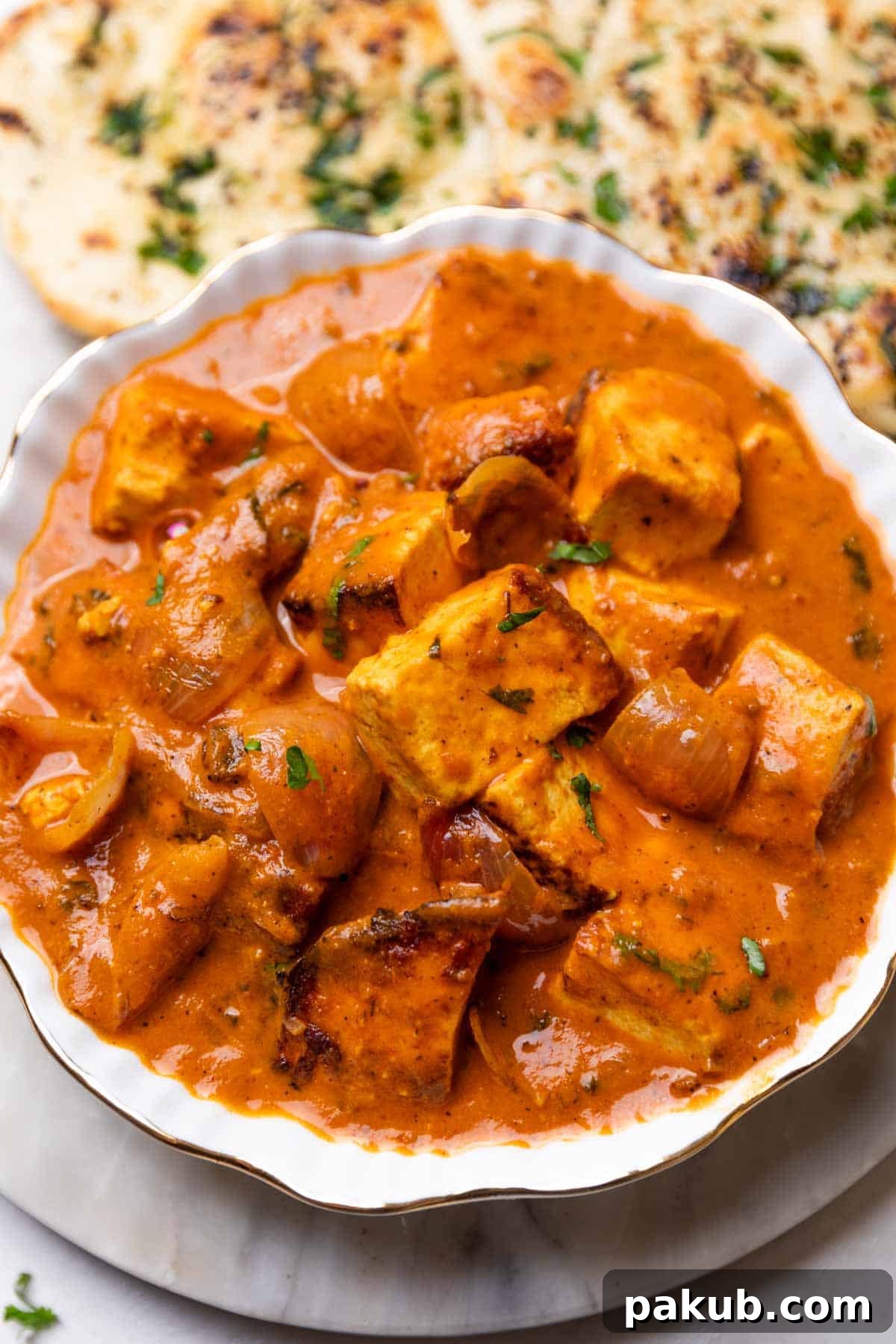
Paneer Do Pyaza is a truly underrated classic, a culinary gem found on the menu of nearly every North Indian restaurant. This exquisite curry masterfully features onions in not one, not two, but three distinct ways, creating a symphony of flavors that is spicy, subtly sweet, and wonderfully rich in texture.
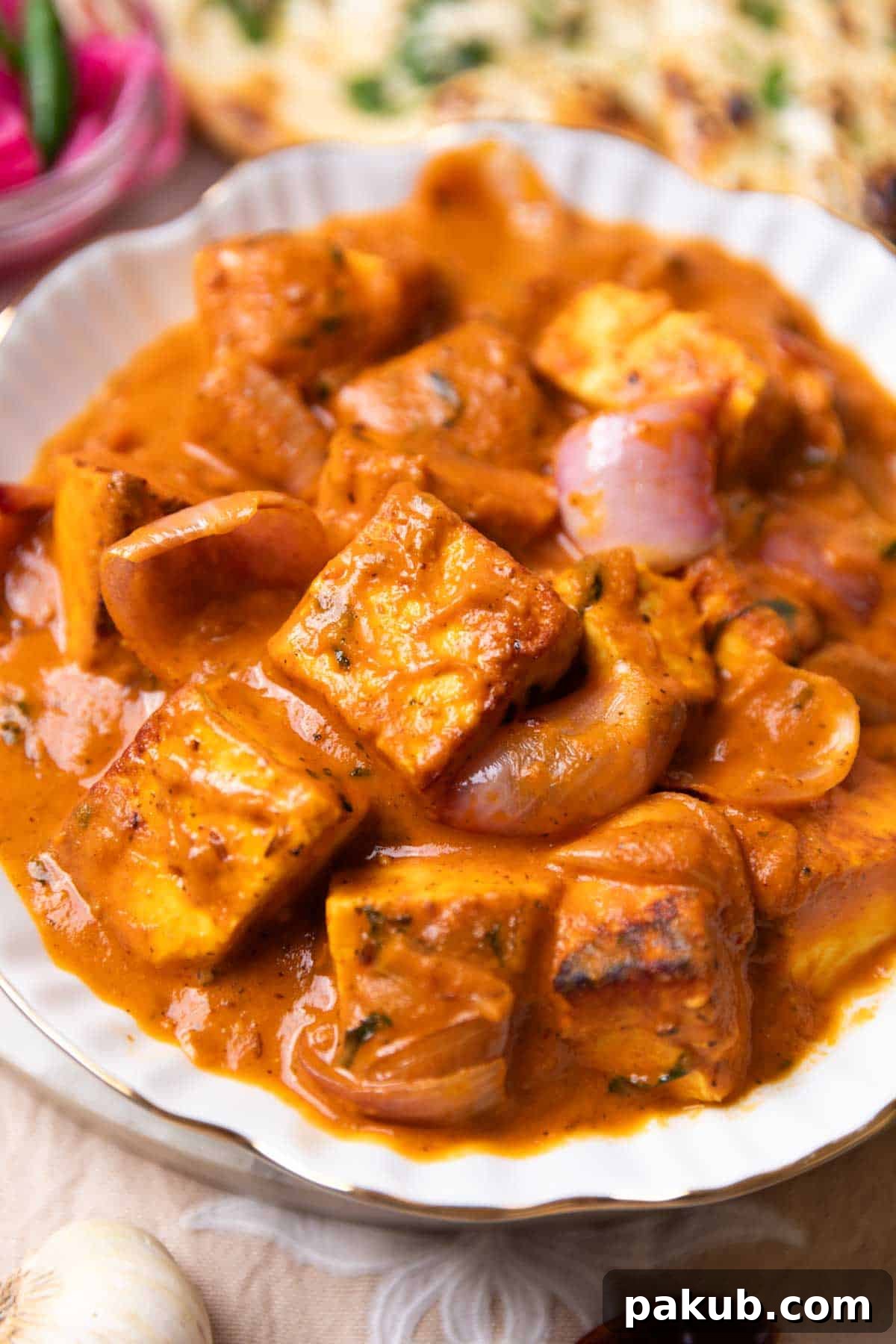
Welcome to a culinary journey where the humble onion takes center stage, transforming a simple paneer dish into an extraordinary feast! This Paneer Do Pyaza is far from your average paneer sabzi. While paneer (Indian cottage cheese) provides the creamy, delightful base, the true hero of this dish is the onion, traditionally used in two different preparations—hence the name, Do Pyaza, meaning “two onions.” However, in this enhanced recipe, we elevate the experience further by incorporating onions in three unique ways, delivering an incredible depth of flavor and a captivating textural contrast that will truly be a game-changer for your North Indian cooking repertoire!
The result is a culinary masterpiece: a dish that is deeply rich, perfectly spiced, exquisitely mildly sweet, and bursting with delightful textures in every bite. It pairs absolutely flawlessly with warm, fluffy garlic naan, traditional lachha paratha, or even a simple tandoori roti. Prepare to impress your family and friends with this authentic restaurant-style Paneer Do Pyaza.
Jump to Section: Ultimate Paneer Do Pyaza
- The Essence of Paneer Do Pyaza: Three-Onion Magic
- Mastering the Ingredients for Perfect Paneer Do Pyaza
- Step-by-Step Guide to Paneer Do Pyaza
- Expert Tips and Variations
- Frequently Asked Questions About Paneer Do Pyaza
- Watch How To Make Paneer Do Pyaza Video
The Essence of Paneer Do Pyaza: Three-Onion Magic
Paneer Do Pyaza translates literally to “paneer with two onions.” This traditional North Indian dish is celebrated for its unique flavor profile, which heavily relies on the strategic use of onions. In classic preparations, onions are typically incorporated in two ways: first, finely chopped and sautéed to form the base of the gravy, and second, diced into larger pieces or petals and added later for texture and a fresh onion bite.
Our special recipe takes this concept a step further, embracing a “three-onion” philosophy that truly sets it apart. Here’s how we achieve this multi-layered onion goodness:
- **The Base Gravy:** Our journey begins by creating a luscious, creamy foundation. We add sliced onions to a smooth, rich paste along with ripe tomatoes and cashews. These onions are cooked down until translucent, then blended into an incredibly velvety paste, ensuring a consistently smooth and robust base for the curry. This forms the first layer of onion flavor, providing sweetness and body.
- **The Aromatic Masala:** Next, we build the aromatic heart of the dish. Finely chopped onions are meticulously sautéed until they turn a beautiful golden brown. These caramelized onions release deep, savory notes, becoming an integral part of the masala, which is then infused with a blend of potent Indian spices. This brings the second dimension of onion flavor: caramelized depth and aroma.
- **The Signature Texture:** Finally, for the distinctive “do pyaza” character and an irresistible crunch, we introduce generous quantities of onion petals (separated layers of onion). These larger pieces are lightly cooked, retaining their natural crispness and adding a delightful bite-sized texture that ensures you experience the sweet and pungent freshness of onion in every single mouthful. This provides the third, fresh and textural layer of onion.
This careful layering of onion preparations, from the smooth base to the aromatic masala and the textural petals, is what transforms this Paneer Do Pyaza into an unforgettable culinary experience, far surpassing any ordinary paneer dish.
Mastering the Ingredients for Perfect Paneer Do Pyaza
Beyond the innovative use of onions, this Paneer Do Pyaza recipe boasts other distinctive elements that contribute to its rich, restaurant-style appeal. One crucial step is the preparation of the paneer itself. Unlike many recipes where paneer is simply added raw, we fry the paneer in a harmonious blend of oil and butter until it achieves a delicate golden hue. This technique not only enhances its texture, making it slightly crisp on the outside while remaining tender within, but also infuses it with a luxurious richness that truly elevates the dish.
The gravy is meticulously seasoned with a curated selection of basic yet essential Indian masalas. Cumin powder, coriander powder, and red chili powder lay the groundwork, providing warmth and complexity. These are then beautifully complemented by the earthy aroma of garam masala and the distinctive, slightly bitter notes of kasuri methi (dried fenugreek leaves), which, when roasted and crushed, release an incredible fragrance that is a hallmark of authentic North Indian curries. A small but mighty addition of tomato ketchup plays a vital role in balancing the flavors, contributing a subtle tang and a touch of sweetness that ties all the elements together, preventing the dish from being overly spicy and adding a delightful depth. We also use whole spices like bay leaves, black cardamom, and cloves to build an aromatic foundation from the very beginning, ensuring every spoonful is a burst of exquisite flavor.
Each ingredient is chosen for its specific contribution, working in concert to create a Paneer Do Pyaza that is rich, spicy, mildly sweet, and utterly satisfying. The combination of carefully prepared paneer, multi-layered onion textures, and perfectly balanced spices makes this recipe a true culinary delight.
Step-by-Step Guide to Paneer Do Pyaza
Creating this magnificent Paneer Do Pyaza is a rewarding experience. Here’s a detailed breakdown of the process:
1. Preparing and Frying the Paneer
The journey to perfect Paneer Do Pyaza begins with preparing the star ingredient – paneer. Start by heating a pan or a traditional Indian kadai. Add a generous amount of cooking oil and a knob of butter. Once the fat is shimmering, gently place the block of paneer into the pan. Fry the paneer on medium heat for about 2-3 minutes, turning it occasionally, until all sides achieve a light golden crust. This crucial step ensures the paneer remains soft and absorbs the flavors of the curry beautifully. Transfer the fried paneer block to a chopping board and carefully cut it into 1-inch cubes. Set these aside. Frying paneer as a block first helps in even cooking and prevents it from becoming chewy, ensuring a tender bite in the final dish.
2. Crafting the Smooth Onion-Cashew-Tomato Paste
Using the same pan, add a tablespoon of cooking oil. Introduce the sliced onions and sauté them until they become beautifully translucent and tender. Next, add the pre-soaked cashew nuts and continue to sauté for another minute. The cashews will add richness and creaminess to the gravy. Incorporate the roughly chopped tomatoes and a pinch of salt. Cover the pan and allow the mixture to cook on low heat for 4-5 minutes, or until the tomatoes have softened and turned mushy. Once cooked, remove from heat and set aside to cool completely. Once cooled, transfer the mixture to a blender and grind it into a perfectly smooth paste. If needed, add 2 tablespoons of water to achieve the desired consistency for grinding. This paste forms the first layer of our three-onion magic and the creamy base of the curry.
3. Building the Aromatic Do Pyaza Gravy
Heat ghee in a clean pan or kadai. The use of ghee provides an authentic, rich aroma and flavor to the gravy. Once hot, add the whole spices: cumin seeds, bay leaves, black cardamoms, and cloves. Sauté them briefly until they become fragrant – this process is called tempering and infuses the oil with deep aromas. Now, add the finely chopped onions and fry them patiently until they turn a rich golden brown. This caramelization is key to developing a deep, sweet flavor in the gravy. Next, add the ginger-garlic paste and fry for another minute until its raw aroma disappears.
4. Layering the Spices and Onion Petals
Reduce the heat and add all the ground spice powders: red chili powder (for heat), Kashmiri red chili powder (for vibrant color and mild heat), coriander powder, cumin powder, and the remaining salt. Stir and fry these spices for approximately 30 seconds, ensuring they don’t burn. A splash of water can prevent burning and help the spices bloom. This step builds the complex flavor profile of the curry. Immediately after, add the onion petals (onions cut into 1-inch cubes with layers separated). Sauté them on high heat for just 30 seconds. Add 2 tablespoons of water to help mix everything and cook for only one minute. It’s crucial not to overcook the petals; they should retain a slight crunch for that signature ‘do pyaza’ texture.
5. Simmering and Finishing the Curry
Pour in the onion-cashew-tomato paste that you prepared earlier. Bring the mixture to a boil, then reduce the heat and let it simmer for 3-4 minutes, allowing the flavors to meld beautifully and the gravy to thicken. Stir in the tomato ketchup, mixing it well to incorporate its sweet and tangy notes. Add the remaining 2 cups of water and bring the gravy back to a gentle boil. Finally, carefully add the fried paneer cubes. Stir in the roasted and crushed kasuri methi and garam masala powder. Let it boil for another minute or two, allowing the paneer to soak up the rich flavors. Garnish generously with freshly chopped coriander leaves before serving hot.
This step-by-step guide ensures a perfectly balanced and incredibly flavorful Paneer Do Pyaza every time.
Expert Tips and Variations for Your Paneer Do Pyaza
To ensure your Paneer Do Pyaza turns out absolutely perfect every time, consider these expert tips and explore some delightful variations:
Tips for Success:
- Paneer Quality: Always use fresh, good quality paneer. If using frozen paneer, thaw it completely and soak it in warm water for 15-20 minutes before frying to ensure it remains soft.
- Frying Paneer: Frying paneer as a block and then cubing it helps achieve an even golden crust while keeping the interior soft and moist. If you prefer, you can certainly cut the paneer into cubes first and then fry them, but be careful not to overcook them, which can make them rubbery.
- Perfect Paste: Ensure your onion-cashew-tomato paste is absolutely smooth. A gritty paste can affect the overall texture of the gravy. If needed, pass it through a fine-mesh sieve after blending, though a powerful blender should make it silky.
- Tempering Spices: Don’t rush the tempering of whole spices. Allow them to splutter and release their aromas fully in the ghee. This step lays a crucial aromatic foundation for the curry.
- Onion Petals: The key to the ‘do pyaza’ texture is not overcooking the onion petals. They should be cooked just enough to soften slightly but still retain a pleasant bite.
- Spice Adjustment: Feel free to adjust the amount of red chili powder and Kashmiri red chili powder according to your spice preference. For a milder curry, reduce the quantity; for more heat, increase it.
- Kasuri Methi: Always roast kasuri methi lightly in a dry pan for a few seconds before crushing it between your palms and adding it to the curry. This enhances its flavor and aroma significantly.
- Ghee vs. Oil: While ghee offers an unparalleled authentic taste and richness, you can substitute it entirely with cooking oil if you prefer or have dietary restrictions. A mix of both, as suggested, offers the best of both worlds.
Delicious Variations:
- Vegan Do Pyaza: Easily adapt this recipe for a vegan diet by replacing paneer with firm tofu (pressed and fried), and swapping ghee/butter with a plant-based oil.
- Mixed Vegetable Do Pyaza: Add other vegetables like bell peppers, green peas, or mushrooms along with the onion petals for an added nutritional boost and different textures.
- Spicier Kick: For those who love extra heat, add a finely chopped green chili along with the ginger-garlic paste, or increase the red chili powder.
- Creamier Gravy: For an even richer and creamier texture, you can stir in a tablespoon or two of fresh cream or cashew cream (made by blending soaked cashews with a little water) at the very end.
- Smoky Flavor: For a restaurant-style smoky flavor, you can try the “dhungar” method: place a small heat-proof bowl in the center of the finished curry, place a burning piece of charcoal in it, drizzle a teaspoon of ghee over the charcoal, and quickly cover the pot for a few minutes.
These tips and variations will help you customize this incredible Paneer Do Pyaza to your liking, ensuring a perfect dish every time you prepare it!
Frequently Asked Questions About Paneer Do Pyaza
Absolutely! You can certainly make a delicious Chicken Do Pyaza by substituting paneer with bite-sized chicken pieces. However, please note that the cooking time will increase significantly, as chicken requires longer to cook through compared to paneer. For best results with chicken, consider using a pressure cooker to tenderize the chicken. You might also enjoy my Kadhai Chicken recipe for another fantastic chicken curry option!
While both are popular North Indian restaurant-style curries, their key differences lie in their star ingredients and flavor profiles. Paneer Do Pyaza, as its name suggests, places a heavy emphasis on various forms of onions, giving it a unique sweet, savory, and textural complexity from the three onion preparations. Kadhai Paneer, on the other hand, is characterized by its robust Kadhai masala (a blend of freshly roasted and ground spices) and the addition of bell peppers (capsicum), which contribute a distinct crunchy texture and a slightly tangy, peppery flavor. Both are incredibly flavorful, but offer different culinary experiences.
Leftover Paneer Do Pyaza can be stored safely in an airtight container in the refrigerator for up to 3 days. Ensure it cools down completely before refrigerating to maintain its freshness and prevent spoilage. When reheating, gently warm it on the stovetop or in a microwave, adding a splash of water if the gravy has become too thick.
Yes, you absolutely can freeze this curry! Paneer Do Pyaza freezes quite well. To freeze, allow the curry to cool completely, then transfer it to a freezer-safe airtight container. It can be stored in the freezer for up to 1-2 months. When you’re ready to enjoy it, thaw the curry overnight in the refrigerator or at room temperature for 1-2 hours before reheating it gently on the stovetop or in the microwave. Freezing might alter the texture of the paneer slightly, making it a bit firmer, but the flavors will remain delicious.
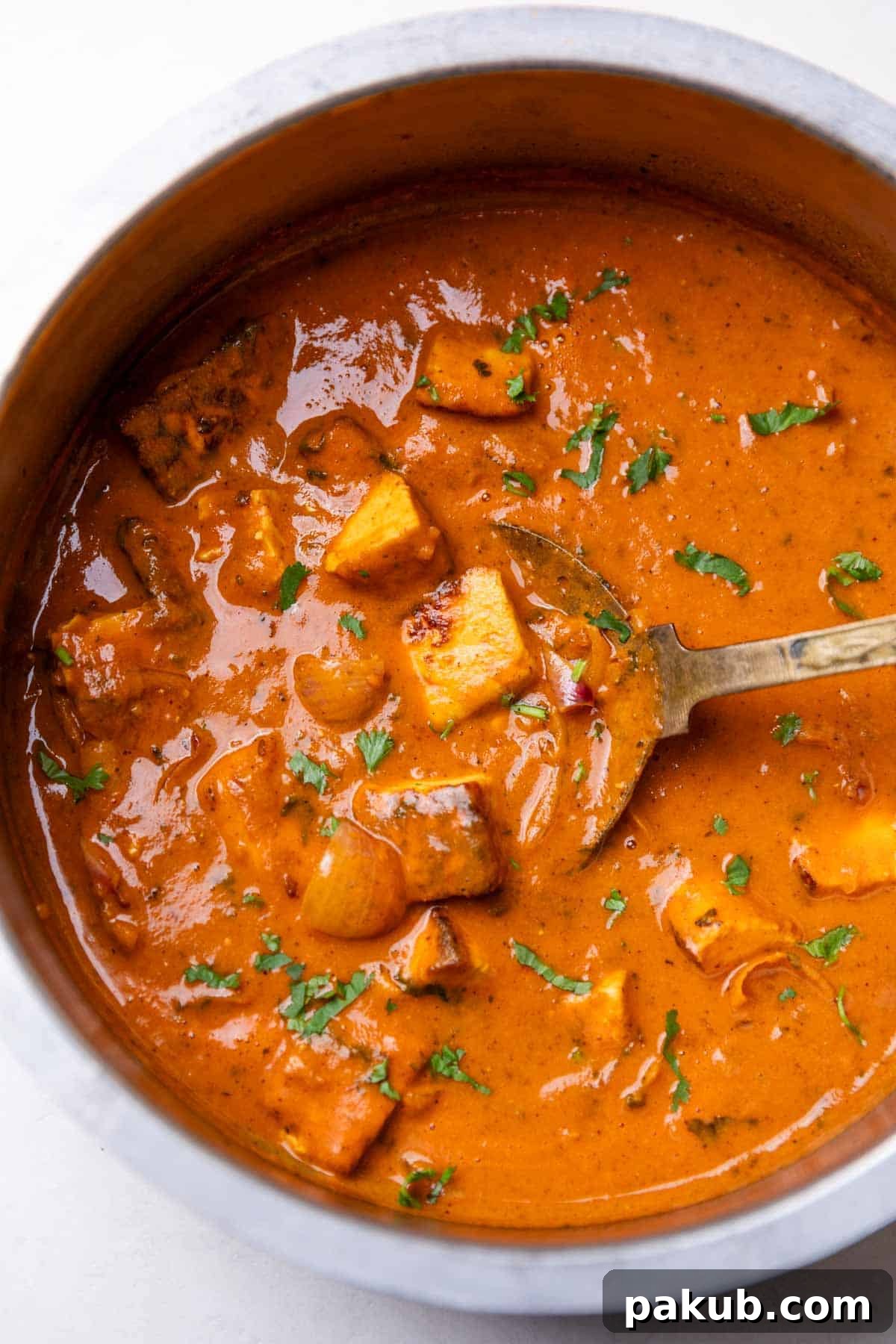
You’ll undoubtedly fall in love with this Paneer Do Pyaza recipe. It’s my go-to dish for elevating ordinary weeknight dinners into something truly special, and it’s already a staple in my weekly meal planning. If you’ve enjoyed mastering this recipe, I invite you to explore the myriad of other paneer recipes available on the blog under our dedicated Paneer Archives. You’ll find a treasure trove of inspiration for your next paneer creation!
As always, I would be thrilled to see your culinary creations! Be sure to share your recreations of this Paneer Do Pyaza over on my Instagram @my_foodstory. I love connecting with you all and seeing your delicious dishes. Until our next recipe adventure, happy cooking!
Watch How To Make Paneer Do Pyaza Video
★
★
★
★
Paneer Do Pyaza
Richa
10 minutes
20 minutes
30 minutes
4
persons
Pin Recipe
Rate Recipe
Print Recipe
Ingredients
For Frying Paneer
- 400 gms paneer
- 2 tablespoons cooking oil
- 2 tablespoons butter
For the Onion-Cashew-Tomato Paste
- 2 tablespoons cooking oil
- 1 cup sliced onions
- 4 tablespoons broken or whole cashew nuts (soaked for 15 mins)
- 6 medium tomatoes roughly chopped (approx. 2 ½ cups, 210 grams)
- ¾ teaspoon salt
For Do Pyaza Gravy
- 2 tablespoons ghee, see note 3
- 1 teaspoon cumin seeds
- 2 bay leaves
- 2 black cardamoms
- 8 cloves
- ½ cup finely chopped onions
- 2 teaspoons ginger garlic paste
- 1 teaspoon red chilli powder
- 2 teaspoons Kashmiri red chilli powder
- 2 teaspoons coriander powder
- 1 teaspoon cumin powder
- ½ teaspoon salt
- 2 cups onions cut into petals, see note 4
- 2 tablespoons tomato ketchup
- 2 cups + 2 tablespoons water, divided
- 1 teaspoon kasuri methi, roasted & crushed
- ½ teaspoon garam masala powder
- 3 tablespoons chopped coriander leaves
Instructions
Paneer Frying
-
Heat a pan or kadai. Add oil and butter. Once shimmering, add the paneer block and fry for 2-3 minutes on medium heat until light golden. Transfer to a chopping board and cut into 1-inch cubes. Set aside. Refer notes 1.400 gms paneer,
2 tablespoons cooking oil,
2 tablespoons butter
Making Onion-Cashew-Tomato Paste
-
Heat 1 tablespoon of oil in the same pan or kadai. Fry sliced onions until they turn translucent. Add soaked cashews and sauté for a minute. Add tomatoes and salt, then cook covered for 4-5 minutes on low heat until they turn mushy.2 tablespoons cooking oil,
1 cup sliced onions,
4 tablespoons broken or whole cashew nuts,
6 medium tomatoes roughly chopped approx. 2 ½ cups,
¾ teaspoon salt -
Set aside to cool down. Once cooled, grind the mixture to a smooth paste. You may add 2 tablespoons of water for ease of grinding, if needed.
Making Do Pyaza Gravy
-
Heat ghee in a pan or kadai. Add cumin seeds, bay leaf, black cardamom, and cloves, and sauté until fragrant. Add finely chopped onions and fry until they turn golden brown.2 tablespoons ghee,
1 teaspoon cumin seeds,
2 bay leaves,
2 black cardamoms,
8 cloves,
½ cup finely chopped onions -
Add ginger garlic paste and fry for a minute until its raw aroma disappears.2 teaspoons ginger garlic paste
-
Add all ground spice powders and fry for about 30 seconds, taking care not to burn them.1 teaspoon red chilli powder,
2 teaspoons kashmiri red chilli powder,
2 teaspoons coriander powder,
1 teaspoon cumin powder,
½ teaspoon salt -
Add the onion petals and fry on high heat for 30 seconds. Add 2 tablespoons of water to mix everything and cook for only a minute. Do not overcook to retain their texture.2 cups onions cut into petals,
2 cups + 2 tablespoons water -
Add the onion-cashew-tomato paste and bring to a gentle boil on low heat for 3-4 minutes.
-
Add tomato ketchup and mix well to balance the flavors.2 tablespoons tomato ketchup
-
Add the remaining 2 cups of water and bring the gravy to a boil.
-
Add the fried paneer cubes along with roasted kasuri methi and garam masala powder. Boil for a minute or two, then garnish with chopped coriander leaves and serve hot.1 teaspoon kasuri methi,
½ teaspoon garam masala powder,
3 tablespoons chopped coriander leaves
Video
Notes
- Frying paneer as a block first helps in frying it evenly and keeping it soft. If you prefer, you may cut paneer into cubes and then fry them; it will still work well.
- Any neutral cooking oil can be used in this recipe.
- Ghee is traditionally used for an authentic, rich taste in the gravy. It can be replaced with oil if you prefer or if you’re making it vegan.
- To make onion petals: Cut onions into 1-inch cubes, then carefully separate each layer of onion to form the individual petals.
- Leftovers will stay fresh for up to 3 days when stored in an airtight container in the refrigerator.
- For an enhanced flavor, consider soaking the cashew nuts in warm water for about 15-20 minutes before blending them into the paste. This helps achieve a creamier, smoother texture.
Nutrition Facts (Per Serving)
Calories:
699kcal
,
Carbohydrates:
30g
,
Protein:
20g
,
Fat:
58g
,
Saturated Fat:
25g
,
Polyunsaturated Fat:
6g
,
Monounsaturated Fat:
15g
,
Trans Fat:
0.3g
,
Cholesterol:
100mg
,
Sodium:
916mg
,
Potassium:
809mg
,
Fiber:
7g
,
Sugar:
13g
,
Vitamin A:
2235IU
,
Vitamin C:
37mg
,
Calcium:
572mg
,
Iron:
3mg
Like this recipe? We would love for you to rate it and share your thoughts in the comments below!
This article was extensively researched, developed, and written by Navya Khetarpal.