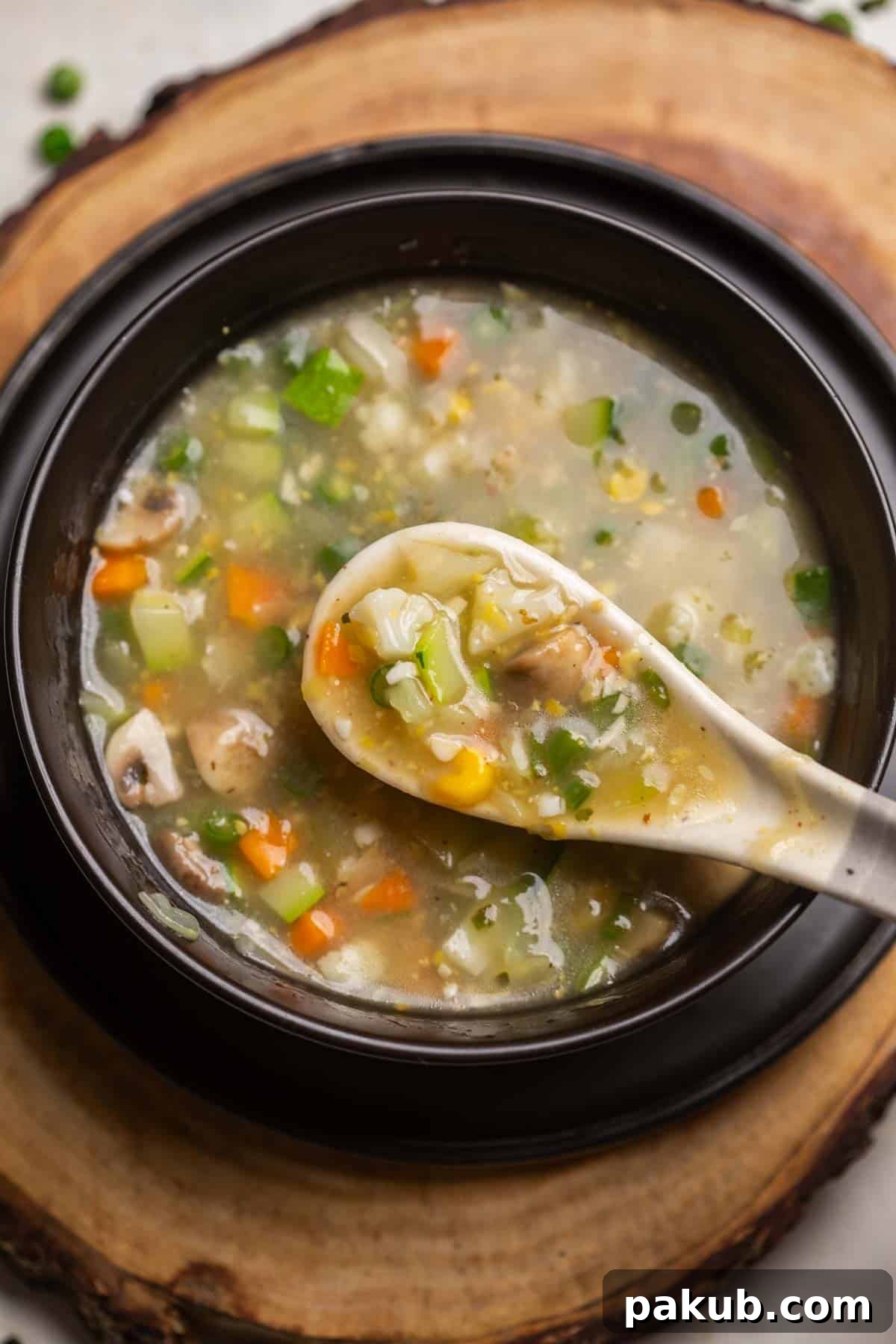
Eight Treasure Soup: A Vibrant Medley of Colorful, Crunchy, and Flavorful Vegetables That Makes Healthy Eating a Treat!
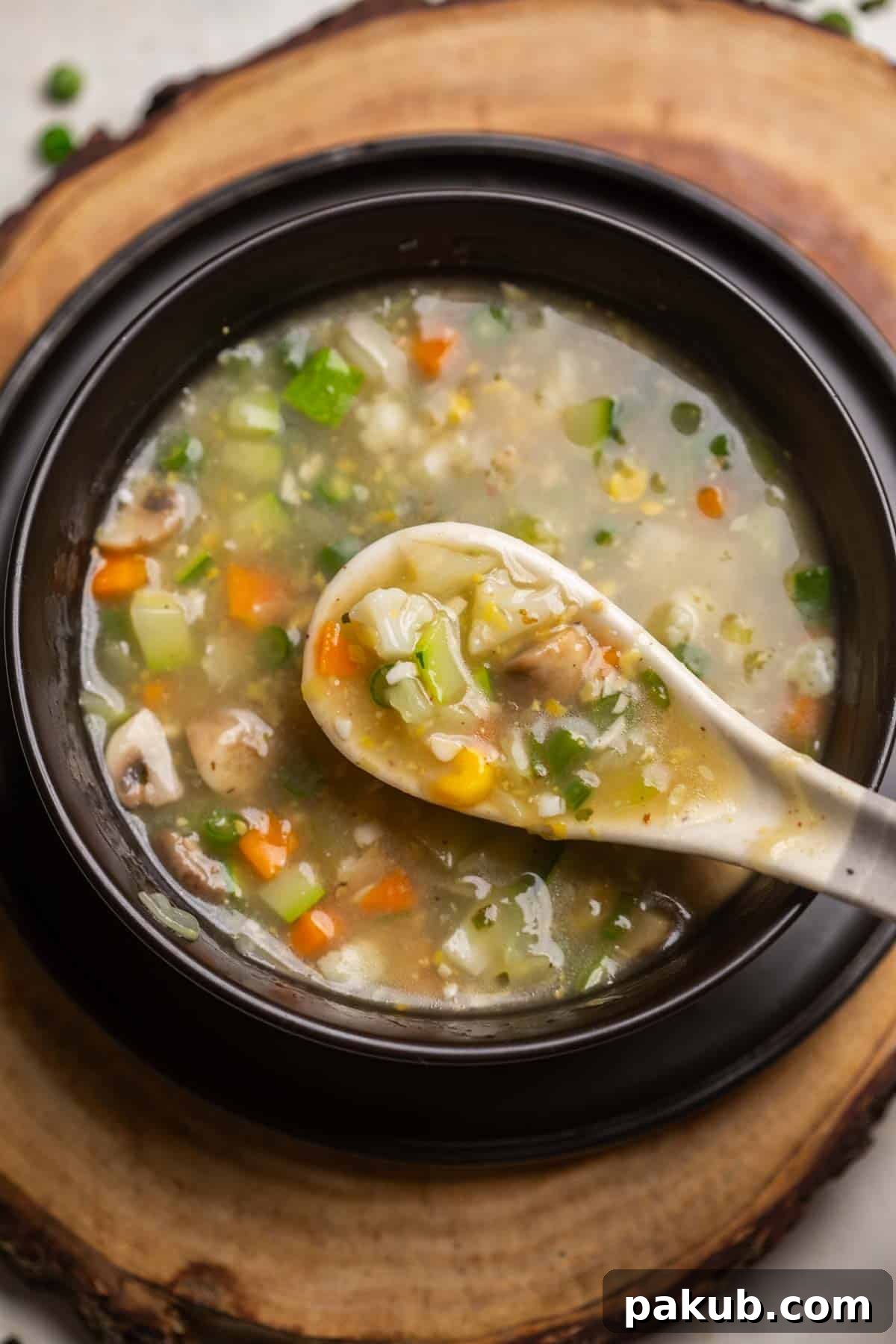
In the quest for meals that are both incredibly satisfying and genuinely wholesome, the remarkable Eight Treasure Soup emerges as a true culinary gem. This vibrant, nutritious, and astonishingly easy-to-prepare dish is your perfect solution for those moments when you yearn for something quick, warm, and bursting with fresh vegetables, yet demand minimal effort and zero fuss. It’s far more than just a soup; it’s a delightful celebration of garden-fresh goodness, transformed into a proper, flavor-packed meal that truly nourishes both body and soul.
The inherent beauty of Eight Treasure Soup lies in its unparalleled versatility and comforting simplicity. It gracefully embraces the philosophy of utilizing whatever fresh produce you happen to have on hand, effortlessly transforming a humble assortment of vegetables into a harmonious and deeply flavorful broth. Despite its rich, layered taste and satisfying texture, it remains remarkably light, leaving you feeling comfortably full and invigorated, never weighed down. There’s no need for elaborate homemade stocks or complex culinary techniques here; just a straightforward process of chopping, quick-cooking, and gentle simmering yields a bowl of pure, unadulterated comfort. Once you discover the sheer ease and deliciousness of this recipe, it is almost guaranteed to become a cherished and regular addition to your weekly meal rotation, a go-to for healthy, delicious living.
Table of Contents
- The Essence of Eight Treasure Soup: A Culinary Delight
- Why You’ll Love This Eight Treasure Soup Recipe
- Unveiling the Treasures: Ingredients Deep Dive
- How to Make Eight Treasure Soup: Step-by-Step Perfection
- Expert Tips for a Perfect Eight Treasure Soup
- Serving Suggestions for Eight Treasure Soup
- Customizing Your Eight Treasure Soup: Endless Possibilities
- Storage and Meal Prep Tips
- Frequently Asked Questions About Eight Treasure Soup
- The Story Behind the Name: Did You Know?
- Watch Our Eight Treasure Soup Recipe Video
- Printable Eight Treasure Soup Recipe
The Essence of Eight Treasure Soup: A Culinary Delight
Eight Treasure Soup, known as “Ba Bao Tang” in Chinese, is a cherished staple in numerous Asian cuisines, beloved for its profound nourishing qualities and its harmonious blend of diverse textures and nuanced flavors. While its traditional origins might point to a specific combination of ingredients often imbued with medicinal properties or auspicious symbolism (such as lotus seeds, red dates, and goji berries), its modern interpretation, particularly within the realm of home cooking, offers much greater flexibility. This particular rendition of Eight Treasure Soup spotlights a delightful medley of eight (or even more!) vibrant, readily available vegetables, transforming it into an incredibly accessible and delicious avenue to significantly boost your daily nutrient intake.
This soup masterfully embodies the very definition of comfort in a bowl. It strikes a perfect balance, being light enough to serve as a refreshing appetizer yet substantial enough to stand alone as a satisfying main course, especially when thoughtfully paired with complementary side dishes. The clear, savory broth, delicately thickened with cornstarch, expertly cradles each crisp-tender vegetable, creating a delightful textural contrast with every single spoonful. It’s a dish designed to warm you gently from the inside out, making it an ideal choice for cool evenings, a rejuvenating lunch, or simply anytime you find yourself in need of a healthful, flavorful pick-me-up. Embrace this healthy vegetable soup for an easy, nutritious, and utterly comforting culinary experience.
Why You’ll Love This Eight Treasure Soup Recipe
There are countless reasons why this Eight Treasure Soup is poised to become a beloved favorite in your kitchen:
- Effortlessly Healthy & Nutrient-Rich: This soup is a true powerhouse of nutrition, brimming with a vibrant rainbow of vegetables. Each bowl delivers an impressive array of essential vitamins, vital minerals, and dietary fiber. It’s naturally low in calories and healthy in fat, making it an impeccable choice for anyone committed to a healthy lifestyle or seeking a balanced meal. This is a genuinely nutritious soup that supports your well-being.
- Incredibly Versatile & Customizable: The beauty of the “eight treasures” concept is that it’s wonderfully flexible! This recipe serves as a fantastic opportunity to reduce food waste by utilizing any leftover or seasonal vegetables residing in your fridge. Its adaptability allows for endless variations, ensuring you can always create a fresh and exciting version tailored to your preferences.
- Remarkably Quick & Easy: From the initial preparation to the moment it graces your table, this flavorful soup comes together in less than 30 minutes. Its straightforward cooking process makes it the ultimate weeknight warrior meal, perfectly suited for busy individuals, families, and anyone short on time but unwilling to compromise on taste or health. An easy Asian soup recipe doesn’t get much simpler than this!
- Deeply Comforting & Hugely Satisfying: The warm, aromatic broth, combined with the tender-crisp vegetables, creates a deeply comforting and immensely satisfying culinary experience without ever feeling heavy. It’s the quintessential comfort food that makes you feel wonderfully good from the very first spoonful to the last, leaving you feeling nourished and content.
- Adaptable for All Dietary Needs: This recipe is remarkably easy to adapt, catering to diverse dietary needs and preferences. It can easily be made completely vegan (ensure your stock is plant-based), enriched with additional protein, adjusted for specific spice levels, or customized with your favorite seasonal produce. It truly is a versatile Chinese vegetable soup for everyone.
- A Fantastic Immune Booster: Loaded with fresh produce and powerful aromatics like ginger and garlic, this soup is naturally packed with antioxidants and compounds that can help support your immune system, especially beneficial during colder months or when you need an extra boost.
Unveiling the Treasures: Ingredients Deep Dive
The culinary magic of Eight Treasure Soup is intricately woven into its thoughtfully selected ingredients, whether chosen spontaneously or with deliberate intent, which unite to forge a symphony of textures and flavors. Here, we take a closer look at what contributes to our perfect bowl of this healthy vegetable soup:
The Star Vegetables – A Rainbow of Goodness
- Carrots: Finely chopped, carrots introduce a delightful touch of natural sweetness and vibrant color, while being rich in beta-carotene. We initiate their cooking with a brief blanch to ensure they achieve a tender, yet firm, texture, preventing them from becoming mushy and preserving their bright orange hue.
- Green Beans: These contribute a pleasing snap and a subtle earthy flavor to the soup. Similar to carrots, a quick blanch is essential for them to reach that perfect al dente texture and maintain their vivid green appearance.
- Cauliflower: Divided into tiny florets, cauliflower adds a mild, slightly nutty taste and a wonderfully satisfying, tender-crisp texture. Blanching them briefly ensures uniform cooking and helps them retain their pristine white color throughout the soup-making process.
- Cabbage: When shredded or finely chopped, cabbage imparts a delicate sweetness and a desirable crispness. Its inclusion later in the cooking process is strategic, preventing overcooking and preserving its naturally delicate crunch, which is vital for the soup’s diverse textures.
- Bok Choy: This fresh, leafy green vegetable brings a slightly bitter counterpoint and a beautiful, vibrant green color to the medley. Its inherently quick cooking time dictates that it’s added towards the very end, ensuring it remains bright, tender, and full of flavor.
- Zucchini: Diced zucchini softens beautifully into the soup, contributing valuable moisture and a delicate flavor that enhances the overall profile without overpowering other ingredients. It’s a fantastic way to incorporate extra hydration and a gentle texture.
- Mushrooms: Finely sliced mushrooms, such as common button, cremini, or exotic shiitake, are indispensable for their deep umami flavor and tender, slightly “meaty” texture, which significantly enriches the broth and adds complexity.
- Sweet Corn (Cream of Corn): This ingredient is truly pivotal to the soup’s unique character! Cream of corn not only infuses the soup with a lovely, natural sweetness but also contributes significantly to its slightly creamy body, making the soup feel more substantial and wonderfully comforting without the need for actual dairy cream. If using whole kernel corn, consider blending a portion to achieve a similar luscious texture.
Aromatic Foundations – Building Depth of Flavor
- Ginger: Freshly chopped ginger provides a distinct warming, pungent zing that is a hallmark of many authentic Asian soups. Beyond its invigorating flavor, ginger is also known for its digestive benefits and adds a sophisticated, aromatic layer to the dish.
- Garlic: As the timeless cornerstone of countless savory dishes, garlic offers a robust, deeply aromatic base that perfectly complements the ginger and profoundly enhances the overall flavor profile of the Eight Treasure Soup.
- Green Chilli (Optional): For those who appreciate a nuanced kick of heat, a finely chopped green chili introduces a subtle warmth and a bright, fresh zest. Feel free to adjust the quantity to suit your personal preference for spice, or simply omit it entirely for a milder soup experience.
For the Perfect Broth – The Heart of the Soup
- Vegetable Stock or Water: A high-quality vegetable stock is essential for forming the flavorful and rich base of this incredible soup. If opting to use plain water, consider enhancing it with a dash of soy sauce or a vegetarian bouillon cube to impart additional depth and savoriness, ensuring your quick weeknight meal is bursting with flavor.
- Cornflour Slurry: This simple yet essential mixture of cornflour (cornstarch) and cold water is absolutely crucial for imparting the soup’s characteristic silky, slightly thickened consistency. It expertly prevents the broth from being too watery, ensuring that all the vibrant flavors and fresh textures beautifully cling to the vegetables with every spoonful.
- Salt, Sugar, and Crushed Pepper: These fundamental seasonings are vital for masterfully balancing and rounding out the diverse flavors within the soup. Salt works to enhance the savory notes, sugar thoughtfully brings out the natural sweetness of the vegetables and softens any sharpness, while freshly crushed black pepper adds a subtle, gentle heat and an aromatic, fragrant finish that completes the taste profile of this nutritious soup.
Other Essential Kitchen Staples
- Cooking Oil: Just a small quantity of a neutral cooking oil, such as canola, sunflower, or grapeseed oil, is all that’s required to expertly sauté the aromatics and initial vegetables, skillfully building the foundational layer of flavor for your healthy vegetable soup.
- Water (for blanching): This is used specifically to pre-cook the firmer vegetables, ensuring they are tender yet still wonderfully retain their desired crunch when they are finally added to the main soup pot.
How to Make Eight Treasure Soup: Step-by-Step Perfection
Eight Treasure Soup Recipe
Richa
10 mins
20 mins
30 mins
4
portions
Print Recipe
Ingredients
- ¼ cup finely chopped carrots (approx. 35 gms)
- ¼ cup finely chopped green beans (approx. 30 gms)
- ¼ cup tiny florets of cauliflower (approx. 25 gms)
- 1 ½ cups water (for blanching)
- 1 tablespoon cooking oil
- 1 tablespoon finely chopped ginger
- 1 tablespoon finely chopped garlic
- 1 green chilli, finely chopped (optional, adjust to taste)
- ¼ cup finely chopped cabbage (approx. 25 gms)
- ¼ cup finely chopped bok choy (approx. 20 gms)
- ½ cup finely chopped zucchini (approx. 60 gms)
- ½ cup finely sliced mushrooms (e.g., button, cremini, approx. 60 gms)
- ¼ cup cream of corn (or blended sweet corn, approx. 25 gms)
- 1 tablespoon cornflour (cornstarch) mixed in ½ cup cold water to make a slurry
- 1 ½ cups vegetable stock or water
- ¼ teaspoon salt (or to taste)
- ½ teaspoon sugar (or to taste, balances flavors)
- ¼ teaspoon freshly crushed black pepper (or to taste)
Instructions
Part 1: Blanching the Firmer Vegetables
-
Bring 1 ½ cups of water to a vigorous boil in a medium-sized pot. Carefully add the finely chopped carrots and cook on medium heat for precisely one minute. This initial step ensures they soften slightly.Ingredients: carrots, water
-
Next, introduce the finely chopped green beans to the pot and continue to cook for an additional minute. This crucial blanching ensures they remain vibrant green and achieve a pleasant, crisp-tender texture, rather than becoming soft.Ingredients: green beans
-
Finally, add the tiny florets of cauliflower to the boiling water and cook for just 30 seconds. Immediately remove the pot from the heat and thoroughly drain all the blanched vegetables. Discard the blanching water and set the cooked veggies aside. This step is vital for preventing them from becoming mushy later in the soup.Ingredients: cauliflower
Part 2: Assembling the Eight Treasure Soup
-
In a large wok or a deep, heavy-bottomed pan, heat 1 tablespoon of cooking oil over high heat. Add the finely chopped ginger, garlic, and green chili (if you choose to use it). Sauté rapidly for approximately one minute until the aromatics turn lightly golden and become intensely fragrant. Be vigilant to prevent burning, as this can impart a bitter flavor to your soup.Ingredients: cooking oil, ginger, garlic, green chilli
-
Now, add the finely chopped cabbage, bok choy, zucchini, and thinly sliced mushrooms to the wok. Sauté these vegetables for about one minute, stirring continuously and briskly. The objective here is for them to cook to approximately 70% doneness, preserving their delightful crunch and vibrant colors. It is crucial to avoid overcooking, which would render them limp and diminish their texture.Ingredients: cabbage, bok choy, zucchini, mushrooms
-
Incorporate the previously blanched carrots, green beans, and cauliflower into the wok, along with the cream of corn. Sauté all these ingredients together for just a few more seconds to thoroughly combine the flavors and ensure everything is warmed through evenly.Ingredients: blanched carrots, green beans, cauliflower, cream of corn
-
Pour in the 1 ½ cups of vegetable stock (or water). Add the salt, sugar, and freshly crushed black pepper to the mixture. Increase the heat to high and bring the entire soup to a vigorous, rolling boil. Stir thoroughly to ensure all the seasonings are perfectly dissolved and evenly distributed throughout the broth.Ingredients: vegetable stock or water, salt, sugar, crushed pepper
-
Once the soup is boiling, reduce the heat to low. While continuously stirring the soup with a ladle or whisk, slowly pour in the prepared cornflour slurry. Keep stirring until the soup visibly thickens slightly to your desired consistency – it should be a pleasant brothy texture, not overly watery or gloopy. Continue to cook for an additional 2 minutes on low heat to ensure the cornflour is fully cooked out and the soup has a perfectly clear finish. Taste and adjust any seasonings as needed for perfect balance.Ingredients: cornflour slurry
-
Serve your piping hot Eight Treasure Soup immediately. For an added touch of freshness and flavor, consider garnishing with some freshly chopped spring onions, cilantro, or a tiny drizzle of sesame oil, if desired. Enjoy this easy Asian soup recipe!
Recipe Video
Nutrition Information (per serving)
Carbohydrates: 10g,
Protein: 2g,
Fat: 4g,
Saturated Fat: 0.4g,
Polyunsaturated Fat: 1g,
Monounsaturated Fat: 2g,
Trans Fat: 0.01g,
Sodium: 554mg,
Potassium: 197mg,
Fiber: 2g,
Sugar: 4g,
Vitamin A: 1828IU,
Vitamin C: 14mg,
Calcium: 26mg,
Iron: 0.4mg
Expert Tips for a Perfect Eight Treasure Soup
Achieving a perfectly balanced, flavorful, and texturally pleasing Eight Treasure Soup is simple when you follow a few expert techniques:
- Blanch Firmer Veggies First: This is a culinary secret weapon! Vegetables such as carrots, green beans, and cauliflower naturally require a longer cooking time compared to more delicate leafy greens. By briefly blanching them in boiling water before they join the main soup, you ensure they cook through to a tender state without ever becoming overly soft or mushy. This crucial step also helps them retain their stunning vibrant colors and desirable crisp bite, enhancing the visual appeal and texture of your nutritious soup.
- Don’t Overcook Leafy Veggies: Delicate vegetables like cabbage, bok choy, and zucchini need very minimal cooking time. To preserve their delightful tender-crisp texture and bright hues, always add them towards the very end of the sautéing process, and cook them for just a minute or two. Overcooking these greens is the quickest way to end up with a dull color and a limp, undesirable texture, so keep a watchful eye!
- Master the Corn Slurry for Perfect Consistency: The cornflour slurry is an indispensable component for achieving the soup’s characteristic silky body. It provides just enough thickening to give the broth a luxurious mouthfeel, expertly preventing it from becoming too watery while still maintaining its light, clean, and brothy nature. Always remember to thoroughly mix cornflour with cold water first to create a smooth paste, which prevents any lumps from forming when you introduce it to the hot soup.
- High Heat for Aromatics – Maximize Flavor: Sautéing your foundational aromatics—ginger, garlic, and green chili—over high heat for a short burst of time is absolutely essential. This rapid cooking process quickly coaxes out their intense flavors and fragrant aromas without allowing them to burn, thus creating a powerfully aromatic and flavorful base for your easy Asian soup recipe.
- Always Taste and Adjust Seasoning: The inherent simplicity of this soup means that precise seasoning is paramount to its success. Before you serve, always take a moment to taste the soup and confidently adjust the salt, pepper, and sugar to perfectly suit your personal palate. A small amount of sugar, for instance, can beautifully balance the savory notes and subtly enhance the natural sweetness embedded within the vegetables, truly elevating the overall taste.
- Add Stock Gradually for Control: While the recipe provides clear measurements, it’s always a prudent practice to begin with a slightly smaller quantity of vegetable stock or water and incrementally add more only if needed. This method allows you to maintain precise control over the soup’s final consistency, ensuring it never becomes too thin. Remember, you can always add more liquid, but it’s significantly more challenging to reduce an overly thin soup without compromising the texture of your perfectly cooked vegetables.
- Chop Evenly for Uniformity and Aesthetics: For consistent cooking throughout and to present an aesthetically pleasing bowl, it’s best practice to chop all your vegetables into roughly similar, small, and bite-sized pieces. This attention to detail ensures that every spoonful offers a delightful and harmonious mix of ingredients, making the experience of eating your Eight Treasure Soup even more enjoyable.
Serving Suggestions for Eight Treasure Soup
Eight Treasure Soup is wonderfully versatile, making it perfectly suitable as a light appetizer, a deeply satisfying main course, or a healthy and complementary accompaniment to a larger meal. Its light, vibrant, and vegetable-packed nature ensures it pairs beautifully with an extensive range of dishes. Here are some inspiring ideas to elevate your next meal with this nutritious soup:
- As a Standalone Light Meal: For a wonderfully quick, healthy, and fulfilling lunch or dinner, simply enjoy a generous bowl of Eight Treasure Soup on its own. Its abundance of fresh vegetables and deeply flavorful broth makes it incredibly satisfying and nourishing.
- Pair with Protein Power for a Complete Meal:
- Chicken Fajita with Cilantro Lime Quinoa: While perhaps an unconventional pairing, the robust and zesty flavors of chicken fajita, especially when accompanied by fresh cilantro lime quinoa, can create a surprisingly delightful fusion meal alongside the mild, comforting soup. This combination adds significant protein and fiber, making it a balanced meal.
- Crispy Tofu Broccoli Stir Fry: A classic and highly recommended pairing! The savory depth and textural contrast of crispy tofu and crunchy broccoli stir-fry offer a fantastic, plant-based protein boost that beautifully complements the soup’s delicate and aromatic profile.
- Steamed Edamame or Boiled Chickpeas: For an even simpler protein addition, you can stir a generous handful of steamed, shelled edamame beans or pre-boiled chickpeas directly into the soup during the last few minutes of cooking. They will absorb the delicious broth flavors.
- Grilled Fish or Shrimp: A light, flaky grilled fish fillet or a handful of quickly sautéed shrimp can provide an elegant and lean protein addition, pairing harmoniously with the soup’s fresh flavors.
- For a Heartier Asian-Inspired Feast:
- Veg Hakka Noodles: Transform your meal into a full-fledged Asian-inspired spread by pairing the soup with savory and flavorful vegetable Hakka noodles. This combination offers a deeply satisfying experience and is still abundantly packed with fresh vegetables.
- Fluffy Steamed Rice: A simple bowl of perfectly cooked steamed white or brown rice is a timeless and classic accompaniment, absolutely perfect for soaking up every last drop of the delicious, savory broth.
- Steamed Momos: For a wonderfully cozy and comforting night in, indulge in warm, tender steamed momos (dumplings) served alongside your hot Eight Treasure Soup. The contrasting textures and complementary flavors create a match made in culinary heaven.
- Spring Rolls or Egg Rolls: Crispy spring rolls or savory egg rolls offer another delightful textural contrast and a satisfying bite alongside your light soup.
- Fresh & Crunchy Sides:
- Asian Slaw Salad: The bright, tangy, and invigoratingly crunchy notes of an Asian slaw salad provide a refreshing counterpoint to the warm and comforting soup, adding another delightful layer of texture and zesty flavor to your complete meal.
- Fresh Spring Rolls: Light, vibrant, and typically served with a delicious peanut dipping sauce, fresh spring rolls can be an excellent, healthy, and refreshing side dish that complements the soup beautifully.
Customizing Your Eight Treasure Soup: Endless Possibilities
One of the most delightful aspects of preparing Eight Treasure Soup is its incredible adaptability. It can be effortlessly tailored to suit your personal taste preferences, accommodate specific dietary needs, or creatively utilize whatever fresh ingredients you happen to have available. Don’t hesitate to unleash your culinary creativity and truly make this versatile recipe uniquely your own!
- Make it Luxuriously Creamier: For a wonderfully rich and velvety texture, stir in a generous splash of coconut milk at the very end of the cooking process (this offers a subtly sweet, tropical twist and is an excellent vegan option). Alternatively, a spoon of fresh cream can be added for a classic, indulgent silkiness to the broth.
- Add Earthy Depth & Umami Boost:
- Shiitake Mushrooms: To infuse your soup with an intense and savory umami boost, incorporate a small handful of dried shiitake mushrooms. Remember to rehydrate them first, then slice them finely and add them to the soup along with their strained soaking liquid – this liquid is a genuine powerhouse of flavor!
- Soy Sauce/Tamari: A strategic dash of high-quality soy sauce (or tamari for a gluten-free option) can significantly deepen the savory notes and add wonderful complexity to the broth, enhancing this authentic Chinese vegetable soup.
- Miso Paste: A small spoon of white miso paste, dissolved in a little warm broth before adding to the main pot, can add incredible umami and a comforting savory depth.
- Introduce a Bright Citrus Lift: Just before you serve, a fresh squeeze of lemon or lime juice can work wonders, dramatically brightening the overall flavors of the soup and adding a refreshing, zesty tang that beautifully cuts through any richness.
- Enhance the Crunch Factor – Texture is Key! To provide an exciting textural contrast and a burst of flavor, consider topping each individual bowl with:
- Crispy fried shallots or garlic chips for an irresistible crunch and a deeply savory aroma.
- Toasted sesame seeds, which offer a subtle nutty flavor and add a beautiful visual appeal.
- Crushed roasted peanuts or cashews for an extra layer of richness and a satisfying crunch.
- Freshly chopped spring onions or vibrant cilantro for an immediate burst of herbaceous freshness and striking color.
- Crispy wonton strips or fried rice noodles for an authentic Asian soup experience.
- Layer in Extra Warmth & Gentle Spice:
- White Pepper: A tiny pinch of white pepper, which possesses a distinct and more subtle warmth compared to black pepper, is a common aromatic often found in refined Asian cuisine and can add a unique depth.
- Freshly Grated Nutmeg: For an unexpected yet utterly delightful cozy depth and aromatic complexity, a whisper of freshly grated nutmeg can truly elevate the soup’s profile, making it a unique and comforting dish.
- Chili Oil: For those who adore an extra layer of heat and complex flavor, a generous drizzle of homemade or good quality store-bought chili oil just before serving adds a fiery kick and a beautiful, glistening sheen.
- Boost the Protein Content: As previously mentioned in our FAQs, cubed firm tofu, paneer, shelled edamame, or cooked chickpeas are all fantastic vegetarian protein additions. For those who prefer non-vegetarian options, thinly sliced chicken breast, succulent shrimp, or even small pieces of white fish can be quickly cooked directly in the broth, making it a wholesome and filling quick weeknight meal.
- Creative Vegetable Swaps: Feel completely free to experiment with a wide array of other vegetables. Consider snap peas, tender asparagus, fresh spinach (stirred in at the very last moment), crisp water chestnuts, or earthy bamboo shoots. Remember to thoughtfully adjust your cooking times based on the firmness and density of the vegetables you choose, ensuring they retain their perfect texture.
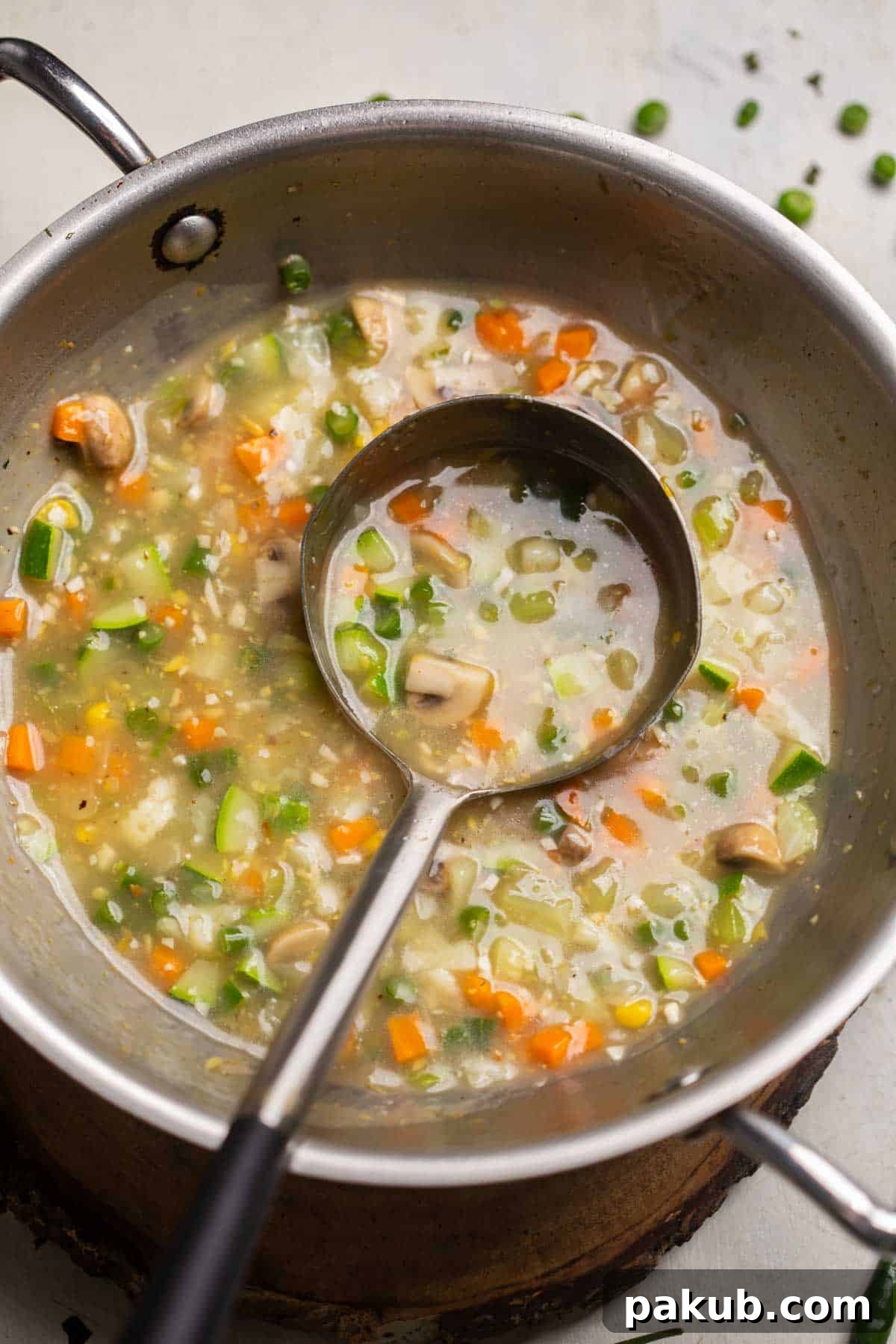
Storage and Meal Prep Tips
Eight Treasure Soup is exceptionally well-suited for meal preparation and can be conveniently stored, ensuring you always have a healthy, delicious, and comforting meal readily available whenever the craving strikes or your schedule gets busy:
- Refrigeration for Freshness: To store in the refrigerator, allow the soup to cool down completely to room temperature before carefully transferring it into an airtight container. When properly sealed, the soup will maintain its quality and flavor in the refrigerator for an impressive period of up to 2 to 3 days. This makes it a perfect make-ahead option for busy weeknights.
- Freezing for Long-Term Enjoyment: If your intention is to freeze the soup for longer-term storage, here’s a crucial chef’s tip: avoid adding the cornflour slurry during the initial cooking process. Soups that are thickened with cornstarch can sometimes undergo an undesirable change in texture, potentially becoming grainy or separating after being frozen and subsequently reheated. Instead, freeze the flavorful soup base containing all the vibrant vegetables. When you are ready to indulge, simply thaw the soup, bring it to a gentle simmer on the stovetop, and then prepare and stir in a fresh cornflour slurry to achieve that perfect, silky consistency. When frozen correctly, the soup will remain good for approximately one month, offering a convenient healthy vegetable soup option anytime.
- Effortless Reheating Tip: When reheating soup that has been previously refrigerated, you might notice that it has thickened considerably. This is completely normal! To restore it to your desired, luscious consistency, simply add a splash of water or a bit more vegetable stock while gently reheating it on the stovetop or in the microwave. Stir occasionally and gently until it is heated through evenly and reaches your preferred texture.
- Separate Storage for Optimal Garnishes: If you plan to use fresh herbs or crunchy toppings (like fried shallots or wonton strips), it is highly recommended to store them separately from the main soup. Adding them just before serving ensures they retain their peak freshness, vibrant color, and desirable crisp texture, enhancing the overall presentation and enjoyment of your Eight Treasure Soup.
Frequently Asked Questions About Eight Treasure Soup
Absolutely! Eight Treasure Soup is an exceptionally healthy and nutritious meal. It’s generously packed with dietary fiber, a broad spectrum of essential vitamins (such as Vitamin A from carrots and Vitamin C from cabbage and bok choy), and vital minerals derived from its diverse vegetable content. Being light on oil and brimming with natural goodness, this soup is incredibly filling without ever being heavy, making it an outstanding option for a balanced, health-conscious meal, or even as part of a gentle detox diet. It proactively supports overall well-being and is a fantastic way to consume your daily dose of vegetables.
There are numerous effective ways to boost the protein in your Eight Treasure Soup! For vegetarian additions, you can effortlessly stir in cubed firm tofu (either pan-fried for texture or silken for creaminess), fresh paneer, shelled edamame beans, or even pre-boiled chickpeas towards the final stages of cooking. These ingredients will beautifully absorb the delicious flavors of the broth while providing a significant protein boost. For non-vegetarian options, consider adding thinly sliced chicken breast, tender shrimp, or even lean pork tenderloin during the final simmering stage, cooking until just done.
It’s a common and easily fixable situation! To thicken your soup, simply prepare a bit more cornflour slurry: thoroughly mix 1 teaspoon of cornflour with 2 tablespoons of cold water until it forms a smooth, lump-free paste. Bring your soup back to a gentle simmer, then slowly pour in the additional slurry while stirring continuously. Continue to simmer for an additional 2-3 minutes. You will observe the soup visibly thickening, achieving that perfect, brothy, yet not gloopy, consistency you desire. Always remember to add slurry gradually to avoid over-thickening.
The secret to maintaining vibrant, eye-catching vegetables in your Eight Treasure Soup lies in strategic cooking. For the initial aromatics and quick-cooking stir-fry vegetables (like cabbage, bok choy, zucchini, and mushrooms), use high heat for a short, intense burst of cooking to achieve a tender-crisp texture without allowing their colors to dull. For the firmer vegetables (carrots, green beans, and cauliflower), blanching them briefly beforehand, as instructed, is absolutely crucial. Overcooking is the primary culprit for muted colors and mushy textures, so always keep a keen eye on your cooking times and aim for that perfect al dente bite.
Absolutely! This particular Eight Treasure Soup recipe is already inherently vegetarian. To ensure it is strictly vegan, you simply need to confirm that your vegetable stock is certified vegan and that any optional additions, such as cream of corn, are plant-based (some brands might contain dairy, though the majority are typically just corn and water/sugar). All the other core ingredients in this delightful soup are naturally plant-based, making it a fantastic and flavorful vegan-friendly meal option.
For optimal flavor distribution and to ensure a consistent, harmonious texture in every single spoonful, it is highly recommended to finely chop or dice most of your vegetables into roughly similar, bite-sized pieces (ideally about ¼ to ½ inch). For leafy greens such as cabbage and bok choy, a fine shred works exceptionally well. Mushrooms can be neatly thinly sliced. Uniform chopping is key, as it guarantees that all vegetables cook evenly and integrate beautifully into the soup, creating a cohesive and delightful culinary experience.
The Story Behind the Name: Did You Know?
The intriguing and evocative name “Eight Treasure Soup” originates from deeply rooted and long-standing traditional Chinese beliefs and cultural symbolism. In Chinese culture, the number eight (八, pronounced ‘bā’) is regarded as profoundly auspicious, symbolizing good luck, prosperity, and abundant wealth. Consequently, it is a common practice to incorporate this fortunate number into numerous dishes, art forms, and cultural practices.
Historically, the “treasures” referenced in classic Eight Treasure Soup (or other related dishes like “Ba Bao Fan,” meaning Eight Treasure Rice) typically referred to a specific and meaningful combination of eight precious or highly symbolic ingredients. These ingredients might traditionally include items such as lotus seeds (representing fertility and purity), jujubes (red dates, symbolizing good fortune and health), peanuts (representing longevity and vitality), chestnuts, dried longan fruit, and various other nuts and dried fruits, each carrying its own special meaning. Such elaborate dishes were most often prepared and served during significant festive celebrations, most notably the Lunar New Year, with the hopeful intention of inviting good fortune, prosperity, and blessings for the year ahead.
Over the centuries, as culinary traditions naturally evolve and adapt, so too has the interpretation and preparation of “Eight Treasure Soup.” While the core symbolic significance of the number eight remains firmly intact, many modern and regional versions, much like the vibrant and accessible recipe we’ve shared today, have adapted to contemporary tastes and ingredient availability. These modern interpretations frequently feature a carefully chosen selection of eight (or often more!) colorful, fresh, and highly nutritious vegetables, thereby maintaining the lucky symbolism while simultaneously creating a lighter, fresher, and more accessible everyday meal. This beautiful evolution perfectly illustrates how traditional dishes can gracefully adapt to contemporary palates and ingredient availability, all while continuing to honor and preserve their rich cultural heritage. It represents a wonderful blend of time-honored tradition and modern culinary sensibility, making it a truly unique Chinese vegetable soup.
Honestly, incorporating this Eight Treasure Soup into your routine truly makes life simpler and more delicious. It’s an incredibly quick and effortless way to ensure you’re consistently enjoying a generous serving of wholesome, vibrant vegetables, and it somehow feels like the ultimate comfort food without ever weighing you down. With minimal fuss, typically just one pot (or a wok and a small pot for blanching), you can create something that tastes astonishingly fresh, deeply nutritious, and absolutely heavenly. It’s the quintessential meal that not only resets your system but also profoundly satisfies your cravings.
Make it just once, and we are supremely confident that you will find yourself effortlessly preparing this delicious soup on autopilot whenever you need a quick, healthy, and supremely flavorful meal. And if you do, we would absolutely love to witness your culinary masterpieces! Please tag us on Instagram @my_foodstory and share your beautiful bowls of this veggie magic. Happy cooking!
Watch Our Eight Treasure Soup Recipe Video
This article was researched and written by Harita Odedra.