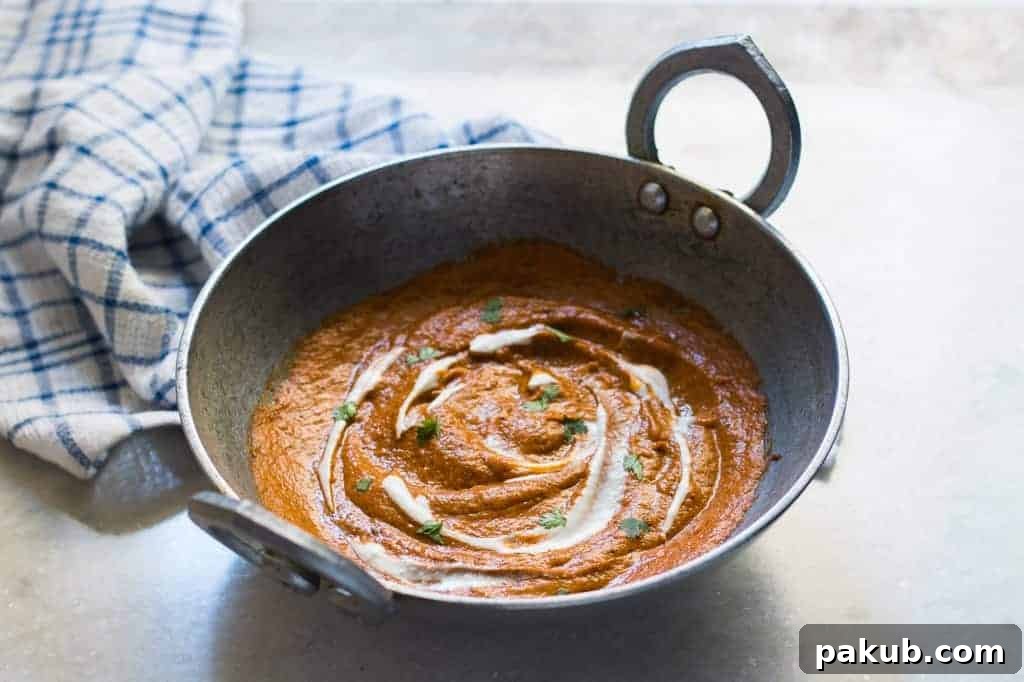
Unlock the secret to effortless Indian cooking with this incredible Makhani Gravy recipe! Perfect for busy schedules, this rich, creamy, and versatile curry base is designed for meal prep and is wonderfully freezer-friendly. Prepare a big batch and enjoy delicious homemade Indian meals anytime, without the daily cooking stress.
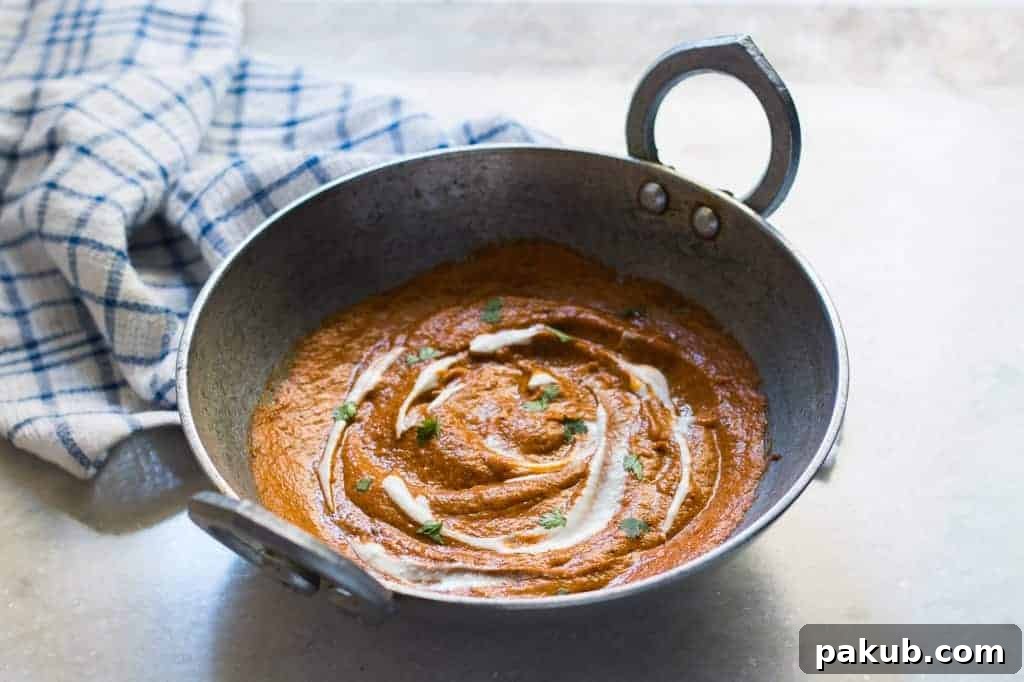
In today’s fast-paced world, finding time to cook healthy and flavorful meals can feel like a luxury. That’s why meal prepping has become a game-changer for so many, including myself. There’s truly no better feeling than returning home after a long day, knowing that dinner is practically ready, waiting for you in the fridge or freezer. Among all the dishes I prepare in advance, this Indian Makhani Gravy stands out as my absolute favorite. It’s not just a recipe; it’s a culinary shortcut to authentic Indian flavors, making weeknight dinners incredibly simple and stress-free.
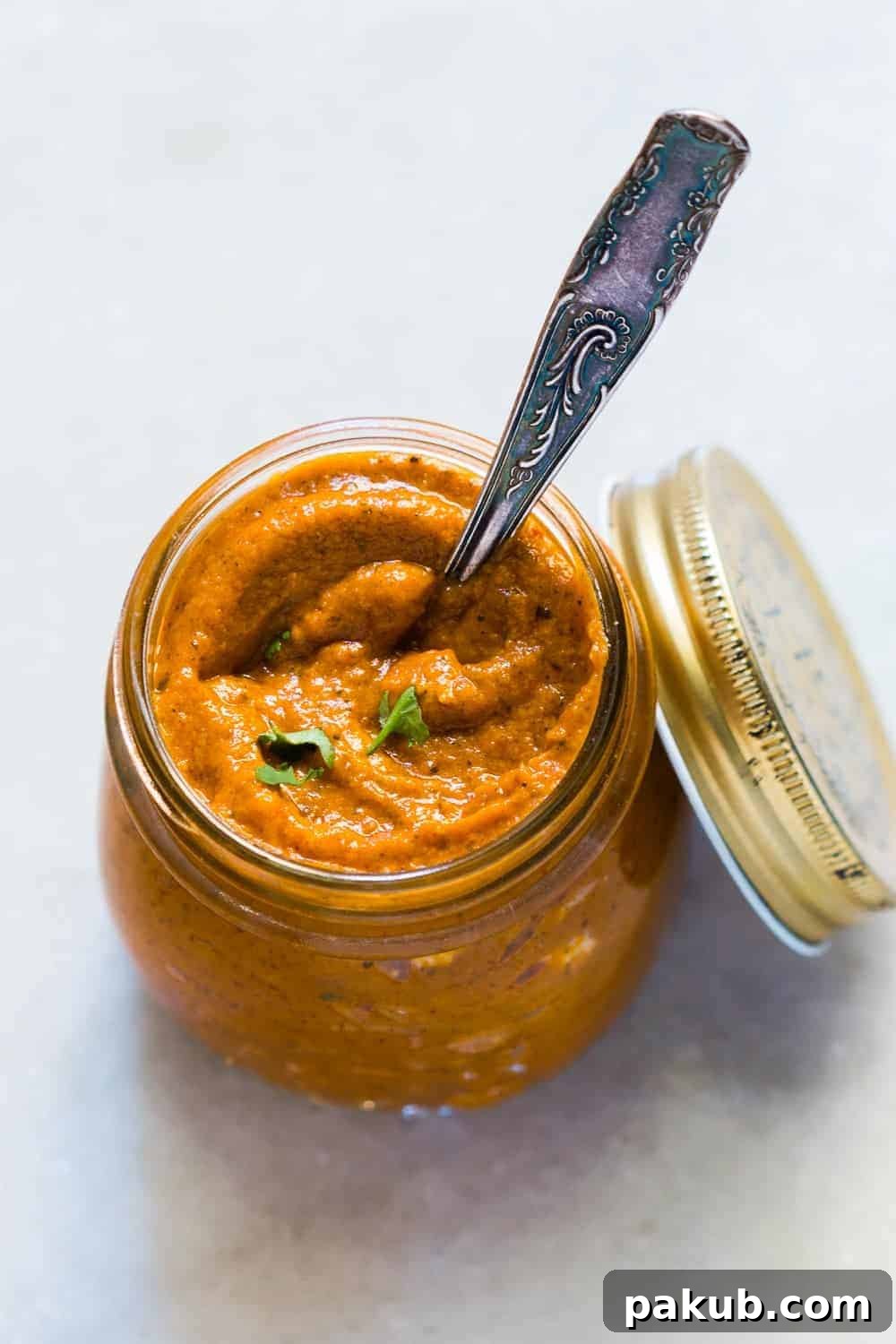
This rich and velvety Makhani gravy is a cornerstone of Indian cuisine, renowned for its delicate balance of sweet, tangy, and subtly spicy notes. If you’re a busy individual constantly on the go, mastering this base will revolutionize your approach to Indian cooking. Prepare a generous quantity and store it in convenient small jars or freezer-friendly zip-lock bags. Its versatility is truly remarkable, serving as the perfect foundation for an array of mouth-watering dishes such as Paneer Makhani, Murgh (Chicken) Makhani, the ever-popular Paneer Butter Masala, Chicken Butter Masala, hearty Veg Makhani, or even a unique Egg Makhani. This versatile gravy is your go-to for almost any creamy Indian curry, transforming simple ingredients into a gourmet experience.
Quick Walk Through: Indian Makhani Gravy
- The Magic Behind Makhani: A Flavor Profile Deep Dive
- Essential Ingredients for Authentic Makhani Gravy
- Top Tips To Make The Best Makhani Gravy
- FAQs About Makhani Gravy
- How To Make Indian Makhani Gravy (Curry)
- Beyond the Base: How to Use Your Makhani Gravy
- Storage, Freezing, and Reheating Best Practices
- Customizing Your Makhani: Tips for Variations
- Serving Suggestions for a Complete Indian Meal
- Troubleshooting Common Makhani Issues
- Try Our Other Indian Gravy Recipes
The Magic Behind Makhani: A Flavor Profile Deep Dive
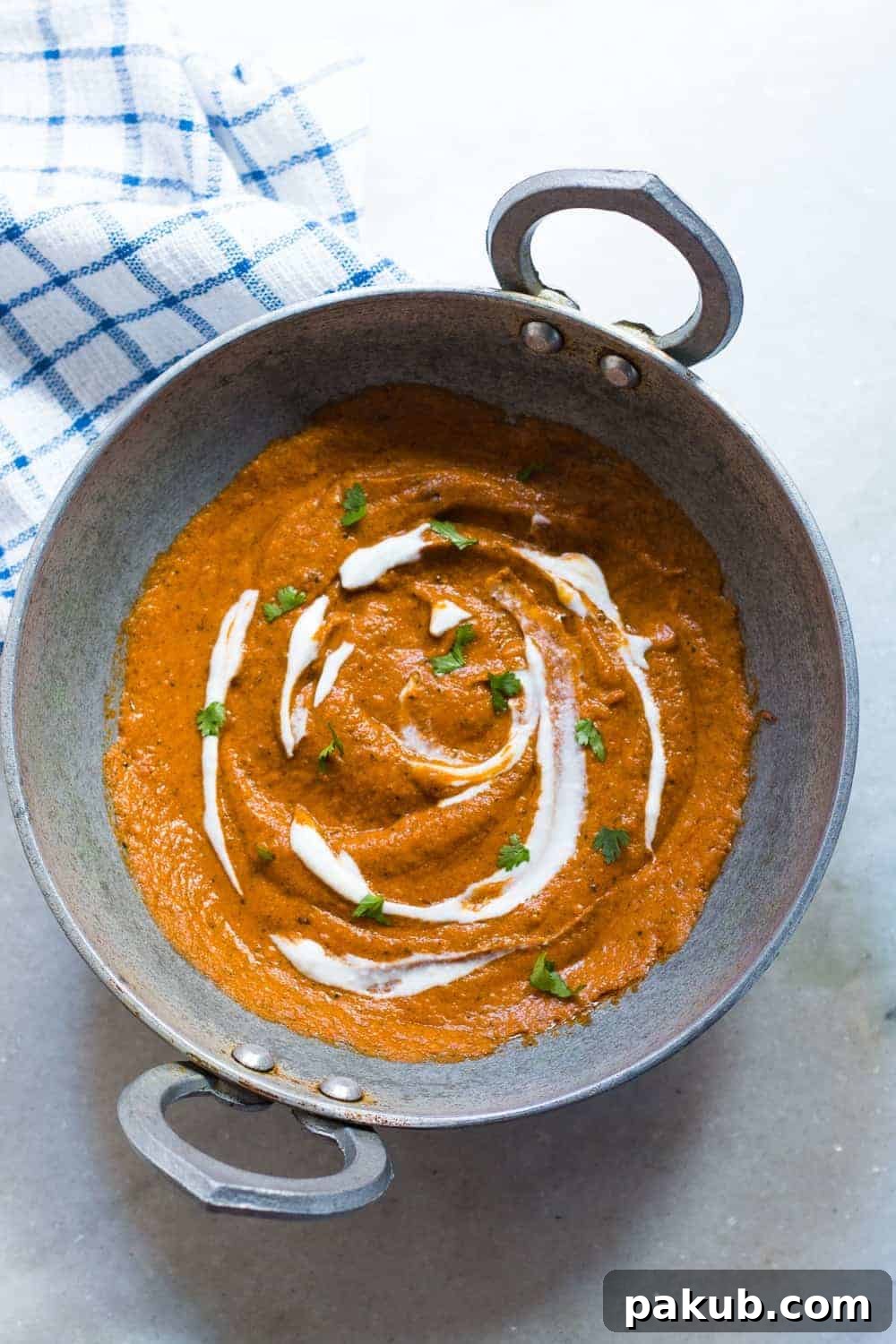
Makhani, which translates to “buttery,” perfectly describes this gravy’s signature richness. It’s characterized by a delicate balance of flavors: the sweetness of ripe tomatoes, the subtle heat from ginger and green chilies, the aromatic depth of whole spices like cinnamon and cardamom, and the luxurious creaminess imparted by cashews and fresh cream. Unlike many other Indian curries that rely heavily on onions and a complex blend of dry spices, Makhani gravy focuses on the natural sweetness of tomatoes, simmered down to a concentrated perfection. This creates a base that is inherently mild, yet deeply satisfying, making it universally appealing even to those new to Indian cuisine. The minimal use of ground spices allows the fresh ingredients to shine, resulting in a vibrant, comforting, and unforgettable taste experience.
Essential Ingredients for Authentic Makhani Gravy
Crafting the perfect Makhani gravy starts with understanding the role of each ingredient. Let’s break down the key components:
- Tomatoes: These are the star of the show. Using fresh, ripe, and juicy tomatoes is crucial for the gravy’s signature sweet and tangy flavor. They form the bulk of the base and contribute significantly to its color.
- Butter and Oil: The term “Makhani” literally means “buttery,” so butter is indispensable for that rich, luscious flavor. A combination with oil helps prevent the butter from burning and adds to the smooth texture.
- Aromatics: Ginger and Garlic Paste: These form the foundational aromatic layer, adding pungency and depth that are characteristic of Indian cooking.
- Whole Spices: Bay leaves, Cinnamon Sticks, Cloves, Cardamoms, Peppercorns: These whole spices are tempered in fat at the beginning, infusing the oil with a complex, warm aroma. They are often removed before grinding to ensure a silky-smooth texture, leaving behind only their essence.
- Cashew Nuts (and Poppy Seeds): These are critical for achieving the gravy’s signature creaminess and body. Cashews, when blended, create a naturally thick and velvety texture, eliminating the need for excessive cream. Poppy seeds (khus khus) further enhance the richness and add a subtle nutty flavor.
- Kashmiri Red Chilies: These chilies are prized not for their heat, but for their ability to impart a beautiful, deep red (or in our case, vibrant orange) color to the gravy without making it overly spicy.
- Powdered Spices: Garam Masala, Chili Powder, Turmeric Powder: These ground spices add the final layer of flavor complexity. Garam masala brings warmth, chili powder (alongside Kashmiri chilies) contributes a touch of heat, and turmeric adds earthy notes and a subtle golden hue.
- Ketchup: While not traditional in all recipes, ketchup adds a touch of sweetness and tanginess, enhancing the tomato flavor and contributing to the gravy’s rich color. It’s often used to achieve a balanced taste similar to restaurant-style curries.
- Sugar or Jaggery: An optional addition to further balance the tartness of the tomatoes and create a more rounded, slightly sweet flavor profile.
- Kasuri Methi (Dried Fenugreek Leaves): This is a non-negotiable ingredient for authentic Makhani. Dry-roasted and crushed, it adds an unmistakable, aromatic, slightly bitter, and uniquely Indian flavor that elevates the gravy.
- Fresh Cream: Added at the very end, fresh cream contributes to the luxurious mouthfeel and gives the gravy its signature silky finish.
Top Tips To Make The Best Makhani Gravy
- Batch Cooking for Efficiency: This recipe is designed to yield gravy for 8-10 servings, making it ideal for meal prepping. Feel free to easily double or halve the ingredients based on your household’s needs or the capacity of your freezer.
- Quality Storage is Key: When freezing, always use good quality, airtight freezer-friendly containers or sturdy zip-lock bags. This prevents freezer burn, maintains flavor, and ensures food safety for longer storage.
- Cashew Alternatives: If cashews are unavailable or you have dietary restrictions, you can achieve a similar creamy texture by substituting them with soaked almonds. Simply blanch and peel the almonds before soaking and grinding them into a paste.
- Vegan-Friendly Modifications: To transform this into a delicious vegan Makhani curry base, easily replace the butter with your preferred cooking oil (like coconut or olive oil) and swap the fresh cream with full-fat coconut milk or a plant-based cream alternative.
- Achieving the Right Color: For that vibrant orange-red hue without artificial food coloring, ensure you use ripe, red tomatoes and Kashmiri red chilies. The natural pigments are sufficient for a beautiful, appetizing color.
- Patience with Simmering: Don’t rush the simmering process. Allowing the gravy to cook slowly for the recommended time helps the flavors meld and deepen, and allows the oil to separate, indicating that the gravy is perfectly cooked and ready for storage.
- Blend Until Perfectly Smooth: For the characteristic silky texture of Makhani, blend the cooked tomato-spice mixture until it’s absolutely smooth. You might even want to pass it through a fine-mesh sieve for an ultra-velvety finish, though this is optional.
FAQs About Makhani Gravy
Makhani gravy is primarily made with a base of ripe tomatoes, ginger, garlic, and a fragrant blend of whole and ground Indian spices. Key ingredients like cashews and fresh cream are added to achieve its signature rich, creamy, and luscious finish. It often has a balanced sweet and tangy profile.
When properly stored in airtight containers or freezer bags, homemade Makhani gravy can last for up to 3 months in the freezer. Thaw it overnight in the refrigerator before reheating and using.
Absolutely! The spice level is easily adjustable. You can reduce the number of green chilies and Kashmiri red chilies, or even omit the regular chili powder for a milder flavor. The Kashmiri chilies are mostly for color, contributing minimal heat.
For best results, thaw the frozen gravy in the refrigerator overnight. Once thawed, gently reheat it in a saucepan over medium-low heat, stirring occasionally. You might need to add a splash of water or milk to adjust the consistency if it’s too thick.
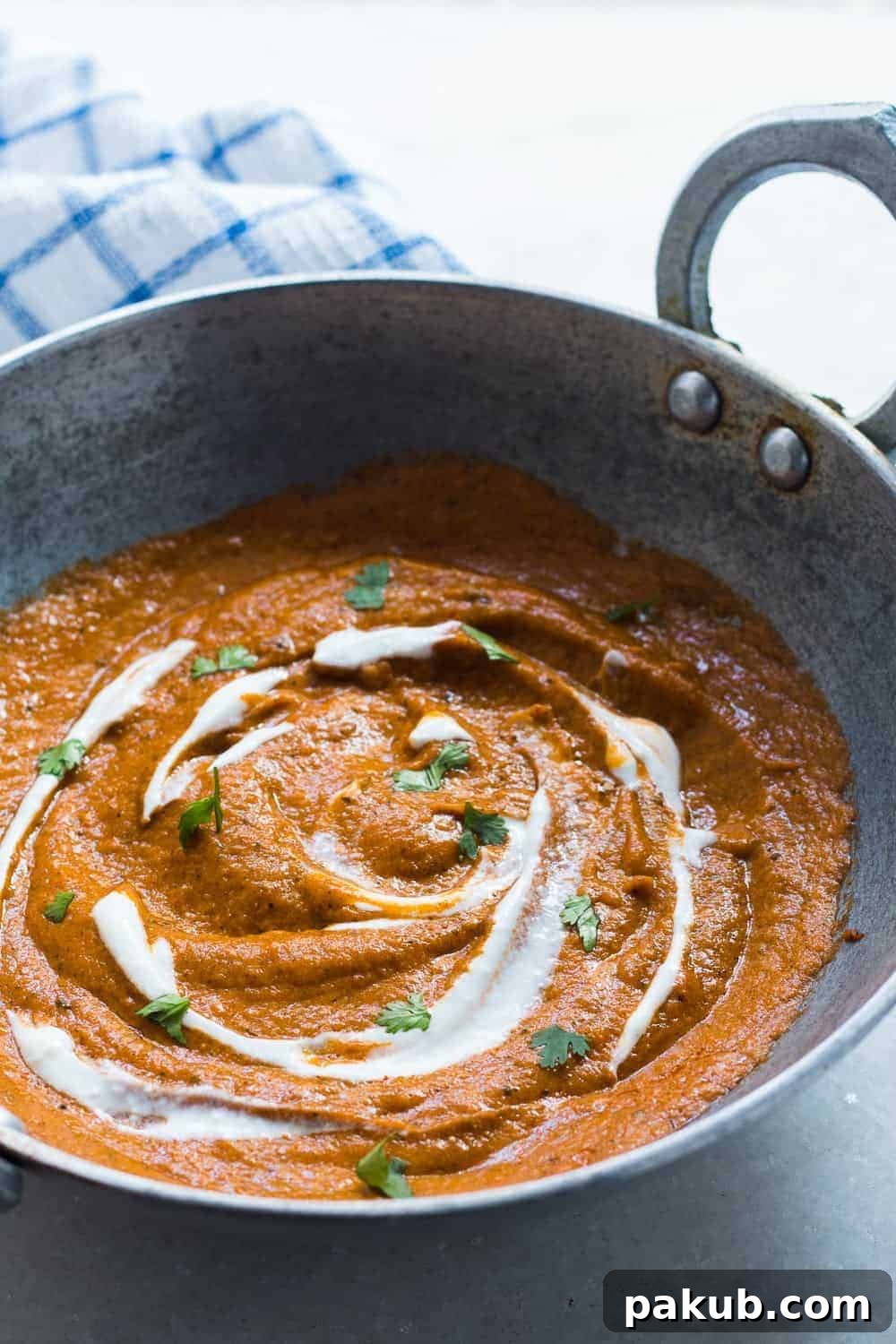
You might notice that most Indian restaurants serve gravies that boast an incredibly deep red hue. If you haven’t guessed it yet, that vibrant, almost artificial color often comes from food coloring. While there’s a time and place for such visual drama (like when we’re whipping up our Red Velvet Crinkle Cookies), we prefer to steer clear of artificial additives in our savory dishes. That’s why our homemade Makhani gravy, though inspired by the restaurant style, features a beautiful, natural orange instead of the wildly intense red you might be used to seeing. This authentic color is a testament to the quality of our ingredients, primarily fresh, ripe tomatoes and Kashmiri red chilies, proving that delicious and visually appealing food doesn’t need artificial enhancements.
I know you’re tempted, and trust me, once you try making Makhani this way, you’ll never look back!
How To Make Indian Makhani Gravy (Curry)
Rate Recipe
Print Recipe
Ingredients
- 4 tablespoons Butter
- 2 tablespoons Oil
- 1 Green Chili
- 4 Kashmiri Red Chilies
- 2 tablespoons Ginger, Paste
- 1 tablespoon Garlic, Paste
- 2 Bayleaves
- 2 Cinnamon, Sticks
- 5 – 6 Cloves
- 2 Cardamoms
- 1 teaspoon Peppercorns
- 2 tablespoons Cashewnuts, chopped
- 1 tablespoon Poppy Seeds, Khus Khus
- 14 Tomatoes, large (1 1/2 Kg , coarsely chopped)
- 1 tablespoon Garam Masala Powder
- 1 teaspoon Chili Powder
- 1/2 teaspoon Turmeric Powder
- 3 tablespoons Ketchup
- 1 tablespoon Sugar, or Jaggery (Optional)
- 2 tablespoons Kasuri Methi, Dry
- 2 tablespoons Fresh Cream
- Salt to taste
Instructions
- In a large pan or kadhai, heat 1 tablespoon of butter and 2 tablespoons of oil over medium heat.
- Add the green chili, Kashmiri red chilies, ginger paste, garlic paste, and all the whole spices (bay leaves, cinnamon sticks, cloves, cardamoms, peppercorns). Sauté for 1-2 minutes until fragrant. Then, add the chopped cashew nuts, poppy seeds, and coarsely chopped tomatoes. Mix everything well. Cover the pan and cook for 10-15 minutes, or until the tomatoes soften and start to break down. Turn off the flame and let the mixture cool completely.
- Once the mixture is cool enough to handle, carefully remove as many of the whole spices (bay leaves, cinnamon sticks) as possible. Transfer the mixture to a blender and grind it into a super smooth paste. Add a little water if needed to help with blending, but keep it thick.
- In the same pan or kadhai, heat the remaining butter. Add the finely ground tomato-cashew paste from the previous step. Stir in the garam masala powder, chili powder, turmeric powder, ketchup, salt, and sugar or jaggery (if using) along with 1/2 cup of water. Bring this mixture to a gentle boil, stirring continuously.
- Once the curry reaches a boil, reduce the heat to low, cover, and simmer for 30 minutes. Stir occasionally to prevent sticking. Continue cooking until the oil visibly separates from the gravy, indicating that it’s thoroughly cooked and the flavors have deepened. In a separate small pan, dry roast the kasuri methi over low heat for about 30 seconds until aromatic, then crush it between your palms to a fine powder. Stir the crushed kasuri methi and fresh cream into the simmering curry. Mix well, then immediately switch off the flame.
- Allow the finished Makhani gravy to cool down completely to room temperature before dividing it into smaller, individual portions. Freeze these portions in airtight containers or heavy-duty zip-lock bags for future use.
Notes for Perfect Makhani Gravy
- Tomatoes: For convenience, you can substitute fresh tomatoes with three 15-ounce cans of diced tomatoes, or use 4 cups of high-quality tomato puree or passata. Ensure to adjust sweetness/tartness accordingly.
- Garam Masala: We highly recommend using homemade garam masala for the best flavor, but any good quality store-bought garam masala will work. Please remember that garam masala is a distinct spice blend and is not the same as general curry powder.
- Butter: While butter is fundamental to Makhani, you can substitute it with ghee (clarified butter) for a richer, nuttier flavor profile, if preferred.
- Sweetness from Ketchup: A subtle sweetness in Makhani (or Butter Chicken) beautifully balances the acidity from the tomatoes. Adjust the amount of ketchup, sugar, or jaggery to your personal taste preference. Some prefer it tangier, others sweeter.
- Whole Spices: While we recommend removing larger whole spices like bay leaves and cinnamon sticks before blending for a smoother texture, leaving smaller spices like cloves and peppercorns in for blending can add an extra layer of flavor complexity if you don’t mind a slightly less silky texture.
Nutrition
Per Serving (approximate for 10 servings):
- Calories: 143 kcal
- Carbohydrates: 13g
- Protein: 3g
- Fat: 10g
- Saturated Fat: 4g
- Cholesterol: 16mg
- Sodium: 203mg
- Potassium: 462mg
- Fiber: 4g
- Sugar: 7g
- Vitamin A: 1701 IU
- Vitamin C: 25mg
- Calcium: 53mg
- Iron: 1mg
Beyond the Base: How to Use Your Makhani Gravy
Once you have this magical Makhani gravy prepped, the possibilities are endless. Its rich, creamy texture and balanced flavors make it suitable for a wide variety of main courses. Here are some popular and creative ways to utilize your freezer-friendly curry base:
- Paneer Makhani: Simply add cubes of fresh paneer (Indian cheese) to the reheated gravy and simmer for a few minutes until heated through. Garnish with fresh cilantro.
- Murgh (Chicken) Makhani / Butter Chicken: The most famous application! Sauté pre-cooked chicken pieces (tandoori, grilled, or pan-fried) in a little butter, then add them to your Makhani gravy. Simmer until the chicken is tender and coated beautifully.
- Veg Makhani: A delightful vegetarian option. Sauté a mix of your favorite vegetables like peas, carrots, green beans, potatoes, or cauliflower. Add them to the gravy and cook until tender.
- Egg Makhani: For a quick and protein-rich meal, add hard-boiled eggs (halved or whole) to the warm gravy and let them soak up the flavors.
- Makhani Daal (Lentils): While different from traditional Dal Makhani, you can use this gravy to enrich simpler lentil dishes (like moong dal or masoor dal) for a creamy twist.
- Seafood Makhani: Gently poach shrimp, fish, or other seafood in the simmering gravy for a luxurious and flavorful seafood curry. Be careful not to overcook the seafood.
- Lamb/Goat Makhani: Slow-cook tender pieces of lamb or goat in the gravy for a rich, hearty, and intensely flavorful meat dish. This works best when the meat is partially cooked beforehand.
- Makhani Pasta Sauce: For a fusion twist, use the gravy as a base for an Indian-inspired pasta sauce. Add some sautéed veggies or chicken, and toss with your favorite pasta.
- Makhani Dosa or Uttapam Topping: Spread a thin layer of this flavorful gravy on dosas or uttapams for a unique and delicious breakfast or snack.
Storage, Freezing, and Reheating Best Practices
The beauty of this Makhani gravy recipe lies in its excellent freezer-friendliness, making meal prep a breeze. Follow these guidelines to ensure your gravy remains fresh and delicious for future use:
Cooling:
- Always allow the gravy to cool completely to room temperature before storing or freezing. Transferring hot gravy directly to the fridge or freezer can raise the internal temperature of your appliance and potentially affect other foods.
Storage in the Refrigerator:
- Once cooled, transfer the gravy to an airtight container. It will stay fresh in the refrigerator for up to 4-5 days.
Freezing for Long-Term Storage:
- Containers: Use rigid, freezer-safe plastic containers or glass jars (ensure they are freezer-safe to prevent cracking). Leave about an inch of headspace if using jars, as liquids expand when frozen.
- Freezer Bags: For space efficiency, portion the cooled gravy into heavy-duty freezer-safe zip-lock bags. Lay them flat on a baking sheet to freeze, then stack them vertically to save space once solid.
- Labeling: Always label your containers or bags with the date of preparation. This helps you keep track of freshness.
- Duration: Properly frozen Makhani gravy can be stored for up to 3 months without significant loss of quality or flavor.
Thawing:
- Refrigerator: The safest and best method is to transfer the frozen gravy to the refrigerator overnight (8-12 hours) to thaw gradually.
- Cold Water Bath: For quicker thawing, place the sealed bag or container of gravy in a bowl of cold water. Change the water every 30 minutes until thawed. Do not use hot water, as it can encourage bacterial growth.
- Microwave: If you’re in a hurry, you can thaw the gravy in the microwave using the defrost setting. Stir frequently to ensure even thawing.
Reheating:
- Stovetop: Transfer the thawed gravy to a saucepan and heat over medium-low heat, stirring occasionally, until it’s gently simmering and thoroughly heated through.
- Consistency: The gravy might thicken slightly upon thawing. You can adjust the consistency by adding a splash of water, milk, or a little cream as it reheats, stirring until desired richness is achieved.
- Final Touches: Once reheated, you can add your choice of protein (paneer, chicken, vegetables) and fresh cream, and garnish with kasuri methi or fresh cilantro.
Customizing Your Makhani: Tips for Variations
While the classic Makhani gravy is perfect as is, feel free to experiment and adjust it to your taste and dietary needs:
- Spice Level: For more heat, add an extra green chili or a pinch more red chili powder. For a milder version, reduce the amount of chilies.
- Sweetness/Tanginess: Adjust the ketchup, sugar, or jaggery to find your perfect balance. A little extra sugar can mellow out tart tomatoes, while a squeeze of lime juice at the end can brighten the flavors.
- Nut-Free Option: If you have a nut allergy, you can substitute cashews with sunflower seeds, cantaloupe seeds, or even a tablespoon of all-purpose flour (maida) cooked with the tomatoes to achieve thickening, though the texture and flavor will be slightly different.
- Dairy-Free/Vegan: As mentioned in the tips, swap butter for oil and fresh cream for full-fat coconut milk or a plant-based cream. Ensure all other ingredients are dairy-free.
- Smoked Flavor: For a subtle smoky flavor reminiscent of tandoor cooking, consider the “dhungar” method: place a small heat-proof bowl in the gravy, put a hot charcoal piece in it, drizzle ghee over the charcoal, and cover immediately for a few minutes.
- Herbaceous Twist: While not traditional, a hint of fresh cilantro or mint blended into the gravy (before the final simmer) can add an interesting herbaceous note.
- Tomato Variety: Experiment with different types of tomatoes for varying sweetness and acidity. Roma tomatoes are often favored for their lower water content and richer flesh.
Serving Suggestions for a Complete Indian Meal
A delicious Makhani-based curry deserves equally delightful accompaniments. Here are some serving suggestions to create a complete and satisfying Indian meal:
- Indian Breads: Serve hot with freshly made naan bread (garlic naan is a fantastic choice!), butter roti, tandoori roti, or laccha paratha. These are perfect for scooping up every last drop of the rich gravy.
- Rice: A classic pairing is fluffy basmati rice, jeera rice (cumin rice), or saffron rice. The lightness of the rice beautifully complements the richness of the curry.
- Raita: A cooling side of cucumber raita or boondi raita (yogurt with fried gram flour pearls) provides a refreshing contrast to the creamy curry.
- Fresh Salad: A simple kachumber salad (diced cucumbers, tomatoes, onions with lemon juice and spices) offers crunch and a fresh element.
- Pickle & Chutney: A small serving of your favorite Indian pickle or a sweet mango chutney can add an extra layer of flavor and zest to the meal.
- Onion Rings: Thinly sliced raw onion rings, sometimes marinated in a little vinegar, can add a sharp, refreshing bite.
Troubleshooting Common Makhani Issues
Even with a great recipe, sometimes things don’t go exactly as planned. Here are solutions to common Makhani gravy problems:
- Gravy is Too Sour: This often happens if the tomatoes are very tart. To fix, add a bit more sugar or jaggery. A teaspoon of baking soda can also neutralize acidity, but add it slowly and carefully, as it will fizz.
- Gravy is Not Creamy Enough: Ensure you’ve used enough cashews and blended the mixture thoroughly. If it’s still not creamy, you can add a bit more fresh cream, a spoonful of yogurt, or a small amount of cashew paste (soaked and blended cashews) at the end.
- Gravy is Too Thin: Continue simmering the gravy uncovered over low heat to reduce it and thicken naturally. You can also mix a teaspoon of cornstarch with a little water and stir it into the simmering gravy to thicken it quickly.
- Gravy is Too Thick: Simply add a splash of warm water, milk, or cream until it reaches your desired consistency.
- Gravy is Lacking Flavor: Taste and adjust. It might need more salt, a pinch more garam masala, or a touch more kasuri methi. Sometimes, a tiny bit of red chili powder (for heat) or sugar (for balance) can wake up the flavors.
- Gravy has a Raw Taste: This usually means it hasn’t simmered long enough. Continue cooking on low heat until the oil separates and the raw tomato smell disappears. Patience is key!
- Oil Separating Too Much: A little oil separation is desired, but if it’s excessive, it could be due to over-simmering or using too much oil. When reheating, stir it well, and it usually re-emulsifies. Adding a tiny bit more cream can also help bind it.
Like this recipe? Rate and comment below!
Your feedback helps us share more delicious recipes.
Try Our Other Indian Gravy Recipes
- Bhuna Masala – The Ultimate Everyday Curry Paste
- Authentic Dal Makhani – Creamy Black Lentils
- Rich Vegetable Korma Curry
- Classic Mughlai Chicken Curry