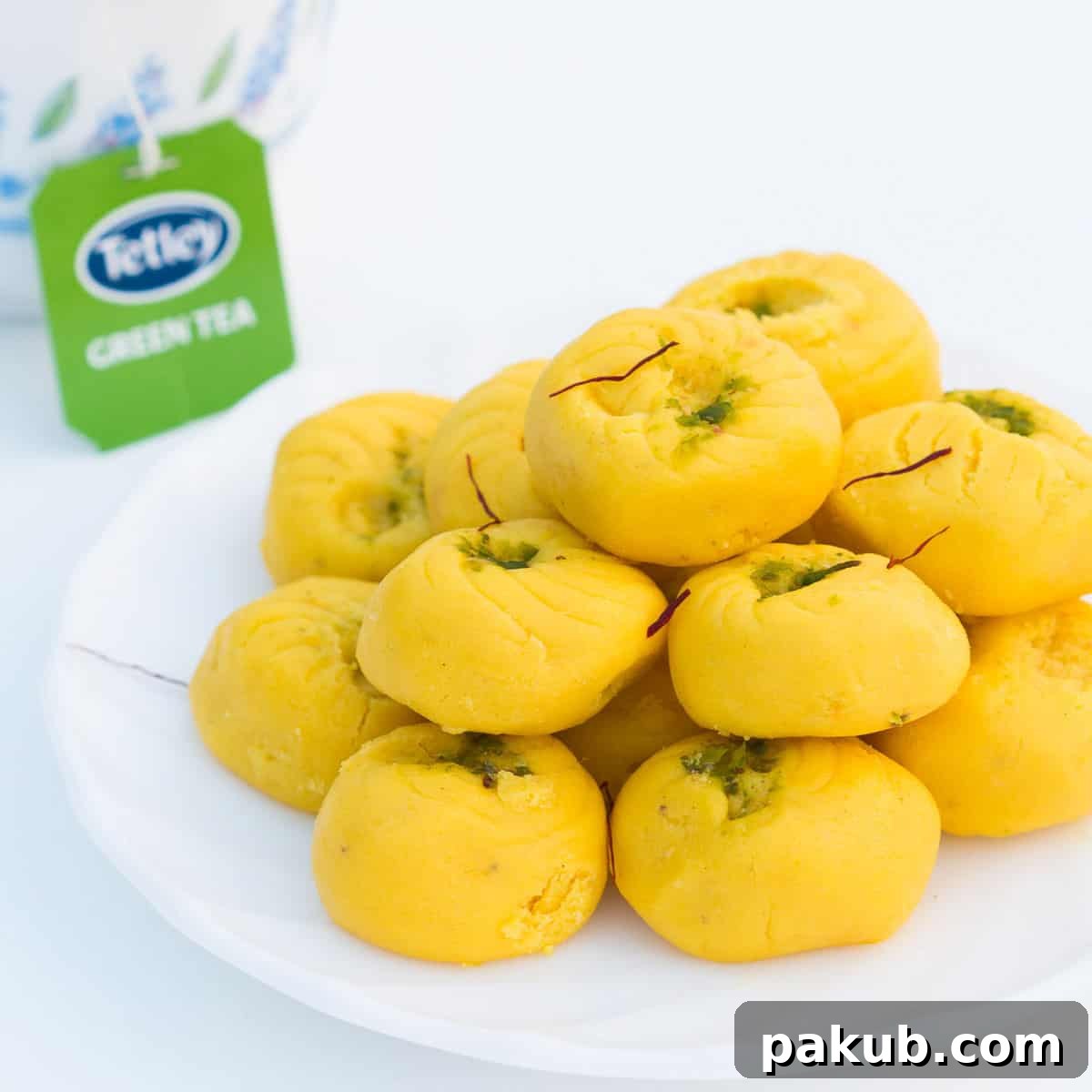
Indulge in the rich flavors of Easy Kesar Pedas, a cherished Indian sweet perfect for any festive gathering. These saffron-infused delights offer a delicate balance of creamy texture and a satisfying pistachio crunch. Prepare to make extra, as they are sure to vanish quickly from your celebration table!
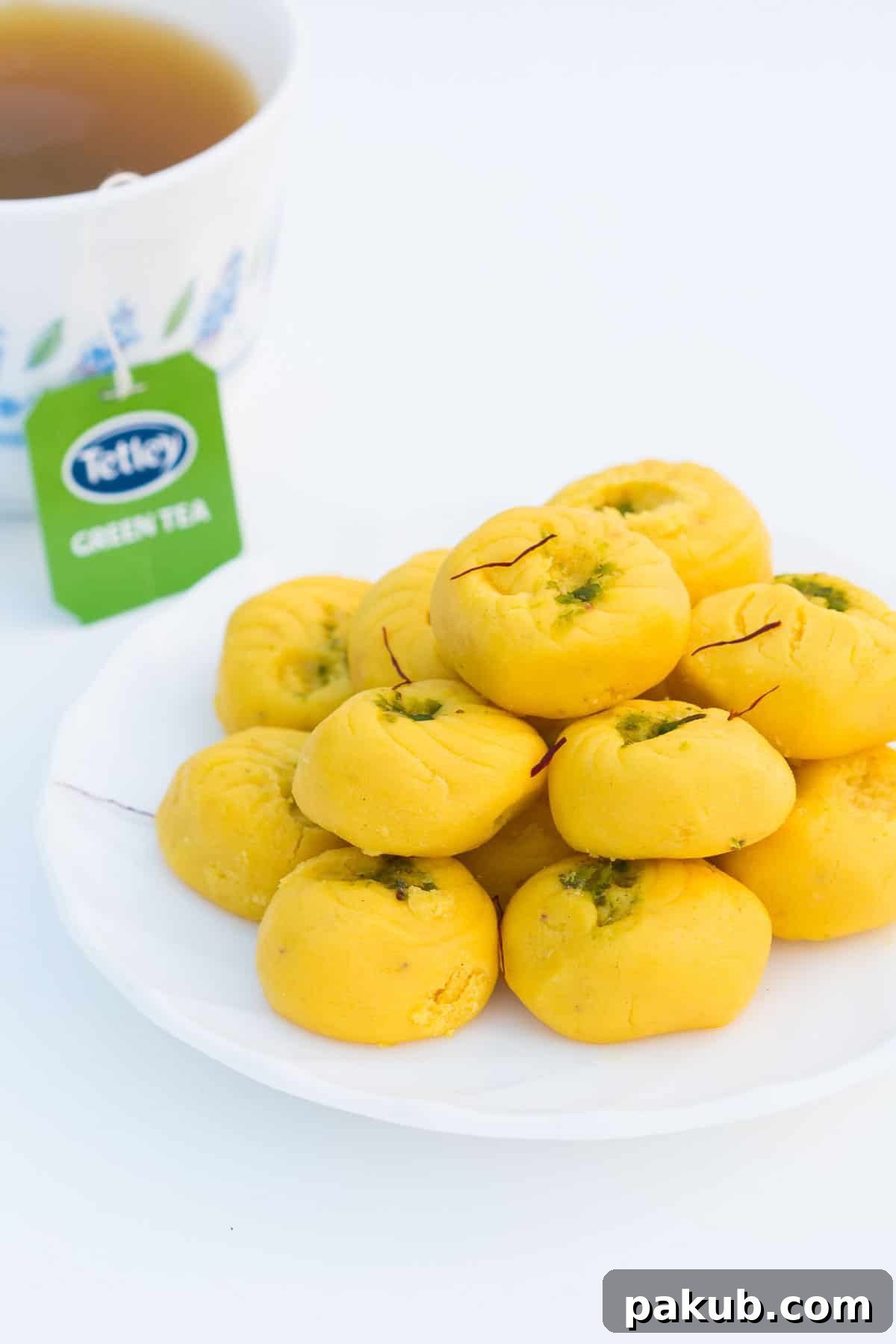
Easy Kesar Pedas: The Quintessential Indian Saffron Sweet for Every Celebration
For anyone who grew up in India, the mere mention of ‘pedas’ conjures vivid memories of festive seasons, family gatherings, and the pure joy of biting into these exquisite milk-based sweets. Kesar Pedas, in particular, hold a special place in our hearts. Their vibrant saffron hue, delicate aroma, and melt-in-your-mouth texture make them an irresistible treat. Forget the store-bought versions; this homemade Kesar Peda recipe is designed to be super soft, incredibly flavorful, and just as authentic. The golden glow from the saffron (kesar) and the subtle crunch of pistachios elevate these little beauties into something truly magical, making them absolutely perfect for Diwali, Holi, or any special occasion that calls for a touch of sweetness. Dive into this guide to create a timeless dessert that will impress everyone.
Table of Contents
- The Magic of Kesar Pedas: Ingredients That Delight
- Why Homemade Kesar Pedas Are Always a Better Choice
- Expert Tips for Crafting Perfect Kesar Pedas
- Frequently Asked Questions About Kesar Pedas
- Easy Kesar Pedas Recipe: Step-by-Step Guide
- Serving Suggestions for Your Kesar Pedas
- More Irresistible Indian Sweets You Must Try
The Magic of Kesar Pedas: Ingredients That Delight
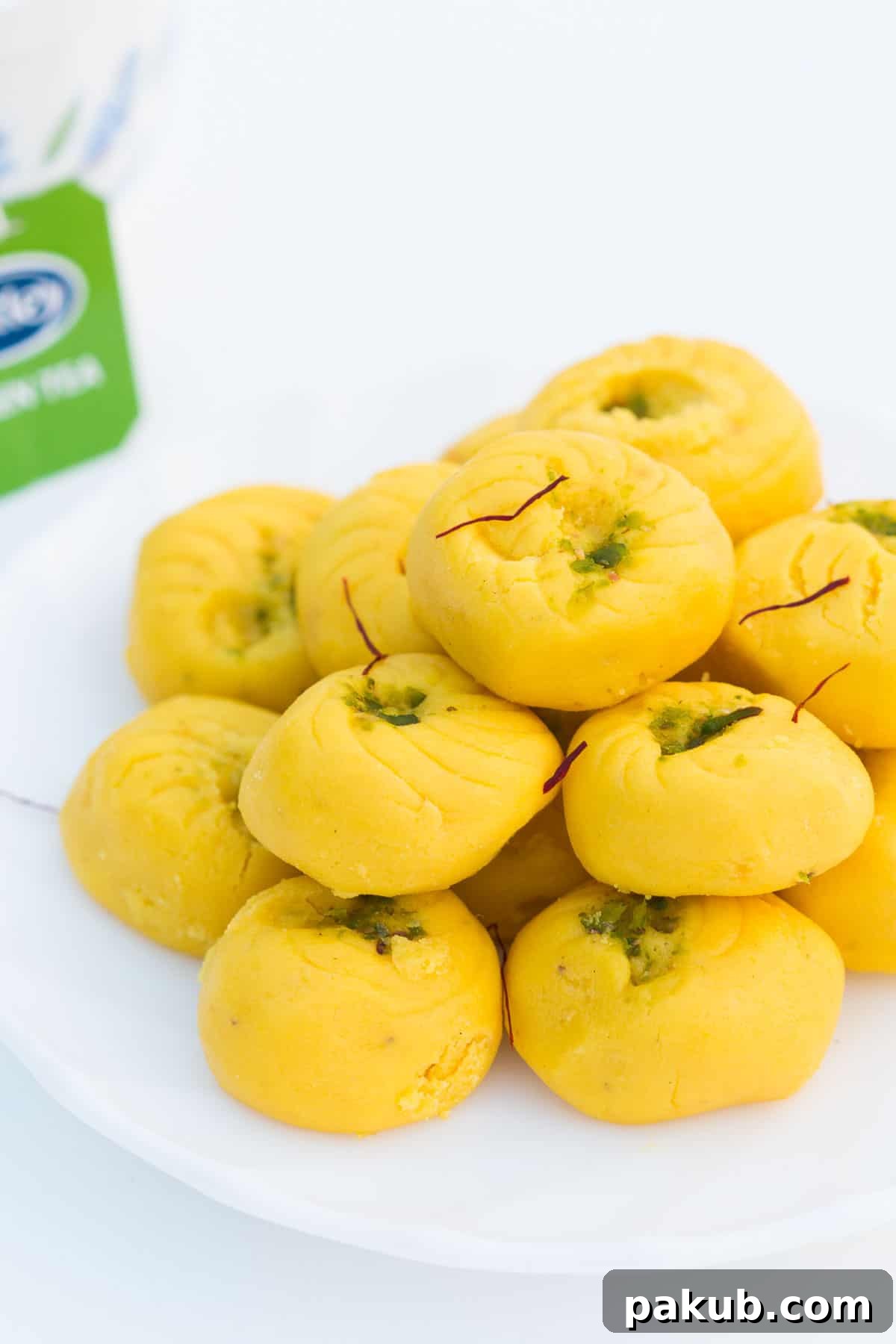
Kesar Pedas are more than just a sweet; they are a celebration of simple, high-quality ingredients coming together to create something truly extraordinary. At its heart, a peda is primarily made from khoya (also known as mawa), which consists of dried evaporated milk solids. This rich, creamy base is crucial for giving pedas their distinctive texture and profound depth of flavor. The inclusion of premium saffron (kesar) is what truly sets Kesar Pedas apart from other milk sweets. Saffron, often referred to as ‘red gold’ due to its high value, imparts a beautiful golden-yellow hue and a uniquely subtle, slightly floral, and sweet aroma that is instantly recognizable and deeply comforting. When paired with the warm, aromatic notes of freshly ground cardamom powder, each bite becomes a symphony of traditional Indian flavors that transport you to a culinary paradise. The added crunch from thinly sliced pistachios (pista) not only provides a delightful textural contrast but also a lovely visual appeal, making these sweets as pleasant to look at as they are to savor. Beyond their delightful taste, saffron is also lauded for its potential health benefits, known for its powerful antioxidant properties and its traditional use in various wellness practices.
Why Homemade Kesar Pedas Are Always a Better Choice
While the convenience of store-bought sweets is undeniable, making Kesar Pedas at home offers an unparalleled experience that truly elevates your festive celebrations. Firstly, crafting these delightful treats yourself gives you complete control over the quality and freshness of every ingredient. This means you can avoid artificial colors, preservatives, and unnecessary additives often found in commercial versions, ensuring that your family and guests enjoy a pure, wholesome dessert. Secondly, there’s an immense sense of accomplishment and pride that comes with preparing traditional sweets from scratch. The act of cooking and the intoxicating aroma of saffron and cardamom filling your kitchen become an integral part of the festive magic itself. Furthermore, the taste of homemade pedas, lovingly crafted with attention and care, often surpasses any commercial offering. They might not always possess the machine-perfect uniformity, but their rustic charm only adds to their authentic appeal, offering a genuine taste of handcrafted goodness in every soft, fragrant bite. Homemade treats also carry the warmth of personal effort, making them extra special for gifting or sharing with loved ones.
Expert Tips for Crafting Perfect Kesar Pedas
Achieving perfectly soft, flavorful, and crack-free Kesar Pedas is simpler than you might think with these expert tips and insights:
- The Khoya Conundrum: Choosing Your Base. Traditionally, khoya would be meticulously made at home by slowly reducing large quantities of milk, a process that can easily take several hours. To save significant time and effort without compromising on the authentic taste, I highly recommend purchasing ready-made khoya from a reputable dairy store or a well-known Indian sweet shop (halwai). When selecting khoya, look for a fresh, unadulterated variety that is moist, slightly crumbly, and has a pleasant, rich milky aroma. If you are adventurous and prefer to make your own khoya from scratch, be prepared for a longer cooking duration and continuous stirring. Alternatively, for those in areas where fresh khoya is scarce, good quality full-fat milk powder can be used to create instant khoya, offering a convenient substitute.
- Saffron Quality is Paramount: The intensity of the beautiful golden color and the deep, aromatic flavor in your pedas largely depends on the quality of the saffron (Kesar) you use. Invest in high-grade saffron strands, as a small amount of superior quality saffron goes a very long way. Always soak the saffron in warm milk for at least 10-15 minutes prior to adding it to the mixture. This crucial step allows the saffron to fully bloom and release its vibrant color and complex flavor, infusing the milk with its distinctive essence.
- Customizing Sweetness: The sugar quantity provided in this recipe serves as an excellent starting point. However, palates vary, so feel free to adjust the amount of sugar according to your personal preference. Remember that khoya itself possesses a subtle, natural sweetness, so taste as you go along, if possible, to achieve your desired level of sweetness.
- Mastering the Heat: When cooking the khoya and sugar mixture, it is vital to maintain a consistent low to medium flame and stir continuously and diligently. This constant agitation prevents the mixture from sticking to the bottom of the pan and burning, which can result in an unpleasant, chewy texture and a burnt taste. Patience is key during this stage; the mixture will first loosen up and become more liquid as the sugar melts, and then it will gradually thicken again. Do not rush this process.
- The Importance of Cooling: After the khoya mixture has been cooked to the right consistency, immediately remove the pan from the heat. Transfer the mixture to a clean plate or a shallow dish and allow it to cool down completely to room temperature, or at least until it’s comfortable and safe to handle with your bare hands. Attempting to shape warm pedas will invariably lead to a sticky, unmanageable mess and an uneven texture in the final product.
- Kneading for a Silky Smooth Finish: Once the mixture has sufficiently cooled, lightly knead it for a minute or two using your fingertips. This gentle kneading helps to smooth out any tiny lumps, creating a uniform, soft, and pliable dough-like consistency that is ideal for shaping. If you find the mixture feels a bit dry or crumbly, incorporate about half a teaspoon of ghee (clarified butter) and knead it in thoroughly; this will not only add moisture and flexibility but also impart a beautiful, lustrous shine to your pedas.
- Garnish with Creativity: While thinly sliced pistachios are a classic and visually stunning garnish for Kesar Pedas, don’t hesitate to explore other options and express your culinary creativity! You can experiment with finely chopped almonds, cashews, or even delicate edible silver leaf (varq) for an extra touch of traditional elegance. A sprinkle of dried rose petals also makes a fragrant and aesthetically pleasing addition, enhancing both the look and aroma of your homemade pedas.
Frequently Asked Questions About Kesar Pedas
While both pedas and barfis are beloved Indian milk-based sweets, often crafted from similar primary ingredients like khoya (milk solids) and sugar, their primary distinction lies in their texture and presentation. Pedas typically possess a slightly firmer, chewier, and often granular texture, and are traditionally hand-shaped into small, rounded, sometimes slightly flattened discs. Barfis, conversely, are characterized by a denser, more solid, fudge-like consistency and are invariably cut into geometric shapes such as squares, diamonds, or rectangles, frequently adorned with an edible silver leaf (vark) for a regal finish.
The most prevalent reason for pedas becoming chewy is overcooking the khoya and sugar mixture. When the mixture is cooked for an excessive duration or subjected to a heat that is too high, the sugar can caramelize excessively, or the milk solids can become overly stiff and dense. To mitigate this, ensure you cook the mixture on a medium to low flame, stirring diligently and continuously. Remove it from the heat as soon as it reaches a cohesive, sticky, dough-like consistency that just begins to pull away from the sides of the pan. Allowing the mixture to cool completely before shaping is also critical in achieving the desired soft, melt-in-your-mouth texture.
While a few minor, natural cracks can occur in homemade pedas, an abundance of cracks typically indicates that the mixture was overcooked and has become excessively dry. When the dough lacks sufficient moisture, it struggles to hold its shape smoothly. If you observe significant cracking while attempting to shape your pedas, try incorporating a tiny bit (about half a teaspoon) of ghee (clarified butter) into the cooled peda dough and knead it gently. The ghee will add much-needed moisture and fat, making the mixture more pliable, smoother, and significantly easier to shape into beautiful, crack-free pedas.
Kesar Pedas are most delightful when enjoyed fresh, but they also boast excellent shelf life. When stored properly in an airtight container within the refrigerator, these delectable sweets can easily maintain their freshness and flavor for up to 3 weeks. For extended preservation, you have the option to freeze them for up to 2-3 months. If frozen, remember to thaw them gradually at room temperature for several hours before serving to restore their tender texture.
Absolutely! If fresh khoya is not readily available in your area, or if you prefer a quicker alternative, a good quality full-fat milk powder can be an excellent substitute to create ‘instant khoya’. To do this, you would typically mix the milk powder with a small amount of milk and ghee to form a thick paste, then gently cook it until it reaches a consistency similar to traditional khoya. This method makes homemade pedas accessible to everyone, regardless of geographical limitations.
While saffron (kesar) is the star ingredient that gives “Kesar” Pedas their signature flavor and color, you can certainly make delicious milk pedas even without it. You can simply omit the saffron, resulting in a traditional ‘plain peda’. For a similar vibrant look, you could add a tiny pinch of edible yellow food color. Alternatively, for a different aromatic profile, a drop of rose essence, a dash of nutmeg powder, or a hint of screwpine (kewra) water could offer delightful variations to your milk pedas.
There’s an unparalleled joy in creating these handmade pedas. They might not possess the machine-perfect symmetry of a sweet shop, but their authentic taste, wholesome ingredients, and the immense pride of having crafted them yourself are truly priceless. Each bite of these soft, fragrant pedas is a testament to traditional flavors and culinary passion, a delightful memory in the making.
If you’re making these irresistible sweets but are also mindful of maintaining a balanced diet during festive times, consider exploring strategies for healthy indulgence. You might find my insights on 5 Tips to Eat Healthy this Festive Season helpful for smart celebrations!
Easy Kesar Pedas
Read FAQs
Print Recipe
Ingredients
- 300 grams Khoya (milk solids, preferably fresh)
- 4 tablespoons Granulated Sugar (adjust to your sweetness preference)
- 15-20 Strands Kesar, or high-quality saffron
- 2 tablespoons Milk (warm, for soaking saffron)
- 1/4 teaspoon Cardamom Powder (freshly ground for best flavor)
- 1 tablespoon Pistachios, thinly sliced (for garnish)
- 1/2 teaspoon Ghee (clarified butter, optional, for kneading and shine)
Instructions
-
1. Prepare the Saffron Milk: Gently warm 2 tablespoons of milk in a small bowl or microwave until it’s just warm to the touch (ensure it does not boil). Add the saffron strands to this warm milk and let it soak for at least 10-15 minutes. This crucial step allows the saffron to fully bloom and release its beautiful golden color and potent, complex aroma, thoroughly infusing the milk with its distinctive essence. Set this aromatic saffron milk aside to be used later.
-
2. Cook the Khoya and Sugar Mixture: In a heavy-bottomed pan or a traditional Indian kadai, crumble the fresh khoya and add the granulated sugar. Place the pan over a low to medium heat setting. Begin stirring the mixture continuously using a sturdy spatula to prevent it from sticking to the bottom of the pan. As the sugar starts to melt, the khoya will initially become softer and take on a more liquid-like consistency. Continue stirring diligently for approximately 4-5 minutes, or until the sugar is completely dissolved and the mixture gradually starts to thicken again. It is paramount to be vigilant and prevent the khoya from burning, as this will impart an undesirable, bitter flavor to your pedas.
-
3. Infuse with Saffron and Cardamom: Once the khoya mixture has noticeably thickened and begins to come together as a cohesive mass, reduce the heat to its lowest setting. Now, carefully stir in the reserved saffron-infused milk along with the fragrant powdered cardamom. Mix thoroughly, ensuring that the beautiful saffron color is evenly distributed throughout the entire mixture. Continue to cook for a few more minutes, maintaining constant stirring, until the khoya mixture thickens considerably and starts to resemble a sticky, cohesive dough that readily pulls away from the sides of the pan. At this point, it should be firm enough to hold its shape yet still pliable.
-
4. Allow the Mixture to Cool Completely: At this stage, promptly remove the pan from the heat. Transfer the hot peda mixture onto a clean plate or into a shallow dish, spreading it out slightly to facilitate cooling. Allow it to cool down completely to room temperature. This cooling process is absolutely crucial for achieving the correct, non-sticky texture and making the mixture easy and safe to handle for shaping. Do not attempt to shape the pedas while the mixture is still warm.
-
5. Knead for Smoothness and Shine: Once the mixture is entirely cool and comfortable to touch and handle, lightly knead it for about one to two minutes using your fingertips. This gentle kneading action helps to smooth out any tiny lumps or graininess, resulting in a uniform, soft, and pliable dough-like consistency that is perfect for shaping. If you find that the mixture feels a bit dry or crumbly, you can add approximately half a teaspoon of ghee (clarified butter) and knead it in thoroughly; this will not only add essential moisture and flexibility but also impart a beautiful, lustrous shine to your finished pedas.
-
6. Shape the Traditional Pedas: Divide the smooth, pliable peda mixture into 12 equal portions. Take each portion and gently roll it between your palms to form a small, smooth ball. Then, lightly flatten each ball into a disc shape (the traditional peda form) and create a small, shallow dent in the center using your thumb. This dent is characteristic of pedas and perfect for holding the garnish.
-
7. Garnish and Serve: Carefully place a few thinly sliced pistachios into the dent of each shaped peda. Once all the Kesar Pedas are beautifully shaped and elegantly garnished, they are ready to be served and relished.
-
8. Final Touches and Storage: For the best flavor and texture, it is recommended to refrigerate the finished Kesar Pedas in an airtight container for at least 30 minutes before serving. This brief chilling period helps them firm up slightly and enhances their delightful mouthfeel. They can be stored securely in the refrigerator for up to 3 weeks.
Nutrition Information (per serving)
Carbohydrates: 20g,
Protein: 9g,
Fat: 13g,
Saturated Fat: 8g,
Cholesterol: 12mg,
Sodium: 138mg,
Potassium: 19mg,
Fiber: 1g,
Sugar: 8g,
Vitamin A: 228IU,
Vitamin C: 1mg,
Calcium: 347mg,
Iron: 1mg
Enjoyed this recipe? Share your thoughts below!
Serving Suggestions for Your Kesar Pedas
Kesar Pedas are wonderfully versatile and can be served in a myriad of ways to enhance any meal or celebration. They are most traditionally presented as a delightful dessert after a flavorful Indian meal, particularly during vibrant festivals such as Diwali, Navratri, or Holi, where sweets are an integral part of the festivities. You can arrange them elegantly on a decorative platter, perhaps alongside other colorful Indian sweets like gulab jamun or ladoos, to create an appealing dessert spread. They also make incredibly thoughtful and personal edible gifts for special occasions, demonstrating care and effort. Consider pairing them with a warm, comforting cup of masala chai or a refreshing green tea for a delightful afternoon snack that perfectly balances their sweetness. Their rich, creamy flavor also makes them a perfect accompaniment to a simple fruit platter, offering a beautiful contrast in textures and tastes that will please any palate.
More Irresistible Indian Sweets You Must Try:
- Easy Rice Kheer: A comforting and creamy rice pudding, perfect for any time.
- Festive Chocolate Rice Kheer: A modern twist on a classic, combining traditional kheer with rich chocolate.
- Healthy Quinoa Apple Kheer: A nutritious and delicious version for the health-conscious.
- Mum’s Gulab Phirni: A fragrant rice pudding infused with rose, a family favorite.
There you have it – a comprehensive guide to making delicious Kesar Pedas right in your own kitchen. This recipe simplifies the traditional process without sacrificing authenticity, allowing you to effortlessly enjoy a taste of India’s rich and vibrant culinary heritage. Whether you’re celebrating a grand festival, hosting a special dinner party, or simply craving a sweet indulgence, these saffron-infused pedas are sure to impress and delight everyone who tries them. Embrace the joy of homemade sweets, and let the aromatic magic of Kesar Pedas fill your home and heart. Happy cooking, and even happier eating!