Navigating the Silent Storm: My Personal Journey Through Pregnancy Loss and Healing
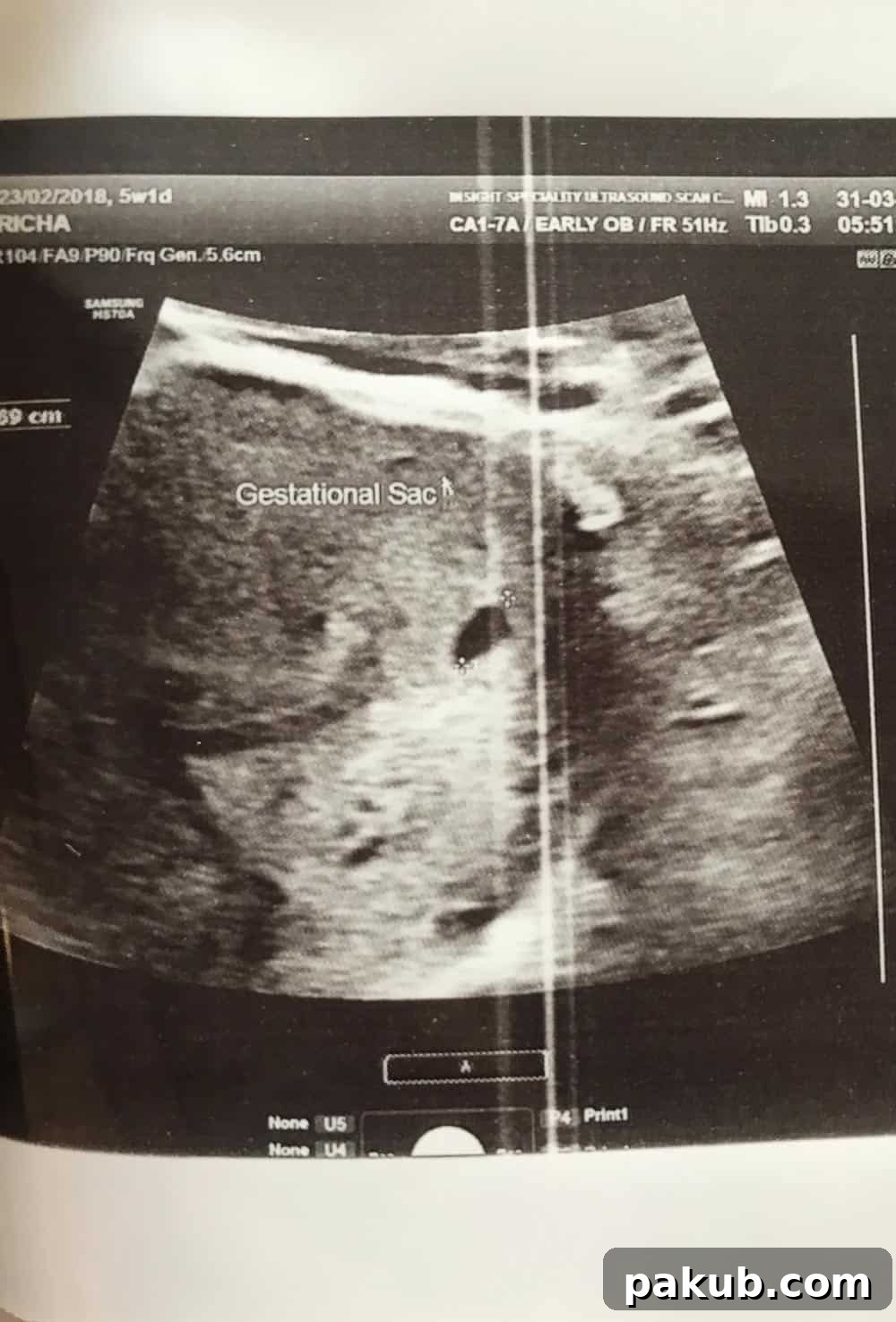
Life has an extraordinary way of intertwining profound joy with unexpected sorrow, often testing the very limits of our strength and resilience. For many, the journey of pregnancy is a time brimming with eager anticipation, dreams of a growing family, and a deeply felt connection that blossoms long before a baby is ever held in one’s arms. This year, on the 4th of June, a day that should have marked nearly 14 weeks of joyful expectation, our world, vibrant with the promise of a future, unexpectedly darkened. A routine ultrasound, meant to offer a reassuring glimpse of our little one, instead revealed a truth no parent ever wishes to confront: our tiny bub had stopped developing a few weeks prior. There was no heartbeat.
What began as a morning filled with an almost unbearable excitement, a chance to witness the miracle unfolding within, abruptly transformed into one of the most profoundly difficult days of our lives. The medical professionals, delivering the devastating news with a somber gentleness, advised us that a medical procedure would be necessary to conclude the pregnancy, as nature had not taken its course naturally. This moment, suspended between what was hoped for and what would never be, solidified a new, unexpected chapter in our story—one of unforeseen loss, intense grief, and the arduous, uncharted path toward healing and acceptance.
Defining Motherhood Beyond the Womb: The Unseen Bond of Pregnancy Loss
The precise moment I became a mother is a question I’ve pondered deeply. Was it the instant we first discovered the faint positive on the pregnancy test, igniting a tiny spark of hope within? Or did it solidify a few weeks later, when the relentless waves of morning sickness became a constant, albeit challenging, companion, a tangible sign of life growing within? Perhaps it was when I instinctively began talking to my baby, whispering dreams and promises into the quiet space of my womb, nurturing an unseen connection. Regardless of the exact moment, I was undeniably a mother. Even though we never had the chance to physically see our baby’s face, hold its tiny form, or even feel its first fluttering movements, the bond was undeniably real, palpable, and profoundly significant. It was a connection of the heart, nurtured by hopes and dreams, that transcended the physical.
Therefore, the feeling of loss was immense, an aching void in my soul for which I was utterly unprepared. How does one grieve so intensely for something unseen, untouched, unheard? The sheer depth of this sorrow, for a future that had been vividly imagined and meticulously planned, struck me with an emotional force I could not have anticipated. It was a loss not merely of a pregnancy, but of a potential life, a future family dynamic, and a significant piece of my own identity as an expectant mother. This silent grief, mourning a baby that existed primarily in our hearts and dreams, proved to be one of the most isolating and challenging experiences I have ever faced. It stripped away a layer of innocence and left behind a raw vulnerability.
When Support Falls Short: The Unspoken Reality of Miscarriage
In the tender initial stages of pregnancy, everyone offers a flurry of well-intentioned advice: “Be careful,” “Take it easy,” “Rest up,” “Take care of yourself.” These admonitions, while undoubtedly meant to be supportive and loving, ultimately fail to prepare you for the unimaginable moment when everything tragically goes awry. There is no comprehensive manual, no gentle guide, no whispered warning that teaches you how to navigate the crushing weight of a miscarriage. Nothing prepares you for the emotional maelstrom that ensues—how to adequately process the overwhelming grief, how to comprehend the inexplicable pain, or how to simply bear the physical and psychological toll it exacts. The world suddenly loses its familiar, comforting contours, leaving you feeling utterly adrift in a turbulent sea of questions and sorrow, without a compass to guide you back to any semblance of normalcy.
My immediate thoughts spiraled into a relentless and punishing self-interrogation: Had I inadvertently done something wrong? Every single action, every minor decision, every fleeting thought from the past few weeks came under intense, unforgiving scrutiny. I questioned every instance I might have forgotten to take my prescribed multi-vitamins, every indulgent moment I ate something I perhaps shouldn’t have, every moment of perceived carelessness. I desperately searched for subtle signs I might have tragically missed, faint warnings that, in my profound role as a protector, I should have instinctively recognized. How could I, the mother, have been so utterly oblivious to the suffering, or the cessation of life, within my own body? The guilt was a heavy, suffocating shroud, wrapping itself mercilessly around my heart, stifling any glimmer of self-compassion. This relentless pursuit of an answer, a definitive reason, was emotionally exhausting, yet utterly unavoidable in my grief-stricken state, a desperate attempt to find meaning in the chaos.
Understanding the Statistics: You Are Not Alone in Pregnancy Loss
The intense isolation felt in that moment, the haunting belief that I was uniquely flawed or singularly unlucky, began to gradually dissipate as I cautiously started to share my story. In the weeks and months following our devastating loss, I was genuinely overwhelmed by the sheer number of women who bravely came forward, sharing their own deeply personal and often heartbreaking accounts of similar experiences. These were not just stories of profound loss, but also of silent weeping, of immense struggle, and ultimately, of incredible, unwavering survival. It became starkly clear that miscarriage is far more common than most people fully realize—a silent epidemic affecting countless families and individuals, yet tragically rarely spoken about openly within society. Statistics indicate that one in four recognized pregnancies regrettably end in miscarriage, a fact that, while intellectually comforting in its commonality, does little to diminish the intense, personal pain and devastation of each individual loss. Every single time it happens, the loss is unequivocally real, the struggle is authentically real, the pain is undeniably real, and the questions continue to haunt. The shared vulnerability of these women highlighted a collective experience that desperately needs more light, more empathy, and far more open, understanding dialogue.
Navigating Societal Responses and Misconceptions After Miscarriage
In the immediate aftermath of such a profound and personal loss, well-meaning friends and family often offer a flurry of advice that, while undoubtedly intended to comfort, can inadvertently minimize the true depth of the grief. Phrases like “try not to think about it so much,” “it’s okay, you’ll get over it,” or “it will pass in time,” though offered with kindness and genuine concern, frequently sting more than they heal. Some individuals, perhaps out of their own discomfort or lack of understanding, even go as far as to refer to it as merely a “missed period,” a descriptor that utterly fails to grasp the emotional gravity and the profound heartbreak of losing a cherished dream and a future child. It’s imperative to understand that it’s not simply a missed period; it’s a missed future, a missing child, a missing piece of your heart, and a profound disruption to your carefully laid plans and hopes.
For me, the simplest, most comforting, yet simultaneously perplexing explanation came from my insightful mother-in-law: “It’s nature’s way of taking care of things.” While this particular perspective offered a sense of cosmic acceptance, a surrender to forces truly beyond our control, it didn’t fully quell the persistent yearning for concrete answers. Was there a specific medical explanation for what happened to me? We consulted numerous doctors, underwent various tests, but ultimately, no definitive, clear-cut answer was ever provided. Sometimes, frustratingly, there simply isn’t one, leaving a lingering void of understanding. This ambiguity can be its own unique form of torment, leaving a grieving parent to grapple endlessly with the unknown and the perpetual, haunting question of “why.” Accepting this inherent lack of closure, and finding a fragile peace within it, became yet another incredibly difficult step in my protracted healing process.
Embracing the Healing Journey: From Blame to Acceptance After Loss
As a mother who had lost what felt closest and most integral to her very being, truly understanding and internalizing the notion of “nature’s way” took considerable time—a significant amount of arduous, emotional processing. The mental and emotional transition from the crushing weight of “it’s my fault” to the resilient affirmation of “I need to be positive and survive this” was by no means a swift leap; rather, it was a gradual, arduous climb up a steep and winding path. It involved countless moments of profound despair, tears that seemed utterly endless, and a deep, introspective re-evaluation of my own inner strength and resilience. This journey of healing from such a profound loss is never linear; it is a complex, often confusing path filled with inevitable setbacks, moments of overwhelming sorrow, and, mercifully, intermittent glimmers of hard-won hope.
Crucially, I was incredibly fortunate not to be alone in this difficult passage. I am profoundly blessed to have a husband who, through every tear shed and every wave of crushing grief, held me close, offered unwavering comfort, and allowed me the essential space to mourn authentically and without judgment. His unwavering support, his quiet strength, and his patient understanding were the invaluable anchors that prevented me from drifting entirely into the abyss of sorrow. My family, too, enveloped me in their loving care, providing a safe and nurturing haven where I could begin the slow, tender process of healing. Their consistent presence, their gentle encouragement, and their practical assistance allowed me the crucial space to focus almost solely on my emotional recovery. Healing is still very much an ongoing process, a continuous journey that will undoubtedly require more time, more patience, and an abundance of self-compassion. But with each passing day, each moment of quiet reflection, I find myself standing a little taller, breathing a little deeper, and reaffirming to myself with unwavering conviction: I will survive this. I will heal. We will heal.
A Message of Hope and Solidarity: You Are Not Alone in Your Grief
It is with a deeply empathetic and understanding heart that I felt compelled to write down these words and share this raw, intensely personal experience with every mother who has endured the excruciating pain of a miscarriage or any form of pregnancy loss. In the isolating grip of grief, particularly one often shrouded in silence, it can feel overwhelmingly like you are utterly alone, the only one bearing such an unbearable burden. But please, I implore you, hear this truth, internalize it: you are not alone. You are one of countless courageous women who have walked this profoundly difficult path, endured this specific heartbreak, and found a way, often against seemingly insurmountable odds, to carry on. Your feelings are absolutely valid, your grief is entirely justified, and your strength, even when you can’t perceive or feel it, is truly immense.
Please, unequivocally, do not blame yourself for what happened. Miscarriage, more often than not, is a complex event largely beyond our personal control, a delicate and often unpredictable interplay of intricate biology and pure chance. Remember my mother-in-law’s insightful words, perhaps finding a modicum of peace in them: “This is nature’s way of taking care of things.” Our bodies are truly wonderful and mysterious mechanisms, capable of incredible resilience and healing, and they are far stronger than we often give them credit for. They possess an innate capacity for profound healing, both physically and, crucially, emotionally. Give yourself explicit permission to grieve deeply, to feel every single raw emotion that arises, and then, slowly but surely, give yourself the precious chance to heal. Be extraordinarily kind to yourself, extend the same boundless grace and compassion you would readily offer to a cherished friend, and trust implicitly in your inherent resilience. Allow yourself the time and space needed to navigate this tender journey, knowing that strength will emerge from vulnerability.
I will be returning with new recipes and engaging food content starting tomorrow. However, if you’ve read this far, I extend my deepest and most sincere gratitude for staying with me and for allowing me the profound vulnerability to share my story. If you happen to know someone who has navigated the difficult and often solitary waters of miscarriage, I earnestly hope you will consider passing this message along. Reach out to them, ask them if they are truly okay, and gently remind them, with genuine empathy, that what happened was unequivocally not their fault. Our collective empathy, our willingness to openly break the silence surrounding such common yet devastating losses, and our shared understanding can make a profound and lasting difference in someone’s deeply personal healing journey.