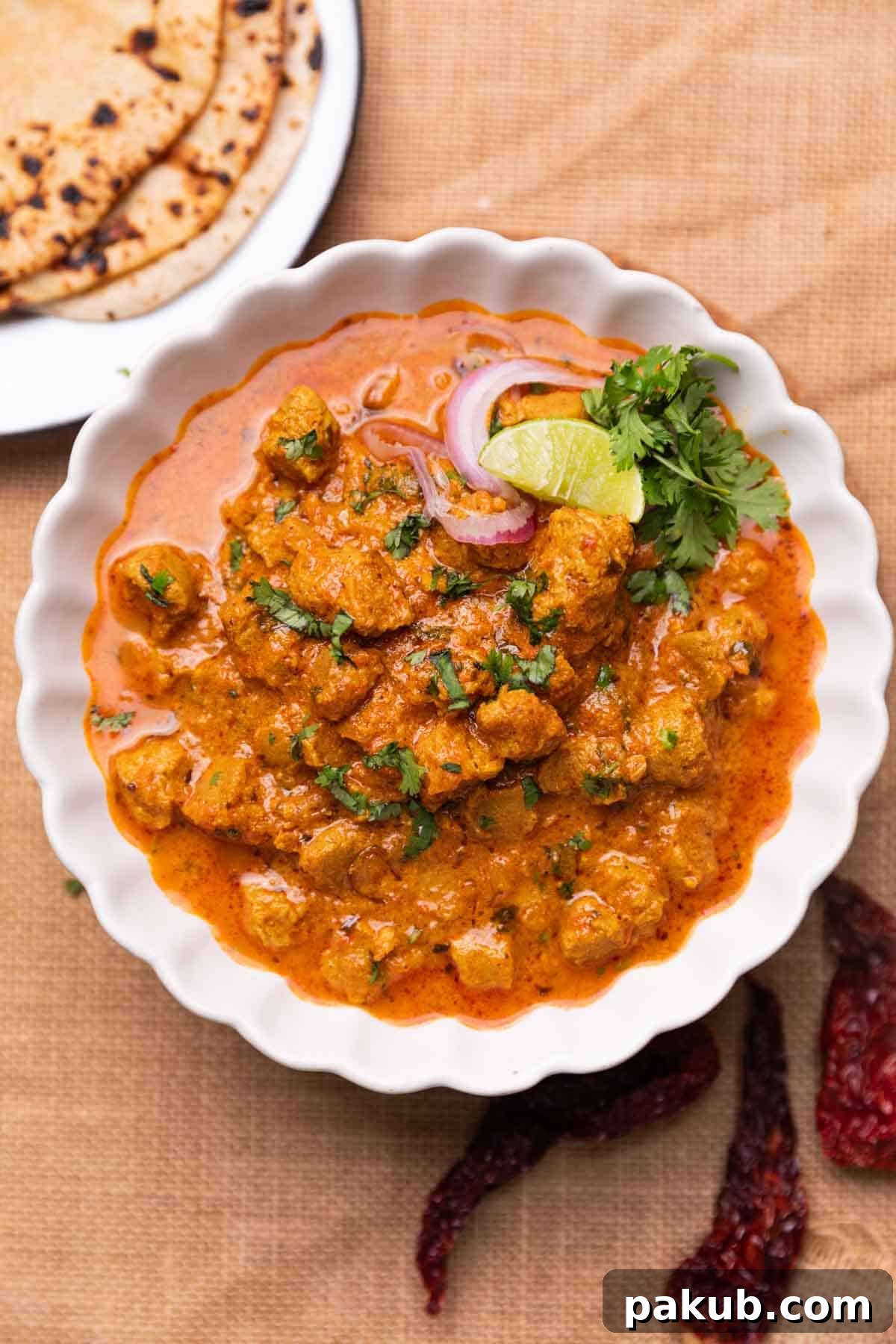
No groceries? No problem! This Soya Curry comes to the rescue every time. It’s our favourite healthy, high-protein curry made with just pantry staples.
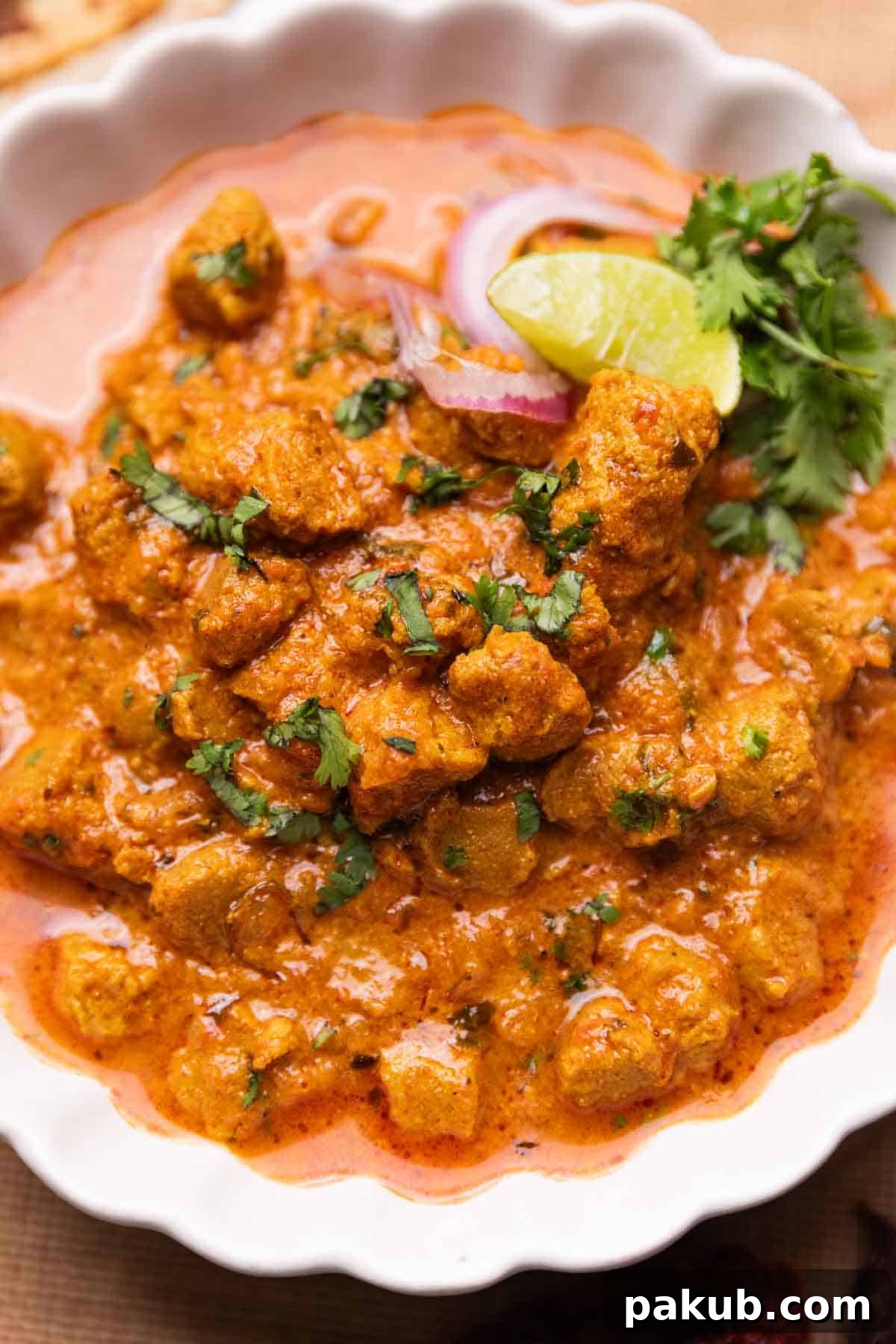
The Ultimate High-Protein Soya Curry: A Weeknight Wonder
Life gets busy, and sometimes a trip to the grocery store just isn’t in the cards. That’s precisely why we always keep a box of versatile soya chunks in our pantry. They’re the secret ingredient for whipping up this incredible Soya Curry – a simple, homestyle recipe that consistently saves dinner. This isn’t just any curry; it’s a nutritional powerhouse, boasting high protein content and an unbeatable flavor that makes it a favorite in our home. Whether you pair it with fluffy rice, soft rotis, or flaky parathas, it transforms into a truly wholesome and satisfying meal, ideal for those evenings when you need a quick yet nourishing solution.
What sets this soya curry apart is its meticulous preparation process. We begin by marinating the soya chunks, allowing them to soak up a rich blend of spices and yogurt, which infuses them with incredible depth. Following this, they are simmered to perfection in a luscious onion-tomato gravy. The magic happens as the marinated soya chunks absorb all the savory goodness of the gravy, becoming incredibly soft, tender, and bursting with flavor. Every bite is a testament to how simple ingredients can come together to create something truly extraordinary and deeply comforting.
Ingredients Overview: Crafting Your Soya Curry Masterpiece
Creating a truly memorable soya curry relies on a few key ingredients, most of which are readily available in any well-stocked pantry. Here’s a closer look at what you’ll need and why each component is vital to the dish:
Soya Chunks: The Star of the Show
For this recipe, we highly recommend using mini soya chunks. Brands like Nutrella are excellent choices. The smaller size ensures maximum absorption of the flavorful marinade and gravy, resulting in a tender texture and a burst of taste in every bite. It’s crucial to use chunks, not granules, as granules have a different texture and won’t give you the desired mouthfeel. Soya chunks, also known as soy nuggets or TVP (Textured Vegetable Protein), are derived from soy flour after soybean oil has been extracted. They are lauded for their meat-like texture and incredible ability to soak up flavors, making them a fantastic plant-based protein alternative.
Aromatic Herbs and Spices: The Soul of Indian Cuisine
The depth of this curry comes from a carefully selected blend of spices. Beyond the staple Indian spices, we incorporate a few special elements:
- Hing (Asafoetida): A small pinch of hing adds a unique savory aroma, aiding digestion and enhancing the overall flavor profile, especially when cooking with legumes or alliums.
- Kasuri Methi (Dried Fenugreek Leaves): Crushed kasuri methi imparts a distinctive, slightly bitter, and aromatic flavor that is quintessential to many North Indian curries. It adds an earthy richness that is irreplaceable.
- Fresh Coriander Leaves: Used for garnishing, fresh coriander adds a vibrant, refreshing counterpoint to the rich curry, elevating both its appearance and taste.
- Turmeric, Chilli Powder, Coriander Powder, Cumin Powder, Garam Masala: These fundamental Indian spices create the robust and complex base flavor of our gravy. Turmeric provides color and earthy notes, chili powder brings the heat, while coriander and cumin offer warm, aromatic undertones. Garam masala, a blend of ground spices, adds the finishing touch of rich aroma and flavor.
Curd (Yogurt): The Tenderizing Secret
Curd plays a crucial role in the marination process. Its natural acidity helps tenderize the soya chunks, making them incredibly soft and ensuring they cook evenly. Furthermore, yogurt adds a subtle tanginess and creaminess to the marinade, allowing the soya chunks to deeply absorb the spices and develop a more nuanced flavor profile before they even hit the pan. For best results, use plain, unflavored yogurt.
The Gravy Base: Onion, Garlic, and Tomato Puree
The heart of any good curry lies in its gravy, and ours is built on a classic foundation. We use finely chopped onion and garlic, sautéed until perfectly golden, to create a sweet and pungent base. This is then combined with a generous amount of tomato puree – typically made from about 4 medium-sized tomatoes. The tomatoes provide acidity and richness, forming a thick, luscious sauce that binds all the flavors together. The quality and ripeness of your tomatoes will significantly impact the final taste of the curry, so choose fresh, juicy ones if making your own puree.
Benefits of Soya Chunks: A Nutritional Powerhouse
Soya chunks are much more than just a meat substitute; they are a nutritional gem, especially for those seeking to incorporate more plant-based foods into their diet. Made from defatted soy flour, these textured vegetable proteins offer a wealth of health benefits that make them an excellent addition to your meal plans:
- A Complete Protein Source: One of the most significant advantages of soya chunks is that they are a complete protein. This means they contain all nine essential amino acids that your body cannot produce on its own and must obtain from food. For vegetarians and vegans, finding complete protein sources can sometimes be challenging, making soya chunks an invaluable ingredient for hitting your daily nutrient goals and supporting muscle growth and repair. Incorporating this soya curry into your weekly rotation is a delicious way to ensure adequate protein intake.
- Rich in Plant-Based Iron: Iron is vital for transporting oxygen throughout the body and preventing fatigue. Soya chunks are an excellent source of plant-based iron, which is particularly important for individuals following a vegetarian or vegan diet who may need to pay closer attention to their iron intake. To maximize the absorption of non-heme iron from soya chunks, it’s beneficial to consume them alongside foods rich in Vitamin C, such as a squeeze of lemon juice over your curry. While highly nutritious, it’s worth remembering that soya chunks are a processed food, so moderation as part of a varied and balanced diet is key.
- Low in Calories and Fat, High in Fiber: Soya chunks offer an impressive nutritional profile: they are remarkably low in calories and fat, yet packed with protein and dietary fiber. This combination makes them incredibly satisfying and beneficial for weight management, as fiber promotes satiety and aids in healthy digestion. The high fiber content also contributes to gut health and helps regulate blood sugar levels. Keeping soya chunks as a pantry staple allows you to easily diversify your protein sources, adding variety and nutrient density to your meals beyond typical lentils and beans.
- Versatility and Absorption: Beyond their nutritional merits, soya chunks are incredibly versatile. Their porous texture allows them to readily absorb flavors from spices and gravies, making them a fantastic canvas for a wide range of dishes. This means every bite of our Soya Curry is infused with the rich, aromatic spices, providing a truly gratifying eating experience.
- Sustainable Choice: Opting for plant-based proteins like soya chunks is also a more environmentally friendly choice compared to animal proteins. Soybeans require less land and water resources to produce, making them a sustainable option for conscious eaters.
Frequently Asked Questions About Soya Curry
While you certainly can use other proteins in a curry, this specific recipe has been optimized to bring out the best in soya chunks, both in terms of flavor absorption and texture. Its unique marination and gravy are designed to complement soya perfectly. If you’re craving other homestyle curries, I highly recommend trying my Easy Chicken Curry for a non-vegetarian option or the creamy Matar Paneer Curry for another delicious vegetarian alternative.
For this particular recipe, I actually skip the soaking step entirely! Instead, I prefer to boil the soya chunks. Bring them to a boil for about 5 minutes, then turn off the heat and let them steam, covered, for an additional 10 minutes. This method ensures they become incredibly soft and plump, ready to absorb all the delicious flavors of the curry gravy more effectively than simply soaking them.
Soya chunks are indeed a fantastic source of plant-based protein, offering a complete amino acid profile, iron, and fiber. However, it’s important to remember that they are a processed food product. As with any food, moderation is key. I recommend enjoying soya chunks as part of a well-rounded and balanced diet that includes a variety of other protein sources, vegetables, and whole grains to ensure optimal nutrition.
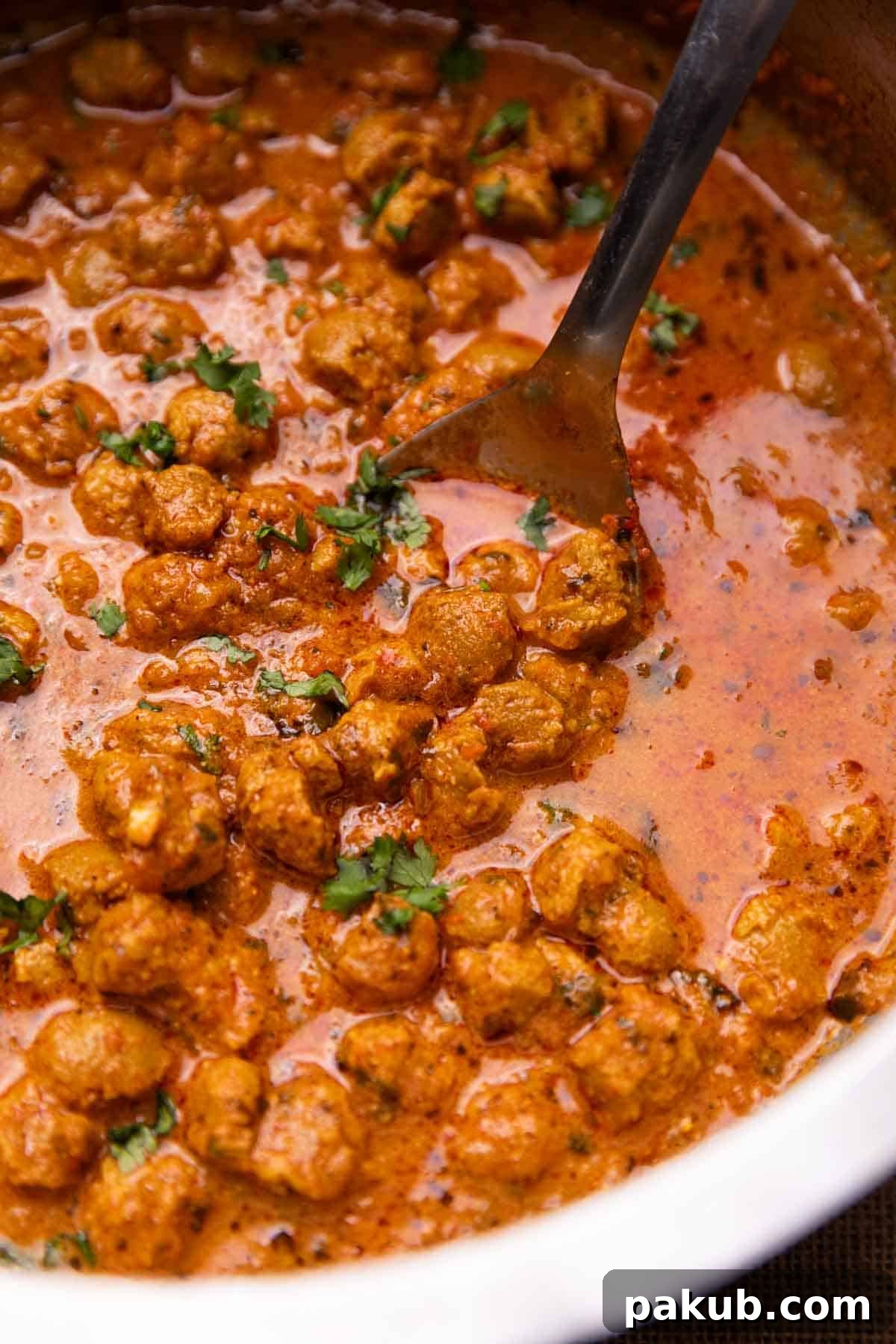
Why This Soya Curry Will Become Your New Favorite
If you’re constantly on the hunt for an easy, fuss-free recipe that delivers big on flavor and nutrition during a busy week, then this high-protein soya curry is truly the one you need in your repertoire. It’s a guaranteed crowd-pleaser, enjoyed by the whole family, and incredibly practical. I often find that it keeps exceptionally well, making it a perfect candidate for meal prepping or packing into lunch boxes for a healthy and satisfying midday meal. This isn’t just a recipe; it’s a culinary secret weapon that you’ll be glad to have up your sleeve for any occasion that calls for a quick, delicious, and wholesome dish.
Watch How To Make Soya Curry Video
Soya Curry
Ingredients
For cooking soya
- 1 cup mini soya chunks (70 gms, see note 1)
- ½ teaspoon salt
- 3 cups of water
For Soya Marination
- ¼ teaspoon turmeric
- ½ teaspoon chilli powder
- ½ teaspoon coriander powder
- ¼ teaspoon cumin powder
- 1 teaspoon kasuri methi
- 1 teaspoon ginger garlic paste
- ½ cup curds
- ¼ teaspoon salt
For the gravy
- 2 tablespoons oil
- A pinch of hing
- 5 cloves garlic, finely chopped
- ¼ cup finely chopped onion
- ¼ teaspoon turmeric
- 1 teaspoon chilli powder
- ½ teaspoon coriander powder
- ½ teaspoon cumin powder
- ½ teaspoon garam masala
- ¼ teaspoon salt
- 1 cup tomato puree (from ~4 medium tomatoes)
- 1 cup water
- 1 tablespoons finely chopped coriander leaves
- 1 tablespoon kasuri methi
Instructions
-
Take 3 cups of water in a saucepan with ½ teaspoon salt.
-
Once water comes to a boil, add the soya chunks.
-
Boil for 5 minutes & turn off the heat. Cover the lid & let it steam for 10 minutes. This ensures the soya chunks become perfectly soft and ready to absorb flavors.
-
Drain off the soya and carefully squeeze out all excess water. This step is crucial for preventing a watery curry and allowing the chunks to truly soak up the marinade.
-
Transfer the cooked soya to a large bowl. Add all ingredients mentioned for marination: turmeric, chilli powder, coriander powder, cumin powder, kasuri methi, ginger garlic paste, curds, and salt. Mix thoroughly to ensure every chunk is coated. Marinate for at least 30 minutes to allow the flavors to meld deeply.
-
In a kadai or deep pan, heat oil over medium heat. Add a pinch of hing and finely chopped garlic. Sauté for about a minute until the garlic is fragrant and lightly golden, being careful not to burn it.
-
Add the finely chopped onion to the pan and sauté patiently until it turns a beautiful golden brown. This step is vital for developing the sweet base flavor of the gravy.
-
Keeping the flame on low, add all the spice powders designated for the gravy: turmeric, chilli powder, coriander powder, cumin powder, and garam masala. Sauté for a minute, stirring constantly, allowing the spices to bloom in the hot oil and release their full aroma.
-
Add the tomato puree and a bit of salt. Cook, stirring occasionally, until the oil begins to separate from the sides of the pan. This indicates that the tomatoes have cooked down and the base is rich and flavorful.
-
Stir in the marinated soya chunks, mixing them well with the prepared gravy. Continue to cook, stirring frequently, until the oil once again separates from the sides. This ensures the soya chunks are well coated and start to absorb the rich flavors.
-
Pour in 1 cup of water, cover the pan, and simmer for 10 minutes. Allow the soya to cook thoroughly, softening further and fully absorbing the curry. The gravy should thicken slightly.
-
Finally, stir in the finely chopped coriander leaves and the remaining kasuri methi. Mix well to infuse the curry with their fresh, aromatic notes. Serve hot and enjoy!
Video
Notes
- Using mini soya nuggets is highly recommended as their smaller size ensures they soak up the masalas more effectively, leading to a much better taste and texture in the curry. If mini soya nuggets are unavailable, you may use regular soya nuggets, but it’s best to marinate them for at least 1 hour instead of 30 minutes to achieve similar flavor absorption.
- For an even richer gravy, you can add 1-2 tablespoons of cashew paste or a splash of coconut milk during the simmering stage. This will add a creamy texture and subtle sweetness.
- Adjust the chilli powder according to your preferred spice level. For a milder curry, reduce the amount, and for extra heat, feel free to add a little more or a slit green chili.
Pro Tips for the Perfect Soya Curry
Achieving a truly exceptional soya curry goes beyond just following the steps. Here are a few expert tips to elevate your dish:
- Squeeze Thoroughly: After boiling the soya chunks, make sure to squeeze out every bit of excess water. This step is critical; it prevents the curry from becoming watery and allows the soya to act like a sponge for all the rich flavors of the marinade and gravy.
- Marination Time: Don’t rush the marination. Thirty minutes is a minimum, but if you have an hour or even more, your soya chunks will absorb more flavor, resulting in a deeper, more satisfying taste.
- Golden Onions are Key: When sautéing the onions, take your time. Cooking them until they are a deep golden brown releases their natural sweetness and forms the fundamental flavor base for your gravy. Rushing this step can lead to a raw onion taste.
- Bloom Your Spices: Adding dry spices to hot oil (after onions/garlic) for a minute or so before adding tomatoes is called “blooming” the spices. This releases their essential oils and deepens their flavors, giving your curry an aromatic punch. Keep the flame low to prevent burning.
- Cook the Tomatoes Well: Ensure the tomato puree is cooked until the oil separates from the sides of the pan. This signifies that the raw taste of tomatoes has mellowed, and their flavors have intensified, creating a rich, concentrated gravy.
- Adjust Consistency: The amount of water added can be adjusted based on your preference for gravy consistency. If you like a thicker curry, add less water; for a thinner, more liquid gravy, add a little more.
Serving Suggestions: What to Pair with Your Soya Curry
This versatile soya curry is a fantastic centerpiece and pairs wonderfully with a variety of accompaniments, making it suitable for any meal:
- Rice: Serve it with classic steamed Basmati rice, aromatic Jeera rice (cumin rice), or healthy brown rice for a complete and satisfying meal. The fluffy grains beautifully absorb the rich gravy.
- Indian Breads: It’s a match made in heaven with warm, freshly made rotis, buttery parathas, soft naan, or even simple tawa chapatis. The breads are perfect for scooping up the flavorful curry.
- Side Dishes: Enhance your meal with a refreshing side of cucumber raita (yogurt dip), a simple green salad, or some tangy mango pickle.
- Lentils (Dal): For an even more protein-packed and wholesome spread, serve it alongside a comforting bowl of simple dal (lentil soup).
Delicious Variations to Try
Don’t be afraid to get creative with your soya curry! Here are a few ways to customize this recipe:
- Add Vegetables: Bulk up your curry and add more nutrients by incorporating vegetables like green peas, diced potatoes, bell peppers, or carrots during the simmering stage.
- Creamier Texture: For a richer and creamier curry, stir in a couple of tablespoons of fresh cream or a swirl of coconut milk towards the end of cooking.
- Spicy Kick: If you love heat, add a couple of slit green chilies along with the garlic or increase the amount of chili powder. A pinch of black pepper can also add a subtle warmth.
- Tangy Twist: A squeeze of lemon juice or a dash of amchur (dry mango powder) at the end can brighten up the flavors and add an extra layer of tanginess.
- Vegan Adaptation: To make this recipe completely vegan, simply substitute the regular curd with a plant-based yogurt (like unsweetened almond or soy yogurt) for the marination. The rest of the ingredients are naturally plant-based.
- Smoky Flavor (Dhungar Method): For an authentic smoky flavor, heat a small piece of charcoal until red hot. Place it in a small steel bowl in the center of the cooked curry. Pour a teaspoon of ghee or oil over the charcoal, cover the pot immediately, and let it infuse for 5-7 minutes. Remove the charcoal before serving.
This article was researched and written by Navya Khetarpal.