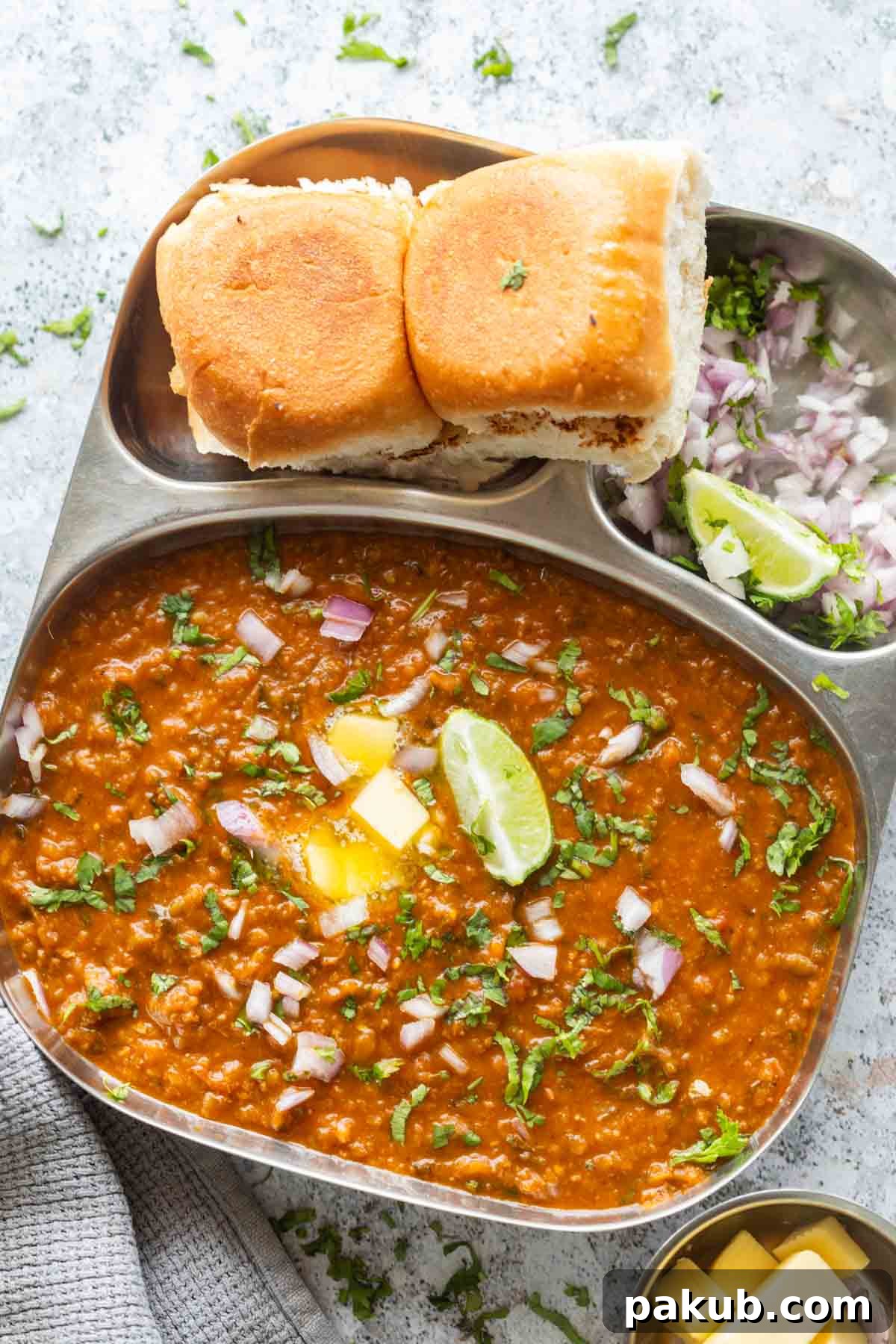
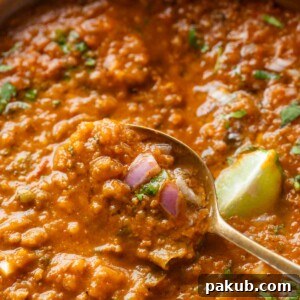
Experience the vibrant flavors of Mumbai’s street food with our easy one-pot Pav Bhaji recipe. This method ensures maximum street-style taste with minimal effort, making it perfect for busy weeknights or a delightful family meal. Just add a generous dollop of butter, a squeeze of fresh lime, and crunchy chopped onions, and you’ll have a plate of pure happiness!
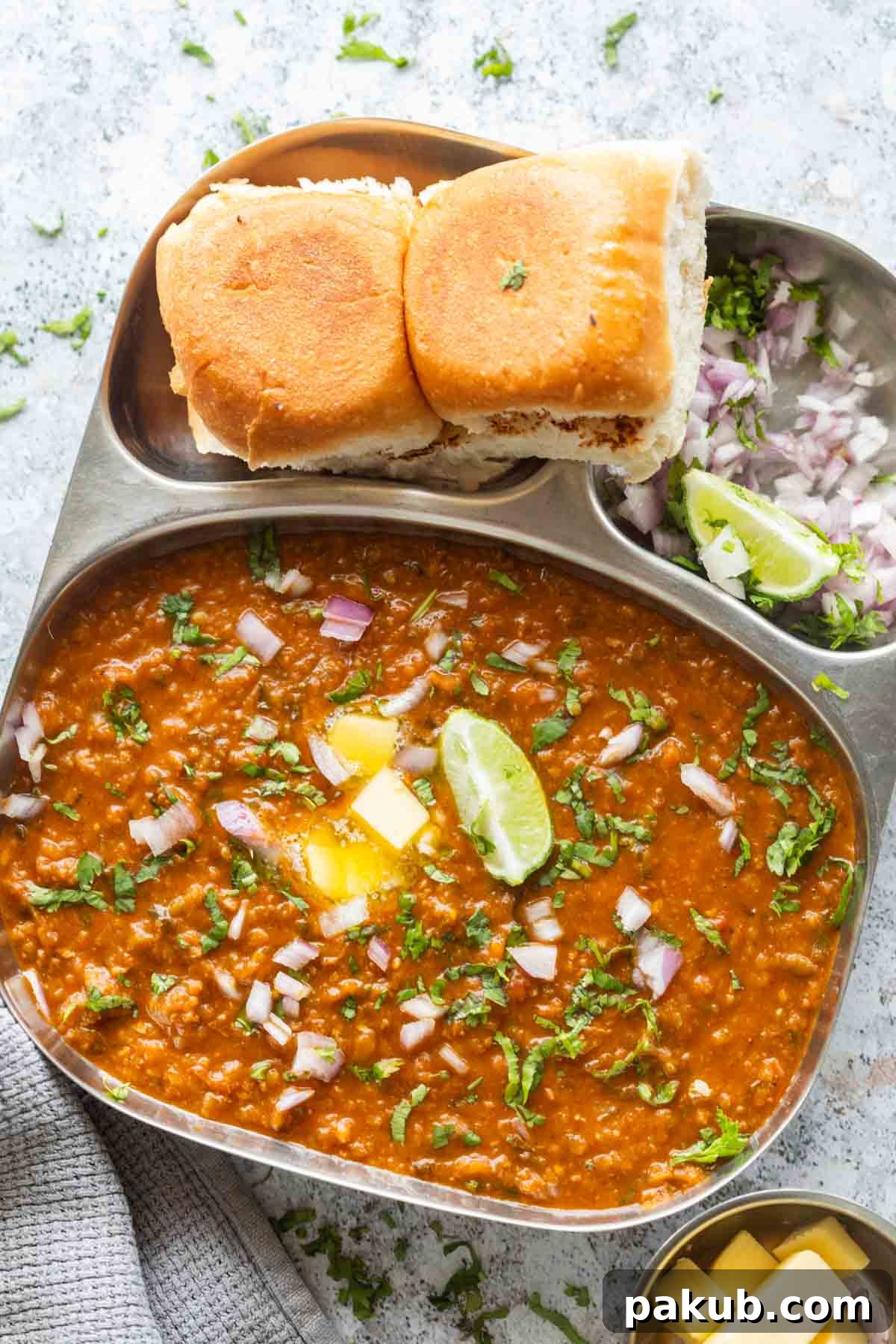
Easy One-Pot Pav Bhaji: Bringing Mumbai’s Street Flavors Home
There’s something truly magical about the aroma of Pav Bhaji wafting from street stalls in Mumbai. For many, including myself, it evokes a flood of cherished college memories – endless conversations, laughter, and the shared joy of devouring this iconic street food. The rich, spicy bhaji, generously buttered and perfectly mashed, complemented by the sharp crunch of fresh onions and a zesty squeeze of lemon, all scooped up with soft, buttery pav bread – it’s an experience that truly captures the soul of Indian street food. This culinary delight isn’t just a meal; it’s a celebration of flavors, textures, and community.
Even years later, the craving for that authentic Mumbai street-style Pav Bhaji remains as strong as ever. While the thought of recreating such a complex dish at home might seem daunting, involving multiple pans and extensive cooking, I’m thrilled to share a game-changing recipe that brings that beloved flavor straight to your kitchen with incredible ease. My one-pot Pav Bhaji, prepared in an Instant Pot or pressure cooker, takes all the heavy lifting out of the equation. You’ll spend a mere five minutes on hands-on preparation, yet achieve a taste and texture that rivals your favorite street vendor. It’s the perfect solution for satisfying those deep cravings without compromising on authenticity or convenience.
To truly complete this decadent, vegetable-loaded bhaji experience, I highly recommend pairing it with my homemade ladi pav. These soft, pillowy bread rolls are the ideal vehicle for soaking up every spoonful of the rich bhaji, creating a symphony of flavors in every bite. Both of these recipes are absolute staples in my kitchen, and I confidently swear by them! If you find yourself reminiscing about college days and the irresistible allure of Mumbai’s culinary scene, then you absolutely must explore my other beloved street food recipes: the hearty and flavorful Misal Pav, the classic OG Pav Bhaji for those who prefer the traditional method, and of course, the incredibly fragrant and unique Green Keema Masala. Get ready to embark on a delicious journey through the streets of Mumbai, right from the comfort of your home!
Table of Contents: Dive into One-Pot Pav Bhaji
- Why Choose One-Pot Pav Bhaji?
- Essential Ingredients for One-Pot Pav Bhaji
- Step-by-Step Guide to Make Pressure Cooker Pav Bhaji
- Expert Tips for Perfect Pav Bhaji
- Frequently Asked Questions
- Serving Suggestions for Pav Bhaji
- Storage and Reheating Tips
- Watch One Pot Pav Bhaji Recipe Video
- The Ultimate One Pot Pav Bhaji Recipe Card
Why Choose One-Pot Pav Bhaji?
The allure of traditional Pav Bhaji often comes with the reality of extensive cooking and an army of dirty dishes. This is where the one-pot method truly shines, transforming a potentially lengthy culinary endeavor into a swift and enjoyable process. Opting for an Instant Pot or pressure cooker simplifies everything from sautéing the aromatics to perfectly mashing the vegetables. This not only drastically cuts down on cooking time but also minimizes cleanup, making it an ideal recipe for busy weeknights when you crave something hearty and flavorful without spending hours in the kitchen. Furthermore, cooking all the ingredients together under pressure allows the flavors to meld beautifully, creating a bhaji that is rich, cohesive, and deeply aromatic, often surpassing even the traditional stove-top versions in its depth of taste. It’s a testament to modern cooking techniques enhancing classic recipes, delivering consistent, delicious results every single time.
Essential Ingredients for One-Pot Pav Bhaji
Crafting the perfect Pav Bhaji begins with selecting the right ingredients. Each component plays a vital role in achieving that signature street-style flavor and texture. Here’s a closer look at what you’ll need:
- A Medley of Fresh Vegetables: This forms the hearty, wholesome base of your bhaji. We use a combination of potatoes, carrots, capsicum (bell peppers), beetroot, and green peas. Potatoes provide creaminess and body, carrots add a touch of sweetness, capsicum contributes a subtle crunch and fresh aroma, while beetroot is crucial for both its earthy flavor and the vibrant, characteristic red hue of street-style bhaji. Green peas add bursts of sweetness and texture. Choosing fresh, seasonal vegetables will significantly enhance the overall flavor profile.
- Soya Granules (Optional, but Recommended): For an added boost of protein and a delightful textural contrast, soya granules are an excellent addition. They absorb the rich flavors of the masala beautifully, making the bhaji more substantial and nutritious. If you’re not a fan, you can certainly omit them or substitute with finely chopped mushrooms for a similar texture.
- Onions & Tomatoes: The aromatic foundation of almost any Indian curry. Onions provide essential sweetness and build the foundational body of the gravy, becoming deeply flavorful as they caramelize. Tomatoes introduce a critical tanginess and depth, acting as the perfect acidic counterpoint to the spices and vegetables, ultimately tying the entire masala together into a harmonious blend.
- Ginger, Garlic & Green Chilli: The holy trinity of Indian aromatics. These ingredients are indispensable for imparting sharpness, a warming heat, and an earthy depth that elevates the bhaji from simple mashed vegetables to a complex and exciting dish. Freshly crushed ginger and garlic paste are always preferred for maximum impact.
- Authentic Pav Bhaji Masala: This is the undisputed star of the spice cabinet when it comes to Pav Bhaji. This proprietary blend of spices is what gives the dish its unmistakable street-style flavor. While you can certainly make your own, a high-quality store-bought version works perfectly and ensures consistency. Don’t skip this – it’s the key to authenticity!
- Turmeric & Chilli Powder: Beyond the Pav Bhaji masala, a touch of turmeric adds a beautiful golden warmth and numerous health benefits. Chilli powder, particularly Kashmiri red chili powder (degi mirch), is used for its vibrant red color and a gentle, balanced kick of spice without overpowering the other flavors.
- Butter & Oil: The dynamic duo for cooking. Butter is non-negotiable for that signature richness, indulgence, and flavor that street-style Pav Bhaji is famous for. It’s used both in cooking and as a generous garnish. Oil (I prefer a neutral oil like sunflower oil) is used for balance during the initial sautéing and helps prevent the butter from burning, ensuring a smooth, flavorful base.
- Soft Pav (Bread Rolls): The essential accompaniment. These soft, fluffy, slightly sweet dinner rolls are specifically designed to absorb the flavors of the bhaji. While ladi pavs are traditional, any soft dinner roll or even burger buns can work in a pinch. The key is to toast them generously in butter!
- Fresh Garnishes: Crucial for adding brightness, texture, and a burst of fresh flavor. Freshly chopped coriander leaves provide herbaceous notes, finely diced onions offer a refreshing crunch, and juicy lemon wedges deliver a tangy zing that cuts through the richness of the bhaji, completing the authentic street food experience.
Step-by-Step Guide to Make Pressure Cooker Pav Bhaji
Making delicious Pav Bhaji in a pressure cooker or Instant Pot is surprisingly straightforward. Follow these steps for a perfect, flavorful result every time:
1. Prepare the Aromatic Base
- Begin by heating a combination of butter and oil in your pressure cooker or Instant Pot over medium heat. Once the fats are shimmering, add the cumin seeds and allow them to splutter and release their fragrant oils.
- Next, add the finely chopped garlic and sauté for just a few seconds until it turns aromatic and slightly golden, being careful not to burn it.
- Introduce the thinly sliced onions to the pot. Sauté them patiently for 3-4 minutes until they become beautifully translucent and soft, unlocking their natural sweetness. Stir in the finely chopped green chilies and cook for another few seconds to infuse their heat.
2. Build the Bhaji’s Flavor Profile
- Now, it’s time to layer in the spices. Add a generous amount of Pav Bhaji masala, Kashmiri red chili powder (for color and mild heat), coriander powder, turmeric, and salt. Stir everything well for about 30 seconds, allowing the spices to bloom in the hot oil.
- Add the finely chopped tomatoes to the spiced mixture. Mix thoroughly, then cover the pot and cook on low heat for 5-6 minutes. The tomatoes should soften considerably and release their juices, and you’ll notice the oil starting to separate from the masala, indicating that the flavors have developed beautifully.
3. Pressure Cook the Vegetables
- Add all your chopped vegetables – potatoes, beetroot, capsicum, carrots, peas, and the hydrated soya granules (if using) – to the pot. Stir to ensure all the vegetables are coated with the rich masala.
- Pour in 1.5 cups of water, give it a good mix, and then seal your pressure cooker. Cook for 3-4 whistles (or approximately 12 minutes after the first whistle) on medium heat. If using an Instant Pot, cook on High Pressure for 8-10 minutes, followed by a natural pressure release.
- Allow the pressure to release naturally before carefully opening the lid. The vegetables should be incredibly tender.
4. Mash to Perfection
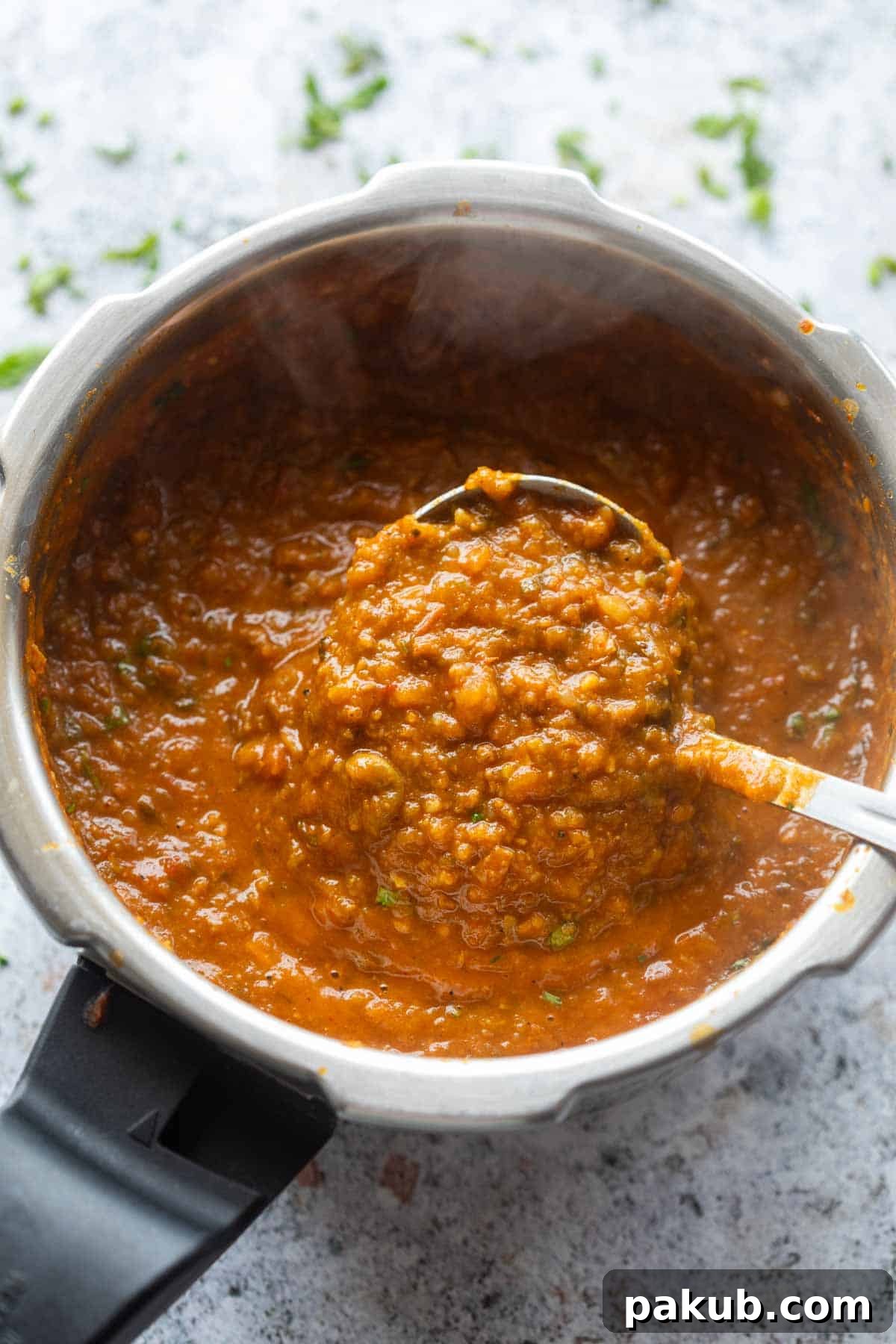
- Once the pressure is released, use a sturdy potato masher to thoroughly mash the cooked vegetables directly in the pot. Aim for a smooth consistency with a few intentional chunks for texture – this is key to authentic street-style bhaji.
- Gradually add an additional ½ to 1 cup of water, mixing and mashing, until you achieve your desired bhaji consistency. Some prefer it thicker, while others like it slightly runnier.
- Return the pot to low heat, uncovered, and simmer for 2-3 minutes. This allows any excess water to evaporate and the mashed veggies to absorb all the wonderful flavors.
- Remove from heat and stir in the fresh lemon juice – this brightens the entire dish and adds a crucial tangy note.
- For an extra layer of flavor, prepare a quick tadka: In a small pan, heat a knob of butter. Add 1 teaspoon garlic paste and a teaspoon of Kashmiri chili powder, sauté for a few seconds, then add kasuri methi (dried fenugreek leaves) and chopped coriander. Pour this aromatic tempering directly into the bhaji and mix well.
5. Toast the Pav
- While the bhaji is simmering, heat a flat tawa or a large pan over medium heat. Generously spread a dollop of butter onto the hot surface.
- Slice your pav (bread rolls) horizontally without cutting all the way through. Place them face down on the buttered tawa and toast until they are golden brown and slightly crispy, absorbing all that buttery goodness. You can also sprinkle a pinch of Pav Bhaji masala on the tawa before toasting for an extra flavor kick.
6. Serve and Enjoy!
- Ladle the hot, vibrant bhaji onto serving plates.
- Garnish generously with another dollop of butter, finely chopped raw onions, and fresh coriander leaves.
- Serve immediately with the warm, buttery toasted pavs and plenty of lemon wedges for squeezing.
Expert Tips for Perfect Pav Bhaji
Achieving truly exceptional Pav Bhaji involves a few insider tricks that elevate it from good to absolutely unforgettable. Here are some expert tips to guide you:
- Embrace the Butter: This cannot be stressed enough – do not skimp on the butter! Butter is the heart and soul of authentic Pav Bhaji, contributing immense richness, flavor, and that irresistible street-food indulgence. Use it generously while cooking the bhaji, for toasting the pav, and as a final garnish. It’s what makes the dish sing.
- The Secret Ingredient: Kasuri Methi: For an even deeper, more complex flavor profile reminiscent of the best street stalls, add a little kasuri methi (dried fenugreek leaves) towards the end of cooking. Lightly crush it between your palms before adding to release its aromatic essence. This adds a subtle, slightly bitter, and incredibly fragrant note that rounds out the bhaji beautifully.
- Plan Ahead for Best Results: If you’re preparing Pav Bhaji for a gathering or as part of your meal prep, always keep the bhaji and pav separate until serving time. The bhaji reheats wonderfully, but the pav must be toasted fresh just before eating to retain its soft texture and buttery crispness. Reheating already toasted pav will make it tough and dry.
- Master the Mash: The texture of the bhaji is crucial. Use a wide potato masher for the best results, ensuring you break down most of the vegetables into a smooth consistency while leaving a few small chunks for textural interest. In a pinch, the back of a sturdy katori (small bowl) or a large spoon can also work effectively. Mash vigorously to incorporate all the flavors and create that characteristic, slightly emulsified texture.
- Vegan Adaptation: This recipe is incredibly versatile. You can easily make it 100% vegan by simply replacing all the dairy butter with a good quality plant-based butter or using only oil. The flavors will still be robust and delicious, making it accessible for everyone.
- Adjusting Consistency: Pav Bhaji’s consistency is a matter of personal preference. If you prefer a slightly runny bhaji, add a little more water during the mashing stage. For a thicker bhaji, mash it more vigorously and allow it to simmer uncovered for a few extra minutes after mashing to reduce any excess liquid. Always remember that the bhaji tends to thicken slightly as it cools.
- The Power of Kashmiri Chilli Powder: While beetroot provides some color, authentic street-style Pav Bhaji’s vibrant red hue often comes from using Kashmiri red chili powder (degi mirch). This spice adds a beautiful deep red without making the dish overly spicy, allowing the complex flavors of the Pav Bhaji masala to shine through.
- Freshness is Key: Always use the freshest vegetables possible. They contribute significantly to the overall taste and nutritional value of the bhaji.
- Taste and Adjust: Don’t be afraid to taste the bhaji throughout the cooking process, especially after adding the spices and after mashing. Adjust salt, spice, and tang (with lemon juice) according to your preference.
Frequently Asked Questions About Pav Bhaji
Here are some common questions about Pav Bhaji that can help you master this delicious dish:
Pav Bhaji is a popular Indian fast food dish consisting of a thick vegetable curry (bhaji) served with a soft bread roll (pav). The bhaji is typically made from a vibrant mix of mashed vegetables such as potatoes, green peas, carrots, capsicum (bell peppers), and beetroot, slow-cooked with a special blend of spices and plenty of butter. The pav is usually toasted with butter until golden and fluffy, making it the perfect accompaniment for scooping up the flavorful bhaji.
The absolute classic and best choice for Pav Bhaji is soft, fluffy ladi pav, which are traditional Indian dinner rolls. Their tender texture and slight sweetness are ideal for soaking up the rich bhaji. If ladi pav is unavailable, you can substitute with soft burger buns or regular soft sandwich rolls. I’ve even started making my own in the air fryer for convenience, and they turn out incredibly delicious and perfectly soft every time!
Absolutely! While a pressure cooker or Instant Pot significantly speeds up the process, you can certainly make Pav Bhaji on the stovetop. The main difference will be the cooking time for the vegetables. You’ll need to simmer the chopped veggies in a large pot with water until they are very soft and easily mashable. This might take anywhere from 25-40 minutes, depending on the vegetables and pot. Once soft, proceed with mashing and incorporating the spices as you would in the pressure cooker method. For a detailed guide on the traditional stovetop method, check out my OG Pav Bhaji recipe!
The vibrant, inviting red hue of street-style Pav Bhaji is highly desired. This color primarily comes from a special type of chili powder called Kashmiri red chili powder or degi mirch. These chilies are known for their brilliant red color rather than intense heat, so they can be used generously. Some street vendors might also use a small amount of beetroot purée or even a tiny bit of food coloring to enhance the color further, but a good quality Kashmiri chili powder works beautifully at home to achieve that authentic look.
Pav Bhaji masala is a unique and complex spice blend that gives the dish its signature taste, so it’s always best to use it if possible. However, if you find yourself without it, you can create a decent substitute by mixing together some common Indian spices. A quick homemade blend can consist of garam masala, coriander powder, cumin powder, regular red chili powder, and a pinch of amchur (dry mango powder) for tanginess. While it won’t be an exact replica of the authentic Pav Bhaji masala, it will provide a close and wonderfully aromatic flavor profile for your bhaji.
Absolutely! Pav Bhaji is a very forgiving dish and a great way to use up vegetables. Cauliflower, green beans, or even bottle gourd (lauki) can be finely chopped and added along with the other vegetables. Just ensure they are cooked until very soft and can be easily mashed. Experiment to find your favorite combinations!
Pav Bhaji, being packed with a variety of vegetables, offers good nutrition from its wholesome base. However, street-style versions are often very rich in butter and sodium. To make it healthier at home, you can control the amount of butter and oil, and increase the proportion of vegetables. Soya granules add a good source of protein, making it a more balanced meal. Enjoy it in moderation, and customize it to suit your dietary preferences.
Serving Suggestions for Pav Bhaji
The beauty of Pav Bhaji lies not just in its rich flavors but also in the way it’s presented and enjoyed. To elevate your homemade experience to true street-food glory, consider these serving ideas:
- Always Top with Extra Butter: This is a non-negotiable step for authentic Pav Bhaji. A generous dollop of butter melting into the hot bhaji just before serving adds an unparalleled richness and creamy texture. Trust us, the more, the better!
- Garnish for Freshness: Fresh garnishes are essential for contrast and flavor. Piles of finely chopped raw onions provide a sharp, refreshing crunch that cuts through the richness of the bhaji. Fresh coriander leaves add a vibrant, herbaceous aroma.
- Lemon Wedges are a Must: Always serve with plenty of fresh lemon wedges. Squeezing lime juice over your bhaji before each bite brightens the flavors, adds a crucial tang, and enhances the overall experience.
- Complete the Spread: For a truly elaborate Indian meal, consider serving Pav Bhaji with traditional accompaniments. Crisp papad (lentil crackers), a simple cucumber or onion salad, or a selection of Indian pickles can add extra layers of texture and flavor, making your meal even more fulfilling.
- Warm, Toasted Pav: Ensure your pavs are freshly toasted in butter right before serving. The contrast between the hot, soft bhaji and the warm, slightly crispy, buttery pav is what makes this dish so irresistible.
Storage and Reheating Tips
One of the many advantages of Pav Bhaji is that the bhaji itself stores and reheats beautifully, making it an excellent candidate for meal prep. Here’s how to keep it fresh and delicious:
- Refrigeration: Store any leftover bhaji in an airtight container in the refrigerator for up to 2-3 days. The flavors often deepen overnight, making it even more delicious the next day.
- Freezing: For longer storage, the bhaji freezes exceptionally well. Transfer cooled bhaji to an airtight, freezer-safe container or freezer bags and freeze for up to 2 months. Thawing and reheating with a splash of water will bring it back to life without significant loss of flavor or texture.
- Reheating: To reheat, simply transfer the bhaji to a pot or microwave-safe container. If reheating from the fridge, you might need to add a splash of water to loosen the consistency. Heat gently on the stovetop, stirring occasionally, until piping hot. If reheating from frozen, thaw overnight in the fridge or gently reheat from frozen on low heat, adding water as needed.
- Pav Freshness: Always toast your pav fresh before serving, whether you’re making a new batch or reheating leftover bhaji. Pre-toasted pav tends to become tough and dry upon reheating, detracting from the overall experience.
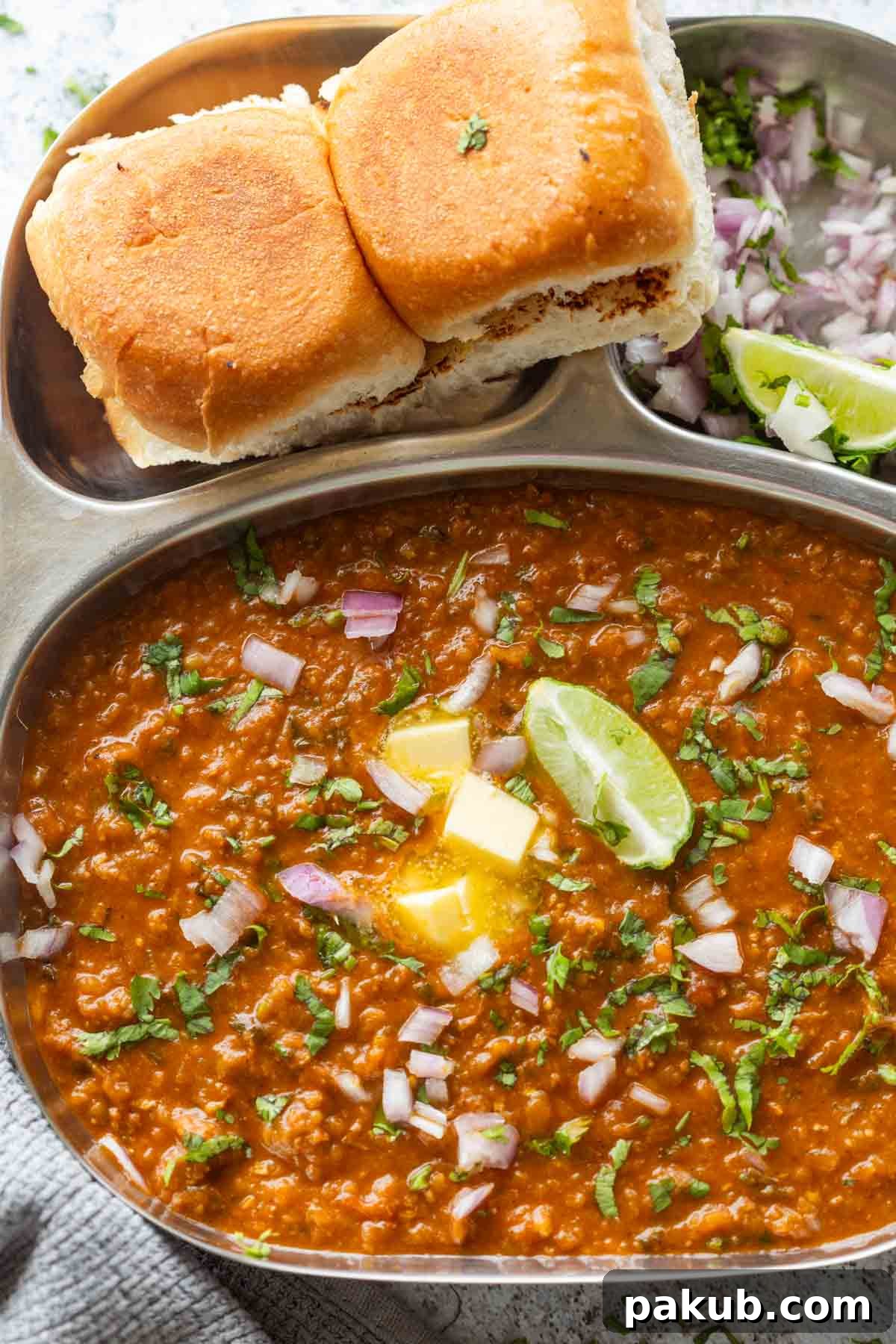
One bite of this homemade One-Pot Pav Bhaji, and you’ll be transported straight to the bustling streets of Mumbai! It’s incredibly quick to prepare, captures all the authentic street-side flavors, and is perfect for the entire family to enjoy. Whether you’re making it for a weeknight dinner or a weekend feast, this recipe promises pure culinary delight. Don’t forget to make this and share your delicious recreations with me over on my Instagram @my_foodstory! I can’t wait to see your amazing dishes!
Watch One Pot Pav Bhaji Recipe Video
One Pot Pav Bhaji | Pressure Cooker Pav Bhaji
This one-pot pav bhaji recipe is perfect when you want all that street-style flavor without juggling multiple pans. Tastes delicious with fresh ladi pavs, a dollop of butter, and crunchy onions!
Equipment
- 1 Pressure Cooker
Ingredients
- 1 ½ tablespoons sunflower oil or any neutral cooking oil
- 80 grams butter, divided
- ½ teaspoon cumin seeds (jeera)
- 2 teaspoons finely chopped garlic
- 1 cup thinly sliced onions (approx 120 grams)
- 3 green chillies, finely chopped
- 1 tablespoon kashmiri red chilli powder, divided
- 2 teaspoons coriander powder
- ¼ teaspoon turmeric powder
- 1 tablespoon + 1 teaspoon pav bhaji masala
- 1 ¾ teaspoon salt
- 1 cup finely chopped tomatoes (240 gms)
- 2 large potatoes, peeled and cubed (approx 330 gms)
- 1 green capsicum, cubed (approx 65 grams)
- 1 ⅓ carrots, peeled & roughly chopped (approx 70 grams)
- ⅓ beetroot, peeled & chopped into ¼ inch cubes (approx 60 grams)
- ⅓ cup fresh or frozen green peas (approx 85 grams)
- ½ cup soya granules, hydrated (refer note 1)
- 1 teaspoon garlic paste (for tadka)
- ⅔ teaspoon kasuri methi
- ½ lemon juice
- 2 – 2 ½ cups water, divided
- 2 tablespoons finely chopped coriander leaves
For serving
- 10 – 12 pav
- ½ cup finely chopped onions
- 2 tablespoons finely chopped coriander leaves
- 8 lemon wedges
Instructions
- Add vegetable oil and 40 grams of butter to a pressure cooker and allow to heat on medium heat. Add cumin seeds and let it splutter. Add garlic and sauté for a few seconds on medium until fragrant.
- Add onions and fry on medium for 3-4 minutes till translucent. Add green chillies and sauté for a few seconds.
- Add 2 teaspoons of kashmiri chilli powder, coriander powder, turmeric powder, pav bhaji masala, 1 teaspoon of salt and chopped tomatoes, stir to combine, cover and cook on low for 5-6 minutes or until tomatoes are softened and oil begins to separate.
- Add potatoes, capsicum, carrots, beetroot, green peas and soya granules. Stir to combine. Add 1 ½ cups of water, mix well and pressure cook for 3-4 whistles or 12 minutes after the 1st whistle. Allow the cooker to depressurize by itself and then open the lid.
- Mash the cooked veggies well using a potato masher. Add ½ to 1 cup of water to adjust the consistency of the bhaji. Heat the cooker uncovered for 2-3 minutes on low for the veggies to absorb all the flavours and take off the heat. Add lemon juice and mix well.
- Heat the remaining 40 grams of butter in a small (or tadka) pan. Add 1 teaspoon garlic paste & fry for a few seconds. Add the remaining 1 teaspoon of kashmiri chilli powder, stir for a few seconds, add kasuri methi, 2 tablespoons of chopped coriander leaves, add the tadka to the pav bhaji and mix.
- To serve, top pav bhaji with chopped onion, coriander leaves and serve with lemon wedges and hot toasted pav.
Notes
- To hydrate soya granules: Soak the soya granules in 1 cup of boiling water for 10-15 minutes, drain & squeeze out water & use.
Nutrition
Carbohydrates: 91g,
Protein: 17g,
Fat: 30g,
Saturated Fat: 13g,
Polyunsaturated Fat: 3g,
Monounsaturated Fat: 12g,
Trans Fat: 1g,
Cholesterol: 43mg,
Sodium: 1940mg,
Potassium: 1067mg,
Fiber: 14g,
Sugar: 11g,
Vitamin A: 5047IU,
Vitamin C: 87mg,
Calcium: 274mg,
Iron: 7mg
This article was researched and written by Navya Khetarpal.