If you’re looking to embrace the timeless tradition of cooking with cast iron and want to ensure your cookware lasts for generations, you’ve come to the right place. Dive into our comprehensive guide on how to effectively clean and season a cast iron pan, transforming it into a cherished kitchen heirloom!
There’s an undeniable magic that cast iron brings to cooking. For certain dishes, like a sizzling skillet lasagna or many vibrant Indo-Chinese dishes such as crispy hakka noodles, aromatic fried rice, or even spicy dragon chicken, my cast iron pan is simply indispensable. It imbues food with that unique, sought-after smokiness and a beautiful crust that is virtually impossible to replicate with any other type of cookware. Beyond its superior heat retention and distribution, a well-cared-for cast iron pan offers a naturally non-stick surface that only improves with age and use. It’s truly a testament to culinary heritage.
Watch How to Clean and Season Cast Iron Pans Video
This article was extensively researched and written by Harita Odedra, an expert in home and kitchen maintenance.
A cast iron pan isn’t just another piece of cookware; it’s a legacy kitchen hero that stands the test of time. Unlike modern non-stick pans with coatings that wear out, a properly maintained cast iron skillet can literally last for decades, even centuries, often being passed down through generations. Its performance actually gets better with every meal cooked. However, the prospect of cleaning and seasoning cast iron cookware can seem a little daunting or mysterious to newcomers. Many worry about rust or ruining the pan. The truth is, mastering how to clean and season cast iron pans is incredibly straightforward once you understand the simple steps involved. This guide will demystify the process, ensuring your cast iron remains a treasured and high-performing tool in your kitchen.
Jump to Section: How to Clean & Season Cast Iron Pans
- Watch How to Clean and Season Cast Iron Pans Video
- The Timeless Appeal of Cast Iron
- Why Seasoning Matters: The Science Behind the Stick
- How to Clean a Cast Iron Pan (After Everyday Use)
- Deep Cleaning and Rescuing Your Cast Iron
- How to Season a Cast Iron Pan (Deep Seasoning)
- How To Remove Rust From An Iron Pan
- Frequently Asked Questions
- The Joy of Cast Iron: A Lifelong Investment
The Timeless Appeal of Cast Iron
Before we dive into the specifics of care, let’s appreciate why cast iron has remained a kitchen staple for centuries. Its incredible durability means it can withstand high temperatures and rough handling, making it perfect for searing, frying, baking, and even campfire cooking. Cast iron excels at heat retention and even heat distribution, eliminating hot spots and ensuring perfectly cooked food every time. Furthermore, regular use of cast iron can actually introduce trace amounts of dietary iron into your food, which can be a beneficial boost. And, perhaps most importantly, a properly seasoned cast iron pan develops a natural non-stick surface that rivals modern chemical coatings, without any concerns about peeling or flaking. This makes the ability to correctly clean cast iron and season cast iron a truly invaluable skill for any home cook.
Why Seasoning Matters: The Science Behind the Stick
Seasoning your cast iron pan isn’t just an old wives’ tale; it’s a crucial process that gives it its legendary non-stick properties and robust protection against rust. Essentially, seasoning is a thin layer of polymerized oil baked onto the surface of the iron. When oil is heated past its smoke point, it undergoes a chemical transformation (polymerization) where it bonds with the metal, creating a hard, slick, and protective layer. This layer fills in the microscopic pores of the cast iron, creating a smooth, non-porous barrier.
Every time you cook with oil in your cast iron pan, especially when frying or sautéing, you are subtly contributing to and reinforcing this seasoning layer. This is why well-used cast iron pans often perform better than new ones. However, every now and then, especially after a deep clean or if your pan starts to look dull and food begins to stick, it helps to give it a little extra attention with a dedicated seasoning session. Understanding this fundamental process is critical to mastering how to clean and season cast iron pans effectively, ensuring your cookware is always ready for action and performs at its best.
How to Clean a Cast Iron Pan (After Everyday Use)
After a delicious meal, proper daily cleaning is key to maintaining your cast iron pan’s integrity and seasoning. The goal is to remove food residue without stripping away the hard-earned seasoning. Here’s how to clean a cast iron pan after everyday use:
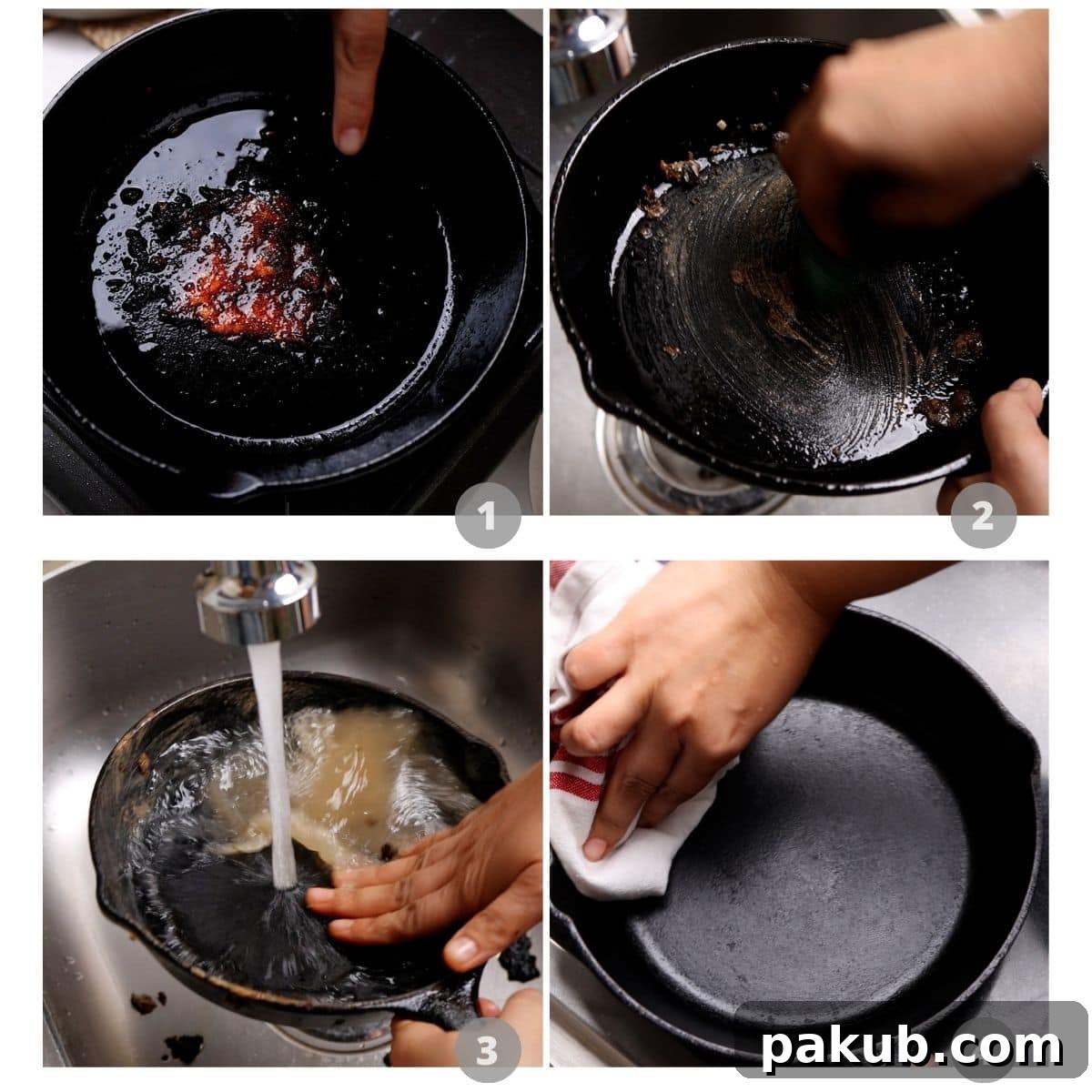
- Rinse with Warm Water Immediately: The best time to clean your cast iron is immediately after cooking, while it’s still warm (but not scalding hot). Warm water helps to loosen food particles. Avoid letting food sit and dry in the pan.
- Gently Scrub, Mind the Soap: For most daily use, you won’t need soap. Instead, scrub the pan gently with warm water and a non-abrasive scrubber. A stiff nylon brush, a chain mail scrubber, or even a heavy-duty sponge (without abrasive scouring pads that can strip seasoning) works wonders. For lightly soiled pans, a simple wipe-down might be enough. While mild dish soap is generally safe for modern, well-seasoned cast iron (it won’t strip away polymerized oil), excessive or harsh soap can diminish the non-stick surface over time. If you do use soap, use it sparingly.
- Tackle Stuck-On Bits with Natural Power: For stubborn, stuck-on food bits, resist the urge to scrape aggressively with metal utensils (unless you’re prepared to re-season). Instead, you have a few effective options:
- Coarse Salt Scrub: Add a tablespoon or two of coarse salt (like kosher salt) to the pan, along with a bit of water to create a paste. Use a paper towel or a stiff brush to scrub the abrasive salt against the stuck food. The salt acts as a gentle yet effective abrasive without damaging the seasoning. Rinse thoroughly.
- Boil Water: For truly stubborn residue, add a small amount of water to the pan and bring it to a simmer on the stovetop. Use a wooden spoon or spatula to gently scrape the softened food as it boils. Dump the water and proceed with regular cleaning.
- Dry Immediately and Thoroughly: This step is non-negotiable for cast iron care. Water is the primary enemy of cast iron, leading to rust. Immediately after washing, wipe the pan completely dry with a clean cloth or paper towel. To ensure every last drop of moisture is gone, place the pan on low heat on your stovetop for a few minutes until it’s visibly dry and warm to the touch. This step is crucial for preventing rust formation.
- Apply a Light Oil Coat: Once the pan is completely dry and slightly warm, rub a drop or two of neutral cooking oil (such as vegetable oil, canola oil, flaxseed oil, or grapeseed oil) over the entire cooking surface, and even the exterior if it looks dry. Use a clean paper towel to wipe off any excess oil. The goal is a very thin, almost invisible layer – too much oil will feel sticky. This light coating protects the seasoning, repels moisture, and keeps your pan ready for its next use. This essential step after cleaning and drying helps maintain your non-stick cast iron pan.
By following these steps, you’ll ensure your cast iron pan stays beautifully seasoned and ready for countless delicious meals. This meticulous approach to how to clean cast iron after every use extends its life and performance.
Deep Cleaning and Rescuing Your Cast Iron
Sometimes, your cast iron pan might need more than just an everyday clean. This could be due to excessive rust, a sticky or uneven seasoning layer, or simply acquiring a neglected pan that needs a complete restoration. While a full strip-and-reseason isn’t needed often, knowing how to deep clean your cast iron is essential for its long-term health. For a truly neglected pan, you might consider methods like electrolysis or using lye (oven cleaner), but these are for advanced users and require extreme caution. For most situations, the rust removal process (detailed below) followed by a deep seasoning is sufficient to restore your cast iron pan.
How to Season a Cast Iron Pan (Deep Seasoning)
A deep seasoning is necessary when your pan is brand new, has been stripped down, looks dull, has lost its non-stick quality, or has undergone rust removal. Understanding and executing this process correctly is a fundamental part of learning how to clean and season cast iron pans for optimal performance and longevity.
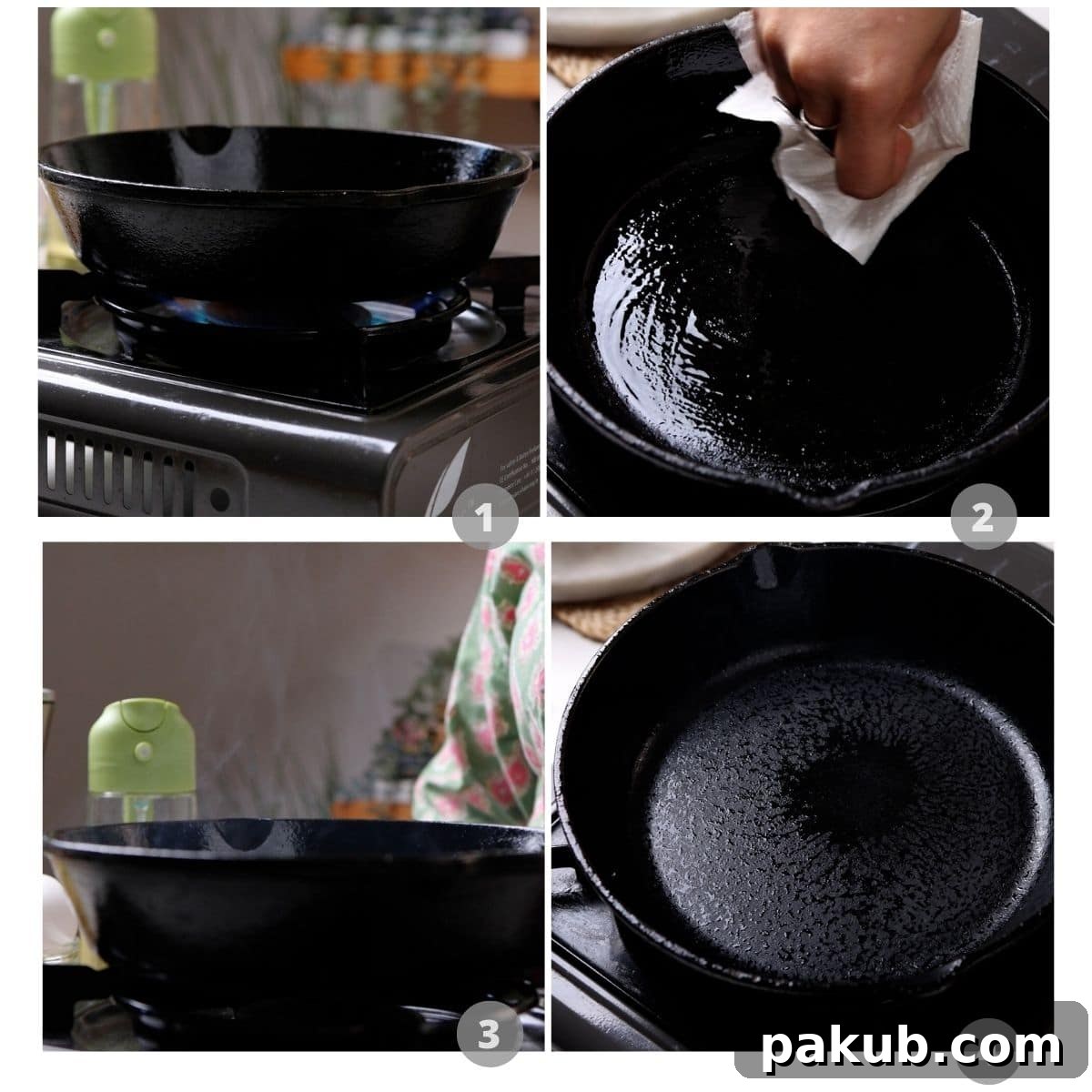
- Preheat Your Oven to the Right Temperature: Begin by preheating your oven to 200°C (400°F). A consistent, moderately high temperature is key for proper polymerization.
- Wash & Dry Thoroughly (As If New): If you’re seasoning a brand-new pan or one that has been stripped/rusted, you’ll want to give it a very thorough wash. You can use a mild soap and a stiff brush, scrubbing both the interior and exterior to remove any manufacturing residues or loose rust particles. Rinse completely. Immediately dry the pan using a cloth, then place it on a stovetop over medium heat for about 5-10 minutes until all moisture has evaporated and the pan is bone dry. Any residual water will prevent the oil from bonding correctly and can lead to rust.
- Apply a Super Thin Layer of High Smoke-Point Oil: This is arguably the most critical step. Using a clean paper towel or lint-free cloth, apply a very thin layer of high smoke-point cooking oil to the entire surface of the pan – inside, outside, and handle. Good choices include flaxseed oil (known for creating a hard, durable seasoning), grapeseed oil, canola oil, or vegetable oil. The key here is *thin*. Wipe off as much oil as you possibly can, as if you’re trying to remove it all. You should be left with an almost invisible sheen. Too much oil will result in a sticky, uneven, and gummy seasoning layer, which is a common mistake.
- Bake Upside Down to Prevent Pooling: Place the oiled pan upside down on a middle oven rack. This allows any excess oil to drip off, preventing puddling and stickiness. To catch any drips, place a sheet of aluminum foil or a baking tray on the rack below your pan. Bake for 1 hour at 200°C (400°F). During this time, the oil will polymerize, bonding with the iron.
- Cool in the Oven: After 1 hour, turn off the oven and allow the pan to cool completely inside the oven. This slow cooling process helps the seasoning to set properly and bond firmly to the metal. Do not rush this step by removing the hot pan from the oven immediately.
For a truly robust and durable seasoning layer, especially for new or restored pans, repeat this entire process (from step 3 to 5) 2-3 times. Each layer adds to the pan’s non-stick properties and its protection against rust. Mastering these deep seasoning steps will ensure your cast iron pan is not only well-cleaned but also perfectly seasoned, providing an unparalleled cooking experience. If you’re wondering how to clean and season cast iron pans for the absolute best, most durable results, this multi-layer method guarantees success and transforms your skillet into a cherished tool.
How To Remove Rust From An Iron Pan
Discovering rust on your beloved cast iron pan can be disheartening, but don’t worry! Rust looks scary, but it’s a completely fixable issue. Knowing how to effectively clean off rust is crucial for rescuing and maintaining your cast iron cookware. Rust typically forms when water is left on the pan for too long, or if the seasoning layer is compromised.
- Initial Scrubbing: Begin by vigorously scrubbing off all visible rust with steel wool, a heavy-duty scouring pad, or even sandpaper (100-150 grit works well for tough spots). You want to remove all orange-red rust until the surface beneath feels smooth and reveals the bare, dark grey cast iron. Don’t be afraid to put some elbow grease into it!
- Optional: Vinegar Bath for Heavy Rust: For pans with extensive rust, a mild acid bath can be very effective. Mix equal parts white vinegar and water in a container large enough to submerge your pan. Soak the pan for no more than 1-3 hours. Prolonged soaking can damage the iron. Keep a close eye on it; once the rust starts to soften and come off easily, remove the pan.
- Wash and Dry Thoroughly (Again!): After scrubbing or soaking, wash the pan immediately with warm water and a mild soap to remove any rust particles, vinegar residue, or loosened gunk. Rinse it completely, then dry it thoroughly with a towel. Place it on the stovetop over low heat for 5-10 minutes to evaporate every last bit of moisture, ensuring it’s bone dry. This step is critical; any lingering moisture will cause rust to reappear almost instantly.
- Re-Season Immediately and Deeply: Once completely dry, it’s absolutely essential to re-season the pan right away. Follow the deep seasoning steps outlined above (Steps 1-5). Because you’ve stripped away the existing seasoning along with the rust, you’ll likely need to perform multiple seasoning layers (2-3 times) to rebuild a strong, non-stick, and rust-resistant surface. This crucial re-seasoning process restores your cast iron pan, making it as good as new. Learning how to clean and season cast iron pans after rust damage will help you maintain your cookware in pristine, ready-to-use condition for years to come.
Frequently Asked Questions
While many oils work, flaxseed oil is often cited as a favorite because it polymerizes exceptionally well, creating a tough, durable, and very slick coating. However, neutral cooking oils with high smoke points like canola oil, vegetable oil, or grapeseed oil work just fine and are more common in most kitchens. The most important thing is to apply a very thin layer and ensure it bakes properly.
To clean a rusty cast iron pan, start by scrubbing off all the visible rust with steel wool, a stiff brush, or even sandpaper until the bare metal surface is exposed. For heavy rust, a short vinegar bath (equal parts vinegar and water, for no more than 3 hours) can help. Immediately after removing rust, wash the pan thoroughly with mild soap, dry it completely on the stovetop, and then perform several layers of deep seasoning just like a new pan. Rust is definitely reversible!
Not necessarily a full, oven-baked seasoning! You don’t have to do a deep seasoning every time you cook. However, it is an excellent habit to rub a very light layer of cooking oil (e.g., vegetable or canola) onto the surface of the pan after every cleaning and drying session. This quick wipe-down helps to maintain and reinforce the existing seasoning and prevents rust.
Yes, for modern cast iron pans with good seasoning, a small amount of mild dish soap is generally acceptable. The polymerized oil layer that constitutes seasoning is bonded to the metal and won’t be dissolved by mild soap. However, avoid harsh abrasive soaps or strong detergents, as these can be too aggressive. For vintage cast iron or lightly seasoned pans, sticking to hot water and a brush is still the safest bet.
A sticky seasoning layer is a common issue, and it almost always means too much oil was applied. When seasoning, you want to wipe off as much oil as possible, leaving only a microscopic film. If it’s sticky, you can try to bake it again at a higher temperature (around 450°F / 230°C) for an hour to see if the excess oil polymerizes. If not, you might need to scrub off the sticky layer with steel wool and then re-season, ensuring you apply an ultra-thin layer of oil this time.
After cleaning, drying, and applying a thin coat of oil, store your cast iron pan in a dry place. If stacking other pans or lids on top, place a paper towel in between to protect the cooking surface from scratches and absorb any residual moisture. Avoid storing cast iron in humid environments, which can encourage rust.
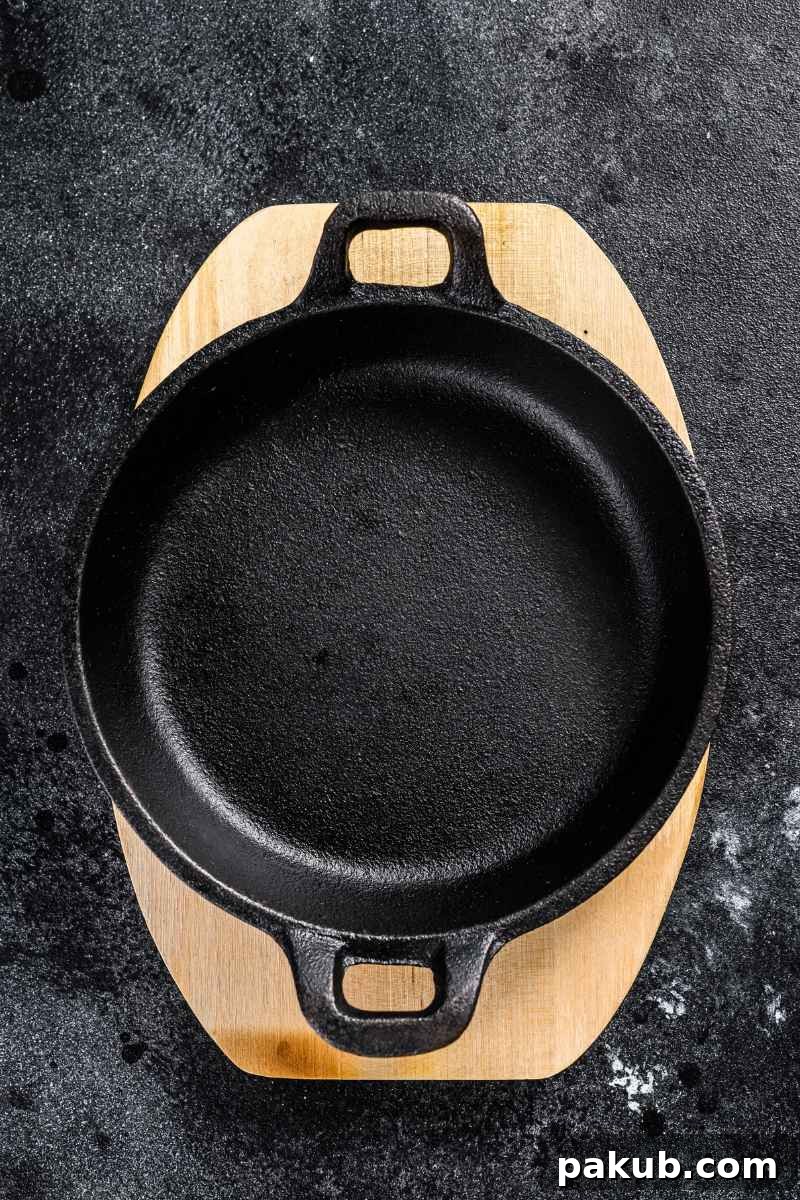
The Joy of Cast Iron: A Lifelong Investment
Caring for cast iron is truly far less complicated than it sounds. Think of it not as a chore, but as a slow-building, rewarding relationship. With regular, simple maintenance, an occasional deep clean, and a little bit of mindful attention, your cast iron pan will not only last for years but for generations. It will become a reliable, naturally non-stick workhorse in your kitchen, delivering consistent, delicious results and adding a unique flavor profile to your culinary creations.
If you’ve been letting that cast iron pan gather dust in the back of the cupboard, this comprehensive guide is your definitive sign to pull it out, bring it back to life, and unlock its full potential. Start by confidently applying what you’ve learned about how to clean and season cast iron pans correctly. You’ll soon discover the unparalleled joy and performance of cooking with this timeless kitchen tool.