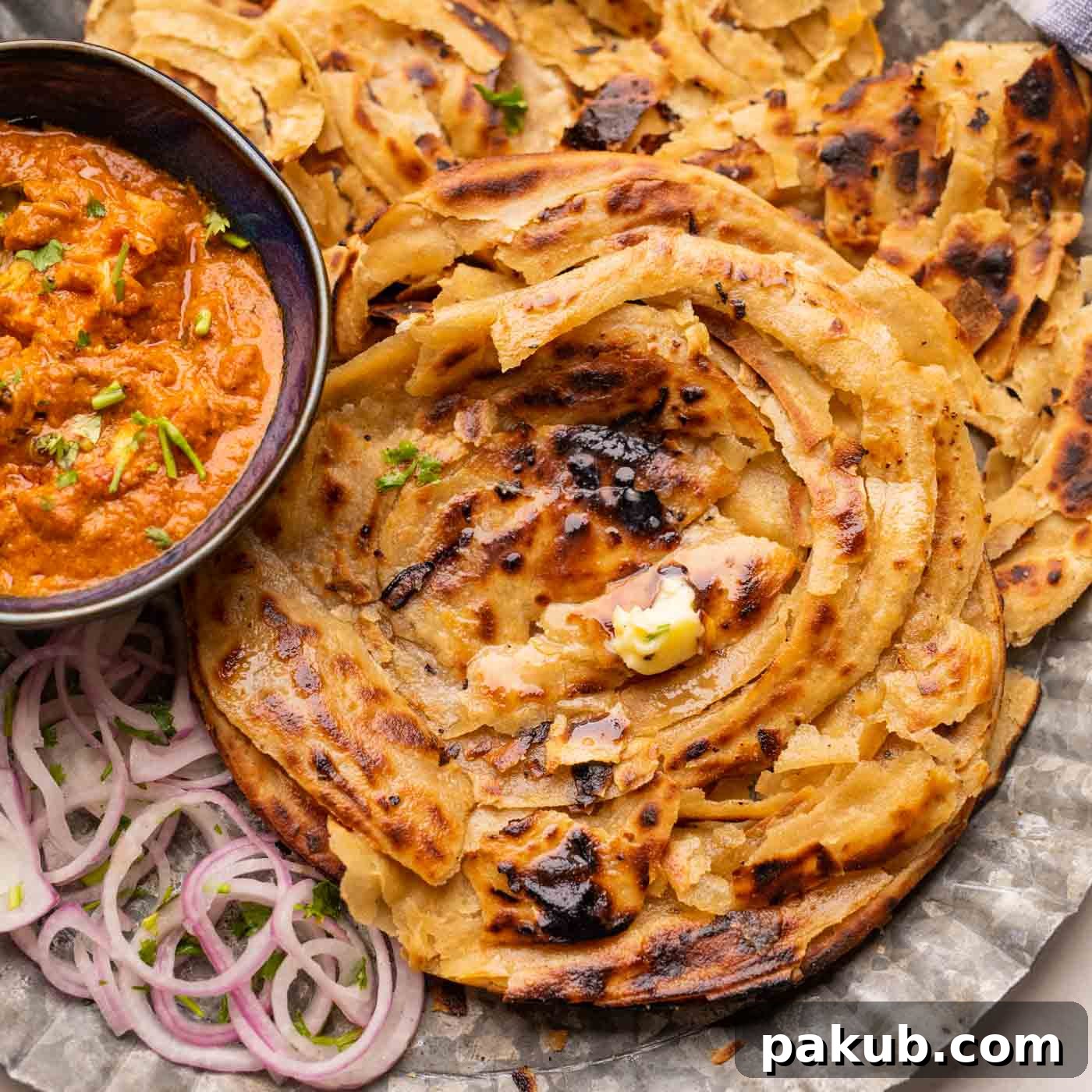
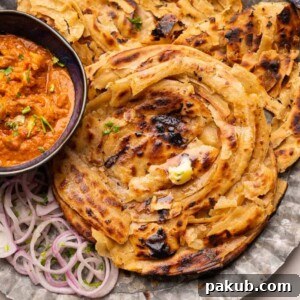
Making Lachha Paratha at home is much simpler than you might imagine! This iconic Indian flatbread, celebrated for its exquisite crispy, buttery, and flaky layers, is often likened to the Indian version of a puff pastry. Crafted with just four essential ingredients, this quick and easy paratha serves as the ideal accompaniment to a wide array of Indian curries and gravies, elevating any meal from ordinary to extraordinary.
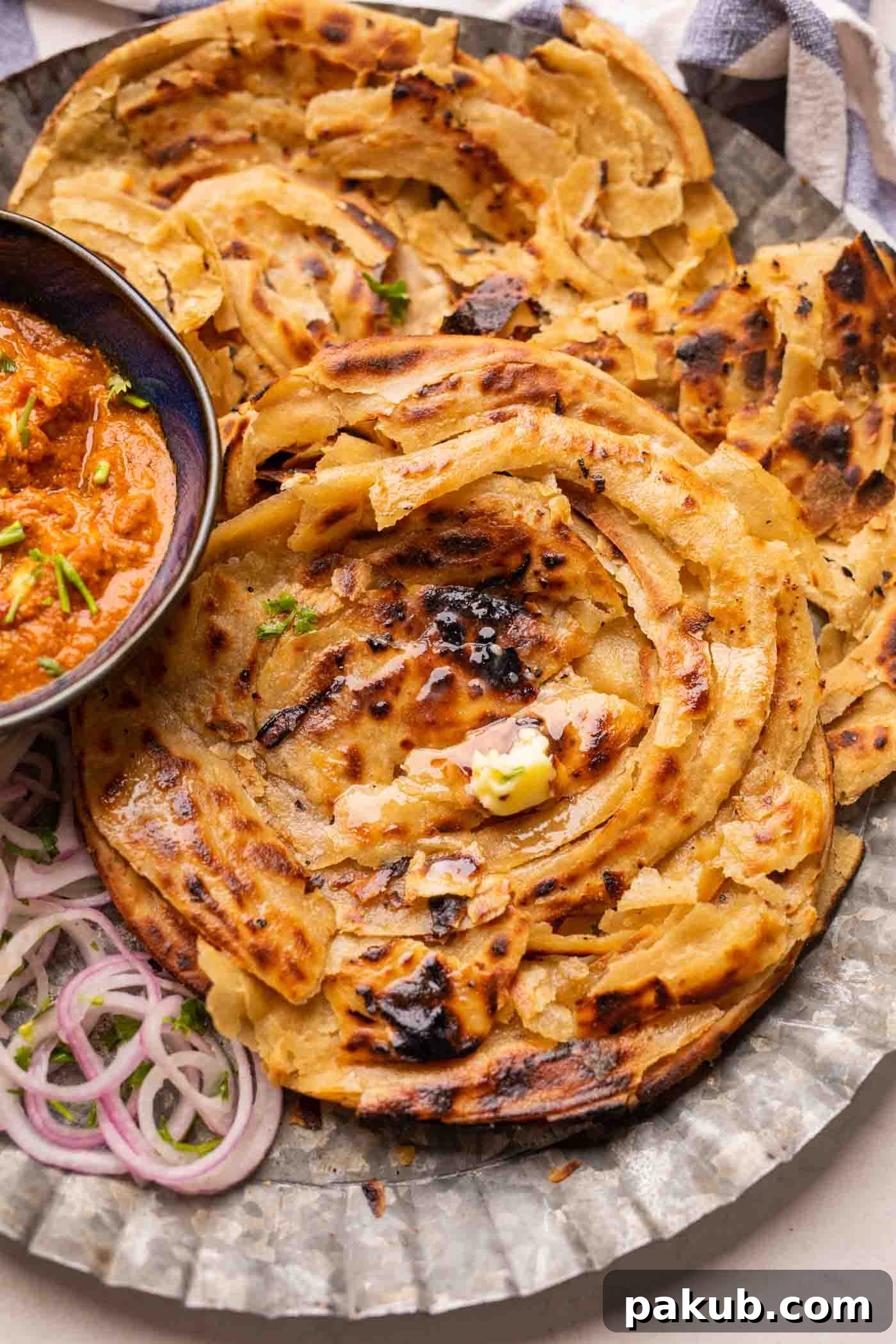
While a simple combination of roti (daily flatbread) and sabzi (vegetable curry) is a staple in many Indian homes, culinary routines can sometimes feel a bit monotonous. A fantastic way to inject excitement and transform even the simplest curry into a memorable feast is by pairing it with an interesting and flavourful bread. Enter the magnificent Lachha Paratha! These crispy, flaky, layered flatbreads offer a delightful textural contrast that can make any dish shine.
Also affectionately known as lachhedar or paratwala paratha – terms that literally translate to “layered” – these flatbreads are perfectly named. The magic truly unfolds as they cook, revealing those distinct, golden-brown layers that give the paratha its signature appeal. Observing these intricate layers might lead one to believe that making Lachha Paratha is a complex culinary challenge, but nothing could be further from the truth. With a clear understanding of the technique and a few simple steps, you’ll find that creating these stunning parathas at home is incredibly easy and rewarding, transforming you into a paratha master in no time!
Table of Contents
- What is Lachha Paratha?
- Why You’ll Love This Homemade Lachha Paratha
- Essential Ingredients for Lachha Paratha
- Mastering Lachha Paratha: Expert Tips for Perfect Layers
- Delicious Serving Suggestions for Lachha Paratha
- Creative Variations for Your Lachha Paratha
- Frequently Asked Questions About Lachha Paratha
- Watch the Recipe Video
- More Indian Bread Recipes You’ll Love
What is Lachha Paratha?
Lachha Paratha is a deeply cherished and widely popular flatbread originating from the vibrant culinary landscape of North India. Its unique appeal lies in its distinctive flaky, multi-layered texture, a characteristic from which it derives its name; “lachha” in Hindi refers to “strands” or “layers.” Traditionally made from whole wheat flour, this paratha is meticulously prepared to achieve numerous thin, crispy layers that separate beautifully upon cooking. Unlike a simple roti or chapati, which is typically soft and pliable, lachha paratha offers a satisfying crunch and a rich, buttery flavour that makes it an indulgent treat. Its robust texture and delightful taste make it an exceptional pairing for almost all Indian vegetarian and non-vegetarian curries, from rich gravies to simple dals, adding an element of celebration to everyday meals.
Why You’ll Love This Homemade Lachha Paratha
Embrace the joy of making this incredible Indian bread at home. Here are compelling reasons why this Lachha Paratha recipe will quickly become a favorite in your kitchen:
- Minimal Ingredients: This recipe calls for just four basic ingredients that are readily available in most kitchens: whole wheat flour, ghee (or oil), salt, and water. No fancy or hard-to-find items are needed, making it accessible for everyone.
- Beginner-Friendly: Despite its sophisticated appearance, this is a very straightforward recipe, making it perfect for beginners. The techniques involved are easy to grasp, and with a little practice, you’ll be creating stunning parathas like a seasoned pro.
- Highly Customizable Flavor: Elevate the taste profile by seasoning the dough or the layers with finely chopped fresh mint leaves, minced garlic, a sprinkle of tangy chaat masala, or even incorporating puréed spinach or fenugreek leaves (kasuri methi) for added depth and unique flavor variations. The possibilities are endless!
- Easily Vegan Adaptable: For those following a vegan diet, this recipe is incredibly flexible. You can easily make it vegan by replacing ghee with any neutral-flavored oil like sunflower or vegetable oil. The resulting parathas will still be wonderfully crispy and delicious.
- Excellent for Meal Prep: This is a freezer-friendly recipe, which is a huge convenience for busy weeknights or meal planning. Uncooked or partially cooked parathas can be frozen for up to 4 months, allowing you to enjoy fresh, hot lachha parathas whenever the craving strikes with minimal effort.
Essential Ingredients You’ll Need
Crafting perfect Lachha Parathas relies on a handful of simple, high-quality ingredients. Here’s what you’ll need and why each component is crucial:
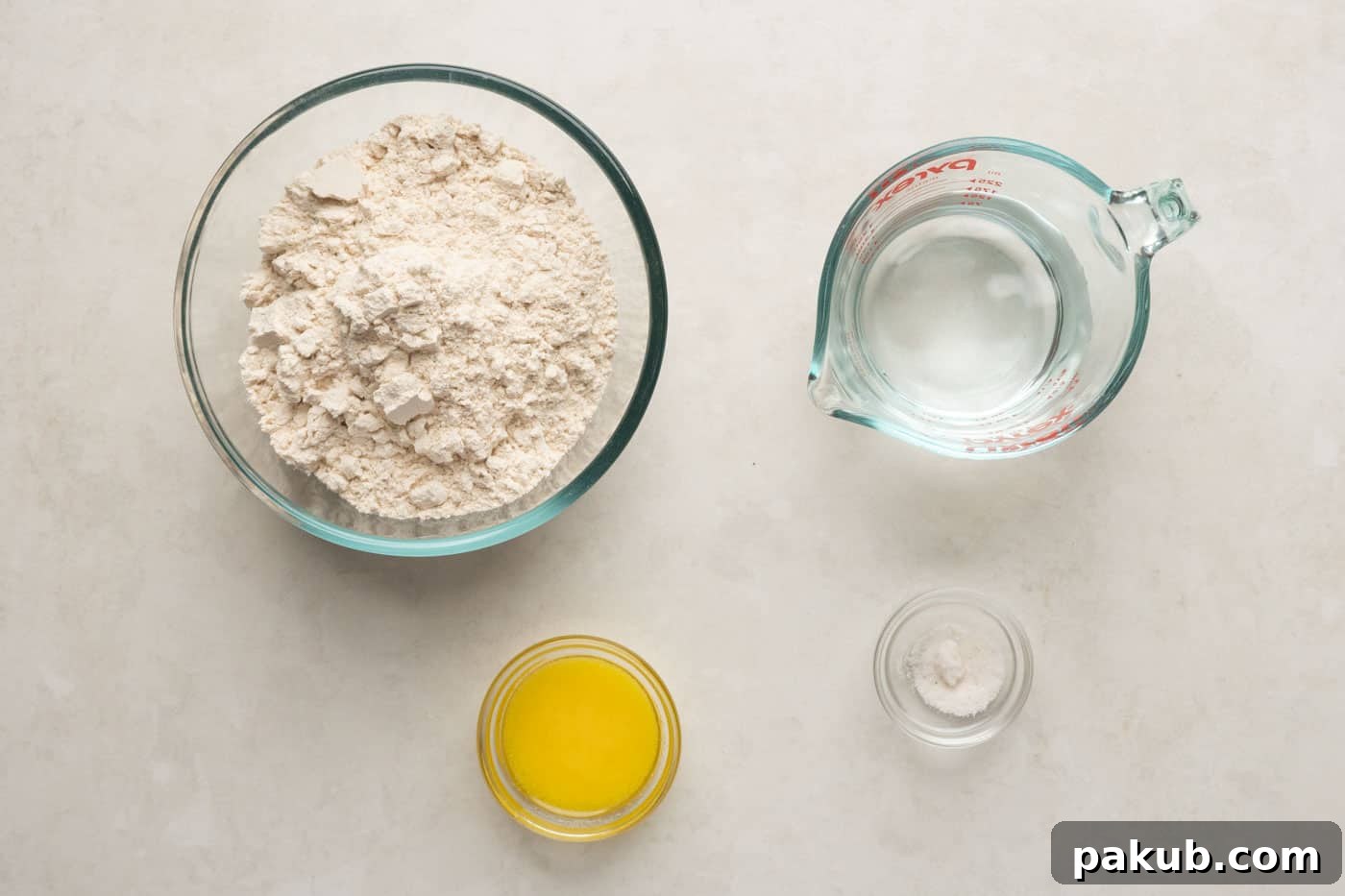
- Whole Wheat Flour (Atta): This is the backbone of our paratha. Using atta, a finely ground whole wheat flour, gives the parathas their authentic Indian texture and nutty flavor. It also provides a good source of fiber, making these flatbreads wholesome and nutritious.
- Ghee: I highly recommend using ghee (clarified butter) for both kneading and layering the dough. Ghee imparts an unparalleled rich, nutty flavor and contributes significantly to the parathas’ signature crispiness and flaky texture. Its high smoke point is also ideal for cooking. However, you can easily substitute it with any neutral-flavored oil if you prefer a vegan option or a lighter taste.
- Salt: A fundamental seasoning, salt is added to the dough to enhance its overall flavor, balancing the richness of the ghee and the earthiness of the flour. Don’t skip it, as it subtly brings out the best in the paratha.
- Water: Lukewarm water is essential for kneading the dough. It helps in activating the gluten in the flour, resulting in a soft, pliable, and easy-to-work-with dough. The right consistency of the dough is key to achieving those perfect layers.
Mastering Lachha Paratha: Expert Tips for Perfect Layers
Achieving those coveted, delicate layers in your Lachha Paratha is an art, but one that’s easily mastered with these insider tips:
- Dough Consistency is Key: For the best results, the consistency of your dough should be soft and pliable, much like that of a standard chapati dough. A stiff dough will be difficult to roll thinly and won’t yield as many layers.
- Adjust Dough as Needed: If you find your dough turns out too loose or sticky, don’t panic! Gradually add in a little dry flour (whole wheat flour) and continue kneading until you achieve the desired soft, yet firm, consistency.
- Resting the Dough is Crucial: Allow the kneaded dough to rest for at least 20-30 minutes before you start rolling. This resting period is vital for gluten formation, which makes the dough more elastic, easier to roll very thin, and ultimately contributes to flakier parathas.
- Roll It Thin, Really Thin: The secret to perfect lachha paratha layers lies in how thinly you roll the initial dough circle. Aim to roll it as thin as possible, almost translucent, before you begin the pleating process. Thinner dough means more delicate layers.
- Keep Your Tawa Clean: To prevent any burnt flour bits from sticking to your parathas and imparting a bitter taste, remember to wipe the tawa (griddle) with a clean kitchen cloth after every 2-3 parathas. This ensures even cooking and a pristine finish.
- Serve Immediately for Best Taste: Lachha Parathas are best enjoyed straight off the tawa. Their crispy texture and warm, buttery flavor are most pronounced when hot. Serve them immediately with your favorite curry for an unforgettable meal.
- Freezing for Future Convenience: To freeze these parathas for later, partially cook them on the tawa for approximately 2-3 minutes on each side until they are lightly golden but not fully done. Let them cool completely, then stack them with butter paper in between each paratha to prevent sticking. Store them in a freezer-friendly zip-lock bag. When ready to use, place the frozen paratha directly on a hot tawa, smear with ghee, and cook until golden brown and flaky.
- Unlock the Layers by Crushing: Don’t forget this final, magical step! Immediately after removing the hot paratha from the tawa and applying ghee, gently crumble or crush the parathas between your palms. This simple action helps to separate and further define the many beautiful flakes and layers, enhancing their texture and visual appeal.
Delicious Serving Suggestions for Lachha Paratha
Lachha Paratha’s versatility makes it a perfect companion to a vast range of Indian dishes. Its rich, flaky texture beautifully complements both hearty and subtle flavors. Here are some popular and incredibly delicious ways to enjoy your freshly made Lachha Paratha:
- Classic Curries: Pair it with rich, creamy North Indian curries like Paneer Butter Masala, Malai Kofta, or a robust Dal Makhani. The paratha’s layers are perfect for scooping up every last drop of gravy.
- Non-Vegetarian Delights: It’s an absolute dream with succulent Chicken Tikka Masala, spicy Mutton Rogan Josh, or a comforting Egg Curry. The paratha adds a wonderful textural contrast to the tender meats.
- Simple Vegetable Dishes: Even humble vegetable preparations like Aloo Gobhi (potato and cauliflower), Bhindi Masala (okra curry), or a mixed vegetable sabzi are elevated when served with a crispy Lachha Paratha.
- Dals and Lentils: For a wholesome meal, serve it with a fragrant Dal Tadka or a creamy Dal Fry. The paratha adds a satisfying chewiness that complements the smooth lentils.
- Yogurt and Pickles: Sometimes, simplicity is best. Enjoy Lachha Paratha with a side of cool, plain yogurt (dahi) and a tangy Indian pickle (achar) for a light yet satisfying meal.
- Chutneys and Raitas: Offer a selection of fresh chutneys, like mint or coriander chutney, or a refreshing cucumber raita to cut through the richness of the paratha.
Creative Variations for Your Lachha Paratha
While the classic Lachha Paratha is a delight in itself, its simple base makes it an excellent canvas for various flavor infusions. Experiment with these variations to discover new favorites:
- Mint Lachha Paratha (Pudina Paratha): Sprinkle finely chopped fresh mint leaves and a pinch of dry mint powder along with the ghee before pleating. The mint adds a refreshing aroma and flavor.
- Garlic Lachha Paratha: Spread a thin layer of minced garlic or garlic paste over the ghee-brushed dough before dusting with flour and pleating. This adds a pungent, aromatic kick.
- Chaat Masala Lachha Paratha: A light dusting of chaat masala (a tangy spice blend) on the layers can give your paratha a unique, savory, and slightly sour taste.
- Spinach or Fenugreek Lachha Paratha: Incorporate finely puréed spinach or finely chopped fresh fenugreek leaves (or kasuri methi) into the dough itself, or sprinkle them between the layers for added nutrition and distinct flavors.
- Cheese Lachha Paratha: For a delightful treat, sprinkle a thin layer of grated cheese (like cheddar or mozzarella) over the ghee-brushed dough before pleating. It melts beautifully into the layers.
- Spicy Lachha Paratha: Add a pinch of red chili powder or finely chopped green chilies to the layers for an extra kick of heat.
Frequently Asked Questions About Lachha Paratha
1. What is the difference between paratha and lachha paratha?
While Malabar paratha (or parotta) and lachha paratha share a similar layered appearance, the primary difference lies in the flour used. Malabar parathas are traditionally made with all-purpose flour (maida), which gives them a softer, slightly chewier texture. Lachha parathas, on the other hand, are typically made with whole wheat flour (atta), resulting in a distinctively flakier and crispier bread. The use of whole wheat flour also contributes to its earthy flavor and nutritional profile.
2. What do you eat laccha paratha with?
The beauty of lachha parathas is their incredible versatility, making them a fantastic accompaniment to almost any Indian vegetarian or non-vegetarian dish. They are particularly delightful with rich, creamy curries that benefit from the paratha’s ability to soak up delicious gravies. Popular pairings include classic restaurant-style butter chicken, hearty dhaba-style dal tadka with its double tempering, earthy mushroom masala with green peas, and the spicy, flavorful veg kolhapuri. For a delicious, wholesome meal, you could even enjoy them with a comforting South Indian style egg curry. They also pair wonderfully with simple yogurt and pickles.
3. Can I use all-purpose flour for Lachha Paratha?
While traditional Lachha Paratha uses whole wheat flour, you can certainly experiment with all-purpose flour or a 50/50 mix of all-purpose and whole wheat flour. Using all-purpose flour will result in a slightly softer paratha, similar to a Malabar parotta, but still delicious and flaky.
4. How do I prevent my Lachha Paratha from becoming hard?
Several factors contribute to a soft and flaky Lachha Paratha. Ensure your dough is soft and well-kneaded, and allow it to rest for at least 20-30 minutes. Rolling the dough very thin before pleating is crucial for distinct layers. Also, don’t overcook the paratha on the tawa; cook until golden brown and crispy, but remove before it becomes too stiff. Applying a good amount of ghee or butter while cooking and immediately after also helps keep it soft.
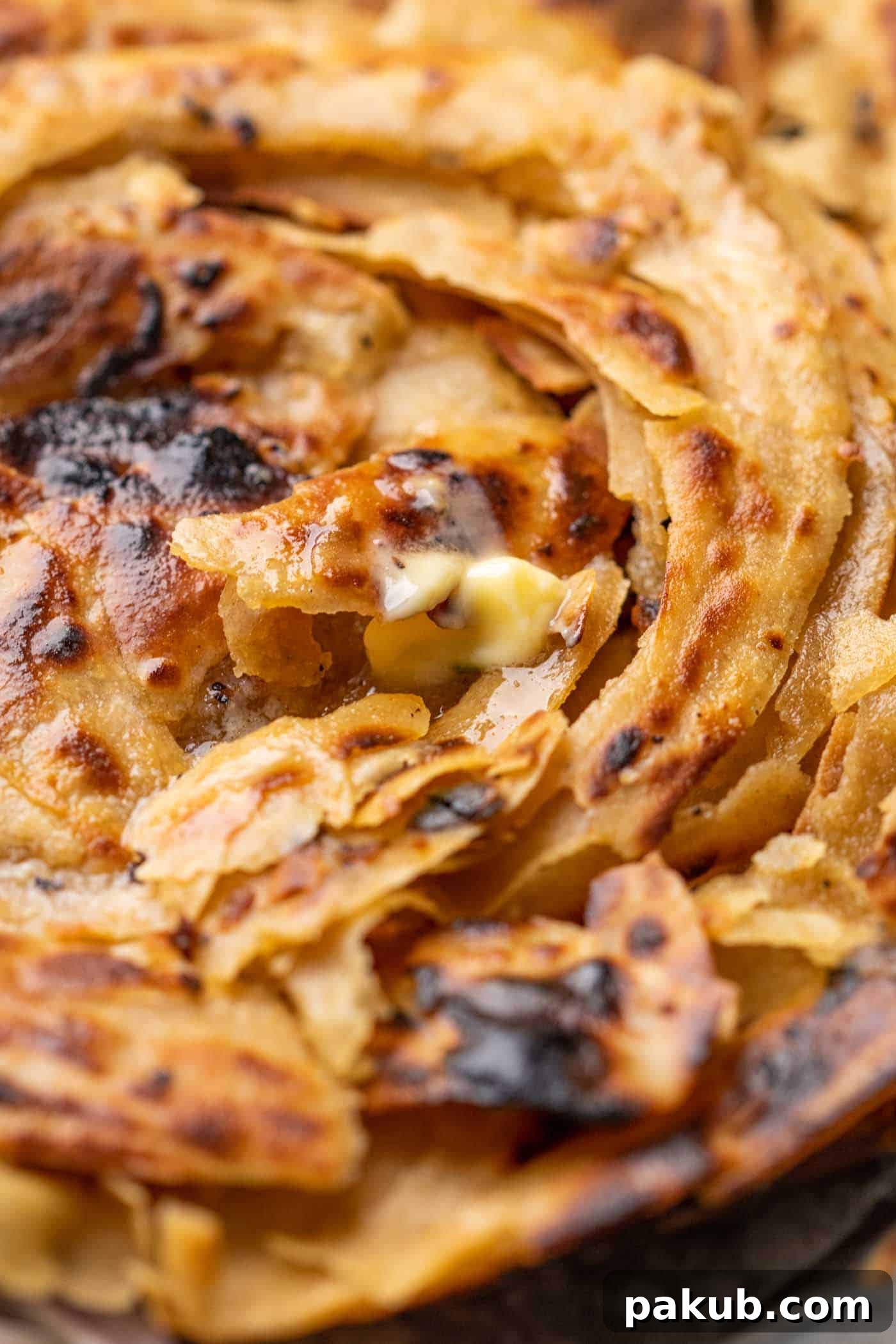
With this quick and simple recipe, you’ll find yourself making these delicious parathas quite often. Remember that crucial final step: gently crumble the hot parathas between your palms just before serving to fully unleash and define those lovely flakes and layers. Serve them piping hot with your favorite curry, and prepare for a truly satisfying culinary experience!
Watch the Recipe Video
LOVE THIS RECIPE? Subscribe to my newsletter and be the first to receive all new recipes and culinary inspiration!
Lachha Paratha Recipe
Richa
Flaky, layered paratha that’s crispy through and through. It’s made with just four ingredients and looks gorgeous as you can see multiple layers in each paratha.
20
20
40
6
people
Print Recipe
Ingredients
-
2
Cups
Whole Wheat Flour,
Atta -
1/2
Teaspoon
Salt -
1
Cup
lukewarm Water,
+ 1 Tablespoon extra, if needed -
3
Tablespoons
melted Ghee,
divided (or neutral-flavored oil for vegan)
Instructions
-
In a large mixing bowl, combine the whole wheat flour and salt. Create a small well in the center of the flour mixture and add 1 teaspoon of melted ghee. Using your fingertips, gently rub the ghee into the flour until the mixture resembles coarse breadcrumbs or fine sand. This step helps create a crumbly texture.
-
Gradually add lukewarm water, a little at a time, and begin kneading to form a soft, smooth, and supple dough. The dough should be elastic and not too sticky. If necessary, add up to one tablespoon of extra water to achieve the right consistency. Once kneaded, shape the dough into a ball, cover it with a damp cloth or cling film, and let it rest for a minimum of 20 minutes. Resting the dough allows the gluten to relax, making it easier to roll.
-
After resting, divide the dough into 6 equal portions. Take one golf ball-sized piece of dough and roll it out into a very thin, large circle on a lightly floured surface. The thinner you roll it, the more distinct and flaky your layers will be. Brush the entire surface of the rolled-out dough evenly with about one teaspoon of melted ghee, then lightly sprinkle a thin layer of dry whole wheat flour (atta) over the ghee.
-
Starting from one edge, begin pleating the dough like a paper fan, making very thin pleats as you go. Once the entire circle is pleated into a long strip, gently stretch this pleated dough to lengthen it further. Then, carefully roll the stretched, pleated strip into a tight coil, forming a round ball. Press down gently. Lightly dust this coiled dough with flour and roll it out again into a 5-6 inch circular paratha. Repeat this layering and rolling process with the remaining dough portions.
-
Heat a tawa (flat griddle) over medium-high heat until it is evenly hot. Place one rolled paratha onto the hot tawa and cook for 2-3 minutes, or until small bubbles start to form on the surface and the underside is lightly golden. Flip the paratha to the other side.
-
Once flipped, reduce the flame to low. Cook the second side for another 2-3 minutes. For an extra crisp texture and even cooking, using tongs, you can then place the semi-cooked paratha directly over an open flame (if you have a gas stove), flipping it every few seconds. Alternatively, continue cooking on the tawa, pressing gently with a spatula and applying a little more ghee to both sides until golden brown and crispy.
-
Once the paratha is beautifully crispy and golden brown on both sides, remove it from the tawa. Immediately smear it with a generous dollop of ghee or butter. While still hot, gently crumple the paratha between your palms. This crucial step helps to separate and reveal all those wonderful, flaky layers. Serve your homemade Lachha Paratha piping hot with your favorite Indian curry or side dish.
Video Instructions
Recipe Notes
- The consistency of the dough should be soft and pliable, similar to that of a chapati dough. A firm dough will be difficult to roll and won’t yield as many layers.
- If your dough turns out too loose or sticky, gradually add in a little dry whole wheat flour and knead it into the dough until you achieve the right soft yet firm consistency.
- Rest the dough for at least 20-30 minutes before rolling. This allows the gluten to develop, making the dough more elastic and easier to roll very thin, which is essential for flaky layers.
- To ensure even cooking and prevent any burnt flour bits from sticking, remember to wipe the tawa with a clean kitchen cloth after making every 2-3 parathas.
- To freeze these parathas for meal prep, partially cook them on the tawa (approximately 2-3 minutes on each side) until they are lightly golden but not fully done. Let them cool completely. Stack them with butter paper in between to prevent sticking, then place them in a freezer-friendly zip-lock bag and freeze for up to 4 months. To cook, place them directly on a hot tawa from frozen, smear with ghee, and cook until brown and flaky.
- You can take things a notch higher by seasoning the dough or layers with finely chopped mint leaves, minced garlic, a sprinkle of chaat masala, or by incorporating pureed spinach or fenugreek leaves for added flavour and variation.
- This recipe can be easily made vegan by replacing ghee with any neutral-flavored oil, such as sunflower or vegetable oil. The flaky texture will still be achieved.
- Don’t forget the final step: gently crumble the hot parathas between your palms after applying ghee to further define and separate the many beautiful flakes and layers, enhancing their texture and visual appeal.
Nutrition Information (per serving)
Calories:
202
kcal
,
Carbohydrates:
29
g
,
Protein:
5
g
,
Fat:
8
g
,
Saturated Fat:
5
g
,
Polyunsaturated Fat:
1
g
,
Monounsaturated Fat:
2
g
,
Cholesterol:
19
mg
,
Sodium:
197
mg
,
Potassium:
145
mg
,
Fiber:
4
g
,
Sugar:
0.2
g
,
Vitamin A:
4
IU
,
Calcium:
15
mg
,
Iron:
1
mg
More Indian Bread Recipes You’ll Love
If you’ve enjoyed mastering Lachha Paratha, you’ll love exploring other delightful Indian breads. These recipes offer a range of textures and flavors to complement your meals:
- Kasuri Methi Paratha – A fragrant flatbread infused with dried fenugreek leaves.
- No Yeast Naan In 30 Minutes (On the Stovetop) – Enjoy soft, chewy naan without the wait, made easily on your stovetop.
- Bhatura – Fluffy, deep-fried bread, perfect with chole (chickpea curry).
- Perfect Pooris – Light, puffed-up fried bread, a staple for celebrations.
- Easy Butter Garlic Naan – Aromatic naan brushed with garlic butter, simplified for home cooks.
- Garlic Cheese Kulcha – Soft, stuffed bread filled with a delicious garlic and cheese mixture.