
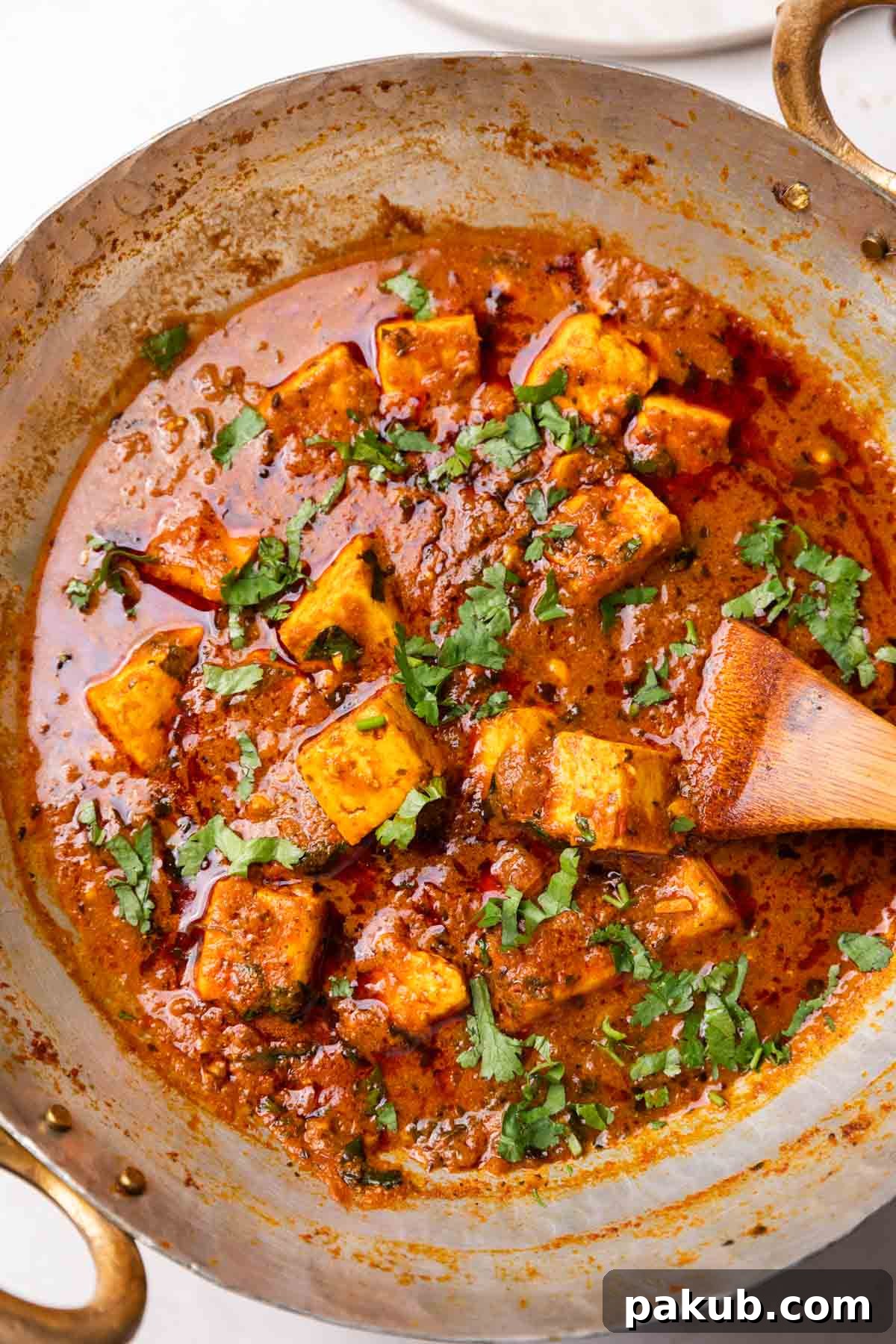
Indulge in the vibrant flavors of North India with this incredible Dhaba Style Paneer Masala. Rich, robust, and utterly delicious – your guests will never guess it’s homemade! Perfect for grand dinner parties or an extraordinary weeknight treat.
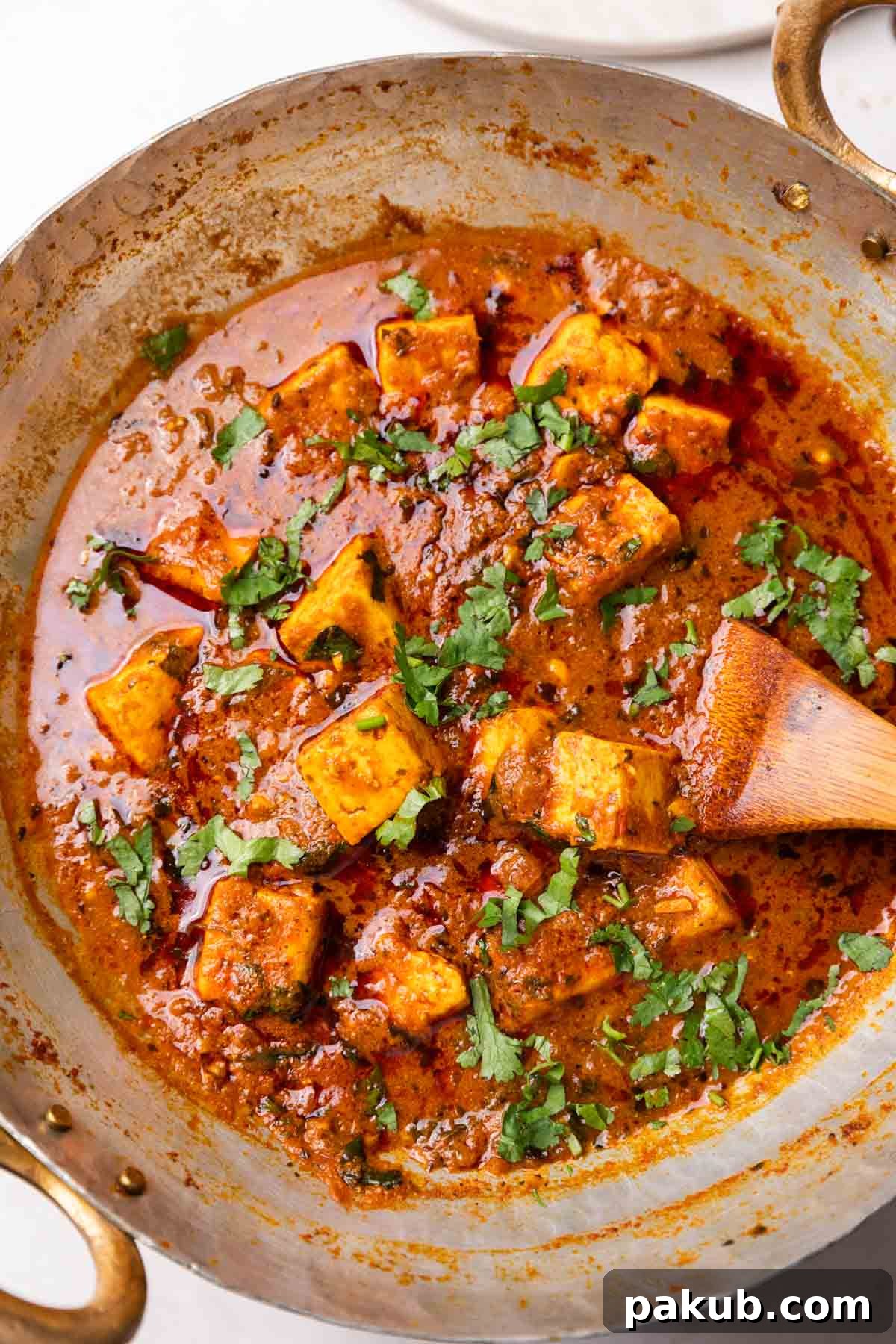
Imagine a paneer curry so bursting with sharp, rustic flavors that it tastes like it came straight from a bustling highway-side dhaba, yet it’s crafted entirely from simple pantry staples in your own kitchen! This isn’t just a dream; it’s the reality of this exceptional Dhaba Style Paneer Masala recipe. You absolutely have to try it to believe how authentically delicious it is.
While I cherish my go-to, simpler paneer curries like the creamy Palak Paneer and the comforting Matar Paneer, there’s an undeniable allure to an extra-luscious dhaba style paneer masala. Served alongside warm, fluffy naan bread, it transforms an ordinary meal into an unforgettable culinary experience. If you’re a fan of bold, aromatic Indian food, you’re definitely with me on this one!
Crafting this paneer dish demands a little more time and attention, primarily because the masala is painstakingly ground and slow-cooked until it achieves a deep, rich color. This traditional slow-cooking technique, known as ‘bhuno,’ is the secret ingredient that infuses the dish with its unparalleled depth of flavor and signature aroma. Trust me, the effort is immensely rewarding. This isn’t just another recipe; it’s a keeper you’ll revisit time and again.
Table of Contents: Dhaba Style Paneer Masala
- What Defines Dhaba Style Cuisine?
- Why Make Dhaba Style Paneer at Home?
- Key Ingredients for Authentic Dhaba Flavor
- Mastering the Dhaba Cooking Technique: The ‘Bhuno’ Process
- Expert Tips for the Perfect Dhaba Style Paneer
- Step-by-Step Dhaba Style Paneer Masala Recipe
- Serving Suggestions and Pairings
- Variations and Customizations
- Frequently Asked Questions (FAQs)
What Defines Dhaba Style Cuisine?
When we talk about “Dhaba style,” we’re not just referring to a type of restaurant; we’re describing a distinct culinary approach. Dhabas are roadside eateries predominantly found along highways in India, known for serving robust, hearty, and intensely flavorful food to travelers. Their cooking methods and flavor profiles differ significantly from typical home-style Indian cooking, creating a unique and beloved gastronomic experience. Replicating this style at home involves understanding and applying a few key techniques.
Firstly, dhabas are generous with fats. They often use a combination of oil, ghee (clarified butter), and sometimes butter to add unparalleled richness and to facilitate faster cooking over high heat. This liberal use of fats not only enhances the taste but also contributes to the luxuriant texture of the gravies. Secondly, a hallmark of dhaba cuisine is its inherent smoky flavor. This isn’t usually from liquid smoke or special additives; rather, it’s a natural outcome of cooking over open flames or extremely high heat, which imparts a subtle char and depth to the dishes. Many dhabas still use traditional chulhas (clay stoves) or large iron woks (kadhai) over roaring fires, contributing to this unique smoky essence.
Perhaps most importantly, dhabas are renowned for their enthusiastic and liberal use of freshly ground spices. Unlike pre-packaged spice mixes, the aroma and potency of freshly roasted and ground whole spices are incomparable. This practice makes a profound difference in the final taste, creating a more vibrant and aromatic curry. Finally, many dhaba dishes conclude with a sizzling ‘tadka’ – a tempering of hot oil or ghee infused with whole spices like cumin seeds, dried red chilies, and sometimes asafoetida, poured over the finished dish. This final flourish adds a burst of flavor, aroma, and visual appeal, bringing the entire dish together with a flourish. These are the very techniques we meticulously replicate in this recipe to help you achieve that coveted, authentic dhaba style taste right in your own kitchen.
Why Make Dhaba Style Paneer at Home?
Bringing the Dhaba experience into your home offers numerous advantages that extend beyond just taste. While the allure of roadside eateries is strong, preparing this paneer masala at home gives you complete control over the ingredients, ensuring freshness and quality. You can choose organic produce, premium paneer, and tailor the spice levels to your preference, making it healthier and perfectly suited to your palate. This control is especially important for those with dietary restrictions or specific health considerations.
Furthermore, cooking at home allows for significant cost savings compared to dining out, especially for a family-sized portion. It’s a wonderful opportunity to engage with traditional Indian cooking methods and deepen your understanding of the cuisine. Recreating beloved flavors from scratch is incredibly satisfying. For those who harbor fond memories of road trips and dhaba lunches, this recipe offers a nostalgic journey, allowing you to relive those moments and create new ones around your dining table. Finally, there’s immense pride in presenting a dish this rich and authentic to your guests, knowing you’ve mastered a complex flavor profile right in your own kitchen. It transforms a simple meal into an impressive feast that reflects your culinary passion.
Key Ingredients for Authentic Dhaba Flavor
This Dhaba Style Paneer Masala boasts two distinct, yet harmoniously blended, components: a vibrant and fresh green masala paste, and a deeply spiced, rich gravy. Each component plays a vital role in building the complex layers of flavor that characterize this dish.
For the Green Masala Paste:
The green masala paste is the heart of the curry’s fresh and aromatic profile. We achieve this by blending together ripe, juicy tomatoes (which provide a crucial tangy base) with fiery green chilies (for a spicy kick). Fresh coriander leaves (cilantro) and aromatic mint leaves (pudina) are added generously, infusing the paste with a bright, herbaceous freshness that cuts through the richness of the gravy. This combination ensures a balanced flavor profile that is both invigorating and earthy.
For the Spiced Gravy:
The gravy is where the magic of Dhaba spices truly comes alive. It starts with an assortment of fragrant whole spices – think cumin seeds, green cardamoms, cloves, and cinnamon sticks. These are gently tempered in hot oil or ghee to release their essential oils and deep, rustic aromas, forming the base of the gravy. This step is crucial for building a foundational layer of flavor. To this aromatic base, we introduce our traditional desi spice powders, including Kashmiri chili powder for color and mild heat, coriander powder, cumin powder, turmeric powder, and black pepper. A special touch of chaat masala is added, which is key to achieving that distinctive tangy, savory, and slightly piquant “dhaba style” kick that makes this recipe truly stand out. Finally, to achieve a creamy texture and add a subtle tang, whisked curd (yogurt) is slowly incorporated and cooked until the oil separates, indicating it’s perfectly blended. Hot water is then added to adjust the gravy to the desired consistency, ensuring it’s thick and luxurious enough to coat the paneer beautifully.
Mastering the Dhaba Cooking Technique: The ‘Bhuno’ Process
The secret to the profound depth of flavor in this Dhaba Style Paneer Masala lies largely in a time-honored Indian cooking technique known as ‘bhuno’ or ‘bhunao’. This isn’t merely about frying; it’s a slow, meticulous process of sautéing the aromatic base ingredients and spices over medium-low heat until they are perfectly cooked down, deeply caramelized, and release all their rich flavors and aromas. It’s about patience and observation, allowing the ingredients to transform and merge into a cohesive, flavorful foundation.
The bhuno process typically begins after the whole spices have been tempered. Onions are fried slowly until they turn a beautiful golden brown, sometimes even slightly deeper, which brings out their natural sweetness and depth. This step is critical; undercooked onions will result in a raw taste, while perfectly browned ones provide a rich, savory backbone. Following this, the ginger-garlic paste is added and cooked until its raw smell disappears, ensuring a smooth flavor profile.
Then comes the green masala paste, which is diligently cooked, stirring frequently, until the moisture evaporates and the oil begins to separate from the sides of the pan. This indicates that the tomatoes and herbs have cooked down and their flavors have concentrated. Subsequently, the dry spice powders are introduced. These are cooked for a few minutes, gently stirring to prevent burning, allowing their flavors to bloom and integrate with the wet masala. The heat is often lowered during this stage to prevent the spices from scorching, which can impart a bitter taste. Finally, the whisked curd is incorporated on a low flame and cooked until the oil once again separates. This careful cooking of the curd prevents it from splitting and ensures a smooth, velvety texture in the gravy.
This entire ‘bhuno’ process, while requiring a bit of extra time, is absolutely essential. It concentrates the flavors, develops a rich color, and creates the signature rustic, robust taste that is the hallmark of authentic Dhaba cuisine. Skipping or rushing this step would mean sacrificing the very essence of what makes this paneer masala so special.
Expert Tips for the Perfect Dhaba Style Paneer
- The Best Paneer Makes All the Difference: While store-bought paneer is convenient, this recipe truly shines with Homemade Paneer. Homemade paneer is incredibly fresh, soft, and creamy, allowing it to soak up all the rich, rustic flavors of the masala paste and gravy beautifully. Its tender texture will elevate the entire dish, creating a melt-in-your-mouth experience that is simply unmatched.
- Embrace Mustard Oil for Authenticity: For that distinct ‘dhaba style’ flavor and a hint of desirable smokiness, Mustard Oil is my top recommendation. Its pungent notes mellow wonderfully upon heating and contribute significantly to the authentic taste profile. If mustard oil isn’t available or you prefer not to use it, any neutral-flavored vegetable oil (like canola or sunflower oil) will work. However, I strongly advise against using olive oil or coconut oil for this particular recipe, as their strong inherent flavors will clash with the traditional Indian spices.
- Achieving the Ideal Gravy Consistency: Keep in mind that the gravy will naturally thicken as it cools. If you find it too thick before serving, simply add a little more hot water, a tablespoon at a time, and stir gently until you reach your desired consistency. Reheat briefly to bring it back to temperature.
- Storage and Reheating: This Dhaba Style Paneer Masala can be stored in an airtight container in the refrigerator for up to 2-3 days. For best results, allow it to come to room temperature before gently reheating on the stovetop over low heat, adding a splash of water if needed to adjust consistency. Avoid microwaving for extended periods as it can toughen the paneer.
- Sauté Your Paneer Lightly: For an extra layer of flavor and to prevent the paneer from crumbling in the curry, you can lightly pan-fry the paneer cubes in a little ghee or oil until they are golden on all sides before adding them to the gravy. This creates a slight crust and helps them hold their shape.
- Garnishing for Impact: A final garnish of freshly chopped coriander leaves (cilantro) not only adds a burst of fresh flavor but also brightens the visual appeal of the dish. For an added touch of dhaba authenticity, you can also drizzle a small amount of extra ghee or a pinch of garam masala just before serving.
- Adjusting Spice Levels: The recipe provides a balanced level of heat. However, feel free to adjust the amount of green chilies and red chili powder according to your preference. For a milder curry, reduce the chilies; for extra heat, increase them. Remember that Kashmiri chili powder primarily adds color with minimal heat, so use it as directed for that vibrant red hue.
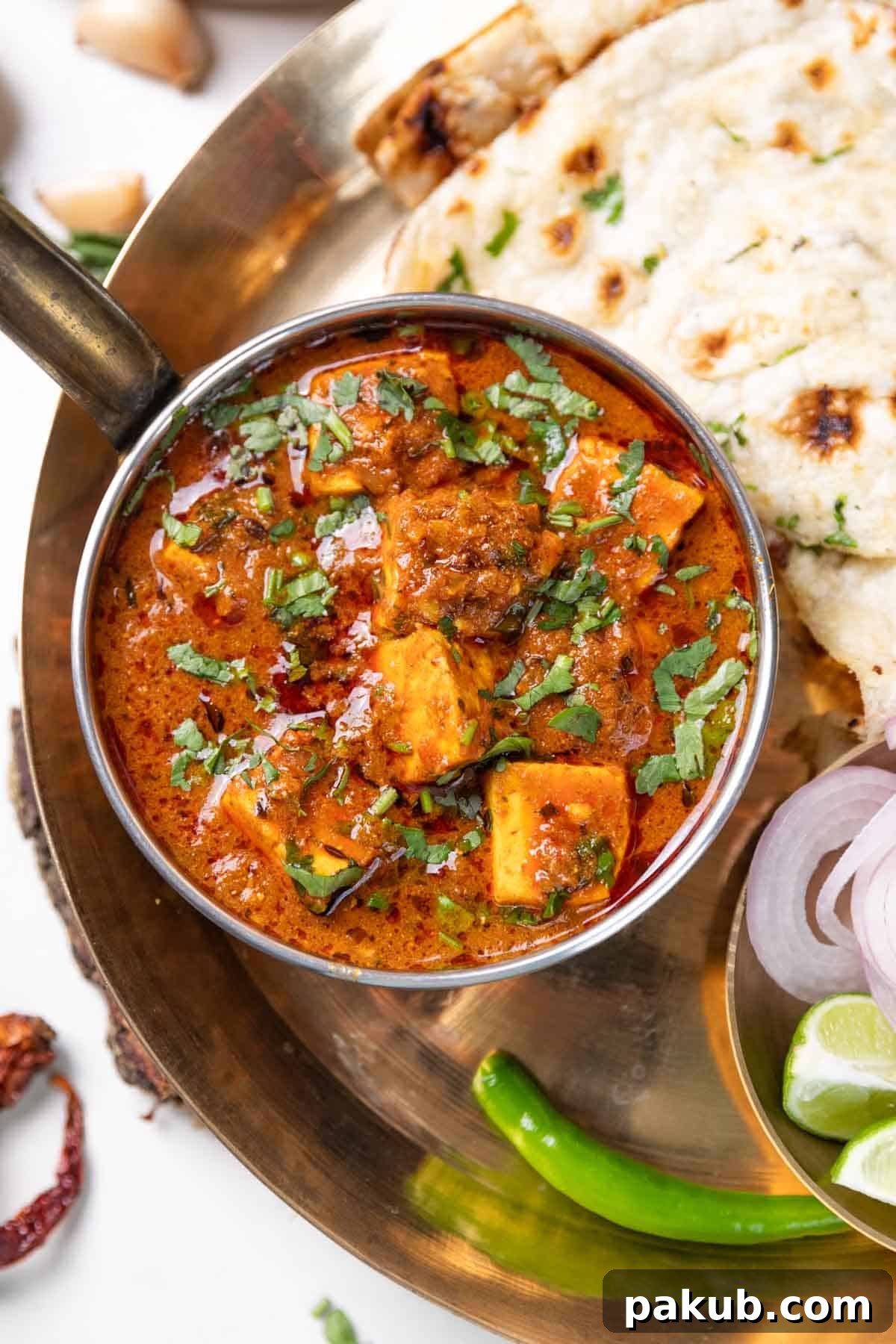
Dhaba Style Paneer Masala Recipe
By: Richa
A spicy, flavorful paneer curry with the same rustic flavors from a highway-side dhaba. Serve it with rice, naan, or roti for a delicious meal!
- Prep Time: 10 mins
- Cook Time: 45 mins
- Total Time: 55 mins
- Servings: 4 people
Ingredients
For Green Paste
- 2 tomatoes, chopped
- ½ cup coriander leaves
- ¼ cup mint leaves (pudina leaves)
- 2 green chillies
Spice Powders
- 1 teaspoon kashmiri chilli powder
- ½ teaspoon coriander powder
- ½ teaspoon cumin powder
- ⅛ teaspoon pepper powder
- ¼ teaspoon turmeric powder
- ½ teaspoon chat masala
- ½ teaspoon salt
- 1 ½ teaspoon red chilli powder
- ¼ teaspoon garam masala
For Gravy
- 250 grams paneer, cut into cubes
- 1 ½ tablespoons oil (preferably mustard oil)
- 1 tablespoon ghee
- ½ teaspoon cumin seeds (whole jeera)
- 2 cardamoms (green cardamom pods)
- 3 cloves
- 1 inch cinnamon stick
- ½ cup chopped onions (approx. 60 gms)
- 1 tablespoon ginger garlic paste
- ¼ cup curds (yogurt), whisked
- ¼ teaspoon kasuri methi (dry fenugreek leaves)
- ¾ cup hot water
Instructions
Making Green Masala Paste
- Add all the ingredients listed under “For green paste” into a blender. Grind until a smooth paste is formed. Set this aside.
For the Gravy
- Heat oil and ghee in a heavy-bottomed kadai or pan over medium heat.
- Once hot, add the whole spices: cumin seeds, cardamoms, cloves, and cinnamon stick. Sauté for about a minute until fragrant.
- Add the chopped onions and fry for 4-5 minutes, stirring occasionally, until they turn golden brown.
- Stir in the ginger garlic paste and continue to fry for another minute until its raw aroma disappears.
- Now, add the prepared green masala paste. Fry for 3-5 minutes, stirring continuously, until the oil begins to separate from the sides of the pan. This is the crucial ‘bhuno’ step for developing deep flavor.
- Add all the spice powders (kashmiri chilli powder, coriander powder, cumin powder, pepper powder, turmeric powder, chat masala, salt, red chilli powder) except garam masala powder. Mix well and cook for 3 minutes, stirring constantly to prevent the spices from sticking or burning.
- Reduce the flame to low. Add the whisked curds (yogurt) and cook, stirring gently, until the oil separates from the masala again. This ensures a smooth and creamy gravy without the curd splitting.
- Pour in ¾ cup of hot water and bring the gravy to a gentle boil. Let it simmer for 3-4 minutes to allow the flavors to meld.
- Finally, add the garam masala powder and kasuri methi. Mix well. Gently fold in the paneer cubes and cook for just 3 minutes to allow them to absorb the gravy without becoming tough.
- Garnish with freshly chopped coriander leaves and serve hot.
Serving Suggestions and Pairings
This Dhaba Style Paneer Masala is a complete meal in itself, but its experience is elevated when paired with the right accompaniments. For a classic Dhaba experience, serve it with warm, fresh Naan bread or soft Rotis to scoop up every last drop of the rich gravy. It also pairs wonderfully with steamed Basmati rice or a fragrant jeera rice for a more filling meal.
To balance the rich and spicy flavors, a refreshing side is essential. My favorite pairing is a cooling Cucumber Raita, which provides a soothing contrast. A simple green salad with sliced onions and a squeeze of lemon also adds a refreshing element. Don’t forget a wedge of fresh lime on the side; a squeeze of lime juice just before eating brightens all the flavors. For those who enjoy an extra kick, a few slices of green chili or a sprinkle of pickled onions can also be a delightful addition.
Variations and Customizations
One of the joys of cooking at home is the ability to customize recipes to your liking. This Dhaba Style Paneer Masala, while perfect as is, can be adapted in several ways:
- Make it Vegan: To create a delicious vegan version, simply substitute the paneer with firm tofu (pressed and lightly fried). Replace ghee with more mustard oil or a plant-based oil, and use a dairy-free yogurt or cashew cream instead of dairy curds.
- Add Vegetables: Enhance the nutritional value and texture by adding your favorite vegetables. Green peas, bell peppers, diced potatoes (par-boiled), or even mushrooms can be incorporated alongside the paneer or cooked slightly beforehand.
- Adjust Heat Levels: For a milder version, reduce the number of green chilies and use only Kashmiri chili powder for color. If you prefer more heat, add an extra green chili or a pinch of regular red chili powder.
- Smoky Flavor Boost: If you don’t achieve enough smokiness from high-heat cooking, you can try the “dhungar” method: place a small, heat-proof bowl in the curry, put a burning charcoal piece in it, drizzle a little ghee over the charcoal, and immediately cover the pan for a few minutes. This infuses a subtle smoky aroma.
- Nutty Richness: For an even richer, thicker gravy, you can add a tablespoon or two of cashew paste or blanched almond paste along with the green masala paste. This will give it a more Mughlai-style richness while still retaining the dhaba essence.
Frequently Asked Questions (FAQs)
- Q: Can I use frozen paneer for this recipe?
- A: Yes, you can use frozen paneer. Thaw it completely and gently squeeze out any excess water before cutting and using. For best results, soak thawed paneer in warm water for 15-20 minutes to restore its softness before adding it to the curry.
- Q: What if I don’t have all the whole spices?
- A: While the whole spices (cumin seeds, cardamom, cloves, cinnamon) contribute significantly to the authentic dhaba flavor, you can still make a delicious curry with just cumin seeds and garam masala powder if you’re missing some. However, try to use as many as possible for the best taste.
- Q: My gravy is too oily, what went wrong?
- A: Dhaba style cuisine is known for its liberal use of oil and ghee, so a certain amount of oil separation (tarri) is desired as it indicates a well-cooked masala. If it’s excessively oily for your preference, you can gently skim off some of the excess oil from the top before serving. This is often a sign of properly ‘bhuno-ed’ masala.
- Q: Can I prepare the green masala paste in advance?
- A: Absolutely! You can prepare the green masala paste a day in advance and store it in an airtight container in the refrigerator. This will save you prep time on the day you plan to cook the curry.
- Q: Is this dish very spicy?
- A: The recipe provides a medium spice level, characteristic of dhaba cuisine. However, you can easily adjust the heat. To make it milder, reduce the number of green chilies or remove their seeds. For more heat, you can add an extra green chili or increase the amount of red chili powder.
Nutrition Information (per serving)
- Calories: 354 kcal
- Carbohydrates: 16 g
- Protein: 13 g
- Fat: 28 g
- Saturated Fat: 13 g
- Polyunsaturated Fat: 2 g
- Monounsaturated Fat: 5 g
- Trans Fat: 0.02 g
- Cholesterol: 58 mg
- Sodium: 749 mg
- Potassium: 496 mg
- Fiber: 5 g
- Sugar: 7 g
- Vitamin A: 874 IU
- Vitamin C: 25 mg
- Calcium: 447 mg
- Iron: 3 mg
I have the fondest memories of vibrant dhaba lunches from countless road trip stop-overs across India. This recipe is my way of carrying on that love and those incredible flavors – making them accessible whenever the craving strikes! This Dhaba Style Paneer Masala makes a regular appearance at all my dinner parties, and for very good reason: it’s simply extraordinary, always a crowd-pleaser!
If you’re eager to explore more authentic dhaba style dishes, be sure to check out my Dhaba Style Dal Fry and the robust Dhaba Style Chicken Curry. If you try out this recipe, I’d love to see your creations! Share your pictures with me over on my Instagram @my_foodstory! Happy cooking!
This article was written by Navya Khetarpal.