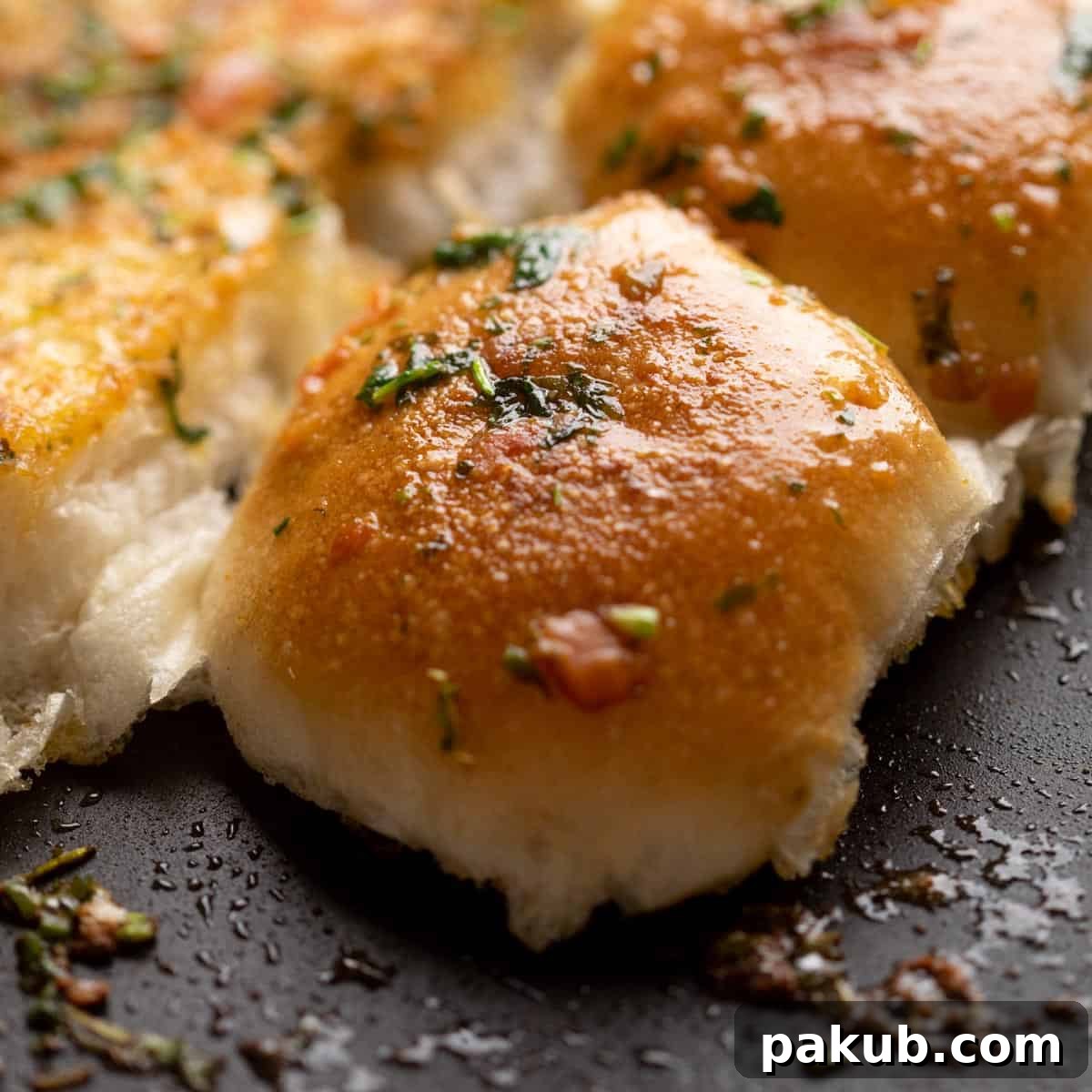
Delicious Homemade Mumbai Ladi Pav: Your Guide to Perfect Eggless Dinner Rolls
There’s nothing quite like the melt-in-your-mouth goodness of freshly baked Ladi Pav. These incredibly soft, buttery, and slightly sweet eggless dinner rolls are a staple of Mumbai cuisine, serving as the ultimate companion to iconic dishes like Pav Bhaji and the foundation for beloved street food Vada Pav. While often compared to Western dinner rolls, Ladi Pav boasts a unique tenderness and richness that sets it apart. Once you experience the unparalleled softness and golden crust of homemade Ladi Pav, you’ll understand why it’s a culinary treasure.
Whether you call them dinner rolls, buns, or simply bread, these homemade delights are guaranteed to impress with their:
- Incredibly soft and fluffy texture that practically melts away.
- Beautifully golden-brown tops, achieved with a simple milk wash.
- Rich, irresistible buttery flavor that enhances every bite.
- Exceptional versatility, serving as the perfect side dish for hearty stews, rich gravies, spicy Pav Bhaji, flavorful Misal Pav, or even elevating your everyday sandwiches.
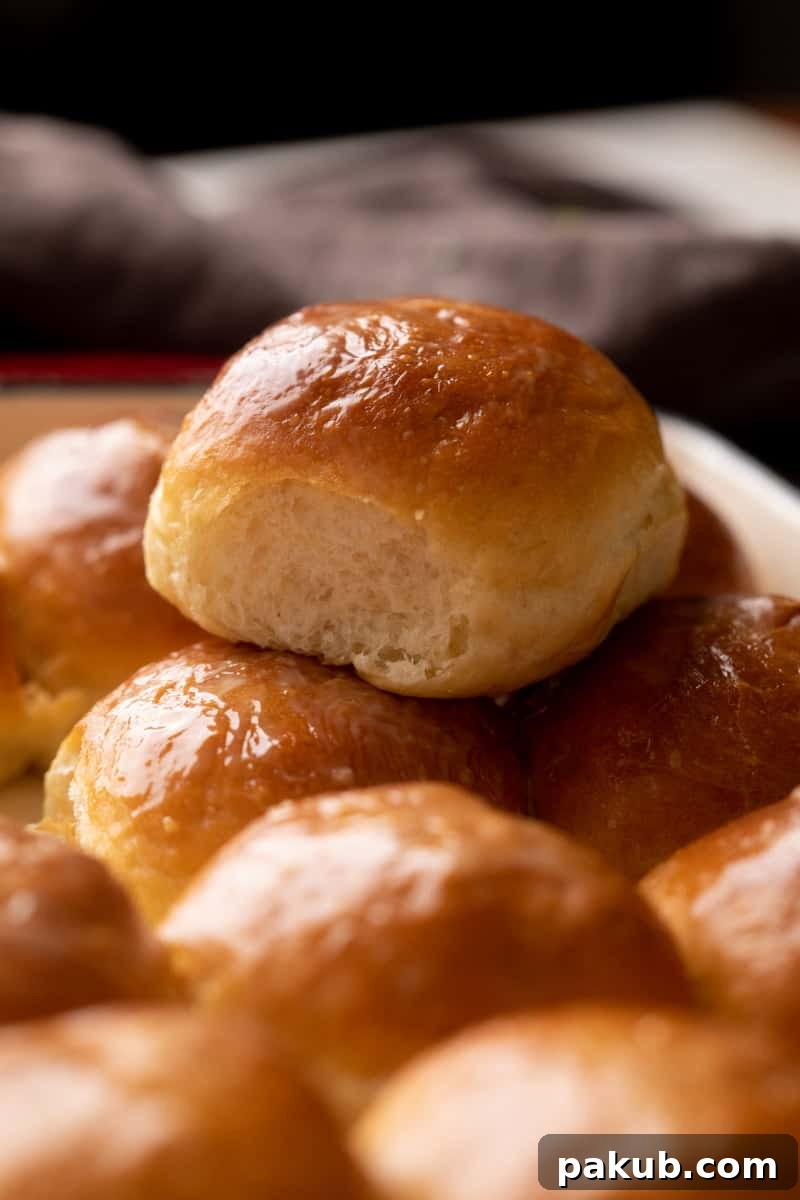
What Exactly is Ladi Pav? Unpacking This Mumbai Specialty
The name “Ladi Pav” literally translates to “buns (pav) in a single line (ladi),” a descriptive name reflecting their unique baking method. Unlike individual rolls, Ladi Pav are baked closely together in a large pan, causing them to merge and bake into a soft, pull-apart slab of bread. This communal baking process is what gives them their distinctive soft sides and makes them so easy to tear apart, perfect for soaking up gravies or enclosing a savory filling.
Originating in the vibrant city of Bombay (now Mumbai), Ladi Pav has been a cornerstone of local bakeries for generations. These bakeries tirelessly produce fresh batches throughout the day, ensuring a constant supply for the city’s diverse culinary needs. From breakfast bun maska (butter-laden buns) with a hot cup of cutting chai, to a quick Vada Pav snack in the afternoon, or a hearty Pav Bhaji dinner, Ladi Pav plays a central role in the daily life and food culture of Mumbaikars. Its versatility and comforting appeal make it more than just bread; it’s an experience.
Crafting Perfect Ladi Pav: The Essential Ingredients
Making authentic Ladi Pav at home is simpler than you might imagine, requiring just a handful of common pantry staples. Each ingredient plays a crucial role in achieving that signature soft, rich, and airy texture. Here’s a breakdown of what you’ll need and why it’s important for this delightful recipe:
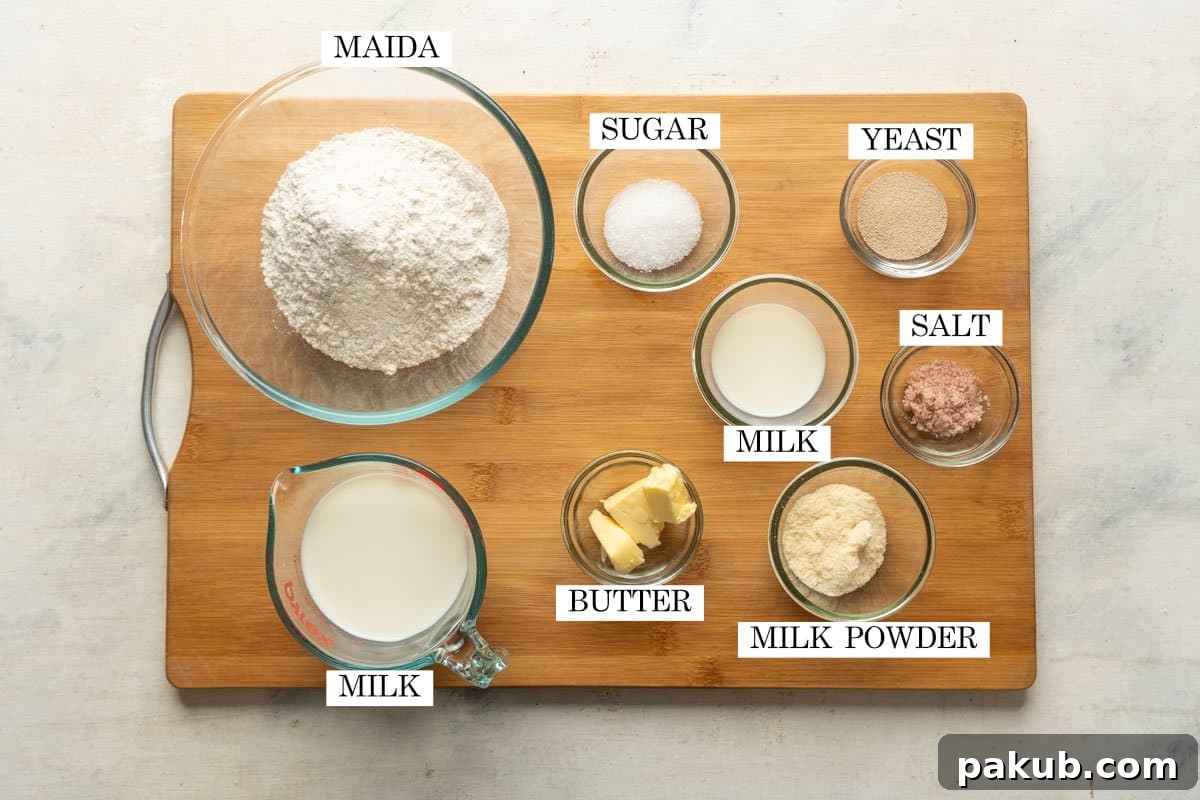
- All-Purpose Flour (Maida): This forms the primary structure of your bread. Its lower protein content compared to bread flour contributes to the desirable soft texture of Ladi Pav, while still developing enough gluten for a good rise. While a small amount of whole wheat flour (atta) can be added for flavor, exceeding 30% is not recommended as it can make the pav too dense.
- Sugar: More than just a sweetener, sugar is vital for activating the yeast, providing it with the necessary “food” to ferment and produce carbon dioxide, which gives the bread its rise. It also contributes to the beautiful golden crust and rounds out the flavor profile. Do not omit sugar.
- Yeast: We use Active Dry Yeast for this recipe. It needs to be activated in a warm liquid with sugar, a process that typically takes 5-10 minutes, indicated by frothing. This activation step is crucial; if your yeast doesn’t bubble, it means it’s inactive, and your dough won’t rise. Instant yeast can be used in the same quantity, but proofing times might vary slightly.
- Butter: A key ingredient that infuses these dinner rolls with their characteristic richness and buttery flavor. Using good quality salted butter, like Amul, can elevate the taste significantly. It also contributes to the bread’s tender crumb.
- Milk Powder: This secret ingredient is essential for achieving the best soft texture and adding depth of flavor and fat to the dough. It also helps in retaining moisture, keeping the pav fresh longer.
- Milk: Using milk instead of water creates a much softer, richer dough and contributes additional sugars and fats, which further tenderize the bread. Lukewarm milk is also used for the initial yeast activation. Additionally, a milk wash before baking helps create that irresistible golden-brown crust.
- Salt: A fundamental seasoning that brings out all the flavors in the bread. It also plays a role in controlling yeast activity and strengthening the gluten structure, though it’s typically added slightly later in the kneading process for optimal results.
Step-by-Step Guide: Crafting Your Own Irresistible Ladi Pav
Creating these delightful Ladi Pav at home is a rewarding experience. Follow these detailed steps to ensure your buns turn out perfectly soft, airy, and golden, just like those from Mumbai’s best bakeries.
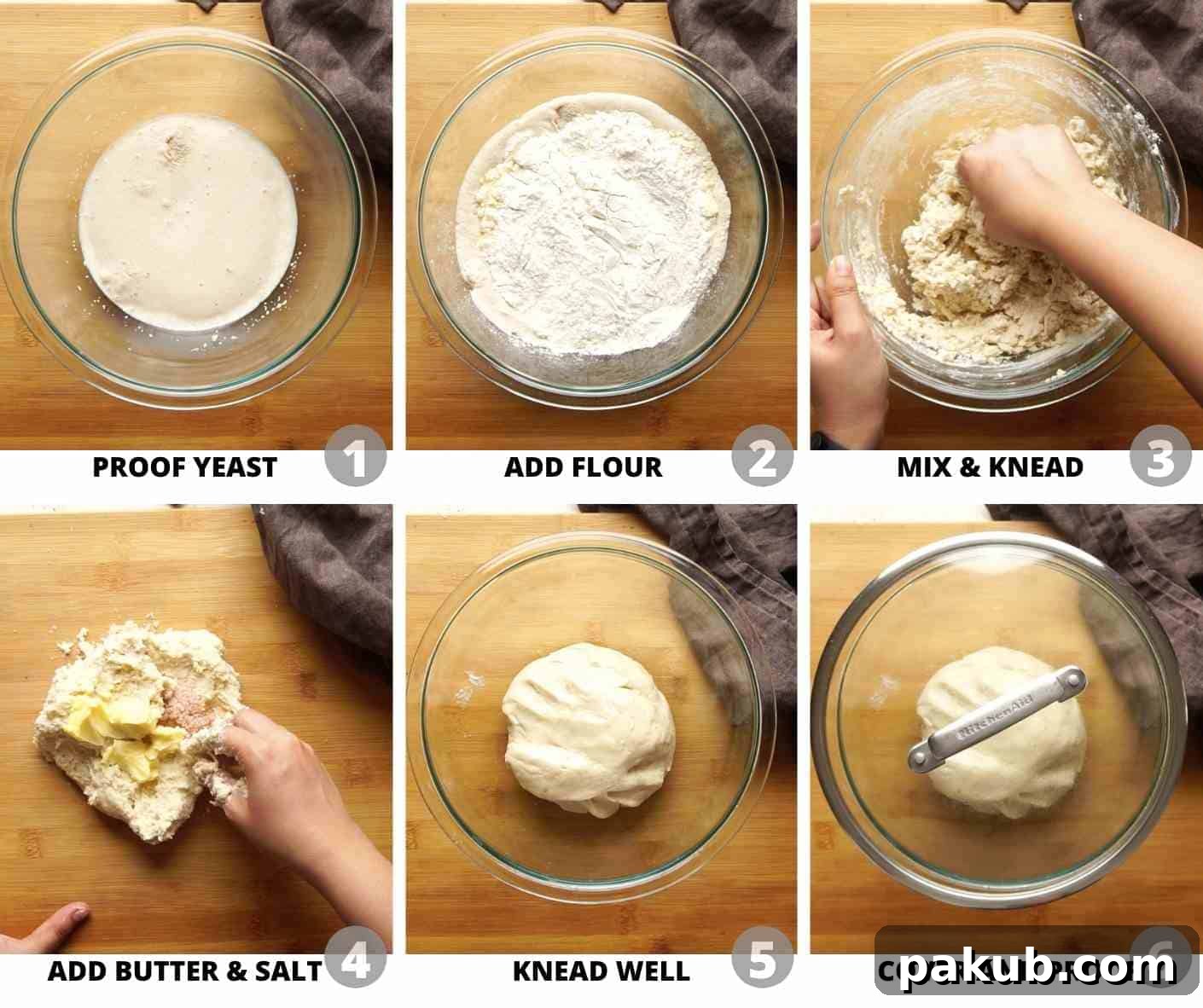
- Activate the Yeast: In a medium bowl, combine lukewarm milk (ideally between 38°C – 42°C or 100°F – 110°F) with sugar and active dry yeast. Stir gently and let it sit for 5-10 minutes. Look for a frothy layer on the surface, indicating the yeast is active and ready to work its magic. If no bubbles appear, your yeast may be old or inactive, and you’ll need to start with fresh yeast. This step is critical for a successful rise.
- Initial Dough Mixing: In a separate large mixing bowl, combine the all-purpose flour and milk powder. Create a well in the center and pour in the activated yeast mixture. Mix with a spoon or your hands until a shaggy dough forms. Transfer this sticky dough to a clean kitchen counter.
- First Kneading Phase: Begin kneading the dough for about 4-5 minutes. The dough will be quite sticky and messy at this stage due to its high hydration, which is essential for its final soft texture. Use a bench scraper or a blunt knife to continuously scrape the dough from the counter and your hands, folding it back onto itself. This initial kneading helps start the gluten development.
- Incorporate Butter and Salt: Once the dough starts to come together slightly, add the softened butter and salt. It’s important to add salt after some initial kneading because salt can inhibit yeast activity and slow down gluten formation if introduced too early. Continue kneading. The dough will become very tacky again after adding the butter, but persist.
- Final Kneading: Knead the dough for an additional 10-12 minutes (making the total kneading time roughly 15-17 minutes). Keep using your bench scraper. As you knead, the dough will gradually become smoother, more elastic, and less sticky, though it will remain slightly tacky. It should pass the windowpane test (stretch a small piece thinly until light shines through without tearing). If kneading by hand, rub a little oil on your hands occasionally to manage stickiness, but avoid adding extra flour.
- First Proofing: Lightly grease a large bowl with oil. Form the kneaded dough into a ball and place it in the oiled bowl, rolling it around to coat it lightly with oil. This prevents a crust from forming during proofing. Cover the bowl with plastic wrap or a damp cloth and let it proof in a warm place until it doubles in size. This can take anywhere from 1 to 3 hours, depending on your room temperature and humidity. A warmer environment (like an oven with just the light on) will expedite the process.
For a quicker proofing solution, especially in colder climates, you can proof the dough in an Instant Pot. Many tutorials, including my tutorial on proofing bread in an Instant Pot, show how this can cut the time down to as little as 30 minutes!
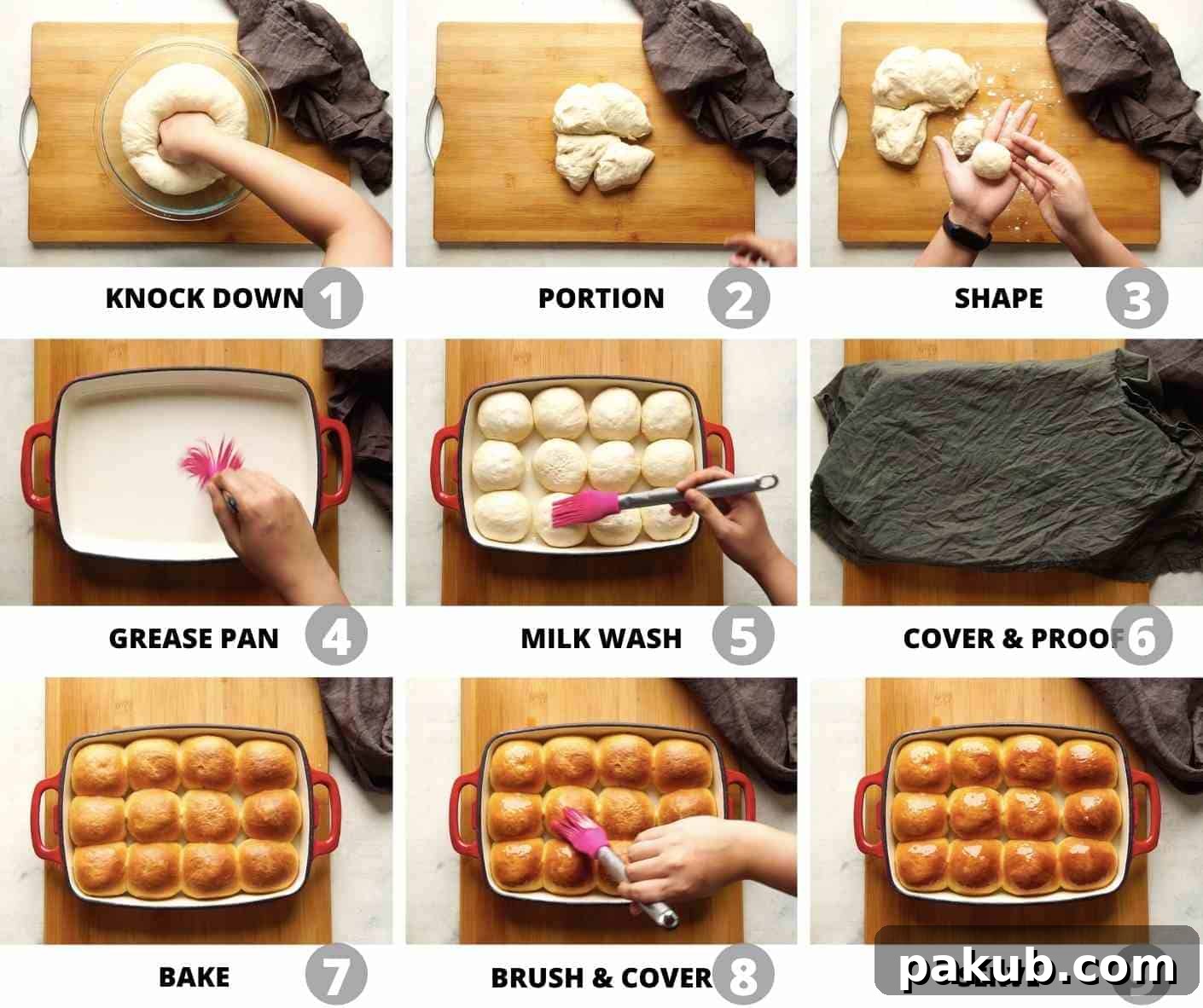
- Degas the Dough: Once the dough has proudly doubled in size, gently “knock it down” by pressing out the accumulated air. This step helps redistribute the yeast and creates a finer, more even crumb.
- Portioning the Dough: Transfer the degassed dough to a lightly floured surface. Divide the dough into 12 equal portions. For perfectly uniform Ladi Pav, it’s highly recommended to use a kitchen scale to ensure each portion weighs approximately the same (around 45 grams each for this recipe).
- Shaping the Buns: Take each portion and flatten it slightly. Pull the edges of the dough towards the center and pinch them together at the bottom to create a smooth, taut surface on top. Then, gently roll the dough ball between your palm and the counter in a circular motion to create a perfectly round, seamless bun. Tightly shaped balls lead to beautifully smooth-topped pavs.
- Prepare the Baking Pan: Lightly brush your baking pan with melted butter. The size of the pan is crucial for Ladi Pav. For 12 pavs, an 11 x 7-inch baking dish works perfectly, allowing the dough balls to be placed with about a 1/4-inch gap between them. This ensures they touch as they rise and bake, creating the signature “ladi” or pull-apart formation.
- Second Proofing and Milk Wash: Arrange the shaped dough balls in the buttered baking pan, maintaining small gaps. Brush the tops of the buns lightly with milk. This milk wash not only adds a lovely sheen but also contributes to the golden crust. Cover the pan with a damp cloth and allow the buns to undergo their second proofing for 30-60 minutes, or until they have almost doubled in size again and are visibly puffy. Keep a close eye on them at this stage; over-proofing can lead to a collapsed or dense final product.
- Preheat Oven and Bake: While the buns are proofing for the second time, preheat your oven to 180°C (350°F). Proper preheating is essential for a good “oven spring” (the final burst of rising that occurs when dough enters a hot oven). Once the buns are proofed, give them another light milk wash. Bake in the preheated oven for 15-20 minutes, or until their tops are a beautiful, even golden brown.
- Butter Brush and Cover: As soon as the Ladi Pav come out of the oven, immediately brush their hot tops generously with melted butter. The butter will seep into the warm bread, adding immense flavor and contributing significantly to their softness. Then, cover the pan with a clean, damp cloth for an additional 5 minutes. This steaming technique locks in moisture, making the buns incredibly soft and tender.
- Serve and Enjoy: Once slightly cooled, carefully remove the Ladi Pav from the pan. They are now ready to be served! Break them apart and enjoy them warm with Pav Bhaji, slice them for Vada Pav, or use them as soft, buttery accompaniment to any meal. These fabulous rolls are versatile and utterly delicious!
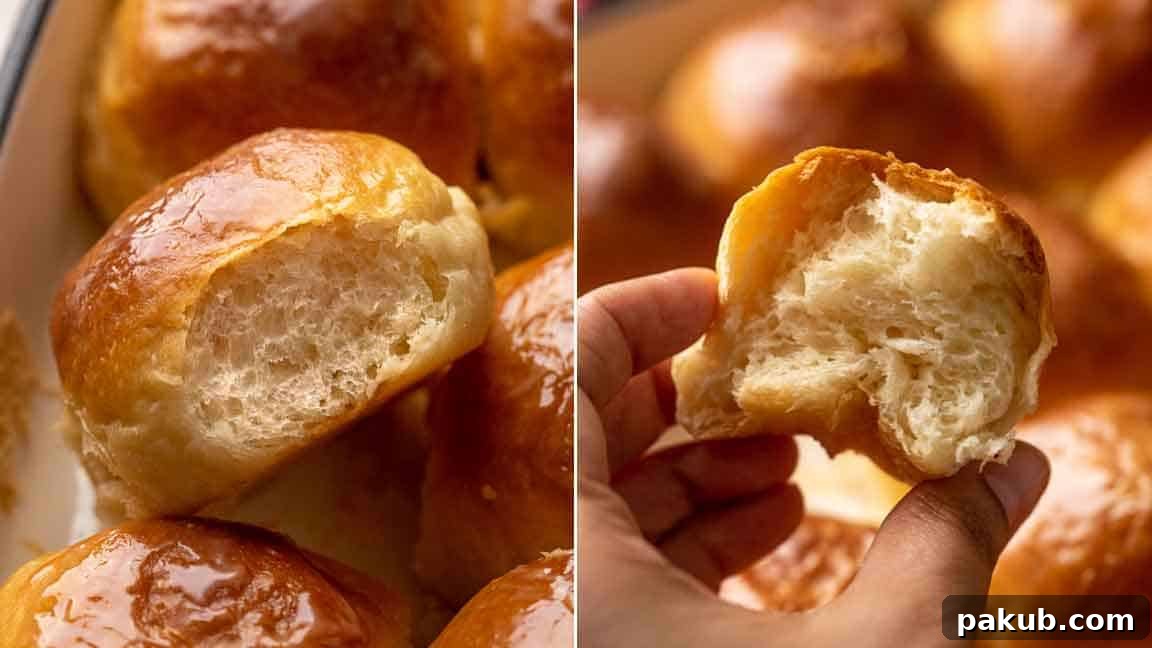
The result of your efforts will be Ladi Pav that are truly unreal! The texture is exquisitely soft, the crumb is light and airy, and the crust boasts a deep, inviting golden brown hue. These homemade rolls are so satisfying that you’ll find yourself making them frequently, whether for a comforting evening snack, a hearty breakfast with eggs, or as perfect road trip food transformed into delicious sandwiches.
Richa’s Top Tips for Making the Best Ladi Pav Every Single Time
Achieving bakery-quality Ladi Pav at home is entirely possible with a few key insights and techniques. Here are some expert tips to ensure your bread rolls turn out perfectly:
- Ensure Your Yeast is Active: This is the absolute first and most critical step. Always test your yeast by proofing it in warm milk and sugar. If it doesn’t foam or bubble within 5-10 minutes, it’s inactive, and your bread won’t rise. Investing in good quality, reliable yeast is essential.
- Don’t Fear the Sticky Dough: This Ladi Pav recipe calls for a high-hydration dough, which means it has a significant amount of liquid. This makes the dough incredibly sticky and tacky initially, which can be daunting. Embrace the stickiness! It’s what contributes to the incredibly soft and airy texture. A sturdy bench scraper is your best friend here – use it constantly to scrape the dough from your counter and hands, bringing it back together as you knead.
- Leverage a Stand Mixer (if available): While kneading by hand is perfectly achievable (as demonstrated in many tutorials to show the process), a stand mixer with a dough hook will make the kneading process significantly easier and less messy, especially for such a sticky dough. It can save you time and effort.
- Resist the Urge to Add Excess Flour: This is a common mistake when dealing with sticky dough. Adding too much extra flour during kneading will alter the hydration balance of the dough, resulting in dense, hard pavs rather than soft and fluffy ones. Stick to the precise measurements in the recipe. A light dusting on your work surface is fine, but avoid incorporating large amounts into the dough.
- Knead Thoroughly: Proper kneading is fundamental for developing the gluten structure that gives bread its texture and ability to rise. If kneading by hand, commit to about 15-17 minutes until the dough transforms from a shaggy mess to a relatively smooth, elastic ball that is still slightly tacky but manageable. With a stand mixer, 10-12 minutes is usually sufficient. A well-kneaded dough should be able to pass the “windowpane test” – stretch a small piece of dough thinly enough that you can see light through it without it tearing.
- Shape Tightly for Smooth Tops: The way you shape your individual dough balls significantly impacts the final appearance. Use the technique of pulling the sides down and pinching at the bottom, then rolling lightly on the counter. This creates surface tension, ensuring your Ladi Pav have beautifully smooth, uniform tops without any bumps or irregularities.
- Select the Right Baking Pan: The specific size of your baking pan is crucial for achieving the “ladi” effect. For this recipe, an 11 x 7-inch pan is ideal for 12 pavs. Placing the dough balls with about 1/4 inch of space allows them to proof and bake into each other, creating those soft, tear-apart sides and ensuring they rise upwards rather than spreading too thin.
- Always Preheat Your Oven: This tip is paramount for any bread baking. A hot oven provides the initial burst of heat (known as “oven spring”) that causes the yeast to become highly active, rapidly expanding the dough before the crust sets. This leads to a higher, airier loaf. Always preheat your oven for at least 15-20 minutes before baking, placing your pan on the middle rack with both top and bottom heating elements active.
Every time you follow these steps, you’ll be amazed at the consistent quality of your homemade Ladi Pav. This versatile dough can also be adapted to make other delicious creations, such as soft burger buns or even stuffed buns. For eggless burger buns, simply place the shaped dough balls on a parchment-lined baking tray, ensuring they are at least 1.5 inches apart so they don’t stick. You can also sprinkle sesame seeds on top before baking for that classic burger bun look and taste.
Watch the Magic Unfold: Ladi Pav Video Tutorial
(5 from 6 votes)
Ladi Pav
Ladi Pav is a quintessential Mumbai-style dinner roll that’s exceptionally soft, buttery, and boasts a beautiful, airy crumb. It is traditionally served with classic dishes like pav bhaji, misal pav, or used to make the famous vada pav.
Ingredients
- 200 Millilitres Milk, lukewarm (38°C – 42°C)
- 2 ½ Teaspoons Active Dry Yeast
- 1 Tablespoon Sugar
- 250 Grams All Purpose Flour
- 2 Tablespoons Milk Powder
- 20 Grams Butter, softened
- 1 Teaspoon Salt
- 1-2 Teaspoons Oil
- 3 Tablespoons Milk, for brushing
- 30 Grams Butter, melted, for brushing
Instructions
- Add lukewarm milk, sugar, and yeast to a bowl and mix well. Allow to sit for 10 minutes or until frothy. You should see bubbling activity on the surface, which indicates active yeast. If this doesn’t occur, do not proceed with the recipe, as your yeast is inactive, and the dough will not rise.
- Add all-purpose flour and milk powder to a mixing bowl. Make a well in the middle and add the milk-yeast mixture. Once combined into a shaggy dough, transfer it to a counter and knead for 5-10 minutes or until the dough begins to come together.
- The kneading process will be sticky initially, but the dough will eventually unify. Add the softened butter and salt, then continue kneading for several more minutes until fully incorporated and the dough becomes more elastic.
- When the dough has almost come together and is smooth and elastic (though still slightly tacky), rub about a teaspoon of oil between your palms and shape the dough into a cohesive ball.
- Transfer this dough ball into a large mixing bowl greased with the remaining oil. Ensure the dough itself is lightly coated with oil to prevent a crust from forming. Cover the bowl and allow the dough to proof for about an hour, or until it has doubled in size.
- Gently deflate the dough and divide it into 12 equal portions, approximately 45 grams each. Shape each portion into a small, tight ball and arrange them in a buttered baking pan, ensuring there is a small space between each dough ball for expansion.
- Cover the pan with a wet cloth and allow the shaped buns to proof for another hour, or until they have nearly doubled in size.
- Lightly brush the tops of the proofed pav buns with milk. Bake in a preheated oven at 180°C (350°F) for 30-35 minutes, or until the tops are beautifully golden brown.
- Remove the pan from the oven immediately after baking and brush the hot buns generously with melted butter. Cover the pan again with a wet cloth for 5 minutes. This step helps to steam the buns, making them incredibly soft. Remove from the pan once cool and serve warm, ideally toasted, with your favorite bhaji.
Video
Notes
- The time it takes for your dough to rise can vary significantly based on environmental conditions, including:
- Temperature: An ideal temperature range of 80°F (27°C) to 90°F (32°C) promotes faster and more consistent rising.
- Humidity: Higher humidity (60% to 80%) can also encourage quicker proofing. Adjust proofing times accordingly.
- Tips on How to Toast the Pav for Ultimate Flavor:
For 8-10 Pieces of Pav, you’ll need:
2-3 Tablespoons Butter
½-1 Teaspoon Bhaji Masala (optional, but highly recommended for an authentic taste)
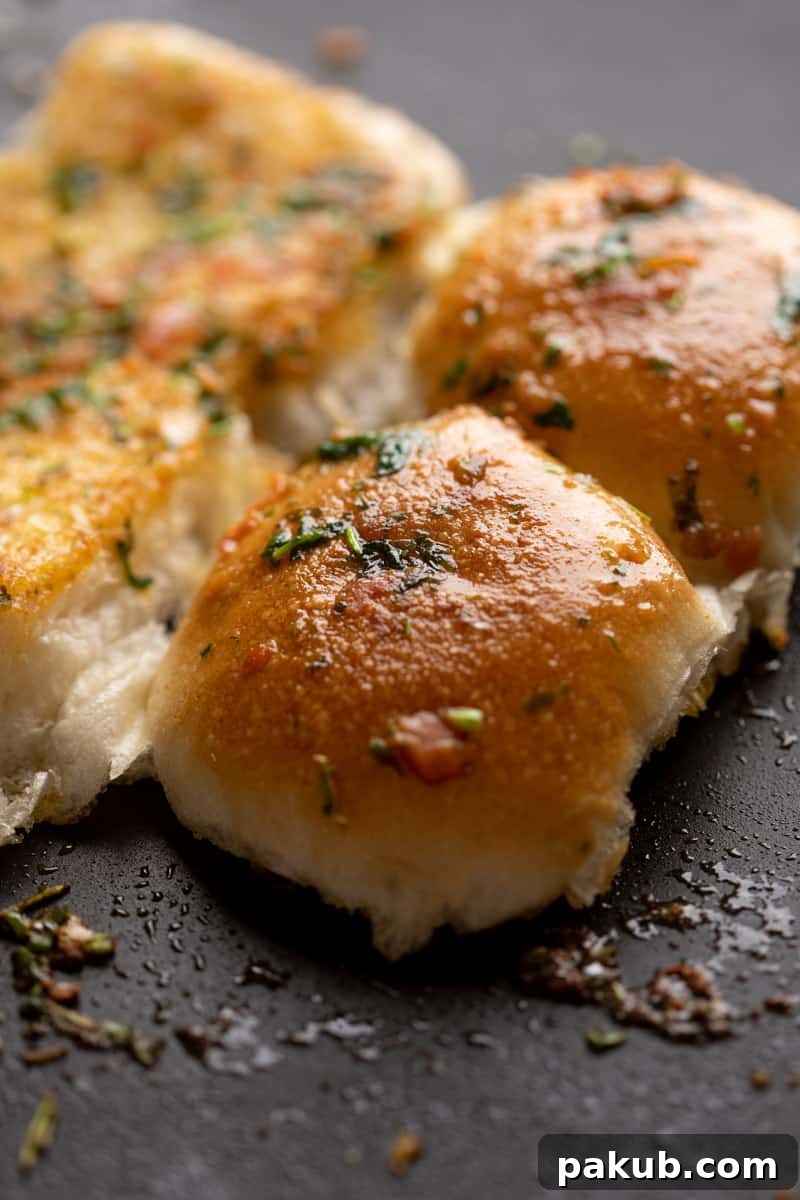
1 Teaspoon Coriander Leaves, chopped, dividedHeat a flat pan or tawa on medium flame. Once hot, add a generous blob of butter (adjust to your preference) and a pinch of pav bhaji masala, along with some chopped coriander leaves. Slice a piece of pav horizontally through the middle and place it on the tawa, cut-side down. Gently press and move the pav piece around to ensure it soaks up all the aromatic butter and masala mixture. Toast on medium flame for 1-2 minutes on each side, or until lightly golden brown and slightly crispy. Serve immediately with hot bhaji, freshly chopped onions, and a squeeze of lemon for a truly authentic Mumbai experience.
Nutrition Information (per bun)
Calories: 139kcal, Carbohydrates: 19g, Protein: 4g, Fat: 5g, Saturated Fat: 3g, Polyunsaturated Fat: 1g, Monounsaturated Fat: 1g, Trans Fat: 1g, Cholesterol: 12mg, Sodium: 239mg, Potassium: 91mg, Fiber: 1g, Sugar: 3g, Vitamin A: 149IU, Vitamin C: 1mg, Calcium: 39mg, Iron: 1mg
Making your own Mumbai Ladi Pav is a culinary journey that yields incredibly rewarding results. The aroma of freshly baked bread filling your home, followed by the first bite of a soft, buttery roll, is an experience that connects you directly to the bustling streets of Mumbai. This comprehensive guide, complete with detailed instructions and expert tips, empowers you to create these legendary eggless dinner rolls with confidence. So gather your ingredients, follow the steps, and prepare to delight your taste buds with the best homemade Ladi Pav you’ve ever tasted!