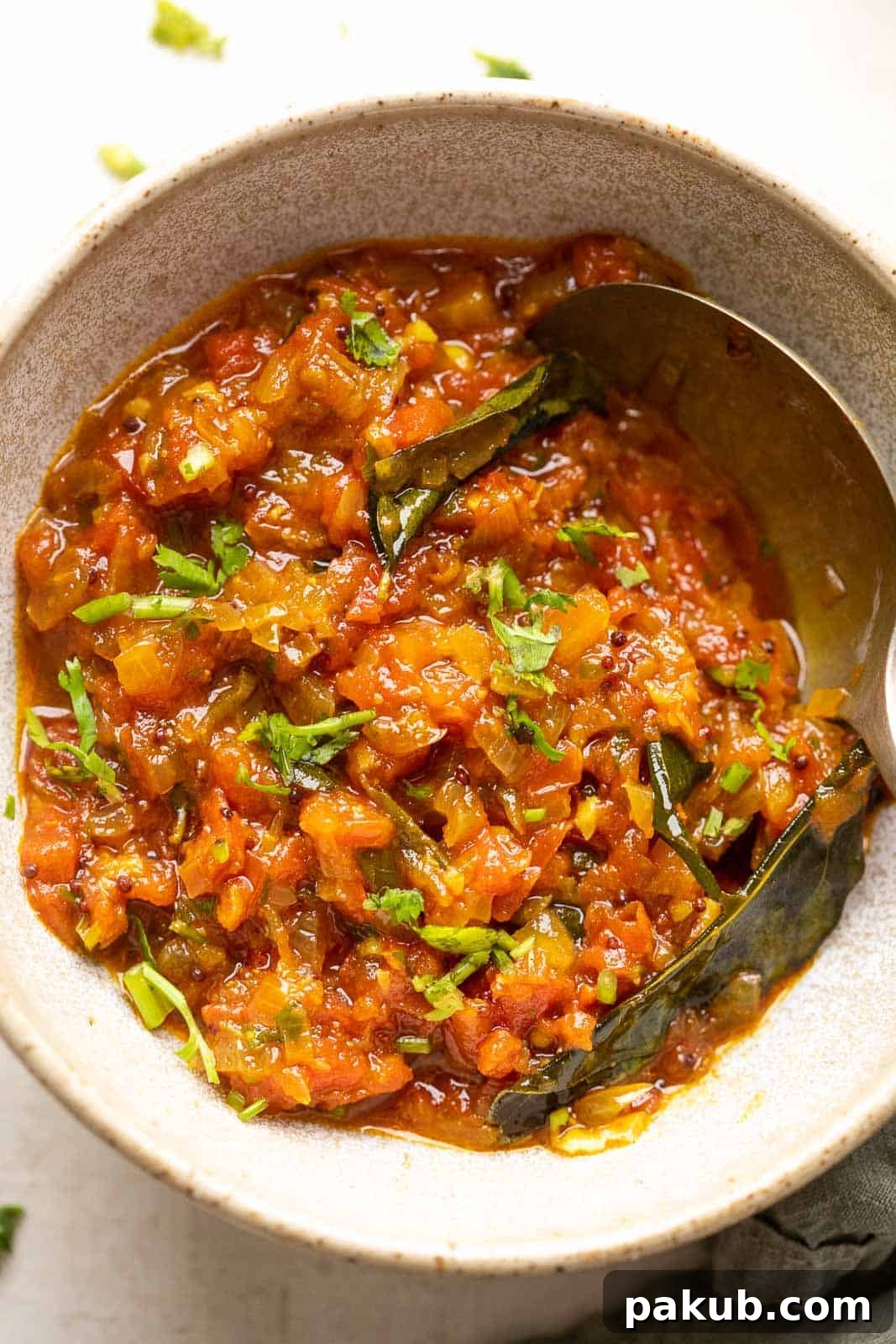
Move over, traditional condiments! Here comes the vibrant world of homemade tomato chutneys! We’re diving into two distinct Indian styles: a chunky, irresistible North Indian delight perfect for spicing up any meal, and a smooth, tangy South Indian classic that’s an ideal companion for your hearty breakfast. Get ready to transform your meals with these versatile and utterly delicious tomato chutney recipes and our expert tips!
Chutney is a cornerstone of Indian cuisine, a flavorful accompaniment that possesses the remarkable ability to elevate even the simplest meal. Bursting with fresh ingredients and vibrant spices, chutneys offer a spunky zest that can rescue any dish from monotony. Whether you’re scooping them up with soft dosas or fluffy rotis, or serving them alongside comforting khichdi or classic dal chawal, a good chutney adds an unmistakable layer of flavor and excitement.
The Unbeatable Appeal of Tomato Chutney
Among the myriad of chutneys, tomato chutney holds a special place in my heart as an all-time favorite. Its unique balance of tangy, sweet, and spicy notes makes it incredibly addictive and surprisingly simple to prepare at home. In this comprehensive guide, we’ll explore two distinct yet equally delightful versions: a rustic, chunky North Indian style (often referred to as Tamatar ki Chutney) and a silky-smooth South Indian style (known as Thakkali Chutney), designed to complement dishes like dosas and idlis. The North Indian version, highlighted in our video, is characterized by its jammy consistency and robust flavor, while its Southern counterpart offers a smoother texture with a pronounced tang.
Both variations are absolutely phenomenal, especially when tomatoes are in peak season, offering their freshest, most intense flavor. I often prepare a large batch of both, as they keep wonderfully in the refrigerator for up to a week, providing a convenient and delicious way to inject excitement into everyday meals. Forget boring side dishes; these homemade tomato chutneys are here to revolutionize your dining experience!
Picking the Perfect Tomatoes for Chutney
The secret to a truly exceptional tomato chutney lies in selecting the right tomatoes. For that ideal balance of tang, sweetness, and a hint of acidity, you’ll want to lean towards varieties that are naturally more tart. In India, small, round tomatoes often referred to as Naati tomatoes in Kannada (meaning ‘country’ or ‘local’ tomatoes) are highly prized for their intense flavor and perfect acidity profile. These locally sourced heirloom varieties stand in stark contrast to mass-produced hybrid tomatoes, which tend to be larger, more oval, and significantly sweeter, lacking the essential tartness needed for a well-rounded chutney.
You can easily identify Naati tomatoes by their smaller size and perfectly spherical shape, unlike the larger, somewhat oblong appearance of hybrid varieties. If you’re unsure about choosing the best tomatoes, don’t hesitate to ask your local vegetable vendor; they’ll usually be able to guide you to the right type. For those outside India, look for vine-ripened, organic, or heirloom tomato varieties known for their robust, slightly tart flavor rather than overly sweet, watery ones. Roma tomatoes can also work well if a tangy, firm-fleshed option is preferred.
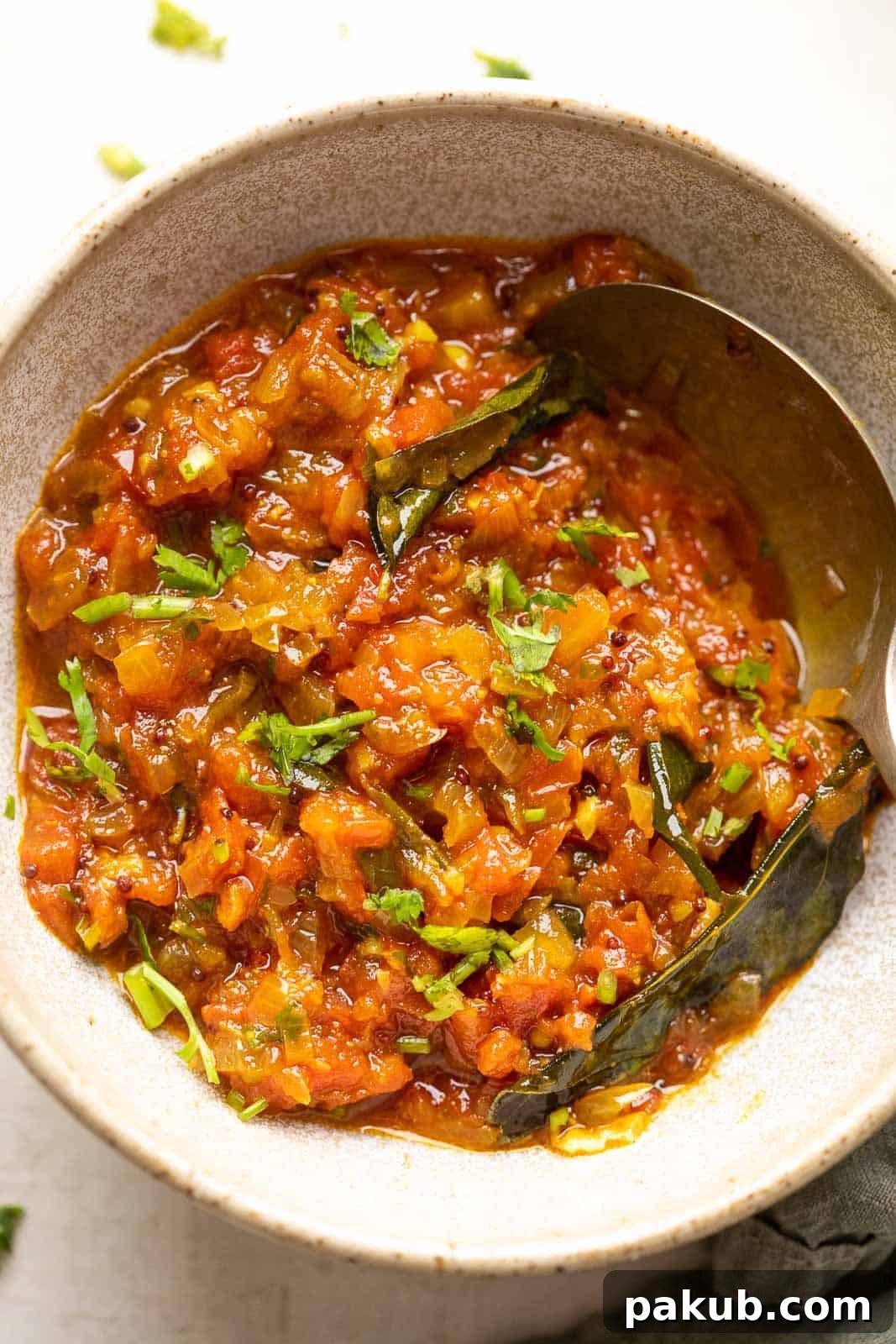
North Indian Style Tomato Chutney: A Jammy Delight
This North Indian Tamatar ki Chutney is a culinary masterpiece, celebrated for its wonderfully jammy and chunky texture. It’s a versatile condiment that seamlessly blends into a variety of meals, particularly favored as an accompaniment to comforting dishes like khichdi or a simple plate of dal chawal (lentils and rice). Its coarse yet smooth consistency, coupled with a captivating sweet and spicy flavor profile, makes it truly stand out. Unlike its Southern counterpart, this chutney features a richer, more robust flavor built upon a base of sautéed curry leaves, garlic, and onions, which are then simmered with fresh tomatoes and a blend of aromatic spices.
Beyond traditional Indian meals, its versatility knows no bounds. Imagine it as a delightful spread on toast or in a sandwich, offering a unique twist to your everyday snacks. It also makes for an excellent dip for fried appetizers or even as a flavorful accompaniment to grilled meats and cheeses. The robust combination of curry leaves, garlic, onions, and various spice powders like chili, coriander, and turmeric, creates a complex flavor that is both deeply satisfying and incredibly addictive.
Watch Our Chutney Recipes!
Steps to Crafting North Indian Style Tomato Chutney:
- Tempering the Spices: Begin by infusing oil with whole spices, creating an aromatic base.
- Sautéing Aromatics: Gently cook garlic and onions until translucent and fragrant.
- Adding Tomatoes: Incorporate chopped tomatoes, allowing them to soften and release their juices.
- Layering Flavor: Stir in a medley of spice powders for depth and warmth.
- Balancing Tastes: Adjust with a touch of jaggery to achieve the perfect sweet and tangy harmony.
- Simmering to Perfection: Cook the mixture down until it transforms into a rich, jam-like consistency.
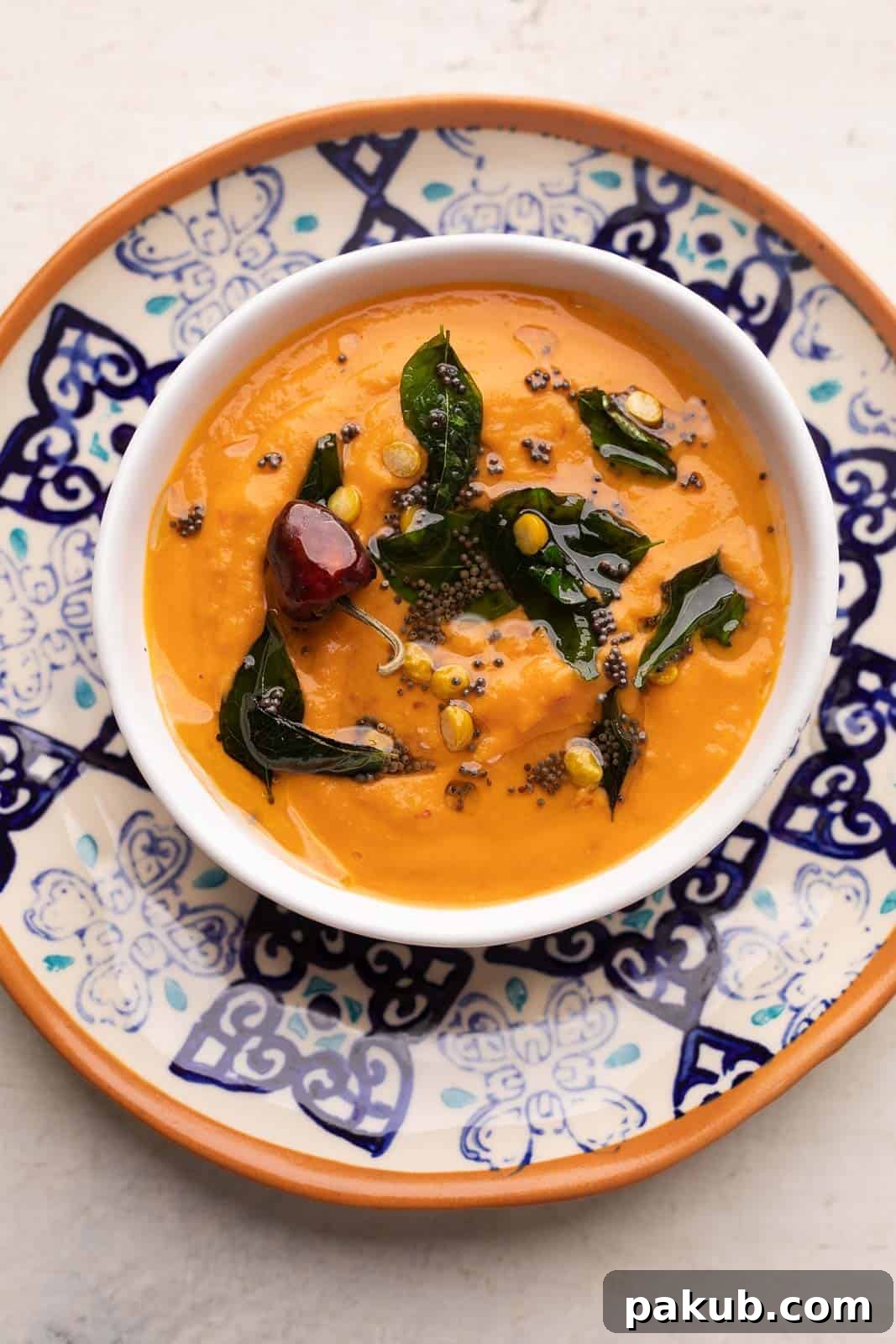
South Indian Style Tomato Chutney: The Perfect Breakfast Companion
Known affectionately as Thakkali Chutney, this smooth, vibrant condiment is the quintessential partner for beloved South Indian breakfast staples like fluffy idlis and crispy dosas. It offers a delightful symphony of tangy, sweet, and subtly spicy flavors, making every bite a memorable experience. The preparation involves a unique cooking process where fresh chopped tomatoes and onions are first sautéed until tender, often with a hint of garlic and ginger, before being ground into a velvety paste. This pre-cooking step ensures there’s absolutely no raw taste, resulting in a perfectly balanced and harmonious chutney.
A key distinguishing feature of the South Indian style is its tempering (tadka), which is added as a glorious finishing touch to the freshly ground chutney. This differs from the North Indian method where tempering often forms the initial flavor base. The tempering, typically involving mustard seeds, chana dal, and curry leaves sizzled in oil, adds a layer of crunchy texture and a burst of aromatic flavor, making the chutney irresistible. Beyond serving it alongside dosas and idlis, you can also spread this flavorful chutney directly onto a dosa while it cooks, creating a delicious variation reminiscent of a masala dosa.
Tips for Making Perfect Tomato Chutney
- Tomato Quality is Key: Always use fresh, ripe, and slightly tart tomatoes. Their natural acidity is crucial for the chutney’s balanced flavor.
- Don’t Rush the Cook: Allow the tomatoes to cook down slowly until they soften and break apart completely. This develops a deeper flavor and the desired jammy or smooth consistency.
- Balance Flavors: Taste as you go! Adjust salt, sweetness (jaggery/sugar), and spice (chilli powder, green chillies) to your preference. Chutney is all about balance.
- Proper Storage: Once cooled, store your homemade chutney in airtight containers in the refrigerator. Both versions will last for about 5-7 days. For longer storage, consider freezing in small portions.
- Experiment with Spices: While we provide traditional recipes, feel free to adjust spices. A pinch of asafoetida (hing) can add an extra layer of flavor to either chutney.
Must-Try Accompaniments & Serving Suggestions
While these tomato chutneys are stellar with traditional Indian fare, their versatility allows them to pair beautifully with many other dishes. Here are some ideas to inspire you:
- Breakfast: Enjoy with toast, scrambled eggs, or even as a flavorful base for avocado toast.
- Snacks: Serve as a dipping sauce for samosas, pakoras, spring rolls, or even chips.
- Main Meals: A fantastic side for grilled chicken, fish, or paneer. It can also be stirred into curries or used as a spread in wraps and sandwiches.
- Appetizers: Incorporate into a cheese board or serve with crackers for a delightful Indian-inspired appetizer.
More Chutney and Dip Ideas:
- Trio of South Indian Chutneys
- Green Coriander Chutney
- Egyptian Beetroot Dip
- Mango Mustard Dip
- Lebanese Muhammara
- Garlicky Yogurt Party Dip
Tomato Chutney – 2 Ways
Rate Recipe
Print Recipe
Ingredients
North Indian Tomato Chutney
- 2 tbsp Oil
- 1 tsp Mustard Seeds
- 2 Sprigs Curry Leaves
- 1/4 cup Onions, chopped
- 1 tsp chopped Garlic
- 2 cups chopped Tomato
- 1/2 tsp Chilli Powder
- 1 tsp Coriander Powder
- 1/2 tsp Turmeric
- 1 green chilli, finely chopped
- 3/4 tsp Salt
- 1.5 tbsp Jaggery
- 2 tbsp chopped Coriander
South Indian Tomato Chutney
- 2 1/2 tsp Oil, divided
- 1 small Onion, sliced
- 4 Garlic Cloves
- 1/4 inch Ginger
- 1 1/2 tsp Chana Dal, divided
- 2-3 dried Red Chillies
- 3 medium Tomatoes, roughly chopped
- 1/2 tsp Salt
- 1/2 tsp Mustard Seeds
- 1 sprig Curry Leaves
Instructions
North Indian Tomato Chutney
- Heat oil in a pan and add mustard seeds. Once they start spluttering, add curry leaves and saute. Add onions and garlic and cook for a few minutes until the onions soften and become translucent.
- Add tomatoes, chilli powder, coriander powder, turmeric, green chillies, and salt. Mix well, and cook covered for 10 minutes until the tomatoes soften and become jammy.
- Add jaggery and 1/4 cup water and simmer for another few minutes, allowing the flavors to meld and the chutney to thicken further.
- Serve hot, garnished with fresh chopped coriander.
South Indian Tomato Chutney
- Heat two teaspoons of oil in a pan. Add sliced onions, garlic cloves, ginger, dried red chillies, and one teaspoon of chana dal. Stir fry and cook until the onions soften and turn translucent.
- Add the roughly chopped tomatoes and salt. Pour in 1/4 cup of water. Cover the pan and cook for 7-8 minutes, allowing the tomatoes to break down completely. Turn off the flame and let the mixture cool completely.
- Once cool, transfer the cooked mixture to a blender and blend until you achieve a smooth, uniform paste.
- To prepare the tempering (tadka), heat the remaining oil in a small pan. Add mustard seeds and let them splutter. Then add the remaining chana dal and curry leaves. Cook for about 30 seconds until the chana dal turns golden and the curry leaves are fragrant. Turn off the flame.
- Pour this aromatic tempering over the blended chutney and mix gently before serving.
Video Guide
Notes
- Choosing Tomatoes: For optimal flavor, seek out small, round, and slightly tart tomatoes, often referred to as Naati tomatoes in India. These local varieties offer the best balance of acidity and sweetness.
- Serving North Indian Chutney: This robust, jammy chutney is traditionally enjoyed with comforting dishes like khichdi or alongside dal chawal, but it also makes a fantastic spread for sandwiches.
- Serving South Indian Chutney: The smooth, tangy Thakkali Chutney is the quintessential accompaniment for classic South Indian breakfasts such as fluffy idlis and crispy dosas.
Nutrition Facts (per serving)
Carbohydrates: 14g
Protein: 2g
Fat: 10g
Saturated Fat: 1g
Polyunsaturated Fat: 3g
Monounsaturated Fat: 6g
Trans Fat: 1g
Sodium: 900mg
Potassium: 290mg
Fiber: 3g
Sugar: 8g
Vitamin A: 372IU
Vitamin C: 28mg
Calcium: 63mg
Iron: 2mg
Loved these chutney recipes? Share your thoughts and culinary creations in the comments below! Your feedback means a lot to us!