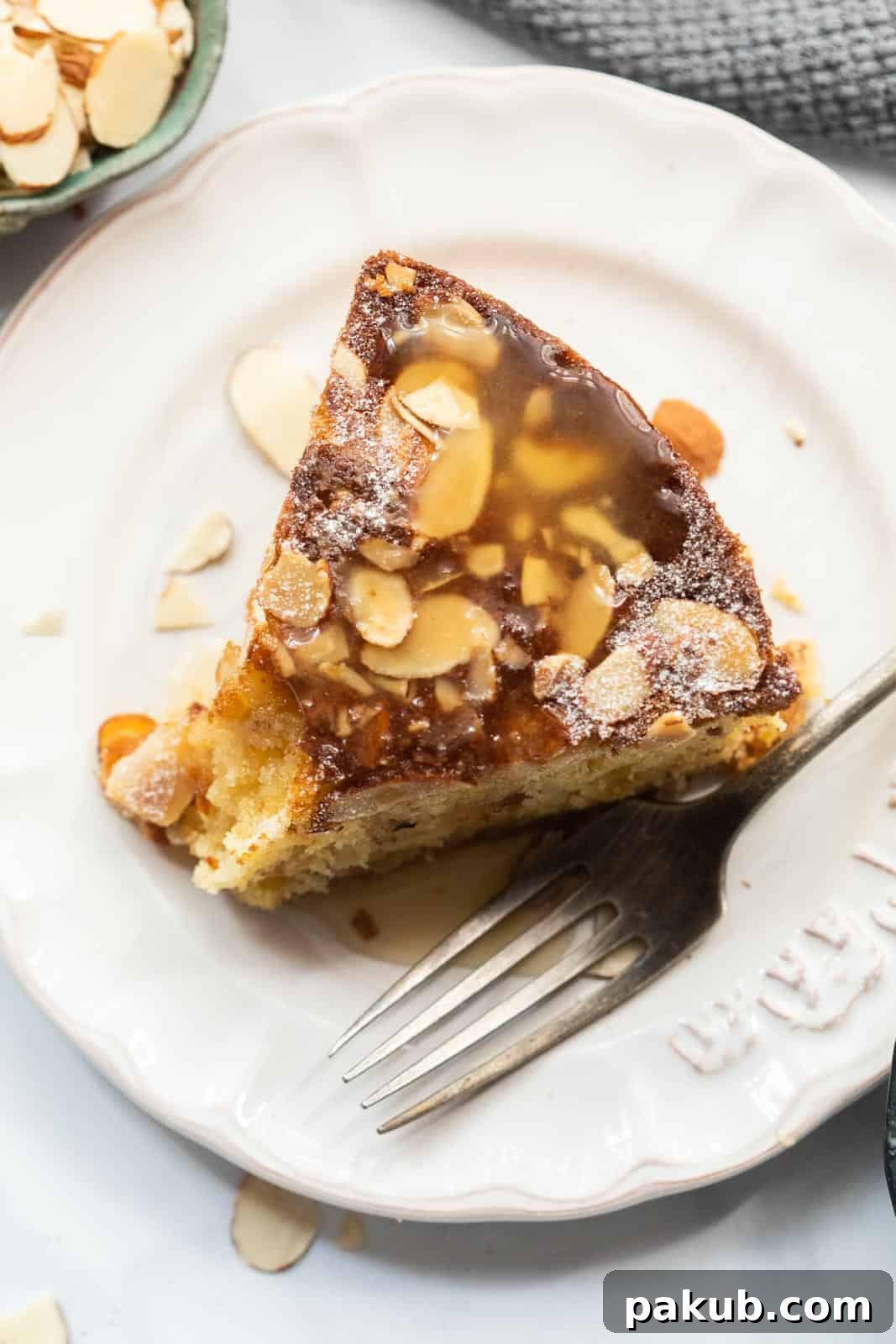
Authentic Scottish Dundee Cake: A Delightful Holiday Tradition
Bring in the holiday cheer with this exquisite Scottish Dundee Cake! It boasts delicate, rich flavors, beautifully complemented by a vibrant orange glaze, making it an absolutely delicious and unforgettable treat for any occasion.
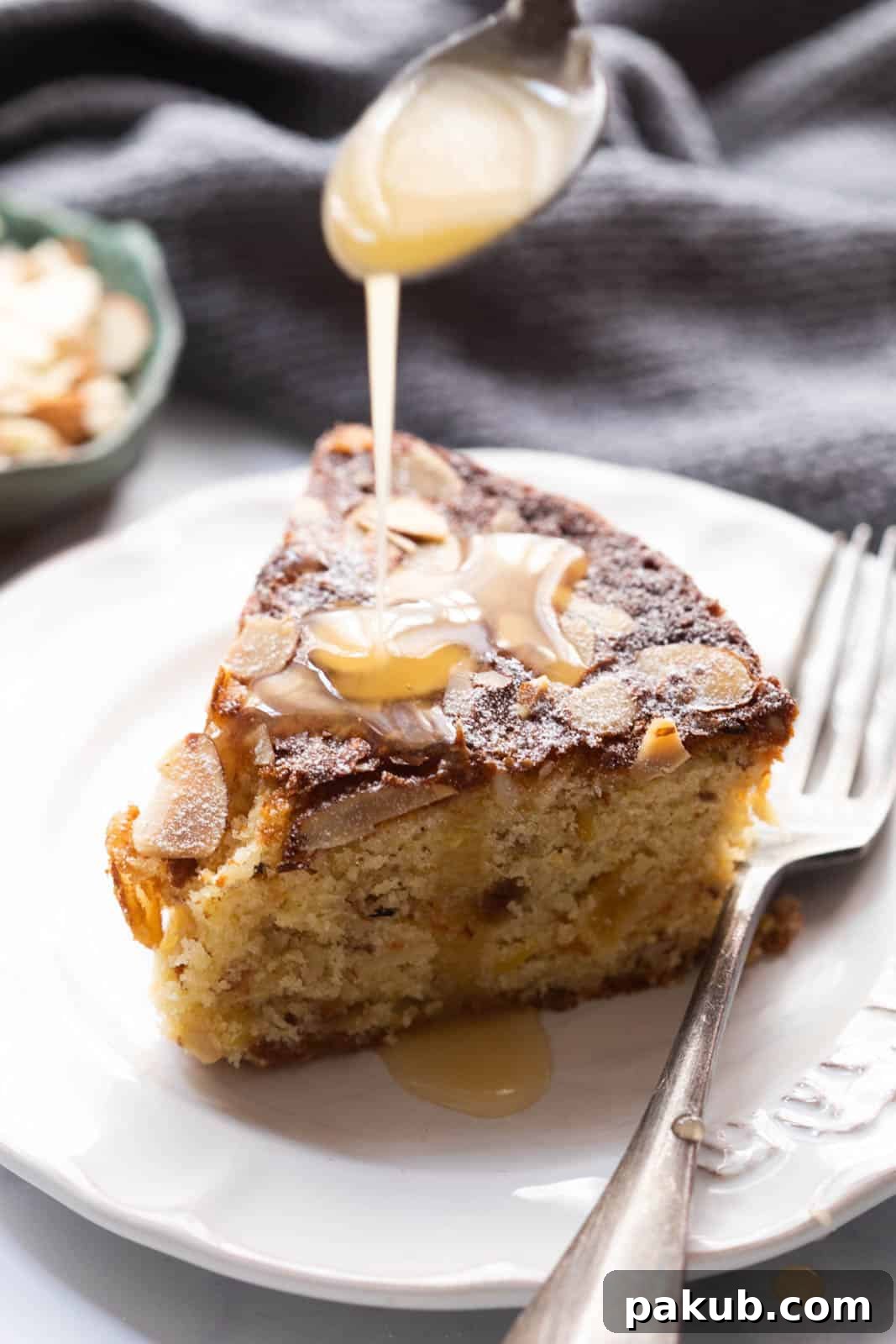
Imagine a lighter, more approachable cousin to the robust Christmas Plum Cake, infused with a charming Scottish essence. That’s precisely what the Dundee cake offers! Unlike the more commonly found plum cakes in many bakeries, this distinctively named Scottish classic is equally, if not more, delightful and surprisingly simple to prepare. While it makes a fantastic centerpiece for Christmas festivities, its versatility also makes it an ideal tea cake to enjoy on any ordinary day. Its unique blend of flavors and moist texture promises a truly comforting experience, transporting your taste buds straight to the heart of Scotland.
Quick Walk Through: Scottish Dundee Cake
- What’s Dundee Cake?
- Dundee Cake vs. Other Fruit Cakes
- The Signature Dundee Flavors
- How to Master Dundee Cake
- Expert Tips For Making The Best Scottish Dundee Cake
- Watch Dundee Cake Recipe Video
- More Holiday Desserts You’ll Love
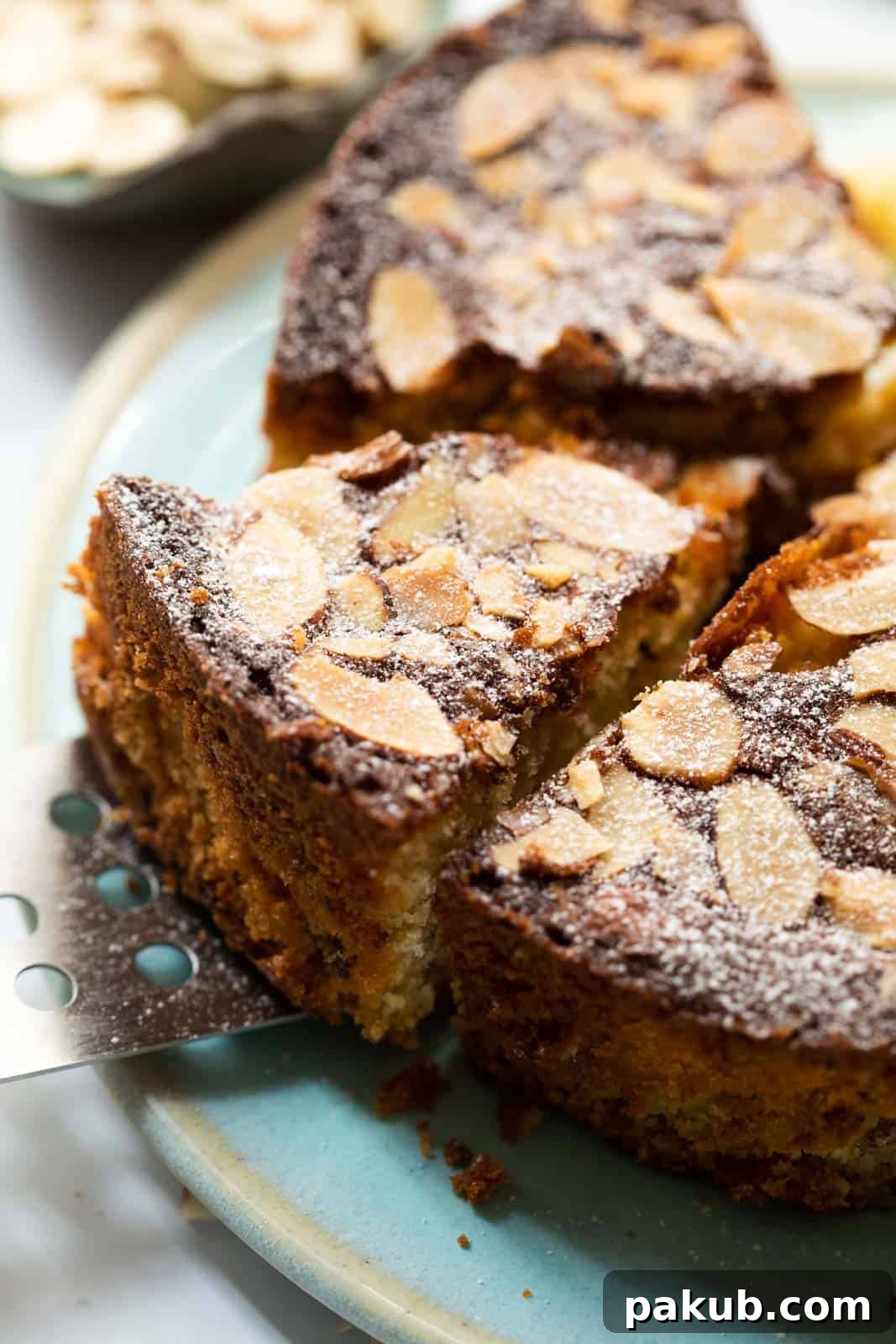
What’s Dundee Cake?
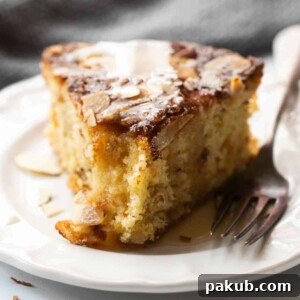
Originating from Dundee, a vibrant city in eastern Scotland, the Dundee cake is a celebrated traditional Scottish fruit cake. Its heritage traces back to the 19th century, often attributed to the Keiller marmalade company, though the exact origins are steeped in delightful folklore. This golden-brown cake is traditionally distinguished by its rich composition of sultanas, currants, and various fruit peels, crowned with an iconic and beautiful arrangement of blanched almonds on its surface. What truly elevates this cake is the unmistakable bright and slightly bitter orange flavor, often enhanced by a generous glaze, which brilliantly cuts through the cake’s inherent sweetness. Historically, and as we embrace that tradition in this recipe, a splash of Scotch whisky is incorporated, adding a layer of depth and warmth that is quintessentially Scottish. Whether enjoyed warm with a cup of tea or cold as a festive dessert, the Dundee cake is a testament to timeless baking.
Dundee Cake vs. Fruit Cake or Christmas Cake: What’s the Difference?
While often grouped with other rich fruit cakes, the Dundee cake holds several unique distinctions. One of the most notable differences lies in its fruit composition: traditional Dundee cake explicitly omits glacé cherries. Legend has it that a Scottish baker, or perhaps Queen Victoria herself, expressed a dislike for the bright red cherries, leading to their exclusion. Instead, the cake is generously topped with elegantly arranged blanched almonds, creating a beautiful white-on-brown visual appeal that is instantly recognizable. In comparison to the dense, heavily spiced, and often weeks-soaked traditional fruit or Christmas plum cakes, the Dundee cake is considerably lighter in texture. This lighter crumb makes it a more versatile treat, perfect for year-round enjoyment, not just the holiday season. Furthermore, you don’t typically need to soak the dried fruits in alcohol for weeks or even months in advance for a Dundee cake, making it a wonderful “last-minute” option for festive baking. Though the distinctions might seem subtle, these differences give the Dundee cake its very own unique and beloved flavor profile and character.
The Signature Dundee Flavors: Crafting the Perfect Scottish Taste
To truly achieve a Dundee cake that stands out with its authentic Scottish character and distinct flavor profile, certain ingredients are not just recommended but are absolutely essential. These components come together to create a symphony of tastes that differentiate it from other fruit cakes:
- Milk Powder: The Secret to a Malty Richness
Incorporating milk powder into the batter is a subtle yet significant step. It imparts a delicate, slightly malty, and profoundly rich flavor that adds depth and complexity to the cake, contributing to its tender crumb and unique taste profile. It helps create a more nuanced flavor that sets it apart. - Orange: The Heart of Dundee’s Aroma
Orange, in almost any form, is paramount to the Dundee cake’s identity. Whether it’s the tangy zest, fragrant orange marmalade or jam mixed into the batter, finely diced candied orange peel within the fruit mix, or the luscious orange glaze drizzled generously on top, this citrus fruit provides that signature fragrant and sweet-yet-tart taste. It brightens the cake and offers a refreshing contrast to the dried fruits. - Whisky: A Traditional Scottish Touch
What would a Scottish cake be without a splash of authentic Scotch whisky? This ingredient is more than just a flavor enhancer; it’s a nod to tradition. The whisky infuses the dried fruits with a warm, complex aroma and subtle alcoholic depth, complementing their sweetness and adding a layer of sophisticated flavor. While traditional Scotch is ideal, any good quality whiskey can be used, or it can be substituted with orange juice for a non-alcoholic version. - Blanched or Sliced Almonds: The Iconic Topping
The visual appeal of a Dundee cake is as important as its taste, and the blanched or sliced almonds serve as its crowning glory. Arranged meticulously in concentric circles or a charming pattern on top of the cake, they not only provide a delightful crunch but also create a beautiful white-on-brown decoration. This distinct almond topping is a visual hallmark that instantly identifies it as a true Dundee cake. - Dried Fruits: The Sweet Foundation
While not explicitly listed as a “signature flavor” above, the blend of dried fruits (sultanas, currants, raisins, sometimes apricots and figs) forms the sweet, chewy foundation of the Dundee cake. The choice and quality of these fruits significantly impact the cake’s texture and overall sweetness. Soaking them, especially in whisky, further enhances their flavor and ensures they remain plump and juicy during baking.
How to Master the Dundee Cake: A Step-by-Step Guide for Perfection
Crafting the perfect Dundee cake is a rewarding experience, and by following these detailed steps, you’ll achieve a moist, flavorful, and beautifully textured result:
- Prepare Your Fruits and Nuts: The Soaking Secret
Begin by soaking your chosen dried fruits and nuts in whisky. This step is crucial, as it allows the fruits to plump up, become incredibly tender, and absorb the rich flavors of the spirit, enhancing the cake’s overall depth. Ideally, soak them overnight to allow sufficient time for infusion. If you prefer, you can extend the soaking period for even deeper flavor development, or simply substitute the whisky with orange juice for a non-alcoholic alternative. Remember to bring the soaked fruits to room temperature before adding them to the batter. - Creaming Butter and Sugar: The Foundation of Fluffiness
This is one of the most vital initial steps in making a light and airy Dundee cake. Ensure your butter is at perfect room temperature – soft enough to easily cream but not melted. Using a hand blender or a stand mixer with a paddle attachment, cream the butter and sugar together until the mixture transforms into a pale, light, and wonderfully fluffy consistency. This process incorporates air, which is key to a tender cake. - Enriching with Eggs and Orange Marmalade
Once your butter and sugar are perfectly creamed, gradually incorporate the eggs, one at a time, mixing well after each addition until they are fully combined into the mixture. Follow with the orange marmalade, blending until everything is smoothly integrated. Don’t forget to scrape down the sides of your bowl to ensure all ingredients are evenly mixed. - Sifting Dry Ingredients: Preventing Lumps and Ensuring Evenness
In a separate bowl, sift together your all-purpose flour, almond flour, milk powder, and baking powder. Sifting is an essential step as it helps to aerate the dry ingredients, preventing any lumps in the final batter and ensuring a uniform distribution of leavening agents, which results in a consistent, tender cake texture. - Combining Wet and Dry, Adding Fruits: The Batter Comes Together
Gently fold the sifted dry ingredients into the wet mixture. Mix just until combined, being careful not to overmix, as this can lead to a tough cake. To prevent the delightful dried fruits and nuts from sinking to the bottom during baking, an old baker’s trick is to toss them in a tablespoon of the reserved all-purpose flour before adding them to the batter. This light coating helps them stay suspended, ensuring an even distribution throughout the cake. - Appreciating the Batter’s Texture
You’ll notice that Dundee cake batter is quite thick. Don’t be alarmed by this consistency; it’s precisely this richness that contributes to a remarkably moist and wonderfully fluffy cake once baked. - Decorating with Almonds: The Signature Finish
For that classic Dundee cake aesthetic and an extra layer of crunch, sprinkle sliced almonds generously on top of the batter. While traditional recipes sometimes call for whole blanched almonds arranged artfully, we discovered during testing that sliced almonds tend to stay more securely on the surface as the cake bakes, creating a more consistent and beautiful decoration. Arrange them in a pleasing pattern for a truly professional finish. - Baking to Golden Perfection
Preheat your oven to 180°C (350°F). Carefully transfer the prepared batter into your lined baking pan and bake for approximately 40-50 minutes. Baking times can vary, so it’s crucial to keep an eye on your cake. - Checking for Doneness: The Skewer Test
To confirm if your cake is perfectly baked, insert a clean wooden skewer or toothpick into the very center of the cake. If it comes out completely clean, without any wet batter attached, your cake is ready. If there’s still wet batter, continue baking for a few more minutes and retest. - Cooling and Serving: The Final Touch
Once baked, remove the cake from the oven and allow it to cool in the pan for about 10-15 minutes before carefully transferring it to a wire rack to cool completely. Serving this delightful cake with a vibrant orange glaze or a dusting of powdered sugar adds the perfect finishing touch, enhancing its flavors and presentation.
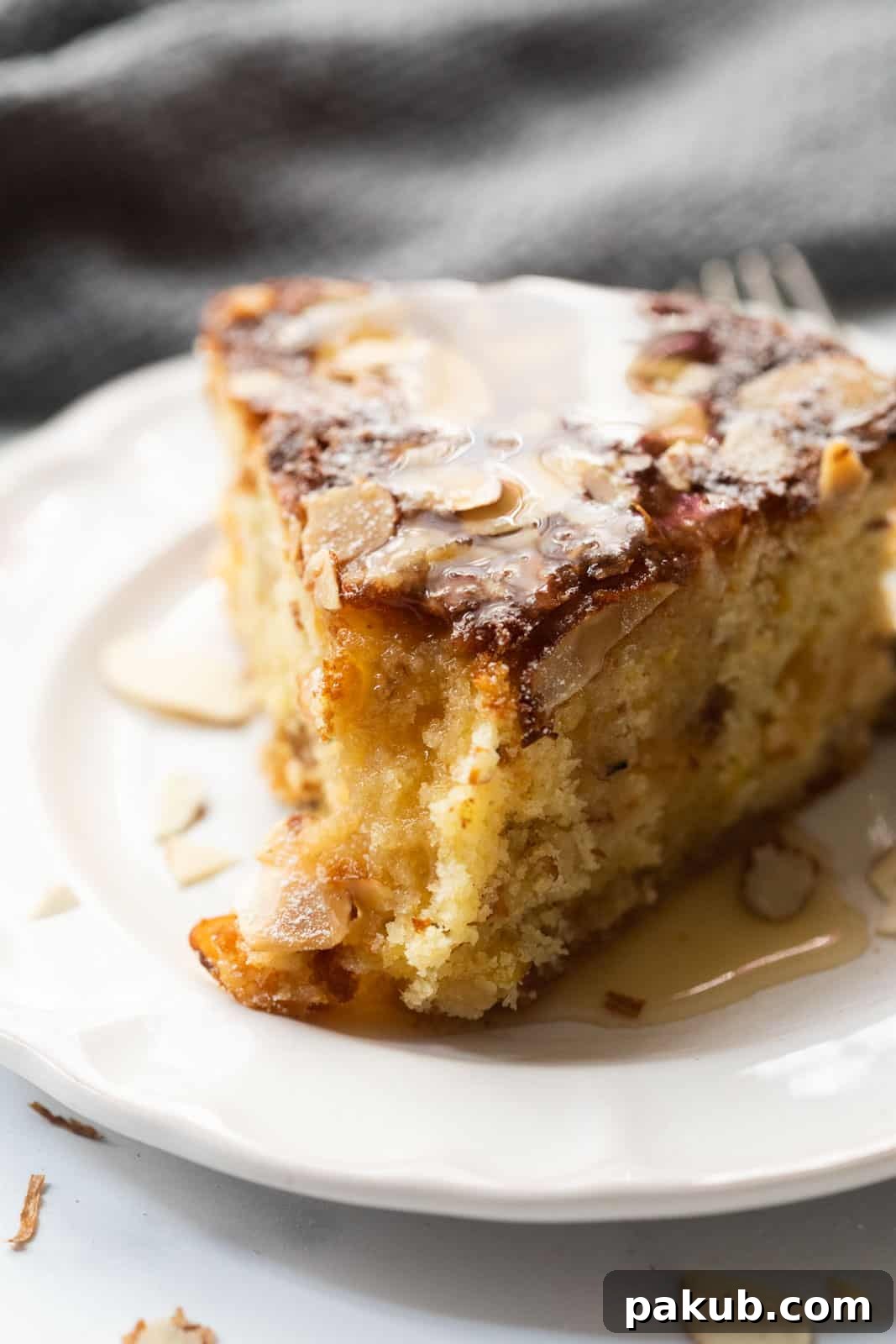
Expert Tips For Making The Best Scottish Dundee Cake
Achieving a truly exceptional Dundee cake goes beyond just following the steps; a few expert tips can elevate your baking to new heights:
- Patience During Baking: The Fruit Cake Principle
Fruit cakes, including the Dundee cake, inherently require a slower, more patient baking process. The density of the fruits and the rich batter mean they take a longer time to cook through evenly compared to lighter sponge cakes. Do not rush this process by drastically increasing the oven temperature, as this will result in a burnt exterior and an undercooked center. If you notice the top browning too quickly, loosely tent it with aluminum foil to protect it while the inside continues to bake. Patience is truly key to a perfectly cooked, moist fruit cake. - Optimal Storage for Lasting Freshness
To maintain its delicious flavor and moist texture, store your Dundee cake properly. Once completely cooled, wrap it tightly in plastic wrap or aluminum foil, and then place it in an airtight container. When stored in the refrigerator, the cake will remain fresh and delightful for about a week. For longer storage, it can be frozen for up to 3 months; simply thaw it overnight in the refrigerator before serving. - Quality Ingredients Make a Difference
The flavor of your Dundee cake is only as good as the ingredients you use. Opt for high-quality dried fruits, fresh eggs, and good butter. If using whisky, a decent Scotch will undoubtedly enhance the traditional flavor. Freshly squeezed orange juice for the glaze will also make a noticeable difference in its vibrancy and taste. - Room Temperature Ingredients for Best Results
Always ensure your butter and eggs are at room temperature. This allows them to emulsify properly, creating a smoother, more uniform batter and contributing to a finer, more tender crumb in the final cake. Cold ingredients can cause the batter to curdle or become lumpy. - Don’t Overmix the Batter
Once you add the dry ingredients to the wet mixture, mix only until just combined. Overmixing develops the gluten in the flour, which can lead to a tough and dense cake, sacrificing the desired light and fluffy texture of the Dundee cake. - Serving Suggestions Beyond Tea
While perfect with a cup of tea, Dundee cake is also wonderful with a dollop of clotted cream, a scoop of vanilla ice cream, or even a side of fresh berries. For an extra festive touch, a drizzle of warm custard can elevate it into a decadent dessert.
It’s a sweet, simple, and utterly satisfying deal. Don’t miss the opportunity to try this delightful Dundee cake recipe this holiday season! Or, better yet, make it any time you like and savor every delicious bite with a comforting cup of tea!
Watch Our Dundee Cake Recipe Video
Scottish Dundee Cake
Richa
20 minutes
45 minutes
1 hour
5 minutes
8
people
Print Recipe
Ingredients
Dundee Cake
- 140 grams Butter , at room temperature
- 140 grams Sugar
- 3 Eggs , at room temperature
- 2 tablespoons Orange Marmalade
- 85 grams All Purpose Flour
- 30 grams Milk Powder
- 30 grams Almond Flour
- ½ teaspoon Baking Powder
- 120 grams chopped dried fruits and nuts, we used almonds, cashews, dried apricots, raisins, sultanas, dried figs (ensure they are finely chopped)
- 2 tablespoons Whiskey (preferably Scotch, or substitute with orange juice)
- ¼ cup sliced Almonds (for topping)
Glaze
- ⅔ cup Icing Sugar (confectioners’ sugar)
- 1 cup Orange Juice, Freshly squeezed for best flavor
- 1 tablespoon Butter, melted
Instructions
Dundee Cake Preparation
-
In a medium bowl, combine the chopped dried fruits and whiskey (or orange juice). Stir well to ensure all fruits are coated. Cover the bowl and refrigerate overnight to allow the fruits to plump up and absorb the flavors. Before you begin baking the cake, take this mixture out of the fridge approximately 30 minutes in advance to ensure it returns to room temperature.
-
Preheat your oven to 180°C (350°F). This ensures a consistent baking temperature from the moment the cake enters the oven.
-
Prepare an 8-inch round baking pan by greasing it thoroughly with butter and then lining the bottom and sides with parchment paper. This prevents sticking and makes for easy removal of the cake.
-
Measure out one tablespoon of all-purpose flour and set it aside separately for later use. In a large mixing bowl, sieve together the remaining all-purpose flour, almond flour, milk powder, and baking powder. Sifting helps to remove any lumps and aerate the dry ingredients.
-
In a separate large bowl, using a hand blender or a stand mixer fitted with the paddle attachment, cream the room temperature butter and sugar together. Beat for about 3-4 minutes, or until the mixture becomes light, pale in color, and fluffy. This step incorporates essential air into the batter for a tender cake.
-
Add the eggs to the creamed butter mixture, one at a time, blending well after each addition. Then, incorporate the orange marmalade and continue mixing until all ingredients are well combined and smooth. Remember to scrape down the sides of the bowl periodically to ensure even mixing.
-
Gradually add the sieved flour mixture to the wet butter mixture. Using your hand blender on a low speed, mix until just combined and there are no visible lumps. Be careful not to overmix the batter at this stage.
-
Take the reserved tablespoon of all-purpose flour and toss it with the soaked, chopped fruit mixture. This light coating helps prevent the fruits from sinking during baking. Gently fold the floured fruit mixture into the cake batter until evenly distributed. Transfer the prepared batter into the lined baking pan. Use a spatula or the back of a spoon to gently level the top. Lightly tap the pan against the counter a few times to release any trapped air bubbles.
-
Arrange the sliced almonds decoratively on the surface of the batter. Place the pan in the preheated oven and bake at 180°C (350°F) for 45-55 minutes, or until a skewer inserted into the center of the cake comes out completely clean. Once baked, let it cool before serving with the orange glaze.
Glaze Preparation
-
In a small bowl, whisk together the freshly squeezed orange juice, icing sugar, and melted butter. Continue whisking for about 2 minutes, or until the mixture is smooth and well combined. For a perfectly smooth glaze, pass it through a fine sieve to remove any small lumps. Once the cake has cooled, drizzle this vibrant glaze generously over the Dundee cake and serve!
Recipe Notes
- Soak Fruits for Enhanced Flavor: Soaking the dried fruits and nuts in whiskey (or orange juice) is crucial. Ideally, soak them overnight to allow them to plump up and absorb the rich flavors. This makes the fruits incredibly moist and flavorful within the cake.
- Don’t Skip Milk Powder: The addition of milk powder is a subtle but impactful ingredient. It contributes a slight malty flavor and helps achieve a tender, rich crumb that is characteristic of an authentic Dundee cake.
- Embrace the Orange Essence: Orange is key to the Dundee cake’s identity. Utilize orange marmalade or jam within the batter, finely chopped candied orange peel with your dried fruits, and definitely finish with a bright orange glaze for that unmistakable fragrant and sweet-tart taste.
- Whiskey Choices: For a truly traditional Scottish cake, Scotch whisky is the ideal choice, adding a distinct depth of flavor. However, you can use any other good quality whiskey or brandy you prefer, or simply omit it entirely and use extra orange juice for a non-alcoholic version.
- The Almond Topping: Blanched or sliced almonds are essential for both the taste and iconic “white-on-brown” decoration of the cake. Arranging them artfully on top before baking creates a beautiful, traditional finish and a delightful crunch.
- Precise Baking for Perfection: Bake the cake in a preheated oven at 180°C (350°F) for approximately 40-50 minutes. To confirm it’s thoroughly baked, insert a skewer or toothpick into the center; it should come out completely clean. Once baked, allow the cake to cool fully before glazing or dusting with powdered sugar.
Nutrition
Carbohydrates: 37g,
Protein: 9g,
Fat: 29g,
Saturated Fat: 12g,
Cholesterol: 103mg,
Sodium: 194mg,
Potassium: 235mg,
Fiber: 2g,
Sugar: 23g,
Vitamin A: 561IU,
Vitamin C: 1mg,
Calcium: 99mg,
Iron: 2mg
More Holiday Desserts You’ll Love
- Non-alcoholic Eggnog
- Eggnog Tres Leches
- Garam Masala Eggless Apple Bundt Cake
- Easy Make Ahead Cinnamon Bread Pudding
- 3-ingredient Biscoff Thumbprint Cookies