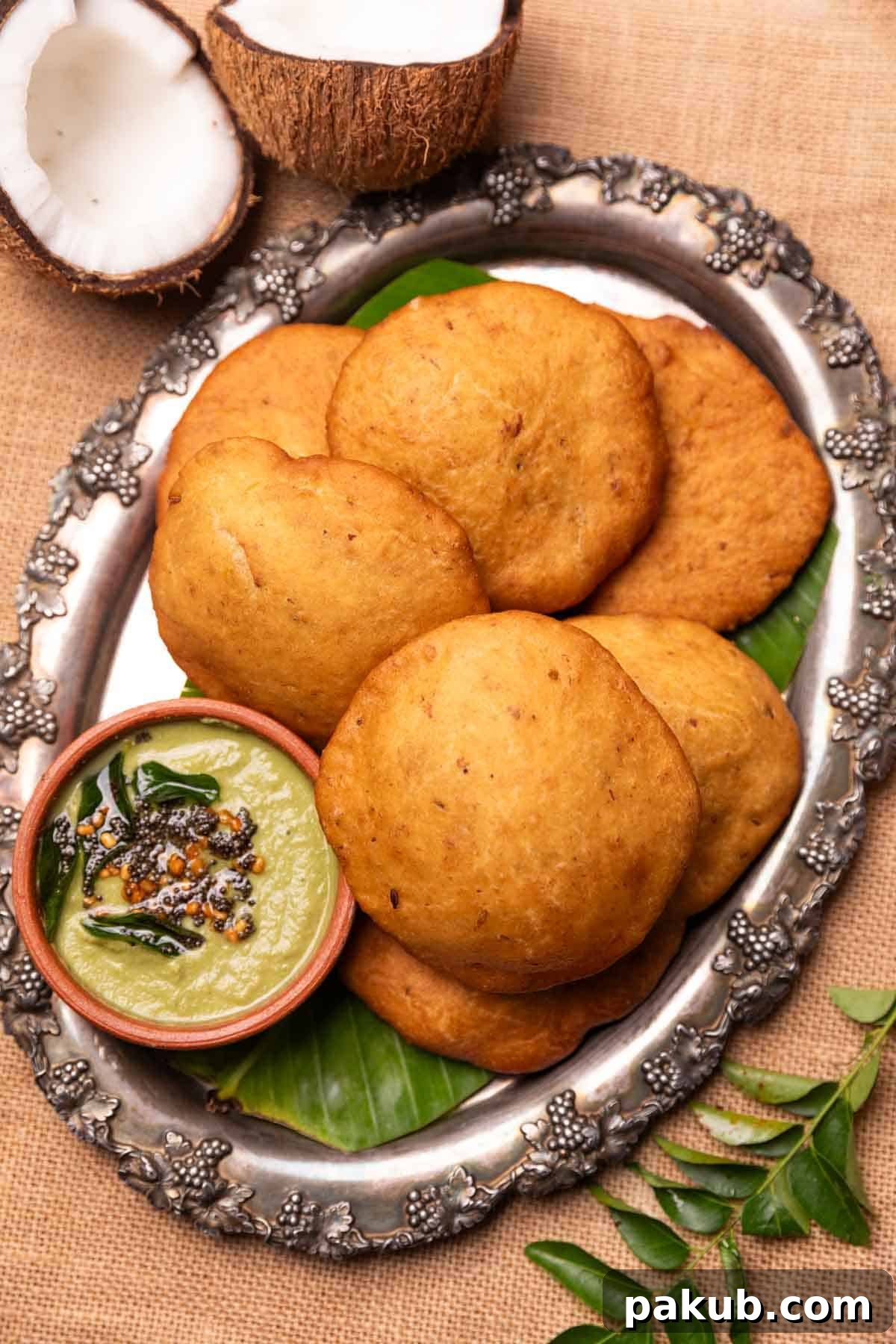
Indulge in the enchanting flavors of Mangalore Buns – a culinary love story straight from the heart of Mangalore! This authentic specialty is a delightful deep-fried bread, crafted from the magic of overripe bananas and all-purpose flour. The result is pure perfection: a pillowy soft texture, a sweet aroma, and a subtle tangy hint from fermentation. It’s a taste experience you won’t soon forget!
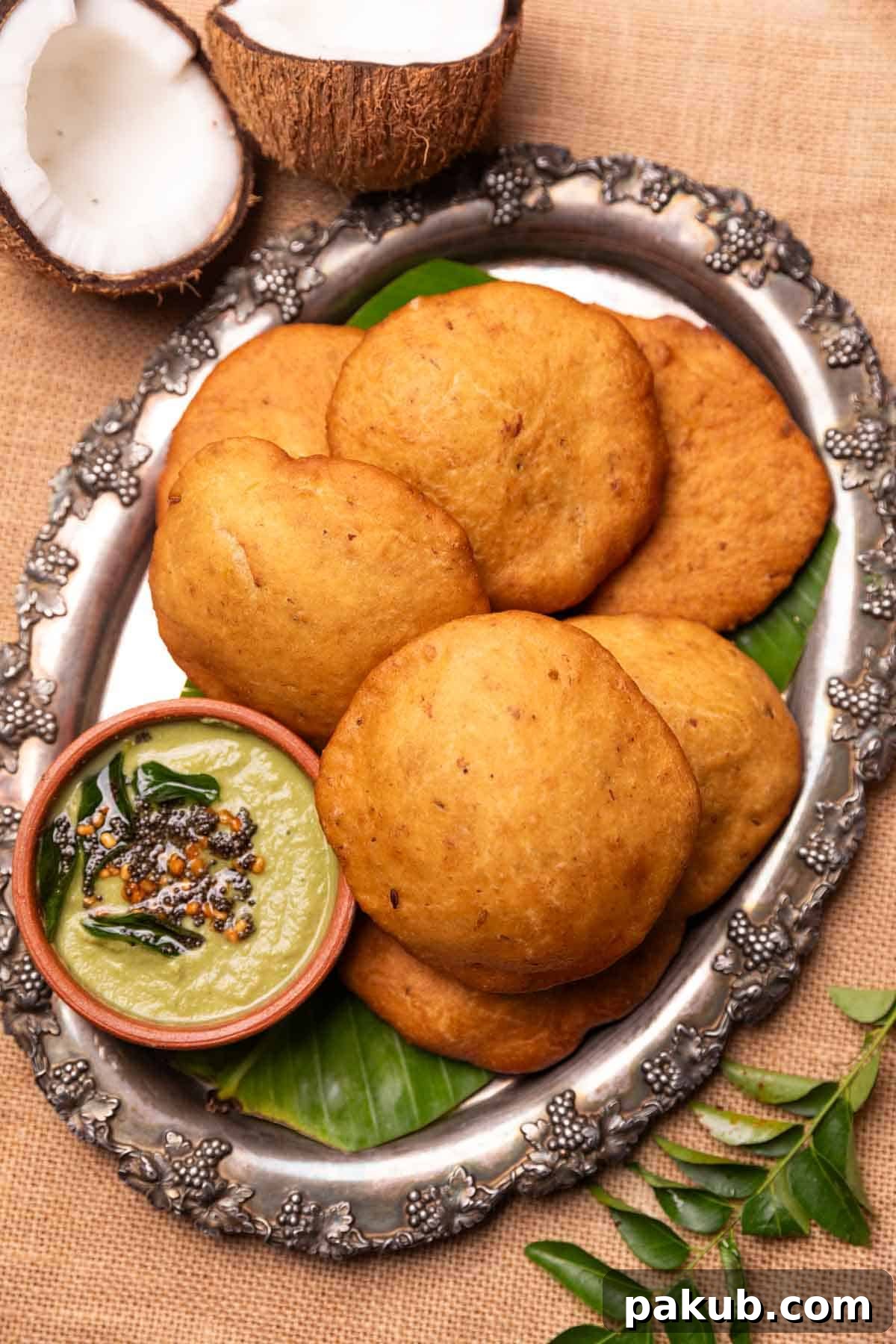
Following the overwhelming curiosity when I first shared glimpses of this incredible recipe, I am thrilled to present to you the definitive guide to making Mangalore Buns. This recipe has been meticulously tested and perfected to bring you the authentic taste and texture of this beloved South Indian delicacy right in your own kitchen.
What are Mangalore Buns? A Unique Culinary Delight
Mangalore Buns are truly a delicious and distinctive creation within Indian cuisine. The best way to describe them is as an intriguing and successful hybrid, blending the comforting sweetness and moisture of banana bread with the delightful puffiness and satisfying chew of a chole bhature. Believe me, this unique combination just works beautifully!
These buns boast an incredibly pillow-y soft texture that melts in your mouth. Their primary flavor comes from the natural sweetness of overripe bananas, which is beautifully complemented by a slight, refreshing tartness derived from a crucial overnight fermentation process. This fermentation not only adds a unique depth of flavor but also contributes to the buns’ signature airy and fluffy interior.
Traditionally, Mangalore Buns are more than just a dish; they are a culinary experience, often enjoyed as a hearty breakfast or a cherished evening snack. Their versatility allows them to be paired with various accompaniments, but for the ultimate combination, serve them with some vibrant coconut chutney and a piping hot cup of chai. This pairing creates a symphony of flavors and textures that is both comforting and exhilarating.
The Origin and Cultural Significance of Mangalore Buns
Hailing from the coastal city of Mangalore in Karnataka, India, Mangalore Buns are a staple in the Udupi-Mangalore region. While their exact origin story is a bit shrouded in time, they have become an iconic part of the local culinary landscape. Often found in small eateries, street food stalls, and homes, these sweet banana pooris offer a delightful contrast to the more savory breakfast options prevalent in South India. They represent a tradition of using locally available ingredients, particularly the abundant ripe bananas, to create something truly special and beloved by generations. It’s a testament to the innovative spirit of Indian cooking, transforming simple ingredients into an extraordinary treat.
Jump to Section: Mangalore Buns Recipe
- Mangalore Buns Ingredients Overview
- Essential Tips for Perfect Buns
- Frequently Asked Questions
- Full Mangalore Buns Recipe
Mangalore Buns Ingredients Overview: The Secret to Their Flavor
The magic of this Mangalore Buns recipe lies in its simple yet carefully balanced ingredients. Each component plays a crucial role in achieving the desired taste and texture.
- Overripe Bananas: This is the star ingredient! It’s absolutely essential to use overripe bananas – those with plenty of brown spots on their skin. Why? Because they are naturally sweeter, softer, and more aromatic, lending that perfect, intense banana flavor and moist texture to the buns. Underripe bananas will not deliver the same sweetness or ease of mashing.
- All-Purpose Flour (Maida): Provides the primary structure for the buns, contributing to their soft and airy texture. While some variations exist, maida is traditionally preferred for its fine consistency and ability to create a light dough.
- Gram Flour (Besan): A small amount of besan is added, which surprisingly contributes to the buns’ golden color when fried and a subtle richness in flavor. It also helps in achieving a desirable crispness on the outside.
- Curd (Yogurt): The hero of fermentation! Curd is key for lending the characteristic slight tartness to the buns and initiating the overnight fermentation process. This fermentation is vital for developing the unique flavor profile and the pillow-soft texture.
- Baking Soda: Works in conjunction with the curd during fermentation to provide lift and contribute to the buns’ fluffy interior, ensuring they puff up beautifully when fried.
- Sugar: Enhances the natural sweetness of the bananas and helps in the browning process during frying.
- Salt: A pinch of salt balances the sweetness and brings out the overall flavors of the buns.
- Cumin Seeds (Jeera): Adds a distinctive aromatic and slightly earthy spice note, which is a hallmark of authentic Mangalore Buns. It provides a wonderful contrast to the sweetness.
- Butter/Oil: Incorporated into the dough for richness, tenderness, and pliability. A little extra oil is used to grease the dough during fermentation and for deep frying.
The process involves combining these mashed bananas with maida, besan, baking soda, curd, oil, and seasonings like salt, sugar, and jeera. A little butter is also added to enrich the dough. The mixture is then left to ferment, ideally overnight, before being kneaded, shaped, and finally deep-fried to golden perfection!
Essential Tips for Perfect Mangalore Buns
- Fermentation is Key: Long hours of fermenting, preferably overnight (6-8 hours or more depending on ambient temperature), is an absolute must for achieving the perfect taste, unique tangy flavor, and the signature pillow-soft texture. Do not rush this step!
- Overripe Bananas Only: As mentioned, green or firm bananas won’t give you the desired sweetness, flavor, or soft dough consistency. Wait for those speckled, very ripe bananas.
- No Water in Dough: The moisture from the mashed bananas and curd should be sufficient to form a firm dough. Adding extra water will make the dough sticky and difficult to handle, affecting the final texture of the buns.
- Roll Them Thick: Unlike thin pooris, Mangalore Buns are rolled out to approximately 4mm thick, about double the thickness of a typical poori. This thickness is crucial for them to puff up and develop a soft, fluffy, bread-like interior when fried.
- Medium-Low Heat Frying: Fry the buns on a low to medium heat. This ensures they cook thoroughly from the inside without burning on the outside, resulting in a beautifully golden crust and a perfectly cooked, airy center. Overly high heat will brown them too quickly, leaving them raw inside.
- Gentle Pressing: While frying, gently press the buns with a ladle to help them puff up evenly and achieve that satisfying round shape.
Frequently Asked Questions About Mangalore Buns
Mangalore Buns are a unique Indian fried bread. They are primarily made from a dough consisting of mashed overripe bananas, all-purpose flour (maida), and a touch of gram flour (besan). The dough is spiced with cumin seeds (jeera) and fermented overnight with curd (yogurt) and baking soda, giving them their characteristic sweet, tangy, and fluffy profile.
While both Mangalore Buns and pooris are Indian fried breads, there are distinct differences. Pooris are typically savory, made from a simple wheat flour dough, and often served with curries. Mangalore Buns, on the other hand, are sweet, incorporating mashed bananas and undergoing an overnight fermentation process with curd, which pooris do not. Additionally, Mangalore Buns are rolled thicker than pooris, resulting in a more bread-like, fluffy interior, even though they puff up beautifully like pooris when fried. Due to their puffiness, they are sometimes referred to as banana pooris or sweet pooris in local dialect.
While it is possible to make Mangalore Buns with whole wheat flour (atta), the traditional recipe and best results for the characteristic soft, pillow-like texture are achieved with all-purpose flour (maida). Whole wheat flour tends to yield a denser bun. If you prefer to use whole wheat, you might need to adjust the liquid slightly, and the texture will be heartier. Some recipes successfully adapt this, such as this one, but be prepared for a slightly different outcome than the classic fluffy Mangalore Bun.
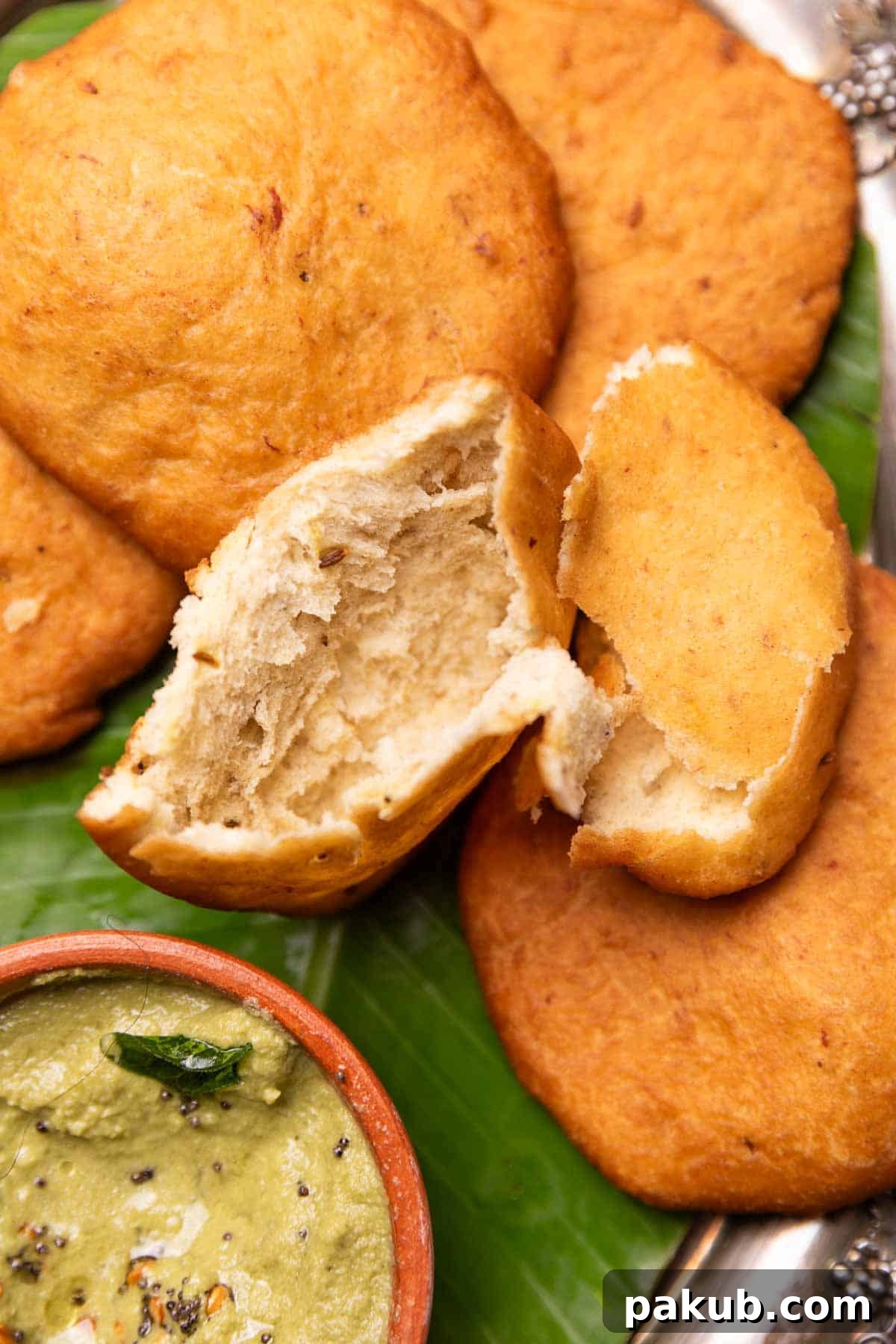
With this detailed recipe, you no longer need to journey to Mangalore to savor these exquisite Mangalore Buns! This guide empowers you to recreate that perfect, authentic taste and texture right in the comfort of your home. Whether it’s for a delightful breakfast or a satisfying evening snack, these buns are guaranteed to impress.
I find immense joy in sharing recipes that hold a special place in my heart, and this “Coast to Coast” series is a testament to that passion. If you try out this recipe or any others from the series, please don’t hesitate to share your culinary creations with me over on my Instagram: @my_foodstory! I love seeing your delicious efforts.
Mangalore Buns Recipe
Print Recipe
Ingredients
- 4 overripe small bananas, (½ cup, 120 grams)
- ¼ teaspoon salt
- 2 tablespoons sugar
- ¼ cup curds (yogurt)
- 1 ½ tablespoons butter, softened
- ½ teaspoon jeera (cumin seeds)
- ¾ teaspoon baking soda
- 1 teaspoon besan (gram flour)
- 1 ¾ cups maida (all purpose flour)
- ¾ teaspoon cooking oil for the dough
- Cooking oil for deep frying
Instructions
-
Take the overripe bananas, salt, and sugar in a large bowl. Mash them thoroughly until completely smooth.
-
Add all remaining ingredients – curds, softened butter, jeera, and baking soda – to the mashed banana mixture. Combine everything well to form a cohesive blend.
-
Gradually add the besan and maida to the wet mixture. Begin to knead the ingredients together to form a firm dough. It is crucial not to add any additional water, as the moisture from the bananas and curd should be sufficient. Knead until the dough comes together and is smooth.
-
Lightly coat the surface of the dough with ¾ teaspoon of cooking oil. Place the dough back into the bowl, cover it with a lid or plastic wrap, and set it aside in a warm place to ferment for 6-8 hours, or preferably overnight. This long fermentation is vital for flavor and texture.
-
After the dough has rested and fermented, heat enough cooking oil for deep frying in a deep frying pan or kadai over medium heat.
-
While the oil heats, gently knead the fermented dough for about a minute to release any air. Divide the dough into lemon-sized balls. On a lightly floured surface, roll out each ball into a circular bun, approximately 4mm thick. This thickness is roughly double that of a typical poori, which is essential for the buns to achieve their characteristic soft, bread-like interior.
-
Once the oil is hot (test with a small piece of dough – it should sizzle and rise slowly), reduce the heat to medium-low. Carefully slide a rolled bun into the hot oil. Gently press down on the bun with a ladle to help it puff up and rise to the surface.
-
Flip the bun over and cook the other side in the same manner, continuously pressing gently, until both sides turn a beautiful golden brown.
-
Remove the fried bun from the oil using a slotted spoon and place it on a paper towel-lined plate to drain excess oil. Continue rolling and frying the remaining buns one by one, ensuring the oil temperature stays consistently low to medium heat to guarantee they are well cooked from the inside. Serve hot with chutney or enjoy plain.
Recipe Notes for Success
- Any neutral-flavored cooking oil may be used for deep frying, such as sunflower oil, corn oil, or vegetable oil.
- Extended hours of fermenting, ideally overnight, is absolutely mandatory for achieving the perfect authentic taste and distinctive fluffy, tender texture of these buns.
- These buns are purposefully rolled thick (approx. 4mm). This specific thickness ensures that when they are fried, they will puff up beautifully and result in a soft, airy, and bread-like interior, distinguishing them from thinner pooris.
- Always fry the buns only on a low to medium heat. This controlled temperature is crucial to ensure that the buns cook thoroughly from the inside, preventing a raw center while achieving a perfectly golden-brown exterior.
Nutrition Information
Carbohydrates: 25g,
Protein: 3g,
Fat: 3g,
Saturated Fat: 1g,
Polyunsaturated Fat: 0.2g,
Monounsaturated Fat: 1g,
Trans Fat: 0.1g,
Cholesterol: 6mg,
Sodium: 144mg,
Potassium: 166mg,
Fiber: 2g,
Sugar: 7g,
Vitamin A: 70IU,
Vitamin C: 3mg,
Calcium: 23mg,
Iron: 1mg
Enjoyed this Mangalore Buns recipe? Don’t forget to share your experience with us!
This article was written and researched by Navya Khetarpal.