Unlock the secrets to crafting the perfect Raita, the beloved Indian side dish that effortlessly complements any meal. This comprehensive guide will teach you everything you need to know, from its foundational principles to a myriad of exciting variations. Master the art of this simple, quick recipe that can transform from spicy to plain, sweet to savory, in just fifteen minutes. Dive into detailed recipes for popular versions like vegetable, cucumber, boondi, and mint raita, and elevate your Indian culinary experience!
Mastering Raita: The Essential Indian Yogurt Dip for Every Meal
Raita, the quintessential Indian yogurt dip, might just be the simplest yet most profoundly versatile recipe you’ll encounter. Far from being an awkward or overly complex dish, its beauty lies in its effortless preparation and incredible adaptability. For many, Raita isn’t just a side; it’s a daily staple, a cooling counterpoint to rich curries and spicy main courses. If you’re looking for an extra touch to round off your meal, this refreshing condiment can be whipped up in mere minutes, making it an indispensable part of any Indian meal.
For those uninitiated in the delightful world of Raita, prepare to discover its charm. While seasoned enthusiasts might be tempted to skip straight to the recipes, give this guide a chance. You might just uncover a new tip or a fresh perspective on this timeless classic. We’re here to demystify Raita, breaking down its core components and showcasing how easily you can customize it to suit your palate.
What is Raita? A Refreshing Dive into Indian Yogurt
At its heart, Raita is a cooling and flavorful Indian condiment crafted from plain yogurt, often referred to as curd in India. It’s crucial to distinguish this from cheese curds; we’re talking about smooth, unflavored dairy yogurt. While Raita shares some conceptual similarities with Greek Tzatziki – both are yogurt-based and often feature cucumber – they are distinct. Tzatziki, originating from Greece, typically uses thick Greek yogurt and is predominantly cucumber-based. Raita, on the other hand, embraces a broader spectrum of ingredients and can vary in consistency from thick to slightly more liquidy, depending on personal preference and regional variations.
The magic of Raita lies in its ability to balance and refresh. Its creamy texture and tangy flavor provide a perfect foil to the bold and often spicy flavors of Indian cuisine. Beyond its cooling properties, Raita is also celebrated for its digestive benefits, particularly when infused with specific spices like cumin. It’s not just a garnish; it’s an integral part of the meal experience, enhancing flavors and providing a harmonious balance.
Crafting the Perfect Raita: Core Principles and Customization
Making Raita is surprisingly straightforward, adhering to a simple yet flexible framework. The foundational elements include fresh, plain yogurt, a selection of mix-ins, and a delicate balance of spices and herbs. Once you understand these basic building blocks, you can adapt Raita to almost any flavor profile you desire, from savory and spicy to subtly sweet.
The Ideal Yogurt to Mix-In Ratio
A key to achieving the perfect Raita consistency and flavor is the ratio of yogurt to mix-ins. A good starting point is a 2:1 ratio: for every two cups of yogurt, incorporate approximately one cup of mix-ins. This proportion ensures a creamy texture while allowing a generous amount of your chosen additions in every spoonful. This ratio applies to a wide range of ingredients, including diced vegetables, crunchy boondi, sweet fruits like pineapple or mango, or fresh herbs. The only exception is mint, which is usually blended into a paste before being stirred in, maintaining the same overall quantity.
Essential Spices and Aromatic Herbs for Raita
The characteristic flavor of Raita often comes from a few carefully selected spices and fresh herbs. The most common and arguably indispensable spice is roasted cumin powder (zeera). Cumin is not only a flavor powerhouse, adding a beautiful, earthy smokiness, but it also boasts well-known cooling and digestive properties, making it ideal for a yogurt-based dish. Red chili powder is another frequent addition, allowing you to adjust the heat to your preference. Some variations might include a pinch of coriander powder or chaat masala for an extra layer of tangy, savory flavor, though many prefer Raita without these.
Fresh herbs are equally vital. Coriander (cilantro) is the most widely used herb, lending a bright, fresh note. Mint is another fantastic addition, especially for a more aromatic and intensely refreshing Raita. For those who crave an extra kick, finely chopped green chilies (such as serrano peppers) can be incorporated, infusing the Raita with a vibrant, herbaceous heat that truly elevates the dish.
The beauty of Raita is its infinite versatility; you can truly add almost anything to it. Here are some of my favorite variations to inspire your culinary journey:
Cucumber Raita: The Classic Refresher
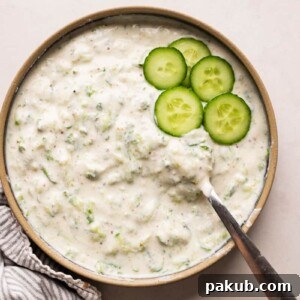
Cucumber Raita, or Kheera Raita, is arguably one of the most popular and instantly refreshing versions. To make this cooling dip, grate about three large cucumbers. Sprinkle them with half a teaspoon of salt and let them sit for ten minutes; this draws out excess water, preventing your Raita from becoming watery. Gently squeeze out the liquid (you can reserve it to thin your yogurt if needed). You’ll be left with approximately one cup of tender, grated cucumber. Mix this with two cups of well-whisked plain yogurt, a teaspoon of cumin powder, a pinch of salt to taste, and a few finely chopped green chilies for a subtle heat. Garnish with fresh chopped coriander for a truly delightful herbed cucumber dip. It’s the perfect accompaniment to spicy biryanis and rich curries, offering a crisp, cool contrast.
Cucumber Raita (Kheere ka Raita)
View Recipe
Mint Raita: Aromatic and Invigorating
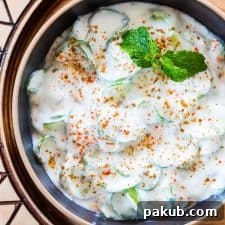
For an aromatic and invigorating experience, Mint Raita is an excellent choice. Begin by blending one firmly packed cup of fresh mint leaves with one green chili and a splash of water until you achieve a smooth paste (or leave it slightly chunky if preferred). Alternatively, you can use a mortar and pestle for a more rustic texture. Stir this vibrant green paste into two cups of whisked yogurt, adding salt to taste and a pinch of sugar to balance the flavors. This herbaceous Raita is famously served alongside succulent kebabs, grilled tandoori dishes, or as a delightful dipping sauce for warm naan bread. Its bright, zesty profile cuts through rich flavors, making it a perfect accompaniment.
Indian Spiralized Cucumber Mint Raita
View Recipe
Onion Raita: The Spicy Dish Balancer
Onion Raita, also known as Pyaaz ka Raita, is a remarkably simple and widely loved variation, particularly renowned for its ability to temper the heat of intensely spicy dishes. The pungent, crisp flavor of finely chopped raw onions finds a beautiful balance when mixed with the creamy freshness of plain yogurt and a scattering of chopped mint leaves. This Raita is typically seasoned with a blend of basic spices: green chilies for a hint of warmth, roasted cumin powder for its earthy notes and digestive benefits, and a touch of rock salt for enhanced flavor. Its refreshing taste and straightforward preparation make it a go-to side that you’ll want to prepare time and again. Beyond biryani and pulao, Onion Raita pairs exceptionally well with flaky parathas, various sabzis (vegetable dishes), roti, and even tomato rice, proving its versatility across a wide range of Indian meals.
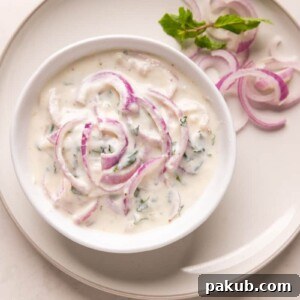
Onion Raita
View Recipe
Boondi Raita: A Symphony of Textures
Boondi Raita is a textural delight, featuring tiny, crispy fried drops made from gram flour (besan). These little spheres are incredibly delicious and add a unique element to the creamy yogurt. While some people prefer to soak the boondi in warm water for a few minutes and then gently squeeze out the liquid before adding them to whisked yogurt, I personally recommend adding them directly. This allows the boondi to slowly absorb the yogurt as it sits, creating a wonderful mix of crunchy and soft textures within the Raita. If you’re outside India, boondi is readily available on Amazon or in most Indian grocery stores. Maintain the same 2:1 ratio: add one cup of boondi for every two cups of whisked yogurt. Season with some chaat masala, a half teaspoon of sugar, and salt, then mix everything together for a quick and satisfying side.
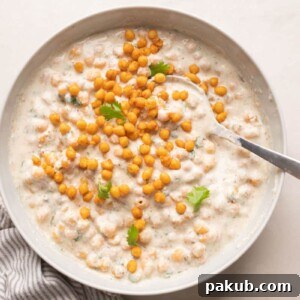
Boondi Raita
View Recipe
Pineapple Raita: Sweet and Tangy Delight
Pineapple Raita offers a delightful sweet and tangy counterpoint, especially refreshing on a hot day. This variation has many regional interpretations, with some Southern Indian versions known as pineapple pachadi. Here’s a super basic recipe you can whip up quickly: gently stew pineapple pieces with a little sugar until they soften. Once cooled, add these sweet pineapple chunks to whisked plain yogurt, along with finely chopped green chilies for a hint of spice, and salt to balance the flavors. For an extra layer of authentic Indian flavor, you can prepare a simple tempering (tadka) by heating a small amount of oil, spluttering mustard seeds, and adding fresh curry leaves. Pour this fragrant tempering over the pineapple raita just before serving for a truly flavour-packed side dish.
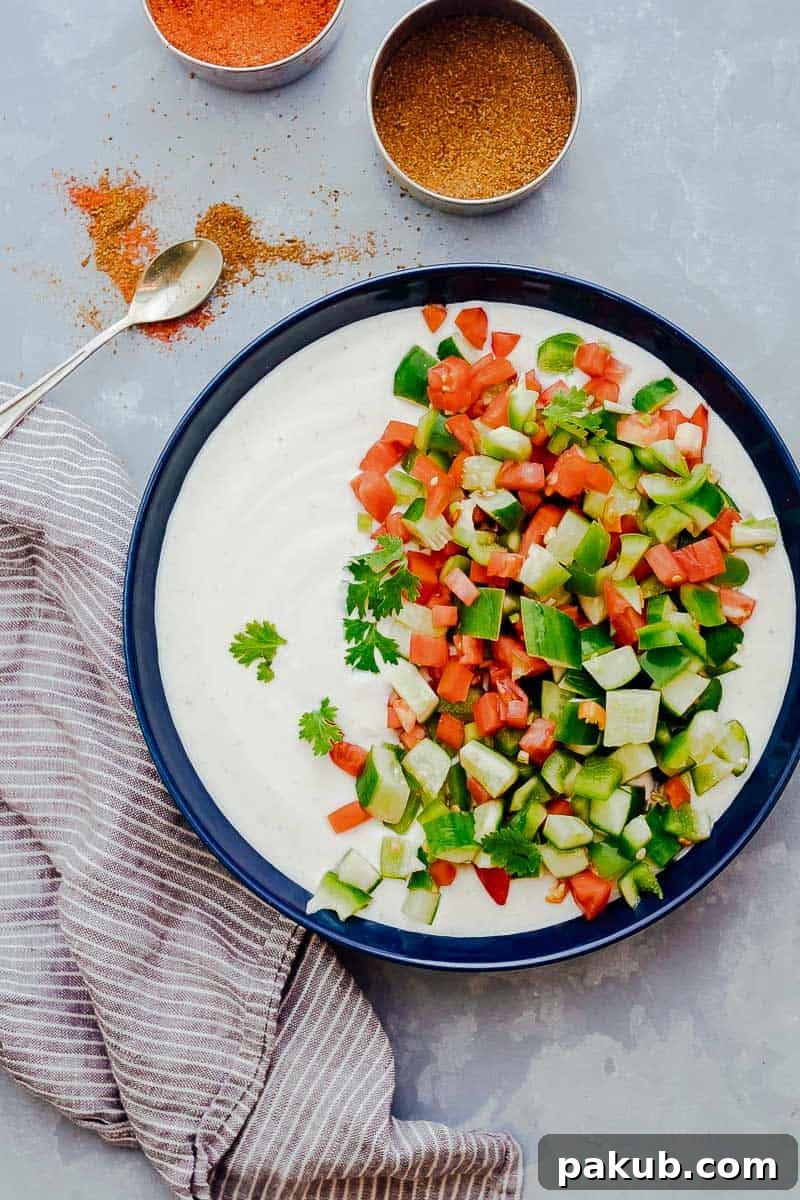
Vegetable Raita: A Wholesome Everyday Favorite
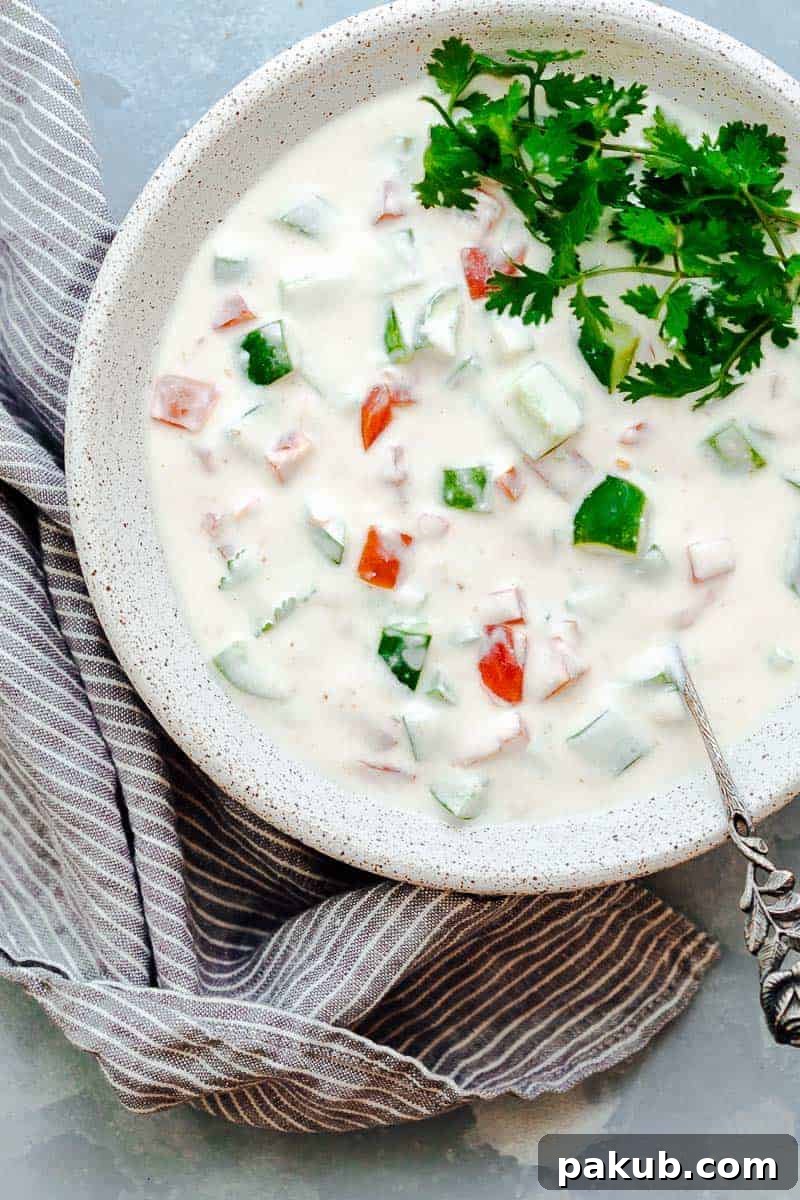
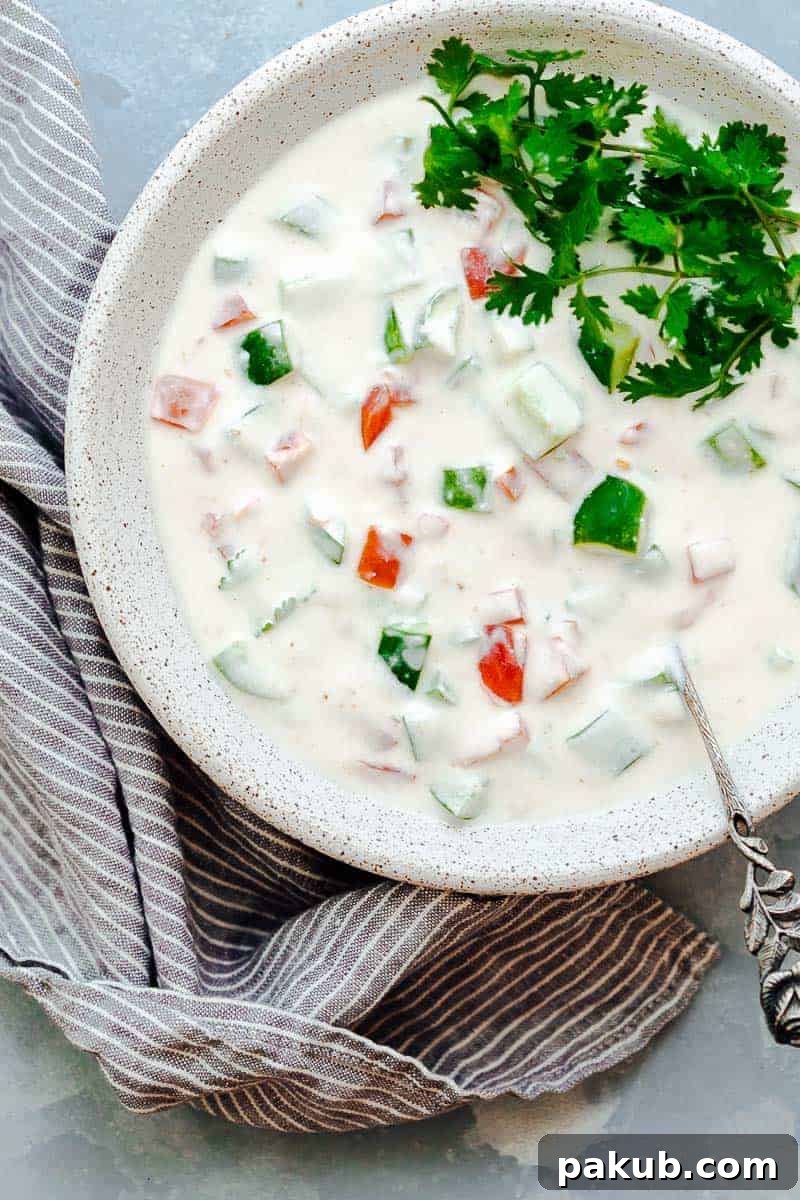
Among the countless Raita variations, the simple Vegetable Raita holds a special place in daily meals. It’s a fantastic way to incorporate more fresh vegetables into your diet and pairs harmoniously with virtually any Indian dish. My go-to version features a refreshing mix of finely chopped cucumbers, juicy tomatoes, crisp bell peppers, and fresh coriander, all folded into creamy yogurt. It’s not only incredibly simple to prepare but also packs a nutritious punch. We often enjoy it with humble rice and dal, alongside fragrant biryanis and pulaos, or even as a light and satisfying evening snack with leftovers. This recipe truly embodies the versatility and health benefits of Raita.
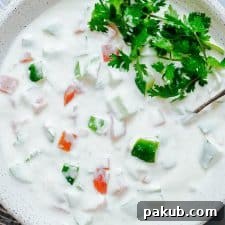
Indian Raita – How to Make It and Its Many Variations!
Print Recipe
Ingredients
- 3 cups Thick plain Yogurt (Note 1)
- 1 teaspoon Salt (Note 2)
- 1 teaspoon Cumin Powder
- 1 Green Chilli, finely chopped (or Serrano Pepper, optional)
- 1/2 teaspoon Red Chilli Powder (or cayenne pepper)
- 1 Onion, finely chopped (small)
- 2 Persian Cucumbers, finely chopped
- 1 Tomato, finely chopped (large)
- 1 Green Bell Pepper, finely chopped
- 1/2 cup Loosely packed Cilantro, finely chopped (Note 3)
Instructions
-
Whisk together yogurt, salt, cumin powder, green chilli, and chilli powder until smooth. Add all the finely chopped vegetables and mix well to combine.
-
For best flavor and consistency, refrigerate the Raita for at least half an hour before serving. You may notice that the vegetables release a little water after refrigeration; simply give it a quick stir, and it will be perfectly ready to enjoy.
Notes
- Always use fresh yogurt or curd that is not sour. If using day-old yogurt, taste it first to ensure it hasn’t turned sour, as this will significantly affect the flavor and reduce its storage time.
- Plain yogurt can be easily replaced with Greek yogurt. However, since Greek yogurt is naturally thicker, you may need to add a little water to achieve the desired Raita consistency. Approximately 1/4 cup of water should suffice for this recipe.
- Raitas are traditionally mildly salted. Feel free to adjust the amount of salt according to your personal taste preference. For a deeper, more complex flavor profile, consider adding a touch of black salt and/or chaat masala.
- If you plan to serve the Raita more than two hours after preparation, it’s best to add the fresh coriander just before serving. This preserves its vibrant color and fresh aromatic flavors.
- Raita is a convenient dish that can be prepared the previous night or in the morning and stored safely in the refrigerator for 8-10 hours.
Nutrition
Perfect Pairings: What to Serve with Raita
Raita’s versatility makes it an ideal companion for a vast array of Indian dishes. Its cooling, refreshing nature beautifully contrasts and balances the rich, spicy, or robust flavors often found in Indian cuisine. Here are some classic pairings that highlight Raita’s indispensable role:
- Dal Makhani: The creamy, buttery richness of this lentil dish is perfectly cut by the freshness of Raita.
- Jeera Rice: A simple, aromatic rice dish that benefits from the added moisture and flavor of Raita.
- Vegetable Pulao: Raita complements the spiced rice and vegetables, adding a creamy, tangy dimension.
- Kabuli Chana Pulao: The chickpeas and spices in this pulao are wonderfully enhanced by a dollop of cool Raita.
- Chana Masala: The robust, spicy chickpea curry finds its perfect match in a calming Raita.
- Bombay Potatoes: The tangy, spicy potatoes are wonderfully complemented by the cool, creamy texture of Raita.
Health Benefits and Why Raita is a Must-Have
Beyond its incredible flavor and versatility, Raita offers several health benefits that make it more than just a delicious side dish. Made primarily from yogurt, it’s an excellent source of probiotics, which are beneficial bacteria that support gut health and digestion. The cooling properties of yogurt, especially when combined with ingredients like cucumber and cumin, help to counteract the heat from spicy Indian meals, providing a soothing effect on the digestive system.
Furthermore, Raita is often packed with fresh vegetables and herbs, contributing essential vitamins, minerals, and fiber to your diet. It’s a low-calorie, high-protein option that can add significant nutritional value without adding heaviness to your meal. Whether you’re looking to aid digestion, cool your palate, or simply enjoy a healthy and flavorful accompaniment, Raita is an outstanding choice.
Tips for the Perfect Homemade Raita Every Time
Crafting consistently delicious Raita is easy with a few expert tips:
- Quality of Yogurt: Always start with fresh, plain, unflavored yogurt. Avoid sour yogurt as it can overpower the delicate flavors of the mix-ins. If your yogurt is too thick, thin it slightly with a tablespoon of water or milk until it reaches a creamy, pourable consistency.
- Chilling is Key: Raita tastes best when chilled. Allow it to refrigerate for at least 30 minutes before serving to let the flavors meld and for it to reach its optimal cooling temperature.
- Customize to Taste: Don’t be afraid to experiment with spices. Adjust salt, chili powder, and chaat masala according to your preference. A pinch of sugar can also balance out tartness.
- Fresh Herbs Last: For maximum freshness and visual appeal, stir in delicate herbs like fresh coriander or mint just before serving, especially if preparing ahead of time.
- Mix-in Preparation: Ensure your vegetables are finely chopped or grated for a consistent texture. If using watery vegetables like cucumber, salt them and squeeze out excess liquid to prevent a diluted Raita.
- Storage: Raita can be prepared in advance and stored in an airtight container in the refrigerator for 1-2 days. The flavors deepen with time, but it’s best consumed within 24 hours for peak freshness.
Embrace the World of Raita
From its humble beginnings as a simple yogurt dish, Raita has evolved into an incredibly diverse and cherished condiment across India. Its ability to refresh, digest, and complement a myriad of flavors makes it an essential component of any Indian feast. Whether you choose the crispness of cucumber, the zest of mint, the crunch of boondi, or the wholesome goodness of mixed vegetables, Raita promises a delightful culinary experience. So, roll up your sleeves, pick your favorite variation, and embark on your journey to master this effortless yet profoundly flavorful Indian staple!
Like this recipe? Rate and comment below!