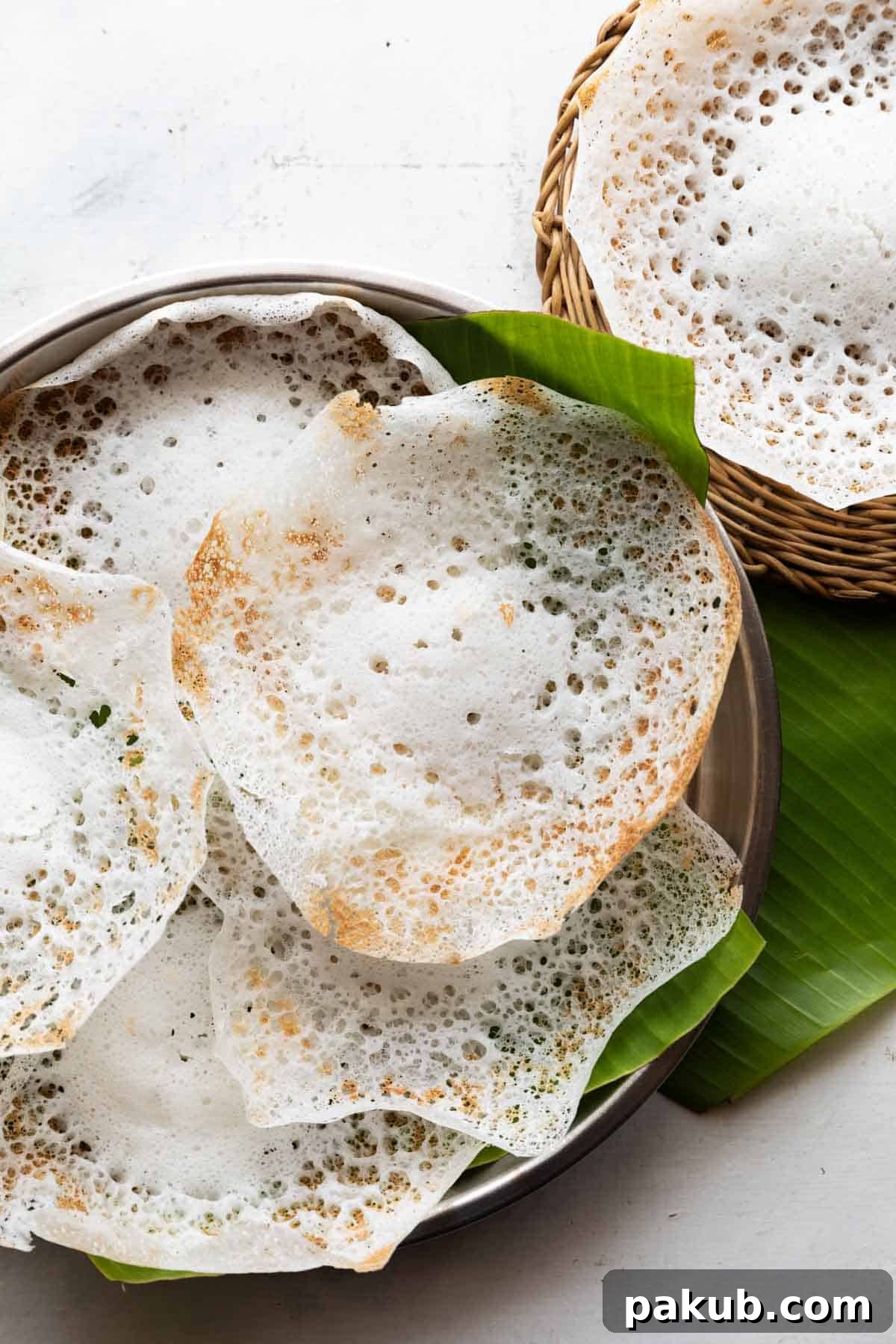
Unlock the secret to crafting perfect, mouth-watering Tender Coconut Appams right in your own kitchen! This exceptional recipe elevates the traditional Appam by incorporating fresh tender coconut water, transforming it into an unforgettable culinary experience. Prepare to indulge in appams that are not only incredibly fluffy and exquisitely lacy but also feature a delightful soft, spongy center complemented by perfectly crispy edges. This is a must-try recipe for anyone looking to bring authentic South Indian flavors home.
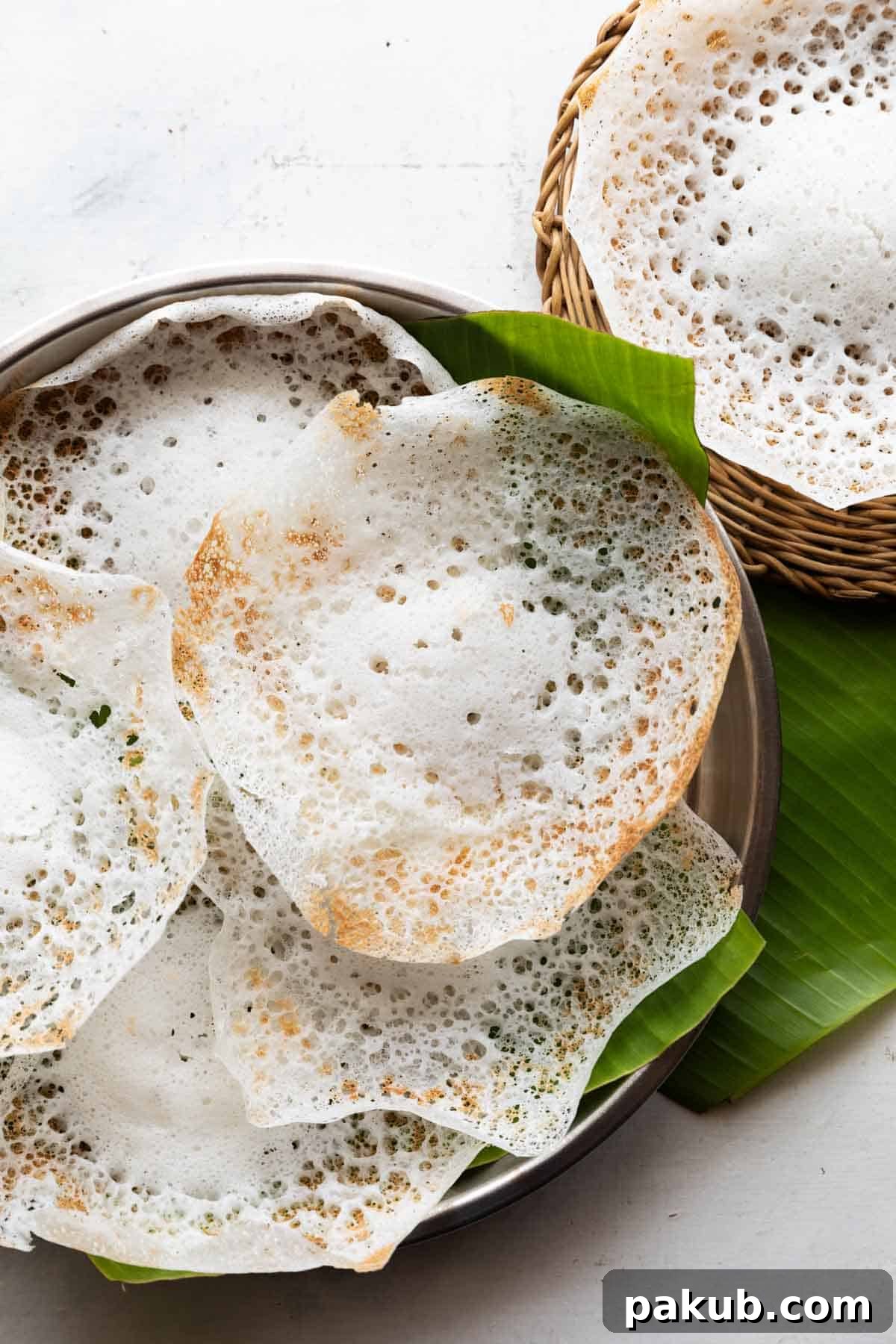
For more authentic South Indian culinary adventures, explore our other beloved recipes: South Indian Style Egg Curry, Mushroom Pepper Fry, Essential Chutneys for Idli & Dosa, and our flavorful Millet Mysore Masala Dosa!
There’s nothing quite like the comforting experience of dipping these remarkably soft and airy Tender Coconut Appams, affectionately known as Palappam, into a steaming bowl of aromatic Kerala Vegetable Stew. For many, this pairing epitomizes the ideal breakfast or a light, satisfying dinner. While the thought of making Appam batter, much like dosa batter, often conjures images of extensive preparation and fermentation, leading to a perception of intimidation for novice cooks, fear not! This detailed recipe simplifies the process, ensuring that even beginners can master the art of homemade Appam with ease. By carefully following the straightforward instructions and incorporating our expert tips and tricks, you’ll soon be impressing everyone with your perfectly crafted Appams.
The traditional combination of Kerala Appam and Veg Stew is a staple for breakfast in South India. However, its wholesome and hearty nature makes it an equally fantastic choice for a fulfilling lunch or a light yet satisfying dinner. These delicate, lace-edged pancakes are incredibly versatile and pair beautifully with a variety of side dishes, making them a regular feature on many South Indian tables.
Table of Contents
- Key Ingredients for Authentic Tender Coconut Appam
- Frequently Asked Questions for Appam Success
- Expert Tips for Flawless Appam Every Time
- Tender Coconut Appam (Palappam) Recipe
- You’ll Love These South Indian Dishes
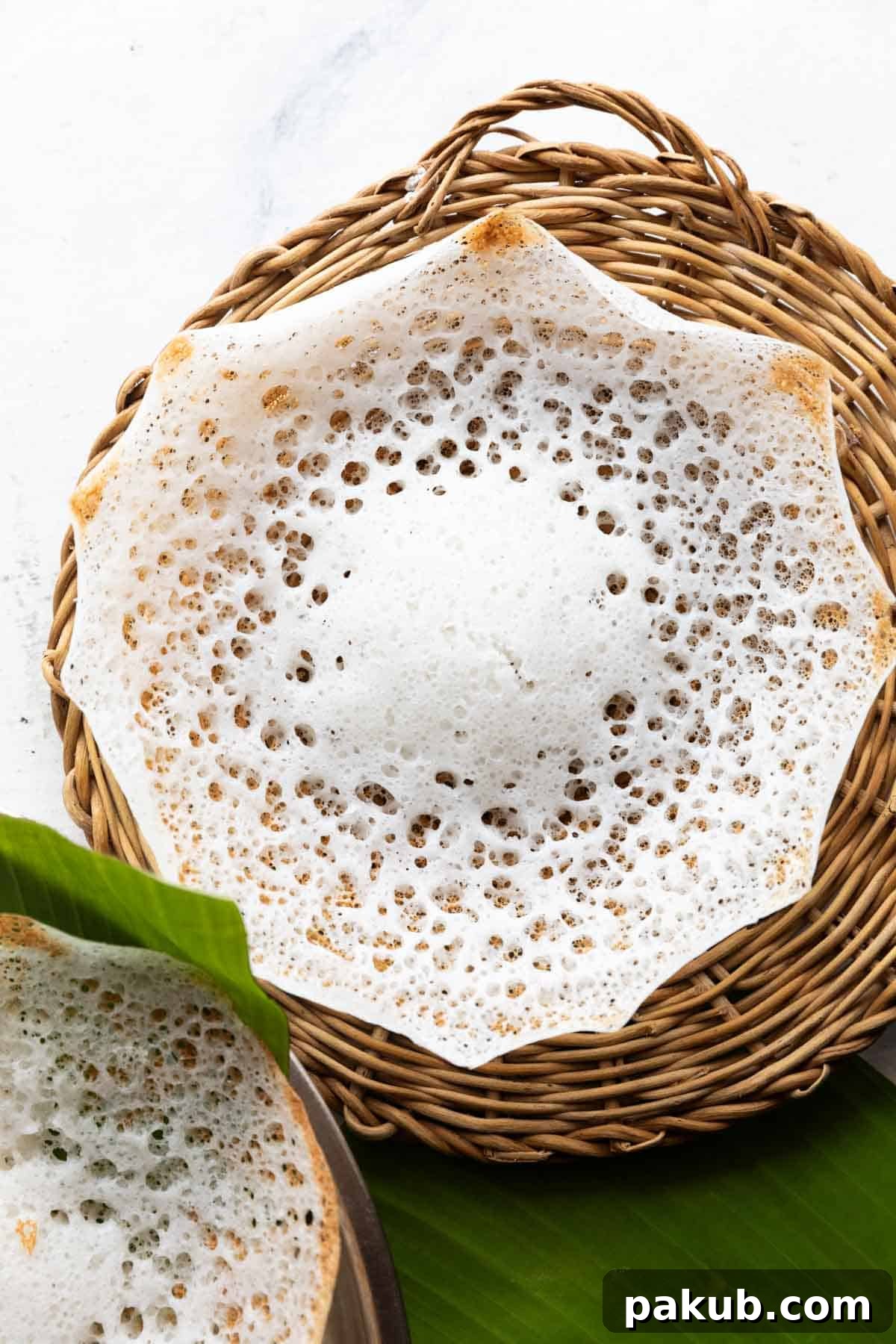
Key Ingredients for Authentic Tender Coconut Appam
Crafting the perfect Tender Coconut Appam begins with selecting the right ingredients and understanding their role. Each component plays a vital part in achieving the characteristic texture and flavor of this beloved South Indian dish.
Rice: The foundation of any good Appam. For optimal results, use Idli or Dosa rice, which are medium-grain parboiled rice varieties known for their ability to produce soft, fluffy batters. These rice types are ideal for fermentation. However, if these aren’t readily available, Sona Masoori rice can be a fantastic substitute, delivering equally impressive results. Remember to soak the rice for a substantial period, typically 8-10 hours or overnight, to ensure it grinds smoothly and ferments effectively.
Cooked Rice: A small handful of cooked rice is the secret ingredient for achieving an incredibly soft and pliable Appam. When added to the batter, it contributes to the tender, melt-in-your-mouth texture that makes Appam so delightful, enhancing its sponginess and preventing it from becoming rubbery.
Tender Coconut Water: This is the star ingredient that truly sets this recipe apart. Using tender coconut water for soaking the rice and grinding the batter infuses the Appam with a unique, subtle sweetness and an incredible depth of flavor. It also provides natural sugars and enzymes that can aid in the fermentation process, contributing to a lighter and more aromatic batter. Adhering to the specified measurements is crucial to maintain the perfect balance.
Coconut: Grated fresh or frozen coconut is essential for the authentic taste and texture of Appam. Coconut adds richness and a delicate sweetness, contributing to the soft, airy structure of the center. Both fresh and good-quality frozen grated coconut work wonderfully, providing that characteristic tropical note.
Yeast: Essential for fermentation, active dry yeast helps the batter rise beautifully, creating the signature airy and bubbly texture of Appam. While dry active yeast is traditionally used and requires a little activation time, instant yeast can be substituted if you need to expedite the fermentation process without compromising on quality.
Sugar: A touch of sugar is added not just for a hint of the characteristic sweetness found in Appam but also to aid in the browning of the edges, giving them that appealing golden crispness.
Salt: Crucial for seasoning, salt balances the flavors and also plays a role in controlling the fermentation rate. The timing of its addition can be important, especially depending on the climate.
Water: Used sparingly and only if needed, water helps adjust the consistency of the Appam batter. The aim is a flowing, yet not overly thin, consistency that allows the Appam to spread beautifully in the pan.
Frequently Asked Questions for Appam Success
Why is my Appam not soft?
Achieving soft Appam is a common goal, and there are a few key factors. The most reliable method is to include a handful of cooked rice while grinding your batter. This addition significantly enhances the softness and sponginess of the final product. Additionally, incorporating fresh or frozen grated coconut not only boosts flavor but also contributes to a tender texture. Ensure your batter is well-fermented and has the correct consistency – if it’s too thick, the appams can turn out dense.
What is the difference between Appam and Dosa?
While both Appam and Dosa are beloved South Indian crepes made from fermented rice batter, they have distinct characteristics. Dosas are typically thin, crispy, and savory throughout. Appams, on the other hand, are known for their unique texture: a soft, thick, and spongy center surrounded by delicate, lacy, crispy edges. Appams often incorporate coconut and a hint of sugar, giving them a subtly sweet flavor profile, unlike the generally savory Dosa. The cooking vessels and techniques also differ, leading to their unique forms.
Why is my Appam batter not fermenting?
Several factors can hinder batter fermentation. Insufficient yeast is a common culprit; ensure you’re using the correct amount of active or instant yeast. Temperature is another critical element; yeast thrives in warmth. If you reside in a cold climate, fermentation will naturally take longer. To create an ideal warm environment, you can place the batter in a deep bowl within a slightly warm oven (with just the pilot light on, or briefly warmed and turned off). This controlled warmth will encourage the yeast to activate and the batter to rise beautifully, producing the essential bubbles for light appams.
Can I make this batter ahead of time?
Appam is best enjoyed fresh, as the batter tends to turn sour within a day or so after fermentation. However, you can certainly prepare the batter the previous evening for cooking the next day. To do this, after grinding the batter, **do not add salt or sugar**. Instead, refrigerate the batter overnight. About two hours before you plan to cook, remove the batter from the fridge, add the salt and sugar, and allow it to come to room temperature. You’ll notice effervescent bubbles forming, indicating it’s perfectly ready for cooking.
What to do if my Appam batter is watery?
A watery Appam batter can lead to appams that break apart during cooking and result in an undesirable texture. To remedy this, gradually add rice flour, one tablespoon at a time, to the batter. Mix thoroughly after each addition until you achieve the desired consistency – it should be thinner than dosa batter but not excessively runny. Patience is key here to avoid making it too thick.
Can I use instant yeast instead of dry active yeast?
Absolutely! Both instant yeast and active dry yeast are suitable for this Tender Coconut Appam recipe. The primary difference lies in the fermentation time. Instant yeast generally requires significantly less time to ferment the batter compared to active dry yeast, making it a convenient choice when you’re short on time. Just ensure your instant yeast is fresh and active for best results.
Expert Tips for Flawless Appam Every Time
Achieving perfectly soft, lacy, and flavorful Appams is an art, but with these expert tips, you’ll master it in no time. From ingredient choices to cooking techniques, each piece of advice is designed to elevate your Appam-making game.
- **Embrace Tender Coconut Water for Soaking:** For an unparalleled depth of flavor and a distinct aroma, we strongly recommend using tender coconut water (like this variety) to soak your rice. This step truly distinguishes the Appam, infusing it with subtle sweetness and richness. If tender coconut water is unavailable, regular water can be used, but the unique flavor profile will be slightly different.
- **Grind Batter in Batches:** To ensure a consistently smooth and finely ground batter, avoid overfilling your mixer grinder jar. If your appliance has a smaller capacity, it’s always best to grind the ingredients in multiple batches. Overfilling can lead to an unevenly textured batter and even cause potential kitchen accidents.
- **Recognizing Perfectly Fermented Batter:** A successfully fermented Appam batter should be noticeably light, airy, and visibly bubbly when gently stirred with a ladle. If the batter feels dense or heavy, similar to a typical dosa batter, it indicates that it requires more time to ferment. Allow it to rest in a warm place until it develops the desired lightness and effervescence.
- **Achieve the Ideal Batter Consistency:** The consistency of Appam batter is crucial for its signature lacy texture. It should be thinner than dosa batter, resembling the flowing yet slightly thick texture of a lassi. Adjust the consistency gradually by adding one tablespoon of water at a time until it flows smoothly but still coats the back of a spoon lightly.
- **Mastering Appam Kadai Temperature:** The temperature of your Appam kadai (pan) is paramount for perfectly spreading Appams. It should be heated to a medium-hot temperature. If the kadai is too hot, the batter will set too quickly and won’t spread properly, resulting in thick, uneven appams. A medium heat allows the batter to swirl and create those beautiful lacy edges.
- **Strategic Salt Addition:** Salt can significantly influence the fermentation process. If you live in a **hot and humid climate**, it’s advisable to add salt *after* grinding the batter but *before* setting it aside for fermentation. This helps prevent over-fermentation in warm conditions. Conversely, in **cold climates**, add salt *after* the batter has fully fermented to ensure optimal rising.
- **Preventing Sticking for Easy Stacking:** Once cooked, Appams can sometimes stick together when stacked. To prevent this, place a sheet of parchment paper or a clean kitchen cloth between each Appam as you remove them from the pan. This simple trick ensures they remain distinct and easy to serve.
- **Desiccated Coconut as an Alternative:** If fresh or frozen grated coconut is difficult to source, desiccated coconut can be used as a convenient substitute. While it might subtly alter the flavor profile of the Appam, it will still yield a delicious result and maintain the desired texture.
- **Serve Appams Fresh and Hot:** Appams are undoubtedly at their absolute best when served immediately, fresh off the stove. The delicate crispness of the edges and the soft, warm center are most enjoyable right after cooking. Therefore, ensure all your accompanying dishes and side elements are prepped and ready before you begin making your Appams.
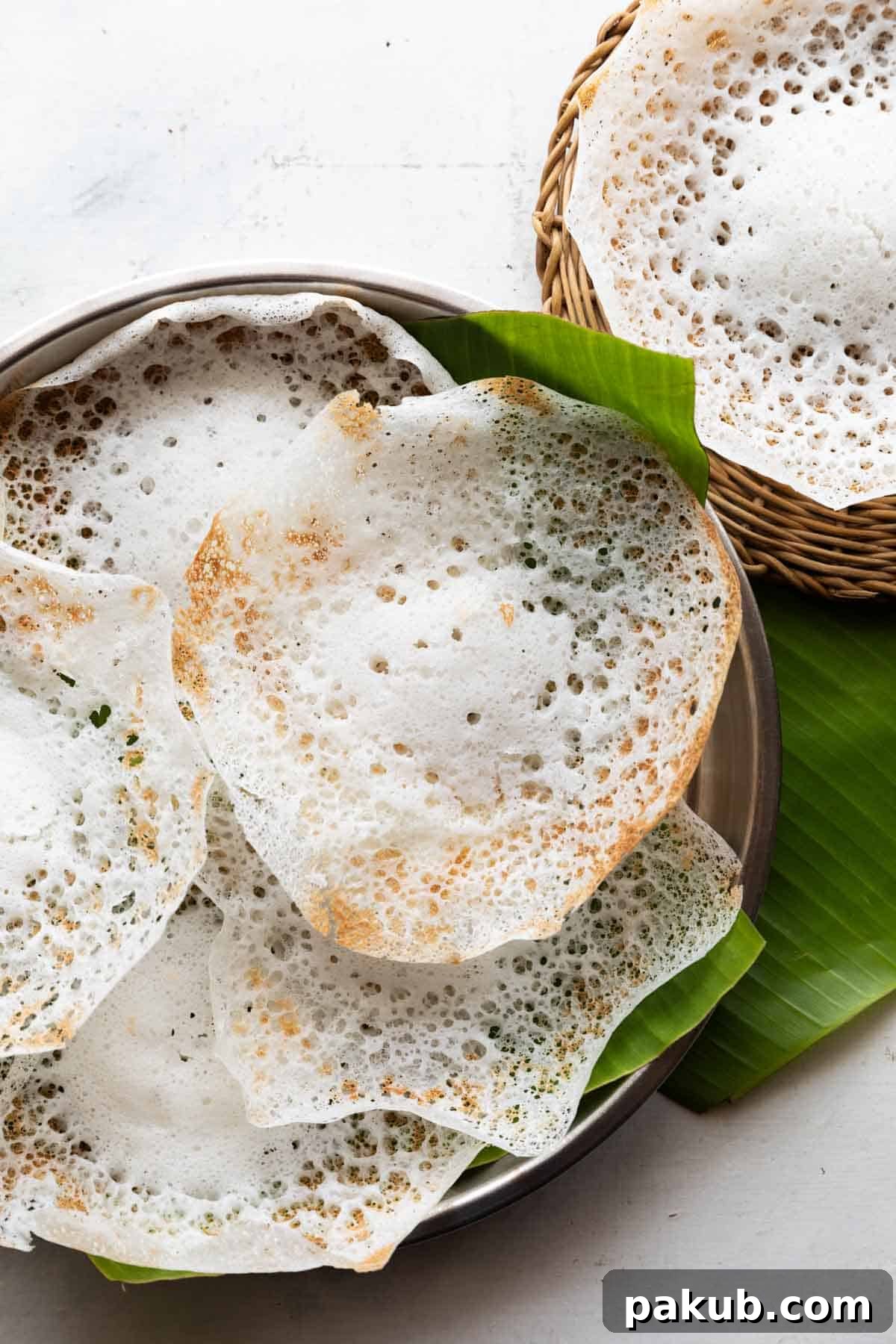
Once you’ve experienced the joy of making and tasting this homemade Tender Coconut Appam, we are confident it will become a cherished staple in your culinary repertoire. We absolutely love serving hot, freshly made Appams alongside a comforting bowl of either the creamy Kerala Veg Stew or the rich and savory Mutton Ishtu. The Appams act as the perfect, absorbent vessel, beautifully scooping up every drop of the warm, coconut-infused flavors from these exquisite stews, creating a truly harmonious and satisfying meal. Their delicate texture and subtle sweetness perfectly complement the robust flavors of the stews.
Should you decide to try this wonderful recipe, please don’t hesitate to share your culinary creations with us! Tag your photos on our Instagram; we absolutely adore seeing your interpretations and successes in the kitchen!
LOVE THIS RECIPE? Don’t miss out on more delicious creations! Subscribe to our newsletter today and be among the first to receive all our brand-new recipes straight to your inbox!
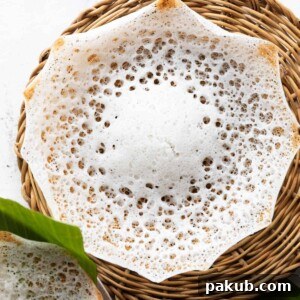
Tender Coconut Appam | Palappam
By: Richa
Soft, fluffy, and lacy, these Tender Coconut Appams are a joy to make and eat. With minimal prep and everyday ingredients, authentic appam is incredibly easy to achieve at home. Serve them with a comforting Veg Stew for a wholesome and satisfying meal, perfect for any time of day!
Prep Time: 10 mins
Cook Time: 40 mins
Resting Time: 8 hrs
Total Time: 8 hrs 50 mins
Servings: 10 Appams
Print Recipe
Equipment
- 1 mixer grinder
- 1 appam kadai
Ingredients
- 1 Cup rice, preferably idli or dosa rice
- 1 Cup tender coconut water, (see note 2)
- ½ Cup fresh or frozen grated coconut
- ½ Cup cooked rice
- 3 Tablespoons sugar
- ½ Teaspoon salt
- ¼ Teaspoon active dry yeast
- ½ Cup water (if needed for consistency)
Instructions
Soaking Rice
- Wash the rice thoroughly 2-3 times until the water runs clear. Then, soak the cleaned rice in tender coconut water for a period of 8-10 hours, or ideally, overnight.
Grinding Appam Batter
- In your blender, combine the grated coconut, cooked rice, active dry yeast, and the soaked rice (including the tender coconut water it was soaked in). Grind this mixture into a very smooth paste.
- Add the sugar to the batter, mix well, and then cover the container. Allow it to ferment in a warm place for at least 2 hours, or until fully fermented. If you live in a colder environment, you can aid fermentation by placing the covered batter inside a warm oven with only the pilot light turned on (refer to note 4 for more details).
- Once the batter has fermented, you will notice it has risen significantly, with abundant bubbles and a foamy appearance. When you stir it with a ladle, it should feel remarkably light, airy, and bubbly. These are the key indicators that your batter is perfectly ready.
- The ideal consistency for Appam batter is slightly thinner than traditional dosa batter – it should resemble the consistency of a thick lassi. If necessary, add water, one or two tablespoons at a time, to achieve this flowing yet light consistency.
- Finally, add the salt to the fermented batter and mix thoroughly. Your Appam batter is now perfectly prepared for cooking.
Making Appams
- Heat an Appam kadai (a specialized Appam pan) over medium heat until it reaches a medium-hot temperature (see note 5 regarding kadai temperature).
- Pour one ladleful of the prepared batter directly into the center of the heated kadhai. Gently and slowly rotate the pan in a circular motion, allowing the batter to spread thinly outwards around the edges of the kadhai. The batter will adhere to the sides as you rotate, and any excess will naturally gather back into the middle, forming a thicker, spongy center with delicate, lacy edges.
- Immediately cover the kadai with a lid and let the Appam cook on medium flame for approximately one minute. After a minute, remove the lid and continue cooking for another 15-30 seconds directly over the flame. The Appam is perfectly cooked when its sides are set and crispy, and the center is cooked through and spongy. Carefully remove the Appam and place it on a porous plate or a wire rack to cool slightly before serving.
- Serve these delicious Appams immediately with a traditional Kerala vegetable stew or a rich meat stew for a delightful breakfast or dinner.
Notes
- Both idli or dosa rice are highly recommended for this recipe. In a pinch, sona masoori rice can also be used effectively.
- Using tender coconut water to soak the rice and grind the batter significantly enhances the flavor. However, if it’s genuinely unavailable, you can substitute it with regular water.
- If your blender or mixer grinder has a smaller capacity, always grind the ingredients in batches to ensure a consistently smooth batter.
- For overnight fermentation, grind the batter without adding sugar or salt. Refrigerate the batter overnight. Two hours before cooking, remove it from the fridge, mix in the sugar and salt, and let it come to room temperature. You’ll observe bubbles forming when it’s ready to cook.
- The Appam kadai is a crucial piece of equipment, distinct from a regular kadhai due to its wider and shallower design. It’s widely available online and in most South Indian grocery stores.
- Maintain a medium-hot temperature for your Appam kadai. If the pan is too hot, the batter will not spread correctly, preventing the formation of those characteristic lacy edges.
Nutrition
Calories: 111kcal, Carbohydrates: 22g, Protein: 2g, Fat: 2g, Saturated Fat: 1g, Polyunsaturated Fat: 0.1g, Monounsaturated Fat: 0.1g, Sodium: 144mg, Potassium: 99mg, Fiber: 1g, Sugar: 4g, Vitamin C: 1mg, Calcium: 13mg, Iron: 0.3mg
You’ll Love These South Indian Dishes
If you enjoyed the flavors of this Tender Coconut Appam, you’re sure to appreciate these other fantastic South Indian recipes that capture the region’s diverse and vibrant culinary spirit. Each dish offers a unique taste of tradition and spice.
- Andhra Chilli Chicken
- Stuffed Brinjal Curry
- Kerala Style Prawn Green Curry
- South Indian Style Egg Curry
- Mushroom Pepper Fry