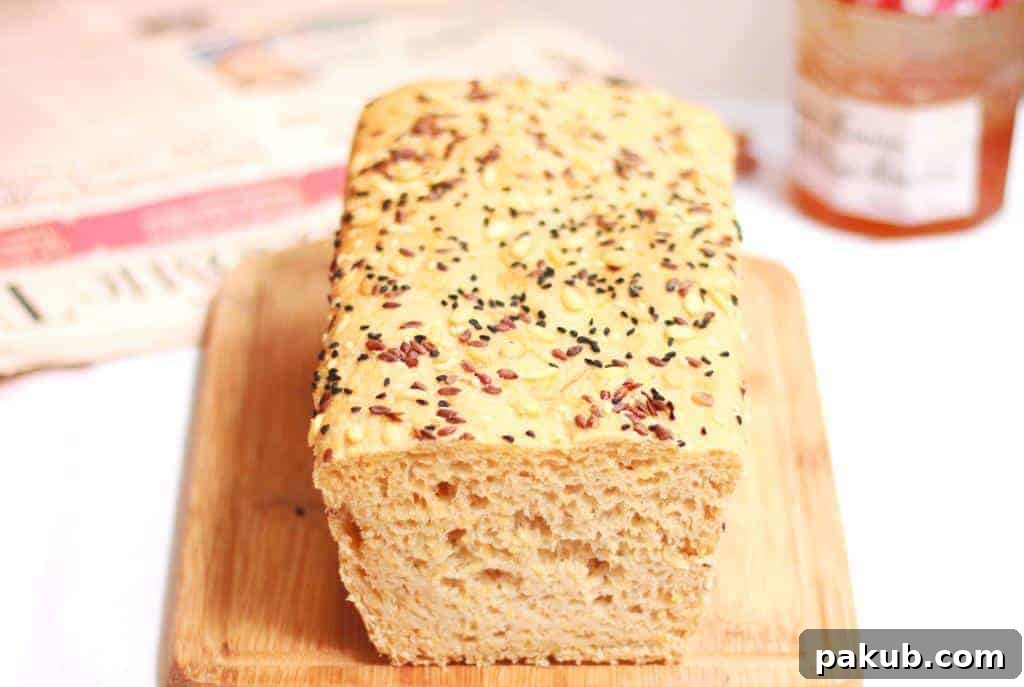
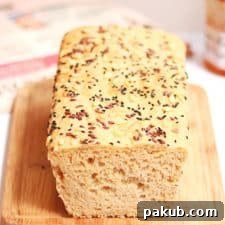
Imagine the aroma of freshly baked bread filling your kitchen – a warm, hearty multigrain loaf, perfectly golden and incredibly satisfying. This isn’t just any bread; this multigrain bread recipe truly makes the best toast you’ll ever experience! It’s loaded with fiber and essential nutrients, and every single bite is an absolute delight. Once you try this homemade version, you’ll never consider going back to store-bought bread again.
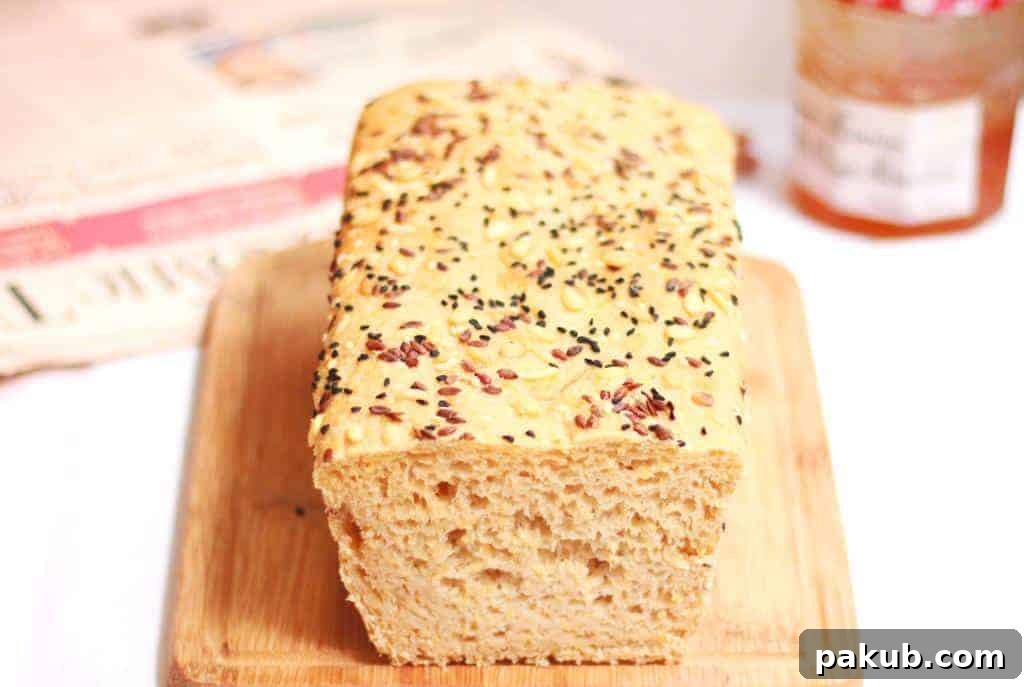
Baking Bliss: Unlocking the Secret to the Best Multigrain Bread
For many, the thought of making bread from scratch can feel quite daunting. I’ll admit, for a long time, the process of baking bread seemed incredibly intimidating to me. The intricate steps, the waiting, the fear of failure – it all contributed to a reluctance to dive in. However, that perception completely changed once I finally decided to roll up my sleeves and try my hand at it recently. The reward of pulling a warm, fragrant loaf from the oven is unparalleled, making every moment of effort truly worthwhile.
This particular recipe for multigrain bread has been lovingly adapted from The Bread Baker’s Apprentice by Peter Reinhart, widely revered as a titan in the world of bread baking. His work is a treasure trove of knowledge and inspiration, and I’ve drawn from several of his recipes over the years. This multigrain adaptation has quickly become one of my all-time favorites. It not only boasts a heavenly taste but also stands out as a remarkably healthy alternative, brimming with wholesome fiber. While the original recipe called for all-purpose flour, I successfully modified it to incorporate whole wheat flour, adjusting the hydration levels to achieve a wonderfully moist and airy crumb structure that is both light and satisfying.
Quick Guide: Navigating Your Multigrain Bread Baking Journey
- Why Choose Homemade Multigrain Bread?
- Key Ingredients for Your Multigrain Masterpiece
- Expert Tips to Make The Best Multigrain Bread
- FAQs: Your Multigrain Bread Questions Answered
- The Ultimate Multigrain Bread Recipe Card
- Detailed Baking Instructions for Multigrain Bread
- Serving and Storage Suggestions
- Beyond the Basics: Variations to Try
- More Delectable Breads and Sandwiches
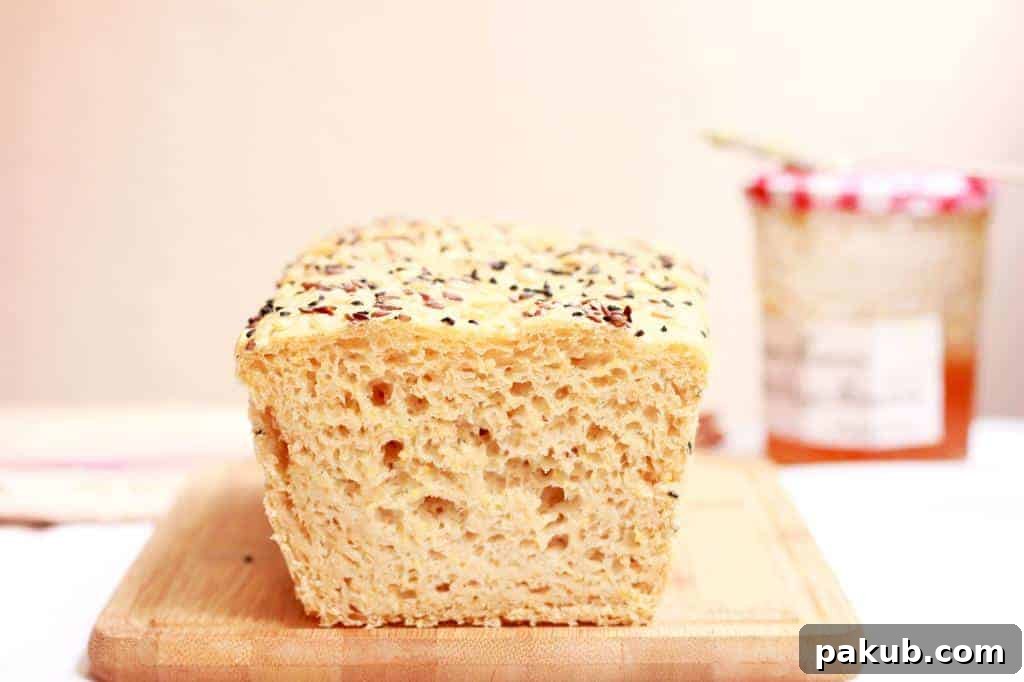
Why Choose Homemade Multigrain Bread?
In a world overflowing with convenience, the choice to bake your own multigrain bread might seem like an extra effort. However, the benefits extend far beyond just taste. Homemade multigrain bread offers superior nutritional value, allowing you complete control over the ingredients. You can avoid artificial preservatives, unhealthy fats, and excessive sugars often found in commercial breads. By incorporating a variety of grains and seeds, you boost the fiber content significantly, aiding digestion and promoting a feeling of fullness. This makes it an excellent choice for a healthy lifestyle, contributing to better energy levels and overall well-being. Plus, the sheer joy and satisfaction of creating something so wholesome and delicious with your own hands is an experience unlike any other.
Key Ingredients for Your Multigrain Masterpiece
Understanding the role of each ingredient is crucial for successful bread baking. Our multigrain recipe relies on a harmonious blend of simple yet powerful components:
- Cornmeal, Oats, and Oat Bran (for the Soaker): These grains form the heart of our multigrain blend. By soaking them overnight, we allow them to fully hydrate, softening their texture and enhancing their flavor. This process contributes to the bread’s moistness and adds delightful chewiness, making it truly multigrain.
- All-Purpose Flour & Whole Wheat Flour: The combination of these flours strikes a perfect balance. All-purpose flour provides the necessary structure and lightness, while whole wheat flour infuses the bread with its characteristic nutty flavor, robust texture, and increased nutritional value, particularly fiber.
- Vital Wheat Gluten: This optional but recommended ingredient acts as a dough enhancer, especially when working with whole wheat flour. It boosts the gluten network, leading to a higher rise and a lighter, chewier crumb that can sometimes be challenging to achieve with whole grains alone.
- Sugar and Honey: These sweeteners do more than just add flavor. They provide essential food for the yeast, helping it activate and produce carbon dioxide, which gives the bread its airy structure. Honey also adds a distinct depth of flavor and contributes to a beautiful golden crust.
- Salt: Far from just a seasoning, salt is vital in bread making. It controls yeast activity, strengthens the gluten, and, most importantly, enhances the overall flavor of the bread, preventing it from tasting bland.
- Yeast: The magical leavening agent! Yeast converts sugars into carbon dioxide and alcohol, causing the dough to rise and giving the bread its signature light and airy texture.
- Milk and Water: These liquids hydrate the flour and other dry ingredients, forming the dough. The ratio of milk to water can influence the richness and tenderness of the final loaf.
- Oil: Used for brushing the bowl and loaf tin, oil prevents sticking and helps create a lovely crust.
Expert Tips To Make The Best Multigrain Bread
Achieving a perfect homemade multigrain loaf is a rewarding experience, and these tips will help ensure your success:
- Understand the Basics of Bread Baking: While this multigrain bread recipe is straightforward, it does require a foundational understanding of bread baking principles. This isn’t strictly a “beginner-friendly” recipe that you can whip up without any prior experience. Familiarity with yeast activation, kneading techniques, and proofing stages will be a significant advantage. If you’re completely new to bread making, consider starting with simpler recipes to build your confidence, such as these delicious Garlic and Basil Buns or these indulgent Pull-Apart Cinnamon Rolls. These will help you grasp the fundamental techniques before tackling a more complex loaf.
- Embrace the Power of Seeds: Sprinkling a generous mix of seeds on top of your bread is not just for aesthetics; it significantly enhances both the texture and the flavor profile. The crunch from the seeds adds an exciting contrast to the soft interior, while their earthy notes deepen the overall taste. For this recipe, I’ve used a delightful combination of melon seeds, flax seeds, and sesame seeds. However, feel free to experiment with your favorites! Poppy seeds, sunflower seeds, hemp seeds, or even whole oats can be fantastic additions, offering unique flavors and added nutritional benefits.
- Kneading Method Matters – Stand Mixer vs. Hand: You can mix this multigrain bread dough using either a stand mixer equipped with a dough hook or by hand. Personally, I lean towards kneading by hand. I find that the tactile connection with the dough allows me to better gauge its development, and I believe it results in a slightly fluffier, more tender texture in the final bread. The rhythm of hand-kneading can also be a meditative and enjoyable part of the baking process. If you opt for a stand mixer, which is certainly more convenient, be sure to adjust your mixing time. Reduce it to approximately 5 to 6 minutes on a low to medium speed to avoid over-kneading, which can make the bread tough.
- Don’t Skimp on the Soaker: The soaker step, prepared a day in advance, is vital for this recipe. It allows the grains to fully hydrate, resulting in a more tender crumb and preventing a dry, crumbly texture in your final loaf. Patience here pays off immensely.
- Mind the Dough Consistency: This dough is intentionally wet and sticky. Resist the urge to add too much extra flour during kneading. The higher hydration is key to achieving that desirable moist and airy crumb structure. With persistent kneading, the dough will become smoother and less sticky.
FAQs: Your Multigrain Bread Questions Answered
Determining when your bread is perfectly baked is crucial. Once the crust develops a rich, golden-brown color and looks visually done, carefully remove the loaf from the oven (using oven mitts!). Turn it upside down and tap the bottom with the back of a spoon or your knuckles. A fully baked loaf will produce a hollow sound. If it doesn’t sound hollow, return it to the oven for another 5-10 minutes and recheck. An internal temperature of 200-210°F (93-99°C) is also a reliable indicator for most lean breads.
Absolutely! While this recipe uses a blend of all-purpose and whole wheat, you can experiment. For a denser, nuttier loaf, increase the ratio of whole wheat flour. You could also try incorporating small amounts of rye flour or spelt flour for different flavor profiles. Just remember that different flours absorb water differently, so you might need to adjust the hydration slightly.
Once completely cooled, store your homemade bread at room temperature in an airtight container, a bread box, or a sealed plastic bag. It will stay fresh for 3-4 days. For longer storage, slice the cooled loaf and freeze the slices in a freezer-safe bag. You can then toast individual slices directly from the freezer.
There are a few common reasons for a sluggish or non-rising dough. The most frequent culprit is inactive or expired yeast. Always check the expiration date on your yeast and ensure your water is warm (around 105-115°F or 40-46°C), but not hot, as too much heat can kill the yeast. Cold kitchen temperatures can also slow down proofing, so find a warm spot for your dough to rise.
Indeed, this recipe demands a bit of foresight, requiring some preparation a day in advance, and it certainly takes a little bit of work. But I promise you, the end result is absolutely worth every minute and every ounce of effort. This homemade multigrain bread creates the yummiest toasts and sandwiches you could ever imagine. Beyond its incredible taste and texture, I firmly believe it’s significantly healthier than any store-bought version, primarily because you have complete transparency – you know exactly what wholesome ingredients are going into your loaf, free from hidden additives and preservatives.
The Ultimate Multigrain Bread
Richa
12 hours
45 minutes
12 hours
45 minutes
8
portions
Rate Recipe
Print Recipe
Ingredients
Soaker (To be made a day in advance)
- 3 tablespoons Coarse Cornmeal
- 3 tablespoons Rolled Oats
- 2 tablespoons Oat Bran
- 1/4 cup Water, at room temperature
Dough
- All of the prepared Soaker
- 1 1/2 cups All-purpose flour
- 1 1/2 cups Whole Wheat flour
- 1 tablespoon Vital Wheat Gluten (optional, for a lighter crumb)
- 3 tablespoons Granulated Sugar
- 1 1/2 teaspoons Fine Sea Salt
- 1 tablespoon Active Dry Yeast
- 1 1/2 tablespoons Honey
- 1/2 cup Milk, lukewarm
- 1 cup Water, lukewarm
- 1 teaspoon Vegetable Oil, for brushing
- Mixed seeds for sprinkling (e.g., pumpkin, melon, sesame, flax)
Instructions
-
1. Prepare the Soaker: The day before you plan to bake (or at least 10 hours in advance), combine the coarse cornmeal, rolled oats, oat bran, and 1/4 cup of room temperature water in a medium bowl. Stir well until all the dry ingredients are just moistened. Cover the bowl tightly with plastic wrap and let it rest at room temperature overnight or for the specified 10-hour period. This step is crucial for hydrating the grains and developing flavor.
-
2. Combine Dough Ingredients: In a large mixing bowl (or the bowl of a stand mixer fitted with a dough hook), add the prepared soaker, all-purpose flour, whole wheat flour, vital wheat gluten (if using), sugar, salt, active dry yeast, honey, lukewarm milk, and lukewarm water. If using a stand mixer, begin mixing on low speed until the ingredients are just combined. If mixing by hand, use a sturdy spoon or your hands to bring the ingredients together into a shaggy dough.
-
3. Knead the Dough: The dough will appear quite wet and sticky at this stage, and that’s perfectly normal! This high hydration is what contributes to the fantastic moist and airy crumb structure we’re aiming for. If kneading by hand, turn the dough out onto a lightly floured surface and knead vigorously for 10-12 minutes. You’ll notice the dough gradually changing its structure, becoming smoother, more elastic, and significantly less sticky as the gluten develops. If using a stand mixer, knead on low to medium speed for 5-6 minutes until the dough is smooth and passes the windowpane test.
-
4. First Rise (Bulk Fermentation): Lightly brush a clean large bowl with a teaspoon of vegetable oil. Transfer the kneaded dough to the oiled bowl, turning it once to coat all sides. Cover the bowl tightly with plastic film or a damp kitchen towel. Allow the dough to rise in a warm, draft-free place until it has doubled in size. This primary fermentation can take anywhere between 1 to 1 1/2 hours, depending on your kitchen’s temperature.
-
5. Shape the Loaf: Once the dough has doubled, gently remove it from the bowl onto a lightly floured surface. At this point, the dough will naturally deflate as you handle it. Gently shape the dough into a cohesive loaf or any desired freestanding shape. Lightly oil a 9×5 inch loaf tin. Place the shaped dough into the prepared loaf tin. If you’re opting for a freestanding shape, place it on a lightly oiled baking tray. Lightly brush the top of the loaf with water (this helps the seeds adhere) and generously sprinkle your chosen mixed seeds – such as pumpkin, melon, sesame, and flax seeds – over the surface.
-
6. Second Rise (Proofing): Lightly cover the shaped dough in its tin or on the baking tray with a moist cloth or loosely with plastic wrap. Let the dough rise again at room temperature for another 60 minutes, or until it has almost doubled in size and looks puffy. During this time, preheat your oven to 175°C (350°F).
-
7. Bake the Bread: Place the risen loaf in the pre-heated oven. Bake for approximately 40-45 minutes. The baking time may vary slightly depending on your oven, so keep an eye on the color of the crust. The loaf should be golden brown and crusty.
-
8. Check for Doneness and Cool: Immediately after baking, carefully remove the loaf from the pan and transfer it to a wire rack to cool completely. To confirm doneness, tap the bottom of the loaf – it should sound hollow. This indicates it’s cooked all the way through.
-
9. Serve Once Cooled: This is a critically important step! While it’s tempting to slice into a warm loaf, the bread continues to cook and set internally as it cools. Slicing it too soon can result in a gummy texture. Allow it to cool down completely on the wire rack before slicing and serving.
Notes
Nutrition (per serving, approximate)
Calories:
203
kcal
,
Carbohydrates:
42
g
,
Protein:
6
g
,
Fat:
2
g
,
Saturated Fat:
1
g
,
Cholesterol:
2
mg
,
Sodium:
455
mg
,
Potassium:
115
mg
,
Fiber:
2
g
,
Sugar:
9
g
,
Vitamin A:
25
IU
,
Calcium:
27
mg
,
Iron:
2
mg
Enjoyed baking this recipe? Share your experience!
Rate and leave a comment below to help other bakers.
Serving and Storage Suggestions
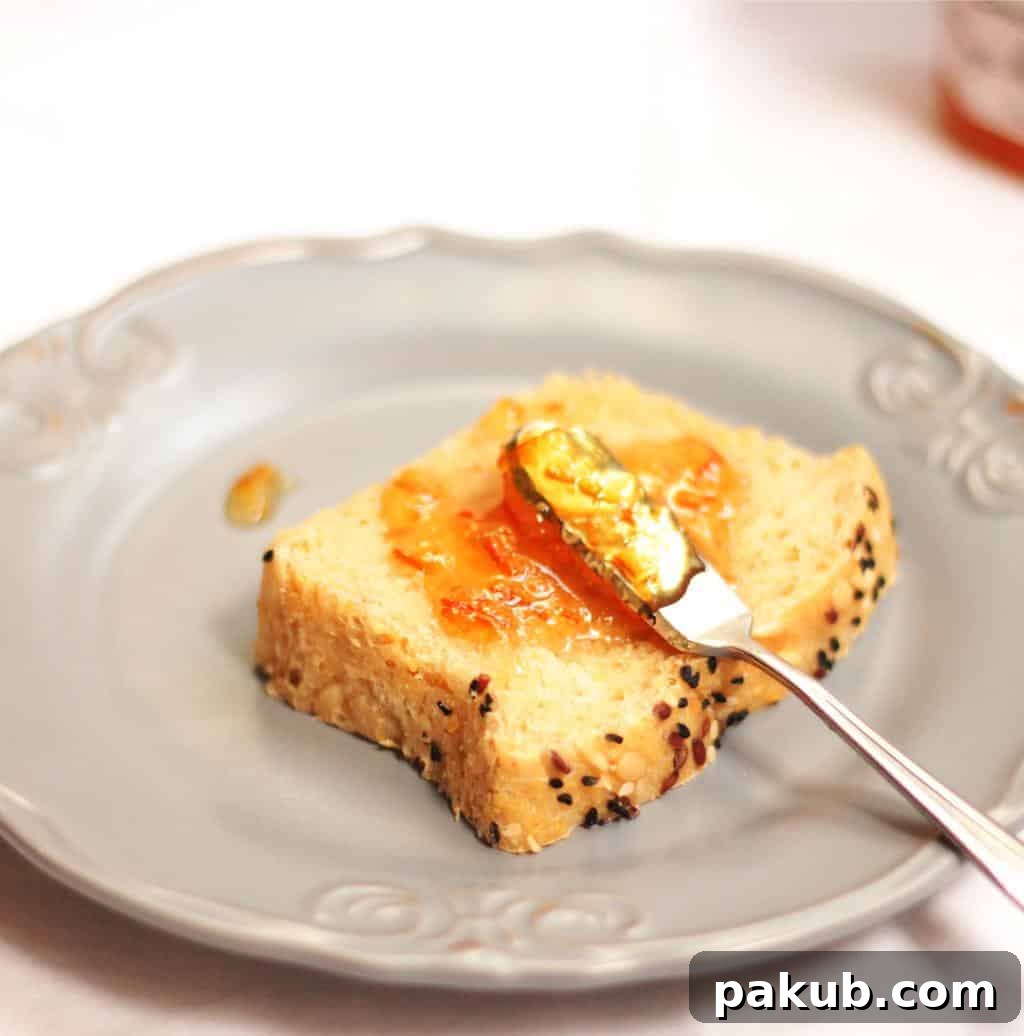
Once your homemade multigrain bread has completely cooled, it’s ready to be enjoyed! This bread excels as a base for almost anything. It makes truly exceptional toast – golden and crisp on the outside, soft and flavorful on the inside, perfect with butter, jam, or your favorite spread. It’s also sturdy enough to hold up to hearty sandwich fillings, from classic deli meats to fresh vegetables and cheeses. Consider it for open-faced sandwiches, bruschetta, or simply alongside a warm bowl of soup.
To keep your multigrain loaf fresh for as long as possible, store it at room temperature in an airtight bread box, a large zip-top bag, or wrapped tightly in plastic wrap. It should stay delicious for 3-4 days. For longer preservation, slicing the cooled loaf and freezing individual slices is an excellent option. This allows you to pull out and toast just what you need, whenever a craving strikes, maintaining its fresh-baked quality for up to a month.
Beyond the Basics: Variations to Try
While this recipe delivers a fantastic classic multigrain bread, don’t hesitate to personalize it and explore new flavors and textures:
- Grain Power-Up: Incorporate other whole grains into your soaker, such as quinoa, barley flakes, or even a small amount of cooked brown rice for added texture and nutrition.
- Nutty Boost: Mix in chopped nuts like walnuts, pecans, or almonds into the dough for extra crunch and richness.
- Sweet or Savory: For a slightly sweeter loaf, increase the honey or add a touch of brown sugar. For a savory twist, consider adding dried herbs (rosemary, thyme), a pinch of garlic powder, or grated cheese to the dough.
- Fruit & Spice: For a breakfast-friendly loaf, dried cranberries, raisins, or chopped apricots can be a delightful addition, perhaps with a touch of cinnamon or cardamom.
- Sourdough Hybrid: If you’re a sourdough enthusiast, consider replacing a small portion of the yeast with a sourdough starter for a more complex flavor profile.
Bake Your Way to Better Health and Happiness!
Embracing the art of homemade bread, especially a nutritious multigrain loaf, is more than just a culinary skill – it’s an investment in your well-being and a source of immense personal satisfaction. This comprehensive guide and recipe provide you with all the tools to create a truly exceptional bread that will nourish your body and delight your taste buds. So, take the leap, gather your ingredients, and prepare to fill your home with the irresistible aroma of freshly baked multigrain bread. Your journey to the best toast ever starts now!
More Delectable Breads and Sandwiches
- Lemon Zucchini Bread
- The Best Pizza Bread
- French Bread Pizza Toasts
- Curry Chicken Salad Sandwich
- Brown Butter Banana Bread