
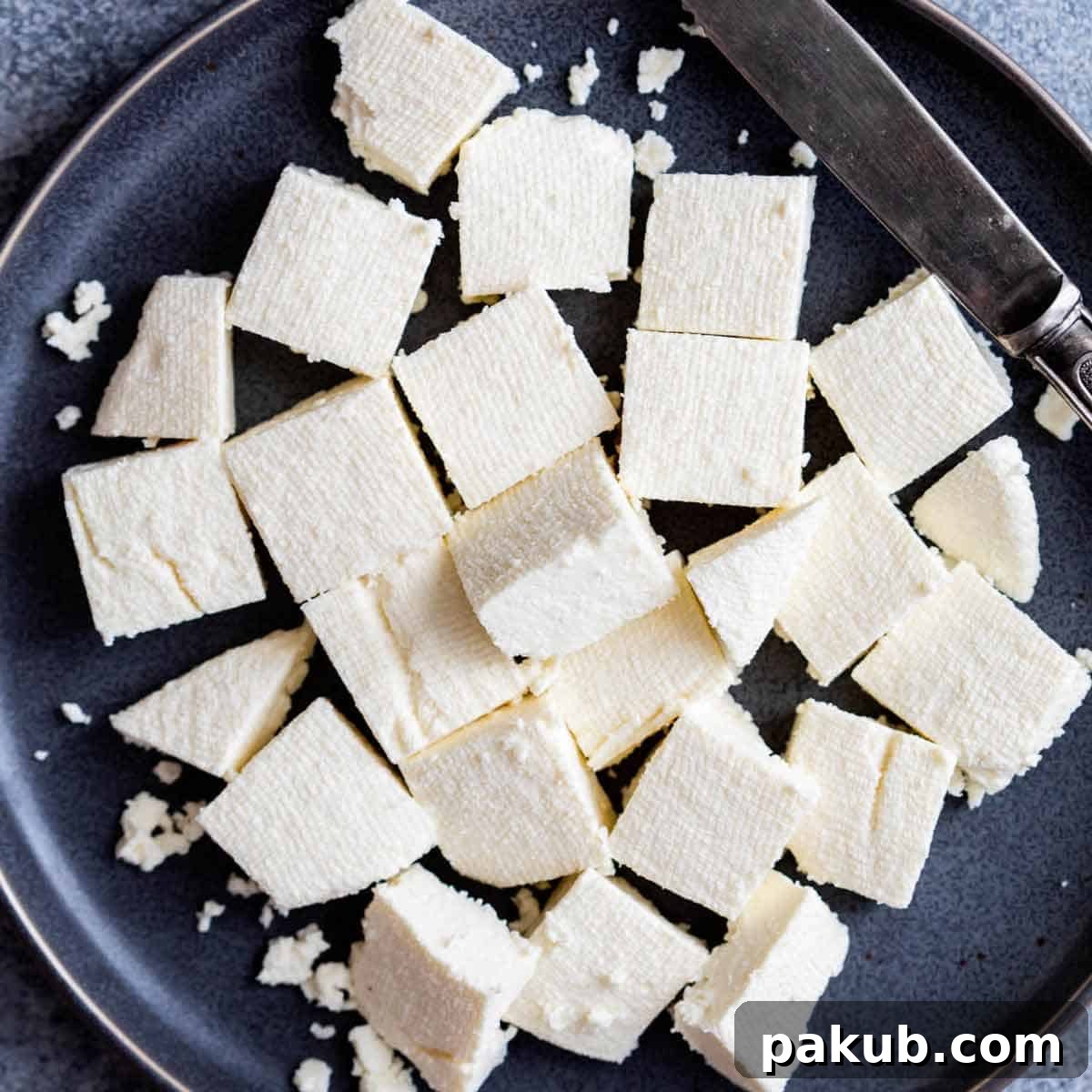
Unlock the secret to perfect homemade Indian cottage cheese! Learn how to effortlessly make fresh, creamy paneer in just 15 minutes, right in your kitchen. Say goodbye to store-bought and hello to unparalleled flavor!
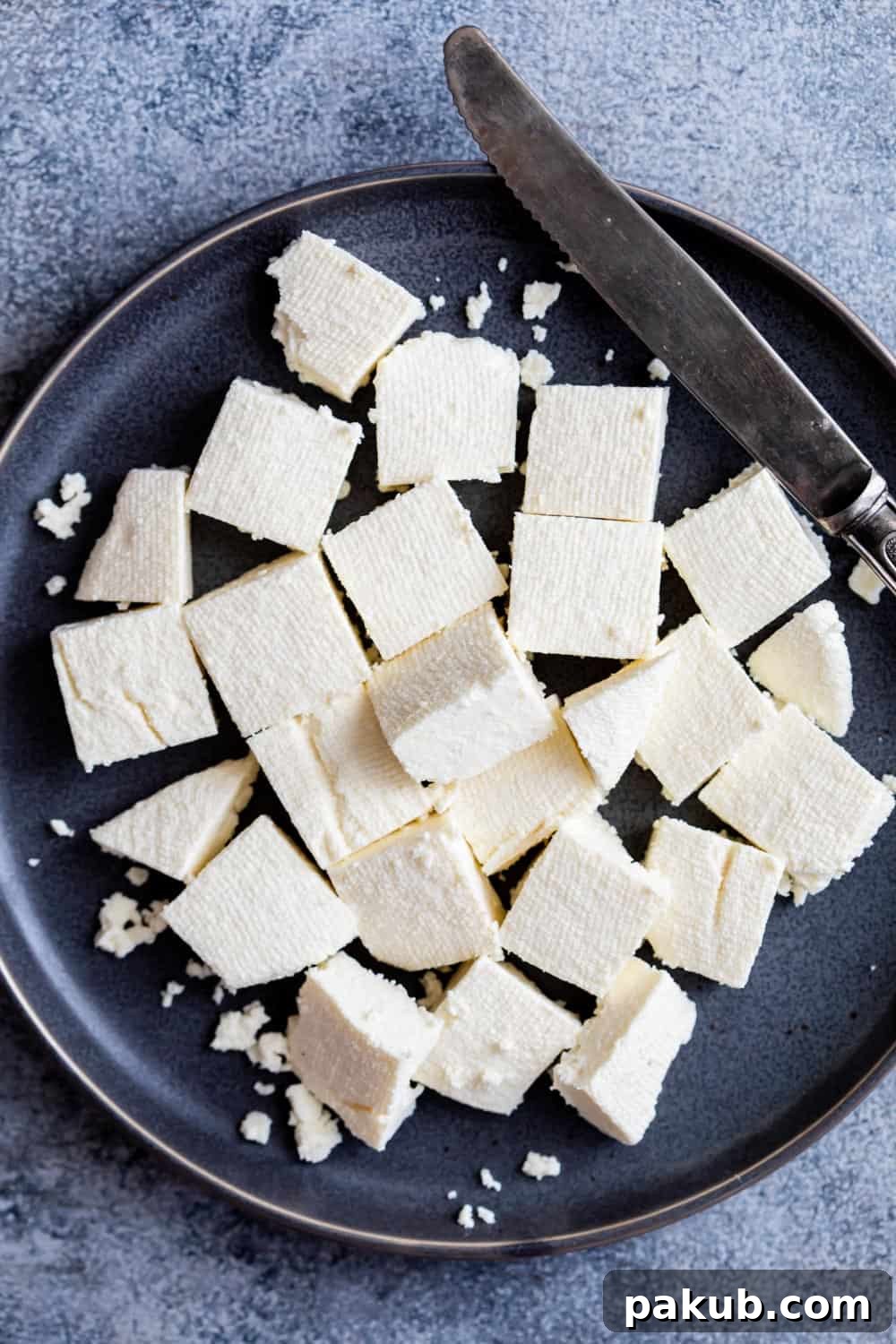
Mastering Homemade Paneer: Your Guide to Fresh Indian Cottage Cheese in 15 Minutes
Hello, fellow food enthusiasts and paneer lovers! If you’ve ever dreamt of crafting your own fresh, melt-in-your-mouth paneer without spending hours in the kitchen, today is your lucky day. We’re about to demystify the process of making homemade paneer (Indian cottage cheese) in an astonishingly quick 15 minutes. For those who, like me, find paneer an indispensable part of their diet, mastering this simple technique is a game-changer. Once you experience the superior taste and texture of paneer made from scratch, you’ll likely never look back at store-bought varieties again.
Paneer holds a special place in Indian cuisine, celebrated for its versatility and ability to absorb flavors beautifully. From rich curries like Paneer Butter Masala and Palak Paneer to delicious appetizers like Paneer Tikka, this fresh cheese is a vegetarian staple. While readily available in stores, homemade paneer offers an unmatched freshness, creaminess, and a subtle sweetness that elevates any dish. The best part? It’s incredibly straightforward, requiring only two basic ingredients and a few simple steps, making it perfect for both beginners and seasoned cooks.
My culinary journey often involves a bit of ‘andaaz’ (estimation), but for this essential recipe, I’ve refined the process to ensure consistent, perfect results every time. This comprehensive guide will provide you with precise, easy-to-follow instructions, transforming you into a paneer-making pro in no time! Prepare to impress your family and friends with the authentic flavor of freshly made Indian cottage cheese.
Essential Ingredients for Perfect Homemade Paneer
Creating your own fresh paneer requires surprisingly few items, making it an accessible kitchen project for everyone. You only need two core ingredients, but the quality of each plays a significant role in the final product:
- Full-Fat Milk: This is non-negotiable for truly creamy and soft paneer. Skim or low-fat milk will yield a smaller quantity of curds and a drier, crumbly texture, significantly compromising the desired melt-in-your-mouth quality. The ample fat content in whole milk is crucial for forming rich, tender cheese. While cow’s milk is most commonly used, you can also experiment with buffalo milk for an even richer and denser paneer. Always aim for fresh, good-quality milk for the best possible results.
- An Acidic Agent: This is the catalyst that causes the milk to coagulate and curdle, effectively separating the solid cheese curds from the liquid whey. You have a few excellent choices, each imparting slightly different characteristics to your paneer’s texture and subtle flavor:
- Lemon Juice (Lime Juice): A widely popular choice that typically results in a slightly tangy, softer paneer. The citrus notes are generally subtle in the final product after rinsing.
- White Vinegar: Tends to produce a firmer, more structured block of paneer. It’s often favored if you need paneer that holds its shape exceptionally well for grilling, pan-frying, or slicing into cubes for robust curries.
- Yogurt (Curds): My personal preference for achieving an incredibly soft, wonderfully creamy, and subtly fresh-tasting paneer. Using plain, unsweetened yogurt often results in a less pronounced tangy flavor compared to lemon juice or vinegar, and the texture is exceptionally delicate and smooth. This method is particularly cherished in traditional Indian households for its superior output.
While the exact quantity of acidic agent might vary slightly depending on the milk’s fat content, freshness, and even geographical location, I’ve provided a reliable ratio that consistently works well. Don’t be afraid to adjust slightly if your milk is particularly stubborn or, conversely, very eager to curdle. Trust your observations as the milk begins to separate.
Choosing the Right Acid for Your Paneer: Understanding Texture Differences
As highlighted, your choice of acidic agent is more than just a preference; it directly influences the final texture and subtle flavor profile of your homemade paneer. Understanding these distinctions can help you customize your paneer to perfectly complement the specific dish you’re planning to prepare:
- For Firm Paneer: Vinegar is Your Best Bet.
If your culinary vision requires a robust, firm block of paneer that holds its shape impeccably, such as for paneer tikka skewers, grilled paneer, or cubes destined for hearty gravies that require longer simmering times, then white vinegar is the ideal choice. The curds formed with vinegar tend to be denser, resulting in a paneer that is less likely to crumble during cooking, offering a satisfying bite.
- For Softer, Creamier Paneer: Lemon Juice or Yogurt/Curds are Preferred.
If your ultimate goal is to achieve an exquisitely soft, tender, and melt-in-your-mouth paneer, perfect for comforting curries like Palak Paneer, Matar Paneer, or the ever-popular Paneer Butter Masala, then lemon juice or yogurt are your superior options. Yogurt, in particular, is renowned for yielding an exceptionally tender and inherently fresh-tasting paneer with minimal residual tang. This type of paneer integrates beautifully into sauces, adding a luxurious texture without overpowering other flavors.
For this comprehensive recipe, we will guide you through a method that prioritizes the creation of creamy, soft paneer, making yogurt a highly recommended choice, though both lemon juice and vinegar will also work perfectly well to achieve delicious results.
Step 1: The Essential Art of Curdling Milk for Paneer
The first critical step involves the fascinating transformation of liquid milk into solid curds. This process is both captivating to watch and surprisingly straightforward to execute:
-
Bring Milk to a Roaring Boil: Begin with 1 liter (approximately 4 cups) of fresh, full-fat milk in a heavy-bottomed pot. Using a heavy-bottomed pot is crucial to prevent the milk from scorching at the bottom. Heat the milk over medium-high heat, stirring occasionally with a spoon or spatula to prevent sticking. Allow it to reach a vigorous, “roaring” boil – you’ll observe numerous bubbles rapidly rising to the surface and the milk potentially threatening to overflow. Immediately, as it reaches this point, reduce the heat to a very low simmer.
-
Introduce the Acidic Agent with Care: Now, it’s time to add your chosen acidic agent to initiate the curdling process.
- If using lemon juice or white vinegar: Add approximately 1½ tablespoons (22-25 ml). Pour it in slowly while gently stirring the milk.
- If using plain yogurt/curds: I highly recommend using ½ cup (120 ml) of fresh, unsweetened yogurt. Stir it into the simmering milk until well combined.
Stir gently for a minute or two. You will almost immediately notice the milk beginning to change consistency.
-
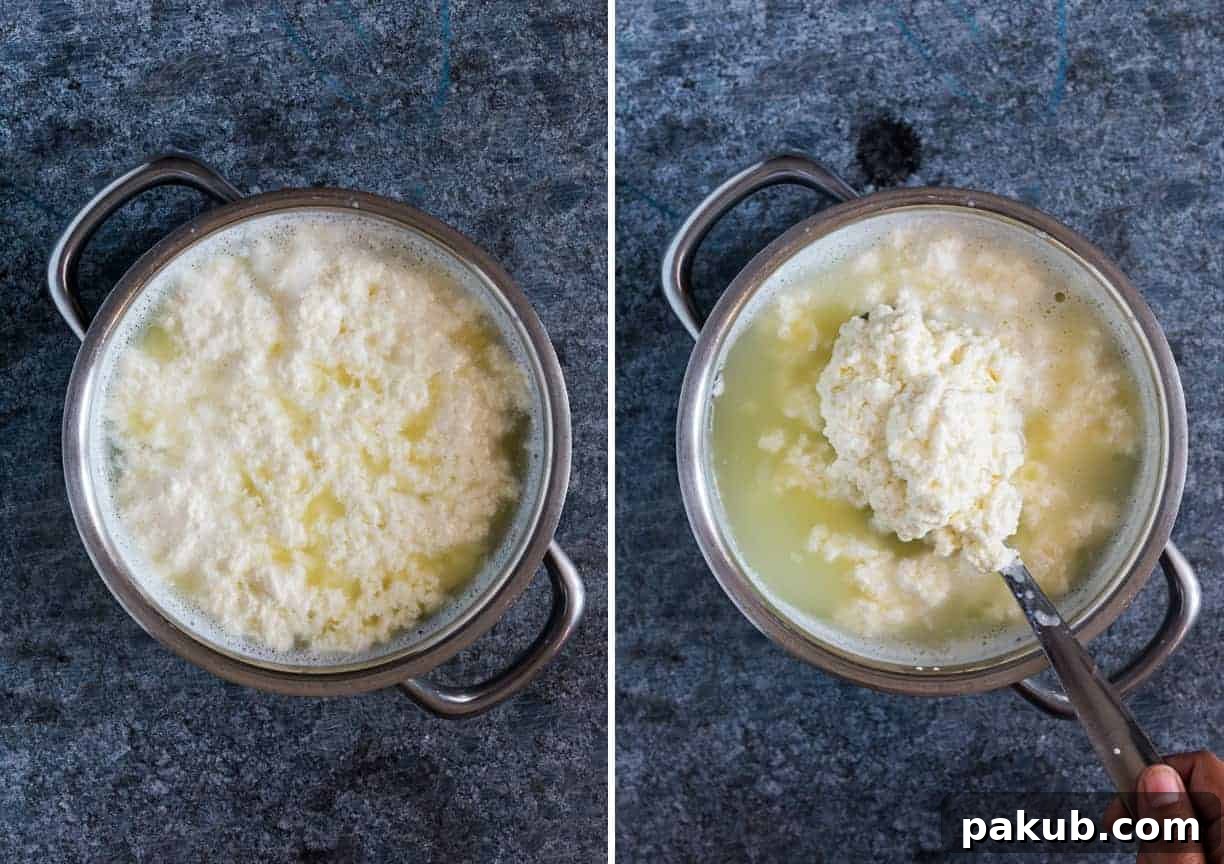
Observe the Clear Separation: Continue to simmer gently, stirring only occasionally, for another 2-3 minutes. This critical period allows the acid to fully react with the milk proteins. You will soon observe a clear and distinct splitting of the milk. White, soft cheese curds will visibly separate and cluster together, floating gracefully to the top, while a translucent, greenish-yellow, watery liquid (which is the nutrient-rich whey) will become clearly visible underneath. The accompanying image beautifully illustrates this precise transformation, showcasing the curds rising to the surface within minutes, especially when using yogurt.
-
Crucial: Do Not Overcook: As soon as you witness this definitive separation – distinct curds and clear, greenish whey – immediately turn off the heat. This step is paramount. Overcooking the curds will draw out too much moisture and result in tough, rubbery paneer, entirely defeating the purpose of achieving that coveted creamy texture. Stay attentive during this crucial 5-minute window; resist the urge to step away or get distracted, as milk can boil over quickly. Your attentiveness ensures perfect results!
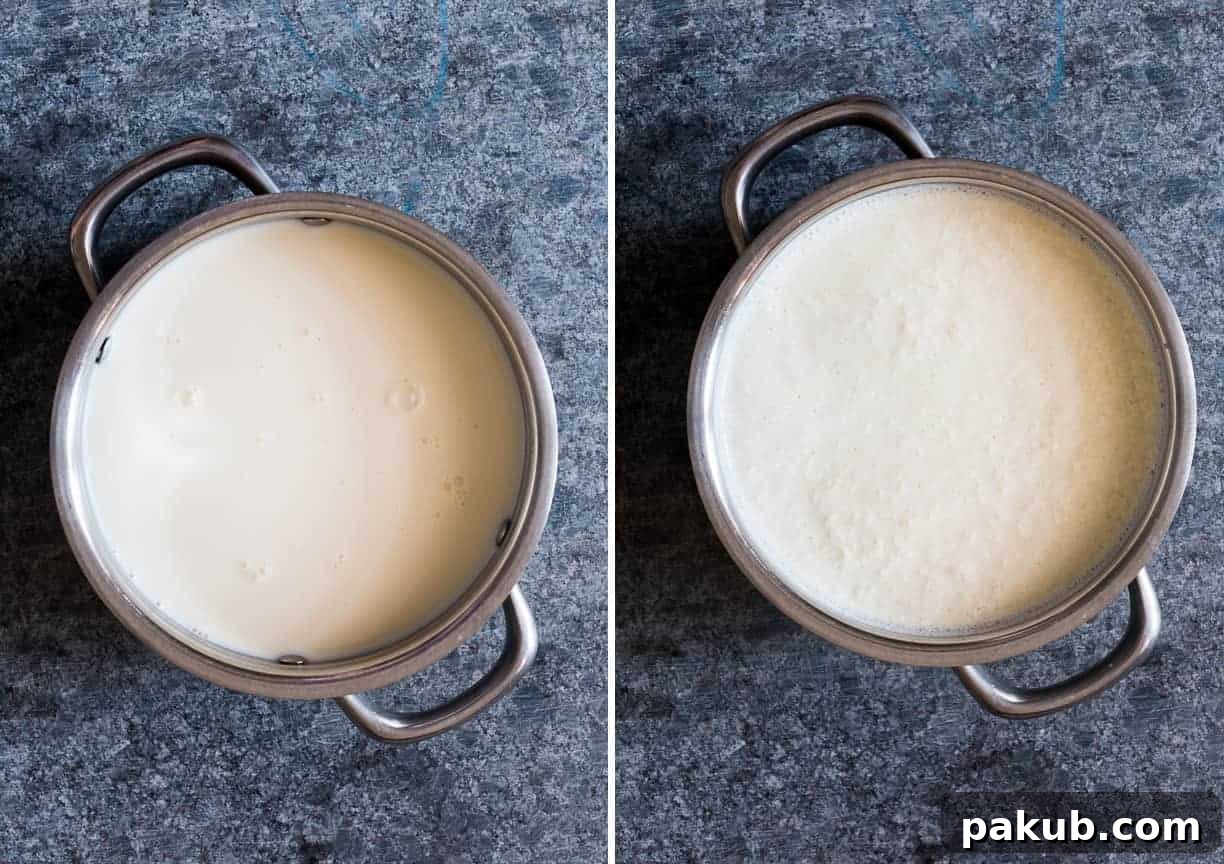
At this exciting stage, before straining, I encourage you to take a small spoon and try a tiny bite of those hot, fresh cheese curds. This is one of my absolute favorite parts of the process – tasting the incredibly creamy, fresh, melt-in-your-mouth paneer straight from the pot. It’s a moment that truly highlights the magic and unparalleled deliciousness of homemade goodness!
Step 2: Separating Cheese Curds from Nutrient-Rich Whey
Once your milk has perfectly curdled, the next step is to efficiently separate the precious paneer curds from the liquid whey. This process ensures you capture all the solid goodness while reserving the valuable by-product.
-
Prepare Your Strainer Setup: Place a fine-mesh sieve or a colander over a large, deep bowl or another sturdy vessel. The vessel below is critically important for collecting the whey, so choose one that can comfortably hold at least 1 liter (4 cups) of liquid. Generously line the sieve with a clean muslin cloth, cheesecloth, or a thin, unused cotton kitchen towel. Ensure the cloth hangs over the edges of the sieve, providing enough material to gather and lift the curds later.
-
Gently Strain the Curds and Whey: Carefully and slowly pour the entire contents of the pot (the curdled milk, including both curds and whey) into the muslin-lined strainer. The whey will immediately begin to drain through the cloth and collect in the vessel below, leaving the solid paneer curds neatly contained within the cloth. Exercise caution to avoid splashing, as the liquid is hot, and to prevent losing any precious curds.
-
Rinse (If Necessary) for a Milder Flavor: If you used highly acidic agents like lemon juice or vinegar to curdle your milk, it’s highly recommended to gently rinse the curds under cool running water for about a minute. This crucial step helps to wash away any residual tangy flavor from the acid, ensuring your homemade paneer has a clean, milder, and sweeter taste. If you opted for yogurt, rinsing is usually not necessary as it imparts significantly less tang.
-
Squeeze Out Excess Water: Gather the corners of the muslin cloth, bringing them together to form a neat ball around the contained curds. Begin to gently twist and squeeze the cloth, exerting firm but not excessive pressure. The goal is to extract as much excess liquid (whey) as possible without forcing the curds through the fabric. Be mindful not to squeeze so aggressively that the paneer becomes overly dry or crumbly. A moderate squeeze is often sufficient for soft paneer.
The Golden By-Product: Don’t Discard the Whey!
That greenish-yellow liquid you’ve meticulously collected is more than just wastewater; it’s nutrient-rich whey, and it’s far too valuable to simply discard! Whey is an exceptional by-product, packed with protein, essential vitamins (like B vitamins), and valuable minerals. It offers a surprising array of culinary and even gardening uses:
- Kneading Dough: Use whey instead of plain water to knead dough for chapatis, parathas, puris, or even homemade bread. It adds a wonderful softness, elasticity, and an extra boost of nutrition to your baked goods.
- Soups and Stews: Incorporate whey into your favorite savory soups, stews, dals, or curries. It subtly enhances the flavor profile and significantly increases the nutritional content of your meals.
- Refreshing Drink: Chill the whey thoroughly. Then, add a pinch of salt, a dash of roasted cumin powder (jeera powder), and a squeeze of fresh lemon juice for a tangy, refreshing, and incredibly hydrating drink, especially invigorating on a hot day.
- Smoothies and Shakes: Add a portion of cold whey to your morning fruit or vegetable smoothie for an easy and effective extra protein kick, perfect for post-workout recovery.
- Cooking Grains: Use whey to cook rice, quinoa, or pasta. It infuses them with additional flavor and nutrients.
- Plant Fertilizer: Dilute whey with water (about 1 part whey to 10 parts water) and use it to water your acid-loving plants. The nutrients can give them a healthy boost!
Step 3: Press and Set Your Homemade Paneer to Perfection
The final crucial step is to press the gathered curds into a firm, cohesive block. This process removes residual moisture and gives your paneer its characteristic shape, making it ready for slicing and cooking.
-
Shape the Paneer Parcel: Once you’ve squeezed out the initial excess liquid, neatly fold the edges of the muslin cloth over the concentrated curds to form a compact, flat parcel. Place this parcel on a clean, flat surface, such as a sturdy cutting board or a plate with a slight rim.
-
Apply Consistent Pressure: Place another flat plate, a smaller cutting board, or a heavy lid directly on top of the paneer parcel. Then, place a heavy object evenly on top of this plate. Ideal weights include a heavy cast-iron pot filled with water, a few large cans of food, a stack of heavy cookbooks, or even a traditional stone mortar and pestle. The consistent weight helps to press out any remaining liquid and compact the curds tightly into a cohesive, firm block.
-
Determine Pressing Time for Desired Firmness: The duration of pressing directly impacts the firmness of your paneer:
- For soft paneer that’s perfect for crumbling into bhurji or incorporating into creamy curries where a melt-in-your-mouth texture is desired, press for a shorter duration of about 5-10 minutes.
- If you require a firmer block that holds its shape well for clean slicing, grilling, or frying (e.g., for paneer tikka), you can press it for a longer period, typically 30-60 minutes. For a very dense paneer, suitable for marinating and grilling, you might even extend this to up to 2 hours.
The longer you press, the firmer and drier your paneer will ultimately be.
-
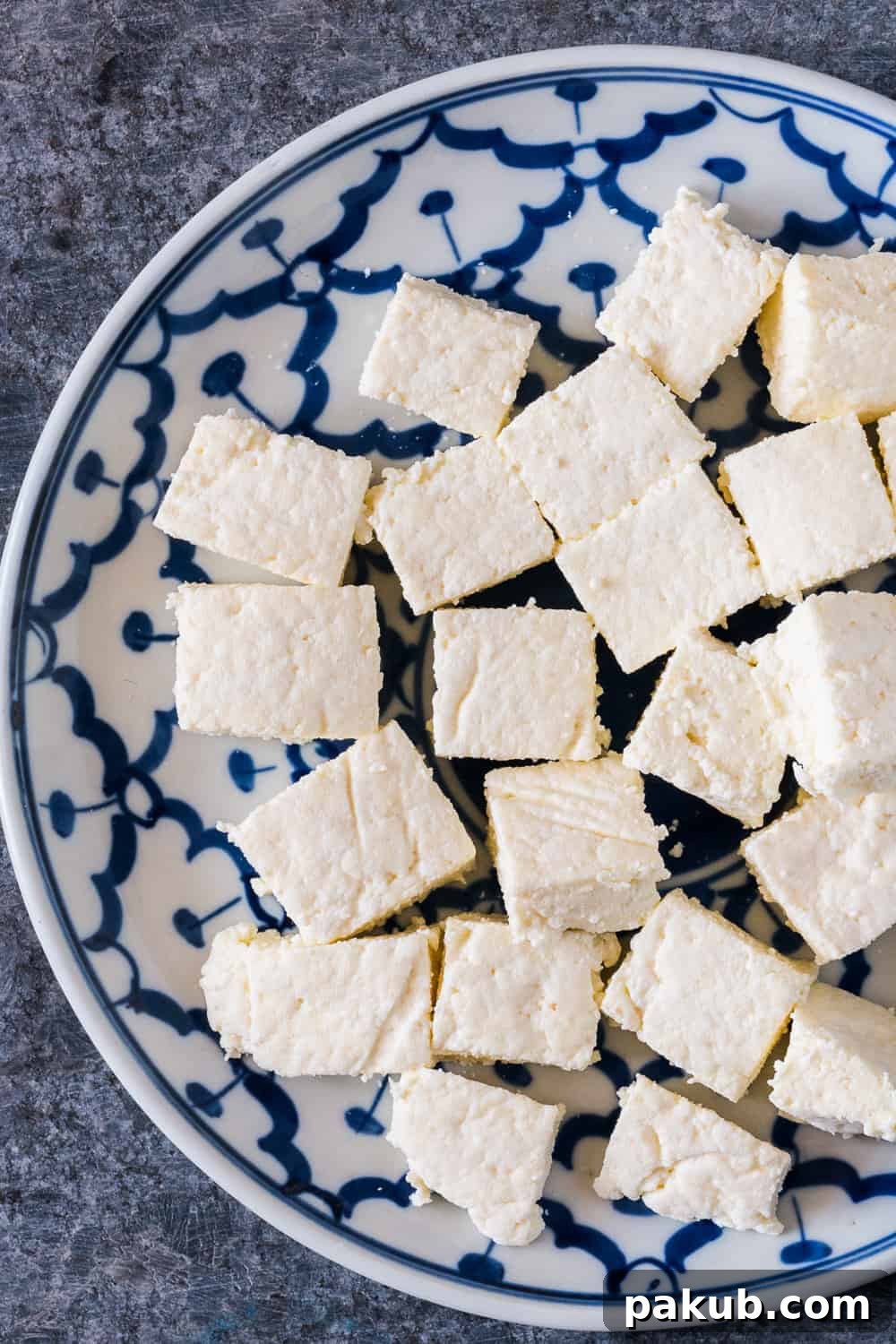
Chill (Optional but Highly Recommended): Once pressed to your desired firmness, carefully unwrap your beautiful block of homemade paneer. For cleaner, sharper, and more even slices, I highly recommend chilling the paneer in the refrigerator for at least 30 minutes (or even up to an hour) before cutting. This chilling period allows the paneer to firm up further and makes it significantly easier to handle and slice without crumbling.
-
Slice and Enjoy: Your soft, creamy, and life-changing homemade paneer is now complete! Slice it into cubes, triangles, rectangles, or crumble it, and eagerly add it to your favorite Indian recipes. The difference in taste and texture compared to store-bought will be immediately noticeable and incredibly rewarding.
Expert Tips for Making Perfect Homemade Paneer Every Time
While the process of making paneer is inherently simple, a few expert tips and tricks can elevate your results, ensuring your homemade paneer is consistently excellent, tender, and flavorful:
- Prioritize Fresh, High-Quality Full-Fat Milk: The foundation of exceptional paneer lies in the milk. Always opt for the freshest, highest-quality full-fat (whole) milk available. Higher fat content directly translates to a better yield and a significantly creamier, richer texture. If possible, avoid ultra-pasteurized (UHT) milk, as it sometimes contains stabilizers that can make curdling more challenging or result in a tougher paneer.
- Do Not Overcook the Curds: This is arguably the most crucial tip. The moment you observe a clear separation between the white cheese curds and the transparent, greenish-yellow whey, immediately turn off the heat. Allowing the curds to continue cooking in the hot whey will extract too much moisture, invariably leading to tough, chewy, and rubbery paneer. Swift action is key!
- Add Acid Gradually and Observe: While we’ve provided specific measurements for the acidic agent, the exact quantity can sometimes vary slightly based on the milk’s specific composition or freshness. If your milk doesn’t immediately curdle after adding the recommended amount, add a tiny bit more (e.g., half a teaspoon of lemon juice or vinegar) and stir gently until clear separation occurs. Trust your visual cues.
- Rinse Curds for a Milder Flavor: If you’ve used lemon juice or vinegar as your curdling agent, rinsing the curds under cool running water after straining is an essential step. This process effectively washes away any lingering acidic taste, ensuring your paneer has a clean, neutral, and subtly sweet flavor that beautifully absorbs the spices of any dish. When using yogurt, this step is often optional due to its milder tang.
- Adjust Pressing Time for Desired Texture: Remember that the duration and intensity of pressing directly dictate the final firmness of your paneer. Short pressing times (5-10 minutes with moderate weight) will yield wonderfully soft and delicate paneer, ideal for crumbling or creamy curries. Longer pressing times (30 minutes to 2 hours with heavier weights) will result in firmer, denser paneer that is perfect for clean slicing, grilling, or frying without falling apart.
Troubleshooting Common Homemade Paneer Problems
Even with a seemingly simple recipe, sometimes things don’t go exactly as planned in the kitchen. Don’t be disheartened if you encounter issues; understanding common problems and their solutions will help you master the art of paneer making. Here are solutions to the most frequent homemade paneer challenges:
- Problem: Milk Not Curdling Effectively.
- Solution 1: Milk Not Hot Enough: Ensure the milk comes to a vigorous, rolling boil before you add the acidic agent. If it’s just simmering or lukewarm, it won’t curdle properly.
- Solution 2: Not Enough Acid: The most common reason. If you’ve added the recommended amount and still see milky liquid rather than clear whey, gradually add a little more lemon juice or vinegar (half a tablespoon at a time) and stir gently until clear separation unmistakably occurs.
- Solution 3: Low-Quality or UHT Milk: Some ultra-high temperature (UHT) pasteurized milks, or very old milk, can be difficult to curdle due to altered protein structures. Stick to fresh, full-fat milk whenever possible for reliable results.
- Problem: Paneer is Too Hard, Chewy, or Rubbery.
- Solution 1: Overcooked Curds: This is the most common culprit. As soon as the curds and whey separate clearly, turn off the heat immediately. Continued exposure to heat causes the curds to lose excessive moisture, resulting in a tough texture.
- Solution 2: Too Much Acid: Using an excessive amount of acid can sometimes contribute to a tougher, more granular texture. Be mindful of the quantities.
- Solution 3: Pressed Too Long or Too Heavily: If you’ve pressed the paneer for an extended period or under an excessively heavy weight, it can become overly dry and hard. Reduce both the pressing time and the weight in your next attempt to achieve a softer consistency.
- Problem: Paneer is Too Crumbly or Too Soft (Doesn’t Hold Shape).
- Solution 1: Not Enough Acid (Incomplete Curdling): If the milk didn’t fully curdle, too much moisture might remain trapped in the curds, leading to a soft, crumbly paneer that struggles to bind.
- Solution 2: Insufficient Pressing: The curds needed more time or a heavier weight to compact properly. Increase the pressing duration or the weight applied to ensure all excess moisture is expelled and the curds bind together.
- Solution 3: Excess Water Retained: Ensure you’ve squeezed out as much excess water as possible from the curds while they are in the muslin cloth before proceeding to the pressing stage. A good initial squeeze is key.
How to Make Malai Paneer (Extra Creamy Paneer)
For an extra rich, decadent, and even more indulgent version of homemade paneer, you can easily prepare “Malai Paneer.” The term ‘Malai’ refers to the thick, clotted cream traditionally skimmed from heated milk in Indian cooking, and incorporating it into your paneer significantly enhances its inherent creaminess, softness, and luxurious texture.
The process for making Malai Paneer is almost identical to that of regular paneer, with one delightful and simple addition: while boiling the milk in Step 1, add about half a cup (120 ml) of heavy cream (or actual malai, if you have access to it) to the full-fat milk. Allow the milk and cream mixture to come to a full boil, then proceed with adding your chosen acidic agent (2 tablespoons of vinegar or lemon juice often work well with the added fat). The increased fat content from the cream will result in paneer that is even more tender, moist, and wonderfully rich, making it an exquisite choice for special curries or whenever you desire an extra touch of indulgence.
Storing Your Fresh Homemade Paneer for Longevity
Proper storage techniques are essential to maintain the freshness, texture, and deliciousness of your homemade paneer, ensuring it stays at its best for future culinary creations:
- Refrigerator Storage for Freshness: For optimal freshness and to preserve its soft, delicate texture, the best method is to submerge your paneer block in an airtight container filled with fresh, cold water. Store this container in the refrigerator. It is crucial to change the water daily to prevent bacterial growth and maintain the paneer’s pristine quality and texture. Stored this way, homemade paneer can remain wonderfully fresh and soft for up to 5 days. This method prevents it from drying out and becoming hard.
- Freezing Paneer (with Caveats): While paneer can technically be frozen, it’s important to be aware that its texture tends to change slightly upon thawing. It may become a bit crumbly, granular, or powdery, losing some of its characteristic smoothness and elasticity. For this reason, I generally recommend making paneer fresh as needed or only a few days ahead of consumption. If you absolutely must freeze it, here’s how to minimize texture changes: Cut the paneer into your desired pieces (cubes, slabs), blanch them briefly in hot water for about a minute, then immediately transfer them to an ice bath to cool completely. Once cooled, pat them dry and freeze in an airtight container or freezer-safe bag. To use, thaw slowly in the refrigerator overnight or by submerging the frozen pieces in hot water for a quick thaw before incorporating into cooked dishes.
Delicious Recipes Using Your Fresh Homemade Paneer
Now that you’ve successfully mastered the art of making fresh, creamy paneer right in your own kitchen, the culinary possibilities are truly endless! Your homemade paneer is an ingredient of unparalleled quality, ready to elevate any dish. Here are some beloved Indian dishes where your freshly crafted paneer will genuinely shine, transforming ordinary meals into extraordinary feasts:
- Paneer Butter Masala: A Restaurant-Style Favorite
- Creamy Matar Paneer: A Classic & Comforting Combination
- Easy Breakfast Paneer Bhurji: A Flavorful & Quick Scramble
- Saag Paneer: A Healthy Spinach & Paneer Delight
- Tandoori Paneer Tikka: Smoky Grilled Goodness
- Palak Paneer: The Creamy Spinach Classic
- Spicy Achari Paneer: Pickled Paneer Curry
- Palak Paneer Kofta Curry: Delicious Paneer Dumplings
- Aloo Paneer Tikki: Savory Potato & Paneer Patties
This iconic dish is synonymous with Indian comfort food. Cubes of tender paneer swim in a luscious, mildly spiced tomato-cream sauce, making it a perennial restaurant favorite. Perfect for a hearty dinner, best served with fluffy naan bread or fragrant basmati rice.
A wholesome and satisfying curry featuring soft paneer and sweet green peas enveloped in a rich, aromatic onion-tomato gravy. This family-friendly dish is a cherished staple in many Indian homes and offers profound comfort with every spoonful.

For a quick, protein-packed, and incredibly satisfying meal at any time of day, look no further than Paneer Bhurji. This savory scramble, brimming with crumbled paneer, sautéed onions, tomatoes, and aromatic spices, is fantastic served with warm toast, flaky parathas, or as a flavorful side dish.
A vibrant and healthy dish featuring tender paneer cubes simmered in a luscious, subtly spiced spinach gravy. It’s a nutritious and flavorful option that’s always a crowd-pleaser.
Marinated paneer skewers, grilled to perfection, bursting with smoky flavors and aromatic spices. Perfect as an appetizer or a light main course, especially when made with firmer homemade paneer.
Similar to Saag Paneer, but often prepared with a smoother, slightly creamier spinach base, offering a delightful contrast of textures and flavors.
Paneer cooked in a distinctive, tangy, and spicy pickling spice blend, offering a unique and zesty flavor profile that’s wonderfully aromatic.
Delightful paneer and spinach dumplings (kofta) served in a rich and flavorful gravy, offering a textural feast and a sophisticated taste.
Flavorful patties made from mashed potatoes and crumbled paneer, seasoned with spices. These are a popular, crispy snack or appetizer, perfect for tea time.
Watch How to Make Homemade Paneer Recipe Video
How To Make Homemade Paneer (Cottage Cheese) In 15 Minutes
Ingredients
- 1 litre Full Fat Milk, or whole milk
- 1 1/2 tablespoons Lemon juice / Vinegar, Or 1/2 cup Yogurt
Instructions
-
Bring milk to a roaring boil and reduce the flame to a simmer.
-
Add the souring agent of your choice (lemon juice, vinegar or yogurt) and mix with a spoon. Simmer for 2-3 minutes until you see the milk starting to split into clear whey and curds.
-
Switch off the flame as soon as the milk splits completely and separates into whey and cheese curds. Do not overcook.
-
Line a sieve with a muslin cloth or cheesecloth and place this over another vessel. Strain the paneer into the cheesecloth and collect the whey into the bottom. Optionally, rinse the curds gently under cool water if using lemon juice or vinegar, to remove any tang. Use the whey for kneading dough or to make a refreshing drink.
-
Once the whey has strained out and you’ve squeezed excess liquid, you can use the paneer as is. If you wish to shape it into a block, cover the paneer with the edges of the cheesecloth and place a heavy weight on it. Set this aside for 5-10 minutes for soft paneer, or up to 30-60 minutes for firmer paneer. Cut and store the paneer in an airtight container submerged in water in the refrigerator for up to 5 days.
Video
Notes
- Malai Paneer: To make malai paneer, add 1/2 cup heavy cream to the milk while boiling, and then use 2 tbsp vinegar or lemon juice as the curdling agent. This results in an even creamier and softer paneer.
- Storage: Paneer can be stored in the refrigerator for up to 5 days. Submerge it in cold water and change the water daily to keep it fresh and soft, preventing it from drying out.
- Freezing Paneer: While paneer can be frozen, its texture may become slightly powdery or crumbly when thawed. For the best quality, it is recommended to make it fresh or a few days ahead rather than freezing.
Nutrition
Calories: 2kcal
Carbohydrates: 1g
Protein: 1g
Fat: 1g
Saturated Fat: 1g
Cholesterol: 1mg
Sodium: 1mg
Sugar: 1g
Vitamin C: 3mg
Elevate Your Meals: More Paneer Recipes to Explore
Now that you have your fresh, delicious homemade paneer, it’s time to put it to good use! Here are some incredible recipes that celebrate the unparalleled versatility and delightful texture of Indian cottage cheese. Each dish is a testament to how this simple ingredient can transform into a spectacular, memorable meal.
Paneer Butter Masala: A Restaurant-Style Favorite
This iconic dish is synonymous with Indian comfort food. Cubes of tender, homemade paneer swim in a luscious, mildly spiced tomato-cream sauce, making it a perennial restaurant favorite. It’s perfect for a hearty dinner, and best enjoyed with warm, fluffy naan bread or fragrant basmati rice.
Creamy Matar Paneer: A Classic & Comforting Combination
A wholesome and deeply satisfying curry featuring soft, pillowy paneer and fresh green peas enveloped in a rich, aromatic onion-tomato gravy. This family-friendly dish is a cherished staple in many Indian homes and offers profound comfort with every spoonful. Your homemade paneer will truly absorb the flavors beautifully.
Easy Breakfast Paneer Bhurji: A Flavorful & Quick Scramble
For a quick, protein-packed, and incredibly satisfying meal at any time of day, look no further than Paneer Bhurji. This savory scramble, brimming with crumbled homemade paneer, sautéed onions, tomatoes, and aromatic spices, is fantastic served with warm toast, flaky parathas, or as a vibrant side dish to your main course.
Making homemade paneer is more than just a simple cooking task; it’s an enriching step towards creating more authentic, flavorful, and rewarding culinary experiences. With just two fundamental ingredients and minimal effort, you can consistently enjoy the freshest, creamiest Indian cottage cheese, ready to transform your everyday meals into something truly special. Give it a try, and prepare to be utterly amazed by the significant difference in taste and texture!