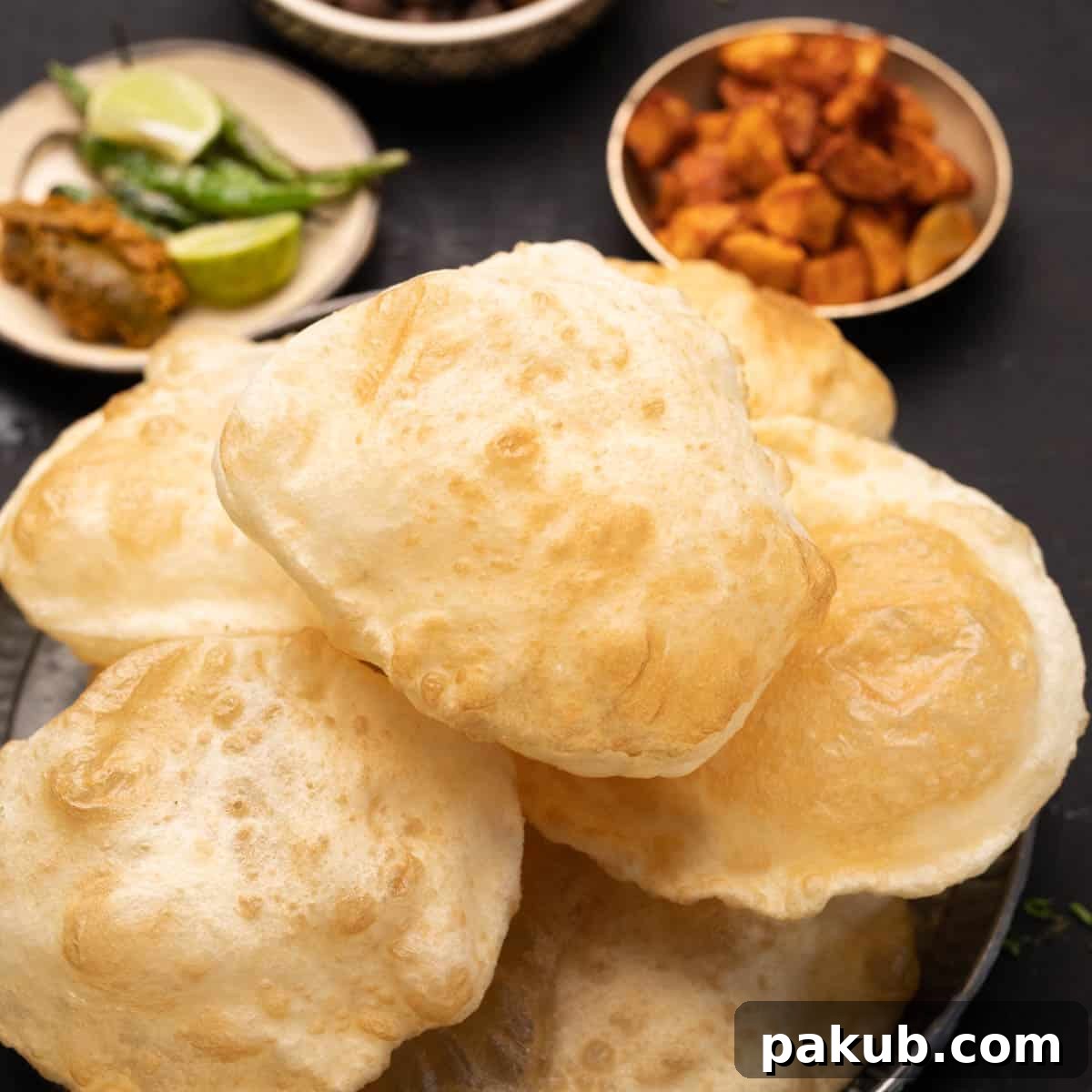
Get ready to master the art of creating the most incredibly fluffy and perfectly crisp Bhaturas right in your own kitchen! These irresistible deep-fried Indian flatbreads are light, airy, and truly the ultimate accompaniment for soaking up rich, flavorful curries.
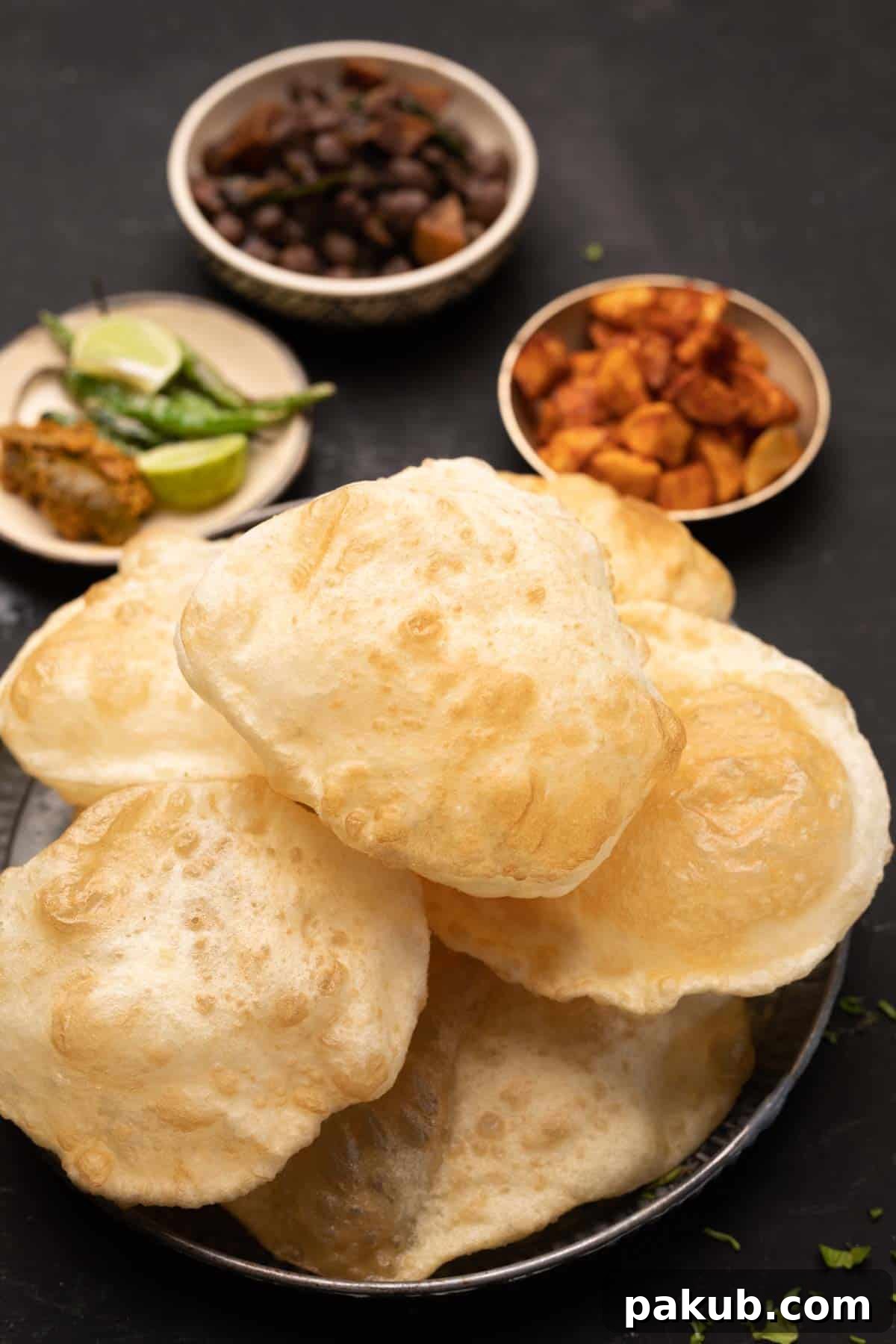
Looking to transform this into a magnificent full meal? Elevate your dining experience by pairing these Bhaturas with our classic Pindi Chole | Pindi Chana, Hearty Potato Curry, and perfectly prepared Fluffy Jeera Rice!
Master the Art of Fluffy and Crispy Bhaturas (No Yeast Recipe!)
There’s a special kind of delight that spreads across faces when the idea of Bhaturas for lunch or dinner is proposed. It’s a universal smile, a shared understanding that something truly wonderful is about to happen. This isn’t just any recipe; it’s an invitation to recreate the magic of these beloved deep-fried Indian flatbreads that hold a cherished spot in countless hearts.
Famously served alongside **Chole**, a tantalizingly tangy and spiced chickpea curry, Bhaturas are more than just food – they are a celebration. The iconic duo, Chole Bhature, stands as a quintessential Punjabi staple, gracing tables at weddings, festive gatherings, and becoming the ultimate breakfast treat on any special occasion. It’s a culinary experience that instantly signals, “Ah, today is truly a special day!”
While the thought of achieving that perfect restaurant-quality fluffiness and crispiness at home might seem daunting, rest assured, it’s entirely within your reach. In this comprehensive guide, I’m excited to share all my personal tips and tested tricks to help you create Bhaturas that are impeccably fluffy and wonderfully crisp – and here’s the best part – all without the need for any bread or yeast. Get ready to impress yourself and your loved ones with these sensational homemade Bhaturas!
In This Guide: Crafting Your Perfect Bhaturas
- Essential Bhatura Ingredients Overview
- Step-by-Step: How to Make Bhatura
- Richa’s Expert Tips for Bhatura Perfection
- Frequently Asked Questions
- Watch How to Make Bhaturas (Video Tutorial)
Why You’ll Love This Easy No-Yeast Bhatura Recipe:
- This recipe requires just 5 simple, pantry-friendly ingredients, meaning no last-minute grocery trips are needed to start cooking.
- The preparation is incredibly straightforward and hassle-free – this is a unique no-yeast recipe that achieves perfect results with just a quick 30-minute fermentation process.
- Cooking time is remarkably fast, ensuring these delicious Bhaturas are ready to serve hot and fresh right away, making them perfect for any meal.
- Achieve that coveted fluffy, airy texture with a satisfying crispness every single time, delighting your taste buds.
- Experience the authentic taste of traditional Punjabi Bhaturas, bringing a festive and joyful culinary experience into your home with minimal effort.
Essential Bhatura Ingredients Overview: Your Pantry Staples for Perfection
Crafting perfect Bhaturas doesn’t require a long list of exotic ingredients. In fact, you’ll likely find most of what you need already in your pantry. Each component plays a crucial role in achieving the desired texture, flavor, and incredible puffiness that makes Bhaturas so special. Here’s a closer look at what you’ll need:
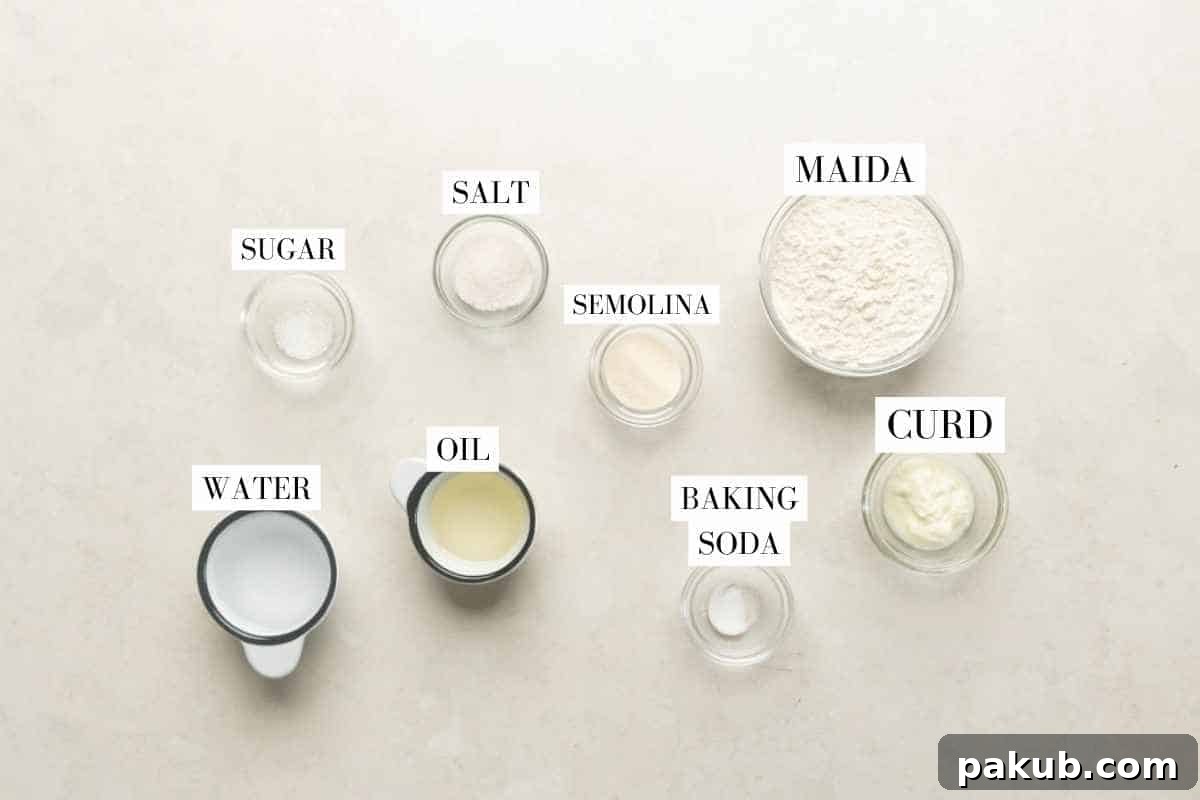
- All-Purpose Flour (Maida): This is the absolute foundation of our Bhatura dough and a non-negotiable ingredient. Maida provides the necessary gluten structure for the Bhaturas to puff up beautifully and achieve their signature light and airy texture. Using whole-wheat flour (atta) will unfortunately not yield the same results, as its denser nature will significantly change the texture of the finished Bhatura, making it less fluffy.
- Salt: A fundamental seasoning that enhances the overall flavor of the dough, balancing the richness and subtle tang of the other ingredients.
- Sugar: More than just for sweetness, sugar plays a vital role in speeding up the dough’s fermentation process. It acts as a food source for the curd’s bacteria, promoting faster activation of the leavening agents and contributing to the golden-brown color during frying. Do not skip this!
- Baking Soda: This is our primary leavening agent in this no-yeast recipe. When combined with the acidity of the curd, baking soda creates carbon dioxide gas bubbles, which are essential for making the Bhaturas light, airy, and incredibly fluffy.
- Dahi or Curd (Plain Yogurt): Critical for both softening the dough and aiding in the fermentation process. The acidity in dahi reacts with the baking soda to produce lift, while its creamy texture helps create a tender and pliable dough that’s easy to work with and ensures maximum fluffiness.
- Semolina (Sooji): This is our secret ingredient for achieving that irresistible crispiness! Just a small amount (2 teaspoons) of fine semolina added to the dough contributes a delicate crunch to the exterior of the Bhatura, providing a perfect contrast to its soft, airy interior. It makes these Bhaturas super crisp and wonderfully delicious!
- Water: Used gradually to bring the ingredients together and form the dough. Room temperature water is generally fine, allowing for optimal mixing and dough consistency.
- Oil (for Brushing and Frying): A touch of oil is brushed onto the dough before resting and rolling, giving the Bhaturas a beautiful glossy finish and preventing sticking. Crucially, a generous amount of hot oil is needed for deep-frying, which is what transforms the dough into golden, puffed-up delights.
Step-by-Step Guide: How to Make Irresistible Bhaturas at Home
Making fluffy and crispy Bhaturas at home is a rewarding process, and with these clear steps, you’ll be serving up perfection in no time. Follow along with our visual guide and detailed instructions to master this classic Indian flatbread.
Step 1: Prepare the Dough Base
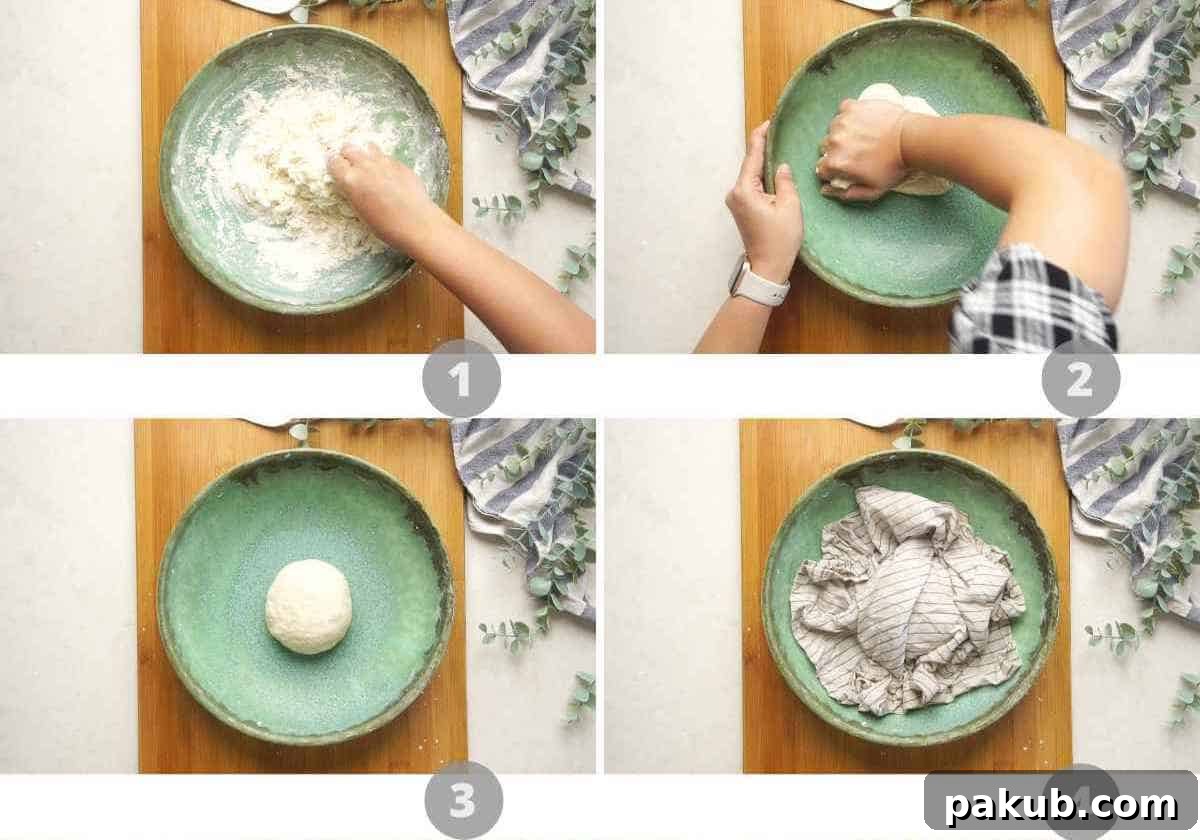
In a large mixing bowl, combine the all-purpose flour (maida), sugar, salt, baking soda, and semolina (sooji). Use a spoon or your hands to mix these dry ingredients thoroughly until they are well combined. This ensures an even distribution of the leavening agents and flavorings. Next, add the dahi (curd) to the mixture and gently incorporate it.
Step 2: Knead the Dough to Perfection
Begin adding water, a little at a time, to the mixture. Knead the dough continuously for about 5 to 10 minutes until it becomes wonderfully smooth, soft, and elastic. The key here is developing the gluten, which will give the Bhaturas their structure and allow them to puff up. For an extra pliable dough, employ the traditional technique of stretching and whacking the dough onto your counter surface for approximately one minute. This physical action further develops the gluten and makes the dough incredibly supple.
Step 3: First Rest for Fermentation
Once your dough has reached the desired smooth and soft consistency, gather it into a compact, round ball. Take a few drops of oil in your palm and gently rub it all over the surface of the dough ball. This prevents the dough from drying out and sticking. Cover the bowl with a damp cloth – this helps maintain moisture and warmth – and leave it to rest in a warm place for 15 to 30 minutes. This resting period allows the baking soda and curd to react, initiating the crucial fermentation that gives Bhaturas their unique texture and subtle tang.
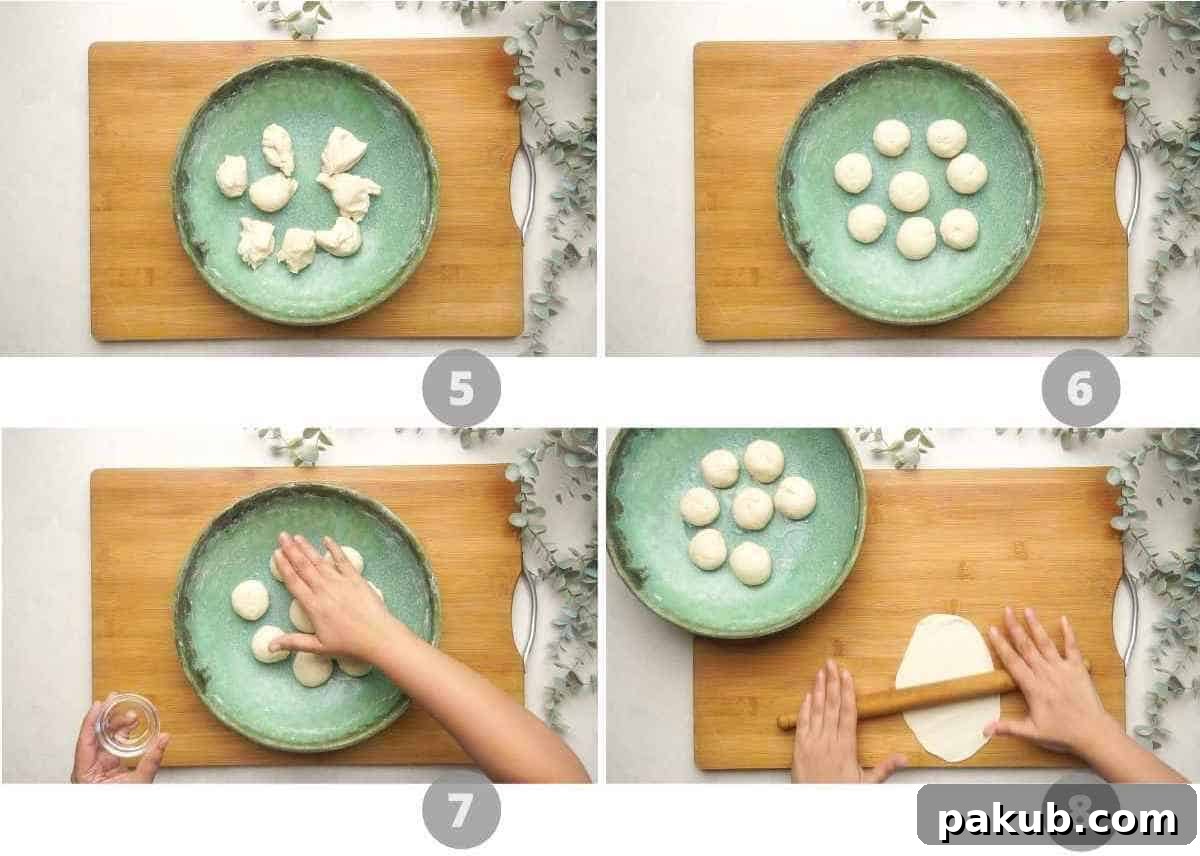
Step 4: Portion and Shape the Dough
After the first rest, gently knead the dough once more for a minute to release any air and improve its elasticity. Then, roll the dough into a uniform log shape. Carefully pinch off the top end of the log to divide the dough into 8 equal portions. Take each portion and roll it smoothly into a small, compact ball. Place these dough balls back into the bowl, cover them again with the same damp cloth, and let them rest for another 10 to 15 minutes. This second rest is crucial for preventing the dough from contracting excessively when you begin to roll it out.
Step 5: Prepare for Rolling (No Flour!)
To ensure smooth rolling without sticking, rub just a tiny amount of oil (1-2 drops) over each individual dough ball. This light coating of oil will act as a natural non-stick agent. It’s important to avoid using dry flour to dust your counter or rolling pin, as excess flour will stick to the Bhaturas and burn when fried, affecting both the taste and appearance.
Step 6: Roll Out the Bhaturas
On your lightly oiled surface, take one dough ball at a time and roll it out evenly into a disc, aiming for a diameter of approximately 4-5 inches and a consistent thickness. Try to keep the edges slightly thinner than the center for best puffing results. Repeat this process for all the dough balls, ensuring they are ready for frying.
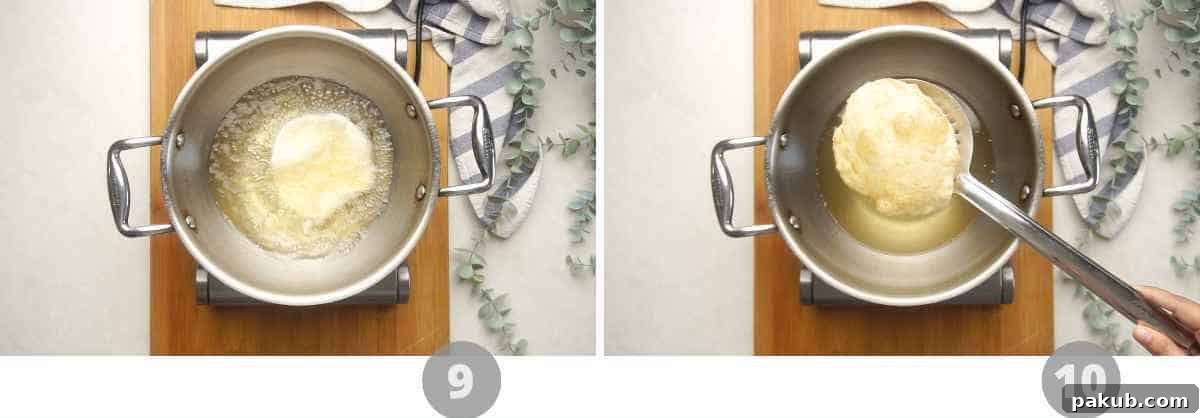
Step 7: Heat the Frying Oil
In a deep pan or kadai (wok), heat a sufficient amount of oil over medium-high heat until it is very hot. The oil must be at the right temperature for the Bhaturas to puff up instantly and cook evenly without becoming greasy. You can test the oil by dropping a tiny piece of dough; it should sizzle immediately and rise to the surface.
Step 8: Fry to Golden Perfection
Carefully slide one rolled-out Bhatura dough disc into the hot oil. As soon as it’s in, gently press down on the center of the Bhatura with the back of a skimmer or slotted spoon. This action encourages it to puff up like a balloon. Once puffed, flip it over and continue frying until both sides are beautifully golden brown and cooked through. The rapid frying ensures a crisp exterior and a light, hollow interior.
Step 9: Drain Excess Oil
Using your skimmer, remove the fried Bhatura from the hot oil and immediately transfer it to a plate lined with kitchen paper napkins. This will absorb any excess oil, ensuring your Bhaturas remain delightfully crisp and not greasy.
Step 10: Serve Hot and Enjoy!
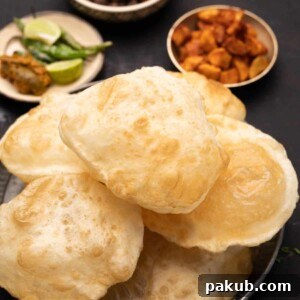
Repeat the frying process for each remaining Bhatura, serving them hot off the pan for the best taste and texture. The ultimate accompaniment is, of course, a rich and aromatic Chole Masala. Enhance your meal by serving with fresh wedges of lemon and thinly sliced red onions for that authentic street-food experience.
Richa’s Expert Tips for Bhatura Perfection
Achieving the perfect fluffy and crispy Bhaturas consistently comes down to a few key techniques. Here are my top secrets and tips to ensure your homemade Bhaturas are nothing short of spectacular every single time:
- Don’t Skip the Stretch and Whack: Vigorously stretching and slapping the dough against your counter surface is not just for show; it’s a crucial step in developing the gluten. This action makes the dough incredibly pliable and elastic, which is essential for rolling it out thinly and evenly without it tearing or shrinking back. A well-developed dough will puff up beautifully.
- The Importance of Resting Dough Balls: After you’ve divided and shaped your dough into individual balls, it’s vital to allow them a second rest period. This resting time relaxes the gluten, preventing the dough from contracting excessively when you try to roll it out. If your dough springs back stubbornly, it needs more rest. Patience here pays off in perfectly shaped, easy-to-roll Bhaturas.
- Oil Temperature is King: For genuinely fluffy and crispy Bhaturas that aren’t greasy, the oil must be *very hot* – almost at its smoking point – before you begin frying. If the oil isn’t hot enough, the Bhatura will absorb too much oil, resulting in a heavy, soggy texture. If it’s too hot, the exterior will burn before the interior has a chance to cook and puff. Test the oil with a small piece of dough: it should immediately rise to the surface, sizzling vigorously.
- Avoid Flour for Rolling: While tempting, do not use dry flour to dust your counter or rolling pin when shaping the Bhaturas. Any flour residue will stick to the dough and burn in the hot oil, leaving unsightly black specks and an unpleasant taste. Instead, use a few drops of oil on your surface and hands for effortless, non-stick rolling.
- Press and Flip for the Puff: Once the Bhatura is in the hot oil, gently pressing its center with a slotted spoon or skimmer helps it puff up rapidly and evenly. This traps the steam inside, creating that signature balloon-like appearance. A quick flip then ensures even golden-brown cooking on both sides.
Frequently Asked Questions About Bhaturas
While both are delicious deep-fried Indian flatbreads, they have distinct characteristics. Pooris are typically smaller in size and are traditionally made with whole-wheat flour (atta). Crucially, Poori dough does not require any fermentation or significant resting time before frying. Bhaturas, on the other hand, are larger, made with all-purpose flour (maida), and rely on a crucial fermentation process to achieve their signature fluffy, airy texture and subtle tangy flavor.
Absolutely! You can prepare the Bhatura dough ahead of time and store it in an airtight container in the refrigerator for up to 3-4 days. This makes meal prep much easier. When you’re ready to fry, simply take the dough out of the fridge a few minutes before you start rolling to allow it to come closer to room temperature. While this is a convenient option, remember that Bhaturas are undeniably best enjoyed fresh, straight from the hot oil. Frying and then storing cooked Bhaturas is not recommended, as they tend to lose their crispness and fluffiness.
Yes, for that authentic, light, and slightly sour taste, along with the characteristic fluffy texture, fermenting the Bhatura dough is absolutely essential. This is the traditional and preferred method to prepare truly delicious Bhaturas. The fermentation process, even if quick as in this recipe, allows the leavening agents to work their magic. If you are specifically looking for a non-fermented bread accompaniment, I highly recommend trying our Perfect Poori recipe, which offers a different but equally delightful experience.
Several factors can prevent your Bhaturas from puffing. The most common reasons include insufficient kneading (the dough needs to be elastic), not enough resting time (gluten needs to relax and fermentation to occur), or most frequently, the oil not being hot enough. Ensure your oil is consistently very hot before adding the dough, and don’t forget to gently press the Bhatura in the oil to encourage puffing.
While you can experiment with whole wheat flour (atta) for certain flatbreads, it is generally not recommended for traditional Bhaturas. Whole wheat flour produces a denser, heavier dough that will not achieve the light, airy, and fluffy texture characteristic of Bhaturas made with all-purpose flour (maida). If you prefer whole wheat, consider making Pooris instead.
While the cherished tradition of enjoying Chole Bhature with loved ones at your favorite eatery is always a joyous occasion, as you’ve now seen, crafting these delightful flatbreads right in your own kitchen is surprisingly easy and incredibly rewarding. There’s truly nothing quite like the experience of savoring warm, freshly made Bhaturas. Whether it’s for a relaxed lunch or a leisurely, late breakfast, your homemade Bhaturas will undoubtedly become a new family favorite!
For the ultimate, most satisfying Chole-Bhature meal, I wholeheartedly recommend serving these incredibly fluffy Bhaturas with my all-time favorite Pindi Chole – a combination that is simply unmatched in flavor and comfort. If you’re looking for something a bit lighter or prefer a variety of textures, these versatile flatbreads also pair perfectly with a medley of accompaniments such as tangy nimbu ka achar (lemon pickle), sweet and spicy aam ka achar (mango pickle), refreshing plain curd (yogurt), and crisp, chopped raw veggies like onions and cucumbers. Give this recipe a try, and you’ll undoubtedly find yourself coming back for more – for seconds, thirds, and beyond! Happy cooking!
Watch the Magic Happen: How to Make Bhaturas (Video Guide)
LOVE THIS RECIPE? Don’t miss out on future culinary adventures! Subscribe to our newsletter and be the first to receive all our delicious new recipes straight to your inbox!
Bhatura
Pin Recipe
Rate Recipe
Print Recipe
Ingredients
- 1 Cup Maida (All-Purpose Flour)
- ¼ Teaspoon Salt
- ¼ Teaspoon Sugar
- ⅛ Teaspoon Baking Soda
- 1 Teaspoon Dahi or Curd (Plain Yogurt)
- 2 Teaspoons Semolina or Sooji
- ⅓ Cup Water, approximately (you may need a little more or less)
- Oil, for brushing the dough & deep-frying
Instructions
-
1. Prepare the Dough Base: Combine maida, sugar, salt, baking soda, and sooji in a large bowl and mix thoroughly. Add the dahi (curd) and mix well to form a shaggy mixture.
-
2. Knead to Perfection: Gradually add water, little by little, and knead the dough for 5 to 10 minutes until it becomes smooth, soft, and elastic. For extra pliability, stretch and whack the dough onto the counter for about one minute.
-
3. First Rest (Fermentation): Gather the dough into a compact ball. Rub a few drops of oil over the ball to prevent drying. Cover the bowl with a damp cloth and leave it to rest in a warm place for 15-30 minutes. This allows the dough to ferment slightly and develop its signature texture.
-
4. Portion and Second Rest: Knead the dough once more. Roll it into a log and divide it into 8 equal portions. Shape each portion into a smooth ball. Cover with the damp cloth and rest for another 10-15 minutes. This prevents the dough from shrinking during rolling.
-
5. Prepare for Rolling (Use Oil, Not Flour): Rub a tiny bit of oil (1-2 drops) over each dough ball. This prevents sticking to the counter and ensures a clean fry. Do NOT use flour for rolling.
-
6. Roll Out Bhaturas: Roll each oiled ball into a smooth disc with a diameter of 4-5 inches. Aim for even thickness.
-
7. Heat Frying Oil: In a deep pan or kadai, heat oil on medium-high heat until it is very hot (almost smoking point). Proper oil temperature is crucial for fluffy, non-greasy Bhaturas.
-
8. Fry to Golden Perfection: Carefully drop a rolled Bhatura into the hot oil. Gently press down on its center with a skimmer to help it puff up. Once puffed, flip and fry until both sides are golden brown.
-
9. Drain Excess Oil: Remove the fried Bhatura from the oil and place it on kitchen paper napkins to drain any excess oil, keeping it crisp.
-
10. Serve Immediately: Repeat the process for all remaining Bhaturas. Serve them piping hot with chole masala, accompanied by fresh lemon wedges and sliced onions for an authentic experience.
Notes for Success
- Stretching and slapping the dough against the counter makes it more pliable and helps develop gluten, which is essential for beautiful puffing. Do not skip this step.
- Ensure you rest the dough after dividing it into small balls. This vital step relaxes the gluten and prevents the dough from contracting or shrinking back excessively when you roll it out.
- The frying oil has to be very hot – ideally close to its smoking point – before you introduce the Bhaturas. Insufficiently hot oil leads to greasy, heavy Bhaturas, while perfectly hot oil ensures they puff instantly and cook crisp.
- Avoid using flour for rolling the dough. Instead, lightly oil your work surface and hands. Flour residue will burn in the hot oil and leave an unpleasant taste and appearance on your Bhaturas.
- For maximum puff, gently press the center of the Bhatura with a skimmer as soon as it enters the hot oil. This encourages it to inflate like a balloon.
Nutrition Information (per serving, approximate)
Like this recipe? Rate and comment below!