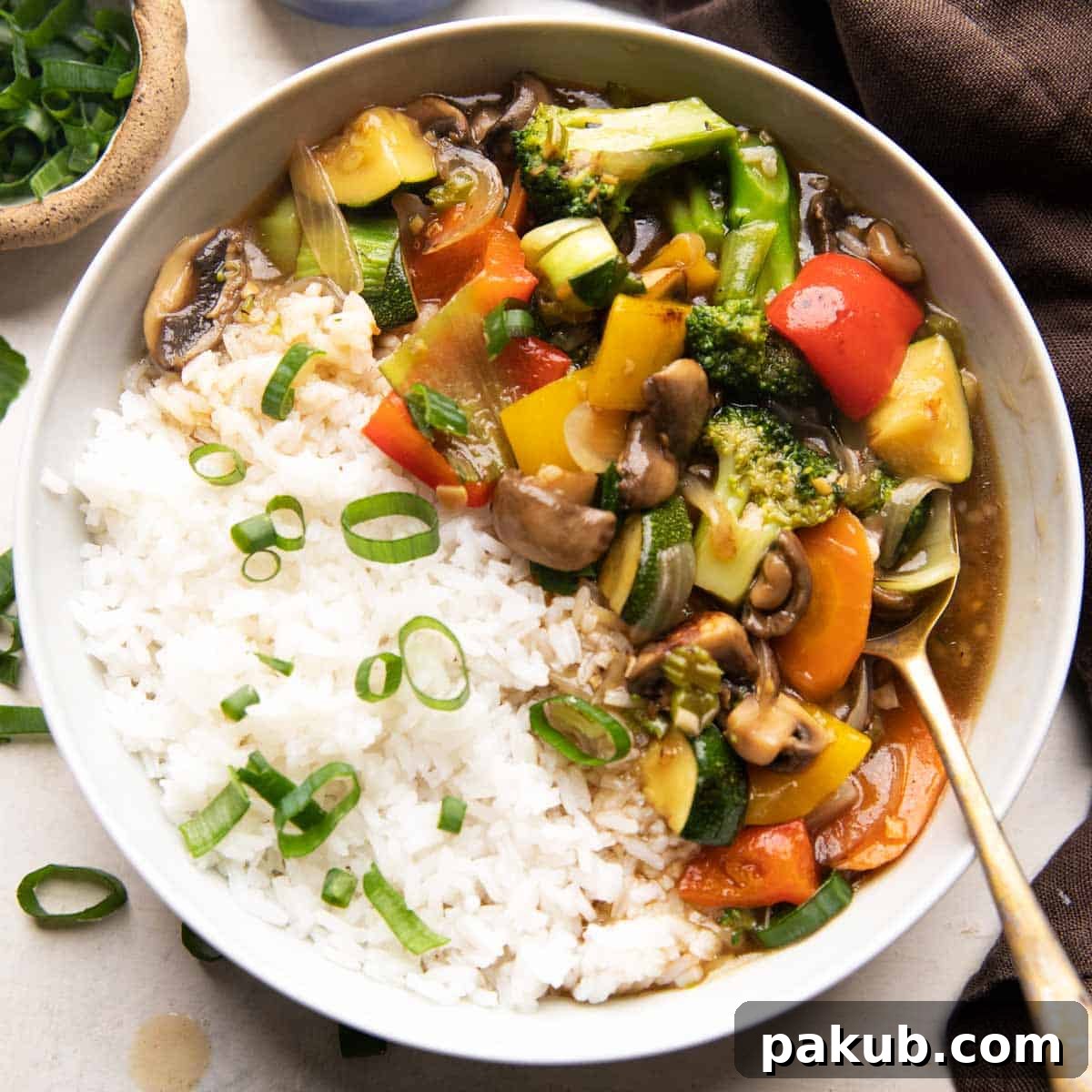
Mastering the Art of Stir-Frying: Your Comprehensive Guide to Quick & Delicious Meals
Stir-frying is a culinary superpower, allowing you to transform simple ingredients into vibrant, flavorful dishes in minutes. This Stir-Frying 101 guide shares everything you need to know to achieve perfect results every time!
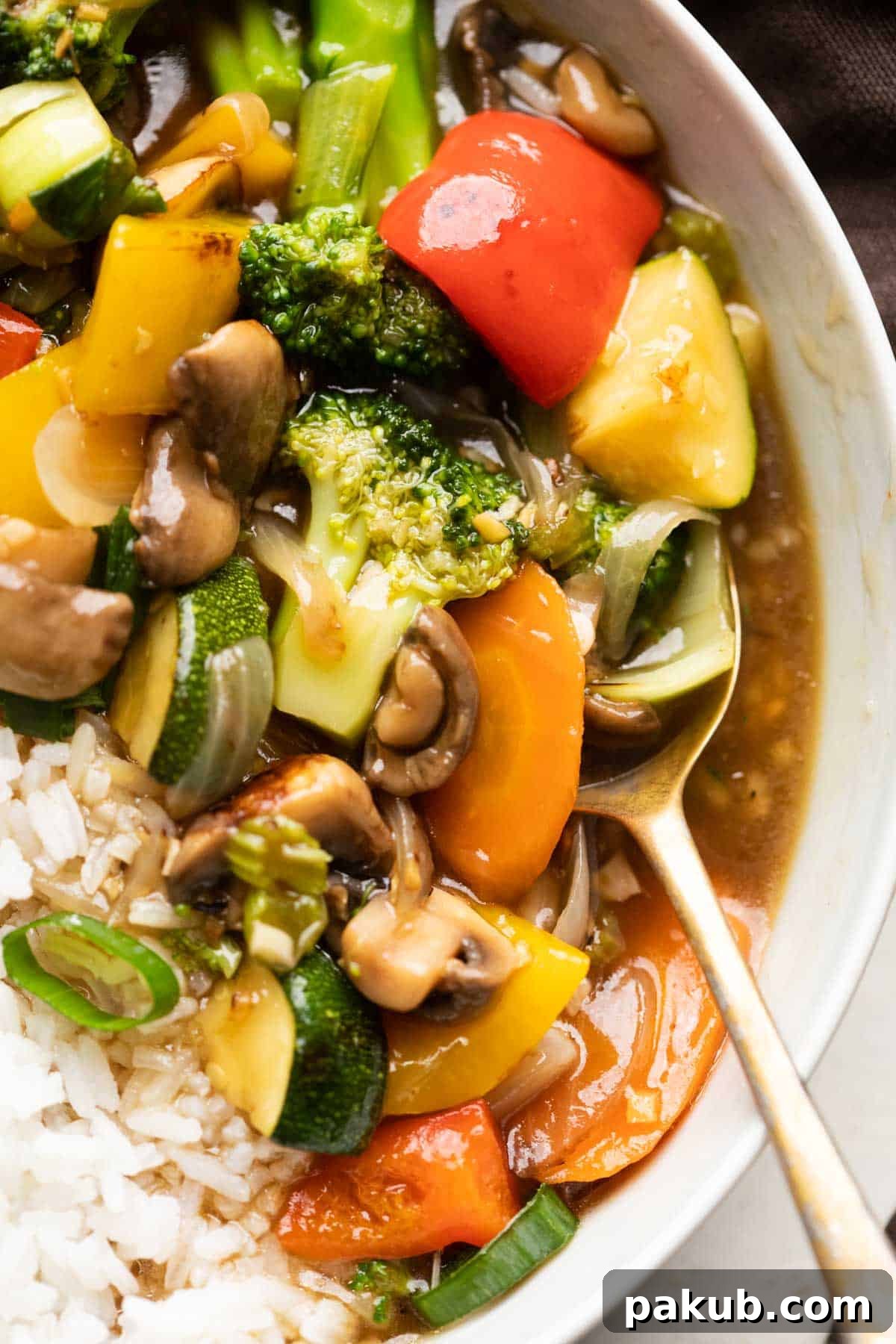
Stir-frying is my absolute go-to cooking method for busy nights and anyone seeking a quick, healthy, and incredibly versatile meal solution. Originating from ancient China, this dynamic Asian cooking technique involves rapidly cooking ingredients in a small amount of oil over very high heat for a short duration. The beauty of stir-frying lies in its adaptability; virtually any protein or vegetable can be transformed into a delectable stir-fry dish. The secret to success? Mastering the precise temperature control and the correct preparation of your ingredients to ensure they cook perfectly, retaining their vibrant colors, crisp textures, and full flavors.
Love Stir Fry? Explore These Delicious Recipes:
- Asian Veg Stir Fry
- Crispy Tofu Broccoli Stir Fry
- Chicken Chow Mein
- Chinese Cashew Chicken Noodles Stir Fry
Why Stir-Frying is a Culinary Game-Changer
Beyond its speed, stir-frying offers numerous advantages that make it a favorite among home cooks and professional chefs alike:
- Preserves Freshness and Nutrients: The rapid, high-heat cooking method locks in the natural flavors, vibrant colors, and essential nutrients of your ingredients, far more effectively than slower cooking methods. Vegetables remain crisp-tender, bursting with natural goodness.
- Unleashes Flavor Potential: Each ingredient receives individual attention, searing quickly to develop rich, caramelized flavors that contribute to a beautifully balanced and hearty dish. This method truly does justice to the fresh produce and proteins used.
- Incredibly Versatile: From lean meats like chicken and beef to seafood, tofu, and a vast array of vegetables, stir-frying accommodates almost any ingredient combination. It’s perfect for using up whatever you have in your fridge.
- Efficient & Healthy: Requiring minimal oil, stir-frying is a relatively healthy cooking method. Its speed means less time in the kitchen and more time enjoying your meal, making it ideal for health-conscious individuals and busy families.
- Requires Minimal Equipment: While a wok is ideal, a large, heavy-bottomed skillet or pan can also be used, making it accessible to virtually anyone with a stovetop.
How to Stir Fry Anything: A Simple Formula
At its core, stir-frying is a straightforward technique that relies on a few key components coming together in harmony:
High-Smoke Point Oil (Fat) + Prepped Vegetables + Protein of Choice + Flavorful Stir-Fry Sauce
Here’s a quick, step-by-step guide to show you just how easy it is to create a masterpiece:
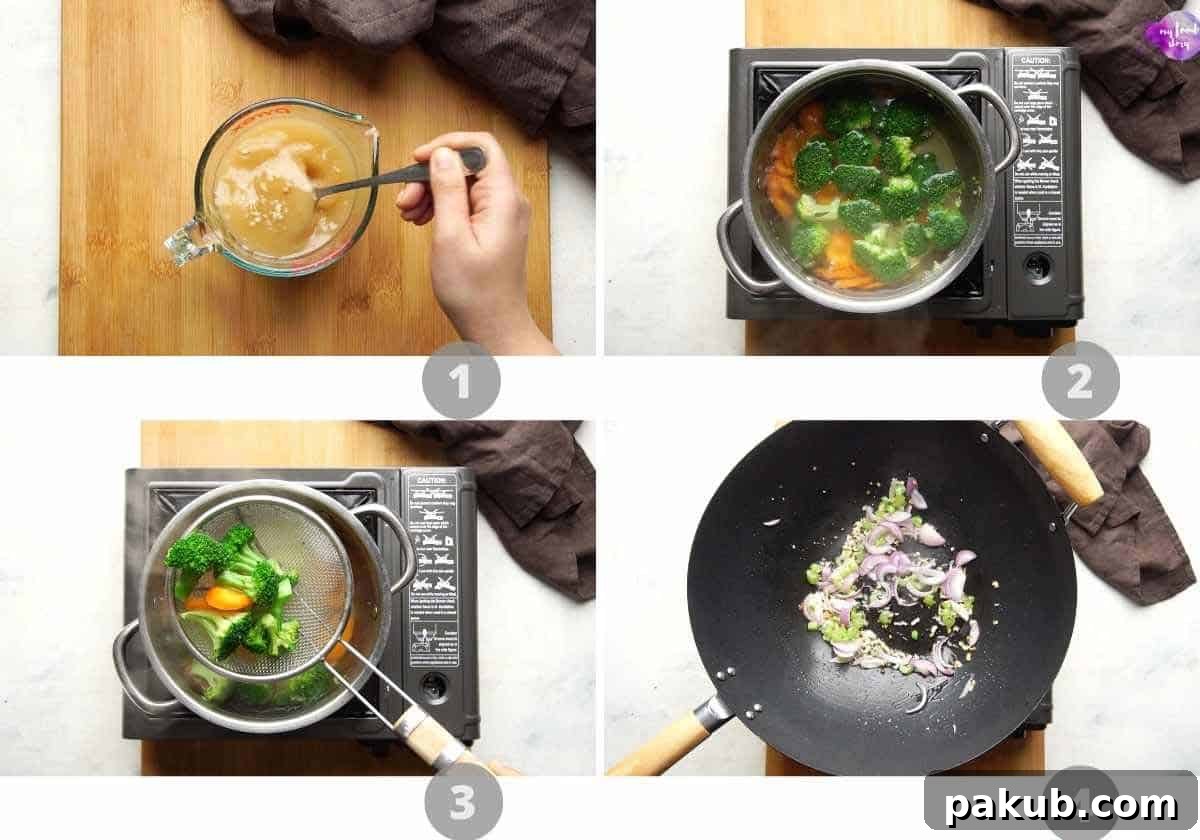
- Prepare Your Stir-Fry Sauce: Begin by whisking all your stir-fry sauce ingredients together in a bowl. Have it ready and within arm’s reach, as speed is crucial once cooking begins.
- Blanch Hardy Vegetables: For denser vegetables like broccoli florets, carrots, or green beans, a quick blanching in boiling water followed by an ice bath is essential. This ensures they become tender-crisp without overcooking later or extending the stir-frying time too much.
- Strain and Set Aside: Once blanched, thoroughly drain the vegetables and set them aside. They’ll be added back into the wok later.
- Sauté Aromatics: Heat your wok or large skillet over high heat until smoking, then add a high-smoke point oil. Immediately add your aromatics – minced garlic, grated ginger, sliced onions, or celery. Sauté quickly until fragrant, creating the foundational flavor base for your dish.
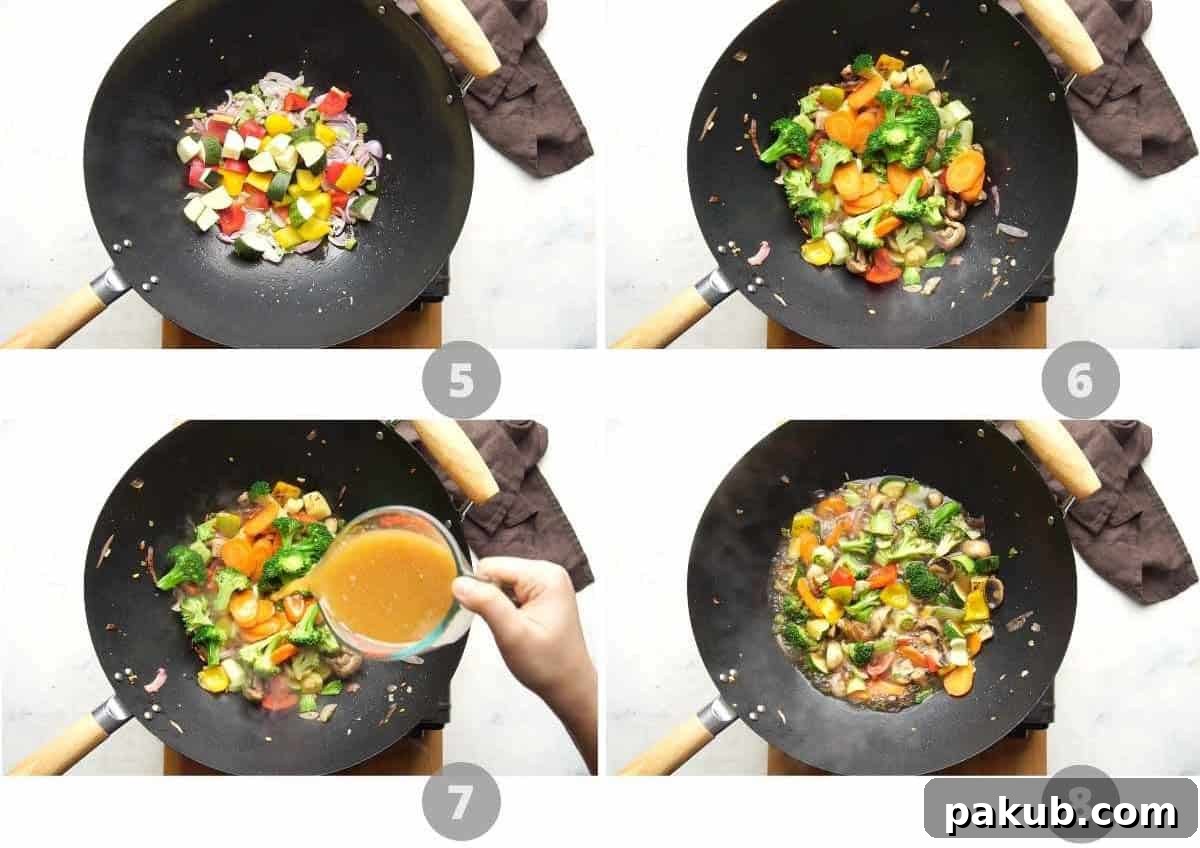
5. Add Main Veggies and Protein: Introduce other vegetables that cook quickly, such as bell peppers, zucchini, mushrooms, or snap peas. If using protein like thinly sliced chicken, beef, shrimp, or cubed tofu, add it now. Ensure proteins are cut into small, uniform pieces to guarantee fast and even cooking.
6. Incorporate Blanched Vegetables: Once your main veggies are semi-cooked and protein is almost done, add the pre-blanched vegetables. Toss everything together vigorously to combine and heat through.
7. Introduce the Stir-Fry Sauce: Pour your prepared stir-fry sauce directly into the wok. Continue tossing and stirring constantly to coat all ingredients evenly.
8. Simmer and Thicken: Allow the sauce to simmer for approximately 1-2 minutes, stirring continuously, until it thickens to a glossy consistency and beautifully coats your vegetables and protein. Your perfectly cooked stir-fry is now ready to serve!
Essential Rules for Mastering the Stir-Fry
To truly elevate your stir-frying game and ensure consistently delicious results, keep these fundamental principles in mind:
- The Golden Rule: Mise en Place (Everything in Its Place): This French culinary term is paramount for stir-frying. Due to the high heat and rapid cooking time, there’s no room for improvisation once you start. Have all your ingredients chopped, measured, sauces mixed, and equipment ready *before* the wok touches the heat. This prevents burning and ensures a smooth, stress-free cooking process.
- Embrace High Heat: The Soul of Stir-Frying: High heat is not merely about speed; it’s fundamental to achieving the signature texture and flavor of a great stir-fry. Intense heat quickly sears the exterior of ingredients, caramelizing their natural sugars (the Maillard reaction) and imparting a smoky depth known as “wok hei” if using a traditional wok. This rapid cooking also locks in moisture, ensuring vegetables remain tender-crisp and proteins stay succulent.
- Choose the Right Equipment: The Wok Advantage: While a large, heavy-bottomed skillet can work, a carbon steel wok is the undisputed champion for stir-frying. Its unique concave shape allows for efficient tossing and even heat distribution, concentrating heat at the bottom while creating cooler zones on the sides, perfect for pushing partially cooked ingredients aside. Carbon steel also develops a natural non-stick patina over time and can withstand the extreme temperatures required, contributing a subtle smoky flavor. If a wok isn’t available, a large, round-bottomed vessel like an Indian kadhai or a substantial cast-iron skillet makes a good alternative.
- Precision in Ingredient Preparation: The Power of Uniformity: The success of your stir-fry hinges on how you prepare your ingredients. Cut both vegetables and proteins into small, uniform pieces (e.g., thin slices, strips, or 1-inch dices). This ensures everything cooks evenly and quickly at the same rate, preventing some ingredients from being overcooked while others remain raw.
- Select the Right Fat: High Smoke Point is Key: Since stir-frying demands very high temperatures, using an oil with a high smoke point is non-negotiable. Oils with low smoke points will burn and impart a bitter flavor to your food before it’s even cooked. Opt for oils like peanut oil, canola oil, grapeseed oil, sunflower oil, or avocado oil. These can withstand intense heat without breaking down. Avoid extra virgin olive oil or butter for stir-frying. This handy guide can help you choose the best oil!
- Serve Immediately: Freshness is Fleeting: A perfectly executed stir-fry is best enjoyed right off the wok. Stir-fries, especially those with a thickened sauce, can lose their optimal texture and consistency if left to sit. Vegetables may soften, and the sauce might become watery as ingredients release moisture. Serve piping hot, perhaps over steamed rice or noodles, to savor its peak freshness and crunch.
Frequently Asked Questions About Stir-Frying
- What ingredients can I add to a Stir-Fry? The beauty of stir-frying is its versatility! Think of it as a cooking method rather than a fixed dish. Almost anything can be stir-fried: lean proteins (chicken, beef, pork, shrimp, tofu, tempeh), a vast array of vegetables (broccoli, carrots, bell peppers, snow peas, mushrooms, bok choy, zucchini, asparagus), and even noodles or rice for a complete meal. The key is proper preparation and timing.
- What types of condiments and sauces are best for Stir-Frys? The flavor profile of your stir-fry largely depends on the sauce. Essential Asian condiments include soy sauce (light and dark), oyster sauce (or vegetarian mushroom sauce), rice vinegar, sesame oil, hoisin sauce, chili garlic sauce, and black bean sauce. You can combine these to create a custom sauce tailored to your taste. For convenience, many excellent ready-made stir-fry or wok sauces are available, offering different flavor profiles like teriyaki, Szechuan, or sweet chili. Keep a few on hand for those extra-busy evenings!
- What are the basic essential sauces for a Stir-Fry base? A versatile base stir-fry sauce typically includes a combination of soy sauce, a touch of sugar (or honey/maple syrup), rice vinegar, and a thickening agent like cornstarch mixed with water or broth. You can adapt this base by adding ingredients like ginger, garlic, chili flakes, or a dash of sesame oil. For a proven starter, consider using my basic stir-fry sauce recipe and then customize it with ingredients like Szechuan peppercorns, fresh green chilies, or extra red pepper flakes for an added kick.
- Do I need a wok to make a Stir-Fry? While a wok is not strictly necessary, it is highly recommended. A well-seasoned carbon steel wok heats quickly and retains heat exceptionally well, providing the intense, even heat distribution crucial for stir-frying. Its distinct shape facilitates tossing ingredients without spillage and allows for ‘wok hei’ – the smoky, complex flavor characteristic of authentic Chinese stir-fries. If a wok isn’t available, a large, heavy-bottomed cast-iron skillet or a Dutch oven can serve as an adequate substitute; just ensure it’s heated thoroughly before adding oil.
- How should I prep vegetables for a Stir-Fry? Proper vegetable preparation is vital. Cut vegetables into uniform, approximately 1-inch chunks or strips. Avoid very small cuts, as they can overcook and become mushy. Hardy vegetables like carrots, broccoli, green beans, and potatoes benefit from individual blanching (boiling briefly until tender-crisp, then shocking in ice water) to ensure they cook through without overcooking other ingredients. Vegetables that release a lot of water quickly, such as zucchini, bell peppers, onions, and mushrooms, can be sautéed directly in the wok. The key is to avoid overcooking them during sautéing – aim for 1-2 minutes on high heat, as they will continue to cook when the sauce is added.
- How do I keep vegetables crunchy in a Stir-Fry? Maintaining that desirable crisp-tender texture relies on two critical factors: high heat and minimal cooking time. Always cook on the highest heat setting your stovetop allows. Once vegetables are added, stir continuously to prevent them from sticking or burning, ensuring even exposure to the heat. Sauté aromatics like garlic, ginger, and celery until fragrant, and onions until just translucent. Quicker-cooking vegetables like zucchini, mushrooms, and bell peppers should only be sautéed until semi-cooked. Remember, blanched vegetables are already partially cooked, so they only need to be tossed with other ingredients to heat through. Work quickly once all ingredients are in the wok, adding the sauce and thickening agents promptly. The entire cooking process from first ingredient to plating should ideally not exceed 10-15 minutes.
- How should I prep meat for a Stir-Fry? Meat can be added raw or pre-cooked. If using raw meat (chicken breast, beef flank steak, pork loin), slice it thinly or cube it into small, uniform pieces (about ½ to ¾ inch) to ensure rapid cooking. Marinating the meat for 10-15 minutes in a simple mixture of soy sauce, cornstarch, and a touch of oil can tenderize it and protect it from drying out. Sauté the marinated raw meat over high heat after the aromatics, but do not cook it completely; it should be just about done when you start adding other ingredients. If using pre-cooked meat, like shredded chicken, add it along with the other cooked vegetables just before introducing the sauces, ensuring it crisps up nicely with a quick toss.
- How can I add extra texture to Stir-Fry dishes? Enhancing texture can transform a good stir-fry into an exceptional one! Get creative with additions like toasted nuts such as cashew nuts, peanuts, or pine nuts, which add a delightful crunch. Fried garlic chips, crispy fried onions, or even toasted sesame, sunflower, or melon seeds can be sprinkled as a garnish just before serving. Water chestnuts, bamboo shoots, or baby corn also contribute interesting textural elements when cooked within the stir-fry itself.
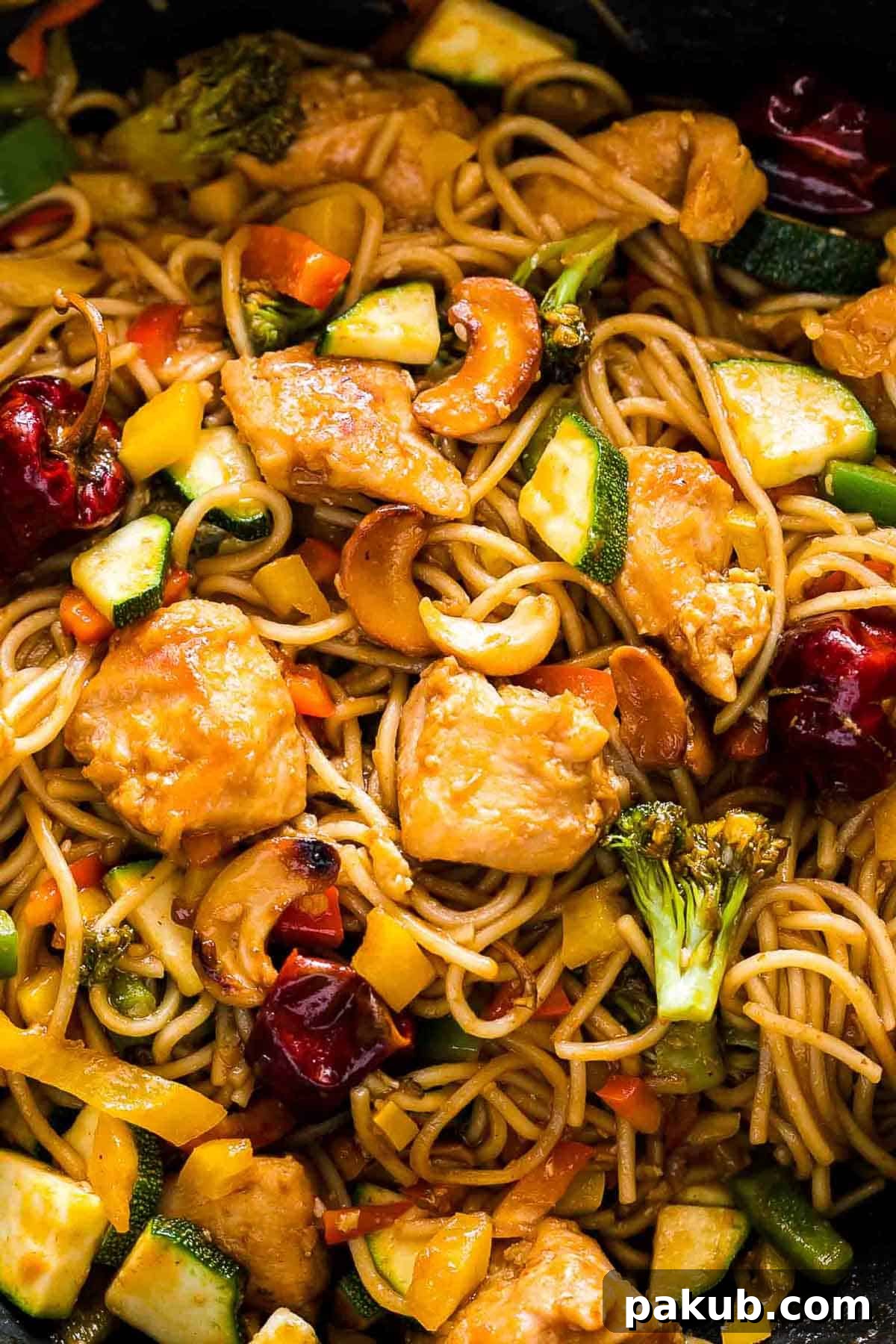
Stir-fries are truly ideal for those moments when you need a quick, wholesome, and incredibly yummy meal using whatever fresh ingredients you have on hand. A pro tip: always keep a selection of stir-fry condiments in your pantry – think chili oil, various soy sauces, oyster sauce, or even pre-made wok sauces like black pepper or chili basil. With some blanched veggies, your protein of choice, a high-smoke point oil, a trusty wok, and a lot of continuous stirring over high heat, you’re well on your way to a culinary triumph!
I sincerely hope this comprehensive Stir-Frying 101 guide proves helpful on your culinary journey. What’s your favorite stir-fry combination? Share your thoughts and recipes in the comments below!