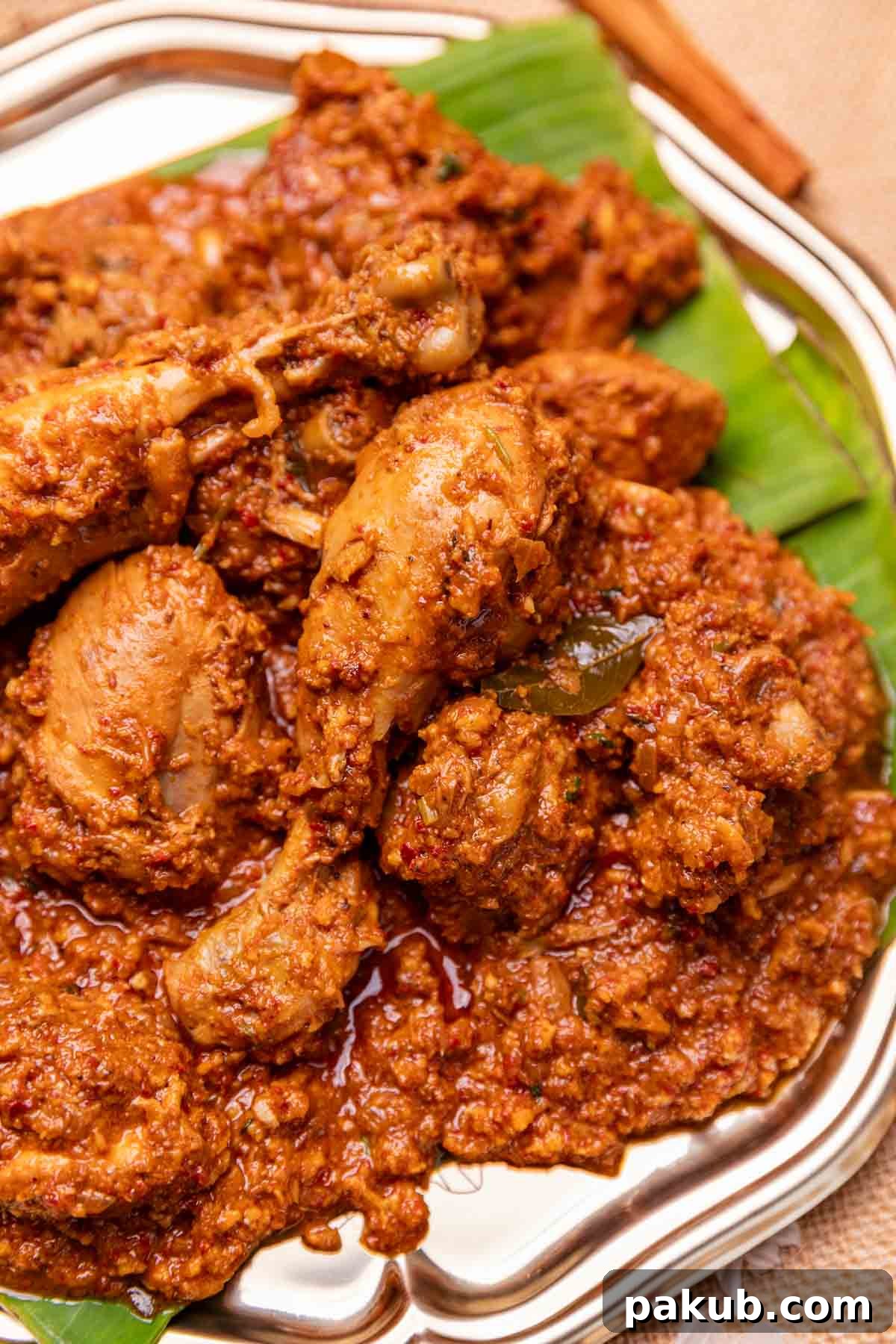
Craving a dish that’s rich in flavor and deeply satisfying? This Mangalorean Chicken Sukka is a culinary masterpiece that brings the vibrant taste of India’s Konkan coast straight to your table.
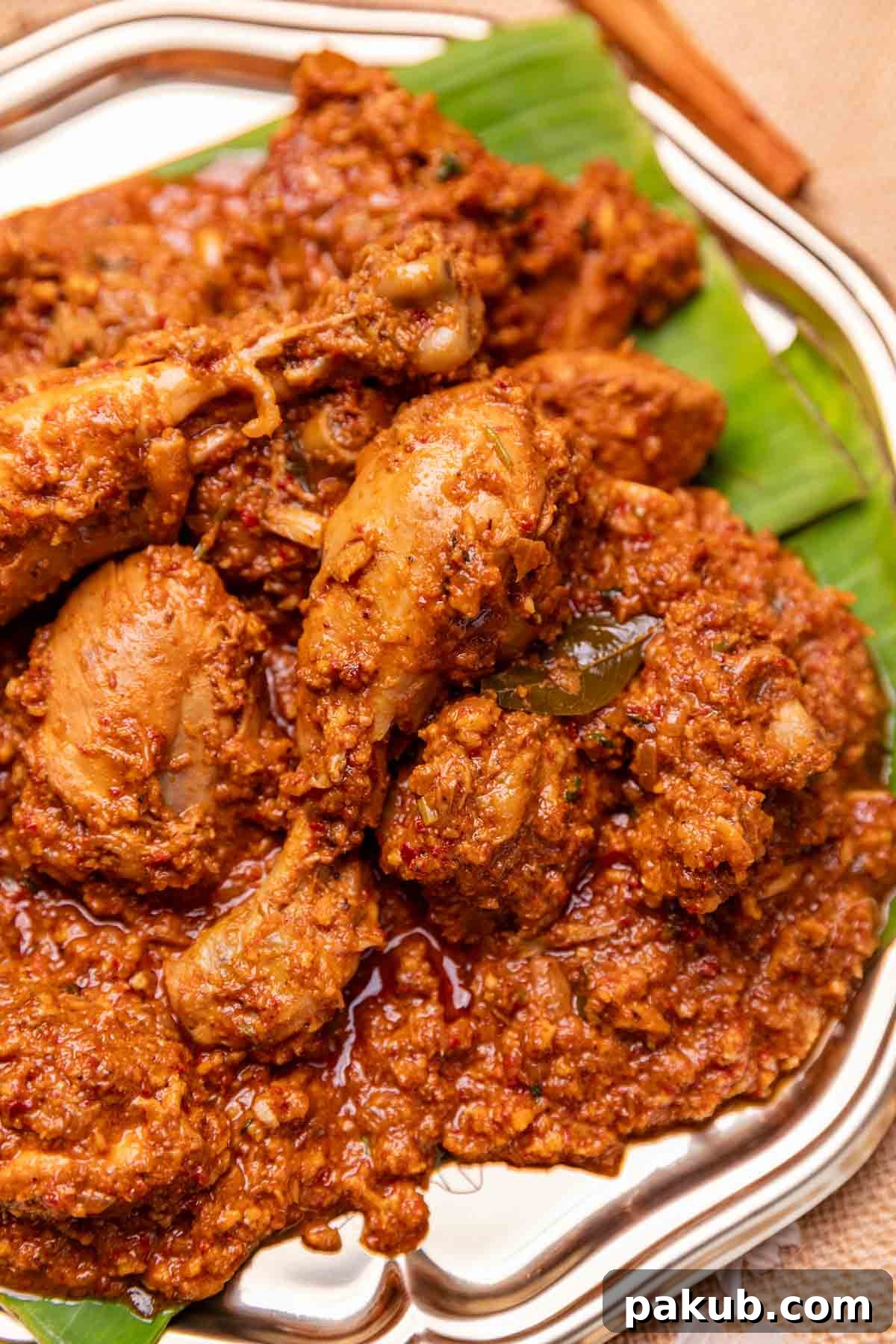
Authentic Mangalorean Chicken Sukka: A Flavorful Journey to Coastal Karnataka
Step into the rich culinary landscape of Mangalore, a beautiful coastal city in Karnataka, India, renowned for its distinct and delightful cuisine. Among its many treasures, Mangalorean Chicken Sukka stands out as a true culinary gem. This semi-dry chicken preparation is an explosion of earthy spices, robust flavors, and the unmistakable aroma of toasted coconut, making it a beloved dish across South India and beyond. If you’re searching for a recipe that combines bold spices with comforting warmth, look no further; this Chicken Sukka promises an unparalleled gastronomic experience, delivering an authentic taste of the Konkan coast in every morsel.
The magic of this dish lies in its carefully crafted masala, where fresh whole spices are dry-roasted to perfection, then ground with golden-brown coconut, aromatic onions, garlic, and a hint of tangy tamarind. This intricate blend creates a deep, complex flavor profile that beautifully coats succulent pieces of bone-in chicken. The result is a semi-dry curry that’s rich enough to be indulgent yet perfectly balanced, inviting you to savor every single bite. The blend of sweet, spicy, and tangy notes is truly what sets this dish apart, making it a staple in Mangalorean homes.
Traditionally, Mangalorean Chicken Sukka is a star alongside delicate Neer Dosa, creating a harmonious blend of textures and tastes. The light and airy dosa perfectly complement the hearty and spicy chicken. However, its versatility allows it to shine equally bright when paired with fluffy steamed rice, flaky Malabar Parotta, or warm, pillowy Naan. Whether you’re hosting a dinner party or simply seeking a comforting weeknight meal, this recipe is absolutely worth the effort, promising an authentic taste of Mangalore’s coastal goodness and a memorable dining experience.
Table of Contents
- What is Mangalorean Chicken Sukka?
- Why You’ll Love This Irresistible Chicken Sukka Recipe
- Unveiling the Key Ingredients for Perfect Chicken Sukka
- Expert Tips for Mastering Mangalorean Chicken Sukka
- Step-by-Step Guide: How to Make Mangalorean Chicken Sukka
- Serving Suggestions: The Perfect Accompaniments
- Frequently Asked Questions about Chicken Sukka
- The Magic of Roasted Coconut: A Culinary Tradition
- Explore More: Watch the Chicken Sukka Recipe Video
- Complete Recipe Card: Mangalorean Chicken Sukka
What is Mangalorean Chicken Sukka?
Mangalorean Chicken Sukka is a revered classic from the Tulu Nadu region of Karnataka, India, celebrated for its bold flavors and tantalizing aromas. The term “Sukka” originates from the Tulu language, meaning “dry,” which aptly describes the semi-dry consistency of this preparation, setting it apart from more liquid-based curries. This iconic dish features tender pieces of chicken deeply infused with a rich, complex masala paste. This paste is lovingly crafted from dry-roasted whole spices, freshly grated coconut toasted to a golden hue, and a careful blend of other aromatics like onions, garlic, and the distinctive tang of tamarind.
The hallmark of Chicken Sukka is its earthy, slightly tangy, and wonderfully spicy profile, often showcasing a beautiful reddish-brown color primarily derived from Kashmiri chilies. It’s a dish where every ingredient contributes to a harmonious whole, delivering a unique balance of heat, nuttiness, and acidity. Unlike typical gravies, the masala clings to the chicken, creating an intense flavor concentration that makes it incredibly satisfying. It’s not just food; it’s a representation of Mangalorean hospitality and culinary heritage, enjoyed by families and visitors alike, reflecting the vibrant culture of the coastal communities.
Why You’ll Love This Irresistible Chicken Sukka Recipe
- A Symphony of Layered Flavors: Every bite of this Mangalorean Chicken Sukka is a journey through a complex palette of tastes that truly excites the senses. You’ll experience the deep warmth of expertly dry-roasted whole spices, the rich, creamy nuttiness of golden coconut, and a delightful, bright tanginess from tamarind, all perfectly balanced to create an unforgettable culinary experience. This intricate flavor profile makes it a dish that lingers long after the last bite.
- Incredibly Versatile & Perfect Pairing: While it’s famously exceptional with the delicate, lacy neer dosa, its robust flavor profile makes it incredibly versatile, adapting effortlessly to various accompaniments. It pairs wonderfully with a range of staples such as fluffy steamed rice, the exquisite layered goodness of Malabar parottas, wholesome chapatis, or even warm, pillowy naan bread. This flexibility means it can grace any meal, from a casual family dinner to an elaborate feast.
- The Ideal Semi-Dry Consistency: One of the defining characteristics of a truly authentic Chicken Sukka is its appealing semi-dry texture. This unique consistency means the rich, flavorful masala clings beautifully to the tender chicken pieces, making it saucy enough to be scooped up and enjoyed with your favorite bread or rice, allowing maximum flavor absorption. Yet, it’s dry enough to be savored on its own as a hearty appetizer or a standalone protein dish, offering the best of both culinary worlds.
- Impressive Yet Comforting: This dish strikes a unique and desirable balance between being sophisticated enough to impress guests at a formal dinner party and deeply comforting for a cozy family meal. The moment it begins to cook, the enticing aroma will fill your kitchen, creating an inviting warmth. The complex flavors speak volumes about the care and tradition behind its preparation, making it a dish that feels both special and lovingly homemade.
- A Taste of Authentic Coastal Cuisine: For those yearning to explore regional Indian flavors, this recipe offers an authentic glimpse into the vibrant culinary traditions of coastal Karnataka. It’s more than just a meal; it’s an immersive experience that transports your taste buds directly to the sun-kissed shores of Mangalore, showcasing the unique use of coconut and local spices.
Unveiling the Key Ingredients for Perfect Chicken Sukka
The secret to an unforgettable Mangalorean Chicken Sukka lies deeply rooted in the quality and freshness of its carefully selected ingredients. Each component is meticulously brought together to form a harmonious blend that is the hallmark of coastal Indian cuisine. Every single ingredient plays a vital and distinct role in building the dish’s signature deep, robust flavors and irresistibly aromatic profile, making it a truly exceptional culinary experience.
For the Aromatic Masala Paste
- Whole Dried Red Chilies (Kashmiri & Regular): Kashmiri chilies are chosen for their ability to impart a beautiful, vibrant red color to the dish without overwhelming heat, contributing to the visual appeal. A single regular red chili is added judiciously to introduce a touch of authentic, fiery spice. Dry roasting these chilies is crucial as it intensifies their inherent flavors and releases their captivating aromas.
- Coriander Seeds (Dhania): These seeds form the foundational backbone of the masala, offering delightful warm, citrusy, and subtly sweet notes. Similar to chilies, roasting coriander seeds helps to unlock and deepen their essential oils, resulting in a richer, more profound aroma that permeates the entire dish.
- Cumin Seeds (Jeera): Providing an earthy and warm essence, cumin seeds add a distinctive depth and a slight, pleasant bitterness that perfectly complements the other spices in the blend. They contribute to the complex aroma profile that is so characteristic of Indian cooking.
- Fennel Seeds (Saunf): These seeds contribute a subtle sweet, licorice-like flavor that rounds out the overall spice blend. They add an unexpected layer of complexity and are also known for their digestive properties, making them a thoughtful addition.
- Fenugreek Seeds (Methi): Used sparingly due to their potent flavor, fenugreek seeds impart a slightly bitter, nutty, and distinctly aromatic note that is a characteristic signature of many authentic South Indian masalas. They add a layer of sophistication.
- Black Peppercorns: For a sharp, pungent heat and a robust, earthy flavor, black peppercorns are essential. They elevate the overall spice profile, providing a welcome kick without being overpowering.
- Cinnamon Stick (Dalchini) & Cloves (Laung): These are the star warm, fragrant whole spices that infuse the masala with a comforting, exotic, and deeply aromatic warmth, adding depth and a touch of sweetness to the blend.
- Ghee: Clarified butter, or ghee, is utilized here to gently sauté the initial batch of onions and garlic. This step is vital as ghee imparts a rich, nutty flavor that deeply enhances the sweetness and aroma of the aromatics before they are ground into the paste.
- Sliced Onions & Garlic Cloves: Lightly fried until they turn translucent and become wonderfully fragrant, these foundational aromatics create the essential savory depth that underpins the entire masala paste.
- Tamarind: This indispensable ingredient is responsible for providing the characteristic tangy kick that perfectly cuts through and balances the richness of the coconut and the boldness of the spices, brightening the entire dish with its vibrant acidity.
- Water: A small amount of water is used to assist in grinding the carefully roasted spices and aromatics into a smooth, thick, and potent paste, ensuring all flavors are perfectly emulsified.
For the Succulent Chicken Sukka
- Bone-in Chicken (Curry-Cut): The traditional and most highly recommended choice for this recipe! Bone-in chicken is paramount as the bones release immense flavor, collagen, and marrow during cooking, which significantly enriches the sukka with unparalleled depth and keeps the meat incredibly moist and tender.
- Grated Coconut: This is unequivocally the star ingredient of Mangalorean cuisine! Toasted to a beautiful golden brown, it provides the signature nutty flavor and a delightful, slightly chewy texture to the sukka. It’s smartly split into two portions: one for grinding into the masala paste and the second added later in the cooking process for an extra burst of texture and freshness.
- Coconut Oil: Absolutely essential for achieving an authentic taste, coconut oil lends its distinctive tropical aroma and unique flavor, which is intrinsically integral to Mangalorean cuisine. While it can be substituted with other oils, using coconut oil truly preserves the original character of the dish.
- Finely Chopped Onions, Crushed Garlic, & Fresh Curry Leaves: These fresh aromatics are initially tempered in coconut oil at the very beginning of the main cooking process. This step is fundamental for building a fragrant and savory base that welcomes the chicken. Fresh curry leaves, in particular, add a bright, citrusy, and slightly pungent note that is deeply characteristic of South Indian flavors.
- Salt: Proper seasoning is undeniably key to bringing out and harmonizing all the complex flavors in the dish. It’s advised to add salt in stages, tasting as you go, to ensure a perfect balance that complements, rather than overpowers, the intricate spice blend.
Expert Tips for Mastering Mangalorean Chicken Sukka
Achieving a truly authentic and delicious Mangalorean Chicken Sukka requires attention to a few key details. These expert tips will guide you through the nuances of the cooking process, ensuring your dish is bursting with flavor and perfectly executed.
- Master the Art of Roasting Coconut: This is arguably the most crucial step for the unique flavor of sukka. Always roast the grated coconut on a *low flame* and stir continuously and patiently. The aim is to achieve a light golden-brown color, which brings out its sweet, nutty, and complex aroma without any hint of burning. Burnt coconut will impart a distinctly bitter taste that can unfortunately overpower and ruin the entire dish. Dedicate about 5-7 minutes to this transformative step, as slow roasting develops the best flavor.
- Embrace Bone-In Chicken for Superior Flavor: While boneless chicken offers convenience and quicker cooking, bone-in, curry-cut chicken is highly recommended for an authentic Mangalorean Chicken Sukka. The bones release collagen, marrow, and natural juices during cooking, enriching the sukka with unparalleled depth of flavor and keeping the meat incredibly moist and tender. If you must opt for boneless chicken, be sure to reduce the cooking time significantly to prevent it from drying out.
- Don’t Skip the Ghee for Masala Aromatics: Even a small amount of ghee (clarified butter) used for frying the initial masala aromatics (sliced onions and garlic) adds a luxurious richness and a distinctive, appealing aroma to the masala paste. Ghee not only enhances the overall depth and authenticity of the flavor but also helps the spices bloom beautifully.
- Balance the Masala to Perfection: The true beauty of Mangalorean Chicken Sukka lies in its perfectly balanced spices. It is crucial to taste your masala paste *before* adding the chicken and adjust the salt or tamarind if necessary. Too much tamarind can make the dish overly sour, while excessive salt will overpower the delicate and intricate spice blend. Remember, you can always add a little more seasoning, but it’s impossible to take it away.
- Fresh Curry Leaves Make a Significant Difference: Never underestimate the power and impact of fresh curry leaves. They release a bright, citrusy, and subtly pungent aroma that is absolutely iconic in South Indian cuisine. If fresh leaves are unavailable, dried ones can be used, but fresh ones will undoubtedly offer a superior and more vibrant flavor that truly elevates the dish.
- Allow the Masala to Cook Thoroughly: After you add the prepared masala paste to the chicken, it’s vital to let it cook on medium-low heat until the oil visibly separates from the sides of the pan. This separation is a key indicator that the spices have fully bloomed, the raw flavor has cooked out, and the masala has deepened in flavor, resulting in a much more aromatic and intensely flavored sukka. This patience pays off handsomely.
Serving Suggestions: The Perfect Accompaniments
Mangalorean Chicken Sukka is a remarkably versatile dish that pairs beautifully with a variety of staples, each offering a unique textural and flavor contrast. Here are some of the most popular and delicious ways to serve this coastal delicacy, ensuring a complete and satisfying meal:
- Neer Dosa: This is the classic, traditional pairing and for good reason. Neer Dosa, literally meaning “water dosa,” is a delicate, thin, and lacy rice crepe that is incredibly soft and subtly flavored. Its mildness and light texture provide a perfect complement to the robust, spicy, and semi-dry Chicken Sukka, allowing the intricate flavors of the sukka to truly shine without competition.
- Steamed Rice: Simple, fluffy white rice serves as an excellent, neutral canvas for soaking up the rich and aromatic masala of the chicken sukka. The inherent neutrality of the rice brilliantly balances the intensity and spice of the curry, making for an incredibly hearty, comforting, and deeply satisfying meal that’s easy to prepare.
- Malabar Parotta: For those who appreciate the delights of flaky, layered bread, Malabar Parotta is an outstanding choice. Its slightly chewy yet wonderfully soft texture and subtle buttery notes provide a delightful textural contrast to the chicken, allowing you to expertly scoop up every bit of the flavorful masala.
- Naan or Roti: Warm, pillowy naan bread or soft, wholesome whole wheat roti are universal favorites that work wonderfully with Chicken Sukka. Their absorbent nature makes them ideal for soaking up the rich curry, ensuring a comforting and fulfilling dining experience. Garlic naan, in particular, adds an extra layer of aromatic delight that enhances the overall meal.
- Appam: A cherished staple in Kerala and certain parts of Karnataka, appam (lace-edged, bowl-shaped fermented rice pancakes) offers a slightly sweet and delightfully spongy texture. This unique texture beautifully complements the spicy and earthy notes of the sukka, creating a delightful pairing.
- With a Simple Salad or Raita: To provide a refreshing counterpoint and help cut through the richness and heat of the sukka, always consider serving it alongside a crisp, simple cucumber and onion salad. Alternatively, a cooling yogurt raita, perhaps flavored with mint or cucumber, can add a welcome freshness and help balance the palate, making the entire meal more enjoyable.
Frequently Asked Questions about Mangalorean Chicken Sukka
Mangalorean Chicken Sukka is primarily crafted from tender chicken pieces, a meticulously freshly ground spice paste, perfectly roasted grated coconut, tamarind for a vibrant tanginess, and essential aromatic ingredients such as fresh curry leaves, onions, and garlic. It’s distinctively a semi-dry dish, rich in robust, earthy, and spicy flavors that are hallmark of coastal Karnataka cuisine.
Absolutely! The incredibly versatile masala paste in this recipe works wonderfully with various other proteins. Mutton (goat meat) is a popular and traditional substitute that yields an equally delicious dish. If using mutton, remember to significantly increase the cooking time until the meat is fork-tender. Prawns are another excellent option, but they cook much quicker, so adjust the cooking time to a mere few minutes to prevent them from becoming rubbery.
Yes, this recipe is remarkably adaptable for vegetarian and vegan diets. Simply replace the chicken with hearty, firm vegetables like mushrooms, cubes of paneer (Indian cheese), or even tender jackfruit. For a completely vegan version, ensure you substitute ghee with coconut oil or any other preferred plant-based cooking oil, maintaining the authentic flavors.
This is an ideal dish for meal preparation or making ahead for entertaining! The flavors of Mangalorean Chicken Sukka actually deepen and become even more pronounced and harmonious after resting for a few hours or, ideally, overnight. You can store leftovers in an airtight container in the refrigerator for 2-3 days.
You can certainly prepare the masala paste in advance to save time. Store it in an airtight container in the refrigerator for up to 2-3 days without any loss of quality. For longer preservation, you can freeze the masala paste for up to a month. Just make sure to thaw it completely in the refrigerator before incorporating it into the recipe.
Adjusting the spice level is quite straightforward. To make the Chicken Sukka spicier, you can increase the number of regular red chilies (which carry more heat) or add a few slit green chilies during the masala preparation. For a milder version, simply reduce the quantity of red chilies, particularly the spicier ones, and rely more heavily on Kashmiri chilies, which contribute color rather than intense heat.
While fresh grated coconut undeniably yields the best results and the most authentic flavor and texture, you can use desiccated coconut as a convenient substitute. If you opt for desiccated coconut, it’s highly recommended to soak it in a little warm water for about 10-15 minutes prior to roasting. This step helps to rehydrate it slightly, allowing it to develop a similar texture and absorb flavors better once roasted.
The Magic of Roasted Coconut: A Culinary Tradition
In the vibrant tapestry of Mangalorean cuisine, the art of roasting coconut is far more than just a mere step in a recipe; it is a profound, fundamental technique that intricately defines the region’s unique and beloved flavor profile. Did you know that this age-old culinary practice isn’t solely aimed at enhancing taste? Roasting coconut also plays a crucial, practical role in significantly improving its shelf life, a considerable advantage in the often-humid coastal climate where fresh ingredients need preservation.
As the fresh grated coconut slowly, patiently toasts on a low flame, it undergoes a beautiful and complex transformation. The natural sugars within the coconut begin to caramelize, the fats render, and the volatile aromatic compounds intensify dramatically, leading to a deep, nutty, and subtly sweet flavor that is virtually impossible to achieve with raw, unroasted coconut. This meticulous process, which often involves diligent and continuous stirring to prevent any burning, develops intricate Maillard reaction products. These reactions, in turn, create hundreds of new flavor compounds, contributing immensely to the complexity of the dish.
This distinctive “golden magic” is precisely what imbues many Mangalorean dishes, including our cherished Chicken Sukka, with their characteristic depth, earthy richness, and irresistible aroma. Every household along the picturesque Konkan coast proudly possesses its own nuanced approach and closely guarded secrets to this roasting technique. These culinary traditions are often passed down through generations, making each version of a coconut-infused curry subtly unique and deeply personal, reflecting the rich heritage and individual touch of the cook.
Explore More: Watch the Chicken Sukka Recipe Video
See how this incredible dish comes together step-by-step and master the techniques for an authentic result!
Mangalorean Chicken Sukka Recipe
Spicy, nutty, and profoundly flavorful, this authentic Mangalorean Chicken Sukka is a delightful semi-dry curry that pairs exquisitely with neer dosa or steamed rice. A true taste of coastal Karnataka, perfected with roasted spices and coconut!
Prep Time: 10 mins
Cook Time: 25 mins
Total Time: 35 mins
Servings: 4 persons
By: Richa
Rating: 5 out of 5 stars (Based on 1 vote)
Ingredients
For Masala Paste
- 5 Kashmiri chilies, whole (for color and mild heat)
- 1 Red chili, whole (for extra heat, optional)
- 1 ½ tablespoons coriander seeds (dhania)
- ½ teaspoon cumin seeds (jeera)
- ½ teaspoon fennel seeds (saunf)
- ¼ teaspoon fenugreek seeds (methi)
- ¼ teaspoon whole black peppercorns
- 1 inch cinnamon stick (dalchini)
- 8 cloves (laung)
- ½ tablespoon ghee
- ¼ cup sliced onions (approx. 40 gms)
- 8 garlic cloves, peeled
- 1 tablespoon tamarind (about a small lime-sized ball, soaked if dry)
- ¼ cup water (for grinding)
For Chicken Sukka
- 500 grams bone-in chicken, curry-cut pieces (thighs and drumsticks recommended)
- 1 cup grated coconut (fresh preferred, desiccated can be used, see FAQ)
- 2 tablespoons coconut oil (for authentic flavor)
- ½ cup finely chopped onions
- 10 garlic cloves, peeled & lightly crushed
- 15 fresh curry leaves
- ½ cup water (for cooking chicken)
- ¾ teaspoon salt, divided (adjust to your taste preference)
For Garnish
- 1 tablespoon chopped fresh coriander leaves
Instructions
1. Crafting the Signature Roasted Coconut Powder
- In a dry, heavy-bottomed pan, add the grated coconut. Roast it on a very low flame for 5-7 minutes. Stir continuously and patiently to ensure even roasting and to prevent any burning. The coconut should transform into a beautiful light golden-brown color and become wonderfully fragrant.
- Once roasted, immediately remove the coconut from the heat and spread it on a plate to cool completely. Once cool, transfer the roasted coconut to a dry mixer grinder and grind it into a coarse powder. Divide this aromatic powder into two equal portions and set aside for later use.
2. Preparing the Flavorful Masala Paste
- Using the same dry pan (or a different clean one), dry roast the whole Kashmiri chilies, regular red chili (if using), coriander seeds, cumin seeds, fennel seeds, fenugreek seeds, black peppercorns, cinnamon stick, and cloves on low heat. Roast for 4-5 minutes until all the spices become intensely aromatic. Be extremely careful not to burn them. Transfer the roasted spices to a plate and let them cool down completely.
- Heat ½ tablespoon of ghee in a small pan over medium heat. Add the sliced onions and 8 peeled garlic cloves. Fry gently for 2-3 minutes until the onions turn translucent and the garlic is lightly roasted and fragrant. Remove from heat and allow these aromatics to cool.
- Combine all the cooled dry-roasted whole spices, one-half of the roasted coconut powder, the cooled fried onions & garlic, tamarind, and ¼ cup of water in a mixer grinder. Blend everything into a smooth, thick, and well-emulsified paste. If necessary, add a tiny bit more water to achieve a fine paste, but aim to keep it as thick as possible for the best sukka consistency.
3. Cooking the Authentic Chicken Sukka
- Heat 2 tablespoons of coconut oil in a large pan or kadai over medium heat. Add the finely chopped onions, lightly crushed garlic cloves, and fresh curry leaves. Sprinkle in about ¼ teaspoon of the divided salt. Fry for 3-4 minutes until the onions turn light golden, the garlic is fragrant, and the curry leaves have released their aroma.
- Add the curry-cut bone-in chicken pieces to the pan. Increase the heat slightly to medium-high and fry the chicken for 3-4 minutes until the pieces turn opaque and light pink on all sides. This helps to seal in the juices.
- Pour in ½ cup of water, cover the pan with a lid, and allow the chicken to cook on medium heat for 5 minutes. This steaming helps the chicken to tenderize slightly before the masala is added.
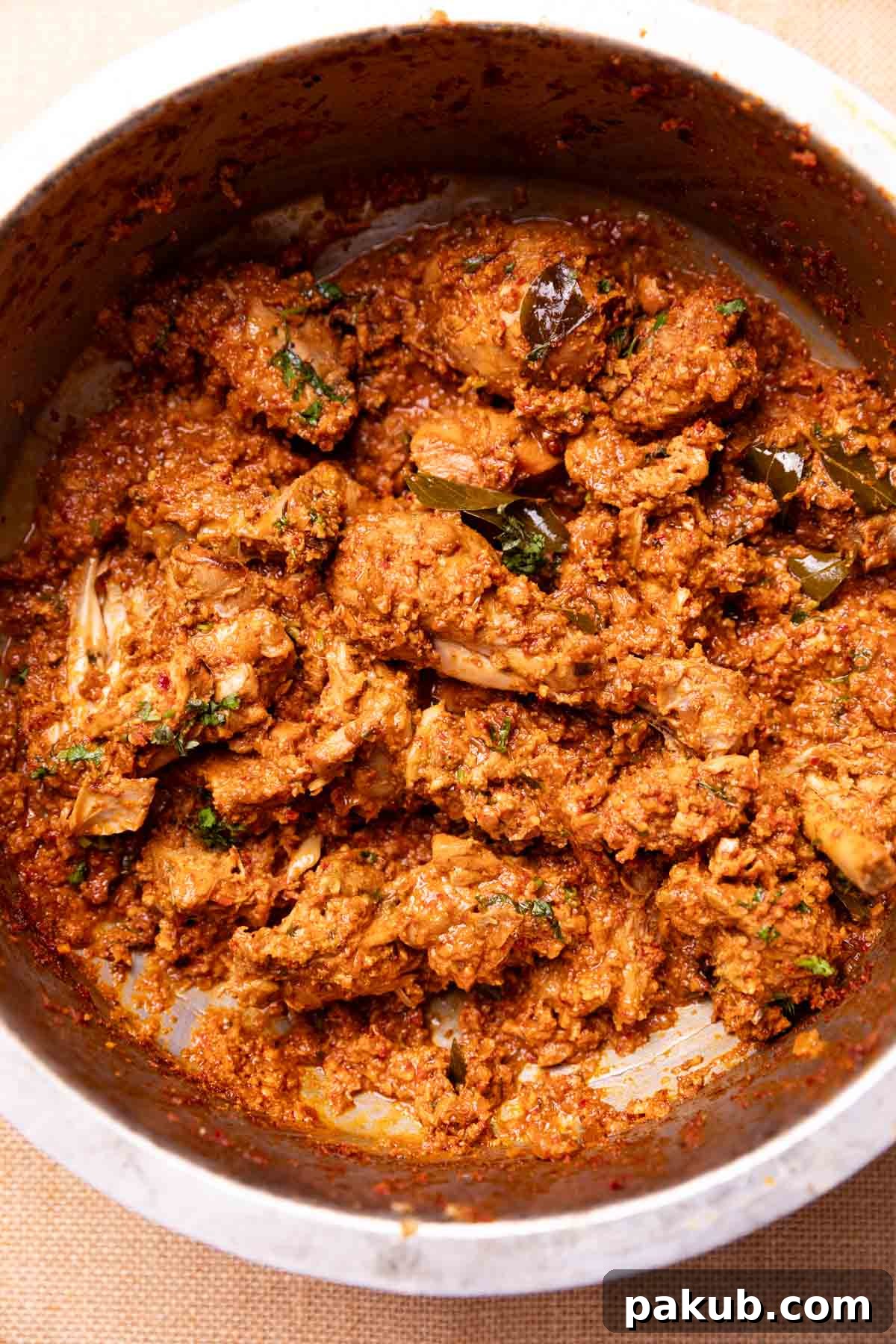
- Uncover the pan, then add the freshly prepared sukka masala paste. Mix gently and thoroughly to ensure all the chicken pieces are completely coated with the rich, aromatic masala. Continue to cook for approximately 10 minutes on medium-low heat, stirring occasionally, until the masala paste thickens, darkens slightly, and begins to visibly leave the sides of the pan, indicating it’s well cooked and the oil is separating.
- Stir in the remaining ½ cup of roasted coconut coarse powder along with the remaining ½ teaspoon of salt (or to taste). Mix well and cook for another 3 minutes, allowing the fresh roasted coconut to fully integrate into the sukka and absorb all the wonderful flavors. The dish should have a delightful semi-dry consistency with the masala clinging to the chicken.
- Garnish generously with freshly chopped coriander leaves just before serving and enjoy your homemade Mangalorean Chicken Sukka hot!
Notes
- Coconut must be roasted on a low flame with constant stirring to prevent it from burning, which can unfortunately lead to a bitter and unpleasant taste in your dish.
- Roasting onions and garlic for the masala paste in ghee significantly adds a richer depth of flavor and an incomparable aroma, although any neutral cooking oil can be used as a substitute if ghee is not available.
- Coconut oil is undeniably crucial for achieving the authentic Mangalorean taste profile. While other cooking oils can be used, the flavor of the final dish will be subtly but noticeably different.
- This is intentionally a semi-dry dish, which is characteristic of a true sukka. If you prefer a slightly more gravy-like consistency, you can add a splash of hot water or coconut milk towards the very end of the cooking process, but remember that traditionally, sukka is meant to be dry.
- Leftovers of Mangalorean Chicken Sukka are often even more flavorful the next day. They can be safely refrigerated in an airtight container for 2-3 days. To reheat, sprinkle a tablespoon or two of water over the sukka and heat gently on the stovetop or in the microwave until warmed through.
- For longer storage, cooked leftovers may be safely frozen for up to a month. Ensure it is stored in a freezer-safe, airtight container. Thaw in the refrigerator overnight before reheating.
Nutrition Information (per serving)
(Approximate values based on a typical recipe, for 1/4th of the recipe)
- Calories: 508 kcal
- Carbohydrates: 19g
- Protein: 21g
- Fat: 41g
- Saturated Fat: 24g
- Polyunsaturated Fat: 4g
- Monounsaturated Fat: 9g
- Trans Fat: 0.1g
- Cholesterol: 109mg
- Sodium: 537mg
- Potassium: 546mg
- Fiber: 6g
- Sugar: 5g
- Vitamin A: 513 IU
- Vitamin C: 99mg
- Calcium: 93mg
- Iron: 3mg
We sincerely hope you thoroughly enjoy the rewarding process of preparing and savoring this incredible Mangalorean Chicken Sukka. Its rich, aromatic, and deeply satisfying flavors are a profound testament to the vibrant and diverse culinary traditions of coastal Karnataka. Whether it takes center stage as the highlight of a cherished family dinner or shines as a star at your next festive gathering, this dish unfailingly promises to transport your taste buds to an authentic realm of culinary bliss.
If you embark on this culinary adventure and try this recipe, creating your own delicious masterpiece, we’d absolutely love to see it! Please feel free to tag us on Instagram @my_foodstory. Happy cooking and enjoy the coastal flavors! 🌴🍗
This article was extensively researched and written by Harita Odedra, with additional culinary insights and detailed recipe development.