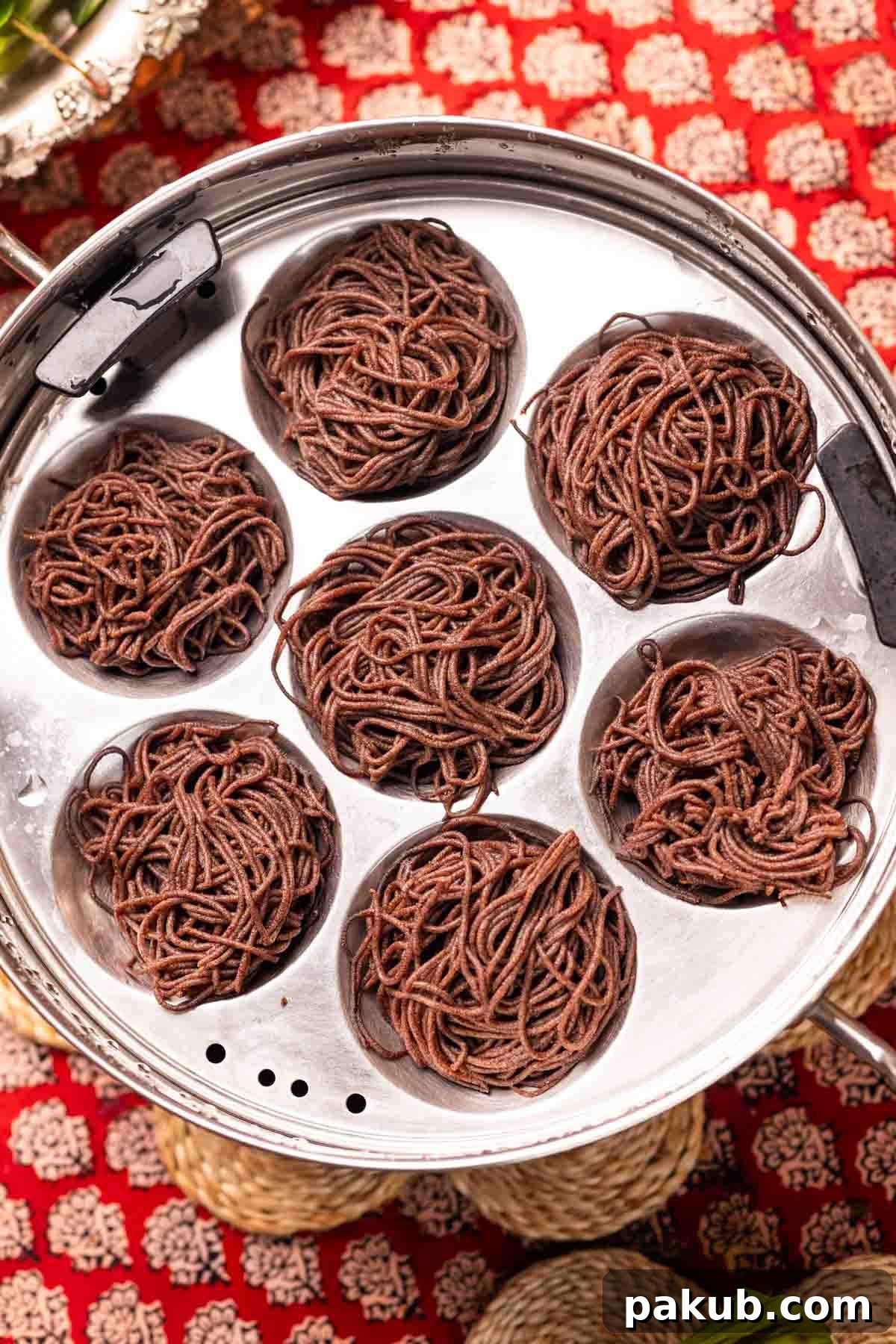
Craving delicious South Indian food but watching your carb intake? This Wholesome Ragi Idiyappam is your perfect, healthy solution!
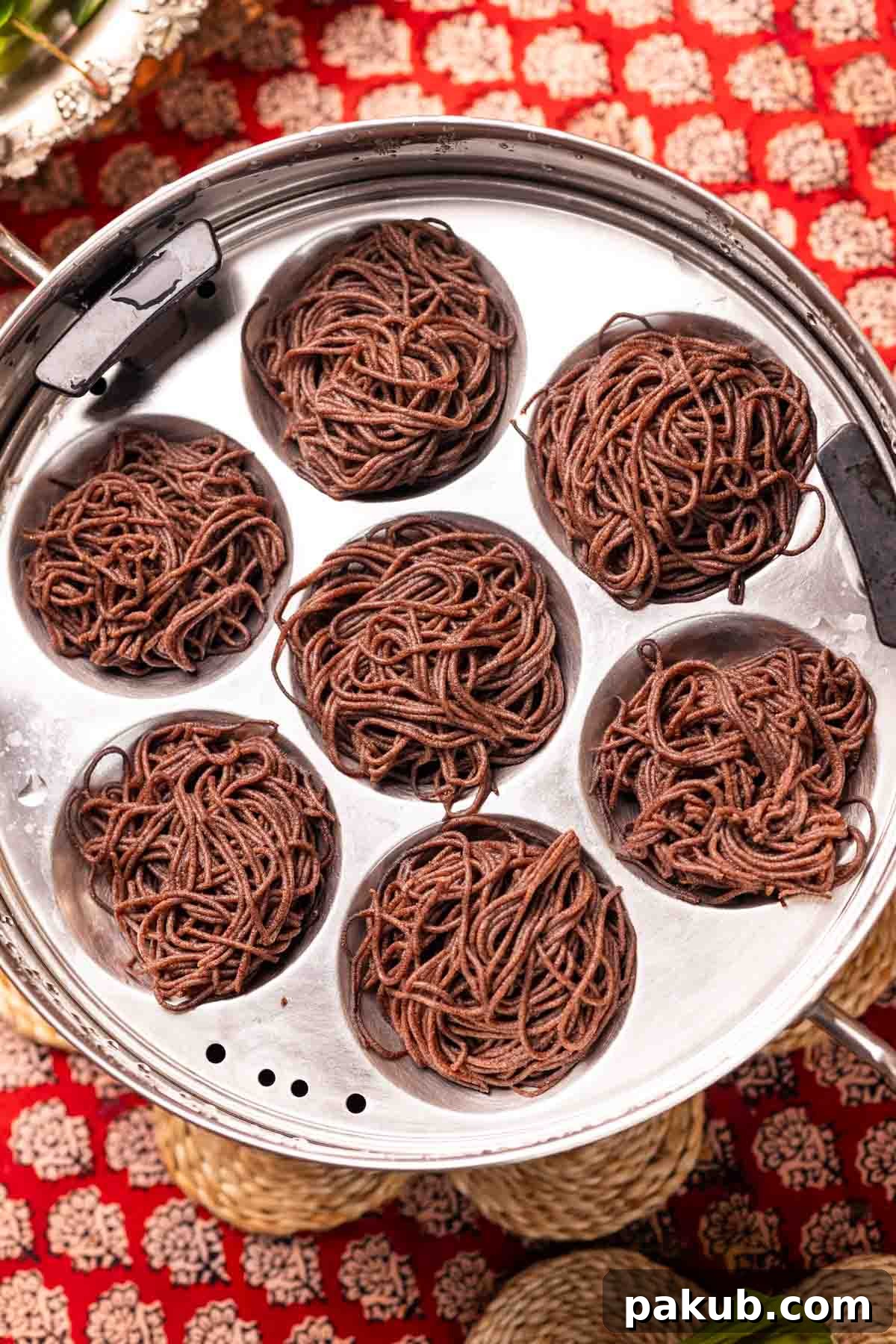
Idiyappam, also known as string hoppers, is a cherished South Indian breakfast and dinner staple, traditionally crafted from finely ground rice flour. While undeniably delicious, conventional Idiyappams are quite rich in carbohydrates. This unique Ragi Idiyappam recipe, however, presents a revolutionary, healthier, and equally delightful alternative. By swapping rice flour for nutrient-dense ragi (finger millet) flour, we create a gluten-free and lower-carb version that doesn’t compromise on the beloved taste or delicate texture. It’s the ideal choice for anyone seeking a more wholesome start to their day or a lighter, nutritious meal option.
The common concern when making idiyappams with ragi is that they can sometimes turn out dense or gummy. But fear not! With my simple, yet effective, technique of dry roasting the ragi flour before preparing the dough, you can achieve wonderfully soft, fluffy, and non-gummy idiyappams every single time. This small but crucial step elevates the texture, making them incredibly delicious and surprisingly easy to master in your own kitchen.
Beyond its health benefits, Ragi Idiyappam is incredibly versatile, pairing beautifully with a wide array of accompaniments. Imagine the rich, complex flavors of a Mangalorean Prawn Curry, the comforting simplicity of a freshly made coconut chutney, the subtle spices of a creamy Kerala vegetable stew, or the hearty warmth of an aromatic Indian meaty curry. It’s the perfect foundation for a truly satisfying and nourishing meal, designed to kickstart your day with vital nutrients and incredible flavor!
Table of Contents: Wholesome Ragi Idiyappam
- Why Choose Ragi Idiyappam? A Healthier Twist
- Ragi: The Nutritional Powerhouse of Millets
- Idiyappam: A South Indian Comfort Food
- Essential Ingredients for Perfect Ragi Idiyappam
- Expert Tips for Fluffy, Non-Gummy Ragi Idiyappam
- Step-by-Step Guide to Making Ragi Idiyappam
- Serving Suggestions and Culinary Pairings
- Frequently Asked Questions About Ragi Idiyappam
- Watch How To Make Ragi Idiyappam
Why Choose Ragi Idiyappam? A Healthier Twist
In today’s health-conscious world, many are looking for ways to enjoy traditional foods while also meeting dietary goals. Ragi Idiyappam offers an excellent solution, especially for those aiming for a lower-carb or gluten-free diet without sacrificing flavor. Traditional Idiyappam relies heavily on rice, which, while energy-rich, can be high in carbohydrates. Ragi, on the other hand, is a complex carbohydrate, rich in dietary fiber, which aids in slower digestion and a more stable blood sugar response. This makes Ragi Idiyappam particularly beneficial for individuals managing diabetes or those simply wanting to maintain consistent energy levels throughout their day.
Furthermore, ragi is naturally gluten-free, making this recipe a fantastic choice for individuals with celiac disease or gluten sensitivity. It’s a delightful way to introduce a nutritious ancient grain into your diet, offering a wealth of minerals and vitamins that are often lacking in modern processed foods. By choosing Ragi Idiyappam, you’re not just enjoying a delicious meal; you’re making a conscious choice towards better health, supporting your digestive system, bone strength, and overall well-being. It’s a guilt-free indulgence that proves healthy eating can be both easy and incredibly tasty!
Ragi: The Nutritional Powerhouse of Millets
Ragi, scientifically known as Eleusine coracana, is more commonly recognized as finger millet. This humble grain boasts a remarkable nutritional profile that truly earns it the title of a “super grain.” It is one of the oldest cultivated grains, with a rich history spanning thousands of years across India and various parts of Africa. Its ability to thrive in arid conditions and require minimal water makes it an environmentally sustainable crop, a fact that speaks to its resilience and ancient wisdom.
From a nutritional standpoint, ragi is an absolute treasure. It stands out for its exceptionally high calcium content, surpassing that of many other cereals. This makes it an invaluable dietary component for promoting bone health, preventing osteoporosis, and supporting overall skeletal strength, especially for children and the elderly. Beyond calcium, ragi is an excellent source of dietary fiber, which is crucial for a healthy digestive system, aiding in regular bowel movements and preventing constipation. The fiber content also contributes to a feeling of fullness, potentially assisting in weight management.
Moreover, ragi is packed with essential amino acids, iron, and other vital micronutrients. Its high iron content helps combat anemia and supports healthy blood production. The presence of antioxidants in ragi also contributes to its health benefits, helping to protect the body against oxidative stress and chronic diseases. Incorporating ragi into your diet, through dishes like these wholesome idiyappams, is not just a step towards healthy eating; it’s a nod to ancient sustainable food practices and a celebration of a truly wonder grain.
Idiyappam: A South Indian Comfort Food
Idiyappam holds a special place in the culinary landscape of South India, particularly in Kerala, Tamil Nadu, and parts of Karnataka and Sri Lanka. Often referred to as “string hoppers” due to its distinctive noodle-like appearance, it is a delicate and airy dish made by pressing a dough through a special Idiyappam press, creating fine, intricate strands. These strands are then steamed to perfection, resulting in a soft, light, and incredibly comforting meal.
Traditionally served for breakfast or a light dinner, Idiyappam is revered for its bland yet satisfying taste, which makes it an ideal canvas for absorbing the flavors of accompanying curries and chutneys. Its unique texture—fluffy and melt-in-your-mouth—sets it apart from other Indian bread and rice preparations. It’s not just a food item; it’s a staple that evokes warmth and nostalgia, often enjoyed during family gatherings or as a simple, nourishing meal. The transformation of this classic dish using ragi flour retains its beloved characteristics while imbuing it with a superior nutritional value, making it even more appealing to the modern palate.
Essential Ingredients for Perfect Ragi Idiyappam
Crafting these delectable Ragi Idiyappams requires surprisingly few ingredients, making it an accessible recipe for any home cook. Each component plays a vital role in achieving the perfect balance of flavor, texture, and ease of preparation. Here’s a closer look at what you’ll need:
- Ragi Flour (Finger Millet Flour): This is the star ingredient, providing the unique flavor, texture, and all the incredible nutritional benefits. When selecting ragi flour, opt for a fine-ground variety for the best idiyappam texture. It’s widely available in Indian grocery stores and increasingly in health food sections of larger supermarkets. Its nutty, earthy flavor makes it a fantastic base.
- Water: The quality and temperature of water are crucial. Boiled hot water is essential for cooking the ragi flour and creating a pliable dough that is easy to press. The amount of water can vary slightly based on the brand and fineness of your ragi flour, so always start with the recommended amount and adjust if necessary to achieve the right consistency.
- Salt: A pinch of salt is vital to enhance the inherent flavors of the ragi. It brings out the subtle sweetness and nuttiness of the millet, preventing the idiyappams from tasting bland.
- Cooking Oil: A small amount of cooking oil, added to the boiling water and also used for greasing, serves multiple purposes. It helps to make the dough smooth and pliable, preventing it from sticking to your hands and the idiyappam press. When added to the water, it also contributes to the softness of the final steamed idiyappams and ensures they don’t dry out. Any neutral-flavored cooking oil will work perfectly.
These simple ingredients, combined with the right technique, will yield a batch of wholesome Ragi Idiyappams that are not only healthy but also incredibly delicious and satisfying.
Expert Tips for Fluffy, Non-Gummy Ragi Idiyappam
Achieving perfectly soft and non-gummy Ragi Idiyappam is entirely possible with a few key techniques. These expert tips, honed through years of cooking, will guide you to success and ensure your string hoppers are a delight every time:
- The Golden Rule: Roast the Ragi Flour: This is arguably the most crucial step that differentiates a great Ragi Idiyappam from a gummy one. Dry roasting the ragi flour on low heat for about 3-5 minutes (until it’s fragrant but not browned) helps to partially cook the starch and removes excess moisture. This process prevents the idiyappams from becoming sticky, dense, or chewy after steaming, ensuring a light and fluffy texture. Don’t skip this step!
- Knead While Warm: The Secret to Pliability: After pouring hot water over the roasted flour, let it rest for a couple of minutes. Then, working quickly while the dough is still comfortably warm (not scalding hot), knead it thoroughly. The warmth allows the ragi flour to absorb the moisture evenly, creating a smooth, pliable, and consistent dough. If the dough cools down too much, it becomes harder to knead and press.
- Prevent Sticking: Don’t Over-crowd the Steamer: Idiyappams need space to steam properly. Overloading your steamer plates will cause them to stick together, resulting in clumps rather than delicate individual strands. Always steam in batches, leaving enough room between each idiyappam for the steam to circulate freely.
- Moisture is Key: Sprinkle Water Before Steaming: Before placing the idiyappam-laden steamer plates into the steamer, sprinkle a few drops of water over the pressed strands. This simple act creates a humid environment around the idiyappams, preventing them from drying out during the steaming process and ensuring they remain soft and moist.
- Grease Generously: Always grease your idiyappam press and steamer plates with a little oil. This ensures the dough passes smoothly through the press and the steamed idiyappams release easily from the plate without tearing.
Step-by-Step Guide to Making Ragi Idiyappam
Follow these detailed steps to prepare perfectly soft and wholesome Ragi Idiyappam in your kitchen:
- Roast the Ragi Flour: Begin by taking 1 cup of ragi/finger millet flour in a wide, dry pan. Place the pan over low heat and dry roast the flour for approximately 3-5 minutes. Stir continuously to prevent burning. You’ll notice a subtle, pleasant aroma indicating it’s ready. This crucial step helps prevent the idiyappams from becoming gummy. Remove from heat and set aside in a mixing bowl.
- Prepare the Dough: In a separate saucepan, bring ¾-1 cup of water to a rolling boil with ½ teaspoon of salt and ½ teaspoon of cooking oil. Once boiling, immediately pour this hot water over the roasted ragi flour in the bowl. Mix vigorously with a spoon or spatula until all the water is absorbed and the flour forms a moist, crumbly dough. The mixture will be very hot.
- Rest and Knead: Cover the bowl and let the dough rest for 2 minutes. This allows the heat to penetrate evenly and the flour to hydrate fully. While the dough is still warm (but cool enough to handle), grease your hands with a little cooking oil and knead the dough for about 2 minutes. The goal is to achieve a smooth, soft, and non-sticky dough. Keep the kneaded dough covered with a damp cloth to prevent it from drying out.
- Prepare Steamer Setup: Grease the inside of your idiyappam press (also known as a Sev Maker or String Hopper Maker) and the steamer plates generously with 1 teaspoon of cooking oil. Fill your steamer pot with water and bring it to a boil over medium-high heat.
- Press the Idiyappams: Shape a portion of the dough into a cylinder that fits comfortably into your idiyappam press. Load the dough into the press. Directly over the greased steamer plate, rotate the handle of the press to extrude the ragi dough into fine, circular strands, forming small idiyappams on the plate. Continue this process until the plate is filled, ensuring not to overcrowd it, as they can stick together. Repeat in batches for the remaining dough.
- Moisten and Steam: Once the steamer plate is filled with pressed idiyappams, gently sprinkle a few drops of water over them. This helps maintain moisture during steaming. Carefully place the steamer plate inside the preheated steamer.
- Cook to Perfection: Cover the steamer and steam the Ragi Idiyappams for 10-12 minutes. They are cooked when they appear glossy, firm yet soft, and have a slightly translucent quality. Remove from the steamer and let them cool for a minute before gently detaching them from the plate using a flat spatula.
Serve your fresh, wholesome Ragi Idiyappams hot with your favorite accompaniments and enjoy this healthy South Indian delight!
Serving Suggestions and Culinary Pairings
The beauty of Ragi Idiyappam lies not only in its nutritional value but also in its incredible versatility when it comes to pairings. Its mild, slightly nutty flavor acts as a perfect canvas for a spectrum of vibrant South Indian flavors. Here are some delightful suggestions to elevate your Ragi Idiyappam experience:
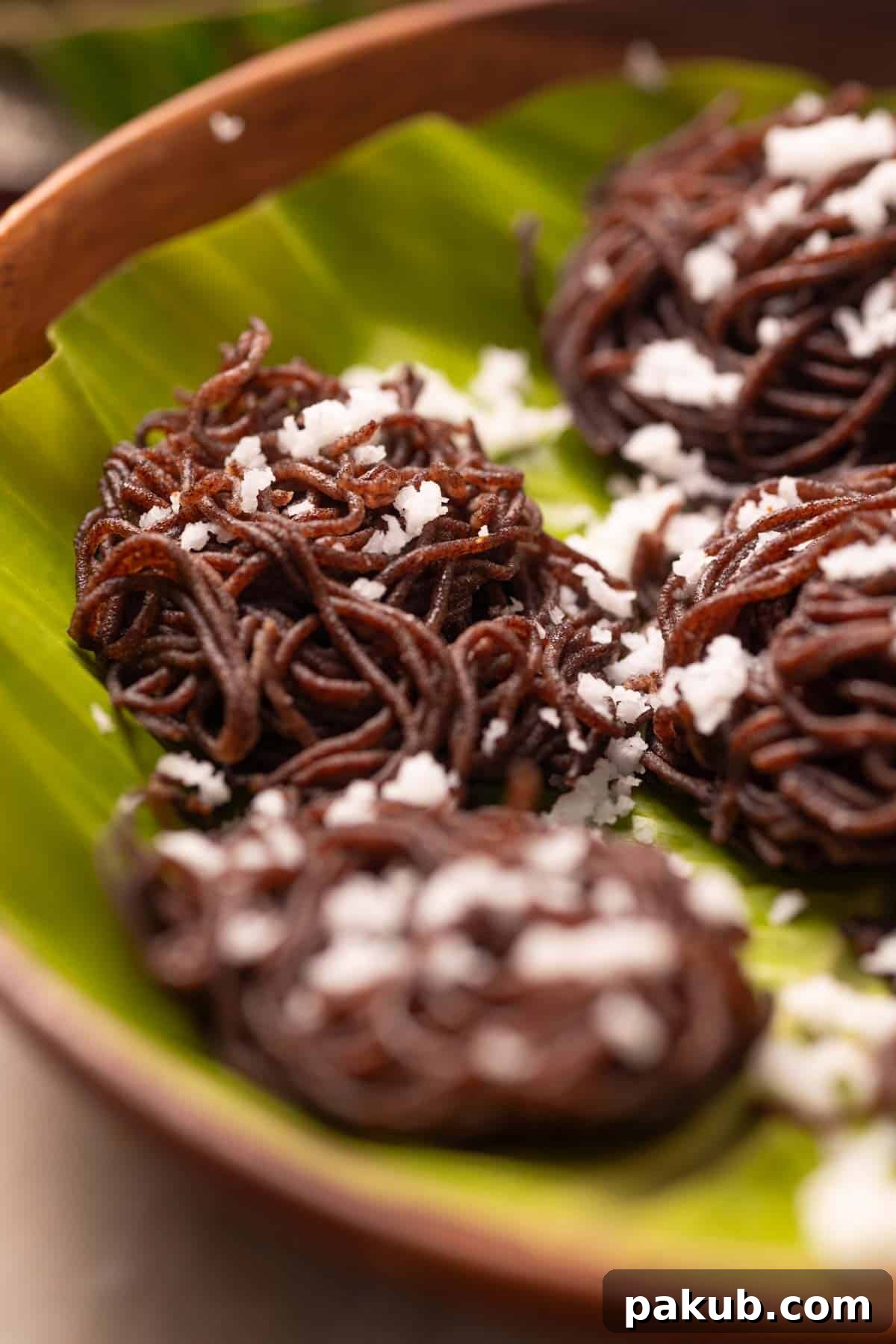
- Classic Coconut Chutney: The most popular and arguably perfect pairing. A fresh, subtly spiced coconut chutney provides a creamy, refreshing contrast to the delicate idiyappams. You can experiment with variations like green chili chutney, mint chutney, or even a spicy tomato chutney.
- Vegetable Stew: For a comforting and wholesome meal, serve Ragi Idiyappam with a fragrant Kerala vegetable stew. The creamy coconut milk base, gentle spices, and tender vegetables create a harmonious balance.
- Sambar or Kurma: A bowl of hot sambar (a lentil and vegetable stew) or a rich vegetable kurma (a creamy mixed vegetable curry) makes for an incredibly satisfying combination, especially for breakfast or dinner.
- Hearty Curries: Ragi Idiyappam beautifully complements a range of meat and seafood curries. Try it with a flavorful Mangalorean Prawn Curry, a spicy chicken curry, or a rich Indian mutton curry. The idiyappams absorb the savory gravy, making each bite bursting with flavor.
- Sweetened Coconut Milk: For a simple yet indulgent sweet option, especially in Kerala, idiyappams are sometimes served with warm coconut milk sweetened with jaggery or sugar, and often flavored with cardamom.
- Modern Twist: Don’t hesitate to think outside the box! Ragi Idiyappam can also be served with a side of avocado, a spiced yogurt dip, or even a simple lentil dal for a complete and nutritious meal.
No matter your preference, Ragi Idiyappam adapts beautifully, ensuring a flavorful and nutritious dining experience. Feel free to experiment and discover your own favorite pairings!
Frequently Asked Questions About Ragi Idiyappam
Absolutely! You can prepare the dough in advance and store it covered tightly with a damp cloth or plastic wrap in the refrigerator for up to 1-2 days. This prevents it from drying out. Alternatively, you can steam the idiyappams completely, let them cool, and store them in an airtight container. When ready to serve, simply reheat them in a steamer for a few minutes until soft and warm.
Leftover Ragi Idiyappam can be stored in an airtight container in the refrigerator for up to 2 days. To reheat, you can either place them in a steamer for a few minutes with a sprinkle of water to restore their softness and prevent them from becoming dry, or microwave them briefly with a few drops of water.
Ragi Idiyappam offers a multitude of health benefits due to its primary ingredient, ragi (finger millet). It is an excellent source of nutrients like calcium (crucial for bone health), iron (helps prevent anemia), and dietary fiber (aids digestion and promotes satiety). Its low glycemic index makes it a great choice for blood sugar management, and its gluten-free nature caters to those with gluten sensitivities or celiac disease. It provides sustained energy, making it a fantastic choice for breakfast or a healthy snack.
If your Ragi Idiyappam is gummy, it’s often because the ragi flour was not dry roasted sufficiently before mixing with water. Roasting helps cook the starch and prevents gumminess. If it’s hard, it might be due to not using hot enough water to cook the flour, insufficient kneading while the dough was warm, or over-steaming, which can dry them out. Ensuring the dough is soft and pliable and sprinkling water before steaming helps maintain moisture.
While an idiyappam press (or string hopper maker) is ideal for achieving the signature noodle-like strands, you can improvise using a potato ricer with fine holes, or even a large piping bag with a small, round nozzle. The texture might not be identical, but you can still create similar steamed ragi dumplings.
Watch How To Make Ragi Idiyappam
Wholesome Ragi Idiyappam
Richa
10 minutes
15 minutes
25 minutes
8
idiyappams
Rate Recipe
Print Recipe
Ingredients
-
▢
1
cup
ragi / finger millet flour -
▢
¾-1
cup
water -
▢
½
teaspoon
salt -
▢
½
teaspoon
cooking oil (for dough) -
▢
1
teaspoon
cooking oil for greasing
Instructions
-
Take ragi flour in a pan and dry roast on low heat for 3-5 minutes until fragrant, then take it off the heat and set aside in a mixing bowl. (See note 1 for why).1 cup ragi / finger millet flour
-
Boil water with salt & oil. Pour this hot mixture over the roasted flour and mix immediately with a spoon until all the water is absorbed and a moist dough forms.¾-1 cup water,
½ teaspoon salt,
½ teaspoon cooking oil -
Rest the dough for 2 minutes. While it’s still warm, lightly grease your hands with oil and knead the dough for 2 minutes to achieve a smooth, non-sticky consistency. Keep the dough covered with a wet cloth to prevent drying.1 teaspoon cooking oil for greasing
-
Grease the idiyappam press and steamer plates with cooking oil. In a steamer, bring water to a boil.
-
Shape a portion of the dough like a cylinder and fill it into the greased idiyappam press. Rotate the handle to press the idiyappam strands directly onto the greased steamer plate. Repeat this in batches, ensuring not to overcrowd the steamer plate to prevent sticking.
-
Sprinkle a few drops of water on the idiyappams on the plate (See note 2) and carefully place the plate inside the preheated steamer.
-
Cover and steam for 10-12 minutes, or until the idiyappams are cooked through, appearing soft and slightly glossy. Serve hot.
Video
Notes
- Note 1: Ragi flour is dry roasted to prevent the idiyappams from becoming chewy, sticky, or gummy in texture.
- Note 2: Water is sprinkled on the idiyappams before steaming to ensure they remain soft and moist, preventing them from drying out during the cooking process.
Nutrition
Calories:
104
kcal
,
Carbohydrates:
21
g
,
Protein:
2
g
,
Fat:
1
g
,
Saturated Fat:
0.1
g
,
Polyunsaturated Fat:
0.3
g
,
Monounsaturated Fat:
1
g
,
Trans Fat:
0.004
g
,
Sodium:
150
mg
,
Potassium:
121
mg
,
Calcium:
102
mg
,
Iron:
1
mg
Like this recipe? Rate and comment below!
This article was researched and written by Harita Odedra.