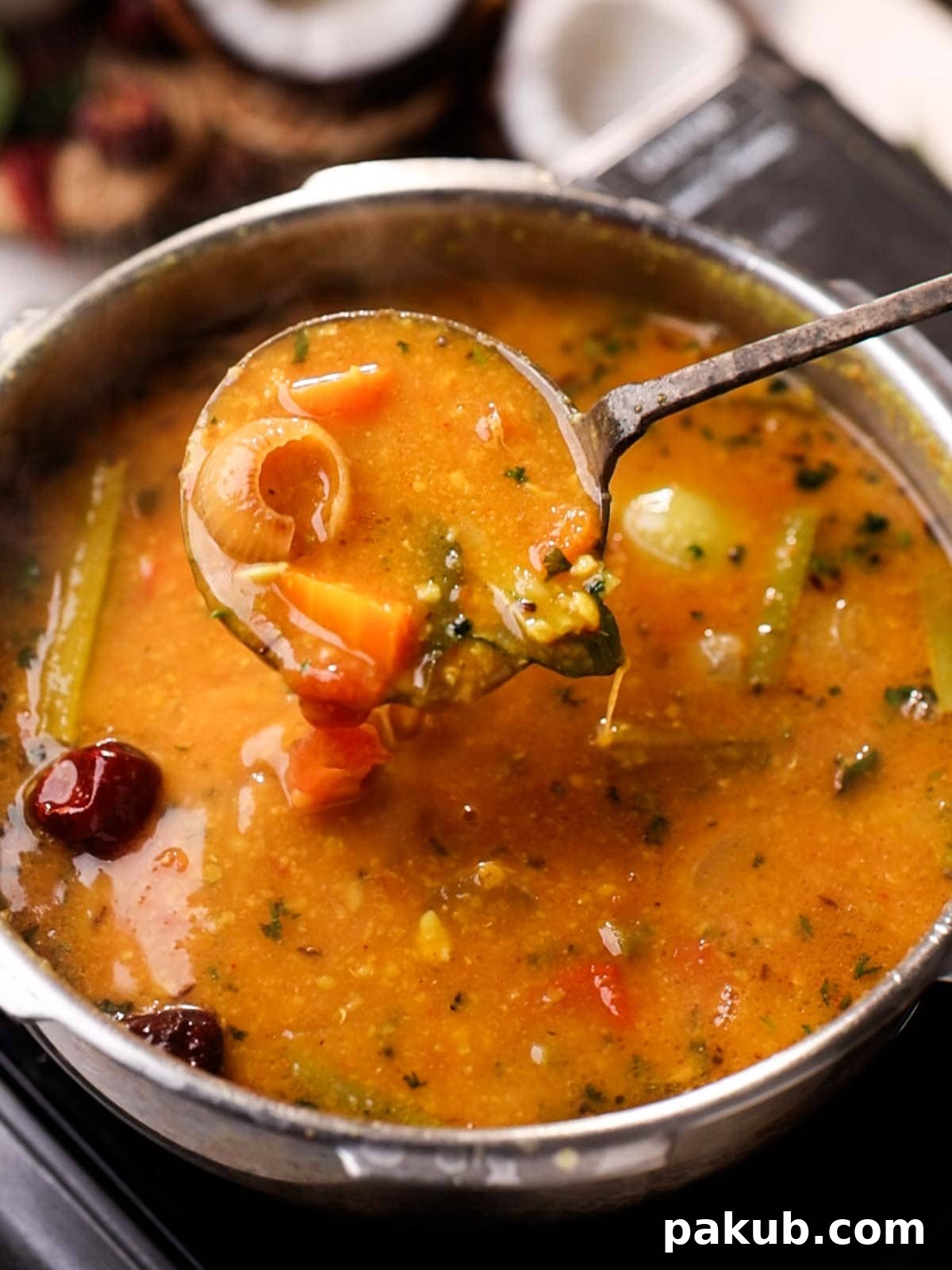
Effortless One-Pot Sambar: Your Quick & Flavorful Pressure Cooker Recipe
Craving a comforting bowl of sambar to pair with your idlis and dosas? This one-pot sambar recipe is your perfect solution – quick, incredibly flavorful, and made effortlessly in a pressure cooker!
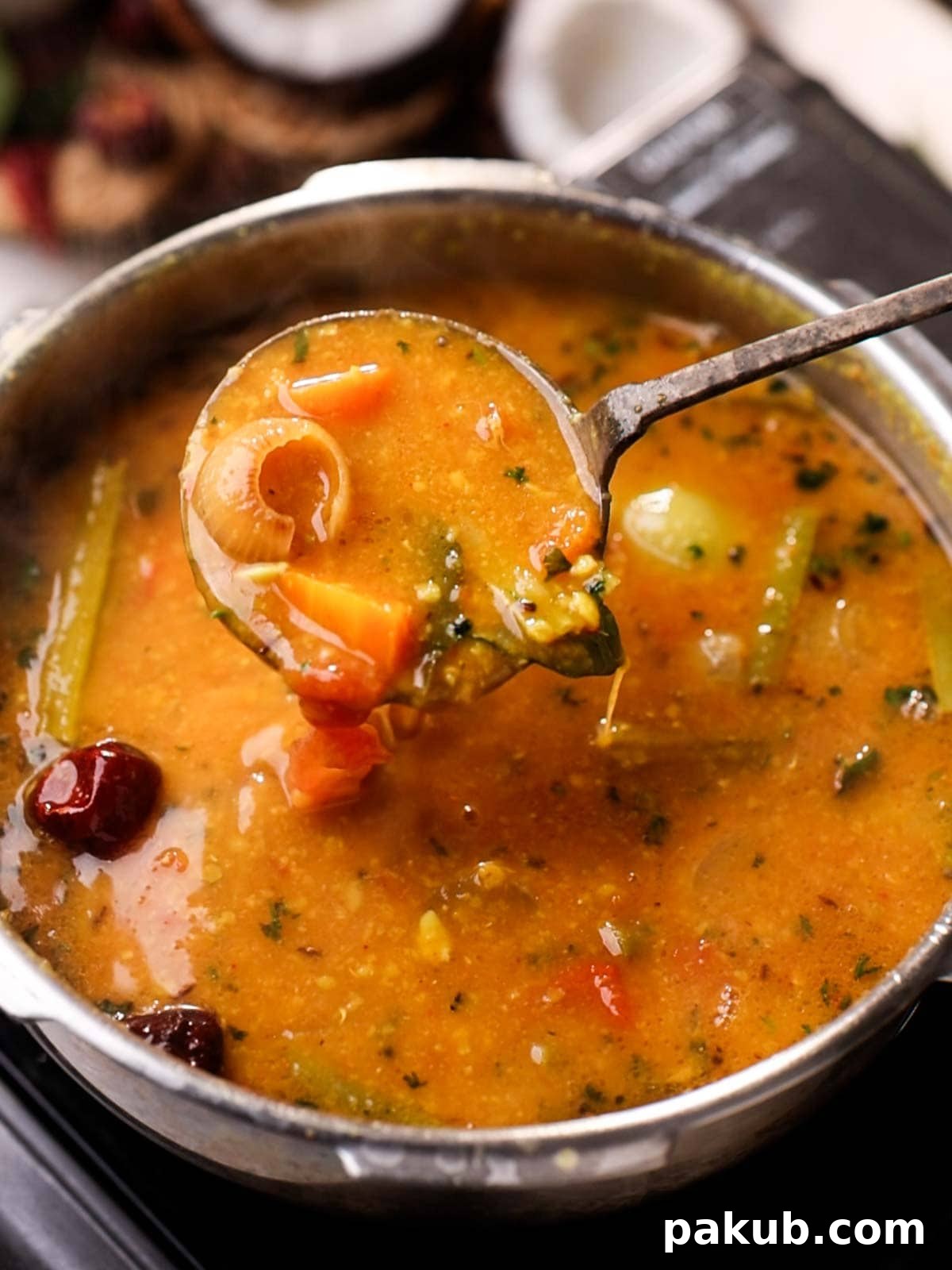
For many, a meal featuring idlis or dosas simply isn’t complete without a generous bowl of piping hot sambar. This vibrant, lentil-based vegetable stew from South India doesn’t just add a burst of flavor; it also significantly boosts the nutritional value of your meal. Its unique tangy, spicy, and savory profile perfectly complements the milder tastes of idli and dosa, creating a truly wholesome and satisfying dining experience.
In a household where South Indian cuisine is a regular affair, the traditional multi-step process of preparing sambar can quickly become time-consuming and daunting. That’s where the magic of the one-pot sambar recipe comes in! This innovative method promises all the authentic goodness and rich flavors of traditional South Indian sambar, but in a fraction of the usual cooking time, thanks to the efficiency of a pressure cooker. There’s absolutely no compromise on taste or texture, making it an ideal choice for busy weeknights or when you simply crave comfort food without the extensive effort. If you adore sambar but, like me, prefer a quicker approach to cooking, this hassle-free recipe is destined to become your new kitchen favorite.
Table of Contents: Your Guide to One-Pot Sambar
- Essential One-Pot Sambar Ingredients
- How to Master One-Pot Sambar in a Pressure Cooker
- Understanding Sambar Powder: Your Flavor Secret
- Choosing the Best Vegetables for Your Sambar
- Selecting the Perfect Lentils for Sambar
- Frequently Asked Questions About Sambar
- Expert Tips for the Best One-Pot Sambar
- Storage and Reheating Advice for Sambar
- Delicious Serving Suggestions for Sambar
- Exploring Exciting Sambar Variations
- Watch the One-Pot Sambar Recipe Video
- One Pot Sambar: Fast & Easy Recipe Card
Essential One-Pot Sambar Ingredients
Crafting a delicious one-pot sambar relies on a balanced combination of fresh, flavorful ingredients. Here’s what you’ll need to gather:
For the Sambar Base:
- Toor Dal (Split Pigeon Peas): This is the heart of any sambar, providing its characteristic earthy flavor and creamy texture. It forms the essential foundation of our stew.
- Aromatics: Fresh garlic cloves, vibrant green chillies, and aromatic curry leaves are crucial for building the foundational flavors and distinct aroma that sambar is known for. They infuse the dal and vegetables with layers of taste.
- Assorted Vegetables: Diced carrots, ripe tomatoes, small sambar onions (or cubed regular onions for convenience), green beans, and tender drumsticks are highly recommended. These vegetables not only add diverse textures and natural sweetness but also significantly boost the nutritional content of the sambar. Feel free to explore other common sambar vegetables based on seasonality and preference.
- Ground Spices: A blend of turmeric powder (for color and earthy notes), red chilli powder (for heat, adjustable to your liking), and coriander powder (for its warm, citrusy undertones) is combined with the star ingredient: sambar powder. This special blend ensures an authentic and deeply flavorful profile.
- Tamarind Pulp: This is a non-negotiable ingredient for that signature tangy flavor that elevates sambar. Its sourness balances the spices and adds a refreshing zest. Using good quality tamarind pulp makes a significant difference.
- Salt: Essential for seasoning and bringing out all the flavors.
- Water: Used for pressure cooking the dal and vegetables, and later for adjusting the final consistency of the sambar.
- Oil: A touch of neutral-flavored oil (such as vegetable, sunflower, peanut, or canola oil) is added during cooking to prevent the dal from overflowing or excessive foaming under pressure.
For the Flavorful Tempering (Tadka):
- Ghee or Oil: Traditionally, ghee (clarified butter) is preferred for tempering as it imparts a rich, nutty flavor and luxurious aroma. For a vegan alternative, any neutral-flavored oil or even coconut oil works beautifully.
- Whole Spices: Mustard seeds and cumin seeds are the stars of the tadka, spluttering to release their pungent and earthy aromas. Hing (asafoetida) adds a unique savory depth and aids in digestion. Fresh curry leaves provide a final burst of classic South Indian fragrance.
- Fenugreek Seeds (Methi Dana): Just a pinch of fenugreek seeds contributes a subtle bitterness and a distinct aroma, further enriching the sambar’s flavor profile. It also aids digestion. While highly recommended for depth, it can be omitted if unavailable.
- Whole Dried Red Chillies: These add a rustic heat and smoky flavor to the tempering.
- Fresh Coriander Leaves: Finely chopped coriander leaves are used as a garnish, offering a fresh, herbaceous finish that brightens the entire dish.
How to Master One-Pot Sambar in a Pressure Cooker
Unlike the traditional, more elaborate sambar recipes that often involve cooking components separately, this one-pot method streamlines the entire process into just three simple steps, all expertly executed in your pressure cooker:
01. Perfectly Cooking the Dal:
We begin by preparing the foundation of our sambar – the toor dal. In your pressure cooker, combine the thoroughly washed toor dal with a pinch of turmeric powder, half of the diced tomatoes, whole garlic cloves, about 1.5 cups of water, and a teaspoon of oil. The oil helps prevent excessive frothing and overflow during pressure cooking. Cook this mixture on a medium flame for approximately four whistles: the first whistle on high heat, then reduce the flame and cook for three additional whistles. This ensures the dal is perfectly tender and fully cooked. Once the pressure naturally releases, open the cooker and gently mash the dal with the back of a spoon or a whisk until it reaches a smooth, creamy consistency. Set this aside.
02. Infusing the Sambar with Vegetables and Spices:
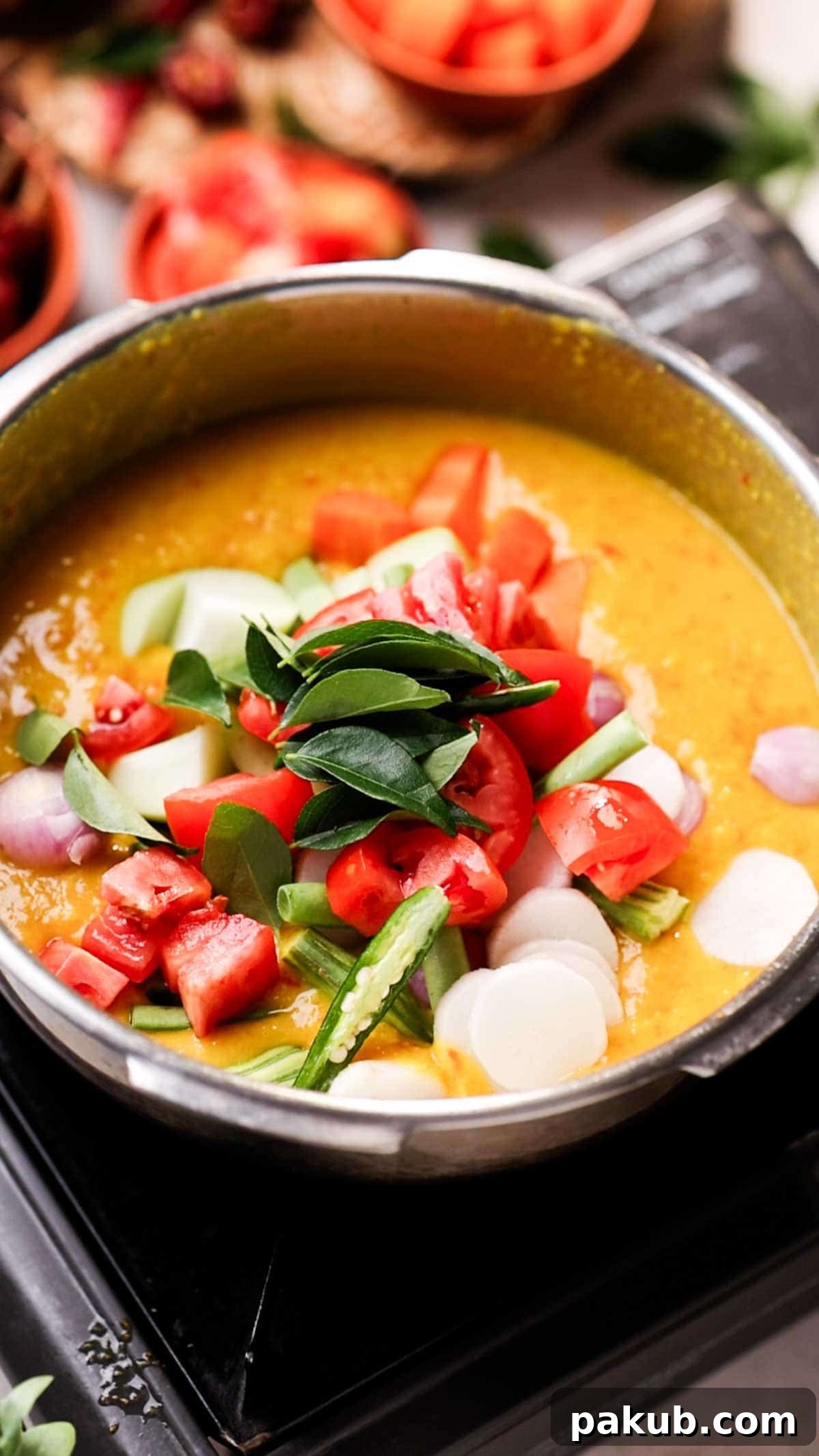
With the dal base ready, it’s time to build the robust flavors of the sambar. To the same pressure cooker containing the mashed dal, add the fresh curry leaves, chopped carrots, green beans, drumsticks, sambar onions (or cubed regular onions), slit green chillies, sambar powder, chilli powder, coriander powder, and the essential tamarind pulp, along with salt to taste. Add another cup of water to ensure proper cooking. Give everything a good stir to combine all the ingredients thoroughly. Secure the lid and cook for just one more whistle on high flame. Immediately turn off the heat once the whistle goes off. Allow the pressure to release naturally before carefully opening the cooker. At this stage, you can assess the consistency and add more hot water if you prefer a thinner sambar. Let the sambar simmer gently on a low flame while you prepare the tempering.
03. The Flavorful Tempering (Tadka):
The tempering, or “tadka,” is the grand finale that infuses the sambar with irresistible aroma and depth. In a separate small tadka pan or saucepan, heat ghee (or your chosen oil for a vegan option) over a medium flame. Once hot, add mustard seeds and cumin seeds. Watch carefully as they begin to splutter and crackle, indicating they are releasing their full flavor. Immediately add the hing (asafoetida), whole dried red chilli, and fresh curry leaves. Sauté briefly until the curry leaves turn crisp and fragrant, filling your kitchen with their intoxicating aroma. Turn off the heat and stir in the freshly chopped coriander leaves. Pour this fragrant tempering directly over the simmering sambar in the pressure cooker. Mix everything thoroughly to distribute the flavors evenly. Your delicious, warming, and effortlessly prepared one-pot sambar is now ready to be served!
Understanding Sambar Powder: Your Flavor Secret
Sambar powder is truly the soul of sambar, a unique and aromatic spice blend that gives this South Indian stew its authentic flavor, comforting warmth, and distinctive aroma. It’s far more complex than just a simple spice mix; it typically features chana dal (split chickpeas) as its base, roasted and ground with an array of whole spices. Key components usually include coriander seeds, dried red chillies (for a fiery kick), cumin seeds, fenugreek seeds (for a subtle bitter note and digestive benefits), and hing (asafoetida), which provides a pungent, savory depth. Some regional variations might also include a few black peppercorns for an added layer of spice.
This essential powder is widely accessible, easily found at most grocery stores and online retailers across India. For those living outside India, local Indian specialty stores are your go-to for high-quality sambar powder. While readily available store-bought options are convenient, many home cooks swear by the superior flavor of homemade sambar powder. Making it at home is surprisingly simple, often taking less than 15 minutes, and it allows you to customize the spice levels to your preference. When stored properly in an airtight container, preferably in the refrigerator, homemade sambar powder can retain its potency and aroma for up to six months. In my personal experience, the freshness and vibrancy of homemade powder significantly enhance the overall flavor of the sambar, though a good quality store-bought version can certainly be used effectively, especially when you’re short on time.
Choosing the Best Vegetables for Your Sambar
While this particular one-pot sambar recipe utilizes a carefully selected assortment of vegetables, the beauty of sambar lies in its versatility. You can customize your stew with a wide range of vegetables, depending on what’s in season, your personal preferences, and what you have on hand. Incorporating a variety of vegetables not only adds diverse textures and colors but also significantly boosts the nutritional profile of your meal.
Here are some of the most popular and commonly used vegetables in sambar. Don’t hesitate to experiment and find your favorite combinations:
- Potato: Adds a starchy richness and thickens the stew slightly.
- Carrot: Contributes natural sweetness and a vibrant color.
- Drumstick (Moringa pods): A classic sambar ingredient, offering a unique flavor and texture. Ensure to cut them into manageable pieces.
- Green Beans: Adds a fresh, slightly crunchy element.
- Cauliflower: Softens beautifully and absorbs the flavors of the sambar.
- Pumpkin: Provides a subtle sweetness and creamy texture when cooked down.
- Ladies Finger or Okra: Best added towards the end of cooking to prevent sliminess, or lightly fried beforehand.
- Brinjal or Eggplant: Melts into the sambar, adding a rich, smoky depth.
- Radish: Offers a pungent kick that mellows during cooking.
- Bottle Gourd (Lauki): A mild-flavored gourd that becomes tender and hydrating.
- Broad Beans: Adds a distinct earthy taste and hearty texture.
- Long Beans: Similar to green beans but with a slightly different flavor.
- Plantains (Raw Banana): Adds a unique starchy texture and subtly sweet flavor, especially popular in certain regional sambars.
When selecting vegetables, aim for a mix that offers different textures and flavors. Remember to cut them into uniform, bite-sized pieces to ensure even cooking in the pressure cooker. This ensures that every spoonful of your one-pot sambar is a delightful medley of taste and nutrition.
Selecting the Perfect Lentils for Sambar
Traditionally, sambar is predominantly made using toor dal (also known as arhar dal or split pigeon peas). This lentil is highly prized for its ability to cook down to a creamy consistency while retaining a slightly nutty, earthy flavor that forms the perfect backdrop for the myriad of spices and vegetables in sambar. For this one-pot pressure cooker sambar recipe, we have also stuck to this classic choice to ensure an authentic taste and texture.
However, if you’re looking to experiment or if toor dal is not readily available, you do have some flexibility. While the flavor profile will shift slightly, the sambar will still be incredibly delicious. You can consider using a mix of dals:
- Toor Dal and Moong Dal (Split Yellow Lentils): Adding a small amount of moong dal can result in a slightly silkier and milder sambar. Moong dal cooks relatively quickly and has a delicate flavor.
- Toor Dal and Masoor Dal (Red Lentils): Masoor dal also cooks quickly and can add a subtly different texture and flavor. It tends to be a bit thicker when cooked, so you might need to adjust the water consistency.
Using a mix can sometimes provide a unique depth, but for a true, classic sambar experience, toor dal remains the gold standard. Regardless of your choice, ensure the lentils are thoroughly washed before cooking to remove any impurities.
Frequently Asked Questions About Sambar
While both sambar and dal are foundational lentil-based dishes in Indian cuisine, they have distinct characteristics. Sambar is a more complex, sour, and spicy vegetable stew, primarily made with toor dal, and packed with a variety of vegetables and a special spice blend (sambar powder). It typically has a thinner, broth-like consistency. Dal, on the other hand, is a simpler lentil preparation that can be made with various types of lentils (toor, masoor, chana, moong, or a mix) and usually contains fewer or no vegetables. It often has a thicker, creamier consistency and is flavored with more basic spices, focusing on the natural taste of the lentils.
Yes, absolutely! While sambar powder is key to achieving that authentic warmth and traditional flavor, you can certainly make a delicious sambar without it in a pinch. You’ll need to rely on a balanced blend of individual ground spices such as red chilli powder, coriander powder, turmeric, and a touch of garam masala or even a homemade blend of roasted spices (like whole coriander, cumin, fenugreek, and dried red chilies) to replicate the flavor profile. The taste will differ slightly from a sambar made with traditional powder, but it will still yield a flavorful and satisfying lentil stew.
Yes, this recipe is incredibly easy to adapt for a vegan diet! The only non-vegan ingredient is ghee, which is used in the tempering. Simply substitute ghee with any neutral-flavored oil, such as vegetable oil, sunflower oil, or even coconut oil, to make your sambar completely plant-based. The flavors will remain just as robust and delicious.
Expert Tips for the Best One-Pot Sambar
Achieving a consistently delicious one-pot sambar is easy with a few key techniques. Here are my top tips to ensure your sambar turns out perfectly every time:
- Adhere to Pressure Cooking Times: It’s crucial to follow the recommended pressure cooking times for both the dal and the vegetables, as specified in the recipe card. For the vegetables, we want them to be fully cooked through, but still retain a slight bite and their distinct shape. Overcooking the vegetables will result in a mushy texture, which is not ideal for the delightful mixed-vegetable experience of sambar.
- Adjust Consistency to Your Preference: Sambar is traditionally known for its thinner, more watery consistency, making it excellent for soaking up with idlis or mixing with rice. However, personal preference varies. Feel free to adjust the consistency by adding more hot water at the end if you like it thinner, or by simmering it slightly longer if you prefer a thicker stew.
- Prioritize Fresh Ingredients: The quality of your ingredients directly impacts the final flavor. I highly recommend using fresh spices and fresh lentils whenever possible. Freshly ground spices and good quality dal provide superior aroma, flavor, and texture to your sambar.
- Temper on Medium Flame: When preparing the tempering (tadka), always use a medium flame. Cooking the spices on a low to medium heat allows them to slowly release their essential oils and bloom, becoming wonderfully aromatic without burning. High heat can quickly scorch the spices, leading to a bitter taste.
- Customize Spiciness and Sourness: This recipe offers a medium level of spiciness and tang. Feel empowered to adjust the quantities of red chilli powder and tamarind pulp to suit your personal taste. If you prefer a milder sambar, reduce the chilli powder. For a more pronounced tang, add a little extra tamarind. Conversely, if the sambar turns out too sour for your liking, a small piece of jaggery (Indian unrefined cane sugar) can be added to balance out the flavors with a hint of sweetness.
- Ghee vs. Oil for Tempering: While ghee is traditionally used for tempering and imparts an unmatched richness and aroma, it’s easy to make this recipe vegan. Simply replace ghee with coconut oil (for a distinct South Indian flavor profile) or any other neutral-flavored oil to achieve a delicious plant-based sambar.
- Pre-soak Dal (Optional but Recommended): Soaking the toor dal for 20-30 minutes before cooking can significantly reduce cooking time and lead to a more evenly cooked, softer dal. This is particularly useful if your dal tends to take longer to cook or if you’re in a hurry.
Storage and Reheating Advice for Sambar
Sambar is a dish that often tastes even better the next day as the flavors meld and deepen. Proper storage ensures you can enjoy its deliciousness for longer.
Refrigerator:
Once cooled to room temperature, transfer your sambar into an airtight glass or steel container. Stored this way, it will remain fresh and flavorful in the refrigerator for up to 2-3 days. When ready to serve, always reheat the sambar thoroughly on the stovetop. Bring it to a rolling boil for a few minutes to ensure any potential bacteria are killed before consuming.
Freezer:
Sambar is surprisingly freezer-friendly, making it an excellent meal-prep option. It can be stored in the freezer for up to 3 months without significant loss of quality. For best results and to prevent spoilage, I highly recommend freezing sambar in individual single-serving portions. Repeated thawing and refreezing can quickly degrade the quality and increase the risk of spoilage. To reheat from frozen, transfer the desired portion to the refrigerator overnight to thaw. Once thawed, reheat it gently in the microwave or on the stovetop, ensuring it’s piping hot throughout. Please note that while the flavors remain wonderfully intact after freezing and thawing, some vegetables might become a bit mushy, which could slightly alter the overall texture of the sambar.
Always ensure your containers are clean and airtight to maximize freshness and prevent freezer burn.
Delicious Serving Suggestions for Sambar
Sambar’s versatility makes it a beloved staple, perfect for a multitude of culinary pairings. Its tangy and spicy notes complement a wide range of dishes, transforming a simple meal into a delightful South Indian feast. Here are some favorite ways to enjoy your freshly made one-pot sambar:
- With Steamed Rice: For a simple, wholesome, and incredibly satisfying meal, serve hot sambar poured generously over fluffy steamed Basmati rice or a hearty bowl of bisi bele bath. The combination is pure comfort, especially when accompanied by crunchy papadam.
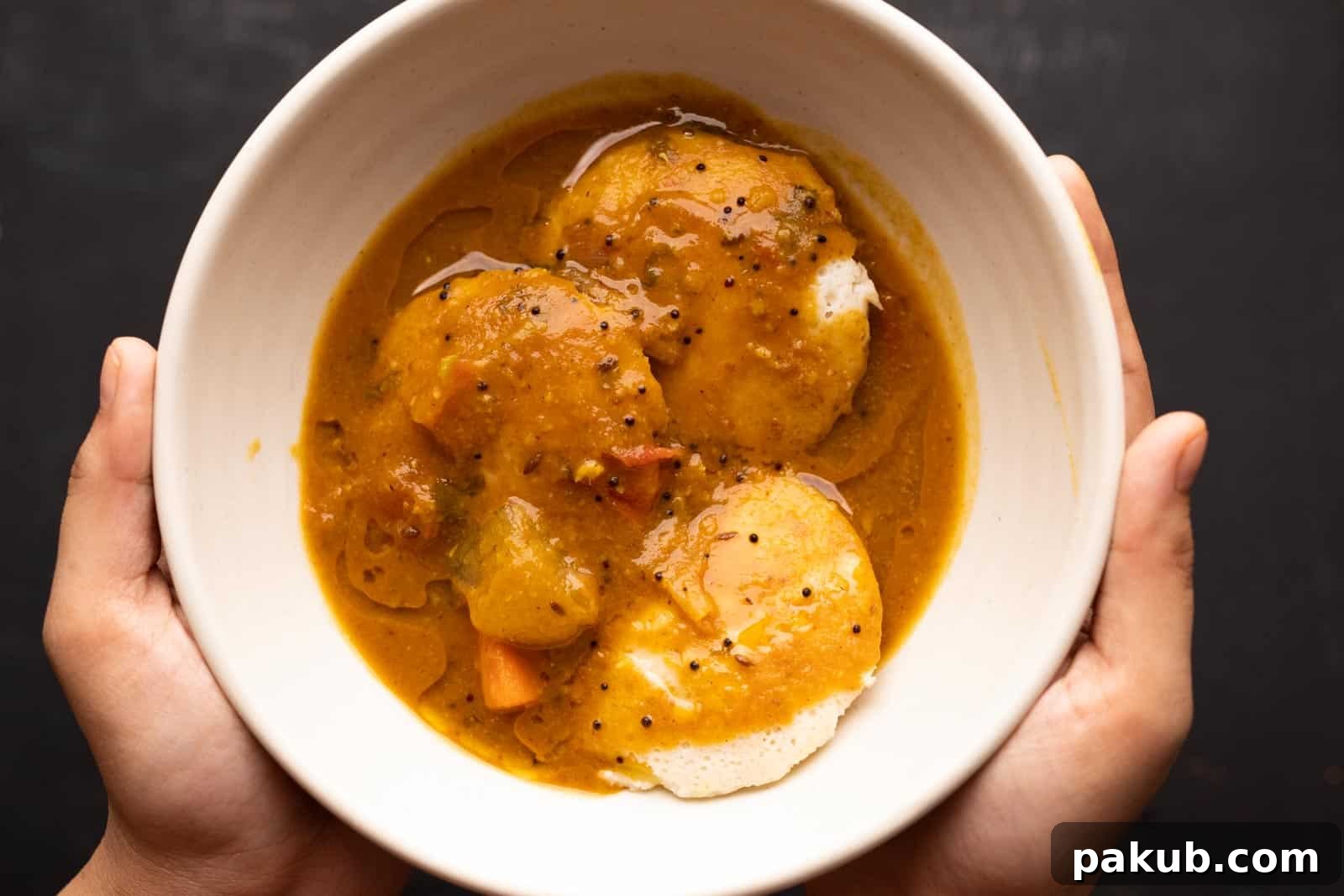
- As a Side with South Indian Breakfast Staples: Sambar is an indispensable accompaniment to classic South Indian breakfast and snack items. Serve it alongside soft and spongy idli, crispy golden dosa, thick and savory uttapam, or savory upma. A dollop of fresh coconut chutney on the side completes this iconic pairing.
- Poured Over Medu Vadas: Elevate your breakfast or snack by pouring warm sambar over soft and crispy medu vadas. The vadas soak up the flavorful sambar, creating an incredibly rich and satisfying dish known as Sambar Vada.
- Simply by the Bowl: Sometimes, the best way to enjoy sambar is on its own. For a light yet nourishing and incredibly flavorful meal, simply drink it by the bowl. It’s comforting, satisfying, and packed with healthy lentils and vegetables.
However you choose to enjoy it, this one-pot sambar is sure to bring a taste of authentic South India to your table!
Exploring Exciting Sambar Variations
While the classic one-pot sambar recipe is a favorite, the beauty of this South Indian staple lies in its regional diversity and endless possibilities for customization. Different parts of India, and even different households, have their unique twists on sambar, offering a delightful spectrum of flavors. Here are a few popular variations you might want to explore:
- Oil Choices for Tempering: The type of oil used for tempering can subtly change the flavor profile of the sambar. While generic neutral oil is common, many traditional recipes use specific oils.
- Gingelly Oil (Sesame Seed Oil): In Tamil Nadu, gingelly oil (not to be confused with toasted sesame oil used in East Asian cooking) is frequently used, imparting a distinct, nutty aroma and flavor.
- Coconut Oil: Kerala-style sambar often features coconut oil in its tempering, which lends a delicate sweetness and tropical fragrance that is characteristic of the region.
- The Sweetness of Jaggery: In Karnataka, it’s a common practice to add a small piece of jaggery (unrefined cane sugar) to the sambar. This addition beautifully balances the sourness from the tamarind, providing a subtle hint of sweetness that rounds out the flavors without making the sambar overtly sweet. It creates a more complex and harmonious taste profile.
- Enrichment with Coconut: Coconut is a versatile ingredient that can add richness and a distinct flavor to sambar.
- You can add finely grated or thin shavings of toasted coconut to the sambar for a textural element and nutty flavor.
- For a creamier, more robust coconut flavor, some recipes call for making a paste by grinding freshly grated or toasted coconut with whole dried red chillies and a hint of cumin, which is then added to the sambar.
- Tang from Raw Mango: When raw mangoes are in season, many sambar recipes incorporate pieces of this tangy fruit. Adding raw mango during the cooking process provides a wonderfully tart and refreshing kick, often reducing the need for as much tamarind, and lending a seasonal twist to the dish.
Experimenting with these variations can open up a whole new world of sambar experiences, allowing you to discover new favorite flavor combinations.
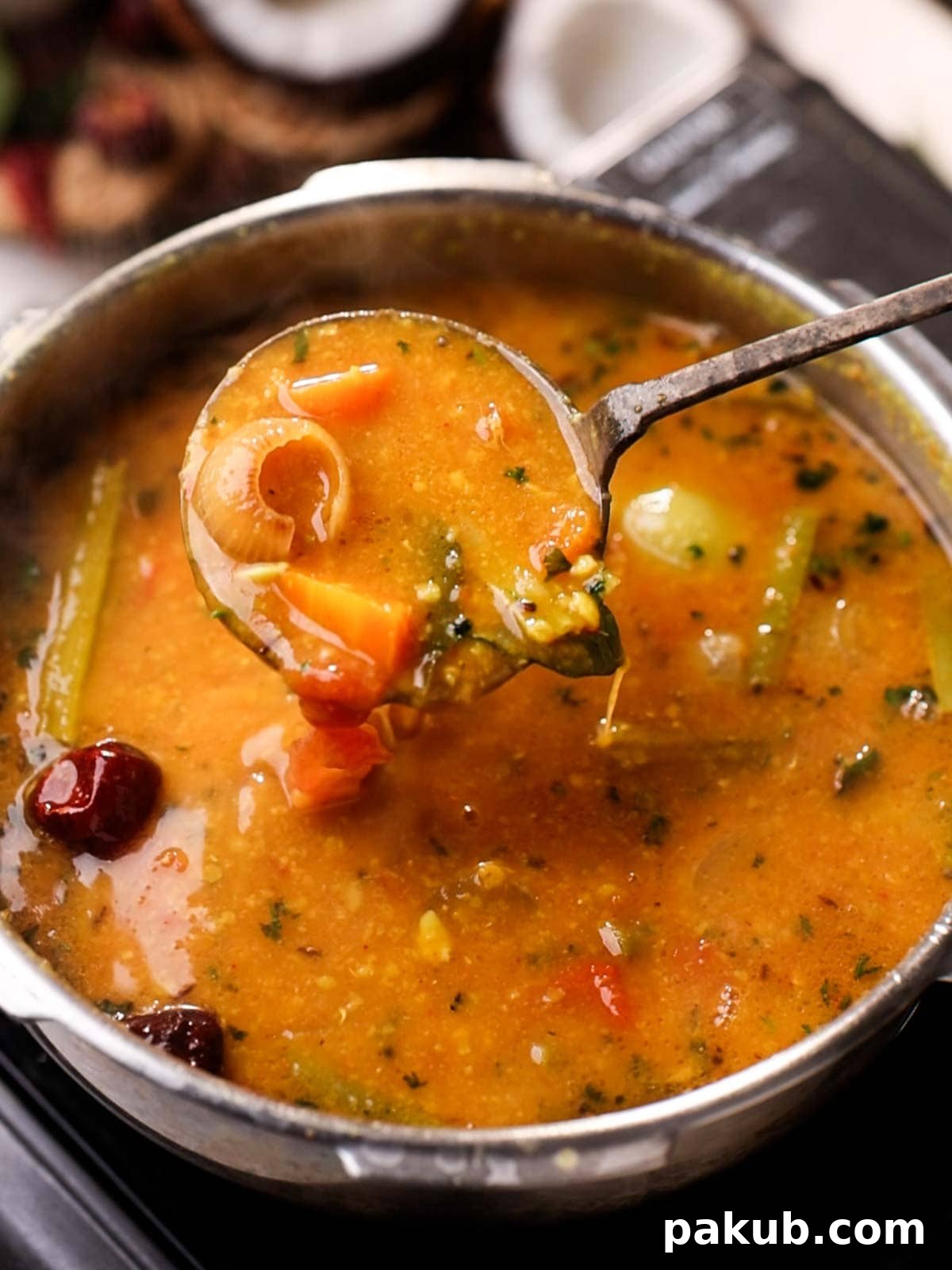
Now that you’re equipped with this incredibly easy and hassle-free method for making sambar, there’s absolutely no reason to shy away from preparing this iconic dish the next time you’re planning a South Indian spread. This one-pot pressure cooker technique revolutionizes the way you approach sambar, delivering rich, authentic flavors with minimal effort. I promise you, once you experience the convenience and deliciousness of making sambar for your idlis and dosas this way, you’ll find yourself reaching for this recipe again and again – there’s truly no going back!
If you try this easy one-pot sambar recipe, please don’t hesitate to share your culinary creations! Send a direct message with pictures over on my Instagram @my_foodstory and make sure to tag me in your stories. I love seeing your delicious results!
Watch the One-Pot Sambar Recipe Video
One Pot Sambar | Fast & Easy
By: Richa
This easy vegetable sambar recipe shows you how to transform store-bought Sambar Powder into an amazing Sambar. Perfect for idlis, dosas, and uttapams.
Equipment
- 1 Pressure Cooker
Ingredients
For the Sambar:
- ½ cup toor dal
- ½ teaspoon turmeric powder
- 7 cloves garlic, whole
- 3-4 cups water, divided
- ¾ cup tomato, cubed (divided)
- 1 teaspoon oil
- 1 sprig curry leaves
- 1 carrot, 75 gms, cut into ½ inch cubes
- 10 beans, 80 gms, cut into 1 inch length pieces
- 3 drumsticks, 120 gms, cut into 2 inch pieces
- ½ cup peeled sambar onions or cubed regular onions
- 2 green chillies, slit
- 3 tablespoons sambar powder
- 1 teaspoon chilli powder, adjust to taste
- 1 teaspoon coriander powder
- 1 tablespoon tamarind pulp
- 1 teaspoon salt
For the Tempering (Tadka):
- 2 teaspoons ghee or oil (for vegan)
- ½ teaspoon rai, mustard seeds
- ¼ teaspoon jeera, cumin seeds
- 10 methi seeds, fenugreek seeds
- ⅛ teaspoon hing, asafoetida
- 1 whole dried red chilli
- 1 sprig curry leaves
- 2 tablespoons finely chopped coriander leaves
Instructions
Step 1: Cooking the Dal
- Add toor dal, turmeric powder, garlic, half the tomatoes, 1 ½ cups of water, and 1 teaspoon oil to a pressure cooker. Cook on medium flame for about 4 whistles (first whistle on high, then lower the flame for 3 more whistles) until the dal is well cooked and soft. Mash the dal with the back of a spoon or a whisk and set aside.
Step 2: Making the Sambar
- Now, to the same pressure cooker, add the remaining tomatoes, curry leaves, carrots, beans, drumsticks, sambar onions, green chillies, sambar powder, chilli powder, coriander powder, tamarind pulp, and salt, along with another cup of water. Mix everything well. Cook for one more whistle on high flame. Turn off the flame immediately after the whistle. Once the pressure releases naturally, open the cooker and add more water if required to adjust the consistency to your liking. Keep the sambar on a gentle simmer while you prepare the tempering (tadka).
Step 3: Preparing the Tempering
- Heat ghee or oil in a small tadka pan or saucepan on a medium flame. Add mustard seeds and cumin seeds. As they begin to splutter, add hing, the whole dried red chilli, and curry leaves. Fry until fragrant. Stir in the chopped coriander leaves. Turn off the heat and immediately add this aromatic tempering to the prepared sambar in the pressure cooker. Mix everything well. Your delicious, warming one-pot sambar is now ready to be served!
Video Tutorial
Notes
- I prefer my sambar with almost fully mashed dal for a smoother texture. If you prefer a chunkier dal, mash it less or reduce the dal’s initial cooking time by 5 minutes.
- For sambar powder, I used MTR brand in this recipe, but any trusted variety will work well.
- Fresh tamarind pulp is best, but you can easily substitute it with a good quality pre-packed tamarind paste for convenience.
Nutrition Information (per serving)
Carbohydrates: 26 g,
Protein: 17 g,
Fat: 10 g,
Saturated Fat: 3 g,
Polyunsaturated Fat: 2 g,
Monounsaturated Fat: 4 g,
Trans Fat: 0.03 g,
Cholesterol: 59 mg,
Sodium: 761 mg,
Potassium: 395 mg,
Fiber: 7 g,
Sugar: 6 g,
Vitamin A: 3194 IU,
Vitamin C: 23 mg,
Calcium: 66 mg,
Iron: 3 mg
This article was researched and written by Urvi Dalal.