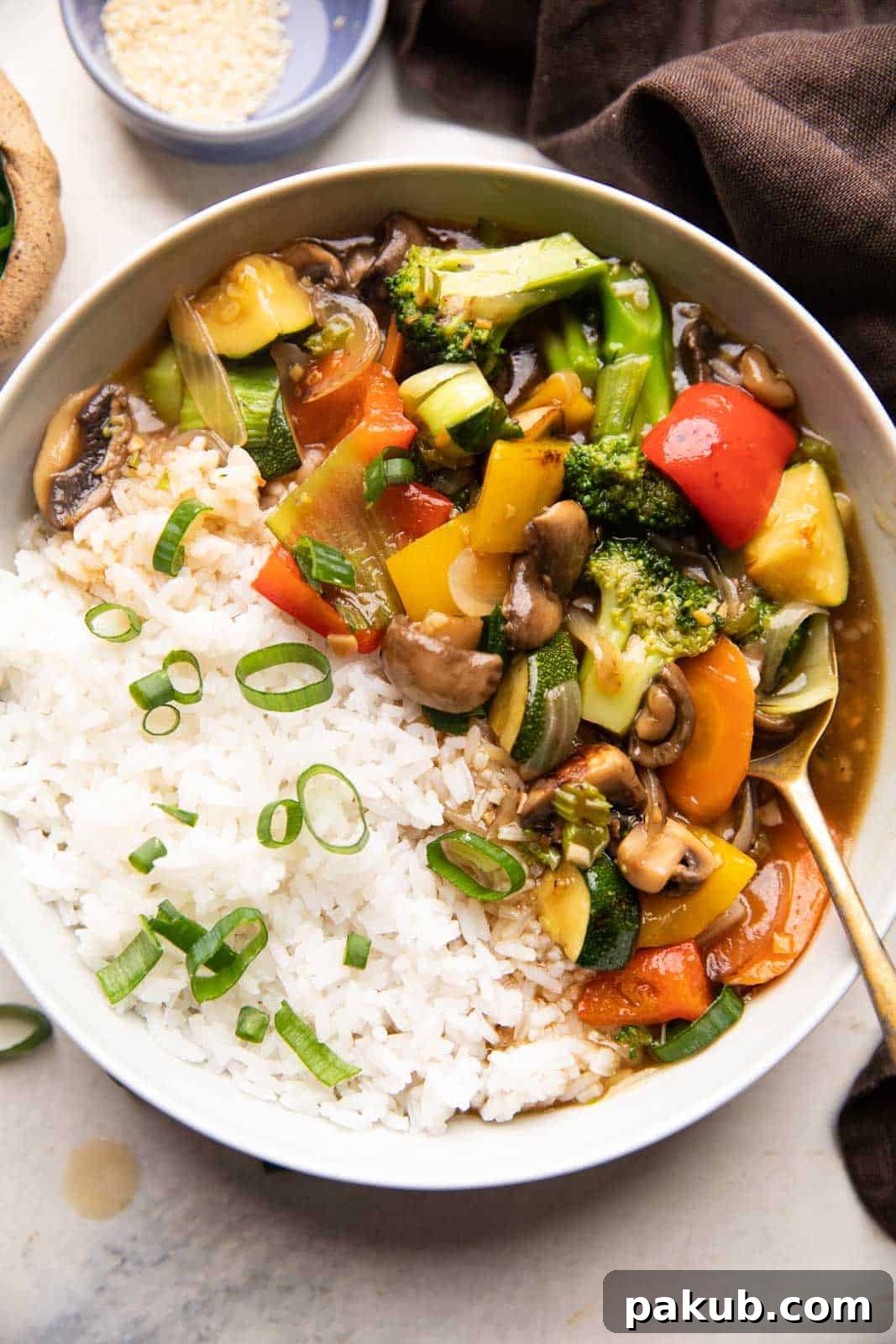
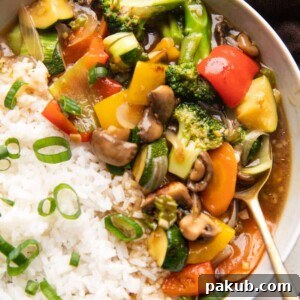
Craving a meal that’s both incredibly fresh and satisfyingly healthy? This vibrant Asian Vegetable Stir Fry recipe is your answer! Dive into our comprehensive guide where we share essential tips on preparing your vegetables for optimal crunch, master the art of the perfect stir-fry sauce, and unlock the secrets to a truly authentic Asian culinary experience right in your kitchen. Say goodbye to bland dinners and hello to a burst of flavor in under 20 minutes!
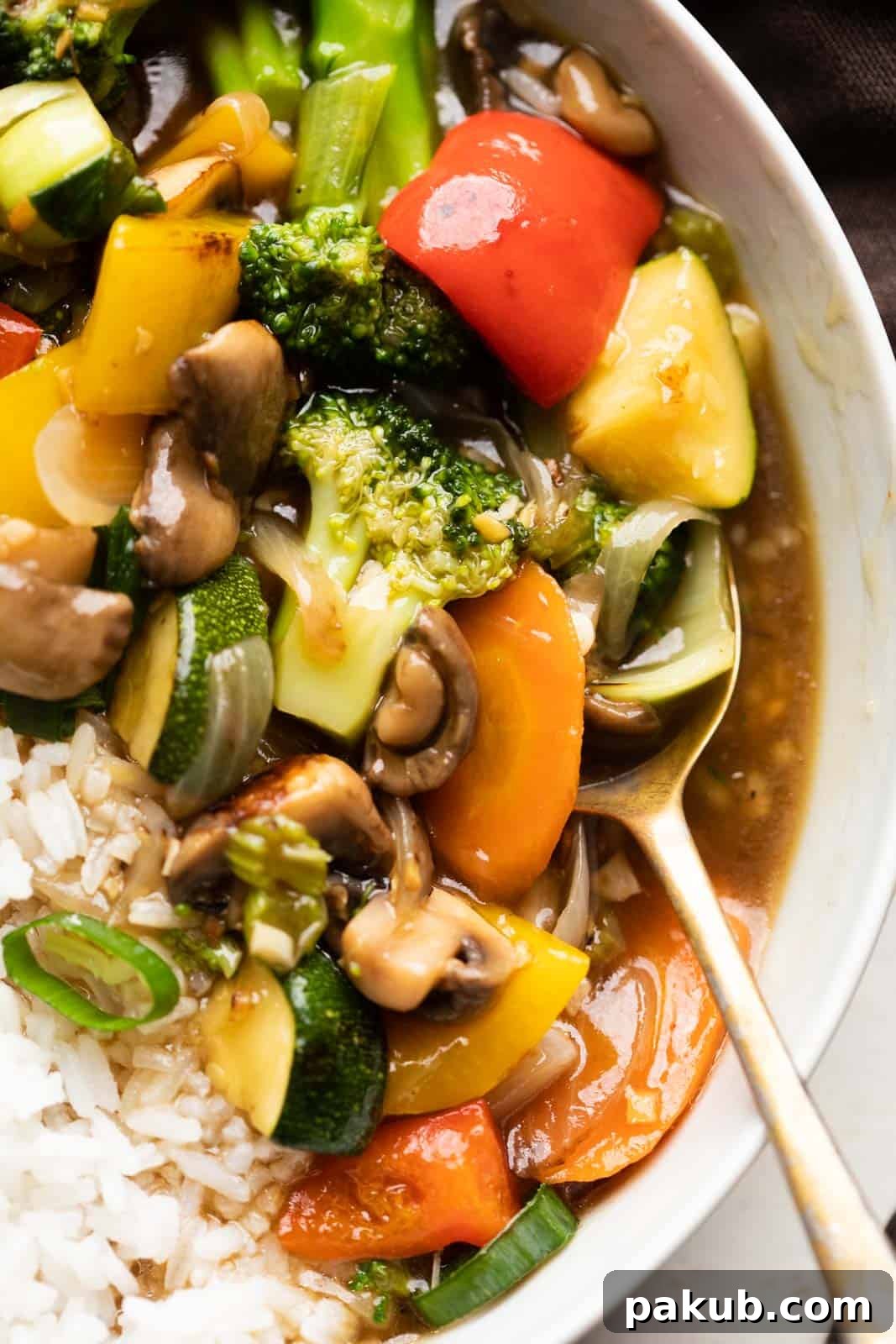
There are days when the thought of cooking feels like an insurmountable task, and the allure of takeout becomes almost irresistible. We’ve all been there, caught between the desire for a delicious meal and the overwhelming urge to just relax. However, we’re here to tell you that some homemade dishes are so quick, so flavorful, and so rewarding that they make an exception to the takeout rule. Our Asian Vegetable Stir Fry is precisely one such culinary savior.
Imagine whipping up a restaurant-quality vegetarian stir fry, bursting with vibrant colors and crisp textures, in less than 20 minutes. It sounds like a dream, but it’s entirely achievable with this recipe! While takeout certainly has its charm, this homemade stir fry comes in at a very close second, offering a fresh, healthy, and incredibly satisfying alternative that you can customize to your heart’s content. It’s not just a meal; it’s an experience that awakens your senses and leaves you feeling energized.
This guide will equip you with everything you need to know: from selecting the ideal medley of vegetables and understanding their unique cooking times, to assembling an unforgettable Asian stir fry sauce in mere moments. We’ll also provide versatile serving suggestions, ensuring you can enjoy this dish in countless ways. Plus, for those following a plant-based diet, this recipe is naturally vegan-friendly, making it a crowd-pleaser for everyone at your table.
Why Choose a Stir Fry? The Benefits of Quick Cooking
Stir-frying is more than just a cooking method; it’s a culinary philosophy centered around speed, efficiency, and vibrant flavors. Originating from China, this technique involves cooking ingredients quickly in a small amount of very hot oil while stirring continuously. This high-heat, fast-cooking approach offers several significant advantages:
- Nutrient Retention: The short cooking time helps to preserve the vitamins, minerals, and enzymes in vegetables, making stir-fries an incredibly healthy option.
- Vibrant Colors and Textures: Unlike longer cooking methods that can dull vegetables, stir-frying keeps them crisp, tender-crisp, and beautifully colored, enhancing the visual appeal and eating experience.
- Flavor Development: The intense heat caramelizes the natural sugars in vegetables and creates rich, complex flavors, often referred to as “wok hei” (the breath of the wok), a highly prized smoky aroma and taste.
- Speed and Convenience: For busy weeknights, a stir-fry is a lifesaver. Once your ingredients are prepped, the actual cooking process takes just minutes.
- Versatility: Stir-fries are incredibly adaptable. You can use almost any combination of vegetables, proteins, and sauces, making them perfect for using up whatever you have on hand.
Indian Subzi vs. Asian Stir Fry: Understanding the Difference
While both Indian subzis (or sabzis) and Asian stir-fries are vegetable-based dishes often cooked in a pan, their culinary approaches and resulting flavor profiles are distinct. Understanding these differences helps appreciate the unique character of each cuisine.
- Focus: Indian subzis typically “hero” one or two main vegetables, such as cabbage in a Cabbage Potato Fry or okra in Bhindi Masala. The dish is built around showcasing that particular vegetable’s texture and flavor, often enhanced by a complex blend of aromatic Indian spices.
- Spice Profile: Subzis rely heavily on a foundation of ground and whole spices (like cumin, coriander, turmeric, garam masala) sautéed in oil, creating deep, earthy, and sometimes fiery flavors.
- Texture: Vegetables in subzis are generally cooked until tender, allowing them to fully absorb the spices and meld into a cohesive dish.
- Asian Stir Fry: In contrast, an Asian stir fry is a dynamic medley of diverse vegetables, each contributing its unique crunch, color, and subtle flavor to the overall composition. The goal is to keep the vegetables tender-crisp, celebrating their individual freshness.
- Sauce Profile: The flavor of an Asian stir fry comes primarily from a balanced liquid sauce, typically a blend of soy sauce, oyster sauce (or a vegan alternative), ginger, garlic, sugar, and a thickening agent like cornstarch. This creates a glossy coating that binds all the ingredients together.
- Cooking Method: The hallmark of a stir fry is high-heat, rapid cooking in a wok, which imparts a distinct smoky aroma and ensures vegetables retain their vibrant color and satisfying crispness.
Both styles are delicious in their own right, but they offer different experiences – a comforting, spice-infused dish versus a vibrant, fresh, and crunchy explosion of flavors.
The Art of Chopping Veggies for the Perfect Stir Fry
The secret to a successful vegetable stir fry often lies in the preparation, particularly how you chop your ingredients. Uniformity and appropriate sizing are paramount to ensure all vegetables cook evenly and reach that desired tender-crisp texture. For this vibrant vegetable stir fry, we’ve selected a colorful array including broccoli, carrots, zucchinis, mushrooms, red and yellow bell peppers, bok choy, onions, ginger, and garlic. Each vegetable has a slightly different cooking time, which influences how it should be prepped.
While the video linked below offers visual guidance, here are the key principles and specific tips for chopping your vegetables, ensuring they cook perfectly in your stir fry:
- Consistency is Key: Aim to cut all your vegetables into roughly similar-sized pieces. This promotes even cooking, preventing some vegetables from becoming mushy while others remain raw.
- Broccoli Florets: Separate the florets from the thick stems. Cut the stems first, then gently break or cut the florets into bite-sized pieces. If the florets are too large, they won’t cook through quickly enough.
- Carrots: Carrots are denser and take longer to cook. To address this, slice them diagonally into thick pieces. This increases their surface area, allowing them to cook more quickly while also adding an attractive visual element to the dish.
- Zucchinis and Bell Peppers: These vegetables cook relatively fast. Dice them into consistent, medium-sized cubes. Their quick-cooking nature means they’ll be perfectly tender-crisp in no time.
- Mushrooms: Depending on their size, either halve or quarter your mushrooms. Smaller mushrooms can be left whole if desired.
- Bok Choy: This leafy green requires a two-step approach. Separate the white, firm stems from the green leaves. Cut the stems into cubes, similar in size to your bell peppers, as they take longer to cook. The tender leaves, which cook very quickly, should be roughly chopped or torn and added towards the end.
- Aromatics (Onions, Ginger, Garlic): Onions can be sliced or diced. Ginger and garlic should be finely minced or grated to evenly distribute their intense flavors throughout the stir fry. Celery can also be finely chopped if using.
By investing a little time in precise chopping, you set the foundation for a stir fry that is not only delicious but also beautiful to behold.
Crafting the Best Stir Fry Sauce Recipe for Authentic Flavor
The stir fry sauce is the heart and soul of any great Asian stir fry, transforming simple vegetables into an irresistible dish. Our recipe focuses on creating a perfectly balanced sauce that is sweet, tangy, and salty, with a rich umami depth. Each ingredient plays a crucial role in achieving this harmonious flavor profile:
- Oyster Sauce (or Vegan Mushroom Oyster Sauce): This is the cornerstone of the sauce, providing a profound umami flavor that is characteristic of many Asian dishes. For a vegan option, mushroom oyster sauce offers a similar savory depth without animal products.
- White Pepper: Unlike black pepper, white pepper adds a subtle heat and a distinct earthy aroma without overpowering the other flavors. It provides a gentle warmth that balances the sweetness and tanginess.
- Sesame Oil: A drizzle of toasted sesame oil at the end is non-negotiable. Its rich, nutty aroma is essential for that authentic Asian flavor, imparting a wonderful fragrance and depth.
- Cornflour (Cornstarch): This is our thickening agent. When mixed with liquid and heated, cornflour creates a glossy, smooth sauce that coats the vegetables beautifully, giving the stir fry its characteristic body and sheen.
- Water (or Vegetable Stock): Used to dilute the concentrated flavors and create a pourable sauce consistency. For an extra layer of flavor, using homemade vegetable stock is a fantastic alternative if you have some on hand.
- Salt and Sugar: These fundamental seasonings are adjusted to taste, ensuring the sauce hits all the right notes. Sugar balances the savory and salty elements, while salt enhances all the other flavors.
To prepare the sauce, simply whisk all the ingredients together in a bowl until thoroughly combined. It’s crucial to do this before you start cooking, as stir-frying moves very quickly. Having your sauce ready to go ensures a seamless cooking process and guarantees that every morsel of your stir fry will be enveloped in this delicious, savory glaze.
Mastering the Wok: Essential Tips for a Perfect Stir Fry
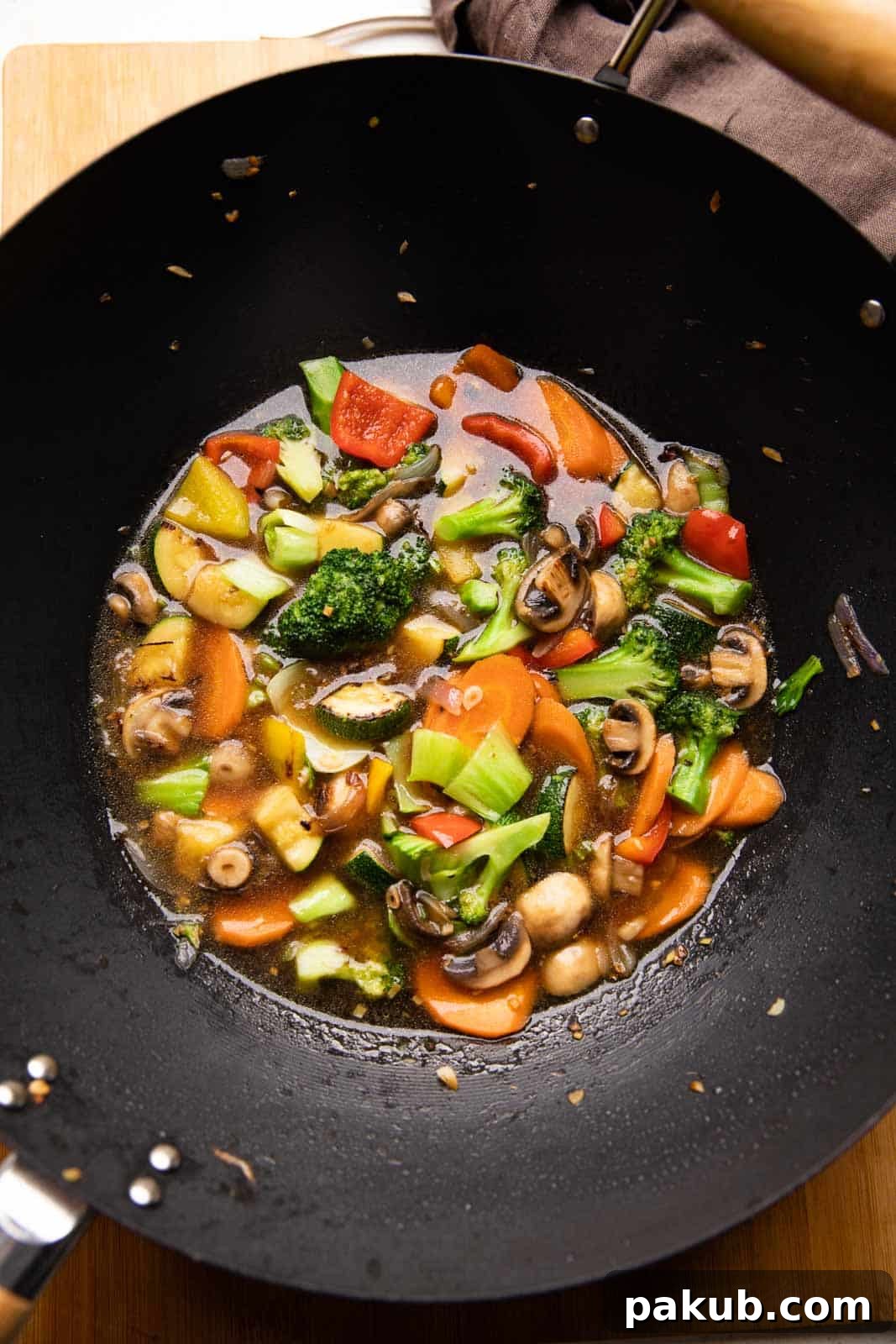
While you can certainly make a decent stir fry in a large skillet, a wok is truly the ideal vessel for this cooking method. Its unique shape allows for even heat distribution, makes tossing ingredients effortless, and helps achieve the high temperatures necessary for that signature “wok hei” flavor. Beyond the cookware, mastering a few key techniques will elevate your stir fry from good to absolutely fantastic.
Pre-Cook Denser Vegetables
Some vegetables, like broccoli florets and carrots, are denser and take longer to cook through. To ensure they achieve a tender-crisp texture without overcooking the other ingredients, we recommend blanching them briefly beforehand. Submerge them in boiling hot water for about two minutes, then drain immediately. This partially cooks them, giving them a head start before they hit the wok, preventing them from being raw while the quicker-cooking vegetables get perfectly tender.
The Aromatic Foundation
The fresh, aromatic Asian flavors in this stir fry largely come from minced ginger and garlic. These aromatics are typically added to the hot oil first, allowing their fragrant essences to infuse the entire dish. We also incorporate finely chopped onions and celery for an additional layer of savory depth and subtle sweetness. This aromatic base is crucial for building a complex flavor profile.
Your Stir Fry Success Checklist
To ensure your stir fry is a resounding success, keep this checklist in mind before you embark on your culinary adventure:
- Mise en Place (Everything in its Place): This is perhaps the most critical rule for stir-frying. Because everything cooks incredibly fast, you won’t have time to chop or measure once you start. Have all your vegetables chopped, your sauce whisked, and any other ingredients measured and ready to go before you even turn on the heat.
- Get Your Wok Sizzling Hot: The wok absolutely needs to be HOT, HOT, HOT! If it’s not smoking hot, your vegetables will steam or braise instead of stir-frying, resulting in a soggy texture. Wait until you see wisps of smoke rising from the pan before adding your oil.
- Follow the Cooking Order: Add vegetables based on their density and cooking time. Denser vegetables (like blanched carrots and broccoli, and bok choy stems) go in first, followed by medium-cooking vegetables (like bell peppers and zucchini), and finally quick-cooking items (like mushrooms and bok choy leaves). This ensures everything reaches perfect doneness. The exact order is detailed in the recipe card below.
- Sauce Timing is Crucial: Once the stir-fry sauce is added, the cooking time is minimal. The cornflour in the sauce needs only a minute or two to cook out and thicken, creating that beautiful glossy coating. Any longer, and your perfectly crisp vegetables will start to become soggy, losing their delightful texture.
- Don’t Over-Stir Fry: It’s called stir-fry for a reason – keep the ingredients moving! However, be mindful not to overcrowd the wok, as this can lower the temperature and cause steaming. Cook in batches if necessary, but for a typical home stir fry, continuous stirring and high heat are your allies.
For an extra textural element and a boost of flavor, consider sprinkling some crushed peanuts or toasted sesame seeds over your finished stir fry before serving. These simple additions can add a delightful crunch and nutty finish.
Serving Suggestions for Your Asian Stir Fry
This versatile Asian stir fry pairs beautifully with a variety of accompaniments, making it a perfect meal for any occasion. Here are some of our favorite ways to serve it:
- A classic bowl of fluffy steamed rice is the ultimate canvas for soaking up all the delicious stir-fry sauce.
- Elevate your meal with Egg Fried Rice for a richer, more substantial combination.
- For a spicy kick, pair it with Schezwan Fried Rice, which offers a fiery contrast to the stir fry’s savory notes.
- Add a protein boost with some flavorful Asian grilled chicken, beef, or shrimp.
- Serve it alongside simple stir-fried noodles or lo mein for a complete noodle-based meal.
- Garnish with fresh cilantro, green onions, or a sprinkle of chili flakes for added freshness and a touch of heat.
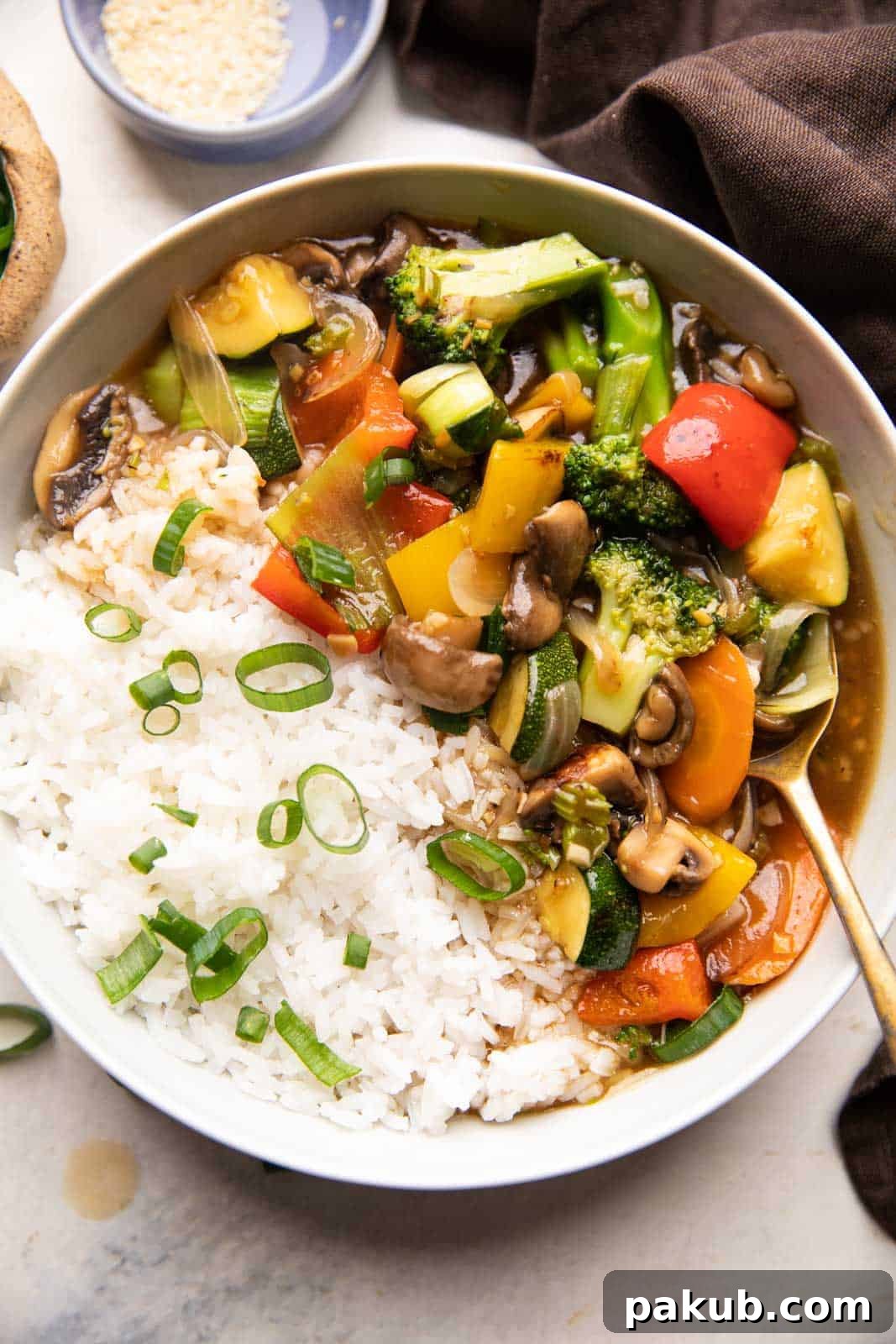
Explore More Asian Stir Fry Recipes You’ll Love
If you’ve fallen in love with the ease and flavor of this vegetable stir fry, you’ll be thrilled to discover the wide world of other Asian-inspired stir-fry dishes. The possibilities are endless, combining various proteins, noodles, and unique sauces. Here are a few more recipes to inspire your culinary journey:
- Teriyaki Shrimp Stir Fry
- Sweet Chili Tofu Stir Fry
- Crispy Tofu Broccoli Stir Fry
- Chicken Asparagus Stir Fry
- Crispy Cashew Chicken Noodles Stir Fry
- One Pan Veg Noodle Manchurian Stir Fry
Watch Our Asian Veg Stir Fry Recipe Video
Asian Veg Stir Fry
Richa
10
10
20
6
people
Rate Recipe
Print Recipe
Ingredients
For the Stir Fry Sauce
-
1
tablespoon
Oyster Sauce,
or Vegan Mushroom Oyster Sauce -
¼
teaspoon
White Pepper -
¼
tsp
Sesame Oil -
1
teaspoon
Cornflour (Cornstarch) -
1
cup
Water -
1
teaspoon
Salt -
¾
teaspoon
Sugar
For the Veg Stir Fry
-
1.5
tablespoon
Oil (neutral cooking oil like canola or grapeseed) -
1
tablespoon
chopped Garlic -
1
tablespoon
chopped Ginger -
1
tablespoon
chopped Celery -
½
cup
sliced Onion -
1
cup
Broccoli florets -
1
cup
thickly sliced Carrot -
1
cup
cubed Bell Pepper (any color) -
1
cup
cubed Zucchini -
1
cup
Mushrooms,
halved or quartered -
2
Bok Choy heads,
divided into stems and leaves -
2
tablespoons
chopped Spring Onions,
for garnishing
Instructions
-
Prepare the Stir Fry Sauce: In a medium bowl, whisk together all the ingredients listed under “For the Stir Fry Sauce” until well combined and smooth. Set this aside; it will be added quickly during the cooking process.
-
Blanch Denser Vegetables: Bring a pot of water to a rolling boil. Add the broccoli florets and thickly sliced carrots. Blanch for exactly two minutes. This partial cooking ensures they become tender-crisp in the stir fry without being raw. Immediately drain the vegetables and set them aside.
-
Start the Stir Fry: Heat a wok or large, heavy-bottomed skillet over high heat until it is smoking hot. Add the cooking oil and swirl to coat the surface. Immediately add the chopped ginger, garlic, and celery. Stir fry for about one minute until fragrant.
-
Add Vegetables in Stages: Add the sliced onions to the wok and continue to stir fry on high heat for another minute until they begin to soften. Next, add the cubed bell peppers and zucchini. Stir fry for one minute. Then, add the mushrooms and the bok choy stems. Cook for another minute, ensuring everything is constantly moving in the hot wok.
-
Incorporate Blanched Vegetables and Sauce: Finally, add the blanched broccoli and carrots, along with the chopped bok choy leaves, and pour in the prepared stir-fry sauce. Continue to stir fry vigorously for two minutes. The sauce will thicken and become slightly translucent as the cornflour cooks.
-
Serve: Remove the wok from the heat. Garnish generously with chopped spring onions. Serve your vibrant Asian Vegetable Stir Fry immediately while it’s hot and the vegetables are at their crispiest. Enjoy!
Video
Notes for Success
- Adjusting Sauce Consistency: If you prefer a looser or more abundant sauce, feel free to increase the water (or vegetable stock) by an additional 1/4 cup. Remember to taste and adjust seasonings accordingly.
- Vegetable Versatility: This recipe is incredibly adaptable! Feel free to substitute or add other quick-cooking vegetables like snow peas, green beans, baby corn, water chestnuts, or bamboo shoots. Ensure they are cut to appropriate sizes for even cooking.
- Pre-made Stir Fry Sauces: For ultimate convenience, you can easily use a readily available store-bought stir-fry sauce. Simply use the packaged sauce directly in place of the individual sauce ingredients listed in this recipe. Adjust sugar or salt to your preference.
- Maintain High Heat: It is crucial to stir fry all the ingredients on the highest possible heat setting. This is what gives the vegetables their signature crisp texture and prevents them from becoming soggy.
- Prioritize Prep Work (Mise en Place): As this dish comes together very quickly on a high flame, having all your ingredients chopped, measured, and ready before you start cooking is paramount. This ensures a smooth, stress-free, and successful stir-frying experience.
Nutrition Information (per serving, estimated)
Calories:
112
kcal
,
Carbohydrates:
15
g
,
Protein:
6
g
,
Fat:
5
g
,
Saturated Fat:
1
g
,
Trans Fat:
1
g
,
Sodium:
679
mg
,
Potassium:
1019
mg
,
Fiber:
5
g
,
Sugar:
8
g
,
Vitamin A:
17014
IU
,
Vitamin C:
178
mg
,
Calcium:
324
mg
,
Iron:
3
mg
Like this recipe? We’d love to hear from you! Rate and comment below!