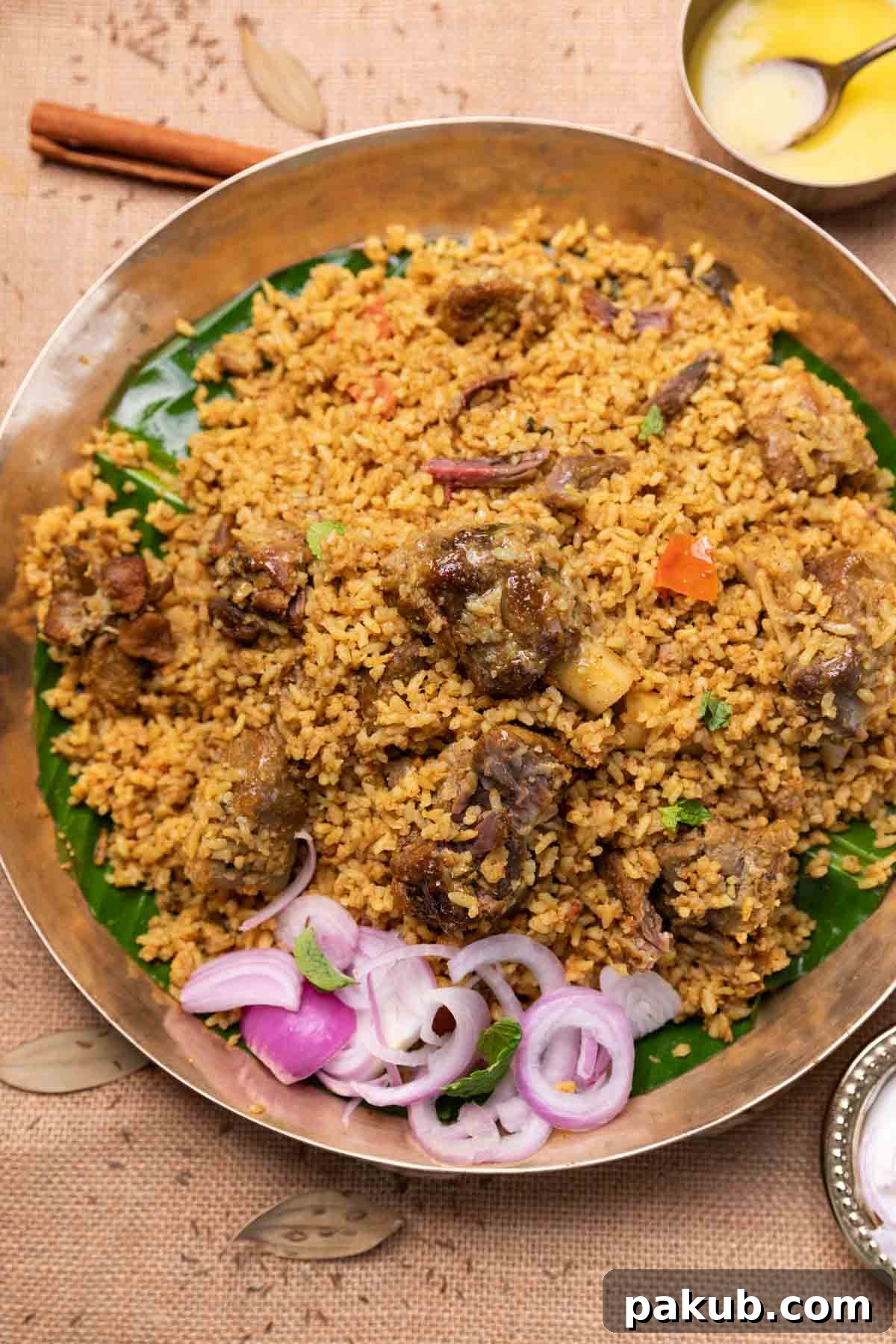
Authentic Dindigul Style Mutton Biryani: A Culinary Journey to Tamil Nadu
Experience the soulful aroma and exquisite taste of Dindigul Thalappakatti Mutton Biryani, a true gem of South Indian cuisine.
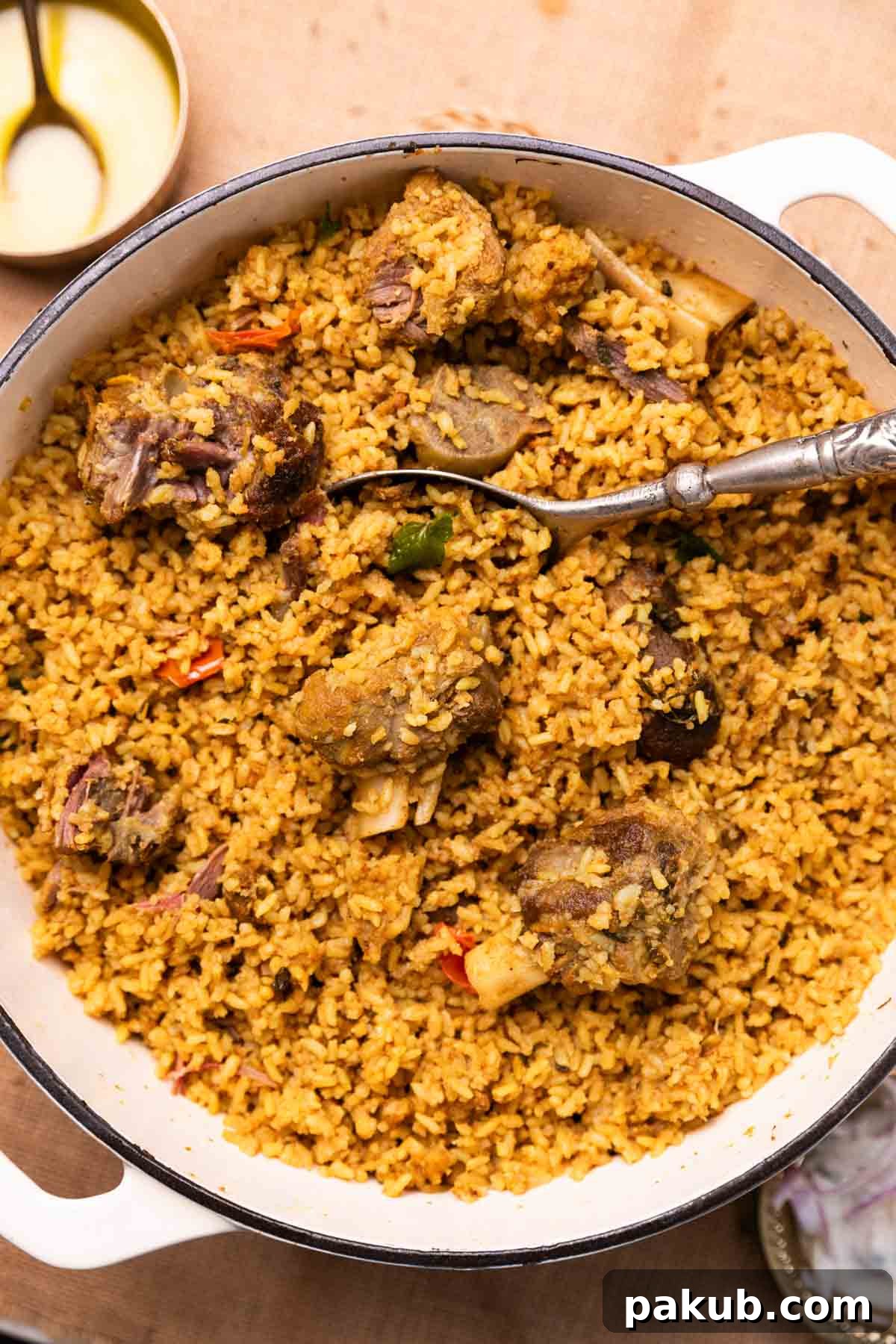
Embark on a culinary adventure to the heart of Tamil Nadu with this authentic Dindigul Style Mutton Biryani recipe. Renowned for its distinctive dark brown hue, tantalizing aroma, and perfectly tender pieces of mutton, this biryani promises an unforgettable gastronomic experience. Unlike many other biryani variations, Dindigul biryani offers a unique blend of mild heat and profound flavor, making it a must-try for every biryani enthusiast seeking genuine South Indian tastes.
What truly sets this biryani apart is the meticulous preparation of a freshly ground spice blend (masala) and the exclusive use of small-grained Jeeraga Samba rice. These two elements are the pillars of its signature taste and texture, creating a dish that is both complex and incredibly satisfying. To complete this majestic meal, pair your biryani with a simple yet cooling raita, allowing the creamy yogurt to perfectly complement the biryani’s rich spices.
Jump to Section
- Why You’ll Love This Recipe
- The Legacy of Dindigul Biryani
- Key Ingredients for Authentic Flavor
- Expert Cooking Tips
- Frequently Asked Questions
- The Secret Ingredient: Kalpasi (Stone Flower)
- Dindigul Style Mutton Biryani Recipe
Why You’ll Love This Authentic Mutton Biryani
This Dindigul Thalappakatti Style Mutton Biryani is more than just a meal; it’s an experience. Here’s why it will quickly become a favorite in your kitchen:
- A Symphony of Authentic South Indian Flavors: The heart of this biryani lies in its unique, freshly ground masala and the use of aromatic coconut oil. These elements combine to deliver a depth of flavor that is truly characteristic of traditional Tamil Nadu cuisine, offering a taste profile distinct from North Indian biryanis. Every bite tells a story of fragrant spices and culinary heritage.
- Unmatched Tenderness: We ensure the mutton is pressure-cooked to absolute perfection, resulting in incredibly succulent and melt-in-your-mouth pieces that have fully absorbed the rich blend of spices. This preparation method guarantees a delightful texture that complements the fragrant rice.
- Perfect for Every Special Occasion: With its magnificent aroma, deep color, and luxurious taste, this biryani is an ideal centerpiece for family gatherings, festive celebrations, or simply a lavish weekend meal. It’s a dish that impresses and satisfies, leaving a lasting impression on your guests.
- Accessible for Every Home Cook: Despite its gourmet appeal, this recipe is designed to be straightforward and easy to follow. Our detailed, step-by-step instructions ensure that even those new to biryani-making can successfully recreate this classic dish with confidence, achieving restaurant-quality results at home.
The Legacy of Dindigul Biryani: A Taste of History
Dindigul, a city in Tamil Nadu, India, holds a special place in the hearts of biryani lovers. The Dindigul biryani, particularly associated with the famous Thalappakatti brand, has a rich history rooted in local culinary traditions. Originating from humble beginnings, it evolved to become one of the most celebrated biryanis in South India. The name “Thalappakatti” itself means “turban-wearer,” referring to the founder who was known for his turban, symbolizing tradition and authenticity.
What makes Dindigul biryani stand out in the crowded world of biryanis is its unique combination of local ingredients and cooking techniques. It’s not as overtly spicy as some Hyderabadi biryanis, nor as mild as some Awadhi versions. Instead, it strikes a delicate balance, allowing the inherent flavors of the meat and the distinctive Jeeraga Samba rice to shine through. The deep, dark brown color is a hallmark, often achieved through the caramelization of onions and a specific blend of spices rather than excessive chili powder. This biryani is a testament to the region’s culinary philosophy: flavor over fire.
Key Ingredients for Authentic Dindigul Mutton Biryani
Crafting this exquisite biryani involves a harmonious blend of carefully selected ingredients, each playing a crucial role in developing its signature flavor and texture. Here’s a closer look at the stars of our recipe:
- The Star: Seeraga Samba Rice (Jeeraga Samba): This short-grain, aromatic rice is non-negotiable for an authentic Dindigul biryani. Its distinct fragrance, delicate texture, and ability to absorb flavors without becoming mushy make it superior to other varieties. If Seeraga Samba rice is difficult to find, high-quality Basmati or Sona Masoori rice can serve as acceptable alternatives, though the texture and aroma will differ slightly.
- The Flavor Foundation: Freshly Ground Biryani Masala: This isn’t just any spice powder; it’s a meticulously crafted blend of whole spices like coriander seeds, cumin seeds, fennel seeds, black peppercorns, cardamom (elaichi), cloves, mace, cinnamon (dalchini), bay leaves, and crucially, stone flower. Grinding these spices fresh just before cooking unleashes an unparalleled depth of aroma and taste that pre-packaged masalas simply cannot replicate.
- Aromatic Essentials:
- Baby Onions (Sambar Onions): These small, sweet onions are preferred for their intense flavor and caramelize beautifully, contributing to the biryani’s deep color and rich base. If unavailable, two large red onions can be used, but the baby onions truly enhance the authenticity.
- Ginger and Garlic Paste: Freshly ground ginger and garlic are indispensable, forming the pungent and aromatic backbone of the biryani gravy.
- Green Chillies: These provide a fresh, vibrant heat that is characteristic of Dindigul biryani, which tends to be milder than other regional biryanis.
- Richness and Depth:
- Coconut Oil: Essential for that authentic South Indian touch, coconut oil imparts a subtle sweetness and unique fragrance to the biryani. While other cooking oils can be used, coconut oil is key to achieving the traditional flavor profile.
- Ghee (Clarified Butter): Adds a luxurious richness and nutty aroma, elevating the overall indulgence of the dish.
- Whisked Curds (Yogurt): Tenderizes the mutton and adds a tangy creaminess to the gravy, balancing the spices.
- Fresh Mint (Pudina) and Coriander Leaves: These herbs provide a burst of freshness and vibrant color, brightening the biryani’s rich flavors.
- Lemon Juice: A squeeze of fresh lemon juice at the end adds a refreshing tang, cutting through the richness and enhancing the overall taste.
- The Secret Weapon: Stone Flower (Kalpasi): Often overlooked, this dried lichen is a game-changer. It might look unassuming, but its earthy, smoky, and slightly woody aroma infuses the biryani with a mysterious depth that is truly distinctive and impossible to replicate with any other spice. Its subtle presence is a hallmark of authentic Dindigul biryani.
Expert Tips for a Flawless Dindigul Biryani
- Prioritize Jeeraga Samba Rice: As mentioned, this short-grain rice is paramount for achieving the authentic texture and aroma of Dindigul biryani. Rinse it thoroughly and soak for at least 15-20 minutes to ensure even cooking and fluffy grains. If sourcing is an issue, Basmati or Sona Masoori can be used, but adjust water ratios as they absorb differently.
- Always Use Freshly Ground Masala: This step cannot be stressed enough. Dry roast your whole spices for the biryani masala powder lightly before grinding to awaken their essential oils. The vibrant, complex flavor that this fresh blend imparts is the true essence of this dish and is the main differentiator.
- Coconut Oil is Your Best Friend: For a truly authentic South Indian taste, coconut oil is highly recommended. It adds a unique flavor and aroma that distinguishes this biryani. While you can substitute with other cooking oils like vegetable or ghee, the final taste profile will not be entirely the same.
- Perfectly Tender Mutton: Pressure cooking the mutton with a few whole spices ensures it becomes incredibly tender. Don’t overcook it at this stage, as it will undergo further cooking with the rice. Also, remember to reserve the flavorful mutton stock; it’s essential for cooking the rice and infusing it with extra flavor.
- Master the Dum Cooking: The “dum” method, where the biryani cooks on very low heat in a sealed pot, allows the flavors to meld and the rice to cook perfectly. Using a heavy-bottomed pot and placing it on a pre-heated tawa (griddle) prevents burning and ensures even heat distribution, resulting in perfectly fluffy and flavorful biryani. Resist the urge to open the lid during the dum process!
- Patience is a Virtue – Let it Rest: Once the dum cooking is complete, allow the biryani to rest, covered, for at least 20-30 minutes. This resting period allows the rice grains to firm up, the flavors to settle, and the steam to distribute evenly, resulting in a more cohesive and aromatic biryani.
Frequently Asked Questions (FAQ)
Dindigul biryani is distinguished by several factors: its signature dark brown color (often from caramelized onions and specific spices rather than heavy chili), its use of small-grained Jeeraga Samba rice, and a specific blend of freshly ground spices that includes the distinctive stone flower (kalpasi). It also tends to have a milder, more aromatic heat profile compared to the spicier Hyderabadi biryanis and typically uses coconut oil for an authentic South Indian flavor.
This flavorful biryani pairs beautifully with cooling and tangy sides. Classic choices include a simple onion raita or cucumber raita, a fresh cucumber salad, a spicy brinjal (eggplant) salan, or even a selection of tangy Indian pickles. A hard-boiled egg or some crispy papadums can also be excellent additions.
Absolutely! You can easily substitute mutton with chicken. However, you will need to significantly adjust the cooking times. Chicken cooks much faster than mutton, so reduce the pressure cooking time for the chicken to prevent it from becoming overcooked and shredding. Typically, chicken requires less time in the pressure cooker and also less time during the final dum cooking stage.
The spice level can be adjusted by modifying the quantity of green chilies used in the onion paste and the Kashmiri chili powder. For a milder biryani, reduce the number of green chilies. For more heat, you can add more green chilies or a touch of a spicier red chili powder, though Kashmiri chili powder is preferred for its color rather than intense heat.
Yes, biryani often tastes even better the next day as the flavors have more time to meld. Once cooled, store the biryani in an airtight container in the refrigerator for up to 2-3 days. To reheat, gently warm it on the stovetop over low heat, adding a splash of water or mutton stock to prevent drying, or in a microwave.
The Secret Ingredient: Kalpasi (Stone Flower)
If you’re new to the world of South Indian spices, stone flower, also known as kalpasi, is about to become your new favorite secret weapon. This unique dried lichen, often found clinging to tree barks, might look a bit unconventional, resembling something gathered from a forest floor. However, its culinary impact is profound and distinctive.
Kalpasi possesses an earthy, woody, and subtly smoky aroma that adds an incomparable depth to the biryani. It’s a foundational flavor in many South Indian spice blends, particularly in Tamil Nadu, and is crucial for achieving the authentic Dindigul profile. While its contribution is subtle and often hard to pinpoint for the uninitiated, once you experience the rich, complex layer it adds, you’ll understand why it’s considered indispensable by connoisseurs. Don’t be tempted to skip it; this understated spice is the key to unlocking the true soul of Dindigul Mutton Biryani.
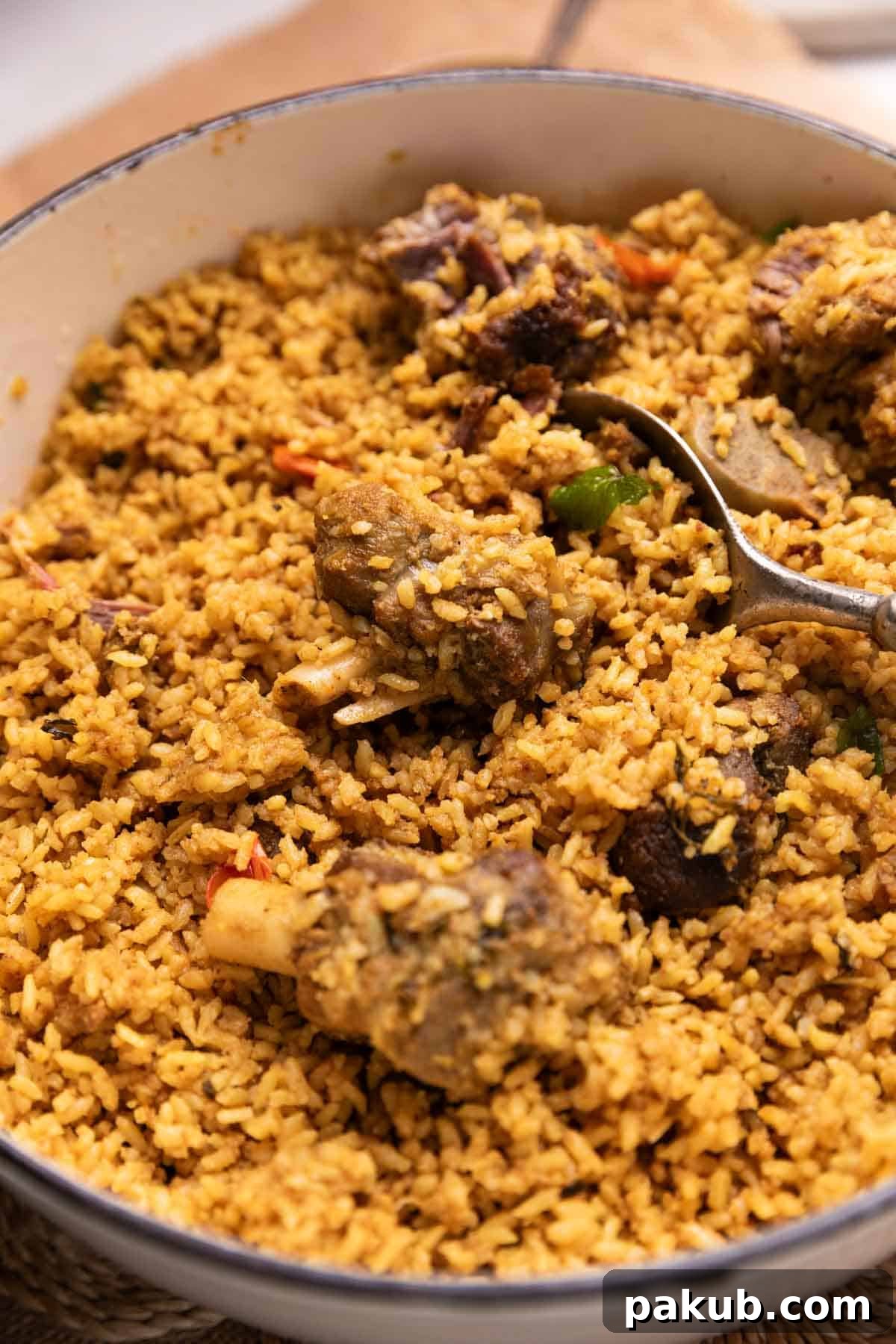
Dindigul Style Mutton Biryani Recipe
Dindigul Style Mutton Biryani
Richa
10 mins
45 mins
40 mins
1 hr 35 mins
6 people
Ingredients
For Cooking Mutton
- 450 grams mutton, cut into biryani-sized pieces
- ½ teaspoon turmeric powder
- ¼ teaspoon salt
- 1 bay leaf
- 2 cloves
- 2 green cardamom (elaichi)
- 1 inch cinnamon stick (dalchini)
- 1 blade of mace
- 2 cups water
For Biryani Masala Powder
- 2 tablespoons coriander seeds
- ½ tablespoon cumin seeds
- ½ tablespoon fennel seeds (saunf)
- ½ teaspoon black peppercorns
- 5 green cardamom (elaichi)
- 5 cloves
- 2 mace blades
- 1 inch cinnamon stick (dalchini)
- 1 tablespoon stone flower (kalpasi)
- 2 bay leaves
For Cashew Powder
- ¼ cup broken cashews, ground to a fine powder
For Onion Paste
- 25 baby onions (sambar onions), approx. 1 cup, 115 grams (see note 2)
- 5 green chillies (adjust to taste)
- 1 inch ginger, peeled and roughly chopped
- 15 cloves garlic, peeled
For Biryani Gravy
- 3 tablespoons coconut oil
- 4 tablespoons ghee (clarified butter)
- 1 tablespoon Kashmiri chilli powder (for color, optional)
- ½ teaspoon turmeric powder
- 2 ⅛ teaspoon salt (adjust to taste)
- ¼ cup fresh mint leaves (pudina), chopped
- ¼ cup fresh coriander leaves, chopped
- ½ cup plain curds (yogurt), whisked smooth
- 2 tablespoons fresh lemon juice
- ¾ + ⅓ cup water (additional, for rice; see note 3)
- 2 cups Jeeraga Samba rice (see note 4)
Instructions
Preparing the Rice
- Wash the Jeeraga Samba rice thoroughly under running water until the water runs clear.
- Soak the washed rice in fresh water for 15 minutes. Drain well and set aside.
Cooking the Mutton
- In a pressure cooker, combine the mutton pieces with ½ teaspoon turmeric powder, ¼ teaspoon salt, 1 bay leaf, 2 cloves, 2 green cardamom, 1 inch cinnamon stick, 1 mace blade, and 2 cups of water.
- Close the lid and cook on high pressure until the first whistle.
- Reduce the heat to low and continue cooking for another 10 minutes. Turn off the heat and allow the pressure to release naturally.
- Carefully open the cooker. Drain the mutton pieces and discard the whole spices.
- Measure and reserve the mutton stock. You should have approximately 2 ¼ cups of stock.
Crafting the Biryani Masala Powder
- In a mixer grinder or spice grinder, add all the ingredients listed under “For Biryani Masala Powder” (coriander seeds, cumin seeds, fennel seeds, black peppercorns, cardamom, cloves, mace, cinnamon, stone flower, bay leaves).
- Grind them to a very fine powder. Set aside. This should yield approximately 4 tablespoons of fragrant masala powder.
Making the Aromatic Onion Paste
- In the same mixer grinder (no need to clean it after grinding spices), combine all the ingredients for the “Onion Paste” (baby onions, green chillies, ginger, garlic).
- Grind to a smooth, fine paste, adding a splash of water if necessary to aid blending.
Assembling and Dum Cooking the Biryani
- In a large, heavy-bottomed cooking pot or Dutch oven, heat the coconut oil and ghee over medium heat.
- Add the prepared onion paste and cook on low heat for about 5 minutes, stirring frequently, until it is well-roasted and the oil begins to separate from the sides of the pot. This step is crucial for developing the biryani’s deep color and rich flavor.
- Stir in the cashew powder, Kashmiri chilli powder (if using), ½ teaspoon turmeric powder, and 2 ⅛ teaspoon salt. Fry for about a minute, ensuring the spices are well incorporated and fragrant.
- Add the drained, cooked mutton pieces along with 3 tablespoons of the freshly ground biryani masala powder. Mix everything thoroughly, ensuring the mutton is well coated with the spice paste.
- Next, add 3 tablespoons of the chopped mint leaves, 3 tablespoons of the chopped coriander leaves, the whisked curds, and the lemon juice. Stir well to combine.
- Cover the pot and cook on low heat for 5 minutes. This allows the mutton to absorb the rich flavors of the masala, and you’ll notice the ghee/oil separating from the sides once again.
- Now, add the soaked and drained rice to the pot. Gently mix it in without breaking the rice grains.
- Pour in the reserved mutton stock, along with the additional ¾ + ⅓ cup water. Add the remaining 1 tablespoon of mint leaves and 1 tablespoon of coriander leaves. Stir gently to distribute everything evenly.
- Increase the heat to medium-high and bring the mixture to a rolling boil.
- Once boiling, reduce the heat to very low, cover the pot tightly (you can seal the lid with a dough if you prefer traditional dum), and cook for 10 minutes. At this stage, the biryani will be semi-cooked.
- While the biryani is cooking, heat a heavy tawa (griddle) on a separate burner until it is hot.
- Carefully transfer the semi-cooked biryani pot onto the hot tawa. Continue to cook on very low heat (dum) for another 7 minutes. (See note 5)
- Turn off the heat, but do not open the lid. Let the biryani rest, undisturbed, for at least 30 minutes before serving. This resting period is vital for the rice to absorb all the flavors and become perfectly fluffy.
Notes
- It’s highly recommended to use coconut oil in this recipe for authentic flavor, but it may be replaced with any other neutral cooking oil if necessary.
- Baby onions (sambar onions) contribute a distinct sweetness and flavor. They may be replaced with 2 large red onions, finely chopped and then ground into a paste.
- The specified water portion is carefully measured to ensure optimal cooking of the Jeeraga Samba rice, resulting in perfectly fluffy and separate grains.
- While Jeeraga Samba rice is ideal, you may replace it with good quality Basmati or Sona Masoori rice. Be aware that cooking times and water absorption might vary slightly.
- Cooking the biryani on a pre-heated tawa during the dum stage prevents the biryani from sticking to the bottom of the pot and ensures even heat distribution, leading to a perfectly cooked biryani without burnt layers.
Nutritional Information
- Calories:
- 883 kcal
- Carbohydrates:
- 104g
- Protein:
- 27g
- Fat:
- 42g
- Saturated Fat:
- 22g
- Polyunsaturated Fat:
- 3g
- Monounsaturated Fat:
- 12g
- Cholesterol:
- 90mg
- Sodium:
- 1204mg
- Potassium:
- 1107mg
- Fiber:
- 13g
- Sugar:
- 21g
- Vitamin A:
- 548 IU
- Vitamin C:
- 45mg
- Calcium:
- 271mg
- Iron:
- 5mg
Final Thoughts and Serving Suggestions
This Dindigul Style Mutton Biryani is more than just a recipe; it’s an invitation to experience the heart and soul of South Indian culinary traditions. Perfect for a cozy Sunday lunch or an elaborate festive dinner, this biryani is guaranteed to impress your family and friends with its rich flavors and captivating aroma. The tender mutton, fragrant rice, and complex spice blend create a truly memorable meal.
Serve it warm, straight from the pot, with a generous dollop of cooling raita or a simple onion and tomato salad. Don’t forget to save some for a post-biryani nap – it’s an unofficial but cherished part of the tradition! Enjoy every flavorful bite and let this biryani transport you to the vibrant kitchens of Tamil Nadu.
If you try this recipe, we’d love to see your creations! Share your biryani adventures with us on Instagram @my_foodstory and join our community of food lovers.
This article was researched and written by Harita Odedra.